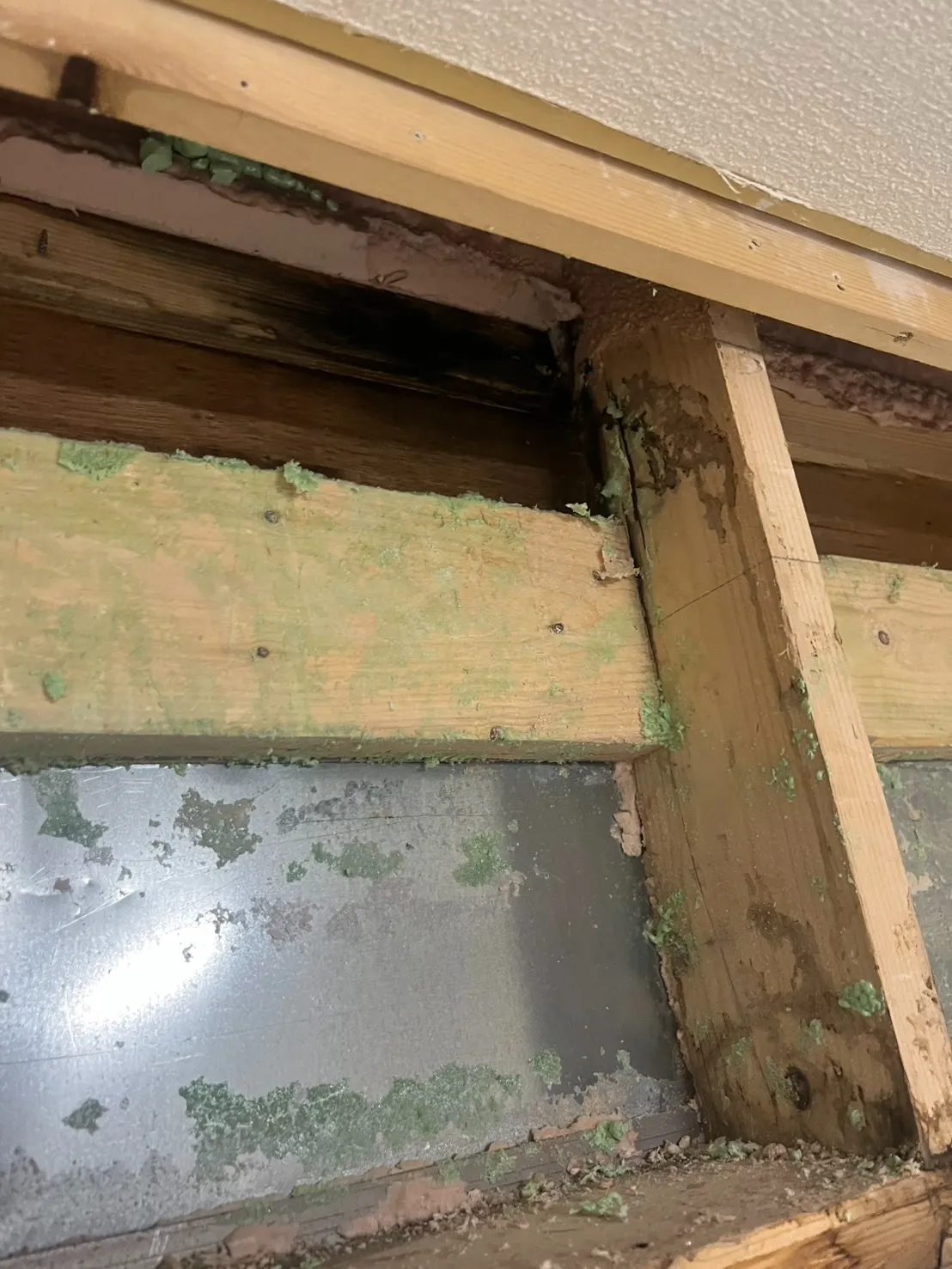
Protect the Warmth of Wood! A Complete Mold Prevention Guide for Detached Houses
2025/08/30
Thank you for reading our blog today.
Mold that unexpectedly appears in detached houses can impact not only the appearance but also your health and the lifespan of your home. Many homeowners wonder, “Why is this happening to our house?” and without knowing the real cause and proper solutions, the problem can often become serious.
In this article, we’ll explain why tightly sealed homes tend to trap moisture, why materials like wood and tatami mats are more prone to mold, and how to manage humidity in daily life, make structural improvements, and properly remove mold.
By reading this article, you’ll gain practical mold prevention strategies and long-term maintenance tips to protect your family’s health and your home’s value—taking the first step toward a safe and comfortable living environment.
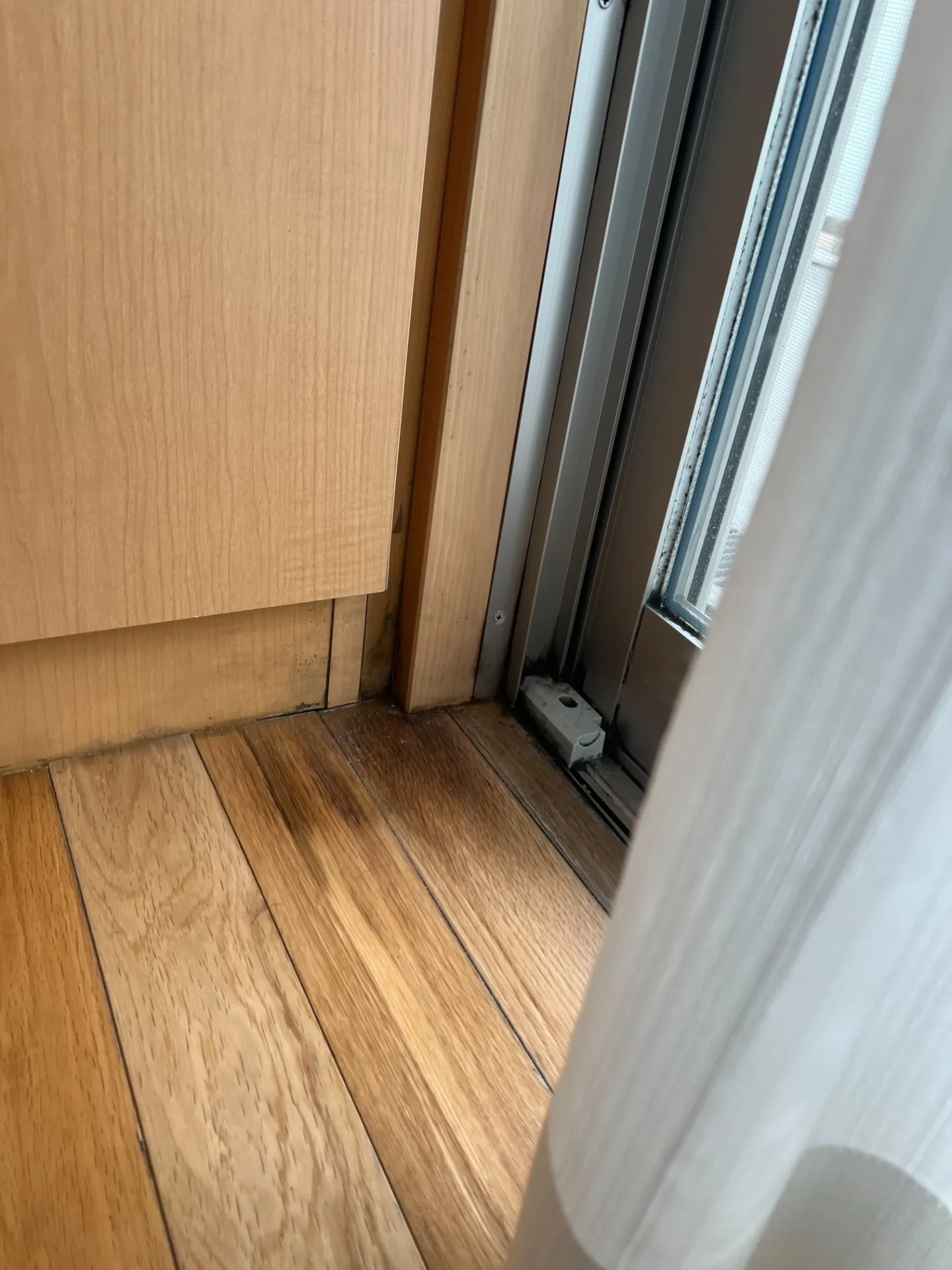
1.What Are Mold Problems in Detached Houses?
In detached houses, mold growth is far from uncommon. Especially in Japan’s hot and humid climate, conditions are ideal for mold to thrive—even newly built or relatively new homes are not always safe. Depending on the materials, structure, and how the home is used, the areas and risks of mold occurrence can vary. That’s why having accurate knowledge and taking the right preventive measures is essential.
1-1. Japan’s Hot and Humid Climate and Mold Risk
Japan's climate is known for its high humidity, especially from spring through autumn. During the rainy season, it’s common for outdoor humidity levels to reach 70–90%, which easily leads to moisture accumulating indoors. Modern detached houses often feature high airtightness and insulation, which improves energy efficiency but reduces ventilation. As a result, moisture becomes trapped, creating an environment where mold can thrive. Mold is particularly noticeable in places with poor airflow, such as closets, storage areas, and north-facing walls.
1-2. Health and Structural Damage from Neglect
Leaving mold untreated can cause more than just an unpleasant appearance—it can seriously affect both human health and the integrity of the home. Mold spores disperse through the air and may trigger allergies, asthma, and skin issues. This is especially dangerous for small children and the elderly, whose immune systems may be weaker. Additionally, mold deteriorates building materials like wood and wallpaper, shortening the lifespan of the house. Mold growing in unseen areas like under floors or in the attic can damage structural elements without being noticed, making early intervention critical.
1-3. Commonly Overlooked Areas Where Mold Grows
When people think of mold, they often picture places like bathrooms and kitchens. However, in detached homes, mold can also hide in areas that appear clean. Commonly overlooked spots include the attic and crawl space—areas rarely checked, where moisture can build up unnoticed, creating ideal mold conditions. Other vulnerable locations include the backs of closets, behind furniture, and around window seals, where stagnant air and humidity tend to linger. Mold inside air conditioners is also common due to condensation after cooling use, which can result in a musty smell when operating the unit. Because these areas are easy to overlook, regular inspection and cleaning are crucial. If you sense a musty odor even when no visible mold is present, there may be hidden growth in unseen places.
2.Common Causes of Mold Growth in Detached Houses
Behind mold growth in detached houses are various factors such as the building's structure, the materials used, and the residents’ daily habits. Even homes that appear clean on the surface may unknowingly provide ideal conditions for mold to thrive. In this section, we’ll clearly explain the specific causes of mold unique to detached houses.
2-1. High Airtightness and Insulation Can Lead to Poor Ventilation
Modern detached homes often feature excellent insulation and airtight construction, offering energy efficiency and consistent indoor temperatures. However, these benefits come with a downside—limited airflow. This makes it harder for moisture to escape outdoors. In winter, people tend to keep windows closed, and moisture from humidifiers and cooking steam becomes trapped indoors, creating ideal conditions for mold. Even if a home has vents or exhaust fans, they may not function effectively due to clogged filters or poor maintenance, resulting in inadequate ventilation. In other words, even high-performance homes are at greater risk of mold if proper ventilation measures are lacking.
2-2. Wood and Tatami Mats Absorb Moisture and Provide Mold Nutrients
Detached homes often use wood for flooring and walls, and in rooms with traditional Japanese design, tatami mats are also common. These natural materials are highly absorbent, and when indoor humidity stays high, they can retain moisture both on the surface and inside. This creates the perfect trio for mold growth: moisture, warmth, and nutrients. Additionally, fine fibers in wood and tatami trap dust, body oils, and food particles from the air—further fueling mold growth. Mold often spreads inside these materials without being noticed. Tatami mats, in particular, may appear clean but can harbor extensive mold on the underside. Managing indoor humidity and regularly cleaning these materials are essential steps in preventing mold.
2-3. Can Furniture and Storage Placement Cause Mold?
A commonly overlooked factor is the placement of furniture and storage units. Large furniture pieces placed flush against walls can block airflow, causing moisture to accumulate between the furniture and the wall. This often results in mold forming on the backs of furniture and the walls they touch. Walls facing north are especially prone to condensation due to temperature differences with the outside air. Placing furniture tightly against these walls creates a perfect storm: condensation plus lack of airflow—ideal for mold to spread unnoticed. Closets and storage areas can also become mold-prone if overfilled, as poor air circulation traps moisture. To prevent mold, it's effective to leave a few centimeters of space between furniture and walls, regularly ventilate storage areas, and use moisture absorbers. A home layout that considers airflow is key to mold prevention.

3.Basic Preventive Measures to Keep Mold from Growing
3-1. Maintain Indoor Humidity Between 40–60%
Mold begins to grow actively when humidity exceeds 60%. Therefore, keeping indoor humidity consistently between 40–60% is one of the most basic and effective countermeasures. Place a hygrometer in commonly used spaces like the living room or bedroom so you can monitor humidity at all times. When humidity is high, using your air conditioner’s dehumidifying mode or running a dehumidifier can help. Special caution is needed during the rainy season and after using humidifiers in winter. Signs like condensation on windows or a damp feeling on wallpaper indicate high humidity levels and should be addressed promptly.
3-2. Regular Ventilation and Condensation Removal
Ventilation is essential for releasing moisture and keeping indoor air fresh. If your home has a 24-hour ventilation system, it should be kept running continuously. Opening windows is also effective; even opening them 2–3 times a day for about 10 minutes helps create airflow and release humidity. During activities that generate moisture—like cooking, bathing, or drying laundry indoors—extra ventilation is especially important. In winter, if window condensation is left unchecked, mold can develop on window frames and wallpaper. Wipe down windows with a dry cloth in the morning, and consider using anti-condensation films if needed.
3-3. Key Points to Watch During Humid Seasons
Mold is especially likely to grow during high-humidity seasons such as the rainy season, summer, and the humidifier-heavy winter months. During these times, it's vital to be even more mindful of humidity control and ventilation. In the rainy season, drying laundry indoors increases moisture, dramatically raising mold risk. Use dehumidifiers or your air conditioner’s dry mode to quickly remove excess moisture. In summer, condensation often occurs due to temperature differences from air conditioning, and if ignored, it can lead to mold near windows and walls. In winter, overusing humidifiers can create excessive humidity, causing condensation on walls and ceilings. To prevent this, use a humidifier alongside a hygrometer, and adjust it frequently to keep humidity below 60%. Maintaining airflow and humidity balance, especially during these moist seasons, is key to effectively preventing mold growth.
4.Everyday Habits to Prevent Mold
4-1. Use Dehumidifying Mode and Dehumidifiers
During humid seasons, make active use of your air conditioner’s dehumidifying mode and dedicated dehumidifiers. The dry mode on air conditioners removes moisture from the air without significantly lowering the temperature, making it ideal for use during the rainy season or at night. Dehumidifiers visibly collect water in their tanks, helping you stay aware of indoor humidity levels. Many models now come with built-in humidity sensors, allowing for efficient operation without over-drying, and they can be used anywhere in the house. Even placing them for a short time in areas prone to moisture—such as closets or washrooms—can significantly reduce the risk of mold growth.
4-2. Be Careful with Indoor Drying and Houseplants
Drying laundry indoors releases large amounts of moisture into the air. In poorly ventilated rooms, this moisture gets absorbed into walls and floors, creating the perfect environment for mold. If indoor drying is necessary, use a fan or dehumidifier to speed up the drying process. Houseplants, while a popular interior feature, can also increase humidity around the soil and pot area. When grouped together in unventilated spaces or near windows, mold can spread unnoticed. To enjoy plants safely, limit the number you keep, check soil dryness regularly, and be mindful of watering and placement.
4-3. Moisture Control for Closets and Storage Spaces
Closets and storage areas are some of the most mold-prone spots due to stagnant air. Because they’re not opened frequently, moisture tends to accumulate, putting clothes, bedding, and stored items at risk. The most important habit is to ventilate these spaces regularly—open the doors for a few hours on sunny days to refresh the air. Avoid overpacking these areas, as tightly packed items prevent airflow, increasing humidity. Using moisture absorbers or placing slatted boards (like wooden pallets) under items helps prevent moisture buildup and improves ventilation. Dehumidifying sheets and silica gel products that visibly indicate humidity levels are also highly effective. Since reacting after mold has already appeared is too late, it’s essential to make moisture prevention in storage areas part of your daily routine.
5.Structural and Design-Based Mold Prevention for Homes
5-1. Use of Humidity-Regulating Materials and Insulated Windows
Some building materials have humidity-regulating properties—they absorb moisture when the air is humid and release it when the air is dry. Materials like diatomaceous earth and eco-friendly wall tiles (e.g., EcoCarat) help balance indoor humidity naturally, reducing the likelihood of mold growth. Additionally, using high-performance insulated windows such as double-glazed or multi-layered glass can minimize condensation caused by temperature differences between indoors and outdoors. Since mold often forms around windows due to condensation, improving window insulation is a highly effective preventive measure.
5-2. Design Layout and Airflow from the Planning Stage
Proper ventilation is a key concept in designing a mold-resistant home. When planning the layout, incorporating a structure that allows air to flow easily throughout the house helps prevent stagnant air and trapped moisture. For example, placing windows on opposite walls to create cross-ventilation, or installing vents even in storage areas, can be very effective. Including ventilation systems in hidden areas like under the floor and in the attic also prevents moisture buildup in structural parts. If you’re renovating, it's a good idea to consult with your contractor about incorporating airflow-conscious design features.
6.Mold Removal Methods for Wooden Detached Houses
Wooden houses offer a natural warmth and charm, but they also tend to absorb moisture easily, making them more susceptible to mold growth. When mold appears on structural elements like floors, pillars, or walls, it affects not only the appearance but also the durability of the home. In this section, we’ll explain how to properly deal with mold on wood surfaces and when it’s time to consult a professional.
6-1. Effective Methods for Removing Mold from Wood (Ethanol, Oxygen-Based Bleach, etc.)
When you find mold on wooden surfaces, it’s important to act quickly to remove it. For mold that can be handled at home, using disinfectant ethanol is a highly effective method. Ethanol evaporates quickly and doesn’t overly saturate the wood, which helps prevent damage to the material. Simply spray it on the moldy area and wipe it off with a dry cloth to see a significant improvement. For white discoloration or mold stains, you can dilute powdered oxygen bleach in water and apply it to improve the appearance. However, these methods are effective mainly for surface-level mold. If mold has penetrated deep into the wood, it may not be completely eliminated with household products. Also, since bleach can cause discoloration or deterioration depending on the material, always test it in an inconspicuous spot first.
6-2. Why You Should Consult a Professional for Widespread or Recurring Mold
If mold has spread across an entire wall or keeps coming back despite your efforts, it’s time to call in a professional. When mold has penetrated deep into the wood, over-the-counter solutions can only treat the surface, leaving the root of the problem unresolved. Professional mold removal specialists use specialized agents and equipment tailored to different materials, allowing them to completely eliminate mold without damaging the wood. They also apply anti-mold treatments afterward to help prevent future outbreaks. For homes with young children or elderly residents, professional services ensure a higher level of safety, giving you peace of mind.
6-3. How to Prevent Mold from Returning After Removal
Even if a moldy area looks clean after treatment, ignoring the root cause often leads to recurrence within a few weeks or months. This is especially true for wooden houses, where mold roots may remain deep within the material, making surface cleaning alone insufficient. To prevent recurrence, focus on “humidity control,” “anti-mold treatments,” and “revising daily habits” after mold removal. Keep humidity levels below 60% with a hygrometer. Applying anti-mold agents to treated areas can help prevent mold from reattaching. Mist-type treatments that penetrate deep into the wood offer long-lasting protection. Also, rearranging furniture to allow for better airflow helps reduce moisture buildup. Areas where mold once appeared should be considered high-risk zones and monitored closely to maintain a healthy, comfortable living environment.
7.Summary of Mold Prevention for Detached Houses
Up to this point, we’ve covered everything from the causes of mold in detached houses to specific prevention measures and removal methods. Mold prevention isn’t a one-time task—it only becomes truly effective when consistently maintained over time. To protect both your family’s health and the longevity of your home, it's essential to combine daily preventive habits with structural strategies, ensuring that mold has no place to grow.
7-1. Key Points for Mold Prevention
The three fundamentals of mold prevention are “humidity control,” “ventilation,” and “cleanliness.” Keep indoor humidity between 40–60%, and be especially cautious during the rainy season and winter when condensation is common. Ensure good airflow by placing furniture and storage units slightly away from walls. Make it a habit to use air conditioners or dehumidifiers, ventilate rooms regularly, and check closets and storage spaces frequently. Once mold appears, it can penetrate deeply and be difficult to remove, so the best defense is to consistently maintain an environment that doesn’t allow mold to grow.
7-2. Importance of Ongoing Maintenance
No matter how thoroughly you remove mold, if moisture or dirt—the root causes—are left behind, mold is likely to return. Make a habit of inspecting the entire house regularly, especially in areas prone to moisture like windows, north-facing walls, and inside storage spaces, ideally on a seasonal basis. Also, aging materials or deteriorating fixtures can lead to mold issues, so if your home is older, consider renovations or a professional inspection for added peace of mind. Mold prevention is ultimately a form of caring for your home. To enjoy a comfortable living environment for years to come, commit to ongoing maintenance.

Mold Removal and Prevention by Kabi Reform Tokyo & Nagoya and Kabi Busters Osaka
Mold issues in detached houses often progress quietly in hidden areas, only becoming apparent after causing significant damage. For those who feel limited by DIY solutions or are struggling with recurring mold, professional intervention is essential.
Kabi Reform Tokyo & Nagoya and Kabi Busters Osaka offer advanced mold removal and prevention services using the proprietary “MIST Method®.” This specialized technique adjusts cleaning agents according to the characteristics of each material, eliminating mold at its root without scrubbing or scraping—preserving the integrity of the surfaces. The mold removal agents used are designed to be safe for humans and environmentally friendly, making them ideal for households with small children or elderly residents.
After removal, a powerful and long-lasting anti-mold treatment is applied to thoroughly suppress airborne mold spores and prevent recurrence. This technology, also used in the restoration of historic buildings, helps preserve the value of your home.
Don’t overlook the invisible risks—protect your comfort and peace of mind. For any mold concerns, trust the professionals at Kabi Reform Tokyo & Nagoya and Kabi Busters Osaka.
---------------------------------------------------------------------
カビ取リフォーム
東京営業所
〒141-0022
東京都品川区東五反田2-5-2 YHE CASK GOTANDA6階
電話番号:090-8321-4408
名古屋本社
〒465-0028
愛知県名古屋市名東区猪高台1-1301 タイコウビル1F
電話番号 : 0120-588-766
サイト:https://taikou-kensou.co.jp/
大阪営業所
〒532-0003
大阪府大阪市淀川区宮原1-19-23
電話番号:080-6978-3068
カビバスターズ大阪
https://kabibusters-osaka.com/
【検査機関】
一般社団法人微生物対策協会
https://kabikensa.com/
----------------------------------------------------------------------