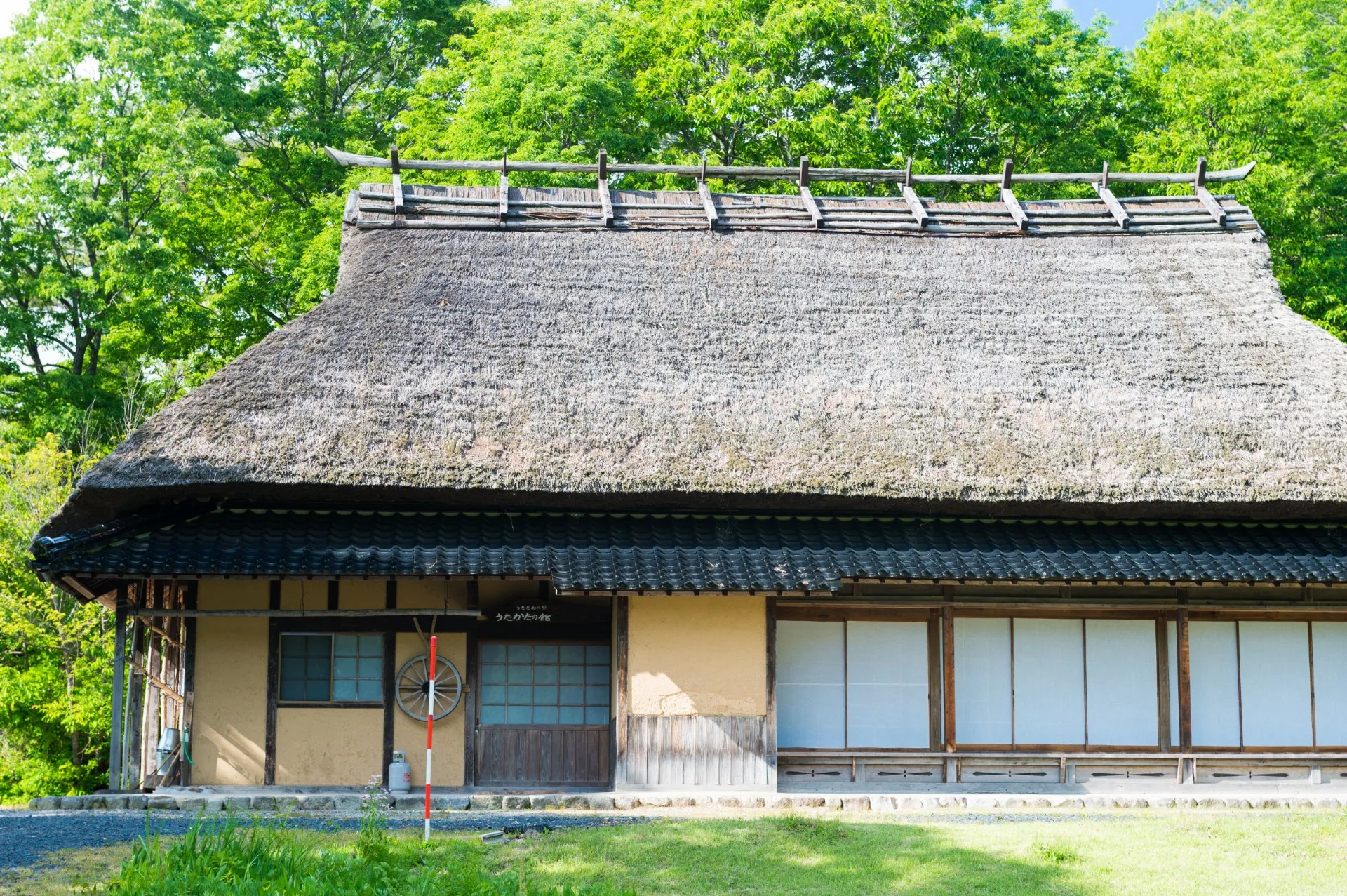
Hidden Dangers Beneath: How Poor Crawl Space Ventilation Leads to Mold Damage in Homes
2025/09/01
Crawl space ventilation in detached houses is often overlooked, yet this hidden area can become a breeding ground for mold. Poor ventilation allows moisture to accumulate, damaging the structure and putting residents' health at risk.
This article explains why poor crawl space ventilation leads to mold growth, explores the mechanisms behind condensation and moisture buildup, and offers practical solutions, including when to seek professional help.
You’ll gain clear knowledge on how to prevent mold before it starts, protect the structural integrity of your home, and ensure a safe living environment for your family through actionable, effective measures.
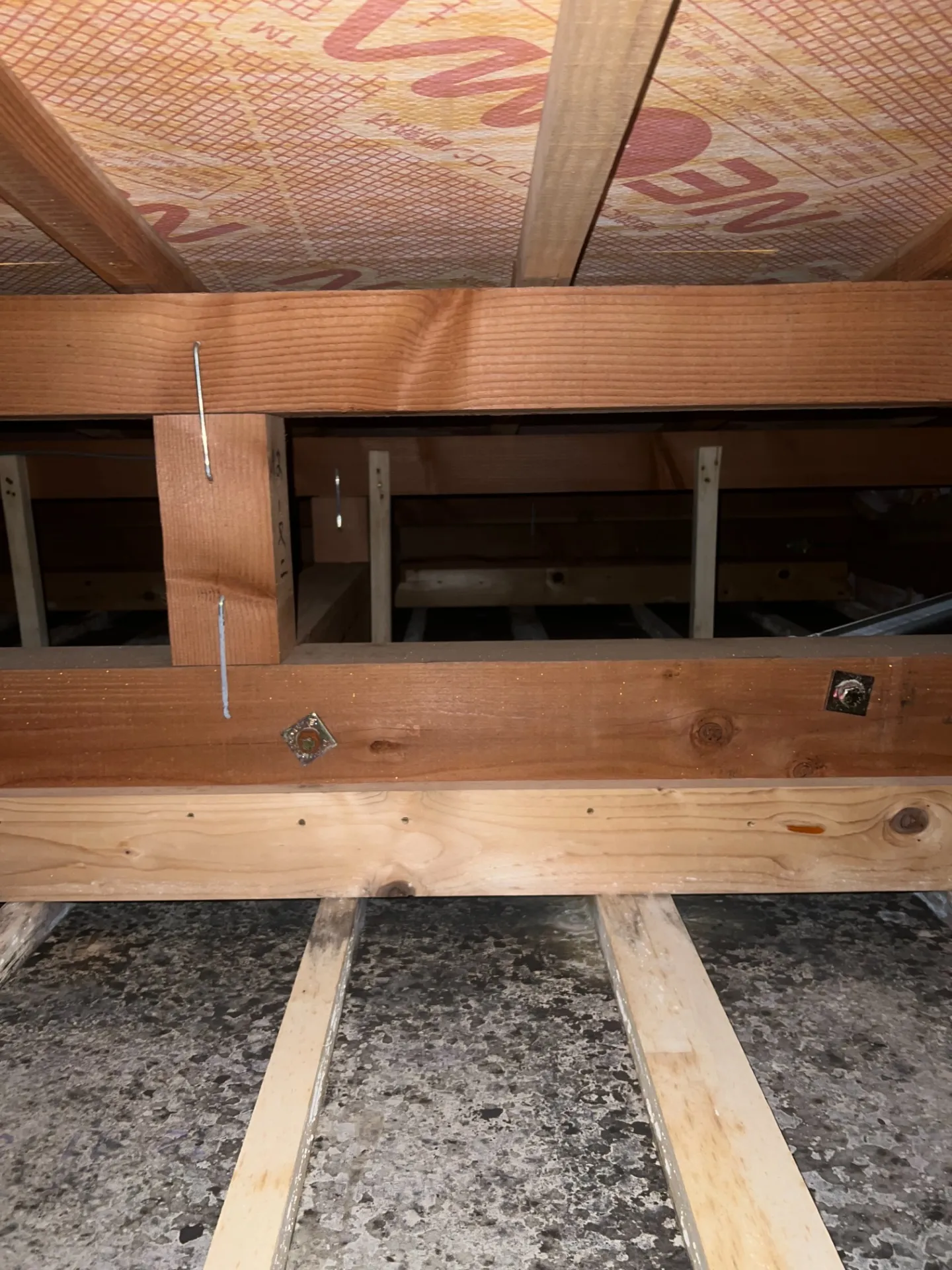
1. Why Poor Crawl Space Ventilation Is the Hidden Danger in Detached Houses
The crawl space beneath detached homes is often out of sight and thus overlooked. However, this unseen area is a prime location for mold to grow when ventilation is insufficient. Trapped moisture accumulates over time, causing mold to thrive, which can lead to structural degradation and health hazards for residents. In this section, we explore why crawl space ventilation is such a critical, yet neglected, factor in home maintenance.
1-1. How Overlooking Crawl Spaces Creates Structural Risks
Because homeowners rarely see their crawl space, it’s easy to miss early signs of trouble. Yet this space is highly sensitive to changes in temperature and humidity—especially in Japan’s climate, which promotes damp conditions from spring through summer. Without proper airflow, moisture settles into wooden beams and insulation, setting the stage for mold growth. Often, homeowners only realize there's an issue once they notice musty odors or discoloration on floors—by then, significant damage may already be done. Poor ventilation becomes a hidden, escalating threat to your home's integrity.
1-2. The Impact of Japan’s Humid Climate on Underfloor Conditions
Japan’s seasonal humidity, particularly during the rainy season and summer months, greatly affects underfloor environments. Additionally, many homes are built close to the ground, allowing moisture from the soil to rise into the crawl space. Without adequate ventilation, this moisture becomes trapped, increasing the risk of mold and even termite infestations. Over time, this can weaken the building’s foundation. In a country with such climate challenges, proper crawl space ventilation is a foundational aspect of home longevity.
2. Main Causes of Crawl Space Moisture and the Severity of Poor Ventilation
When crawl spaces remain damp, they become prime environments for mold and wood rot. These conditions threaten the home's structural integrity and, left unchecked, can lead to expensive repairs. The main causes of crawl space moisture are often a combination of soil humidity, condensation, and plumbing leaks—all of which are worsened by poor ventilation. In this section, we’ll break down these causes and explain why proper airflow is so vital.
2-1. Combined Effects: Soil Moisture, Condensation, and Plumbing Leaks
There are three major sources of moisture in crawl spaces. First, moisture naturally evaporates from the soil, especially in areas with high groundwater or frequent rainfall. Second, temperature differences between the inside and outside of the crawl space cause condensation to form on wood and metal surfaces. Finally, plumbing leaks or poor drainage can introduce standing water under the home. When these issues occur simultaneously, moisture builds up rapidly and mold growth accelerates. It’s the perfect storm—unseen, silent, and destructive.
2-2. Vent Blockages and Design Flaws in Ventilation Systems
Even when crawl spaces are equipped with vents, they’re often improperly placed or obstructed. Objects like outdoor storage, overgrown vegetation, or debris can block airflow. In older homes, structural shifts or past renovations may have compromised the intended ventilation design. As a result, stale, moist air becomes trapped, further worsening the crawl space conditions. Without regular inspection, these issues go unnoticed until visible mold or severe damage appears. Proper ventilation isn’t just about having vents—it’s about ensuring they work effectively.
3. Mold Damage: Its Impact on Homes and Health Risks for Residents
When crawl space moisture is left unaddressed, visible and hidden damage begins to take shape. Mold growth is not just a cosmetic or odor issue—it poses serious threats to both your home’s structural safety and your family’s health. In this section, we’ll explore how mold affects building materials and the physical well-being of those living in the home.
3-1. Wood Decay, Termite Infestation, and Structural Deterioration
The most immediate threat of mold in crawl spaces is to the wood framing. When wooden components remain damp and mold begins to colonize, their structural strength diminishes over time. Compounding the issue is that damp wood becomes a magnet for termites, which thrive in moist environments. As termites feed on weakened structures, the damage multiplies—often hidden from view. In severe cases, floors may begin to sag or collapse, requiring extensive and costly repairs. Mold is rarely a standalone problem; it often signals a broader issue that compromises the entire foundation of the home.
3-2. Mold Exposure and Its Effect on Allergies and Respiratory Health
Mold doesn’t stay confined to the crawl space. As spores travel through the air, they can enter the living spaces above. Once inside the home, mold exposure may trigger allergies, asthma, chronic coughing, skin irritation, or eye discomfort—especially in children, the elderly, or individuals with weakened immune systems. What makes it more dangerous is that many people don’t immediately link these symptoms to a hidden mold problem. Maintaining a mold-free crawl space isn’t just about protecting your house—it’s about ensuring a safe, healthy environment for everyone inside.
4. The Mechanism Behind Moisture Evaporation and Condensation Due to Poor Ventilation
Moisture problems in crawl spaces are not simply about trapped air—they are deeply tied to physical processes like evaporation and condensation. These processes, while natural, can cause significant harm when ventilation is inadequate. Understanding how these mechanisms function is crucial for preventing mold and long-term structural issues. In this section, we’ll break down how poor ventilation triggers moisture buildup and explain how air movement directly impacts indoor safety and durability.
4-1. CFD Analysis: Ideal Airflow and Moisture Behavior
In the field of architecture and environmental engineering, CFD (Computational Fluid Dynamics) is used to simulate air and moisture flow in confined spaces like crawl spaces. Research shows that the ideal ventilation rate is about 1 to 3 air changes per hour (ACH). When this rate drops, moisture released from soil evaporation tends to linger, saturating wooden beams and insulation materials. On the other hand, when air circulates at the right speed and volume, moisture is naturally expelled, preventing mold from forming in the first place. Crawl space ventilation is not just a mechanical requirement—it plays a critical role in maintaining dry, safe conditions below your home.
4-2. The Relationship Between Air Changes per Hour (ACH) and Condensation Prevention
Condensation is another hidden but serious issue tied to poor ventilation. It occurs when warm, moist air comes into contact with cooler surfaces, causing water droplets to form on wood, insulation, and pipes. These droplets create ideal conditions for mold growth and material decay. The key to preventing condensation lies in managing airflow—specifically, ensuring sufficient ACH. When stale, humid air lingers due to a lack of ventilation, condensation increases dramatically, especially during mornings, nights, or the rainy season. Adequate air exchange keeps humidity in check and significantly reduces the risk of these hidden damages.
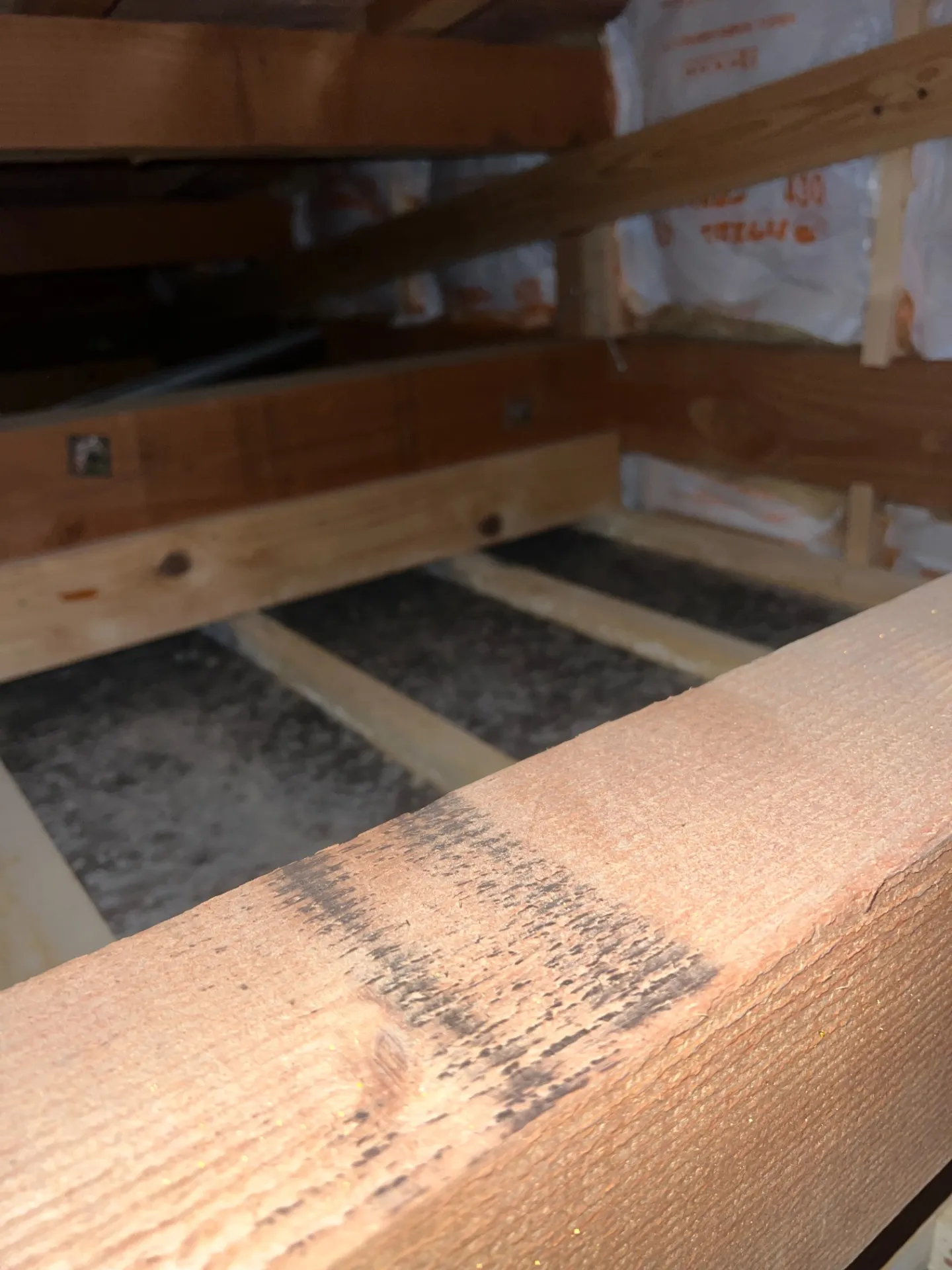
5. Practical Crawl Space Ventilation and Moisture Control Solutions
Managing crawl space moisture requires a two-pronged approach: preventing moisture buildup and ensuring proper air circulation. By improving ventilation and minimizing sources of dampness, homeowners can significantly reduce the risk of mold and structural deterioration. In this section, we’ll cover simple yet effective solutions that can be applied to both new and existing homes.
5-1. Installing Vapor Barriers, Insulation, Vents, and Exhaust Fans
One of the easiest and most effective ways to reduce crawl space moisture is by installing a vapor barrier. These plastic sheets are laid across the ground to block moisture from rising through the soil. When combined with insulation, they also help regulate temperature and prevent condensation. Equally important is the placement and number of ventilation openings. If vents are too few or obstructed, they lose their effectiveness. For homes where natural airflow is insufficient, installing crawl space exhaust fans can be a game-changer. Many models come with timers or humidity sensors to automatically manage airflow and maintain optimal conditions below the floor.
5-2. Using Desiccants, Dehumidifiers, and the Importance of Regular Maintenance
Desiccant materials—such as activated charcoal or zeolite—help absorb excess moisture in the crawl space and naturally regulate humidity levels. When used in combination with proper ventilation, they offer an added layer of protection. In more challenging environments, a specialized crawl space dehumidifier may be necessary. These devices are designed to operate in high-humidity, low-clearance areas and are highly effective at preventing condensation. However, none of these solutions are fully effective without regular inspection. Check for torn vapor barriers, blocked vents, or new leaks at least once a year—especially before and after humid seasons. Consistent maintenance ensures long-term results and helps prevent costly repairs down the line.
6. Integrating Crawl Space Design and Ventilation from the Architectural Stage
While retrofitting crawl space ventilation is possible, the most efficient and cost-effective solution is to address it during the architectural planning phase. Considering airflow and moisture control early in the design process can prevent future mold problems and structural issues. In this section, we’ll highlight key design strategies and lessons learned from real construction projects.
6-1. Key Design Elements for Effective Underfloor Airflow
When designing a home, one of the most important considerations is establishing a consistent airflow throughout the crawl space. Vent placement and quantity must align with the site’s geography and prevailing wind directions. Ideally, vents should be positioned diagonally across from each other to allow natural cross-ventilation. Newer construction techniques, such as the “foundation packing method,” create a built-in airflow space between the foundation and the floor structure, enhancing natural ventilation. Additionally, incorporating ground-level concrete sealing or moisture-resistant treatments during construction can help prevent humidity from entering the crawl space altogether. Designing with ventilation in mind is a proactive step toward long-term building health.
6-2. Lessons from Construction Successes and Failures
Many real-world cases show that neglecting crawl space ventilation in the design phase can lead to serious consequences. For example, vents that technically meet code requirements may be grouped on one side of the house, limiting actual airflow. In other instances, densely packed insulation or piping blocks air circulation, creating isolated pockets of moisture. On the flip side, successful designs combine full-foundation ventilation with supplementary tools like exhaust fans and moisture-regulating materials. These examples demonstrate that simply “having vents” isn’t enough—effective crawl space design must consider airflow dynamics, building layout, and local climate conditions. Prevention begins with smart planning.
7. How to Inspect and Maintain Crawl Spaces Effectively
Crawl space issues often go unnoticed until they cause significant damage. That’s why regular inspection and maintenance are critical. Yet many homeowners are unsure how to check this hidden area properly. In this section, we’ll explain simple and practical ways to monitor your crawl space, identify early warning signs, and maintain a safe, mold-free environment.
7-1. Using Moisture Meters and Sensory Clues for Early Detection
To assess your crawl space’s condition, you need to measure moisture levels accurately. A moisture meter is a valuable tool that measures the water content inside wood. Readings over 20% indicate a high risk of mold or decay. You can purchase consumer-friendly models for simple at-home checks. Beyond tools, use your senses—if you notice musty smells or a damp atmosphere when opening the access hatch, there may already be a problem. Visually inspect for signs such as wood discoloration, stains, standing water, or visible mold spots. Identifying these symptoms early is essential to stopping the spread before it worsens.
7-2. Inspection Ports and How to Check Soil, Drainage, and Pipes
To inspect your crawl space effectively, an access port (or hatch) is necessary. Some older homes may lack this feature, but it can be added later for regular maintenance. Once you have access, use a flashlight or camera to check conditions. Focus on soil moisture, water pooling, drainage around the foundation, and the integrity of pipes and insulation. Leaking pipes are especially concerning, as they contribute to mold and attract termites. Ideally, perform these inspections once or twice a year—especially before the rainy season and after winter—to understand how the environment changes. These small, proactive steps can prevent major repairs later.
8. When and How to Hire Professionals for Mold Remediation
While minor mold issues can sometimes be managed with DIY efforts, crawl space problems often require specialized tools, knowledge, and treatments. Especially when the mold has spread or structural damage is suspected, professional intervention is the safest and most effective choice. In this section, we’ll explain how to determine the right time to call in experts—and what to look for when choosing a mold remediation service.
8-1. What Makes MIST Method® Safe and Effective: Choosing the Right Specialist
Mold remediation companies offer various treatments, but not all methods are equally effective or safe for your home. Our recommended solution is the MIST Method®, used by Cabibusters Osaka and Mold-Removal Remodel Tokyo & Nagoya. This proprietary technique uses a misting system to deeply penetrate materials and break down mold at the root, without scrubbing or damaging delicate surfaces like wood or insulation. It’s also safe for people, making it ideal for households with children or elderly members. When hiring a service, look for providers that use proven methods like MIST, offer transparent pricing, and provide detailed inspections and long-term prevention strategies—not just surface-level fixes.
8-2. Comparing DIY vs. Professional Mold Removal: Pros and Cons
DIY mold removal may seem cost-effective, but it comes with limitations—especially in hard-to-reach crawl spaces. Household mold sprays often address only surface-level growth and fail to eliminate spores deep within materials. Poor visibility, confined spaces, and lack of equipment can also lead to incomplete removal or even health risks. In contrast, professionals have access to industrial-grade dehumidifiers, moisture meters, and non-invasive treatments that ensure thorough remediation. They also inspect for hidden damage and offer preventative solutions. While professional services may involve higher upfront costs, the long-term value—especially in preventing recurrence—makes them a smart investment for homeowners.
9. Common Misconceptions About Crawl Space Ventilation
Many homeowners unknowingly adopt incorrect assumptions about crawl space ventilation. These misunderstandings can lead to inadequate protection and long-term damage to both the home and health. In this section, we clarify some of the most common myths and explain the facts behind them.
9-1. "Natural Ventilation Alone Is Enough" – Why That's Not Always True
A common belief is that passive ventilation through vents is sufficient to keep crawl spaces dry. While vents can help, they often don’t provide enough airflow—especially in humid climates or houses surrounded by landscaping that blocks wind. Additionally, in summer, warm outside air may actually increase humidity levels under the home. For this reason, supplemental mechanical ventilation or dehumidification is often necessary, particularly in high-risk environments. Relying solely on natural airflow without verifying effectiveness can leave your crawl space vulnerable to moisture buildup and mold.
9-2. "No Visible Mold Means No Problem" – Why You Still Need to Inspect
Just because you can’t see mold doesn’t mean it’s not there. Mold often begins growing in hidden areas, such as behind insulation, within wood beams, or under flooring. It may also release spores into the air long before visible growth appears. Some homeowners assume that if there’s no smell or staining, everything is fine—but by the time symptoms become obvious, damage is usually already extensive. Regular inspections using moisture meters and visual checks are essential, even if your crawl space appears clean at first glance.
Mold Remediation & Home Renovation? Trust Cabibusters Osaka & Mold‑Removal Remodel Tokyo & Nagoya
If you're dealing with mold issues in your crawl space or elsewhere in your home, turn to Cabibusters Osaka and Mold-Removal Remodel Tokyo & Nagoya, operated by Taiko Kensō Co., Ltd. Our biggest advantage? We offer integrated mold remediation and full-scale home renovation in one comprehensive service.
Traditionally, mold removal and home renovation required separate contractors—causing delays, miscommunication, and higher costs. But at Taiko Kensō, we handle everything from mold diagnostics and safe removal to structural repairs and remodeling—all under one roof. This seamless process saves you time, stress, and money.
We specialize in the innovative MIST Method®, a proprietary technology that safely removes mold without damaging delicate materials like wood and insulation. This fine mist penetrates deep into surfaces, breaking down mold at the root. It's also safe for families, including children and the elderly. After removal, we apply long-lasting anti-mold treatments that continue protecting your home.
As a leader in both mold treatment and renovation, Taiko Kensō Co., Ltd. offers a wide range of services across the Kansai, Kanto, and Chubu regions. From kitchens and bathrooms to full interior upgrades, barrier-free modifications, and thermal insulation improvements—we bring deep industry knowledge and hands-on expertise to every project. We don't just treat symptoms; we improve homes from the ground up.
Protect your home, extend its lifespan, and safeguard your family's health. For inspections, consultation, or immediate support, contact Cabibusters Osaka or Mold-Removal Remodel Tokyo & Nagoya today.
---------------------------------------------------------------------
カビ取リフォーム
東京営業所
〒141-0022
東京都品川区東五反田2-5-2 YHE CASK GOTANDA6階
電話番号:090-8321-4408
名古屋本社
〒465-0028
愛知県名古屋市名東区猪高台1-1301 タイコウビル1F
電話番号 : 0120-588-766
サイト:https://taikou-kensou.co.jp/
大阪営業所
〒532-0003
大阪府大阪市淀川区宮原1-19-23
電話番号:080-6978-3068
カビバスターズ大阪
https://kabibusters-osaka.com/
【検査機関】
一般社団法人微生物対策協会
https://kabikensa.com/
----------------------------------------------------------------------