Mold on Wallpaper!? The Hidden Root Causes in Rental Homes and Immediate Steps You Can Take
2025/08/29
Have you ever noticed dark stains or strange odors on your wallpaper in a rental or owned home? That could be mold. It's not just a cosmetic issue—left untreated, it can lead to health problems or even contractual disputes with landlords or tenants.
This article dives into the real causes of mold on wallpaper, especially the structural risks unique to rental properties. It uncovers the often-overlooked factors that contribute to mold growth in daily life.
By understanding the root causes, you’ll be better equipped to prevent mold from returning and avoid rental disputes. From simple DIY tips to knowing when to call a professional, both tenants and homeowners will find practical solutions here.
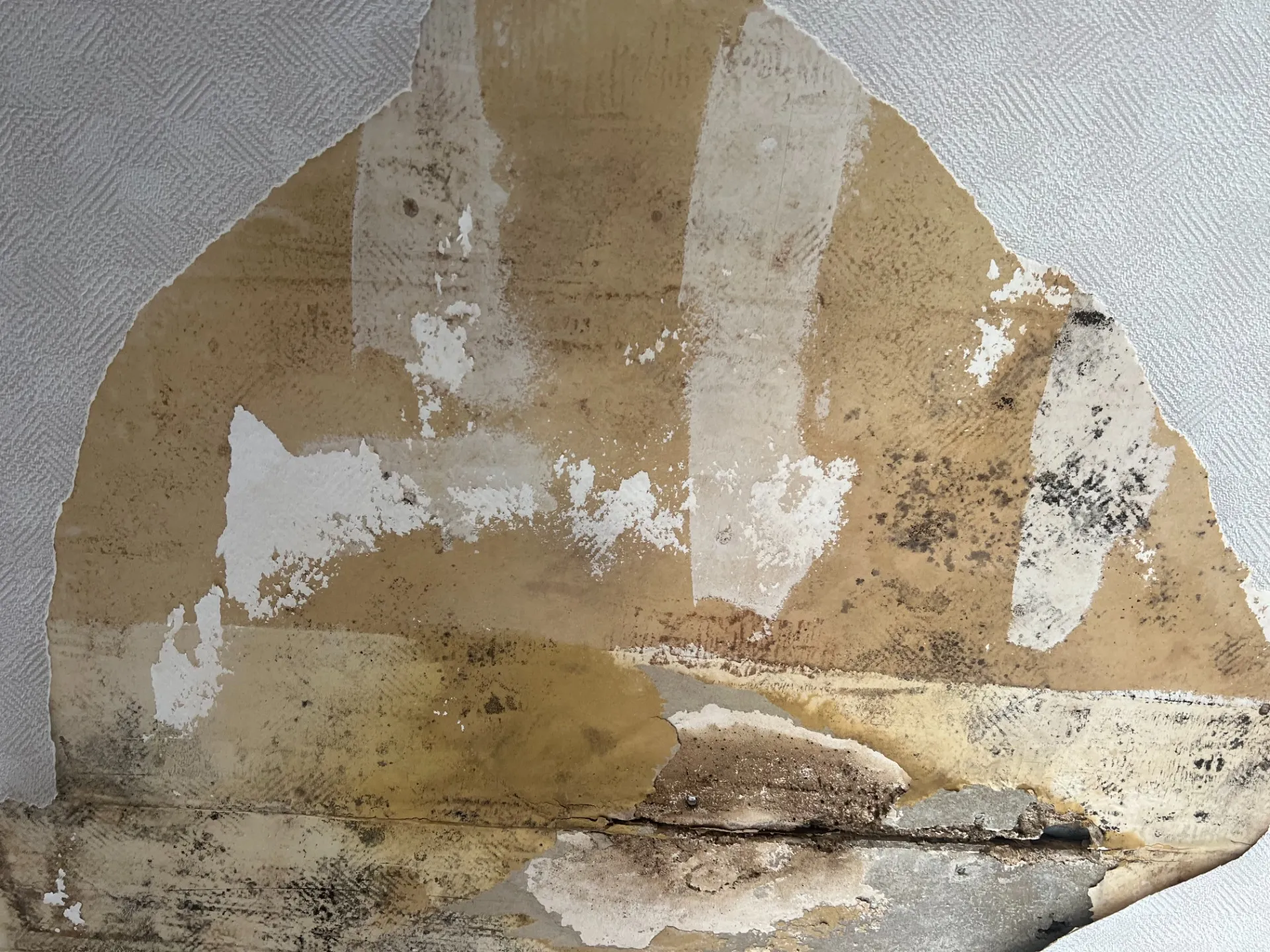
1. Why Does Mold Grow on Wallpaper? Understanding the Root Causes
Mold on wallpaper isn't just caused by a little moisture—it's the result of multiple environmental and structural factors. In countries like Japan with high humidity and distinct seasons, fluctuations in temperature, condensation, and poor construction practices can create the perfect conditions for mold growth. In this section, we’ll explore the main underlying causes of wallpaper mold.
1-1. Humidity and Condensation: The Impact of Japan’s Moist Climate
Japan’s climate is consistently humid, and during the rainy season or winter, condensation becomes a serious issue indoors. The space behind wallpaper often lacks airflow, making it a common spot for moisture to accumulate—and where mold begins to thrive. This is especially common on exterior-facing walls or in north-facing rooms where temperature differences are more severe, leading to condensation on the walls.
As modern homes are built with tighter seals to improve insulation, natural ventilation is reduced. This increases the likelihood of trapped humidity. In rental properties, insulation may be inadequate, causing moisture to build up behind the wallpaper. Additionally, placing furniture directly against the wall blocks airflow and traps humidity, increasing mold risk.
Thus, unseen humidity and condensation are key contributors to mold growth behind wallpaper, silently developing out of sight.
1-2. Wall Structure and Ventilation: Issues with Direct Wallpaper Application and Insulation
Another major cause of mold is the building’s structure and how the wallpaper is applied. A common method called “direct application” involves pasting wallpaper directly onto drywall or board without a ventilation gap. This traps moisture and promotes hidden mold growth behind the surface.
When insulation is insufficient or improperly installed between the exterior wall and the interior, temperature differences cause internal wall condensation. That trapped moisture doesn’t easily evaporate, creating a long-term breeding ground for mold.
In many rental properties, cost-cutting construction methods often overlook ventilation and insulation. This means that no matter how careful tenants are about ventilation, the root cause remains unresolved. Understanding these hidden, structural problems is essential for addressing mold at its source.
2. Unique Structural and Management Risks in Rental Properties
While mold on wallpaper can result from humidity and general lifestyle habits, rental properties have specific risks that set them apart. Tenants may be unaware that the building’s design or maintenance history could be the root cause of mold growth. Ignoring these risks may lead to costly repairs or disputes down the line.
2-1. Construction and Material Issues Specific to Rentals: Aging and Poor Workmanship
Rental units may appear fine at a glance, but as they age, problems like deteriorating insulation, cracks in outer walls, and weakened materials can appear. These issues allow moisture to infiltrate the wall structure, creating ideal conditions for mold to spread behind the wallpaper.
In some cases, poor construction practices during the original build—such as applying wallpaper directly onto non-breathable surfaces or omitting insulation—lead to persistent humidity buildup behind walls. These hidden flaws don’t become apparent until mold has already spread.
This makes thorough inspection especially important in older buildings, where cost-saving construction methods may have prioritized appearance over long-term durability and air circulation.
2-2. Moisture From Daily Habits: Ventilation, Indoor Laundry, and Furniture Placement
On the other hand, the tenant’s daily lifestyle can also play a significant role in mold growth. Inadequate ventilation, frequently drying laundry indoors, overusing humidifiers, and placing large furniture against walls are all habits that trap humidity.
When large wardrobes or sofas are pressed tightly against walls, air can’t circulate, allowing moisture to collect and create a mold-prone environment. Tenants may unknowingly create conditions that worsen mold problems over time.
This is especially true during winter, when the temperature difference between indoor and outdoor air leads to more condensation. Even small behavior changes can have a major impact on indoor humidity and mold risk.
3. Hidden Mold Risks You Can’t See
When it comes to mold on wallpaper, the visible spots and stains are often just the tip of the iceberg. The more serious issue lies in what you can't see—mold growing behind the wallpaper or deep within the wall structure. These hidden risks are the ones most likely to lead to major repairs and health issues if left unchecked.
3-1. Mold Spreading Behind Wallpaper and Into the Wall Substrate
Even if your wallpaper looks clean on the surface, mold may be growing undetected behind it. This is especially true in properties where wallpaper is directly adhered to the wall with no ventilation gap, trapping moisture and allowing mold to spread.
When moisture seeps into the underlying drywall or wood, it tends to stay there and creates a long-lasting breeding ground for mold. This hidden mold releases spores into the air, potentially contaminating the entire indoor environment and affecting the health of those living there.
Many people try to mask the smell of mold with air fresheners, but that doesn’t solve the root of the problem. It's not uncommon to discover extensive mold damage only after removing wallpaper. That’s why early detection and proper intervention are key.
3-2. Water Infiltration From Plumbing, Window Frames, or Leaks
Another overlooked source of mold is water infiltration from plumbing systems, condensation around window frames, or leaks from the roof and exterior walls. These moisture sources often go unnoticed because they’re hidden inside the structure.
You might not realize there’s a problem until wallpaper starts to peel or discoloration appears, by which point mold may already be deeply rooted. In rental properties, deferred maintenance can worsen the situation, allowing mold to grow for extended periods.
Structural water damage can’t be resolved with surface cleaning alone. In such cases, more invasive repairs like replacing the wall substrate or fixing plumbing leaks may be required. Recognizing early warning signs and acting quickly can help prevent costly repairs down the road.
4. What Happens If You Ignore the Root Cause? Rental Property Risks of Mold
Treating mold on wallpaper as a simple cosmetic issue can lead to serious consequences. Beyond appearance and odor, ignoring mold can result in property damage, health risks, and legal disputes—especially in rental settings. In this section, we’ll explore the potential complications of leaving mold untreated.
4-1. Damage to Wall Materials and Unexpected Repair Costs
Mold doesn’t stop at the surface. Once it takes hold, it penetrates deep into drywall, wood, and other structural materials. Even if the surface appears clean, mold within the substrate can continue to grow and eventually lead to recurring outbreaks.
When the damage becomes extensive, simple wallpaper replacement won’t be enough. In some cases, the wall structure itself must be repaired or replaced. In rental properties, such damage is often considered “beyond normal wear and tear,” and tenants may be held financially responsible at the time of move-out.
Property owners also risk long-term structural deterioration, which can lower the value of the property and make it harder to attract new tenants. Early detection and action are essential to minimize costs and maintain the building’s integrity.
4-2. Health Hazards and the Risk of Complaints or Legal Claims
Mold releases spores and volatile organic compounds (VOCs), which can trigger allergies, asthma, and skin irritation. Vulnerable groups like young children, elderly residents, and those with weakened immune systems are especially at risk.
If tenants experience health problems they believe are caused by mold, they may demand remediation, report the issue to authorities, or even pursue compensation. Landlords have a duty to maintain a safe living environment, and failure to address mold could result in legal and financial consequences.
Negative reviews and complaints online can also damage the property's reputation, making it harder to lease in the future. The key takeaway: ignoring mold doesn't make it go away—it only makes the problem more complex and expensive to resolve later.

5. What Should Tenants and Property Owners Do? The First Step Toward Mold Prevention
Simply removing visible mold isn’t enough to prevent it from coming back. To truly address the issue, both tenants and property owners must take proactive steps to eliminate the root cause. Especially for landlords, it’s essential to protect both the property’s condition and the well-being of residents. Here’s where to begin.
5-1. Identifying the Cause: Steps for Inspection and Evaluation
The first step is identifying why the mold is appearing. Without knowing the underlying reason, any cleaning effort will be temporary and ineffective.
Start by monitoring indoor humidity levels. A hygrometer can help determine if your room consistently exceeds 60% humidity—an ideal condition for mold growth. If so, condensation, poor ventilation, or daily lifestyle habits may be contributing factors.
Next, examine the building structure and materials, especially in rooms with exterior-facing walls or poor insulation. Inadequate or aging insulation can lead to interior wall condensation, where moisture builds up out of sight. If you suspect a construction issue, professional inspection is highly recommended.
Also check for water intrusion, such as from leaking pipes, poorly sealed window frames, or roof damage. These sources may not be visible to the untrained eye but can supply continuous moisture to the walls. Property owners or management companies should take responsibility for assessing and resolving these issues.
5-2. When to Consult a Professional and How to Choose One
Once the source is identified, the next step is deciding whether to handle the issue yourself or call in a professional. Small surface-level mold can sometimes be managed with consumer-grade sprays, but deeper, recurring mold—especially behind wallpaper or in the structure—requires expert intervention.
If you notice a persistent musty odor, wallpaper peeling, or expanding discoloration, it's time to contact a mold remediation specialist. Choosing the right company is key: look for providers who don’t just clean the surface but investigate the root cause, use safe and effective materials, and offer long-term prevention strategies.
The right professionals can save you time, money, and the stress of recurring mold outbreaks by addressing both the visible problem and the hidden source.
6. Conclusion: Addressing the Root Cause Is the Key to Preventing Mold Problems
Mold on wallpaper is often mistaken for a minor cleanliness issue, but in reality, it’s a symptom of deeper, more complex problems. Factors like construction quality, insulation, ventilation, and daily habits all contribute to mold growth—especially in rental homes where tenants have limited control over building design.
Even if surface mold is cleaned, it will return unless the root cause is resolved. Mold can penetrate deep into wall materials, releasing spores that compromise both air quality and structural integrity. Over time, this leads to expensive repairs, health concerns, and in some cases, legal disputes between tenants and landlords.
That’s why it’s critical to take a comprehensive approach: understand why the mold is growing, and take appropriate steps to correct the underlying issue. Monitoring humidity, improving airflow, and checking for structural weaknesses are essential. For more serious cases, working with mold remediation experts who can identify and treat the source ensures long-term results.
For tenants, this means living in a healthier, more comfortable environment. For property owners, it means preserving the value of the home and avoiding future maintenance headaches. Taking action now—before the damage worsens—is the smartest way to protect both your property and your peace of mind.
Mold Removal & Renovation by Taikou Kensou|KabiBusters Osaka & Kabi Reform Tokyo/Nagoya
If you're struggling with persistent mold on wallpaper, Taikou Kensou Co., Ltd. offers a reliable and comprehensive solution through our services:
“KabiBusters Osaka” and “Kabi Reform Tokyo/Nagoya.”
We are one of the few companies in Japan that can handle both mold remediation and renovation together under one roof—from identifying the root cause to complete restoration.
KabiBusters Uses the MIST Method® for Safe and Deep Mold Removal
Our proprietary MIST Method® eliminates mold without damaging the materials underneath. The specialized solution we use penetrates deeply to break down mold at its source, without scrubbing or sanding, preserving the integrity of wood, plasterboard, and other delicate materials.
Despite its powerful effect, our treatment is safe for use in homes with small children, elderly individuals, or people with health concerns. It’s also suitable for medical and childcare facilities. We also offer long-lasting anti-mold treatments to prevent recurrence, ensuring a healthier indoor environment for the long term.
One-Stop Service: Mold Removal and Renovation in One Place
Unlike many companies that only handle one aspect of the problem, Taikou Kensou provides a complete package. After safely removing mold, we restore affected areas through our own renovation team—this includes replacing wallpaper, repairing or upgrading substrates, and incorporating materials with enhanced mold resistance and insulation properties.
Our one-stop system eliminates the need for clients to coordinate multiple contractors. From diagnosis to cleanup and rebuilding, we handle everything internally, ensuring consistency, efficiency, and high-quality results.
Our Renovation Services: Practical, Beautiful, and Mold-Resistant
Our renovation department offers more than basic repairs. We enhance the home by combining functionality, aesthetics, and mold prevention. Whether it’s replacing wall materials with breathable, moisture-resistant options or redesigning room layouts for better ventilation and light, we tailor each project to the client’s needs and lifestyle.
By integrating renovation with mold treatment, we not only fix the damage but also improve the living space—making it safer, more comfortable, and more valuable in the long run.
Service Areas and Consultation Process
・For clients in the Osaka region, please contact → KabiBusters Osaka
・For those in Tokyo and Nagoya, reach out to → Kabi Reform Tokyo/Nagoya
We begin each project with a thorough site assessment and provide detailed recommendations based on the specific situation. If you're concerned about unseen mold damage or want to ensure long-term prevention, we encourage you to get in touch for professional guidance.
Choose Taikou Kensou for lasting mold solutions and quality renovations—all in one trusted partner.
Restore your home, protect your health, and prevent future problems with our proven expertise.
---------------------------------------------------------------------
カビ取リフォーム
東京営業所
〒141-0022
東京都品川区東五反田2-5-2 YHE CASK GOTANDA6階
電話番号:090-8321-4408
名古屋本社
〒465-0028
愛知県名古屋市名東区猪高台1-1301 タイコウビル1F
電話番号 : 0120-588-766
サイト:https://taikou-kensou.co.jp/
大阪営業所
〒532-0003
大阪府大阪市淀川区宮原1-19-23
電話番号:080-6978-3068
カビバスターズ大阪
https://kabibusters-osaka.com/
【検査機関】
一般社団法人微生物対策協会
https://kabikensa.com/
----------------------------------------------------------------------