The Ultimate Guide to Preventing Bathroom Mold: Daily Habits and Must-Have Items
2025/08/27
Struggling with bathroom mold? Even with regular cleaning, mold can quickly return, leaving stains and raising health concerns. Many families deal with recurring mold that seems impossible to stop.
This article explains why mold grows easily in bathrooms, and provides a comprehensive overview of effective prevention methods, from daily habits to seasonal strategies. It also introduces practical tools for anyone to use.
By reading this article, you’ll discover how to maintain a clean, mold-free bathroom long-term. Implementing small daily habits can reduce cleaning time and help create a healthier environment for your family.
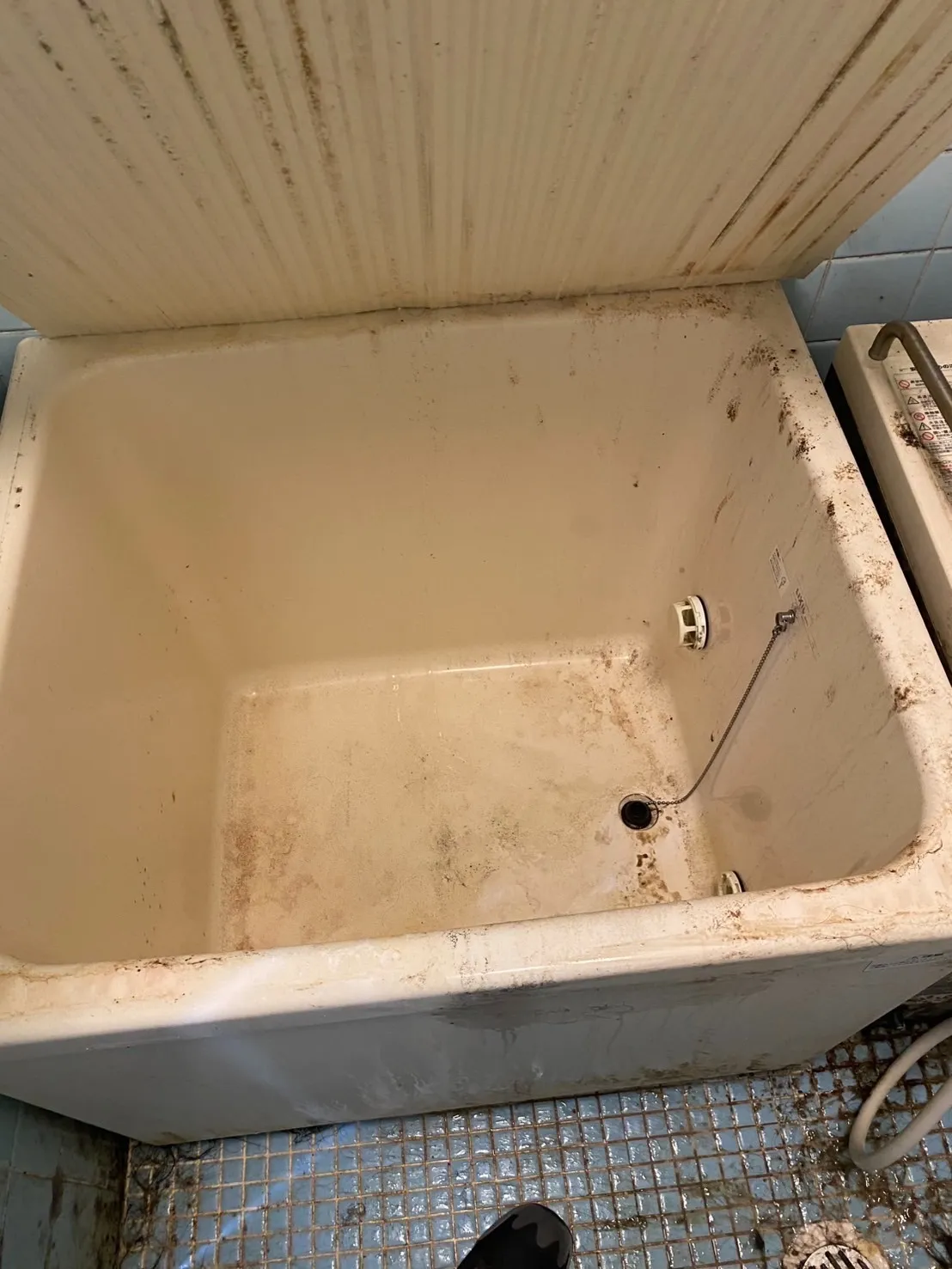
1. Why Is Mold So Common in Bathrooms? Understanding the Conditions
Even with regular cleaning, bathroom mold often comes back—and fast. This persistent problem isn't just about poor cleaning habits. The truth is, bathrooms naturally create the perfect environment for mold growth. Mold isn’t just an eyesore; it can also pose health risks, especially for children and those with allergies. In this section, we’ll break down the exact reasons why bathrooms are so prone to mold.
1-1. The Three Mold Essentials: Temperature, Humidity, and Nutrients
Mold needs three things to thrive: warmth, moisture, and a food source. Let’s start with temperature. Mold grows best in warm environments—specifically between 20°C to 30°C (68°F to 86°F). This is the same temperature range that bathrooms often reach after a hot shower or bath.
Next is humidity. Mold begins to grow when the humidity exceeds 60%, and it spreads rapidly when that number goes above 80%. Bathrooms often remain damp for hours after use, especially if ventilation is insufficient.
Finally, there’s the issue of nutrients. Bathrooms collect soap scum, body oils, shampoo residue, and dead skin cells—all of which serve as rich fuel for mold. Combined with warmth and humidity, this makes the bathroom an ideal breeding ground. So even if you clean regularly, unless you’re actively disrupting one of these three conditions, mold will find its way back.
1-2. Hidden Bathroom Residues Are Mold’s Favorite Food
The real problem isn’t just the visible dirt. It's the invisible residues that cling to grout lines, rubber gaskets, and the undersides of shampoo bottles. These hidden spots trap moisture and organic material, becoming mold's favorite hiding places. Even if your bathroom looks clean at first glance, mold spores can already be forming in corners you don’t normally check.
Bathroom design can also contribute to the problem. For example, poor ventilation, flat surfaces that hold water, or cluttered floors filled with bottles and buckets can all create stagnant, damp areas. Mold loves spaces where water lingers. If these aren't dried or cleaned regularly, you may notice black spots forming in just a few days.
Preventing mold means understanding these subtle threats and designing your cleaning and ventilation routines around them. Knowing where and why mold grows is the first step to finally keeping it under control.
2. The Mold-Free Rule of Three: Dry, Ventilate, and Remove Dirt
The key to keeping bathroom mold at bay isn’t expensive chemicals or complicated equipment—it’s consistency. Daily habits have a much greater impact than you might think. By focusing on three simple actions—drying, ventilating, and removing dirt—you can create an environment where mold struggles to survive. The best part? These habits are quick and easy to implement.
2-1. Rinse and Wipe Down Immediately After Bathing
After every bath or shower, your bathroom is left with not just moisture, but soap residue and body oils—perfect food for mold. That’s why it’s crucial to act right after bathing. Start by using the showerhead to quickly rinse down the walls, floor, and tub, washing away any leftover dirt or shampoo that could feed mold.
Then comes the most important step: drying. Use a squeegee or water wiper to remove excess water from surfaces, especially on tile grout lines and rubber seals where moisture loves to linger. This only takes 3–5 minutes, but drastically cuts down on humidity, making your bathroom a much less inviting place for mold to grow.
2-2. Let Moisture Escape with Ventilation and Open Doors
Ventilation is your best ally in mold prevention. Always run the bathroom exhaust fan for at least two hours after bathing. If your bathroom has windows, open them to create a cross-breeze. This airflow helps push moist air outside and speeds up the drying process.
Don’t forget about the bathroom door. Leaving it slightly open after use can help air circulate naturally and prevent the room from trapping humidity. This is especially important during colder months, when condensation from the temperature difference between warm bathrooms and cool air can be severe.
These ventilation steps don’t require any extra tools or products—just a shift in habit. Yet, they’re among the most effective strategies to reduce mold growth before it ever starts.
3. Visualizing Humidity: Manage Mold Risk with Temperature & Humidity Monitors
Humidity plays a critical role in bathroom mold growth, but unlike dirt or stains, it’s invisible. Relying on your senses alone—like guessing whether the air “feels” damp—isn’t enough. That’s why turning humidity into something you can measure and track is a game-changer. By “visualizing” temperature and humidity levels, you can make smarter, more effective decisions to prevent mold.
3-1. Use a Hygrometer to Track Your Bathroom’s Climate
Mold typically begins to grow when humidity exceeds 60%, and it thrives above 80%. These levels are easily reached in a closed, damp bathroom, especially after a shower. To manage this properly, consider installing a digital hygrometer and thermometer, preferably one that’s waterproof or rated for bathroom use.
These devices display real-time temperature and humidity, helping you understand your bathroom’s microclimate. More advanced models can track historical data and even connect to your smartphone. This lets you identify patterns—like how long it takes for the room to dry after bathing, or how humidity changes across seasons. Once you have the data, you can tailor your drying and ventilation routines for maximum effect.
By knowing your numbers, you're no longer reacting to mold—you’re staying ahead of it.
3-2. Tools to Control Humidity: Dryers, Dehumidifiers, and Air Circulators
If your hygrometer consistently shows high humidity after bathing, it’s time to upgrade your drying strategy. The most powerful option is a bathroom dryer system—many modern homes already include this function. Run it for 1–2 hours after a shower to dry out walls, floors, and fixtures quickly and thoroughly.
Don’t have a built-in dryer? A portable dehumidifier placed just outside the bathroom with the door open can be surprisingly effective. These devices pull moisture out of the air and reduce overall humidity levels.
Additionally, using a small air circulator or fan inside the bathroom speeds up airflow, helping wet areas dry faster. This is especially useful in winter, when natural ventilation is limited. Just a few minutes of powered airflow can make the difference between a dry surface and one that breeds mold.
All of these tools are affordable, require minimal setup, and make your daily anti-mold efforts significantly more efficient.
4. Smarter Cleaning: Top-to-Bottom, Back-to-Front
Cleaning your bathroom isn’t just about scrubbing hard—it’s about cleaning smart. Random wiping or focusing only on what you see can actually spread mold spores or allow grime to linger in hidden areas. By understanding the logic behind cleaning order and targeting problem spots, you can dramatically increase the effectiveness of your routine without adding extra work.
4-1. Efficient Cleaning by Understanding Dirt Types and Locations
When it comes to cleaning, order matters. Always clean from top to bottom and from the farthest point toward the door. Why? Because when you start from the ceiling or high walls, water and debris naturally fall downward. If you clean the floor first, you'll just dirty it again.
Start with the ceiling, then move to the walls, shelves, bathtub, and finally the floor. This method ensures you’re not repeating steps or trapping moisture in already-cleaned areas.
Also, different types of dirt require different treatments. For example, body oils respond best to mild alkaline cleaners, while soap scum and hard water stains need acid-based solutions. Learning to identify the type of grime helps you clean more effectively and without excessive scrubbing, which can damage materials over time.
4-2. Rethinking the Placement of Bathtub Items and Storage
The way you store bathroom items can make a big difference in both cleaning effort and mold prevention. Shampoo bottles, soap dishes, and other items left directly on the floor or ledges trap water underneath, creating damp zones where mold thrives.
Instead, opt for hanging storage using suction-cup or magnetic shelves. These keep items elevated, promoting airflow and making it easier to clean the surfaces below. Similarly, bath stools and buckets should be rinsed after use and hung or tilted to allow proper drainage and drying.
Even minor changes—like storing cleaning tools off the floor or using ventilated containers—can reduce moisture retention and improve hygiene. The less surface area in contact with water, the fewer places mold has to grow.
By adjusting your layout and using smart storage, you not only improve daily cleaning but also create a space that naturally resists mold buildup.
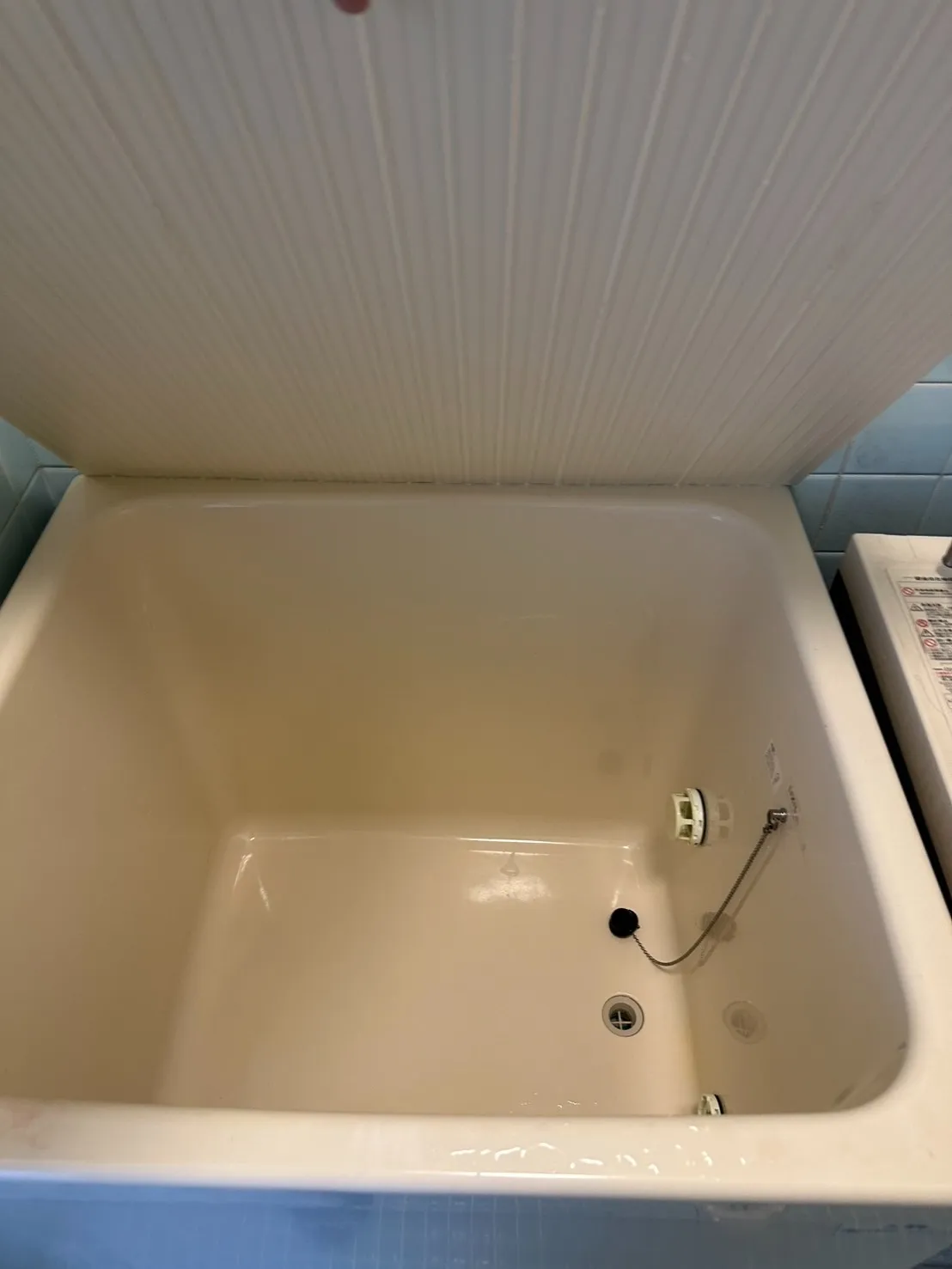
5. Tools That Work While You Rest: Mold Prevention Products
Even with daily cleaning and ventilation, it’s not always possible to eliminate all moisture or grime. That’s where mold prevention products and clever tools come in. These items can work in the background—reducing your effort while keeping your bathroom fresh and mold-free. If you want reliable results with minimal hassle, incorporating a few of these tools is highly recommended.
5-1. Anti-Mold Fumigation and Spray Solutions
One of the most effective and convenient mold prevention methods is using anti-mold fumigation products. These typically come in a small container that, once activated with water, releases a fine vapor throughout the entire bathroom. This mist neutralizes mold spores in the air and on surfaces—including hard-to-reach places like ceilings and grout lines.
Fumigation treatments are usually recommended once every 1–2 months, making them a simple addition to your cleaning schedule. They're especially helpful for busy households where daily maintenance is difficult.
For day-to-day prevention, mold-resistant sprays are also a great option. These are applied after cleaning and leave a protective layer on surfaces that helps prevent mold from sticking and growing. They’re perfect for spot-treating high-risk areas like rubber seals, tile joints, and shower corners.
5-2. Hanging Storage, Drain Nets, and Other Helpful Goods
Your bathroom layout plays a major role in how easily mold can form. Items left on the floor or in wet corners trap water and dirt, creating mold-friendly zones. To combat this, switch to hanging or elevated storage solutions. Magnetic shelves, suction racks, and adhesive hooks can all help keep items off the ground and improve drainage.
Another mold-prone area is the drain, especially the hair-catching section. By using drain nets or disposable filters, you can catch debris before it collects and decomposes—greatly reducing both mold and odors.
Combine these tools with your regular cleaning habits, and you’ll cut down on the time and effort needed to keep your bathroom mold-free. In fact, many of these products help reduce the frequency of deep cleaning altogether.
Smart prevention is all about reducing the environment mold needs to grow. The right tools make that easier—and help your efforts go further.
6. Seasonal Strategies for Mold Prevention: Beware Rainy Season & Winter
Mold is a year-round concern, but certain seasons make bathrooms especially vulnerable. High humidity in summer and the rainy season, as well as hidden moisture problems in winter, can dramatically increase the risk of mold. Knowing how to adjust your prevention methods throughout the year is key to maintaining a consistently mold-free bathroom.
6-1. Focus on Moisture Control During the Rainy and Summer Seasons
From late spring through summer, temperatures rise and humidity often soars above 70–80%. These conditions are ideal for rapid mold growth. During this time, it’s crucial to go beyond your usual routine and adopt more aggressive moisture control strategies.
Use your bathroom ventilation system in combination with a dehumidifier or fan to speed up drying. Leaving the door open, running the exhaust fan for hours after bathing, and placing an air circulator in the room can all help reduce moisture buildup.
This is also a good time to increase the frequency of anti-mold fumigation—using it monthly instead of every two months. Also, wiping down surfaces with a water wiper or microfiber cloth after every use helps prevent standing water, a key ingredient for mold growth. During the rainy season and summer, your goal is clear: dry everything as quickly as possible.
6-2. Don’t Get Lazy in Winter—Keep Up the Drying and Ventilation
Winter may seem like a low-risk season for mold, but it's actually deceptive. Warm baths in cold weather create steamy air and condensation, especially on cool surfaces like mirrors and tile. Combine that with reduced ventilation—because it’s cold and people hesitate to open windows—and you’ve got a hidden mold trap.
In winter, continue to use your exhaust fan for 2–3 hours after bathing. If you have a bathroom heater or drying system, use it even briefly to reduce humidity and prevent condensation from lingering on walls and ceilings.
If you’re concerned about cold drafts, consider using a small indoor fan to circulate air without opening windows. This still helps move damp air out and encourages faster drying. Remember: dry air in winter doesn’t guarantee a dry bathroom. Maintaining airflow is just as important in the cold months as in the hot ones.
7. Weekly Mold Checks and Monthly Deep Cleaning
Preventing bathroom mold isn't just about daily habits—it also requires regular inspections and scheduled maintenance. By establishing a weekly routine and performing deeper cleanings once or twice a month, you can catch early signs of mold before they spread and maintain a consistently clean environment with less effort in the long run.
7-1. Catch Early Mold Growth with Weekly Visual Checks
Mold is much easier to remove when caught early. That’s why it's important to visually inspect your bathroom once a week. Focus on high-risk areas like rubber seals, tile grout, drain covers, corners of the ceiling, and the undersides of shelves and bottles. If you see black specks or pink slime forming, it’s a sign mold is starting to grow.
At this stage, commercial mold sprays work effectively. A quick spray and light wipe are usually enough to stop the problem before it spreads. Early intervention not only keeps your bathroom looking fresh, but also protects your family from potential allergens and prevents structural damage caused by long-term mold infiltration.
When ignored, small mold spots can quickly deepen into porous materials like silicone or caulking—where they become extremely difficult to remove without harsh chemicals or professional help.
7-2. Do Deep Cleaning Twice a Month, or Call the Pros When Needed
Once or twice a month, take time for a more thorough cleaning session. This should include areas you don’t tackle during daily or weekly routines—such as behind the shower head, under storage racks, the ceiling fan filter, and ventilation ducts. Use small brushes or long-handled tools to reach hidden grime and trapped moisture.
If you discover stubborn mold that won’t come off or keeps returning, even after multiple attempts, it might be time to call in professional mold cleaners. Experts have the tools and solutions to reach deep into porous materials and ensure complete removal without damaging your bathroom surfaces.
Professional help is especially recommended if:
・You see mold growing behind caulk or on the ceiling
・The bathroom smells musty despite cleaning
・You have allergies that worsen after using the shower
By combining weekly checks with monthly deep cleaning—and seeking professional support when necessary—you'll maintain a truly mold-resistant bathroom with less stress.
8. Seasonal Adjustments to Prevent Mold Year-Round
Although mold is a persistent problem throughout the year, its growth patterns and risks shift with the seasons. The hot, humid months of the rainy season and summer see rapid mold expansion, while winter presents its own hidden dangers due to poor ventilation and condensation. Adapting your prevention techniques for each season is essential for maintaining long-term control.
8-1. High Humidity in Summer Requires Aggressive Drying
During Japan’s rainy season and summer months, temperatures regularly exceed 25–30°C (77–86°F), and humidity often surpasses 70–80%. This creates ideal conditions for explosive mold growth in just a matter of days. To combat this, it’s essential to ramp up your prevention efforts during this period.
Start by ensuring your ventilation fan runs longer than usual—even 3–4 hours after showering. Place a circulating fan or dehumidifier in or near the bathroom to quickly remove moisture from the air. If you have a bathroom heater/dryer, use it consistently during this season.
You should also increase the use of anti-mold fumigation products, applying them every 4 weeks instead of every 6–8 weeks. Most importantly, make wiping down wet surfaces after every use a non-negotiable habit. In the summer, moisture evaporates slower in enclosed bathrooms, so the goal should be to dry everything immediately after each use.
8-2. Winter Brings Hidden Risks Like Condensation
In winter, it’s easy to assume mold isn’t a problem due to the colder, drier air outside. But inside the bathroom, hot water baths produce steam, which condenses on cool tiles, windows, and mirrors. Plus, people tend to avoid opening windows in the cold, reducing natural ventilation.
To prevent mold in winter, continue to run your exhaust fan for 2–3 hours post-shower. If you’re using a bathroom heater, it can help both keep you warm and evaporate excess moisture quickly. If you’d rather not open windows, set up a fan or air circulator to keep the air moving.
It’s also smart to be extra vigilant about checking for moisture around windowsills, ceiling corners, and storage racks, where condensation often accumulates. Winter is deceptive—the air may feel dry, but moisture hides where it's least expected.
9. Planning a Bathroom Remodel? Prioritize Mold Prevention
A bathroom renovation isn’t just a chance to update the look of your space—it’s a rare opportunity to eliminate mold risks at the root. Modern materials and design techniques have made it easier than ever to build bathrooms that resist mold from day one. Whether you're remodeling due to damage or simply want an upgrade, incorporating mold prevention into your plans is one of the smartest choices you can make.
9-1. Choose Mold-Resistant Materials and Smart Structures
Not all bathroom materials are created equal when it comes to mold. Look for wall and ceiling panels with anti-mold coatings, and opt for non-porous, water-resistant flooring that resists moisture absorption. One-piece panel systems are especially effective, as they eliminate grout lines and seams where water and dirt can collect.
Additionally, consider redesigning surfaces to encourage water runoff. Angled ceilings or sloped walls allow moisture to flow down naturally, preventing buildup in corners and crevices. Shower niches, floating shelves, and recessed lighting can also improve ventilation and cleanliness by reducing clutter and hard-to-clean areas.
A mold-free bathroom starts with smart material choices and thoughtful construction. During your remodel, prioritize function over flash to create a space that not only looks good but also stays clean and healthy long term.
9-2. Upgrade Ventilation and Drying Equipment for Long-Term Results
If you're investing in a remodel, it's also the perfect time to enhance your ventilation and humidity control systems. A standard exhaust fan may not be enough in high-humidity areas. Instead, consider installing a bathroom heater/dryer combo, which rapidly dries the air and surfaces after use—ideal for mold prevention.
Other upgrades to consider include vented windows, additional air vents, or even connecting the bathroom to your home’s central ventilation system for 24/7 airflow. These changes may seem minor, but they significantly improve the space’s ability to stay dry automatically.
While remodeling might seem like a significant upfront investment, incorporating mold-resistant features saves money and time down the road by reducing cleaning needs, improving air quality, and extending the life of your bathroom. For long-term mold control, design matters as much as maintenance.
10. Already Found Mold? When to Call in Professionals
Even with the best daily routines and seasonal strategies, mold can sometimes still appear—especially in older bathrooms or homes with high humidity. The key is to know when a problem is too big to handle on your own. In this section, we’ll show you the warning signs of serious mold, and why professional treatment might be your best (and safest) option.
10-1. Signs of Deep-Rooted Mold and the Risks of Delayed Action
If you notice black mold that keeps coming back, even after scrubbing and using sprays, chances are it has already penetrated deep into the material. Mold spores can work their way into rubber seals, silicone caulking, tile grout, and even drywall, making surface cleaning ineffective.
Other signs of deep-rooted mold include:
・Persistent musty smells
・Mold growing in the same spots repeatedly
・Discoloration that seems to spread slowly over time
Ignoring these signs not only makes the problem harder to fix—it also poses serious health risks. Mold spores can trigger allergies, asthma, and skin irritation, especially in children and the elderly. Long-term exposure can even lead to respiratory issues in otherwise healthy individuals.
10-2. Benefits of Professional Mold Removal Services
When mold becomes a persistent or deep-seated issue, professional removal is the safest and most effective solution. Experts can assess the situation, identify the mold type, and use specialized treatments that eliminate the mold without damaging your bathroom materials.
For example, professionals can:
・Reach mold hidden in ceilings, behind panels, or under flooring
・Use safe yet powerful agents not available in retail stores
・Apply long-lasting anti-mold coatings
・Restore air quality by treating both surfaces and airborne spores
Hiring a pro is especially recommended if:
・Mold returns shortly after DIY cleaning
・Mold appears on ceilings, walls, or structural areas
・You or your family have health issues aggravated by mold
・You’re planning a renovation and want a clean slate
Professional services not only fix the problem—they help prevent it from coming back. If you’ve reached the point where DIY methods just aren’t enough, don’t wait. Call a mold removal expert and reclaim your bathroom’s safety and cleanliness.
Mold Removal & Bathroom Renovation: Trust Kabibusters Osaka and Kabi Reform Tokyo & Nagoya
If you're struggling with persistent bathroom mold, trust Kabibusters Osaka and Kabi Reform Tokyo & Nagoya, operated by Taikou Kensou Co., Ltd.. We are one of the few companies in Japan that specialize in both professional mold removal and full-scale remodeling, offering a seamless, one-stop solution for clean, safe, and beautiful bathrooms.
Our exclusive MIST Method® is a unique mold elimination technique that uses custom-formulated agents tailored to the specific type of mold and material. Unlike traditional methods that involve scrubbing or harsh chemicals, the MIST Method penetrates deep into the surface and breaks down mold at its root—without damaging delicate materials like wood, silicone, or grout.
What truly sets us apart is our ability to handle both mold removal and bathroom renovation as an integrated service. After eliminating mold, we offer remodeling services that are designed to prevent future growth, including:
・Installation of mold-resistant panels and flooring
・Upgrades to ventilation systems
・Redesigning bathroom layouts for better drainage and airflow
In addition to mold solutions, Taikou Kensou Co., Ltd. is a fully licensed remodeling contractor. We handle a wide range of renovation services, including:
・Interior remodeling (bathrooms, kitchens, living spaces)
・Exterior renovations (walls, roofs, waterproofing)
・Structural improvements for residential and commercial properties
・Large-scale facility work for schools, hospitals, and public buildings
Whether you're dealing with mold damage or planning a long-term renovation, our team provides expert support from assessment to completion, ensuring your home remains safe, hygienic, and beautiful.
If you're ready to say goodbye to mold and upgrade your bathroom for good, contact Kabibusters Osaka or Kabi Reform Tokyo & Nagoya today. Taikou Kensou Co., Ltd. is here to protect your home—and your health—with proven solutions you can trust.
---------------------------------------------------------------------
カビ取リフォーム
東京営業所
〒141-0022
東京都品川区東五反田2-5-2 YHE CASK GOTANDA6階
電話番号:090-8321-4408
名古屋本社
〒465-0028
愛知県名古屋市名東区猪高台1-1301 タイコウビル1F
電話番号 : 0120-588-766
サイト:https://taikou-kensou.co.jp/
大阪営業所
〒532-0003
大阪府大阪市淀川区宮原1-19-23
電話番号:080-6978-3068
カビバスターズ大阪
https://kabibusters-osaka.com/
【検査機関】
一般社団法人微生物対策協会
https://kabikensa.com/
----------------------------------------------------------------------