Is It Dangerous to Renovate Without Removing Mold? Essential Points to Know Before Construction
2025/08/20
Thank you for visiting our blog today.
Have you ever spent a significant amount of money on a home renovation, only to find mold growing on your walls or floors just a few months later? Unfortunately, this is a common experience for many homeowners. In most cases, the root of the problem lies in pre-existing mold that was overlooked before the renovation began. Even if the finished space looks clean and beautiful on the surface, if moisture and mold remain hidden inside the structure, mold is bound to reappear. This is especially true for older homes, moisture-prone areas like bathrooms and kitchens, and tightly sealed modern homes, where small oversights during renovation can lead to serious long-term issues.
In this article, we’ll thoroughly explain the risks of mold that should be checked before starting any renovation or construction project, how to detect those risks, and the right materials and methods to prevent problems. We’ll also discuss the potential health hazards and structural damage that can result from proceeding with renovations without first removing mold, as well as the most effective countermeasures to prevent recurrence. Confirming the presence of hidden mold before renovation is the key to a successful and lasting result.
By reading this article, those considering renovation or new home construction will gain valuable insight into often-overlooked warning signs of internal moisture and mold. This knowledge can help you plan your renovation wisely and avoid costly regrets. You’ll also understand why it's so important to consult with professionals who can handle both mold removal and renovation together—and how doing so can help you build a safer, more cost-effective, and longer-lasting living environment. This article will help you clearly see just how essential proper pre-renovation mold prevention truly is for a comfortable, healthy home.

1. Why Is Mold a Problem in Renovation and Construction Projects?
1-1. The Relationship Between Moisture During Construction and Mold Growth
At construction sites, materials like foundations and structural components often retain significant moisture. Concrete foundations, in particular, require time to dry completely. If walls and flooring are installed before this drying process is complete, moisture can become trapped inside, creating a high risk of mold growth. Additionally, when rainwater soaks wood or insulation materials during construction and they are used without being fully dried, it creates the perfect environment for mold. In today’s tightly sealed homes, trapped moisture has limited escape routes, making it easy for mold to gradually spread even after construction is finished. Hidden moisture within the structure—often undetectable by sight—is one of the most critical issues to watch for during renovations or new builds.
1-2. Hidden Mold and the Risks It Brings
Mold often begins growing quietly in hidden areas before it becomes visible on the surface. Behind walls, under floors, and above ceilings, mold can spread unnoticed, eventually damaging building materials and releasing spores into the air, affecting the entire indoor environment. If mold is present in insulation or subfloor materials, it can resurface quickly even after a fresh renovation. Moreover, mold exposure can cause health problems such as allergies and asthma, making any renovation or construction that overlooks existing mold highly dangerous. To ensure a safe and comfortable living space, it is essential to inspect for mold before removing existing materials and, if necessary, carry out professional mold remediation before proceeding with the project.
1-3. When Renovation Itself Becomes a Breeding Ground for Mold
While renovations are typically seen as opportunities to improve and beautify a home, the wrong construction methods can inadvertently create an ideal environment for mold growth. One major risk is the "overlay renovation" approach, where new materials are installed over existing walls or flooring without removing the originals. While this method reduces time and cost, it can also trap moisture and any pre-existing mold underneath the new surfaces. If mold is already present inside, the finished appearance may look pristine, but mold can continue to grow invisibly beneath and eventually resurface.
Furthermore, if insulation or subfloor materials are still damp when renovations begin, mold can spread even more rapidly. This is particularly problematic in wet areas such as bathrooms or kitchens, where failure to check moisture levels beneath floors or around plumbing can lead to post-renovation issues like odors or visible mold stains. To create a home that is not only beautiful but also long-lasting and healthy, it is crucial to assess current conditions thoroughly before beginning any work and prioritize mold removal when necessary.
2. Signs of Mold and How to Check for It Before Renovation
Before starting a renovation project, it's crucial to thoroughly check for the presence of mold. Even if mold is not visible on the surface, it often lurks inside walls or under floors, becoming a major cause of recurrence after the renovation. In this section, we’ll introduce key points to help you identify early signs of mold.
2-1. Signs of Mold to Look For Before Removing Interior Finishes
Before removing wallpaper or flooring, it's essential to check for subtle signs that mold may already be present. One of the first indicators is a musty odor you notice upon entering the room—it could suggest mold growth inside the walls or beneath the floor. Watch for slight discoloration or stains on wallpaper, or small spots of mold forming in corners. Rooms adjacent to bathrooms or kitchens tend to accumulate more moisture, increasing the chances of mold developing behind the walls. In addition to visible clues, be alert to smells and how humid the space feels, as these are also important signals.
2-2. How to Detect Hidden Mold Behind Walls and Floors
Even if there are no visible signs of mold, it can still be present beneath surfaces. Non-invasive methods such as infrared thermography and moisture meters can help detect hidden humidity levels behind walls and floors. Localized cold spots or condensation areas on the surface often indicate trapped moisture and a higher risk of mold growth. If you have access to crawl spaces or attic areas, visually inspecting with a flashlight can also reveal potential mold activity. By identifying these signs early—and seeking help from professionals when necessary—you can move forward with your renovation project more safely.
2-3. Why Professional Mold Inspection Is Essential
To accurately assess whether mold is present before a renovation, a professional mold inspection is highly recommended. Even if everything appears fine on the surface, hidden moisture inside walls, under floors, or above ceilings can provide the perfect conditions for mold growth. Mold specialists use advanced tools like infrared thermographic cameras, moisture meters, and fiber-optic scopes to investigate the building’s internal structure in detail.
One of the greatest benefits of a professional assessment is receiving expert insight on the severity, extent, and risk of mold recurrence—something that can’t be judged by appearance alone. This is especially valuable for older homes or houses with a history of water leaks or condensation issues. A professional diagnosis can uncover hidden issues before renovation begins, helping to prevent future problems. Identifying and addressing mold risks early is the first step to building a healthy, comfortable home.
3. Key Construction and Material Selection Points to Watch for During Renovation
Renovation is not only an opportunity to improve the appearance of your home but also a chance to enhance its comfort and safety. However, choosing the wrong construction methods or materials can actually increase the risk of mold. In this section, we’ll highlight key points you should keep in mind to prevent mold from recurring after renovation.
3-1. How to Choose Mold-Resistant Building Materials and Paints
When it comes to preventing mold growth, material selection is crucial. One of the first things to consider is using mold-resistant building materials and paints. For example, wall materials like diatomaceous earth, shikkui (traditional Japanese plaster), or EcoCarat tiles have moisture-regulating properties that help maintain optimal humidity levels indoors, making mold less likely to thrive. Additionally, mold-resistant wallpapers and specialty paints designed for use in bathrooms or kitchens can be very effective. These materials are especially recommended for moisture-prone areas such as bathrooms, closets, and north-facing rooms. Choosing materials not just for their appearance but also for their mold-preventive functionality is key to a successful renovation.
3-2. Why Overlay Renovation Can Worsen Mold Problems
To reduce costs and shorten construction time, many homeowners opt for "overlay renovation," a method in which new materials are installed directly over existing walls or floors without removing them. However, this approach carries significant risks. If mold is already present within the existing layers, sealing it in with new materials creates a closed-off environment ideal for mold to spread unnoticed. This can result in more serious damage over time. Moreover, if the insulation or wooden materials underneath still retain moisture, overlaying them prevents proper drying, increasing the chance of mold recurrence. During any renovation, it's vital to inspect the underlying conditions first and replace or dry materials if necessary. Surface treatments alone won’t solve the root of the problem.
3-3. Rethinking Insulation and Ventilation as Mold Prevention Measures
Preventing mold starts with creating a living environment that does not trap or retain moisture. For this reason, re-evaluating both insulation and ventilation is essential. While high-performance insulation reduces the impact of external temperatures, it also tends to trap internal humidity, which can increase the risk of mold if not properly managed. By reviewing not just the insulation materials but also the design of ventilation layers and air circulation systems, you can ensure proper airflow throughout the home, reducing the risks of condensation and mold growth.
For example, adding a ventilation layer within walls or installing vents in crawl spaces and attics helps regulate the overall moisture balance of the building. Choosing breathable insulation materials or those with moisture-control capabilities can also prevent excess humidity from building up and maintain a comfortable indoor climate. Enhancing the insulation performance of windows helps prevent condensation, further reducing the risk of mold. Insulation and ventilation are not opposing elements—they must work together to build a home that resists mold effectively.

4. What Are the Risks of Renovating Without Removing Mold?
Proceeding with a renovation without removing internal mold—just because the surface looks clean—is extremely risky. While the result may appear beautiful in the short term, it can lead to serious problems over time.
4-1. Health Risks of Renovating Without Removing Mold
If renovation work is carried out while mold remains hidden inside walls or under floors, mold spores will continue to circulate in the air. Inhaling these spores on a daily basis can lead to health problems such as allergic rhinitis, asthma, skin irritation, and headaches. These effects can be especially serious for vulnerable individuals such as young children, the elderly, and people with allergies or weakened immune systems. To protect your family’s health from the unseen threat of mold, proper inspection and removal before starting a renovation is absolutely essential.
4-2. Risk of Mold Recurrence in Insulation and Subfloor Materials
Even if you replace only the visible surfaces during renovation, leaving mold in insulation or subfloor materials can lead to mold reappearing as dark spots or stains just a few months later—effectively negating the entire purpose of the renovation. This is particularly common in moisture-prone areas like bathrooms, kitchens, or north-facing rooms. In many cases, the insulation itself may already be moldy and act as a source of future outbreaks. Additionally, building materials affected by mold may have compromised structural strength, and leaving them untreated can impact the overall durability of the house. For long-term safety and peace of mind, it’s vital to inspect not only visible surfaces but also the internal structure, and replace any compromised materials as needed.
4-3. Why Mold Removal Should Be the First Step in Any Renovation
To ensure the success of a renovation, it’s important to focus not only on design and functionality but also on the unseen issues—especially mold removal. Renovation is meant to create a new and improved living space, but if mold remains in the foundation or structural layers, even the most beautiful results won’t last. Mold tends to spread in hidden areas such as behind wallpaper, inside insulation, and beneath flooring—making it difficult to detect without professional help.
That’s why every renovation should start with mold removal. A thorough diagnosis and treatment by professionals before any construction begins allows for the complete elimination of mold at its source. This creates a clean foundation for your renovation, ensuring a comfortable and hygienic living space afterward. Moreover, applying anti-mold treatments after removal helps prevent recurrence, maintaining the benefits of the renovation over the long term. If your goal is not just a visually pleasing result but a home where you can live safely and comfortably for years to come, mold countermeasures should always be your very first step.
5. Moisture Control During Construction to Prevent Mold Before It Starts
When it comes to household mold, you could say the outcome is often decided before the house is even built. Designing and constructing a structure that minimizes trapped moisture inside the walls is one of the most reliable ways to prevent future mold problems. In this section, we’ll introduce specific moisture control strategies that can be implemented during construction.
5-1. Designing for Ventilation and Airflow
Homes where mold tends to develop often share one common trait: poor airflow. To prevent this, a well-thought-out ventilation plan is essential. Especially in today’s airtight homes, relying solely on natural ventilation is not enough. Installing 24-hour mechanical ventilation systems ensures constant air exchange throughout the house. It’s also important to design walls and roofing with ventilation layers that allow moisture trapped behind or within building materials to escape naturally. Even closets and storage areas should have ventilation openings to keep air circulating. These detailed design considerations help maintain a healthy and comfortable indoor environment.
5-2. The Importance of On-Site Moisture Control During Construction
Moisture control during the construction process is directly tied to the future risk of mold. For instance, if flooring or walls are installed before the concrete foundation has fully dried, the remaining moisture becomes a breeding ground for mold. Likewise, if wood or insulation gets wet from rain and is used without proper drying, it can trap moisture within enclosed areas and allow mold to grow unseen. To prevent this, “rain protection” coverings should be applied on-site to keep building materials dry. Additionally, checking humidity levels during material delivery and storage—and using only materials that are fully dried—is a critical first step in creating a mold-free home.
5-3. Design and Equipment Strategies to Prevent Condensation
Condensation is one of the leading causes of mold growth inside homes. This is especially true in winter, when the temperature difference between indoors and outdoors leads to water droplets forming on windows and walls—prime spots for mold to develop. Preventing this begins at the design stage by creating an environment that discourages condensation. For example, using high-insulation windows or double-glazed sashes can block cold air from entering and help maintain a stable glass surface temperature, significantly reducing the chance of condensation.
From an equipment standpoint, bathroom heater-dryers and air conditioners with dehumidifying functions are highly effective. These tools help control humidity at its source, making everyday moisture management much easier. Additionally, lifestyle choices like leaving space between furniture and walls to promote airflow, or careful placement of storage, can also reduce condensation. By thoughtfully combining design and equipment during construction, you can greatly lower the risk of mold throughout the entire home.
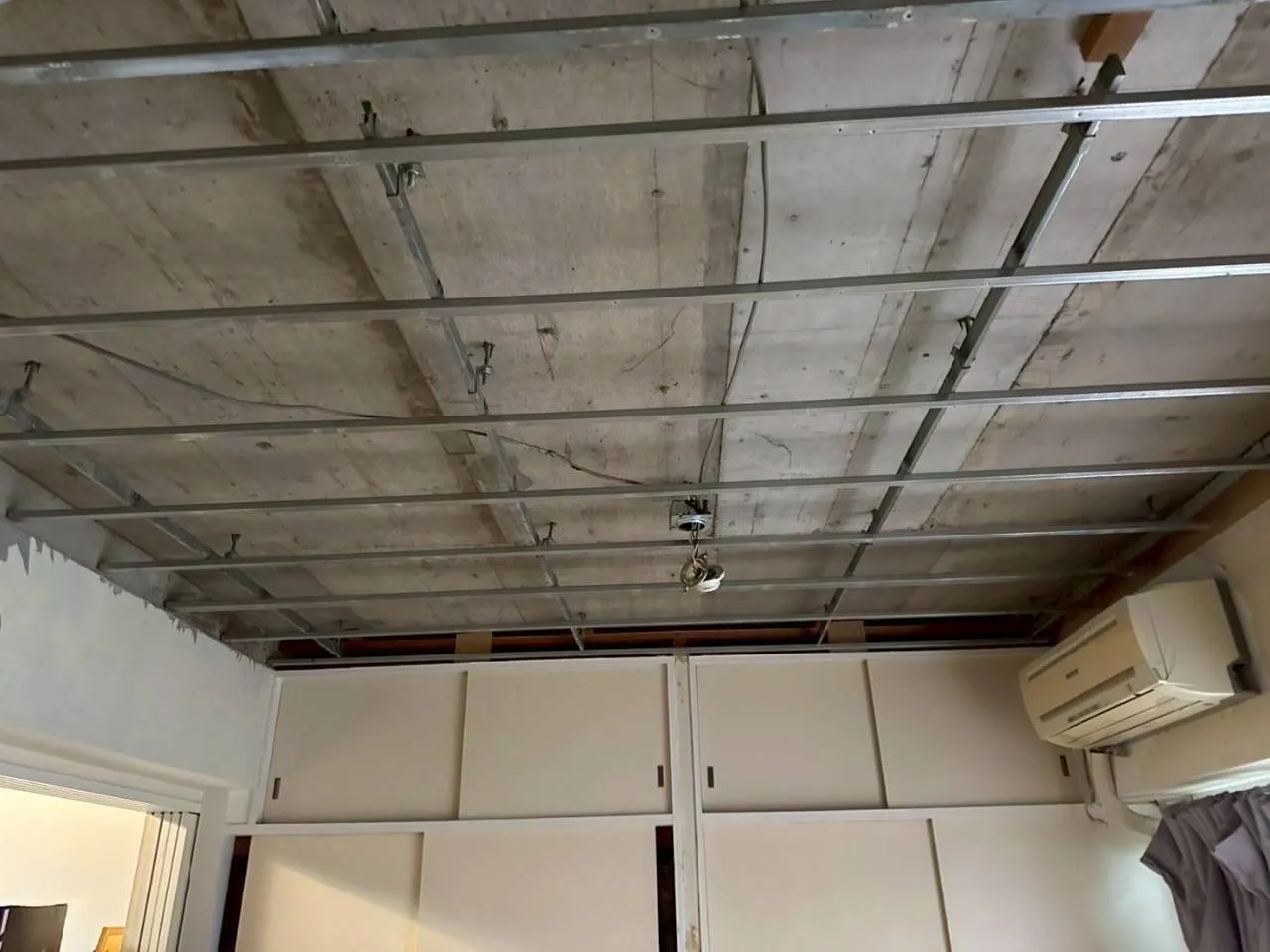
6. Building a Mold-Resistant Home: Taiko Kensou’s Comprehensive Renovation Capabilities
Even if a renovation improves the appearance of your home, its comfort will only be temporary if underlying issues like moisture and mold are not properly addressed. That’s why it’s crucial to work with a construction company that can handle both mold prevention and renovation as a single, integrated process. At Taiko Kensou Co., Ltd., we combine specialized expertise in both renovation and mold removal to provide sustainable and safe living environments.
6‑1. The Advantage of a One‑Stop Solution for Mold Removal and Renovation
Taiko Kensou operates specialized mold-removal brands—Kabi Busters Osaka and Mold-Free Renovation Tokyo & Nagoya—offering one of the very few comprehensive services that cover mold inspection, removal, prevention, and full-scale home renovation. Usually, mold removal is handled by one contractor and renovations by another, which can increase both time and costs. At our company, however, we investigate the root causes of mold, perform removal and preventive measures, and propose improvements to the structure and materials—all in one streamlined process. This eliminates unnecessary steps and delivers efficient renovation. By repairing or replacing materials damaged by mold during the same workflow, clients receive not only a visually appealing finish but also long-term structural reliability.
6‑2. Designing Living Spaces With Moisture Control and Insulation in Mind
Simply removing mold isn’t enough—it doesn’t address the underlying issue. Taiko Kensou’s renovation approach prioritizes both moisture control and air circulation. In moisture-prone areas, such as bathrooms or north-facing rooms, we strategically install moisture-regulating materials like diatomaceous earth, shikkui plaster, anti-mold wallpaper, and moisture-barrier sheets to create environments where humidity isn’t trapped. We also enhance insulation to prevent condensation, removing key triggers for mold across the entire home.
When mold is detected within walls or beneath floors, we first assess structural conditions before selectively removing and replacing insulation or subfloor materials to ensure long-term durability. Our ability to balance function and aesthetics in this integrated way has earned high praise from customers concerned about mold.
6‑3. Creating a “Mold‑Zero Space” Through Taiko Kensou Renovation
Our goal isn’t just a home that looks nice—it’s to create a “Mold-Zero Space,” a truly clean, healthy environment that remains mold-free over time. To achieve this, we begin with a comprehensive assessment of humidity and structural conditions throughout the home, including hidden areas like crawl spaces and wall cavities. Where necessary, we replace insulation or subfloor layers, targeting the root cause of mold.
We then perform safe and effective mold removal using our signature MIST method®, followed by applying moisture-regulating materials. This two-pronged approach minimizes the chance of mold reappearing. We also design ventilation strategies into storage areas and furniture placement, ensuring a home that “breathes” naturally. Combining functionality with design aesthetic not only boosts comfort but also increases property value. Even after the renovation is complete, we provide ongoing inspections and consultative support to help you maintain a mold-free home long-term.
“Mold-Zero Space” isn't just a concept—it’s a living standard made real through Taiko Kensou’s expertise and experience.
7. How to Fundamentally Improve Homes at High Risk for Mold
7-1. Rethinking the Entire Design—Not Just Partial Renovations
The most effective way to prevent mold is not through localized fixes, but by improving overall ventilation and humidity balance throughout the entire house. For instance, even if mold appears only in a north-facing room, the root cause could lie in poor airflow or lack of insulation in adjacent spaces. In such cases, replacing wallpaper or repairing just one area isn’t enough; a full review of the home’s layout, airflow paths, and insulation performance is necessary.
In today’s highly airtight homes, trapped air and hidden moisture buildup are common. Therefore, implementing ventilation strategies—such as underfloor airflow systems, wall cavity ventilation, and exhaust routes in attic spaces—is essential. These measures create a home that “breathes,” reducing trapped moisture and significantly lowering the risk of mold recurrence.
7-2. Humidity Control by Rethinking Everyday Living Patterns
Preventing mold requires attention not only to home design but also to daily habits and how people move through their spaces. For example, limited indoor drying areas for laundry or non-ventilated storage spaces can lead to excess humidity. Mold often grows in places where airflow is poor, such as the backs of closets or behind furniture—places homeowners rarely check.
To solve these problems, it’s important to design layouts that promote air circulation, renovate closets using moisture-regulating materials, and position furniture in ways that don’t block airflow. Practical suggestions tailored to daily life—like where to place dehumidifiers or when to ventilate—help enable continuous mold prevention, even in hard-to-see areas.
7-3. Comprehensive Professional Diagnosis Reveals Hidden Mold Risks
Mold growth isn’t simply caused by a lack of cleaning—it’s often the result of structural issues, poor airflow, or insufficient insulation. That’s why a professional whole-house diagnosis is essential as the first step in mold prevention.
This assessment doesn’t stop at visible areas like walls or floors—it also inspects hidden spaces such as underfloor areas, inside walls, and attics using specialized equipment to detect moisture and mold presence. It also evaluates temperature and humidity levels in each room, ventilation paths, and material deterioration. This allows mold risks across the entire home to be made visible and pinpointed, so an optimal, targeted remediation plan can be developed.
At Taiko Kensou, we always perform this comprehensive diagnosis before any renovation or mold removal begins. We provide specific, one-stop recommendations—such as where to start repairs, which materials to use, and in what order the work should be done. The more precise the diagnosis, the better the chances of preventing mold recurrence and creating a truly safe and comfortable home.
For Mold Prevention and Renovation Consultations, Contact "Mold-Free Renovation Tokyo & Nagoya" or "Kabi Busters Osaka"
For a Comfortable, Mold-Free Home—Trust Taiko Kensou for Complete Mold Solutions and Renovation
“After spending so much on renovation, mold came back.” “Just a few years after building a new house, the walls have already turned black.” These are not uncommon complaints. Mold grows silently in hidden areas, damaging not only the appearance and durability of your home but also impacting your family’s health. To prevent such problems and find a fundamental solution, mold removal, recurrence prevention, and improvement of the living environment must be addressed together.
That’s why we introduce Mold-Free Renovation Tokyo & Nagoya and Kabi Busters Osaka, both provided by Taiko Kensou Co., Ltd. We are one of the few specialized construction companies in Japan that can handle both mold removal and home renovation in a single, integrated service. We’ve supported many clients in resolving their mold-related home issues.
Our proprietary MIST Method® doesn’t just wipe mold from the surface—it penetrates deep into the material to thoroughly break down and eliminate it at the root. Without the need for scrubbing or scraping, this method gently treats mold on materials like wood, stone, and wallpaper without causing damage. It's ideal for older homes, historic buildings, and homes with delicate materials. After removal, we apply a highly durable anti-mold treatment that minimizes the risk of recurrence.
We also plan each renovation with a strong focus on the balance between insulation, humidity control, and ventilation. Beyond preventing mold from returning, we aim to create a home that avoids condensation and supports comfortable living throughout all seasons. From bathroom renovations and floor/wall replacements to layout adjustments and storage improvements, we meet a wide range of needs. Our use of moisture-regulating materials, mold-resistant wallpapers, and highly insulated windows and construction materials consistently receive praise from our clients.
On-site, we rigorously manage humidity and implement moisture control measures during construction to ensure materials do not absorb moisture and trigger future mold growth. We tailor these precautions to each site’s unique conditions. After the renovation, we provide thorough aftercare including mold recurrence checks and air quality assessments.
If you’re unsure where to turn, unsure of what’s causing the mold, or want a stress-free, reliable renovation—we’re here to help. From mold diagnosis and removal to full structural improvement, Taiko Kensou offers a one-stop solution.
We’re always available for inquiries. Let us help you turn your valuable home into a Mold-Zero Space. Feel free to contact us for a free initial diagnosis.
---------------------------------------------------------------------
カビ取リフォーム
東京営業所
〒141-0022
東京都品川区東五反田2-5-2 YHE CASK GOTANDA6階
電話番号:090-8321-4408
名古屋本社
〒465-0028
愛知県名古屋市名東区猪高台1-1301 タイコウビル1F
電話番号 : 0120-588-766
サイト:https://taikou-kensou.co.jp/
大阪営業所
〒532-0003
大阪府大阪市淀川区宮原1-19-23
電話番号:080-6978-3068
カビバスターズ大阪
https://kabibusters-osaka.com/
【検査機関】
一般社団法人微生物対策協会
https://kabikensa.com/
----------------------------------------------------------------------