Essential for Luxury Homeowners: The Hidden Threat of Mold and the Latest Strategies to Protect Your Investment
2025/08/24
Luxury homes are designed to be both beautiful and comfortable, but behind this elegance lies a hidden threat: mold. Left unnoticed, mold can cause health problems and reduce the long-term value of your property.
This article explains the unique risks of mold in luxury homes, the hidden dangers lurking in unseen places, and the specific countermeasures needed to protect both your family’s health and your home’s value.
By reading, you’ll gain practical knowledge on mold prevention tailored for luxury properties. You’ll learn how to detect, prevent, and treat mold issues early—helping you maintain comfort, preserve property value, and ensure long-term safety.

1. The Hidden Fear of Mold in Luxury Homes
Luxury homes are admired for their beauty, comfort, and use of premium materials. However, behind this elegance lurks an invisible threat: mold. While airtight and highly insulated construction offers energy efficiency and year-round comfort, it also creates an environment where moisture can easily become trapped. Left unchecked, this trapped humidity provides the perfect breeding ground for mold. In luxury homes, where natural materials and fine finishes are often used, mold damage can be not only costly to repair but also detrimental to the property’s overall value and the health of its residents.
1-1. Why Airtightness Becomes a Risk in Luxury Homes
Most luxury homes are designed with airtight, high-insulation structures to ensure efficient heating and cooling. While this design delivers comfort and energy savings, it also restricts natural airflow. As a result, humidity from daily activities such as cooking, bathing, or laundry can accumulate indoors. Spaces like bathrooms, kitchens, walk-in closets, and basements are especially prone to moisture buildup if ventilation is inadequate.
In such environments, mold can thrive—even in areas that appear clean and well-maintained. This paradox highlights an ironic truth: the very airtightness and insulation that make a luxury home comfortable can also turn it into an ideal environment for mold. Proper ventilation, moisture control, and regular monitoring are therefore critical to preventing mold growth.
1-2. The Threat Hidden Behind a Beautiful Surface
Luxury homes often feature materials such as natural wood, plaster, and marble—materials that, while beautiful, are also sensitive to moisture. Mold growth doesn’t always begin where it can be easily seen. Instead, it frequently develops in hidden spaces such as inside walls, under floors, or behind ceilings.
For example, if insulation absorbs moisture and mold begins to spread within it, the effectiveness of the insulation decreases, leading to higher energy costs and possible structural damage. Similarly, mold growth inside an HVAC system can release spores throughout the entire home, causing health issues for the residents and contaminating the indoor air quality.
This hidden progression is what makes mold especially dangerous in luxury homes: by the time visible damage appears, the problem is often already advanced and costly to resolve.
2. The Impact of Mold on Your Health and Property Value
Mold problems in luxury homes go far beyond aesthetics. Mold releases microscopic spores into the air that can affect both human health and the structural integrity of the property. For homeowners who have invested heavily in high-end finishes and premium materials, the consequences of mold are particularly severe. Protecting health and property value requires a clear understanding of these risks.
2-1. Health Risks: Allergies and Respiratory Issues
Mold spores are invisible to the naked eye but easily inhaled, and once inside the body, they can trigger a range of health issues. Common symptoms include sneezing, coughing, nasal congestion, itchy eyes, and skin irritation. For individuals with asthma, mold exposure can cause severe attacks or worsen existing conditions.
Children, the elderly, and those with weakened immune systems are especially vulnerable. Because mold spores circulate invisibly in the air, residents may experience chronic symptoms without realizing mold is the underlying cause. In luxury homes, where airtight construction can trap spores indoors, poor air quality becomes a hidden but serious health hazard.
2-2. Damage to Materials, Interiors, and Property Value
Luxury homes often feature premium materials such as solid hardwood flooring, plaster walls, fine fabrics, and stone finishes. These materials, while beautiful, are also particularly vulnerable to moisture and mold. For example, hardwood floors may swell or crack, plaster walls may discolor, and natural stone surfaces may stain if mold takes hold.
Once mold infiltrates porous materials, it is extremely difficult to remove completely. Restoration often requires costly, specialized treatment—or even full replacement of affected materials. This not only increases repair costs but can also diminish the home’s long-term value. In the real estate market, the presence or history of mold can lower a property’s appeal and reduce its resale price significantly.
In short, mold doesn’t just damage surfaces—it undermines the durability, aesthetics, and financial worth of the entire home.
3. The Mechanisms That Make Luxury Homes Susceptible to Mold
While luxury homes offer superior comfort, design, and efficiency, they also present unique structural and environmental conditions that can encourage mold growth. Understanding the mechanisms behind mold formation in these properties is essential to preventing long-term damage and preserving value.
3-1. Imbalance of Humidity, Temperature, and Ventilation Leading to Condensation
High-end homes often use airtight, high-insulation construction to maximize energy efficiency and maintain stable indoor temperatures. While this design keeps interiors warm in winter and cool in summer, it also restricts natural airflow, which can result in trapped humidity.
This trapped moisture often leads to condensation, especially when warm indoor air meets cold surfaces like windows, exterior walls, or roof structures. If the condensation is not properly managed, it provides an ideal breeding ground for mold. Insulation materials can also absorb this moisture, reducing their effectiveness while creating hidden pockets of mold growth within walls.
For example, during seasonal transitions when outside air is cool but indoor air is warm, condensation commonly forms on window panes and wall surfaces. In homes where ventilation systems are underused or poorly maintained, this problem can escalate quickly, turning hidden corners and behind-the-scenes spaces into mold hotspots.
3-2. Hidden Risks in Walls, Insulation Layers, and Crawl Spaces
Luxury homes often emphasize aesthetics, which means electrical wiring, plumbing, and structural systems are carefully concealed within walls, floors, or ceilings. While this enhances beauty, it also makes these hidden areas difficult to monitor—allowing mold to spread unnoticed.
One of the most dangerous issues is wall cavity condensation. When warm indoor air infiltrates wall cavities and meets cooler surfaces, water droplets form inside the structure. Over time, insulation and wooden framing can absorb this moisture, creating a long-term environment for mold growth. Because this happens behind finished walls, homeowners may not realize there’s a problem until structural damage or musty odors appear.
Crawl spaces beneath floors are another vulnerable area. Ground moisture often rises into these spaces, and without sufficient ventilation, humidity accumulates. This can lead to mold on subfloor materials and even spread upward into living areas. Minor plumbing leaks can exacerbate the problem, providing a constant source of moisture for mold to thrive.
To address these risks, periodic inspections using tools such as humidity sensors or infrared thermal imaging can help detect hidden moisture before it develops into a major issue. Proper construction techniques—such as installing ventilation layers and vapor barriers—are also critical in preventing mold in these unseen areas.
4. Seasonal Mold Prevention Strategies for Luxury Homes
Luxury homes are designed for year-round comfort, but each season presents unique challenges when it comes to mold growth. Changes in temperature, humidity, and daily living habits all influence the risk of mold. By understanding these seasonal patterns, homeowners can take proactive steps to maintain a healthy indoor environment and protect their property from hidden threats.
4-1. Spring to the Rainy Season: Managing Rising Humidity with Ventilation and Dehumidification
From spring through the rainy season (April to July in many regions), humidity levels climb rapidly. Outdoor humidity often exceeds 80%, and indoor levels can easily surpass 70% without proper ventilation. This period poses the greatest risk for explosive mold growth, particularly in airtight luxury homes where moisture tends to become trapped.
Daily activities amplify the problem—drying laundry indoors, watering houseplants, and cooking can all add significant amounts of moisture to the air. Closets, walk-in wardrobes, and bathrooms are especially vulnerable, as they often lack adequate ventilation.
Key prevention measures include:
Installing hygrometers in multiple rooms to monitor humidity levels. The ideal range is 50–60%.
Using dehumidifiers and air conditioners to actively reduce humidity, especially in bedrooms, storage spaces, and rooms with valuable materials.
Running ventilation fans in bathrooms and kitchens after use to expel moisture-laden air.
Keeping doors and windows open during dry, breezy days to refresh indoor air circulation.
Luxury homes often have zoned HVAC systems, meaning humidity control must be managed individually in different areas. Paying close attention to rooms where family members spend the most time helps prevent invisible mold from developing unnoticed.
4-2. Autumn to Winter: Condensation Control and Insulation Around Windows
As temperatures drop in autumn and winter, condensation becomes the primary mold risk. When warm indoor air meets cold window glass, walls, or ceilings, water droplets form and cling to surfaces. If left untreated, these droplets seep into frames, wallpaper, or wood trim, creating the perfect breeding ground for mold.
Large glass windows—a common design feature in luxury homes—are particularly vulnerable. Moisture can damage window seals, wood frames, and even stain expensive finishes. Additionally, condensation is not limited to windows; it also forms in corners of walls, behind furniture, and near ceilings where airflow is restricted.
Effective prevention strategies include:
Installing double-glazed or secondary windows to reduce temperature differences between indoor and outdoor air.
Applying anti-condensation films or using thermal curtains to insulate glass surfaces.
Choosing heating systems that do not release moisture, such as central air or floor heating, instead of kerosene or gas heaters.
Continuing to run ventilation systems 24/7, even during cold months. Shutting them off to save energy often backfires, trapping humidity and increasing condensation.
Regularly wiping down window surfaces where condensation forms and ensuring furniture is placed a few centimeters away from walls to allow airflow.
By tailoring preventive measures to each season’s unique risks, luxury homeowners can significantly reduce mold growth and ensure year-round comfort.
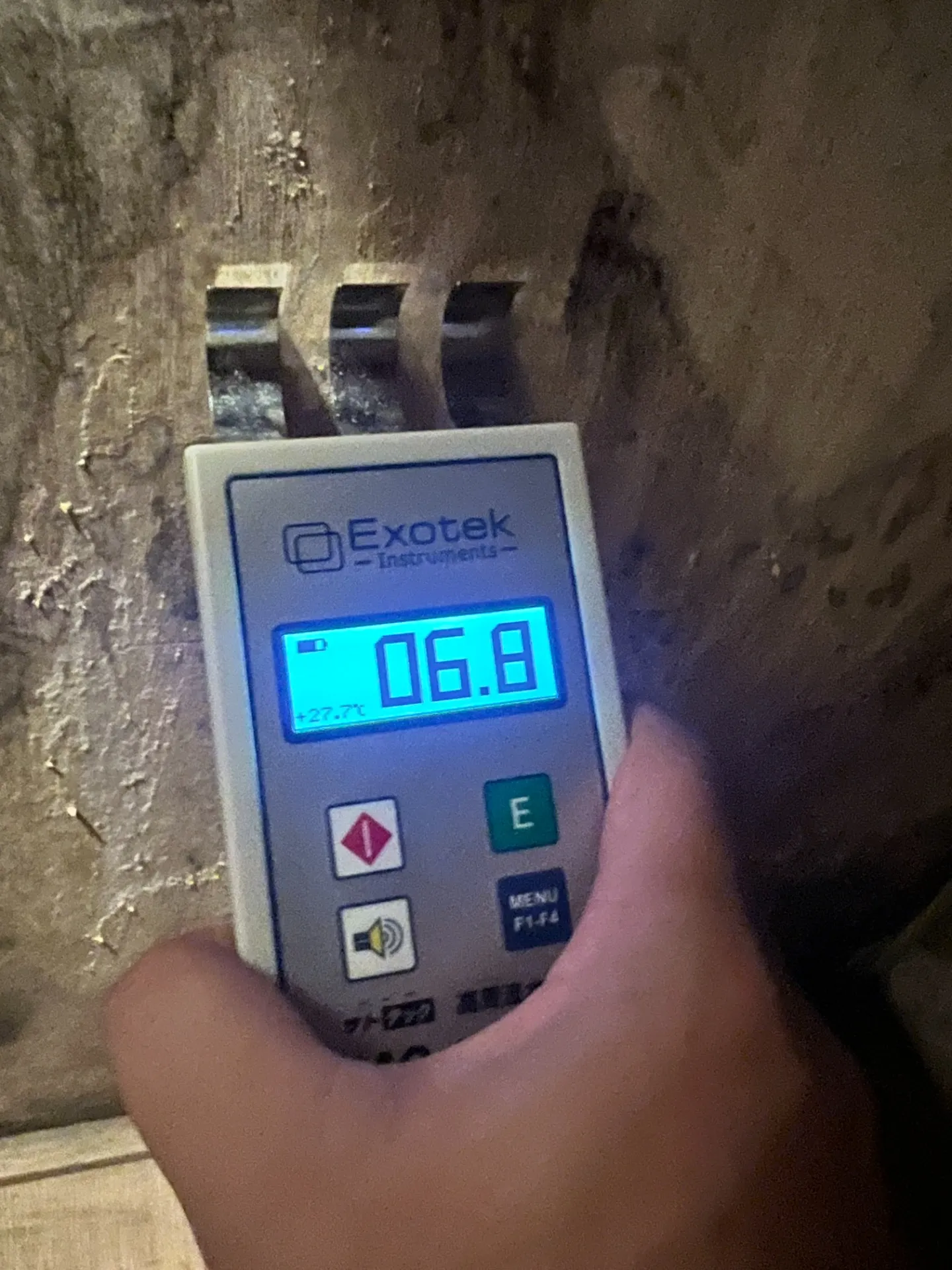
5. Advanced Mold Prevention Technologies and Equipment for Luxury Homes
Luxury homes demand more than just basic mold prevention. Homeowners expect solutions that preserve aesthetics, protect valuable materials, and ensure long-term safety for their families. This requires advanced technologies that go beyond surface cleaning—integrating protective materials, specialized coatings, and environmental control systems. Here, we explore the cutting-edge methods best suited for high-end residences.
5-1. Antimicrobial and Anti-Mold Materials and Coatings
Modern building materials often incorporate antimicrobial and mold-resistant properties, making them an excellent choice for luxury homes. Since many premium materials such as hardwood, plaster, and marble are vulnerable to moisture, applying specialized coatings or selecting mold-resistant products during construction or renovation offers long-term protection.
Examples include:
Silver ion (Ag+) coatings: These inhibit microbial growth while preserving the natural look of surfaces. They can be applied to flooring, walls, and even fabrics.
Nano-particle protective films: Transparent, breathable layers that prevent mold colonization without altering the appearance of high-end finishes.
Moisture-regulating materials: Products like diatomaceous earth or “EcoCarat” wall tiles naturally absorb and release moisture, stabilizing indoor humidity levels.
These coatings and materials are particularly effective in areas prone to moisture such as bathrooms, kitchens, and storage rooms. For luxury properties, where appearance is as important as durability, such invisible protective solutions ensure both elegance and resilience.
5-2. High-Performance Dehumidifiers and Air Purification Systems
While surface protection is important, controlling the indoor air environment is the most effective way to prevent mold growth. In luxury homes, this often means investing in advanced, integrated systems.
Dehumidification Systems:
Unlike standard portable dehumidifiers, whole-home dehumidification systems connect to central HVAC systems to maintain consistent humidity across all living spaces. This ensures bedrooms, walk-in closets, basements, and bathrooms all remain within the safe range of 50–60% humidity. For larger luxury homes, industrial-grade dehumidifiers with zoning capabilities are preferred.
Air Purifiers:
High-end air purification systems equipped with HEPA filters, photocatalytic oxidation, or plasma ion technology can remove airborne mold spores before they settle on surfaces. Some models also neutralize odors and pathogens, further improving indoor air quality.
Smart Integration:
The most advanced systems integrate with smart home technology, allowing real-time monitoring of temperature and humidity. Homeowners can set automated triggers—for example, activating dehumidifiers or increasing ventilation when humidity exceeds 65%. This automation ensures consistent protection, even when the home is unoccupied.
By combining protective coatings with advanced environmental control systems, luxury homeowners can establish a comprehensive defense against mold. These technologies not only safeguard valuable finishes but also create a healthier, more comfortable living environment.
6. Professional Design and Construction Strategies for Mold Prevention
Preventing mold in luxury homes is not only about maintenance after construction—it begins at the design and building stage. High-end residences are complex structures that demand both airtightness for energy efficiency and ventilation to control humidity. Mistakes in design or poor workmanship during construction can create hidden vulnerabilities that lead to mold problems later. Here we examine key strategies for preventing mold through proper planning and execution.
6-1. The Importance of Ventilation Layers and Precise Insulation in Airtight Homes
Luxury homes often feature airtight, highly insulated construction to maintain indoor comfort. However, this very design increases the risk of interstitial condensation—the accumulation of moisture inside walls.
To counteract this, architects and builders must incorporate ventilation layers into the structure. These allow trapped moisture to escape naturally, preventing humidity from lingering in wall cavities. Without them, condensation can build up, eventually leading to mold, wood rot, and even structural deterioration.
Equally important is the quality of insulation installation. Even premium insulation materials, such as spray foam or vacuum panels, are ineffective if improperly applied. Gaps, uneven coverage, or compression create thermal bridges, which are cold spots where condensation forms easily. Precise, careful workmanship ensures insulation performs as intended and prevents hidden moisture buildup.
Special attention must also be paid to vulnerable areas: the joints between walls, roofs, and floors, as well as openings for pipes and wiring. These must be properly sealed with vapor barriers and airtight membranes to stop moisture from seeping in. In luxury homes, where long-term durability is paramount, such detailed craftsmanship directly determines whether the property remains mold-free.
6-2. The Advantages of the MIST Method® for Protecting Structures and Finishes
Even with the best construction practices, mold can sometimes develop due to unforeseen conditions. When it does, MIST Method® offers a unique, highly effective solution for luxury homes.
Unlike traditional mold removal techniques—such as scrubbing with brushes or applying harsh chlorine-based chemicals—the MIST Method® uses a fine mist of proprietary anti-mold solution that penetrates deep into surfaces. This allows mold spores embedded within porous materials to be decomposed and eliminated without damaging the finish.
Key benefits for luxury residences include:
Gentle on premium materials: Safe for natural wood, plaster, marble, and delicate fabrics.
Non-invasive treatment: No need to sand, scrape, or replace expensive finishes.
Long-term protection: After removal, a specialized anti-mold coating is applied, significantly reducing the chance of recurrence.
Safety assurance: The solution has passed environmental and health safety tests, making it suitable for homes with children, elderly residents, or pets.
For homeowners who value both aesthetic integrity and durability, MIST Method® provides peace of mind by eradicating mold completely while preserving the home’s original beauty.
By integrating thoughtful design, meticulous construction, and advanced mold treatment methods, luxury homes can remain beautiful, healthy, and structurally sound for decades.
7. Equipment Maintenance and Routine Inspections to Prevent Hidden Mold
In luxury homes, advanced systems such as HVAC, dehumidifiers, and ventilation fans are often installed to ensure comfort. However, if these systems are not properly maintained, they can themselves become sources of mold. At the same time, simple routine inspections performed by homeowners or property managers can detect early warning signs before they escalate into serious issues. Prevention lies not only in technology but also in daily awareness.
7-1. The Importance of Regular Inspections and Key Checkpoints
Luxury homes, with their complex layouts and hidden spaces, provide numerous opportunities for mold to grow unnoticed. Establishing a habit of periodic inspections is therefore crucial. Certain areas are especially prone to hidden moisture and should be monitored closely.
Key inspection points include:
Windows and frames: Look for condensation, water pooling, and discoloration of rubber seals.
Closets and storage spaces: Check for musty odors, dampness, or subtle changes in wall or fabric color.
Ceilings and wall corners: Dust accumulation or slight darkening may signal poor ventilation and mold growth.
Air conditioning units and ventilation fans: Moisture combined with dust in filters and ducts creates ideal mold conditions.
Bathrooms, laundry rooms, and kitchens: High humidity areas where mold can appear quickly if cleaning and ventilation are insufficient.
Inspections should also involve the sense of smell. A musty odor often precedes visible mold, serving as an early indicator. As a rule of thumb, conduct inspections at least once per month, and increase frequency to once per week during the rainy season or winter, when condensation risk is high.
7-2. Preventive Actions Homeowners and Managers Can Take
While professional intervention is sometimes necessary, many preventive measures can be implemented on a daily basis by homeowners or building managers. Small, consistent habits significantly reduce the risk of mold.
Practical preventive steps include:
Ventilation as a routine: Open windows once or twice daily when weather permits; ventilate closets and bathrooms after use.
Active use of dehumidifiers: Operate them in laundry rooms, basements, or any space where humidity tends to accumulate.
Proper furniture placement: Keep furniture a few centimeters away from walls to ensure air circulation.
Careful plant watering: Overwatering houseplants can increase localized humidity. Monitor soil and limit excess moisture.
Regular HVAC maintenance: Clean filters every 1–2 months to prevent spore buildup and circulation throughout the home.
For added effectiveness, many luxury homes now integrate smart home systems with humidity sensors that automatically activate dehumidifiers or adjust ventilation. This proactive automation ensures mold prevention even during long absences, such as vacations.
By combining professional maintenance with consistent homeowner vigilance, hidden mold can be detected and prevented before it becomes a costly and damaging problem.
8. Step-by-Step Actions When Mold Is Found
Even with careful prevention, mold can sometimes appear in luxury homes. Because high-end residences often use delicate and expensive materials, improper handling can cause more harm than the mold itself. The key is to respond calmly, quickly, and appropriately, minimizing damage while ensuring health and safety.
8-1. Safe Use of Consumer Mold Removal Products
For small patches of mold on visible surfaces such as windowsills, bathroom tiles, or walls, it may be possible to treat the area with over-the-counter mold removal sprays. However, luxury homes often use sensitive materials—such as solid wood, plaster, fabric wall coverings, or marble—that can be permanently discolored or damaged by harsh chemicals.
Key points for safe use include:
Check product ingredients: Chlorine-based cleaners are powerful but often too harsh for luxury finishes. Non-chlorine or alcohol-based products are gentler and safer.
Test in an inconspicuous spot: Always apply the product on a hidden area first to ensure no discoloration or damage occurs.
Avoid excessive scrubbing: Aggressive cleaning can scratch surfaces or push mold deeper into porous materials. Instead, spray, let sit briefly, and wipe gently with a soft cloth.
Dry thoroughly afterward: Mold thrives in dampness, so ensure the treated area is well-dried using ventilation, dehumidifiers, or airflow.
While these methods may improve the appearance of the surface, they rarely address the root cause. Mold often extends below the visible layer, meaning spores can remain and cause regrowth even after cleaning.
8-2. When to Call Professionals and How to Choose a Trusted Service
There are situations where professional intervention is not only recommended but essential:
Mold recurs in the same area despite repeated cleaning.
Affected area is larger than 1 square meter.
Musty odors persist, indicating hidden mold in walls, ceilings, or HVAC systems.
The mold is black and deeply embedded, suggesting a more aggressive strain.
High-value materials (e.g., natural stone, designer furniture) are affected.
In such cases, consumer products are insufficient because they only clean the surface. Professionals can identify underlying moisture problems and apply advanced treatments to eliminate mold completely.
What to look for in a professional service:
Expertise with delicate materials: Proven experience treating wood, plaster, marble, and fabrics without causing damage.
Ability to eliminate mold at the root: Not just cleaning, but decomposing spores deep within materials.
Preventive solutions: Application of anti-mold coatings to stop regrowth.
Commitment to safety: Use of eco-friendly, non-toxic products safe for children, elderly residents, and pets.
Proven track record: Case studies, certifications, and customer reviews that demonstrate reliability.
One standout method is the MIST Method®, which uses a fine mist of proprietary solution to penetrate deeply, break down mold at its roots, and apply a protective anti-mold layer. This approach is particularly well-suited for luxury homes where preserving aesthetics while ensuring effectiveness is critical.
By recognizing when DIY solutions are sufficient and when to bring in professionals, homeowners can protect both the integrity of their property and the well-being of their families.
9. Case Studies: Successful Mold Solutions in Luxury Homes
Theory is important, but real-life examples show how mold problems in luxury homes can actually be resolved. These case studies highlight the risks, the interventions, and the successful outcomes, offering valuable lessons for homeowners facing similar concerns.
9-1. Addressing Mold in a High-Rise Luxury Apartment
Case Overview:
In a luxury high-rise apartment in central Tokyo, a homeowner noticed subtle discoloration on the bedroom wallpaper and a persistent musty smell. Although the visible damage was minimal, an inspection revealed widespread mold growth inside the wall cavity.
Cause:
The apartment was designed with airtight, high-insulation construction. However, the ventilation system in the bedroom had not been consistently used, allowing moisture to accumulate. Furniture placed tightly against the wall further blocked airflow, leading to condensation and hidden mold growth behind the wallpaper.
Solution:
The treatment involved the MIST Method®, which allowed professionals to apply a fine mist of anti-mold solution without removing wallpaper. The mist penetrated the wall surface, decomposing and killing mold spores within the structure. A long-lasting anti-mold coating was then applied to prevent recurrence.
Outcome:
After treatment, both the musty odor and the risk of regrowth were eliminated. The homeowner reported that “the room feels fresher and cleaner than ever,” and one year later, no mold had reappeared. Importantly, the aesthetic quality of the high-end finishes was preserved, protecting the property’s value.
9-2. Mold Prevention in a Luxury Vacation Home
Case Overview:
In Karuizawa, a luxury vacation home of over 300 m² was left unused during the off-season. When the owner returned, musty odors were detected in the home theater and wine cellar, with visible mold patches on the walls.
Cause:
Because the home was unoccupied for months, the HVAC and ventilation systems were not running continuously. The basement-level rooms trapped humidity, and moisture rising from the ground worsened the problem.
Solution:
A three-step approach was taken:
MIST Method® treatment to remove mold and apply protective anti-mold coatings on walls, floors, and ceilings.
Moisture barrier installation in the crawl space to block ground humidity.
Smart humidity monitoring system installed for year-round control, with remote access for the owner.
Outcome:
The musty odors disappeared completely, and no recurrence was reported in subsequent seasons. The natural wood finishes in the home theater were preserved, and the wine cellar maintained ideal conditions for storage. The owner praised the solution, noting reduced maintenance worries and peace of mind knowing the property is protected even when unoccupied.
These real-world cases demonstrate two key lessons:
Mold often develops in hidden spaces before it becomes visible.
Specialized methods such as the MIST Method® can resolve mold issues while protecting luxury finishes.
For high-value homes, proactive inspection and advanced professional treatments are essential to preserving both comfort and property value.
10. Annual Mold Management Plans to Preserve Value and Comfort
A luxury home is more than just a place to live—it is an investment and a legacy. To protect both its value and the well-being of its residents, mold prevention must be seen not as a one-time task but as an ongoing, year-round management plan. By creating seasonal routines and viewing mold prevention as an investment, homeowners can avoid costly damage while ensuring long-term comfort.
10-1. Seasonal Action Plans for Mold Prevention
Because temperature and humidity fluctuate throughout the year, mold prevention strategies must adapt accordingly. A structured seasonal plan ensures that mold never has the chance to take hold.
Spring to Rainy Season (April–July):
Begin active use of dehumidifiers as humidity rises.
Ventilate closets and storage spaces to release trapped moisture.
Inspect bathrooms, laundry areas, and window frames for early signs of mold.
Clean and check HVAC filters to ensure airflow efficiency.
Summer (August–September):
Maintain indoor humidity at 50–60% using dehumidifiers and air conditioning.
Clean dehumidifier filters and verify system performance.
Inspect upholstered furniture, curtains, and bedding for musty odors.
Use dry, breezy days for whole-home ventilation.
Autumn (October–November):
Release built-up summer humidity with full-house ventilation on clear days.
Inspect crawl spaces and attics for hidden moisture or discoloration.
Check walls and ceilings for subtle staining.
Prepare for winter condensation by applying window films or adding secondary glazing.
Winter (December–March):
Choose heating systems that do not release moisture (e.g., floor heating, central HVAC).
Wipe down condensation on windows and ensure airflow around window frames.
Keep 24-hour ventilation systems running, even during cold weather.
Space out clothing in closets to prevent trapped humidity.
By following these seasonal routines, homeowners can keep their homes consistently within safe humidity levels and prevent mold from developing in hidden corners.
10-2. The Long-Term Value of Investing in Mold Prevention
Mold prevention in luxury homes should be regarded as a long-term investment rather than a short-term expense.
Benefits include:
Property Value Preservation: Preventing mold protects expensive finishes, reduces repair needs, and maintains resale value.
Sustained Comfort: A mold-free home ensures clean air, fresh interiors, and an inviting atmosphere year-round.
Lower Maintenance Costs: Proactive management reduces unexpected repair expenses by addressing issues before they escalate.
Health Protection: A mold-free environment minimizes risks of allergies, asthma, and respiratory problems for residents.
One of the most effective solutions is the MIST Method®, which removes mold at the root and applies anti-mold coatings to prevent recurrence. While the upfront cost may seem higher, the return on investment is significant, extending material lifespan, reducing future repair costs, and maintaining the property’s market value.
By treating mold prevention as part of an annual property management plan, luxury homeowners can safeguard both their investment and their family’s health, ensuring their residence remains elegant, durable, and comfortable for decades.
Mold Removal and Prevention with KabiBusters Osaka and Kabi Reform Tokyo & Nagoya
Protecting the beauty and value of a luxury home requires more than surface cleaning—it demands advanced, safe, and effective mold solutions. That’s why discerning homeowners trust KabiBusters Osaka and Kabi Reform Tokyo & Nagoya, specialists with proven expertise in tackling mold problems in high-end properties.
Using the MIST Method®, an innovative mold removal system, we eliminate mold from the root without damaging delicate materials such as natural wood, plaster, or marble. Unlike conventional methods that rely on scrubbing or harsh chemicals, the MIST Method® penetrates deep into surfaces, decomposing mold spores completely while preserving the property’s aesthetics. A final protective anti-mold treatment ensures long-term prevention and peace of mind.
Taiko Kensou Co., Ltd.: One-Stop Mold Removal and Renovation Services
What sets Taiko Kensou Co., Ltd. apart is our ability to provide both mold removal and renovation in a single, seamless process. Many homeowners struggle when mold removal and renovation are handled by separate companies, leading to delays, miscommunication, and higher costs. With us, everything is streamlined—from initial mold inspection and removal, to structural repair, interior renovation, and preventive treatment.
This all-in-one approach allows us to deliver consistent quality while saving homeowners time, stress, and unnecessary expenses. Whether the issue is a mold-infested wall, damaged flooring, or a bathroom that requires both removal and remodeling, our team provides comprehensive solutions tailored to each home.
Comprehensive Renovation Expertise by Taiko Kensou
Beyond mold removal, Taiko Kensou has a strong reputation in the renovation and remodeling industry, with extensive experience in both residential and commercial projects. Our services cover:
Interior Renovations: Flooring, wall coverings, cabinetry, and custom carpentry.
Water-Related Areas: Kitchens, bathrooms, washrooms, and toilets.
Exterior Work: Roofing, exterior walls, waterproofing, and thermal insulation.
Commercial Renovations: Restaurants, offices, medical facilities, childcare centers, and more.
Specialized Renovations: Earthquake resistance upgrades, barrier-free modifications, and historical building restorations.
Mold-Specific Renovations: Structural reinforcement and finishing work designed to prevent future mold growth.
We begin with comprehensive inspections—including air quality and moisture assessments—to design renovation plans that not only improve appearance but also enhance the health and durability of the property.
For homeowners seeking to protect their luxury homes against mold while also upgrading and preserving their property, KabiBusters Osaka, Kabi Reform Tokyo & Nagoya, and Taiko Kensou Co., Ltd. are trusted partners. With our proven expertise, cutting-edge methods, and integrated renovation capabilities, we provide long-term solutions that keep your home elegant, healthy, and enduring for generations.
---------------------------------------------------------------------
カビ取リフォーム
東京営業所
〒141-0022
東京都品川区東五反田2-5-2 YHE CASK GOTANDA6階
電話番号:090-8321-4408
名古屋本社
〒465-0028
愛知県名古屋市名東区猪高台1-1301 タイコウビル1F
電話番号 : 0120-588-766
サイト:https://taikou-kensou.co.jp/
大阪営業所
〒532-0003
大阪府大阪市淀川区宮原1-19-23
電話番号:080-6978-3068
カビバスターズ大阪
https://kabibusters-osaka.com/
【検査機関】
一般社団法人微生物対策協会
https://kabikensa.com/
----------------------------------------------------------------------