What You Need to Know! Causes and Prevention of Mold Growth at Construction Sites
2025/08/10
Thank you for reading our blog today!
You may often hear reports of mold appearing during construction or shortly after building handover. In today’s highly airtight and insulated homes, mold risks are less visible yet more serious.
In this article, we clearly explain the main causes of mold in construction environments, the moisture-management pitfalls that are often overlooked, the importance of material selection and proper ventilation, and reliable prevention methods.
By equipping yourself with knowledge to prevent mold-related issues before they occur, you can avoid costly mistakes and maintain client trust. This is practical information that construction professionals can implement on-site right away.

1.Why Does Mold Occur Even in New or Under-Construction Buildings?
Mold can surprisingly appear even in newly built or under-construction homes. Even if a site appears clean and brand-new, issues such as trapped moisture, poor ventilation, or inadequate handling of construction materials can create perfect conditions for mold to develop. In this section, we will explain in detail the specific causes that builders and construction professionals should pay particular attention to.
1‑1. How Moisture Intrusion from Construction Deficiencies and Poor Waterproofing Leads to Mold
One of the most common triggers for mold is neglecting moisture that penetrates from the outside. When waterproofing around the foundation, roof, or exterior walls is incomplete, rainwater or ambient moisture can seep into the building materials—creating ideal conditions for mold. Invisible construction flaws such as missing caulking, uneven application, or displaced insulation can escalate into serious issues. Moreover, structural designs prone to internal condensation can harbor mold growth within wall cavities. Since these flaws aren’t readily visible post-construction, meticulous waterproofing and regular inspection during construction are essential.
1‑2. Mold Spores Hiding Within Building Materials
Mold spores are often present within construction materials themselves. Natural materials like wood and plywood are particularly susceptible to moisture absorption during storage or transport. If these materials are installed while damp, there’s a high risk of mold emerging shortly after installation. Additionally, microscopic mold spores already attached to the materials can rapidly proliferate when exposed to changes in humidity or temperature. Preventing this requires thorough inspection and proper storage of materials at delivery. During humid periods—such as rainy seasons—it’s critical to manage humidity at the staging area and avoid using damp materials.
1‑3. Seasonal and Climate Factors that Increase Mold Risk
While mold can develop year-round, vigilance is especially necessary during the rainy season (tsuyu) and summer. High humidity levels and temperatures between 20–30 °C create prime conditions for mold growth, which can spread rapidly on construction sites or within interiors. Continuous rainfall during the rainy season often leaves materials wet, and if construction proceeds before they fully dry, mold may develop later in hidden areas.
Winter may seem low-risk—but the temperature difference between indoors and outdoors can trigger condensation. Moisture can accumulate around walls and window areas, fostering hidden mold even when overall humidity appears low. Adapting construction management, ventilation, and dehumidification strategies for seasonal conditions is critical as a mold prevention measure.
2.Moisture, Condensation, and Ventilation: Fundamental Conditions for Preventing Mold Growth
In construction settings, managing moisture, condensation, and ventilation is essential for preventing mold growth. No matter how careful the construction process, mold can quickly flourish if these conditions are not properly addressed. In this section, we explain key considerations—often overlooked on job sites—related to humidity control, airtightness, and ventilation.
2‑1. Airtight Construction and Ventilation System Pitfalls
Modern homes increasingly aim for high airtightness to improve energy efficiency and insulation—but this can backfire. Enhanced airtightness restricts moisture from escaping, leading to internal condensation and stagnant air. If ventilation is poorly planned or installed systems are not functioning effectively, moisture can build up and create conditions where mold thrives. Airtightness and ventilation must be designed and installed together. Even with a Type 3 ventilation system, airflow can’t be unbalanced—ventilation should be tailored to each site’s airflow patterns and surrounding environment.
2‑2. Humidity Management: Proper Use of Humidifiers and Dehumidifiers
Managing humidity is at the frontline of mold prevention. If the humidity remains over 60% for prolonged periods during construction, building materials such as walls or insulation become vulnerable to mold. On-site, it’s essential to regularly monitor humidity with hygrometers and deploy dehumidifiers or fans as needed. During humid seasons like the rainy period or winter—when internal condensation is a risk—efforts to actively lower indoor humidity are critical. Conversely, when running humidifiers during dry winters, it is vital to avoid over-humidification that could trap moisture in walls or beneath floors. Maintaining appropriate humidity (40–60%) helps preserve the building’s quality post-completion.
2‑3. Stagnant Air and Mold: The Connection to Poor Ventilation
Even in newly built homes or construction sites, stagnant air—especially in poorly ventilated corners, deep storage areas, or behind furniture—can become a breeding ground for mold. These locations often experience minimal temperature fluctuations and humidity that lingers, creating ideal conditions for mold growth. Installing ventilation doesn’t guarantee effectiveness unless the airflow reaches all areas. Blocked pathways—due to layout or furniture—can impede proper ventilation. It's important to test airflow during construction or before handover, and if needed, revise ventilation routes or add supplemental fans. Builders should make it routine to verify that the building’s ventilation strategy is fully operational.
3.Know Where Mold Thrives: Areas of Air Stagnation
Preventing mold growth requires more than just managing humidity and temperature. Mold tends to thrive in environments where air circulation is poor—such as in hidden gaps or stagnant zones that often go unnoticed. In this section, we'll highlight the areas most prone to mold and offer key strategies to address them.
3-1. Hidden Mold-Prone Areas (Ceiling Voids, Inside Walls, Storage Spaces, etc.)
Mold doesn’t only appear in visible locations — it often thrives in hidden areas like ceiling voids, wall cavities, underfloor spaces, and the back of closets. These areas tend to trap moisture and are hard to inspect after construction, which means mold can spread extensively before being noticed. Insulation within wall cavities is especially vulnerable to condensation, making it a hidden breeding ground for mold that can’t be detected from outside, potentially causing health issues and structural damage.
Effective countermeasures include drying materials thoroughly before installation, ensuring proper ventilation layers, using materials that resist moisture, and conducting inspections with tools like thermal cameras or humidity sensors during construction. Since these risks aren’t visible, careful preventive steps during building are essential.
3-2. Stagnant Air Zones (Corners, Behind Furniture, etc.)
Common “blind spots” for mold inside a house include corners, behind large furniture, and the back of storage closets. These areas have poor air circulation and tend to trap moisture, making them ideal mold breeding grounds. Northern walls or rooms with little sunlight are particularly prone to mold due to persistent humidity.
Preventive measures include placing furniture a few centimeters away from the wall, using moisture absorbers inside storage areas, and regularly opening windows and doors to encourage air flow. During construction, incorporating ventilation gaps in design and using easily accessible structures for later inspection are effective long-term solutions.
3-3. Moisture-Prone Areas and Adjacent Spaces (Kitchens, Bathrooms, etc.)
Bathrooms, kitchens, toilets, and laundry areas are at especially high risk for mold due to frequent water use and persistent humidity. Even more overlooked are adjacent zones — such as behind walls next to bathrooms, under sinks, or behind toilet walls — where moisture can accumulate out of sight.
To prevent mold in these spaces, it’s crucial not only to ensure waterproofing and airtightness but also to carefully design insulation and ventilation in nearby areas. Proper installation around unit baths and plumbing, along with regular inspections around drain traps and under tubs, helps maintain long-term mold prevention. Seasonal inspections — especially during humid times — are strongly recommended.
4. Importance of Professional Inspection Systems and Assessments
Mold prevention requires a comprehensive approach that includes not only careful planning during the construction phase but also post-completion inspections and monitoring systems. Especially for mold growth that occurs in hidden areas, professional knowledge and diagnostic techniques are essential. This section explains the importance of expert assessments and the standard methods for evaluating mold from a professional perspective.
4-1. The Process and Importance of Mold Testing and Species Identification
Mold inspection goes far beyond merely detecting its presence—it’s critical to identify both the type of mold and its origin. Generally, inspections begin with visual and odor assessments. If needed, samples are taken from air, wall materials, or insulation. These samples are then analyzed in a professional lab to determine the specific mold species present. Knowing the mold species matters because certain types can pose serious health risks. Accurately identifying the cause enables tailored solutions that not only remove mold but also prevent recurrence. For contractors, offering and conducting such comprehensive testing builds trust and helps avoid future disputes.
4-2. On-site Quick Mold Checks and Their Limitations
On a construction site, time and manpower constraints often make full laboratory testing impractical. That’s where quick mold checks come in—simple, site-level assessments using visual cues, odor detection, and touch. Common signs include discolored wallpaper backing, damp substrates, or noticeable musty smells. Some use over-the-counter mold detection kits for immediate results.
However, these quick checks are inherently limited. Early-stage mold or hidden mold in walls, ceilings, or under floors are often undetectable through surface-level inspection. Additionally, quick tests cannot identify mold species, making it difficult to assess health risks or recurrence potential. Therefore, if any abnormalities are detected—or if the site remains in high-humidity conditions—it’s safest to follow up with a professional, full-scale inspection. Quick checks serve as a preliminary step, and should be integrated with comprehensive testing to form a complete evaluation.

5. From Initial Response to Long-Term Prevention: A Professional Process
Once mold appears, it can significantly affect not only the appearance but also health and the longevity of the building. Therefore, early detection and initial response are crucial, as well as final treatment and ongoing measures to prevent recurrence. This section explains the basic steps to take when mold is found and effective methods to prevent it from returning.
5‑1. Choosing Specialized Agents & Mold‑Resistant Treatments (Safety & Durability)
When removing mold, the most critical factors are effectiveness and safety of the treatment agent. Over-the-counter bleach or disinfectants can remove visible mold temporarily, but they often fail to eliminate the fungal roots, making recurrence likely. Furthermore, overly harsh chemicals can damage building materials and pose health risks.
Professionals typically use anti-mold agents formulated to penetrate deep into materials and eradicate fungal roots while maintaining long-lasting efficacy. Ideally, these agents allow for adjustable formulations—including concentration and composition—based on the site and material. Techniques like the MIST Method®, which uses gentle yet effective components, strike a balance between safety and quality, preserving both the structure and the well‑being of occupants.
5‑2. Ongoing Inspections and Continued Disinfection / Anti‑Mold Treatment
Even after mold removal, caution is still required. Without continued care, mold may reappear in the same areas within a few months. That’s why regular post‑treatment inspections and preventive anti‑mold applications are essential. Especially during humid seasons or in areas prone to moisture retention, it’s important to conduct periodic cleaning and airborne spore monitoring to catch early signs of recurrence.
During inspections, don’t just check for visible mold—also monitor temperature and humidity, as well as air flow. Successfully preventing recurrence requires understanding and addressing root causes over the long term. Comprehensive aftercare plays a critical role in delivering healthy, durable buildings.
5‑3. Designing Environments That Inherently Resist Mold and Smart Architectural Strategies
To truly prevent mold recurrence, buildings must be designed to discourage fungal growth, not just cleaned. From the design phase onward, this involves structural planning that avoids trapped humidity and promotes air circulation. For instance, installing ventilation gaps in wall assemblies or allowing space behind furniture and storage helps prevent air stagnation.
In wet areas like bathrooms and laundry rooms, it's not enough to rely on fans or vents alone. Proper insulation and sealing around these spaces can significantly reduce condensation inside the structure. Thoughtful placement of windows for natural light and ventilation also plays a key role in minimizing mold-friendly conditions. These architectural strategies not only enhance mold prevention but also contribute to long‑term durability and occupant comfort—delivering enduring value for homeowners and builders alike.
6. Building Trustworthy Construction Sites: Choosing Contractors & Improving Site Management
To achieve thorough mold prevention, the mindset of the on-site crew and the rigor of construction management are paramount. No matter how superior the materials or mold-resistant treatments are, poor on-site execution can still lead to reoccurrence. Below, we explain how to identify trustworthy contractors and introduce effective site management practices to implement in the field.
6‑1. How to Choose a Reliable Contractor & Establish Site Management Protocols
When it comes to mold prevention, certain traits distinguish trustworthy contractors from the rest. First and foremost, they should demonstrate expertise and experience with moisture control, ventilation, and appropriate handling of building materials. Contractors who maintain detailed work logs, conduct thorough inspections, and regularly report progress exemplify strong on-site quality control.
Equally important is robust after-sales support—contractors who respond promptly to issues and offer cause analysis along with corrective measures elevate overall project quality. Before selecting a team, it’s wise to check reviews and past case studies and, if possible, visit completed sites in person to verify the quality of their craftsmanship.
6‑2. Pay Attention to Material Handling During Rain and Precision in Insulation Installation
Two often overlooked sources of mold risk on construction sites are rain exposure during material handling and inaccurate insulation installation. Rain-soaked materials that remain unprotected or are installed over damp substrates can trap moisture within walls, potentially leading to severe mold damage post-construction. Additionally, insulation that is misaligned or has gaps can cause condensation in hidden areas, creating ideal conditions for mold growth.
These issues can quickly escalate into customer complaints or reputational damage after handover. To prevent this, site supervisors should implement strict rain-time protocols and utilize checklists and manuals for daily management. Fostering a shared mindset among all site personnel—"don't let mold take hold"—is the first step toward a trustworthy construction environment.
6‑3. The Importance of Construction Management Manuals and Information Sharing
Preventing mold is not a matter of individual effort—it requires consistent standards across the entire team. A construction management manual is essential, ensuring all staff, from site managers to tradespeople, follow clear protocols for moisture control, handling incoming materials, and anti-mold application.
On complex sites where multiple contractors operate—flooring, HVAC, interior finishing, etc.—communication breakdowns can easily lead to mold risks. For instance, condensation on insulation delivered the previous day might go unnoticed without proper handover documentation.
To avoid such issues, regular coordination meetings, report exchanges, and visualized site information are highly effective. A system in which everyone shares the same information in real time not only prevents problems, but also fosters client confidence.
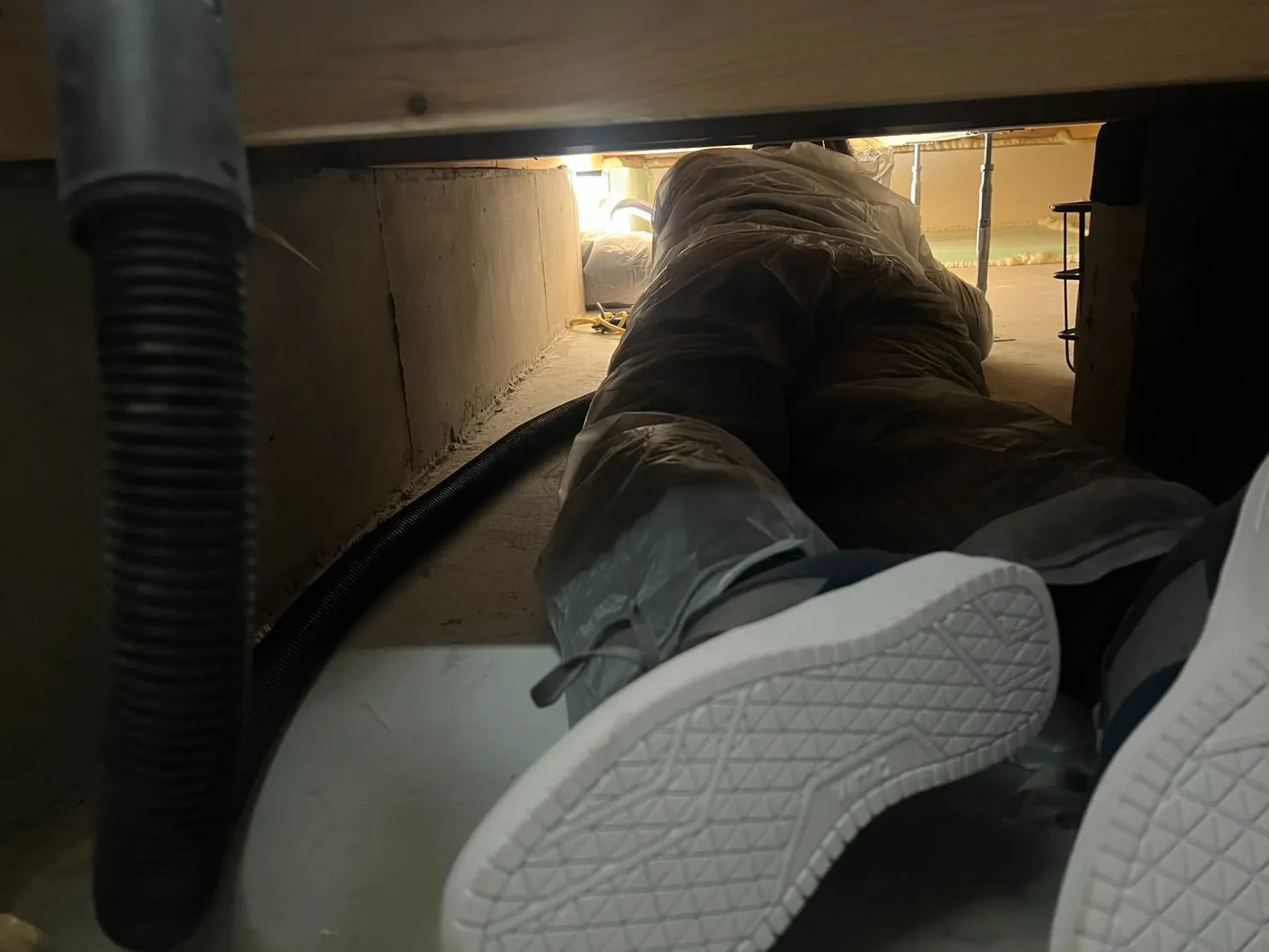
7. The Ultimate Mold Removal Solution: Safe and Effective Countermeasures with the MIST Method
When it comes to mold prevention, there are various methods available—but one that stands out is the MIST Method®. Already applied on construction sites, it distinguishes itself by safely and effectively eradicating mold from the source without damaging materials, setting it apart from traditional removal methods. This section provides an in-depth look at the MIST Method®—its mechanism, how it compares to other techniques, and its safety and long-term effectiveness.
7‑1. MIST Method®: The Groundbreaking Mold Removal Technology That Preserves Materials
The MIST Method®, newly developed by Kabi Busters, stands out because it eliminates mold from the root without any scrubbing or abrasion. Traditional mold removal often involves scraping or vigorously applying cleaners, which can damage delicate substrates such as wood or insulation.
By contrast, the MIST Method® uses a specially formulated mist—adjusted to an optimal hydrogen-ion concentration for each substrate—that penetrates deeply into the material and breaks down the mold. Afterward, the decomposed mold is gently washed away, allowing the substrate to retain its original texture and function. This gentle yet thorough approach makes the MIST Method® well-suited even for sensitive materials and historic buildings, which is why many professionals trust it.
7‑2. A Focus on Both High Safety and Long-Lasting Mold Prevention
Another compelling advantage of the MIST Method® is its high safety and durability. The cleaning agents used have passed rigorous safety tests, including industrial wastewater standards, making them suitable for environments with young children and the elderly. The mist penetrates the material thoroughly—effectively eradicating not just visible mold but also airborne spores.
After removal, a specialized anti-mold agent is applied to create a long-lasting protective barrier across the material’s surface. This helps prevent new mold from taking hold. With minimal recurrence when paired with periodic inspections, the MIST Method® ensures a long-term mold-free environment.
7‑3. How the MIST Method® Outperforms Conventional Techniques
Common off-the-shelf cleansers or conventional methods focus on surface removal only, which often fails to remove mold completely. While bleach or alcohol-based cleaners may look effective initially, mold frequently reappears within days or weeks. Additionally, harsh chemicals can damage materials or pose health risks.
In contrast, the MIST Method® is tailored for each situation—professionals assess the mold species and material type and adjust the chemical concentration and application method accordingly, achieving both strong effectiveness and safety. Because it avoids physical abrasion, it’s compatible with delicate materials such as plaster, diatomaceous earth finishes, and wood.
Perhaps most importantly, MIST provides comprehensive post-treatment, not just mold removal. This makes it far more effective than approaches that leave treated surfaces vulnerable to re-infestation. For firms serious about mold control, the MIST Method® offers an unmatched combination of trust, safety, and performance.
For mold removal and prevention, trust Kabi Reform Tokyo & Nagoya and Kabi Busters Osaka.
When mold issues arise at construction sites, it often becomes necessary to combine mold removal with renovation work. That’s where you can rely on Kabitoreform Tokyo & Nagoya and Kabi Busters Osaka, both operated by Taiko Kensō Co., Ltd. We’re among the few specialized contractors in Japan who can handle both mold remediation and remodeling in one seamless package, earning the trust of many professionals in the construction and real estate sectors.
Our proprietary MIST Method® is a patented mold removal technology that safely breaks down mold at its source without damaging materials. It’s compatible with a wide range of surfaces—wood, plaster, wallpaper, insulation, and more—and uses highly safe, human-friendly agents, making it suitable for homes, commercial buildings, nurseries, and medical facilities. After removal, a long-lasting anti-mold treatment is applied to minimize the risk of recurrence.
At Taiko Kensō Co., Ltd., we bring professional renovation expertise to the table. Whether it’s plumbing, interior and exterior finishing, or insulation upgrades—our team can handle everything from repairing aged or damaged components to proposing high-design solutions. When mold appears, we don’t just remove it—we assess and address the structural causes and improve ventilation and insulation through our “mold-resistant renovation” approach.
Rather than stopping at mold removal, our goal is to create buildings that stay mold-free. To achieve this, Kabitoreform Tokyo & Nagoya and Kabi Busters Osaka offer true one-stop services that coordinate both mold elimination and renovation seamlessly.
We take pride in the quality of our work, our speed, and our safety measures. If you're dealing with mold-related issues during construction or finishing touches in new builds or renovations, please consider reaching out to Taiko Kensō Co., Ltd. — we're here to help.
---------------------------------------------------------------------
カビ取リフォーム
東京営業所
〒141-0022
東京都品川区東五反田2-5-2 YHE CASK GOTANDA6階
電話番号:090-8321-4408
名古屋本社
〒465-0028
愛知県名古屋市名東区猪高台1-1301 タイコウビル1F
電話番号 : 0120-588-766
サイト:https://taikou-kensou.co.jp/
大阪営業所
〒532-0003
大阪府大阪市淀川区宮原1-19-23
電話番号:080-6978-3068
カビバスターズ大阪
https://kabibusters-osaka.com/
【検査機関】
一般社団法人微生物対策協会
https://kabikensa.com/
----------------------------------------------------------------------