A Professional Guide to Effectively Communicating “Mold and Health” Risks to Clients
2025/08/14

Thank you for reading our blog today.
Mold is not merely an unsightly or malodorous nuisance—it poses serious risks to both health and the structural integrity of homes. For builders and construction professionals, the threat of mold can emerge at any stage—from construction through to handover—and if left unchecked, it jeopardizes customer satisfaction and trust.
In this article, we’ll clearly explain the health hazards and structural impacts of mold, and offer preventive measures and current tools that builders can confidently propose to clients. We’ll also cover effective communication strategies and real-life examples to enhance the persuasive power of your proposals.
By understanding this content, construction firms can effectively position themselves as providers of “healthy housing solutions”, reducing post-handover complaints, increasing repeat business, and differentiating themselves with specialized mold expertise while fostering long-term client relationships.

1.What Are the Health Risks Caused by Mold?
Mold lurking in homes can cause more than just unsightly stains or unpleasant odors—it poses serious health risks. Children with weaker immune systems, the elderly, and individuals with allergies are particularly vulnerable, and exposure can significantly lower their quality of daily life. Below, we explain the common health effects that mold exposure can have on the human body.
1‑1. Risk of Allergic Symptoms and Respiratory Diseases
Mold spores float in the air and are inhaled into the body during breathing. This irritates the mucous membranes of the nose and bronchi, causing allergic symptoms such as sneezing, runny nose, and coughing. Prolonged inhalation may lead to respiratory diseases such as bronchial asthma and hypersensitivity pneumonitis. Particularly in closed indoor spaces or high-humidity environments, mold spores tend to proliferate, placing increased strain on the immune system. As a builder, proposing ventilation and humidity control measures from the planning stage can significantly reduce your client’s health risk.
1‑2. Mycotoxins: Potential for Poisoning and Serious Illness
Some molds produce powerful toxins known as “mycotoxins.” While they are commonly known in food contamination, mycotoxins can also occur in household mold and may cause damage to the liver and kidneys, weaken immune function, and lead to neurological disorders when ingested. Internationally, these issues are recognized as “sick building syndrome” or “mold poisoning,” and are linked to chronic fatigue and reduced concentration. Having this knowledge allows builders to explain to clients that mold is not merely an aesthetic concern but a serious health hazard, leading to more compelling mold prevention proposals.
1‑3. Effects on Immunity and Chronic Symptoms
The impact of mold extends beyond short-term allergic reactions or respiratory diseases. Long-term exposure to mold spores and mycotoxins can impair immune function, making individuals more susceptible to colds and infections. Many people also experience vague chronic symptoms such as fatigue, headaches, and diminished concentration, which can be difficult to diagnose. Though these symptoms may not initially be attributed to mold, they often improve when the living environment is improved. By explaining such long-term risks, builders can more effectively advocate for “healthy home” proposals to their clients.
2. The Mark That Mold Leaves on Homes: Effects on Structure and Aesthetics
Mold damage is not limited to health concerns. It can also cause serious harm to a home’s durability and aesthetics, ultimately leading to a decline in its long-term property value. This is especially true for wooden houses and buildings that use a lot of natural materials, as they tend to retain moisture and create an environment where mold can easily thrive. This section explains the specific effects mold can have on buildings.
2‑1. Deterioration of Wood and Building Materials, and Pest Risks
Mold penetrates both the surface and interior of wood, gradually breaking down its fibers. This weakens the wood, potentially compromising the structural integrity of the building. Moreover, moisture-laden wood becomes an attractive target for termites and other pests, which can compound the damage. Even when anti-corrosion and pest-control treatments are applied, their effectiveness may decrease if mold is present—making robust moisture control from the construction phase essential. universalpest.com+13kabi-mist.com+13mastertech-myrtlebeach.com+13
2‑2. Long-Term Repair Costs and Renovation Burdens
When mold extensively spreads, remediation often goes beyond simple removal to include replacement and repairs of affected areas, leading to significant expenses. Hidden mold behind walls or under floors tends to go unnoticed until severe damage occurs. In addition to structural harm, mold can leave stains and discoloration that degrade the building’s appearance, necessitating interior refurbishments such as new paint or wallpaper—and increasing renovation costs. By conveying the importance of preventive measures, builders can help clients minimize future repair expenses.
3. Essential Preventive Measures That Builders Should Know
In order to prevent mold from developing, proactive measures must begin during the construction phase—not just during post-completion maintenance. Modern homes are increasingly built to be airtight and highly insulated, which, although energy-efficient, limits moisture escape and heightens the importance of properly designed ventilation and humidity controls. Below, we explain the fundamental preventive strategies that builders should prioritize.
3-1. Ventilation and Humidity Control: An Approach Beginning at the Design Stage
The key to mold prevention lies in preventing humidity buildup. From the design phase, it’s crucial to establish an effective airflow strategy. This includes:
Installing a whole-house ventilation system
Incorporating a ventilated exterior wall structure
Strategically placing and sizing crawlspace vents to maintain air circulation
Selecting suitable insulation materials and ensuring precise installation to prevent condensation
Maintaining indoor humidity at a comfortable 40–60% throughout the year is ideal. By integrating humidity sensors into ventilation systems during design, you can ensure that a comfortable and healthy environment is automatically preserved long after construction is complete.
3‑2. Daily Cleaning & Maintenance—Simple Measures That Make a Difference
Preventive measures don’t end at handover. Builders should guide clients in easy-to-adopt daily practices, such as:
Using exhaust fans in damp areas like bathrooms and kitchens immediately after use
Opening windows for regular air exchange
Positioning furniture slightly off walls to allow for airflow
Proper use of air conditioners and dehumidifiers, as well as avoiding indoor drying of laundry
These small habits can significantly reduce mold risk and help homeowners maintain a healthier living environment.
3‑3. Selecting Mold-Resistant Building and Finishing Materials
Ventilation and humidity control are vital, but material choices also play a significant role. Today’s market offers many mold-resistant materials, including:
Mold-resistant wallpaper and paint
Moisture-regulating plaster materials (e.g., diatomaceous earth-based)
High-water-resistance plywood
Incorporating these materials where appropriate can greatly reduce post-construction mold risk. Additionally, using breathable waterproof membranes or mold-preventive primers in hidden areas such as crawlspaces and behind walls adds extra protection. By offering proposals that utilize these advanced materials, builders can reassure clients that they’re delivering “homes designed to stay healthy over the long term.”
Let me know if you'd like these points translated into English or refined in any way!
4. Presentation-Enhancing Showcase of the Latest Mold Prevention Systems & Techniques
Mold prevention can now go beyond traditional ventilation and dehumidification by incorporating the latest equipment and construction techniques for more effective and long-lasting results. When construction companies are able to propose these modern solutions to their clients, it significantly boosts their credibility and added value. This section highlights equipment and methods that are already widely implemented in the field.
4‑1. Leveraging Whole-House Humidification/Dehumidification Systems
Whole-house humidification and dehumidification systems are highly effective for maintaining optimal moisture levels and preventing mold. Modern systems—such as the “Uru Care”—can address winter dryness and summer humidity in a single unit, ensuring proper indoor humidity year-round. By avoiding humidity levels above 70%—where mold thrives—these systems help protect against health risks. When combined with central ventilation, they also maintain air quality while preventing condensation, making them valuable design solutions to propose during the planning phase.
4‑2. Preventive Design with Exterior Insulation and Proper Ventilation Planning
Exterior insulation methods—where the entire building is enveloped in insulation—minimize internal temperature fluctuations and suppress condensation. Coupled with the appropriate ventilation strategy, this approach efficiently expels indoor moisture. In particular, options like third-class mechanical ventilation systems or energy-recovery ventilation systems (ERVs) stabilize indoor environments against external conditions. By offering these solutions in tandem, builders can provide clients with the reassurance of a "durable, comfortable, and healthy home."
4‑3. Mold Removal and Resistance Techniques That Preserve Materials
Effective mold control isn’t just about cleaning—it also involves using methods that eliminate mold deeply and apply long-term protection without damaging materials. Traditional scrubbing or harsh chemicals often harm surfaces and fail to treat root causes, increasing the risk of recurrence. A more advanced alternative uses fine misted agents that penetrate deep to break down mold, followed by protective treatments. These methods are compatible with delicate materials like wood and wallpaper. Offering these innovative techniques enables builders to bolster client trust and provide stronger warranties and aftercare.
5. Effective for Troubleshooting! The Value of Utilizing Professional Investigations and Responses
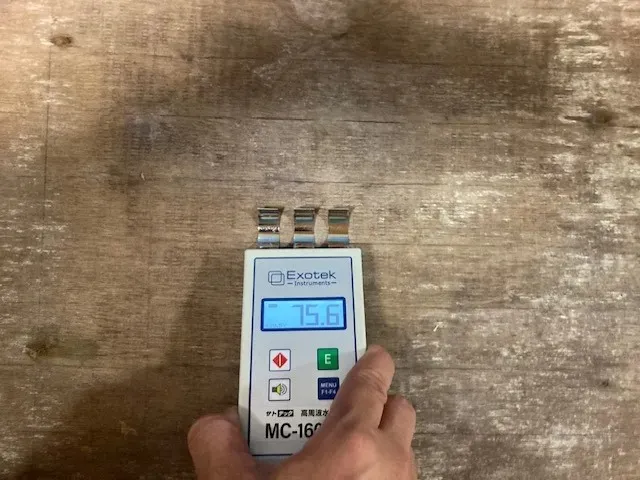
Mold may appear to be just surface dirt at first glance, but it often spreads in hidden areas such as inside walls, under floors, and above ceilings. Therefore, early detection and proper treatment are crucial. By utilizing professional inspections and specialized removal services, construction companies can provide peace of mind to clients and prevent post-handover complaints or potential legal issues.
5‑1. How Mold Inspection Builds Client Trust
Professional mold inspections go beyond visual checks; they use scientific methods like humidity measurement and spore testing to clearly define the extent of contamination. Presenting this data helps clients understand the situation objectively, making them more receptive to necessary remediation plans. When builders use inspection results to propose targeted solutions, they become trusted partners who prevent problems before they arise—solidifying their reputation.
5‑2. Proposing Regular Inspections as After-Sales Service
Mold prevention doesn't end at project completion. Continuous monitoring of a home's evolving environment is essential. By offering regular inspections as part of after-sales service, builders enable early detection and intervention—reducing the likelihood of recurrence or damage escalation. These inspections typically check humidity levels, condensation, ventilation system performance, and signs of mold. Providing preventive advice and updates on the latest solutions during each visit helps cultivate long-term trust with clients. Including regular inspections in service packages not only adds value but also strengthens the builder-client relationship.
6. Summarizing Your Proposal: Clear Communication and Case Examples for Clients
Even when you possess knowledge about mold and related health risks, it won’t lead to action from your clients if it's not communicated effectively. Since buying or renovating a home is a major investment, it's essential that your proposals are both easy to understand and convincing. Below, we explain how to present your proposals more effectively, along with key points on using compelling case studies to enhance persuasiveness.
6‑1. Making Health Risks Understandable Through Concrete Data and Symptoms
Explaining mold-related health risks can be difficult using only abstract terms. That’s why it’s much more impactful to describe these risks using concrete numbers and recognizable symptoms. For example, presenting data like “Mold rapidly proliferates at humidity levels over 70%” or “When mold spore concentrations exceed the reference levels, health risks increase” helps clients understand the dangers in real terms. Furthermore, using before-and-after photos or illustrations to visually demonstrate the effects significantly increases comprehension and the perceived urgency.
6‑2. Enhancing Proposal Credibility with Real-World Examples
Sharing past success stories or relevant case studies can greatly enhance credibility with clients. Specific results—such as “Home in the same region saw zero mold recurrence over five years after using mold-resistant materials”—offer compelling proof points that support your proposal. Including actual site photos or testimonials adds emotional resonance and fosters trust. By effectively leveraging the builder’s proven track record, your proposal transforms from mere information-sharing into a persuasive, confidence-inspiring recommendation that makes clients want to choose your services.
7. The MIST Method®: Safely and Thoroughly Removing Mold Without Damaging Materials
The MIST Method®, a proprietary mold removal technology, is gaining attention as a cutting-edge solution. Unlike traditional methods such as scrubbing or scraping, this technique eliminates deeply embedded mold without damaging the underlying materials. It is also designed with safety for both humans and the environment in mind, making it suitable not only for residential use but also for historical buildings and delicate materials.
7-1. Mechanism and Safety of the MIST Method®
The MIST Method® works by spraying a specially formulated mold-removal agent in a fine mist, with its composition tailored to both the material characteristics and the extent of mold growth. This mist penetrates deeply into the substrate, breaking down mold at the cellular level. The formulation is designed to be safe—harmless to humans—making it suitable for use in environments with small children, elderly occupants, or pets. Despite its powerful effectiveness, the agent has passed rigorous safety tests, including industrial wastewater assessments, ensuring minimal environmental impact.
7-2. Post-Removal Anti-Mold Treatment and Long-Term Effects
Simply removing mold isn’t enough—without preventive measures, mold can return. The MIST Method® addresses this by applying a specialized anti-mold treatment following mold removal. This treatment offers immediate efficacy by enveloping mold spores and disrupting their cell membranes, while providing long-lasting protection across the surface. It also helps inhibit airborne mold spores, delivering broad protection within the entire space. The result is a lasting sense of reassurance for homeowners and long-term preservation of healthy living environments.
7-3. Advantages of Proposing the MIST Method® for Builders
The greatest advantage of adopting the MIST Method® for builders is its dual benefit: thorough mold eradication while preserving the integrity of materials. Traditional approaches, such as scraping or harsh chemicals, can damage the look and feel of natural or wooden finishes. With the MIST Method®, the original beauty of materials remains intact, leading to higher client satisfaction. Additionally, its long-lasting preventive effect reduces complaints and costly rework post-handover. By offering “high-quality treatment with long-term assurance,” builders can differentiate themselves from competitors and add real value to their services.

Mold Removal & Prevention with Kabitoreform Tokyo & Nagoya, and Kabi Busters Osaka
Effective and safe mold control is essential for preserving both your home's value and your clients' health. At Kabitoreform Tokyo & Nagoya and Kabi Busters Osaka, we utilize the exclusive MIST Method®, a technique that completely removes mold without damaging materials. Our specialized mist safely penetrates surfaces and dissolves the mold without scrubbing or abrasion. It restores delicate finishes and wood, helping maintain both the aesthetics and long-term value of the home.
Our mold-removal agents are confirmed to be safe for both people and the environment, making them suitable for homes with young children or elderly residents. After removal, we apply a long-lasting anti-mold treatment to prevent airborne mold and reattachment for an extended period—ensuring rapid, durable, and safe protection throughout the space.
One-Stop Solution with Taiko Kensō Co., Ltd.: Both Renovation and Mold Removal
Taiko Kensō Co., Ltd. is among the few specialized contractors capable of handling both mold remediation and renovation in tandem. This integrated service framework saves clients from dealing with multiple vendors and reduces project timelines. By combining mold prevention with remodeling, we enhance the beauty and healthy livability of the home in a streamlined process.
About Our Remodeling Services
Our renovation services aim not only to enhance appearance but also to improve comfort, safety, and durability:
Interior Remodeling: We offer wall and flooring replacements using mold-resistant, moisture-control materials, ensuring lasting peace of mind.
Wet Area Remodeling: Kitchens, bathrooms, and toilets are redesigned for better ventilation and moisture management to prevent mold buildup.
Exterior Remodeling: Upgrades focus on insulation, waterproofing, and condensation prevention to reduce long-term deterioration from moisture.
Additionally, leveraging our expertise as a general contractor, we offer flexible solutions including layout changes, barrier-free adaptations, and seismic reinforcements. These integrated offerings enable us to propose plans that deliver not just visual appeal, but also prioritize the health and long-term performance of the home.
---------------------------------------------------------------------
カビ取リフォーム
東京営業所
〒141-0022
東京都品川区東五反田2-5-2 YHE CASK GOTANDA6階
電話番号:090-8321-4408
名古屋本社
〒465-0028
愛知県名古屋市名東区猪高台1-1301 タイコウビル1F
電話番号 : 0120-588-766
サイト:https://taikou-kensou.co.jp/
大阪営業所
〒532-0003
大阪府大阪市淀川区宮原1-19-23
電話番号:080-6978-3068
カビバスターズ大阪
https://kabibusters-osaka.com/
【検査機関】
一般社団法人微生物対策協会
https://kabikensa.com/
----------------------------------------------------------------------