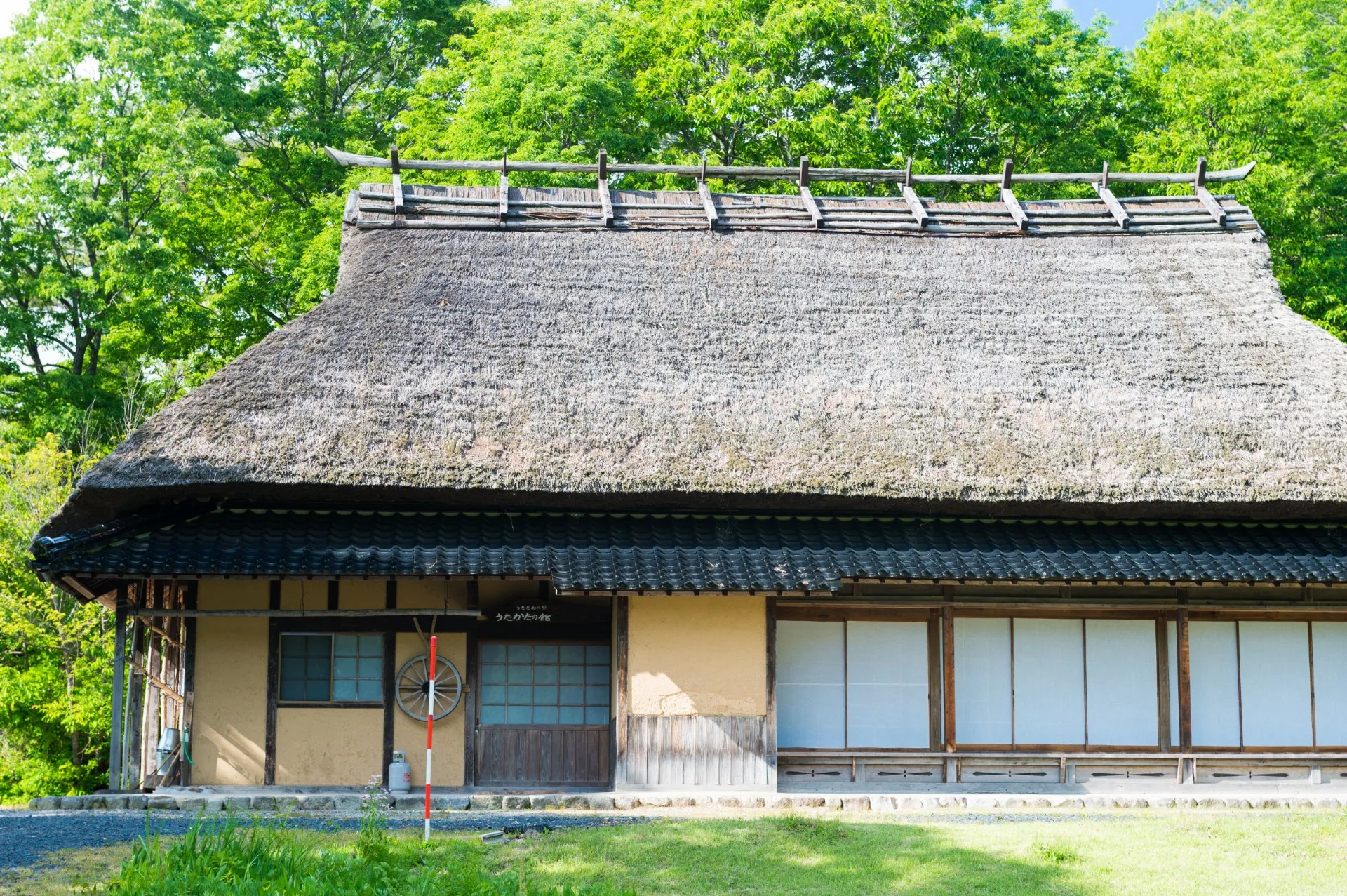
Preventing Exterior Wall Mold: A Practical Guide to the Latest On-Site Construction Strategies
2025/08/16
Thank you for reading our blog today.
Mold on exterior walls doesn't just cause stains and discoloration—it also accelerates the deterioration of paint and building materials. In areas with poor ventilation or limited sunlight, mold often reappears in a short time, significantly impacting the property’s value and customer satisfaction.
In this article, we’ll cover everything construction professionals need to know, from the causes of exterior wall mold, the differences between DIY and professional treatment, tips on using high-performance mold-resistant paints, ventilation design, and case studies featuring the MIST Method®.
By reading this guide, you'll improve your ability to propose effective mold prevention strategies, enabling you to develop long-term plans that preserve both the appearance and durability of a building. Incorporating the MIST Method® into your services can also help you stand out from the competition.
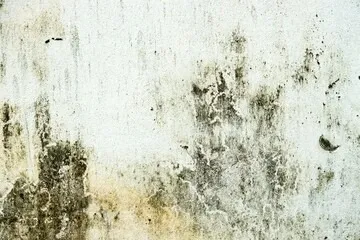
1.Main Causes and Risks of Mold Growth on Exterior Walls
1-1. How Humidity, Poor Sunlight, and Lack of Ventilation Trigger Mold Growth
Mold on exterior walls thrives in environments where moisture, nutrients, and spores are present. Areas on the north-facing side of a building, those shaded by vegetation, or where nearby buildings block airflow and sunlight tend to stay damp for extended periods. If the waterproofing ability of the paint coating deteriorates, rainwater and moisture can seep into the wall, creating ideal conditions for mold to develop inside. Porous materials like textured finishes (e.g., stucco or mortar) are particularly vulnerable as they absorb and retain moisture easily and take longer to dry.
1-2. Mold Risks from Paint Deterioration and Cracks Allowing Internal Penetration
Exterior wall paint gradually degrades due to prolonged exposure to UV rays and weather. As the paint loses its waterproofing properties, cracks may form in the surface. These cracks allow rainwater to infiltrate, leading to moisture accumulation within the underlying structure or insulation. Because this moisture buildup is not visible from the outside, it often goes undetected until the problem has spread. Mold growing beneath the surface can eventually appear as black or green stains on the exterior, and if widespread, it may require extensive repainting or even structural repair.
1-3. Mold Affects More Than Appearance—It Impacts Property Value
Mold on exterior walls doesn’t just diminish curb appeal—it can also directly affect property valuation. Buildings with visible stains and discoloration often appear older than they are, making them less appealing to buyers or renters and giving them less leverage in price negotiations. For businesses, a clean exterior influences customer trust; mold on the walls of a store or hotel, for example, may be interpreted as a sign of poor hygiene management, potentially damaging the business's reputation and customer attraction. From a construction standpoint, offering mold prevention measures during the building phase is crucial for supporting long-term property value and client satisfaction.
2.DIY vs. Professional Treatment: Knowing When to Handle Mold Yourself and When to Call the Experts
Removing mold from exterior walls can be handled with DIY methods if the issue is minor. However, depending on the extent and location of the mold, professional treatment may be necessary. In particular, mold affecting large areas or requiring work at heights should be entrusted to professionals to ensure both safety and quality results. In this section, we’ll explain when DIY is appropriate and when it’s best to rely on professional services.
2-1. Common Types of Mold Found on Exterior Walls
Mold on exterior walls can be broadly categorized by color and texture. Here are the three most common types:
Black Mold (Cladosporium species, etc.)
This is the most common type, known for its durability. It thrives in shaded and humid areas, often penetrating deeply into paint layers and joints, making it prone to recurrence.
Green Mold (Alternaria species, often mixed with algae)
Appears as light to dark green patches on the wall surface. It’s commonly found on north-facing walls or near vegetation, and may spread in conjunction with algae.
Red Mold (Ceratocystis species, etc.)
Less common, this mold appears as reddish-brown to pink discoloration. It tends to develop in highly humid or coastal areas affected by salt exposure.
Each of these types varies not only in appearance but also in root depth and adhesion strength, which influences the choice of removal method.
2-2. When DIY Mold Removal Is Feasible—and Its Limits
If mold is only lightly present on the surface of the wall, it can typically be removed using commercially available anti-mold cleaners and a brush. However, it's important to check the compatibility of these chemicals with the wall material, as some products can cause discoloration or damage. When using pressure washers, be cautious—excessive water pressure can harm paint coatings and joint seals.
DIY is suitable only for minor mold stains and cannot provide long-term prevention of recurrence. Understanding its limitations is essential.
2-3. When Professional Treatment Is Necessary
If mold has spread extensively, penetrated into the wall structure, or is located in high or hard-to-reach areas, professional help is recommended. Experts are equipped with scaffolding, safety gear, and advanced cleaning technologies like bio-washing or the MIST Method®, which remove mold at its root without damaging the materials.
Professionals also apply mold-resistant coatings after treatment to prevent future growth, offering long-term protection. While the initial cost may be higher, it often saves money in the long run by reducing the need for repeated repairs or repainting.
2-4. Maximizing Efficiency and Cost-Effectiveness with a Hybrid Approach
Combining DIY and professional treatment is a smart way to balance cost and effectiveness. For example, homeowners can handle surface stains or spot-cleaning themselves, while leaving widespread or deeply rooted mold to the professionals.
After professional treatments—especially with the MIST Method®—routine maintenance such as light cleaning or low-pressure washing can help prevent recurrence, extending the life of the treatment.
This hybrid model is especially appealing for budget-conscious clients and provides a practical, cost-effective mold management strategy.
3.Key Points for Choosing Exterior Paints and Materials That Prevent Mold
When it comes to exterior wall mold, it’s not enough to simply remove it—creating an environment where mold can’t grow in the first place is key. That’s why it’s essential to consider mold resistance and breathability from the very beginning, starting with the selection of wall materials and paints. In this section, we’ll explain how to choose coatings and materials that are effective in preventing exterior mold growth.
3-1. Benefits of Using Functional Paints Like Anti-Mold and Photocatalytic Coatings
Anti-mold paints contain fungicidal agents within the coating film to suppress the growth of mold and algae. Photocatalytic paints go a step further by using sunlight or UV rays to break down organic matter, which deprives mold of its food source. These coatings are especially effective on sun-exposed southern walls, while north-facing or shaded areas benefit more from paints with long-lasting anti-mold ingredients. Additionally, these paints can extend repainting cycles, reducing long-term maintenance costs.
3-2. Choosing Materials and Paints with Breathability and Heat-Shielding Properties
Since humidity is a major contributor to mold, it’s essential to select wall materials that allow moisture to escape. Construction methods that include a ventilation layer or use breathable paints can help release internal moisture. Heat-reflective (solar-shielding) paints can also be useful, as they reduce surface temperature buildup, helping to minimize condensation and moisture accumulation. By balancing mold resistance, breathability, and heat insulation when choosing materials, you can maintain both the durability and appearance of the exterior for longer.
3-3. The Importance of Surface Preparation Before Painting and Its Impact on Long-Term Mold Prevention
To maximize mold prevention, thorough surface preparation before painting is essential. If mold or algae remains under the paint, it can continue to grow and reappear within months or years. Surface preparation should include high-pressure or bio-washing, and in some cases, the MIST Method® may be used to remove mold down to the root level within the material. After cleaning, cracks in the substrate are repaired, and sealant is reapplied to restore waterproofing before any anti-mold paint is applied. This careful, step-by-step preparation is what ensures not just a beautiful finish, but also long-lasting mold resistance.
4.Preventing Moisture with Smart Ventilation Design and Exterior Planning
4-1. Importance of Airflow and Vegetation Management Around the Building
When tall vegetation or fences are located near exterior walls, they can block sunlight and airflow, making it difficult for the wall surface to dry. This is especially true for north- and east-facing walls, which tend to trap moisture, creating an ideal environment for mold and algae growth. It’s important to plan for open space around exterior walls during construction and regularly trim surrounding plants to maintain good ventilation. If the wall is close to the ground, moisture can rise directly from the soil—gravel beds or permeable paving materials can help block this upward moisture and prevent mold formation.
4-2. Moisture Control Through Ventilation Ports and Mechanical Systems
Trapped moisture within wall cavities poses a risk not only for visible surface mold but also for hidden mold growth within structural components and insulation. To prevent this, proper placement of vents and ventilation equipment is crucial. Techniques like ventilated rain screen wall systems or using foundation vents (e.g., base packings) can naturally reduce internal humidity. In especially humid areas or buildings, combining these with mechanical solutions like exhaust fans or dehumidifiers can help maintain stable humidity levels both inside and around the wall structure.
4-3. Exterior Design Solutions to Prevent Rain Splashback and Water Accumulation
When mold frequently forms near the lower part of an exterior wall, the cause is often rainwater splashing back from the ground or pooling near the foundation. Poor drainage from hard surfaces like concrete or tile can keep the wall perpetually wet after rainfall. To combat this, the ground around exterior walls should be slightly graded to encourage water runoff, and materials like gravel or permeable pavement can be installed to absorb and disperse water. Architectural features such as extended eaves and well-positioned gutters also help shield walls from excess moisture. Incorporating these elements during construction ensures the lower wall stays dry and significantly lowers the risk of mold growth.
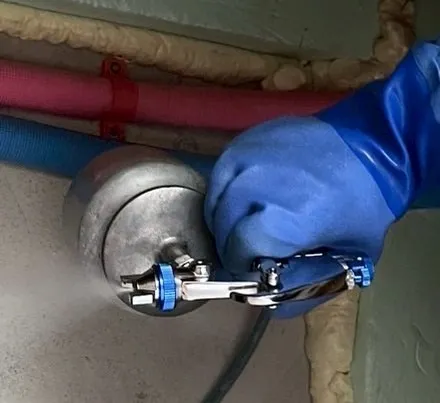
5.Applicability of the MIST Method® for Exterior Wall Mold Control
Exterior wall mold removal often involves powerful cleaning agents or pressure washing, which can sometimes damage the wall’s paint or material. The MIST Method®, however, offers a unique, non-abrasive approach. It uses a fine mist of specially formulated agents that deeply penetrate surfaces to decompose and eliminate mold without harming the underlying material. This makes it highly effective for treating mold on exterior walls as well.
In this section, we’ll explore the key features of the MIST Method® and how it can be effectively applied in outdoor environments.
5-1. Advantages as a Non-Damaging, Long-Term Mold Prevention Technique
The MIST Method® works by releasing a mist of specially formulated agents that penetrate deep into materials and break down mold hyphae from the inside. Unlike traditional methods that involve scraping or high-pressure washing—both of which can damage exterior paint and materials—MIST requires no physical abrasion. It is compatible with a wide range of exterior materials, including mortar, siding, and tiles. After mold removal, an anti-mold treatment is applied to ensure long-term prevention. This not only preserves the integrity of the materials but also significantly extends their lifespan compared to conventional cleaning techniques.
5-2. Applicability to Outdoor Conditions and Material Compatibility
Exterior walls are constantly exposed to harsh conditions such as rain, UV rays, and temperature fluctuations. The MIST Method® is adaptable to these variables by allowing fine-tuned control over the concentration and pH of the agents used, making it suitable for a wide variety of surfaces and outdoor settings. Porous materials like mortar or textured finishes such as sprayed coatings (e.g., rycyn) are especially prone to deep mold infiltration—but MIST can reach and remove mold even within these layers. Additionally, the post-treatment anti-mold coating is transparent, maintaining the original appearance while providing invisible, long-lasting protection.
5-3. Maximizing Effectiveness by Combining with Other Methods
While the MIST Method® is highly effective on its own, combining it with other approaches can further enhance results. For example, lightly pressure washing the surface before MIST treatment can remove surface dirt and algae, allowing deeper penetration of the misting agent. After fully eradicating mold with MIST, applying anti-mold or photocatalytic coatings can provide a robust defense against future outbreaks—even in challenging outdoor environments. This step-by-step, layered strategy not only maintains aesthetic appeal but also reduces future maintenance costs, making it a practical and cost-efficient solution for long-term exterior mold control.
6.How to Maximize Cost-Effectiveness When Proposing Mold Countermeasures
Mold control for exterior walls can be made more cost-effective by carefully choosing the right treatment methods and timing. When proposing these solutions to clients on construction sites, it’s essential to present not just the upfront cost of a single treatment, but also consider the lifespan of the results and ongoing maintenance expenses. This comprehensive approach highlights long-term value and helps clients make informed decisions that balance budget and durability.
6-1. Phased Implementation: Combining Cleaning, Anti-Mold Treatment, and Painting
A full-scale renovation may come with a heavy financial burden, but a phased approach can deliver long-term results while staying within budget. For instance, in the first year, perform high-pressure or bio-based cleaning along with the MIST Method® to thoroughly remove mold and apply anti-mold treatment. During the next scheduled painting cycle, upgrade to anti-mold or photocatalytic coatings to further extend aesthetics and durability. This step-by-step strategy is more accessible for clients and increases the likelihood of proposal approval.
6-2. Balancing Maintenance Cost Reduction with Aesthetic Preservation
Incorporating regular inspections and light cleanings after treatment can prevent major repairs, reducing long-term expenses. The MIST Method® is particularly effective in this regard, as it eliminates mold deep within surfaces in a single application, extending the interval between reapplications and reducing maintenance frequency. Moreover, preserving the building’s appearance directly contributes to its property value. By positioning exterior mold control as both a cost-saving and value-enhancing investment, clients are more likely to understand the full benefits and approve the proposal.
7. Key Differentiators for Becoming a Trusted Contractor
Mold remediation for exterior walls is not just about improving aesthetics—it directly impacts a building’s durability and the health of its occupants. As a result, clients value not only price but also the contractor’s technical expertise and reliability. Below are essential strategies for building trust and standing out from the competition in this critical area of construction.
7-1. Clear Estimates, Safe Agents, and Documented Track Record
Clients place great importance on transparency and safety when engaging contractors. In your estimate, clearly specify the chemicals to be used, the scope of work, and the method to be employed. Including data or test results that verify product safety significantly boosts client confidence. Showcasing past projects with before-and-after photos helps clients visualize the outcome, making your proposal more trustworthy. When promoting specialized techniques—such as the MIST Method®—it’s essential to explain its principles and benefits in an accessible manner.
7-2. Comprehensive After-Service: Regular Inspections & Guarantees
Providing follow-up services like post-treatment inspections and guarantee plans enhances client peace of mind. For example, offering annual exterior inspections or mold-clearance warranties within a set period greatly improves customer satisfaction. Regular visits also help uncover additional maintenance needs, fostering long-term client relationships.
7-3. Enhance Credibility with Industry Certifications & Third‑Party Verification
In the field of exterior wall mold prevention, holding relevant certifications and third-party endorsements significantly elevates your professional credibility. Qualifications such as Anti-Mold Construction Specialist or Building Finish Diagnostician can directly reinforce your expertise. Similarly, having your methods or products evaluated by government agencies or independent organizations boosts trust in your approach. These credentials, especially when combined with proprietary methods like the MIST Method®, help clearly differentiate your offerings from competitors and improve your proposal’s persuasiveness.
8.Conclusion and How to Apply These Insights in Future Mold Prevention Proposals
Mold prevention for exterior walls is essential not only for maintaining aesthetics but also for preserving a building’s durability and property value. As a construction professional, it is important to have a comprehensive approach that includes identifying causes, performing effective removal, and implementing preventive strategies during construction or renovation. Adopting environmentally friendly methods and long-lasting anti-mold technologies also helps earn client trust. Below are key takeaways from this article that can be applied directly to on-site practices.
8‑1. Standardizing the Workflow from On-Site Inspection to Proposal
To streamline mold control proposals on-site, it's effective to standardize the inspection items and proposal format. During the inspection, evaluate the following:
Wall orientation (north, south, etc.)
Sunlight exposure
Areas prone to moisture accumulation
Type of mold present
Document your findings—ideally with photographs—and share them right away with the homeowner. Then, present a concrete plan using solutions such as the MIST Method® and anti-mold coatings. This helps clients visualize the improvements and fosters trust in your expertise.
8‑2. Integrating Long-Term Maintenance into the Plan
Exterior mold control shouldn’t be a one-time fix. Incorporate it into the building’s maintenance schedule and repainting cycles to ensure ongoing effectiveness. A well-structured plan might include:
Regular exterior cleanings
Reapplication of anti-mold coatings
Periodic checks and adjustments for landscaping and drainage
This proactive approach helps prevent recurrence while preserving both aesthetics and durability. In cases where the MIST Method® is applied, it's especially important to clearly define maintenance intervals so the benefits are sustained over time.
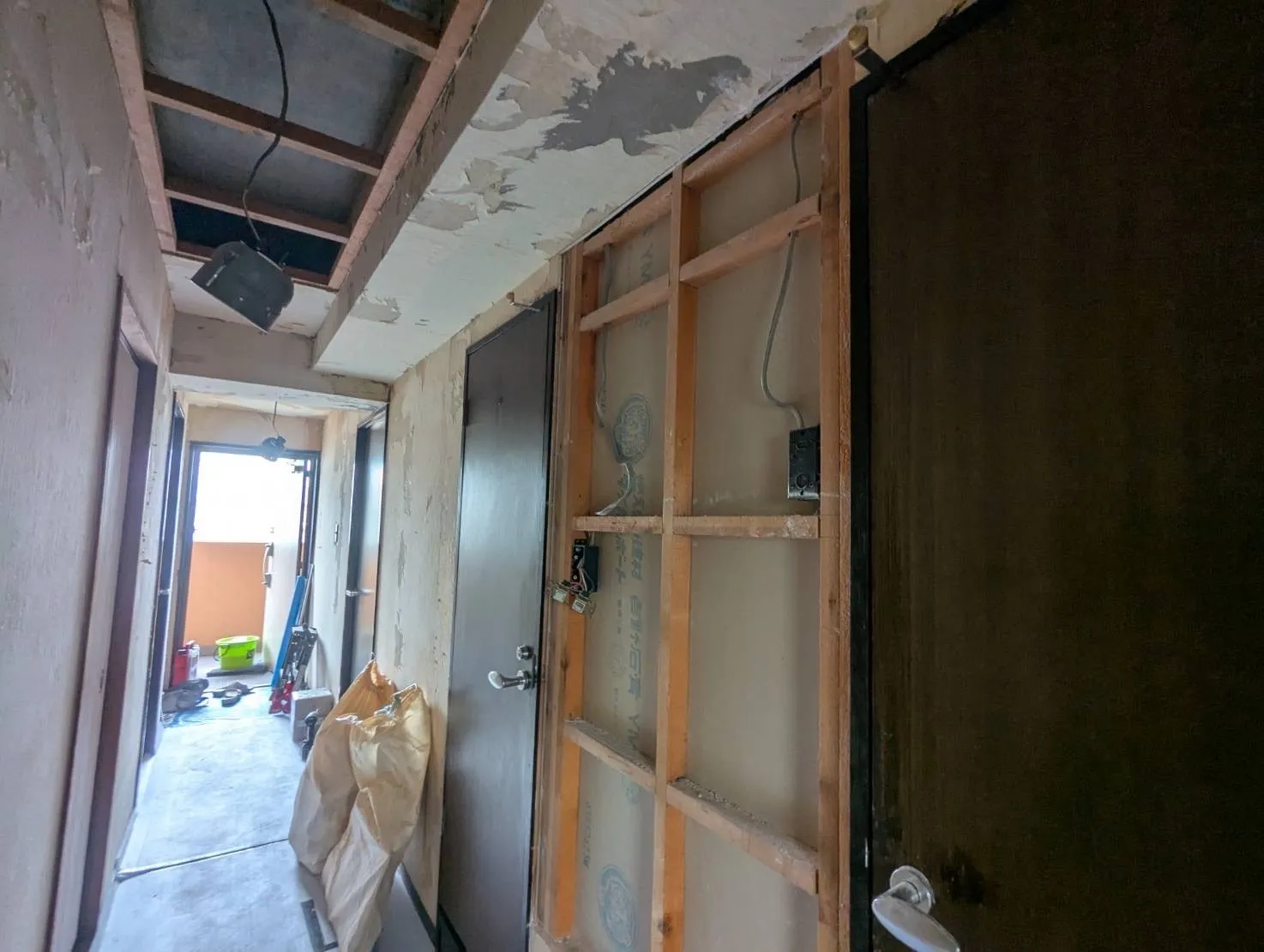
For mold removal and prevention, trust Kabi Tori Reform Tokyo & Nagoya and Kabi Busters Osaka!
Mold prevention for exterior walls isn’t just about preserving appearance—it’s also essential for safeguarding the durability and value of a building. Here’s how our expert services—Kabitoreform Tokyo & Nagoya and Kabi Busters Osaka—can help:
MIST Method®: Deep Mold Removal Without Damaging Materials
We utilize the MIST Method®, a unique technique that delivers a fine mist of specialized agents deep into the substrate, completely breaking down mold hyphae—even within the core. Unlike aggressive cleaning, it preserves delicate materials while delivering outstanding results. We then apply a long-lasting anti-mold treatment to prevent recurrence. Safe for both people and the environment, MIST Method® is ideal for a wide range of properties—from homes to commercial facilities and even historic buildings.
Total Support from One Contractor: Mold Removal + Renovation
Operated by Taiko Kensō Co., Ltd., our group is one of the few contractors capable of handling both mold removal and renovation services. This allows us to perform exterior wall repairs and mold prevention in tandem, saving on scaffolding costs and shortening project timelines. Whether it's kitchen, bathroom, or interior remodeling, we provide comprehensive services that enhance the overall value of the building.
For Construction Industry Partners
We’re equipped to collaborate directly with construction professionals—on joint projects, subcontracting arrangements, or coordinated care for long-term building maintenance. If you're looking for a trusted partner to address exterior mold or extend building lifespan, we'd be happy to talk.
---------------------------------------------------------------------
カビ取リフォーム
東京営業所
〒141-0022
東京都品川区東五反田2-5-2 YHE CASK GOTANDA6階
電話番号:090-8321-4408
名古屋本社
〒465-0028
愛知県名古屋市名東区猪高台1-1301 タイコウビル1F
電話番号 : 0120-588-766
サイト:https://taikou-kensou.co.jp/
大阪営業所
〒532-0003
大阪府大阪市淀川区宮原1-19-23
電話番号:080-6978-3068
カビバスターズ大阪
https://kabibusters-osaka.com/
【検査機関】
一般社団法人微生物対策協会
https://kabikensa.com/
----------------------------------------------------------------------