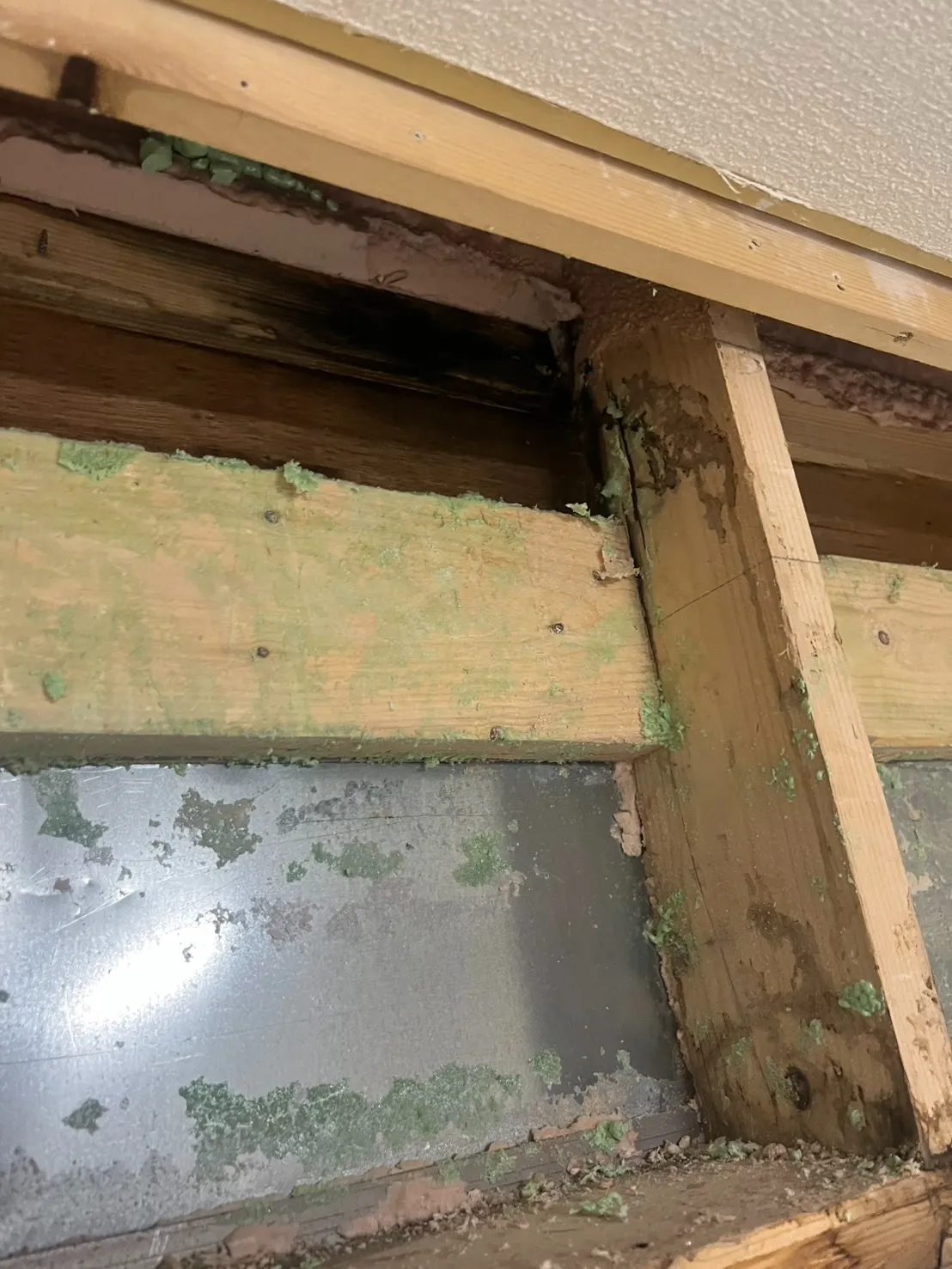
"Wait, That Causes Mold?! Everyday Items You Didn't Know Feed Mold"
2025/08/12
Items like books, stuffed animals, and houseplants might seem harmless—but they can secretly be creating the perfect environment for mold to grow, impacting your home’s air quality and your health.
This article explains why ordinary items can turn into mold traps, how to identify them, and offers practical, expert-backed solutions to keep your home mold-free and healthy.
By understanding these hidden mold risks, you can take smart, simple steps to prevent mold at its source—protecting your family, improving air quality, and avoiding costly damage.

1. Surprising Risk: How Paper, Cardboard & Stuffed Toys Encourage Mold
Items like books, cardboard boxes, and stuffed toys may appear clean and harmless, but they are actually prime environments for mold growth due to their porous materials. These everyday household items can absorb moisture and retain it long enough to allow mold spores to take root and flourish. In this section, we’ll explore why these common items are so mold-prone and what you can do to protect your home.
1-1. Porous Materials: A Perfect Mold Habitat
Paper and cardboard may seem solid, but they are actually filled with microscopic holes that absorb moisture from the air. This structure makes them ideal for mold spores, which can settle deep into the material and begin to grow without being detected. Many people have experienced opening an old book from storage only to be greeted by a musty smell or visible mold stains—this is exactly how mold exploits paper materials.
Cardboard boxes are another high-risk item. Often used for moving or long-term storage, these boxes are typically stacked in closets, basements, or attics where ventilation is poor. During humid seasons or in areas prone to condensation, mold can develop quickly and even spread to the items stored inside the box.
Stuffed toys are particularly vulnerable. These soft items, often loved by children, can easily absorb moisture from sweaty hands, saliva, or even being dropped on a damp floor. When stored in poorly ventilated spaces like closets or under beds, mold can begin to grow inside the stuffing—often without any visible signs until it’s too late.
1-2. Real-Life Mold Damage from Long-Term Neglect
Let’s say a child’s favorite stuffed animal has been stored in the back of a closet for a few months. When you finally take it out, it smells musty, and upon closer inspection, you may find mold spots on the surface. This indicates that the moisture trapped inside created a breeding ground for mold, possibly affecting the child’s health upon contact.
Books, too, can harbor mold deep in their pages. A tightly packed bookshelf, especially one placed against an exterior wall, can restrict airflow and trap humidity. Over time, mold can form between pages and at the spine, spreading silently.
As for cardboard boxes, those stored in damp entryways or utility closets may show mold growth along the bottom, eventually contaminating the contents. This is particularly dangerous if those boxes are used to store clothing or food items.
To prevent such risks, regularly rotate and inspect these items. Dry them out in well-ventilated areas, use moisture absorbers in storage spaces, and avoid keeping them in humid environments for extended periods. For storage, opt for plastic or metal bins that are less likely to retain moisture and more resistant to mold invasion.
2. Houseplants and Soil: A Hidden Moisture Trap
Houseplants bring natural beauty and a calming atmosphere to indoor spaces, but behind their green charm lies an often-overlooked risk: mold. The very soil that nourishes your plants can also trap moisture, creating ideal conditions for mold spores to thrive. In this section, we explore how indoor plants can become mold sources—and how to enjoy them safely.
2-1. Excess Watering and the Resulting Mold Problem
Water is essential for plant life, but overwatering can cause the soil to remain constantly damp. This moisture, especially in poorly ventilated areas, quickly becomes a breeding ground for mold. When airborne mold spores settle on the wet surface, they begin to grow—sometimes appearing as white or green fuzz on the soil, pot edges, or even nearby surfaces like walls and floors.
What makes the problem worse is stagnant water in saucers placed under plant pots. If this water isn’t emptied regularly, it increases local humidity levels, encouraging mold growth not just in the soil but across the room. Even the air quality in the space can deteriorate as mold spores become airborne.
Common types like white mold (Sclerotinia) or green mold (Cladosporium) can harm both the plant’s roots and your indoor environment. If left unchecked, mold from plant soil can spread to other household items or be inhaled, potentially triggering allergies or respiratory issues.
2-2. How to Balance Plant Care with Mold Prevention
You don’t need to give up your houseplants to prevent mold—instead, follow a few smart care practices to keep both your plants and your air healthy. Start by adjusting your watering routine: only water when the top inch of soil is dry. Use pots with drainage holes to avoid water buildup, and always empty the saucer shortly after watering.
Place your plants in areas with good airflow and natural light. If this isn't possible, use a small fan or air circulator to prevent humidity from building up around the plants. Be especially cautious in rooms like bathrooms or kitchens where moisture is already elevated.
To further reduce mold risk, consider using sterilized or antifungal potting soil. You can also cover the soil surface with materials like pebbles, activated charcoal, or horticultural sand, which help reduce evaporation and discourage mold growth.
By being mindful of both the plants’ needs and their environmental impact, you can continue to enjoy your indoor greenery while protecting your home from hidden mold threats.
3. Damp Clothes and Laundry: The Mold Multiplier
Doing laundry is part of daily life, but one small oversight—leaving clothes damp—can lead to major mold problems. Wet fabrics offer the perfect environment for mold spores to settle and spread. In this section, we examine how laundry habits can unknowingly promote mold and how to adjust routines to avoid these risks.
3-1. Leaving Wet Towels or Clothes Can Trigger Mold
Have you ever left freshly washed clothes sitting in the washing machine or tossed damp towels into a laundry basket and forgotten about them? These actions may seem harmless, but damp textiles can become mold magnets in just a few hours—especially in humid seasons like the rainy summer or during indoor drying in winter.
Towels, in particular, are thick and absorbent, making them slow to dry and rich in moisture. Once mold begins to grow, it can leave behind dark stains, an unpleasant musty odor, and stubborn contamination that’s difficult to remove. Mold spores can also become airborne, reducing indoor air quality and potentially causing allergic reactions or skin irritation.
To prevent these issues, always dry laundry as soon as the wash cycle ends. Use a clothesline or drying rack in a well-ventilated area, and if drying indoors, run a fan or dehumidifier to speed up the process. Avoid piling damp clothes in a laundry basket, and hang wet towels promptly after use—even better if you can dry them outside in direct sunlight.
3-2. Mold in Washing Machines: A Hidden Threat
It’s not just clothing that harbors mold—your washing machine itself can become a breeding ground. Front-loading machines, in particular, are prone to mold buildup around the rubber door gasket (seal), where water, detergent residue, and lint collect and create a moist, enclosed environment.
Even top-loading machines can harbor mold in hard-to-reach areas like detergent dispensers or under the drum. Mold from these areas can transfer onto your “clean” clothes, leaving them smelling musty or even reinfecting them with spores during the wash cycle.
To keep your washing machine mold-free, clean it regularly using a washing machine cleaner—about once a month is ideal. After each use, leave the door open to allow the drum to dry completely, and wipe down the rubber gasket and door with a dry cloth. For extra prevention, run an empty hot-water cycle with baking soda or white vinegar occasionally to disinfect the inside.
By being mindful of your laundry habits and keeping your washing machine clean and dry, you can prevent mold before it starts—and keep your clothes, your home, and your family healthy.
4. Rugs, Carpets, and Wooden Furniture: The Porous Trap
Rugs, carpets, and wooden furniture are popular for adding warmth and style to interior spaces—but they also have a hidden downside. These porous materials can easily trap moisture and become breeding grounds for mold. In this section, we’ll explore why these common furnishings are high-risk for mold and how to protect them effectively.
4-1. Common Traits of High-Risk Materials
Rugs and carpets are made from densely woven fibers, which are excellent at absorbing moisture from everyday foot traffic, spills, or humidity. If not dried properly, even a small amount of moisture can become trapped deep within the fibers, making it difficult to detect until mold has already formed. This can lead to musty odors, discoloration, and even health issues caused by airborne mold spores.
Wooden furniture is another often-overlooked mold risk. Wood is a natural material that “breathes”—it absorbs and releases moisture depending on the surrounding environment. When humidity levels are high for extended periods, wooden surfaces can retain moisture inside, creating an ideal environment for mold to grow. Certain types like particle board and plywood are especially vulnerable due to their construction.
Even worse, if you store damp items—like clothing or books—inside wooden furniture, they can raise the internal humidity of drawers or cabinets, encouraging mold to spread from the inside out. Mold may begin on hidden surfaces such as the back of a shelf or the underside of a drawer and go unnoticed until the damage is done.
4-2. Tips for Safe Use and Storage
To prevent mold on rugs and carpets, prioritize ventilation and drying. Lift and air out rugs weekly, especially during rainy or humid seasons. Use a vacuum with a HEPA filter to remove moisture-trapping dust and allergens. When possible, choose washable rugs, and take them outside for sun-drying to eliminate hidden moisture.
For wooden furniture, avoid placing pieces directly against walls—leave at least 5–10 cm of space to allow air circulation. Install dehumidifiers in rooms where wooden furniture is present, especially in basements, bathrooms, or along exterior walls. In drawers or closets, use moisture absorbers like silica gel or charcoal packs to maintain a dry environment.
When cleaning, don't forget the undersides and back panels of furniture. These areas tend to collect condensation and are rarely cleaned, making them perfect for mold to hide and grow. Periodic inspections and gentle wiping with dry or slightly damp cloths can go a long way in mold prevention.
By understanding the unique risks of porous home materials and taking a few simple precautions, you can maintain a mold-free, healthier home environment.
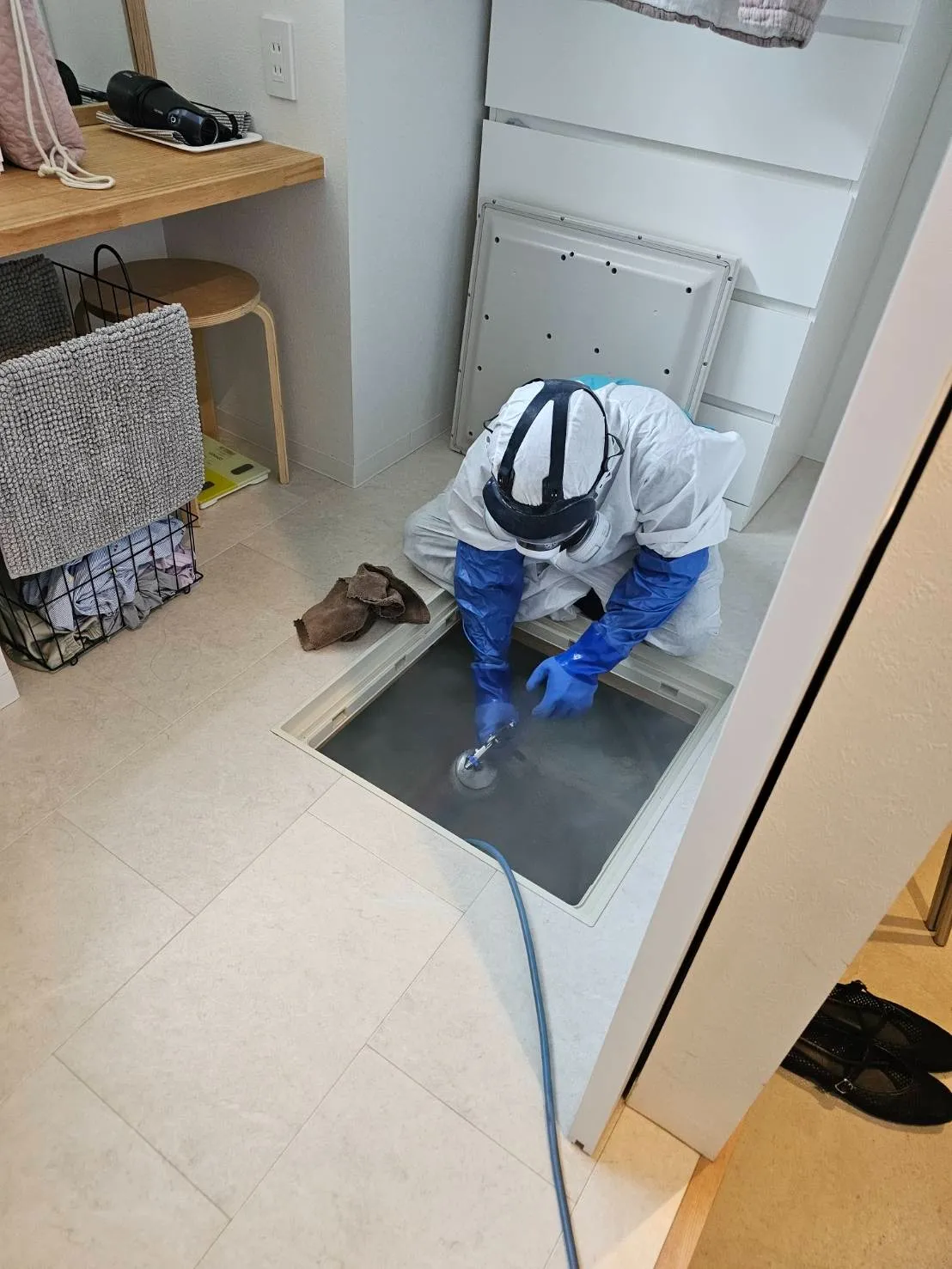
5. Other Overlooked Mold-Promoting Household Items
While we’ve covered some of the major mold-prone items, there are many smaller, often-overlooked objects around the home that quietly contribute to mold growth. These items may seem harmless, but without regular cleaning and proper drying, they can harbor moisture and become hotspots for mold. This section highlights some of the most commonly missed culprits and offers practical tips for keeping them mold-free.
5-1. Entryway Mats, Storage Units, and Toothbrush Holders
Entryway mats are the first to meet wet shoes, dirt, and outdoor moisture. Whether made of fabric, rubber, or synthetic fibers, these mats absorb water easily and are often placed in poorly ventilated areas. If left unchecked, they become saturated over time, allowing mold to grow between layers or underneath. Mats that remain damp for days can also affect the flooring beneath, especially if it’s wood or carpet.
Storage units like closets, plastic bins, or wooden cabinets can trap humidity—especially if they’re packed with items that absorb moisture such as paper, textiles, or leather. Poor airflow and long periods without opening the doors make them perfect mold incubators. Storing damp items like recently used towels or sweaty clothes makes the problem even worse.
Toothbrush holders, especially those without drainage, are surprisingly common mold hubs. Water drips from toothbrushes and collects at the bottom of the holder, creating a pool of stagnant water that, if not cleaned regularly, can lead to mold and bacterial buildup. Since these items are used daily near your mouth, keeping them clean is crucial for hygiene and health.
5-2. Pet Supplies and Children’s Toys Also at Risk
Your pet’s favorite blanket, cushion, or bed may feel soft and cozy—but it can also trap moisture from drool, wet fur, or spilled water. These items are often left on the floor and seldom washed as frequently as they should be, creating a hidden mold hazard. Food bowls and water dishes placed on mats or rugs can also cause long-term dampness if not cleaned and dried properly.
Children’s toys, especially soft toys like stuffed animals, are another mold risk. They often come into contact with saliva, sweat, or spilled drinks and may be tossed into storage bins while still damp. Water toys are especially problematic if not dried thoroughly after use. Mold can form inside hollow toys or in the fabric stuffing of plushies without any outward signs.
To reduce mold risks, regularly wash and sun-dry these items. For toothbrush holders and pet dishes, empty and wipe them dry daily. Use waterproof liners or mats under pet areas, and wash stuffed toys frequently—ideally with hot water. Whenever possible, choose mold-resistant or washable materials for children’s items and pet supplies.
By being mindful of these easily forgotten mold traps and incorporating regular cleaning into your routine, you can make a big difference in maintaining a healthy and mold-free home.
6. Understanding How Mold Grows: The Formula of Food + Moisture + Time
Mold doesn’t appear out of nowhere—it follows a predictable pattern based on three key factors: a source of food, sufficient moisture, and enough time to grow. By understanding this simple but powerful formula, you can take smarter, more proactive steps to stop mold before it starts. This section breaks down the mold life cycle and explains what makes your home vulnerable.
6-1. The Role of Organic Materials and Humidity
Mold feeds on organic matter, which includes a wide range of everyday materials in your home—paper, fabric, wood, leather, food crumbs, and even dust that contains skin cells or hair. These seemingly harmless substances are rich sources of nutrients that mold can use to grow and spread.
However, mold also requires moisture to activate and thrive. In homes with humidity levels above 60%, mold spores in the air can settle on damp surfaces and begin to grow almost immediately. Moisture can come from a variety of sources: steam from cooking or bathing, wet laundry, indoor plants, poor ventilation, roof leaks, or even daily breathing in enclosed rooms.
Humidity alone won’t create mold unless there’s also a food source—and vice versa. But when both conditions are present, mold growth becomes highly likely, especially in areas with poor airflow like behind furniture, inside closets, or under rugs.
6-2. Mold Growth Rate and Environmental Conditions
When food and moisture are available, the only other ingredient mold needs is time. Under ideal conditions (around 20–30°C and over 70% humidity), mold can begin growing within 24 to 48 hours and become visible within 72 hours. That means even a short period of neglect—like leaving wet towels overnight or failing to ventilate after a shower—can spark mold development.
The longer these conditions persist, the deeper and more resilient the mold becomes. Mold doesn’t just stay on the surface; it sends roots (called hyphae) into porous materials, making it extremely difficult to remove once embedded. That’s why early intervention is so important.
The good news? Interrupting any one of the three elements—food, moisture, or time—can stop mold in its tracks. Even if you can’t remove all organic material, keeping humidity levels below 50% and ensuring regular air circulation can significantly reduce the risk.
Understanding how mold operates helps you move from reactive to preventative. Instead of just cleaning up after mold appears, you can actively create an environment where mold can’t survive in the first place.
7. Simple Preventative Solutions for Everyday Mold Sources
Preventing mold doesn’t require expensive equipment or professional intervention for every case. With a little awareness and a few smart habits, you can significantly reduce the risk of mold caused by everyday household items. In this section, we offer practical, easy-to-implement tips to help keep your home mold-free.
7-1. Managing Paper, Fabric, and Plants to Stay Dry
Start with the basics: keeping things dry and ensuring airflow. Paper items like books and documents should never be packed tightly on shelves—leave space between them and air out storage areas regularly. If you store paper or fabric in closets, open the doors occasionally to refresh the air inside. Adding moisture absorbers like silica gel packets can help reduce humidity in enclosed spaces.
For fabric items like towels, mats, and clothing, avoid leaving them damp after use. Hang towels immediately after showering, preferably in a well-ventilated area or under sunlight. If you can’t dry them outside, use fans or dehumidifiers indoors to speed up drying. Wash mats and rugs regularly, and ensure they’re fully dry before placing them back on the floor.
When it comes to houseplants, water them only when the top layer of soil is dry, and use pots with good drainage. Always empty the saucers beneath pots to prevent water from collecting and increasing room humidity. If necessary, reposition plants away from corners or walls to allow airflow around them.
7-2. Dehumidification & Storage Hacks that Work
Humidity control is one of the most powerful tools in your anti-mold arsenal. You don’t need an industrial-grade dehumidifier—small, room-sized units or even budget-friendly dehumidifying bags can do wonders in closets, bathrooms, and bedrooms. Monitor humidity with a digital hygrometer, and aim to keep it below 50% wherever possible.
Choose breathable storage solutions. Instead of sealed plastic bins, consider mesh or fabric containers that allow air to circulate. Avoid stacking items too tightly or sealing them in bags without checking for moisture. For long-term storage, make sure everything is completely dry before packing—and add desiccant packs to maintain dryness.
Furniture placement can also help prevent mold. Leaving a 5–10 cm gap between furniture and the wall encourages airflow and prevents condensation buildup, especially in rooms with limited ventilation or high humidity.
Lastly, make it a habit to check your environment regularly. Is the corner of your closet unusually warm and stuffy? Is your rug still damp from yesterday? These small daily observations will help you detect and correct mold risks before they become real problems.
A little effort goes a long way. By consistently managing moisture and airflow, and by staying alert to hidden mold-promoting items, you’ll create a healthier, cleaner, and more comfortable living space.
8. Conclusion: How to Detect and Defend Against Everyday Mold Risks
Mold is often invisible until the damage is done—and by then, it's already embedded in your home. As we’ve explored, many seemingly harmless items around the house—books, rugs, towels, houseplants—can silently foster mold when exposed to the right conditions. Understanding these risks is the first step toward creating a healthier home.
What makes mold so dangerous is how easy it is to overlook. Everyday items like toothbrush holders, pet bedding, or stuffed toys rarely get the cleaning or ventilation they need. Because these materials are porous, they trap moisture and offer mold both the nutrients and environment it needs to thrive. Without proactive care, even clean-looking objects can become sources of mold.
But the good news is: mold prevention doesn’t have to be complicated. By learning the three key factors mold needs—food, moisture, and time—you can easily disrupt the cycle. Improve airflow, reduce humidity, avoid leaving damp items sitting around, and clean high-risk areas regularly. These small changes, when done consistently, make a huge difference.
Remember, the goal isn’t to eliminate every mold spore—they’re everywhere—but to make your living space inhospitable to mold growth. That means thinking ahead, noticing early signs, and treating moisture as your primary warning signal.
We hope this guide has helped you recognize mold risks hiding in plain sight and feel empowered to take control of your indoor environment. With just a bit of daily awareness and effort, you can stop mold before it starts—and enjoy a home that feels cleaner, healthier, and more comfortable every day.
Mold Removal & Prevention by Kabibusters Osaka and Mold-Removal Reform Tokyo/Nagoya
Mold is more than just a cosmetic issue—it can cause serious health problems, damage to building materials, and a noticeable decline in your indoor living environment. If you suspect mold in your home, office, or facility, the safest and most effective solution is to consult professionals with proven expertise.
Kabibusters Osaka and Mold-Removal Reform Tokyo/Nagoya specialize in advanced mold treatment using our proprietary MIST Method®, a technique developed in-house to eliminate mold deeply and thoroughly—without damaging the materials. Unlike traditional methods that involve harsh scrubbing or sanding, MIST Method uses carefully adjusted, material-friendly agents tailored to each specific site. It's safe for children, the elderly, and sensitive indoor environments like schools, healthcare centers, and restaurants.
MIST Method also includes a highly effective anti-mold treatment after the removal phase. This step targets airborne mold spores and prevents future mold growth through a long-lasting protective layer, ensuring that your environment stays clean and mold-free long after the treatment is complete.
One-Stop Mold Removal & Renovation Services by Taikou Kensou Co., Ltd.
What sets us apart is that Kabibusters Osaka and Mold-Removal Reform Tokyo/Nagoya are operated by Taikou Kensou Co., Ltd., a full-service construction and renovation company. That means we’re not just mold removal specialists—we’re also experts in repairing and remodeling the spaces affected by mold damage.
Mold damage often requires more than just surface cleaning. When mold infiltrates the structure—walls, floors, or ceilings—restoration and renovation are essential for long-term safety and functionality. That’s where Taikou Kensou’s dual expertise in both mold remediation and construction shines. From diagnosis to removal, restoration, and even redesign, we handle the entire process in-house—saving you time, cost, and the hassle of dealing with multiple contractors.
Comprehensive Renovation Services by Taikou Kensou Co., Ltd.
Our renovation services extend far beyond mold-related work. Whether you're upgrading a single room or doing a full home remodel, Taikou Kensou offers tailored, high-quality renovation solutions for private homes, rental properties, commercial spaces, and public facilities.
We specialize in:
Interior renovations (flooring, walls, ceilings)
Water-related spaces (bathrooms, kitchens, laundry rooms)
Layout adjustments and barrier-free design
Moisture-resistant construction techniques to prevent future mold
Aging building restorations with a focus on ventilation and longevity
From design to execution and aftercare, we offer a seamless and reliable renovation experience built on decades of technical knowledge and client trust.
Remove the mold. Improve the space. Live healthier.
Whether you're dealing with mold now or planning ahead, Kabibusters Osaka and Mold-Removal Reform Tokyo/Nagoya, powered by Taikou Kensou Co., Ltd., are your trusted partners in restoring and protecting your living environment.
---------------------------------------------------------------------
カビ取リフォーム
東京営業所
〒141-0022
東京都品川区東五反田2-5-2 YHE CASK GOTANDA6階
電話番号:090-8321-4408
名古屋本社
〒465-0028
愛知県名古屋市名東区猪高台1-1301 タイコウビル1F
電話番号 : 0120-588-766
サイト:https://taikou-kensou.co.jp/
大阪営業所
〒532-0003
大阪府大阪市淀川区宮原1-19-23
電話番号:080-6978-3068
カビバスターズ大阪
https://kabibusters-osaka.com/
【検査機関】
一般社団法人微生物対策協会
https://kabikensa.com/
----------------------------------------------------------------------