The Ultimate Bedroom Mold Guide: Eliminate Mold, Sleep Better
2025/08/11
Mold in the bedroom is more than just an eyesore—it can cause health issues like allergies and poor sleep. Still, many people are unsure how to deal with it effectively.
This article explains the causes of bedroom mold, DIY removal methods, how to control humidity, and tips for protecting your bedding and storage areas—presented in a clear, expert-informed way.
By reading this guide, you’ll gain practical, long-lasting strategies to keep your bedroom mold-free and healthy, helping you sleep better and breathe easier every day.

1.Causes of Mold Growth in the Bedroom
Mold in the bedroom doesn’t appear by accident. In most cases, it's the result of conditions that mold thrives in—high humidity, warm temperatures, and poor ventilation. This section explains why mold tends to develop in bedrooms and the hidden risks that might be present in your sleeping space.
1-1.The Three Main Factors: Humidity, Temperature, and Poor Ventilation
Mold grows rapidly when three conditions are met: high humidity, temperatures between 20–30°C (68–86°F), and stagnant air. During Japan’s rainy season or in winter when condensation occurs, bedrooms can easily become an ideal environment for mold. If windows remain closed, air circulation decreases, and moisture builds up. Add in the moisture from human breath and sweat released during sleep, and humidity levels can rise quickly without being noticed. As a result, mold can silently spread in hard-to-see areas like behind wallpaper, under furniture, or in the corners of ceilings.
1-2.Moisture Issues with Bedding, Closets, and Under-Bed Areas
Certain areas in the bedroom are particularly prone to trapping moisture—such as bedding, mattresses, closets, and under-bed storage. Bedding can absorb more than a cup of sweat each night, and when left unventilated, it creates the perfect conditions for mold to thrive. Closets often trap air, making it difficult for moisture to escape, especially when overfilled. Similarly, the space beneath the bed tends to collect dust and moisture due to limited airflow and infrequent cleaning. Without regular ventilation and cleaning, these spots can become hidden breeding grounds for mold.
2.Health Effects of Mold in the Bedroom
Mold isn't just an aesthetic issue—it can significantly impact your health. Because we spend several hours a day sleeping, prolonged exposure to mold spores in the bedroom can pose serious health risks. In this section, we’ll explain how mold affects the body and why it’s crucial to address even minor outbreaks quickly.
2-1.Risks of Allergies and Respiratory Issues
Sleeping in a mold-contaminated room means you’re continuously inhaling mold spores throughout the night. This can trigger or worsen allergic reactions such as sneezing, nasal congestion, coughing, and asthma attacks. Children, the elderly, and individuals with pre-existing conditions are especially vulnerable. Some molds, like black mold or certain blue molds, are toxic and have been linked to chronic respiratory problems. Even if symptoms don’t appear immediately, long-term exposure can gradually deteriorate your health. That’s why ignoring mold—even if it looks minor—can be dangerous.
2-2.Poor Sleep Quality and General Discomfort
A moldy bedroom often has a musty odor and a damp feeling in the air, both of which can disrupt sleep. If you notice that you’re having trouble falling asleep or frequently waking up tired, mold could be a contributing factor. Some people experience headaches, fatigue, or fogginess upon waking—symptoms that may be tied to mold exposure. Mold in your bedding or on the walls can also create a sense of unease or psychological discomfort, which affects the quality of rest. Keeping the bedroom air clean and mold-free is essential for healthy, restorative sleep.
3.Safe DIY Methods for Removing Early-Stage Mold at Home
When detected early, mold can often be removed safely with household items. However, using the wrong tools or methods may damage surfaces or affect your health. This section outlines practical and safe techniques for tackling small mold issues before they spread.
3-1.Using Alcohol, Baking Soda, and Vinegar Effectively
For light mold growth, common household items can be surprisingly effective. Rubbing alcohol (about 70%) works well for disinfecting and killing mold on hard surfaces. Spray it directly on the affected area and wipe it clean with a cloth. Baking soda, a mild alkaline substance, breaks down dirt that feeds mold. It can be sprinkled directly or mixed with water in a spray bottle. Vinegar, being acidic, inhibits the growth of mold—especially black mold—and can be used alone or together with baking soda for a stronger effect. Always test these substances on a small hidden area first, as some surfaces may discolor or degrade.
3-2.Proper Use of Chlorine-Based Mold Removers and Safety Tips
Chlorine-based mold removers are powerful and effective, especially against black mold. However, they must be used with caution. Ensure good ventilation during use, and wear protective gloves, a mask, and goggles to prevent skin or respiratory irritation. Spray the remover directly onto the mold, let it sit for several minutes, and then wipe it clean. Avoid using it on delicate materials like wood or fabrics, as it may cause damage or discoloration. Never mix chlorine-based cleaners with other chemicals, as doing so can release toxic gases. Always follow the instructions carefully and use them only in well-ventilated areas.
4.Detailed Mold Removal Steps: Penetration, Cleaning, and Drying
Successfully removing mold requires more than just wiping the surface. It’s important to let the cleaning agent penetrate deeply into the affected area, remove the mold residue properly, and ensure thorough drying afterward. This section breaks down each step to ensure effective and lasting mold removal.
4-1.Letting Cleaning Agents Penetrate with Paper Towels or Wrap
To effectively kill mold, the cleaning solution must reach deep into the surface where mold roots may be embedded. Spray the affected area with rubbing alcohol or mold remover, then cover it with a paper towel and a layer of plastic wrap. This technique helps the agent stay moist and allows more time to penetrate the mold. Leave it in place for 10 to 30 minutes, depending on the severity. After removing the wrap, the mold will often be softened and easier to remove. This method helps eliminate the mold at its roots while protecting delicate materials.
4-2.Gently Scrubbing and Wiping Off Dead Mold
After the agent has penetrated, use a soft brush or cloth to gently scrub away the dead mold. Avoid using stiff brushes or excessive force, which can damage surfaces. Try to wipe in one direction to reduce the spread of spores into the air. After scrubbing, wipe the area with a cloth dampened in alcohol to disinfect it, then follow up with a dry cloth. Be sure to clean or dispose of the tools used during the process. Finally, ventilate the room thoroughly and use a fan or dehumidifier to ensure the area is completely dry—this is crucial in preventing the mold from returning.
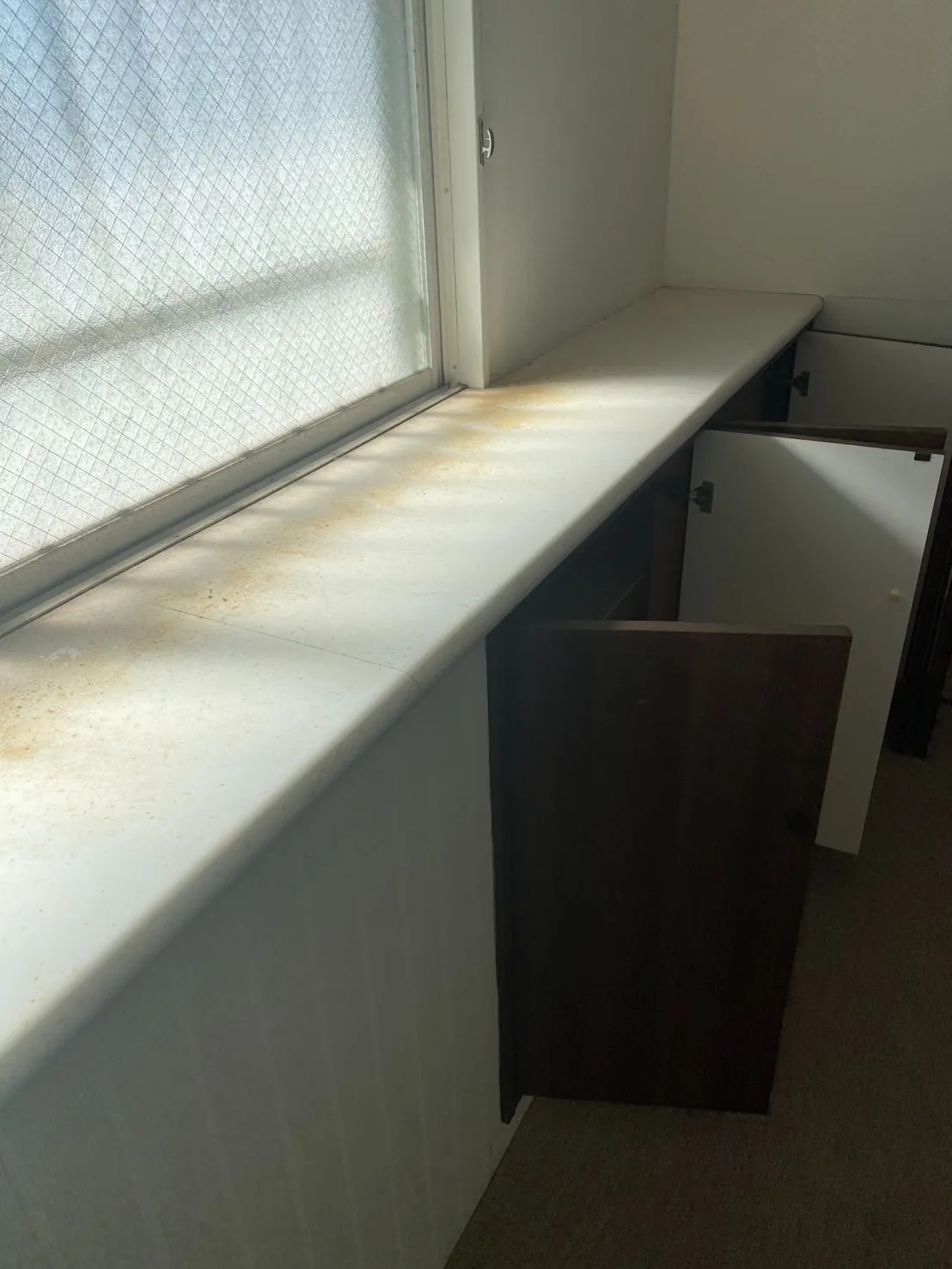
5.Preventing Mold from Coming Back: Ventilation and Humidity Control
Even after successfully removing mold, it can easily return if the environment remains favorable for its growth. The key to long-term prevention is creating a space that mold doesn’t thrive in—especially by managing ventilation and humidity levels. This section explains how to maintain a mold-resistant bedroom environment.
5-1.How to Use Dehumidifiers and Moisture Absorbers Effectively
The ideal indoor humidity level is between 40% and 60%. When it exceeds this range, mold can start to grow rapidly. Placing a dehumidifier in the center of the room or near walls prone to moisture can effectively reduce overall humidity. In closets or under-bed areas, moisture absorbers such as silica gel or charcoal-based products are helpful for keeping confined spaces dry. Be sure to check and replace these products regularly to maintain their effectiveness. During the rainy season or winter when condensation is common, running a dehumidifier for longer periods may be necessary to maintain a safe environment.
5-2.Balancing Air Conditioner’s Dry Mode and Natural Ventilation
The “dry” mode on an air conditioner is a great tool for reducing humidity, especially before going to bed or on rainy days. However, relying solely on this function isn’t enough. Natural ventilation—by opening windows during the day—helps refresh the air and remove lingering moisture. Using a fan or air circulator in combination with open windows enhances airflow and keeps the room dry. Alternating between mechanical and natural methods ensures a balanced indoor climate that mold will struggle to survive in.
6.Mold Prevention for Bedding and Storage Areas
Even if your bedroom air is well-ventilated and humidity is under control, mold can still grow in places that trap moisture—especially bedding and storage areas. This section outlines effective strategies for preventing mold in mattresses, closets, and under-bed spaces.
6-1.Regularly Airing Out and Rotating Your Mattress
Mattresses and bedding absorb a surprising amount of moisture from body heat and sweat during sleep. If left on the floor or bed frame without proper ventilation, mold can form underneath or inside the materials. To prevent this, stand your mattress upright once or twice a week to let it air out. On sunny days, hang your comforter or futon outside to dry. This not only removes moisture but also reduces dust mites. Additionally, rotating your mattress or switching bedding each season helps prevent moisture buildup in one area. Making these habits part of your routine can significantly reduce the risk of mold growth.
6-2.Preventing Mold in Under-Bed Storage and Closets
Storage spaces like under the bed and inside closets tend to trap air and collect dust—conditions mold loves. To prevent this, use breathable storage containers or place items on slatted platforms to allow airflow. Moisture-absorbing products such as silica gel, charcoal, or dehumidifying sheets work well in these confined areas. In closets, moisture-absorbing hangers or deodorizers with humidity control features can help. Make it a habit to open closet doors at least once a month to let fresh air in, and move stored items around to promote ventilation. Keeping storage areas clean and dry is just as important as maintaining the room itself.
7.Beyond DIY: When to Hire a Professional Mold Removal Service
While DIY mold cleaning can be effective for small areas, there are times when professional help is necessary—especially when mold is widespread or embedded deep within surfaces. This section explains when to consider hiring a specialist and how to choose the right one.
7-1.When Mold Covers Large Areas or Affects Delicate Materials
If mold has spread across wide areas of your bedroom—such as walls, ceilings, or under flooring—it’s best to call in professionals. DIY efforts often fail to fully remove mold that has penetrated porous materials like wood or fabric. Attempting to clean these areas yourself may cause damage or leave mold roots behind, leading to quick regrowth. In such cases, professionals use specialized tools and techniques to eliminate mold completely and safely, targeting even what’s hidden beneath surfaces.
7-2.Comparing Services: Safety, Technique, and Cost
When choosing a mold removal company, compare several providers in terms of methods, safety, and pricing. Ask what kind of cleaning agents they use—are they safe for humans and pets? Does the service include mold prevention treatment afterward? Reviewing customer feedback, before-and-after photos, and certifications can help you determine their reliability. For households with children or elderly family members, choose a provider that prioritizes non-toxic, health-conscious solutions. While professional services may cost more than DIY, they often deliver longer-lasting results, making them a worthwhile investment.
8.Choosing the Right Mold Prevention Products
There’s a wide variety of mold prevention products available on the market, each with different purposes and strengths. Choosing the wrong product can lead to poor results—or even damage your home. This section highlights the most effective tools for preventing mold in your bedroom and how to use them safely.
8-1.Ingredients and Uses of Commercial Mold Sprays
Mold removal sprays available at drugstores or home centers are convenient and work quickly. Alcohol-based sprays are effective at disinfecting mold on surfaces and are relatively safe for use in bedrooms. Chlorine-based sprays are much stronger and effective against black mold but require proper ventilation and safety precautions. When choosing a spray, consider whether it offers long-lasting mold prevention, has low odor, and is safe for indoor use. Reading labels carefully and selecting products based on your room’s needs will help you avoid ineffective or overly harsh solutions.
8-2.Using Moisture-Absorbing and Mold-Resistant Materials
Controlling moisture is critical in preventing mold, and moisture-absorbing items can help maintain a dry environment. Use silica gel packets or charcoal-based absorbers in storage areas like closets and drawers. For long-term mold control, consider using mold-resistant wallpaper during renovations or choosing materials with humidity-regulating properties like diatomaceous earth panels. Some wall coverings and flooring materials are designed to reduce moisture buildup and help regulate indoor air. Combining these products with good ventilation and cleaning habits creates a more mold-resistant space overall.
9.Frequently Asked Questions About Bedroom Mold
Many people share similar concerns when it comes to mold in the bedroom. This section answers some of the most common questions using clear, expert-backed explanations. Understanding these key points can help you take more effective action.
9-1.“Can You Dehumidify Too Much?” — Ideal Humidity Levels
While reducing humidity is essential for mold prevention, over-dehumidifying your room can lead to other issues like dry skin, irritated sinuses, or static electricity. The ideal indoor humidity range is between 40% and 60%. Keeping within this range helps prevent mold growth while maintaining comfort. Use a digital hygrometer to monitor humidity levels, and choose a dehumidifier with automatic settings if possible. Remember, “too dry” can be just as problematic as “too humid.”
9-2.“Is It Safe for Children and Pets?” — Product Safety Tips
If you live with children or pets, be especially cautious about the products you use for mold removal. Chlorine-based cleaners or strong chemical sprays can be harmful if inhaled or touched. To minimize risk, keep kids and pets out of the room during and after cleaning, and make sure the area is well-ventilated. Safer alternatives include alcohol-based sprays or natural mold removers made from plant extracts. When hiring professionals, look for services that clearly state their safety measures for families and animals.
10.Long-Term Strategies for a Mold-Free and Healthy Bedroom
Removing mold is only half the battle—preventing its return is the real challenge. Bedrooms are especially vulnerable to recurring mold issues due to frequent moisture buildup. In this final section, we’ll discuss how to maintain a mold-free environment through regular habits and proactive measures.
10-1.Building Consistent Habits and Regular Inspections
The key to preventing mold long-term is to incorporate small routines into your weekly schedule. Regular ventilation, use of a dehumidifier, and airing out bedding should become part of your lifestyle. Even simple steps like wiping down windows, rotating your mattress, or inspecting hidden corners once a month can make a significant difference. Pay attention to spots that are often overlooked, such as behind furniture or in closet corners, as mold tends to grow where airflow is limited. Early detection and minor actions can save you from major cleanup efforts later.
10-2.Health & Mold Prevention Checklist for Peace of Mind
To stay consistent, create a weekly or monthly checklist. It might include tasks like “Did I ventilate the room today?” “Is the humidity below 60%?” “Have I replaced the moisture absorbers?” or “Is the bedding dry and rotated?” Monitoring your health is also important—if you notice unexplained fatigue, allergy symptoms, or respiratory discomfort, check your sleeping environment. By staying alert to both your space and your body, you can catch mold issues early and maintain a healthier home for you and your family.
Mold Removal and Prevention with Kabi Busters Osaka and Kabi Reform Tokyo & Nagoya
Mold in the bedroom can seriously impact your health and living comfort. For those dealing with persistent or widespread mold, or for anyone concerned about long-term mold prevention, professional support is highly recommended.
Kabi Busters Osaka and Kabi Reform Tokyo & Nagoya, operated by Taiko Kensou Co., Ltd., offer a comprehensive solution using our original MIST Method®—a proprietary, non-damaging mold removal technique. This method uses custom-formulated agents that are safe for humans and the environment. Without scrubbing or sanding, the solution penetrates deep into the material to completely eliminate mold. After removal, a highly effective anti-mold treatment is applied, significantly reducing the risk of recurrence. Our techniques are particularly suitable for families with small children or elderly members.
What sets us apart is that Taiko Kensou Co., Ltd. provides both mold removal and remodeling services as a complete package. When mold has caused damage to walls, floors, or other materials, our team can immediately repair and renovate the affected areas while implementing measures to prevent future mold growth. This integrated service ensures both the cleanliness and longevity of your home.
Our home renovation services include:
Interior renovations such as wallpaper replacement, flooring, and ceiling repairs
Bathroom, kitchen, and toilet upgrades to enhance functionality and hygiene
Insulation improvements to reduce condensation and moisture-related issues
Custom remodeling plans that focus on air circulation and long-term mold prevention
Design-driven renovations that combine durability, comfort, and modern aesthetics
We evaluate each property’s condition carefully and tailor our solutions to your specific needs. With extensive experience in private homes, rental properties, care facilities, and even historical buildings, we deliver both structural integrity and health-conscious design.
Rather than just "removing mold," our mission is to create mold-resistant, healthy living environments for the long term. Let Kabi Busters Osaka, Kabi Reform Tokyo & Nagoya, and Taiko Kensou Co., Ltd. help you transform your home into a safe, comfortable space.
For consultations and tailored proposals, please feel free to get in touch with us. We're here to support your clean, healthy lifestyle.
---------------------------------------------------------------------
カビ取リフォーム
東京営業所
〒141-0022
東京都品川区東五反田2-5-2 YHE CASK GOTANDA6階
電話番号:090-8321-4408
名古屋本社
〒465-0028
愛知県名古屋市名東区猪高台1-1301 タイコウビル1F
電話番号 : 0120-588-766
サイト:https://taikou-kensou.co.jp/
大阪営業所
〒532-0003
大阪府大阪市淀川区宮原1-19-23
電話番号:080-6978-3068
カビバスターズ大阪
https://kabibusters-osaka.com/
【検査機関】
一般社団法人微生物対策協会
https://kabikensa.com/
----------------------------------------------------------------------