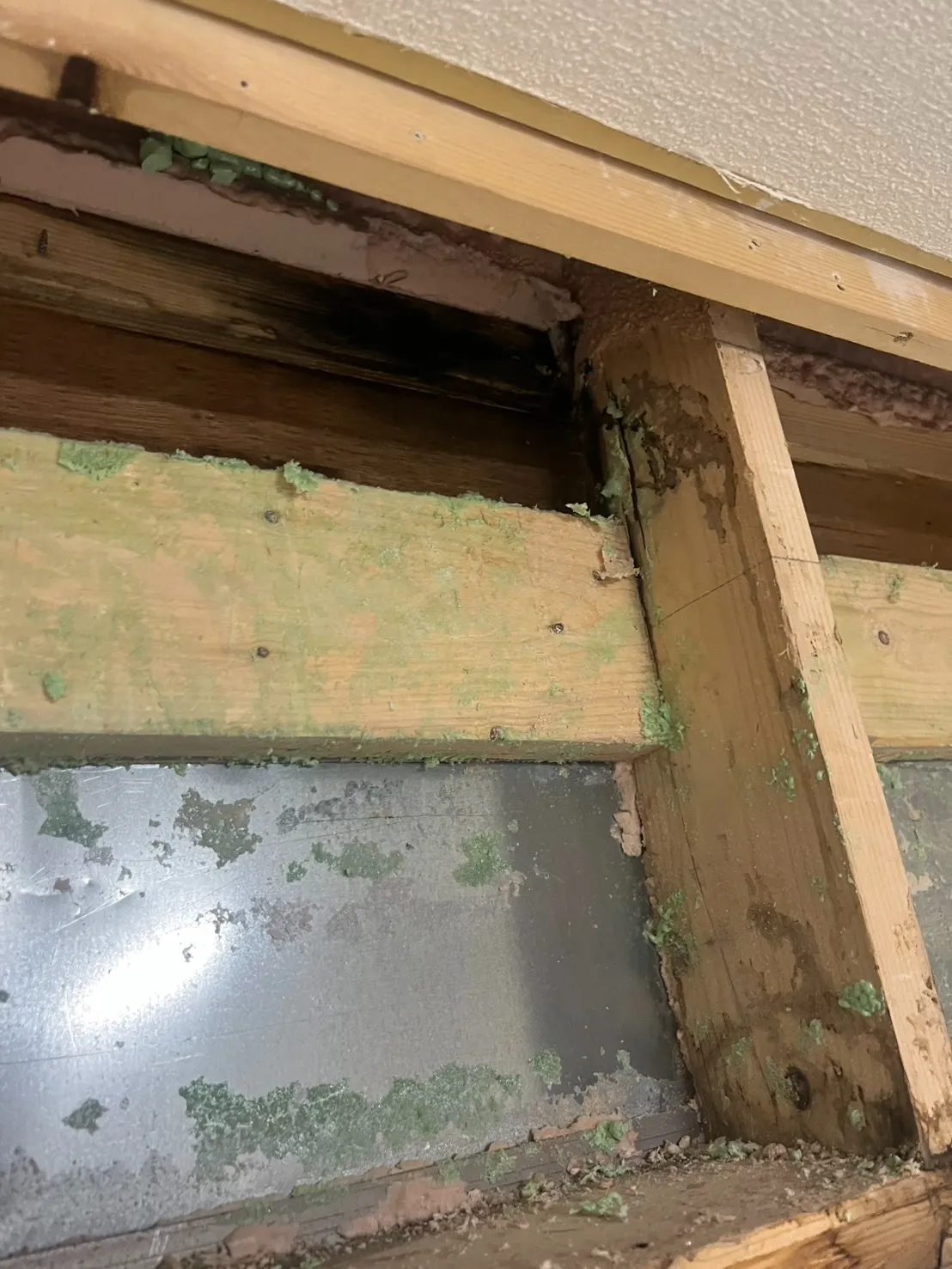
"Keep Your Facility Safe: Complete Mold Prevention for Schools, Nurseries, and Care Centers"
2025/08/04
In nurseries, schools, and welfare facilities, high humidity often leads to mold growth, posing serious health risks to children and the elderly. It’s a pressing issue for any facility operator.
This article covers everything from humidity control, proper cleaning, and ventilation to engaging professional mold removal services—offering a full roadmap to mold prevention.
With government-backed tips and real-world examples, facility managers can gain clear, actionable steps to create a safer, mold-free environment for all residents.
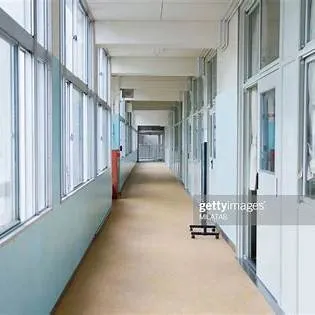
1. Mold Risks in Nurseries, Schools, and Welfare Facilities
Mold growth within facilities isn’t just an aesthetic issue—it can lead directly to serious health risks. This is especially true in environments like nurseries, schools, and welfare institutions, where children and the elderly—who tend to have weaker immune systems—spend significant amounts of time. In this section, we explore the specific risks posed by mold in such settings and the reasons why these spaces are particularly vulnerable.
1-1. Health Effects on Children and the Elderly
The health effects of mold vary depending on age and physical condition. For children with still-developing immune systems and elderly individuals with weakened immunity, inhaling mold spores can cause allergic reactions such as coughing, runny nose, or itchy eyes. Certain types of mold may also trigger serious respiratory issues like aspergillosis or worsen existing chronic conditions. These symptoms can be subtle and often go unnoticed, but over time they can reduce quality of life and interfere with everyday activities in these facilities.
1-2. The Deep Connection Between Mold, Allergies, and Asthma
Mold is a well-known allergen, particularly in damp, poorly ventilated environments. In Japan, the humid summer months and rainy seasons create ideal conditions for mold to thrive—especially in areas like inside air conditioners, behind wallpaper, or in closets. Prolonged exposure in such environments can worsen allergy symptoms in children and elderly individuals, leading to sneezing, nasal congestion, and eye irritation. For children with asthma, mold exposure can even trigger attacks, making mold management an essential part of facility hygiene and health care protocols.
2. Environmental Management Guidelines by the Ministry of Education and Local Governments
Effective mold prevention in facilities isn’t just a matter of individual effort—it also requires adherence to public health standards. Japan’s Ministry of Education, Culture, Sports, Science and Technology (MEXT) and local municipalities provide specific environmental guidelines for schools, nurseries, and welfare facilities. These guidelines align with best practices for mold prevention. In this section, we’ll explore some key recommendations and how to implement them effectively.
2-1. Proper Temperature and Humidity Control and Logging
Humidity plays a central role in mold growth. According to MEXT guidelines, facilities should aim to maintain indoor temperatures between 20–28°C and humidity levels between 40–60%. These levels help prevent the warm, damp conditions that mold thrives in. Facilities are encouraged to use thermometers and hygrometers for regular monitoring and to keep written records. During the humid summer months, using air conditioning and dehumidifiers strategically is crucial to keep conditions within the recommended range.
2-2. Ventilation System Maintenance and Frequency
Mold spores easily float through the air, and poor ventilation allows them to settle on surfaces and proliferate. As a result, both MEXT and local governments stress the importance of regular ventilation. Simply opening windows several times a day can significantly reduce indoor humidity. In addition, using mechanical ventilation systems and air purifiers helps maintain steady airflow. It's also important to clean air conditioner filters at least once a month and schedule professional maintenance periodically, as mold often hides in HVAC components.
3. Practical Steps for Cleaning and Sanitation
Daily cleaning is essential for mold prevention, but it must be done with a proper understanding of mold’s behavior and common problem areas. Rather than random cleaning, targeting the right spots with appropriate methods and tools makes all the difference. In this section, we’ll break down effective cleaning routines and highlight what to watch for when using disinfectants and supplies.
3-1. High-Risk Mold Areas and Responses by Material Type
Mold tends to appear in areas with poor ventilation or fluctuating temperatures. Common hotspots in facilities include window sashes, air conditioning vents, inside lockers, kitchen and restroom walls, floors, and around drains. Absorbent materials such as wood and paper are particularly vulnerable. Regular cleaning of these spots, ensuring no moisture or grime is left behind, is essential. For delicate materials like wallpaper, avoid scrubbing. Instead, gently wipe using special microfiber cloths or soft cleaning pads to avoid damaging surfaces.
3-2. Choosing and Using Cleaning Agents and Disinfectants Safely
It’s equally important to choose the right cleaning tools and disinfectants. Reusable cloths and mops, if not properly sanitized, can actually spread mold. Opt for disposable paper towels or washable cloths that can be disinfected frequently. Common agents like alcohol and sodium hypochlorite are effective, but some can cause discoloration or material damage if used improperly. In spaces frequently used by children or elderly individuals, prioritize gentler, non-toxic solutions. When using sprays, ensure good ventilation to prevent inhalation and complete the task promptly and safely.
4. Seasonal Countermeasures for Summer and Winter
Mold growth varies with the seasons, and Japan’s distinct climate requires tailored countermeasures throughout the year. In particular, summer and winter present very different risks and challenges for maintaining a mold-free environment. This section outlines specific mold prevention strategies that should be applied depending on the season.
4-1. Managing Ventilation and Air Conditioners During Humid Summers
Summer is prime season for mold, with high temperatures and humidity creating ideal breeding conditions. In nurseries, schools, and care facilities, air conditioners often keep rooms sealed, trapping moisture. To combat this, regular ventilation is critical. Opening windows three times a day—morning, afternoon, and evening—can significantly reduce humidity buildup. Also, air conditioner interiors often harbor mold, so filters should be cleaned weekly, and full internal cleaning should be scheduled periodically. When using air conditioners with dehumidification functions, be careful not to overcool the room, and monitor humidity to maintain optimal levels.
4-2. Condensation and Humidifier Precautions in Winter
During winter, condensation becomes a major problem due to temperature differences between indoor and outdoor air. This moisture commonly accumulates around windows, walls, and behind furniture—perfect environments for mold. To prevent this, avoid rapidly increasing room temperatures and ventilate frequently. If humidifiers are used to prevent dryness, keep humidity around 50% and regularly check levels with a hygrometer. It’s also essential to clean humidifier interiors often to prevent them from becoming mold sources themselves.
5. Utilizing Professional Mold Removal Services
While daily cleaning is crucial, mold that accumulates deep inside building materials or in hard-to-reach areas often requires professional treatment. This is particularly true in facilities where safety, cleanliness, and preservation of delicate surfaces are top priorities. In this section, we explain the benefits of using professional services and when it’s the right time to seek expert help.
5-1. MIST Method®: A Gentle Solution for Sensitive Materials
One standout technique is the MIST Method® offered by Kabibusters. This proprietary method eliminates mold without scrubbing or sanding, using specially developed agents tailored to each material’s properties. The solution gently breaks down mold at the root without damaging surfaces like wood, wallpaper, or textiles. It’s also safe for use in environments with children or elderly individuals due to its non-toxic formulation. Additionally, the process includes a protective anti-mold coating that prevents recurrence, making it a comprehensive and lasting solution for facilities.
5-2. When and Why to Call in Professionals
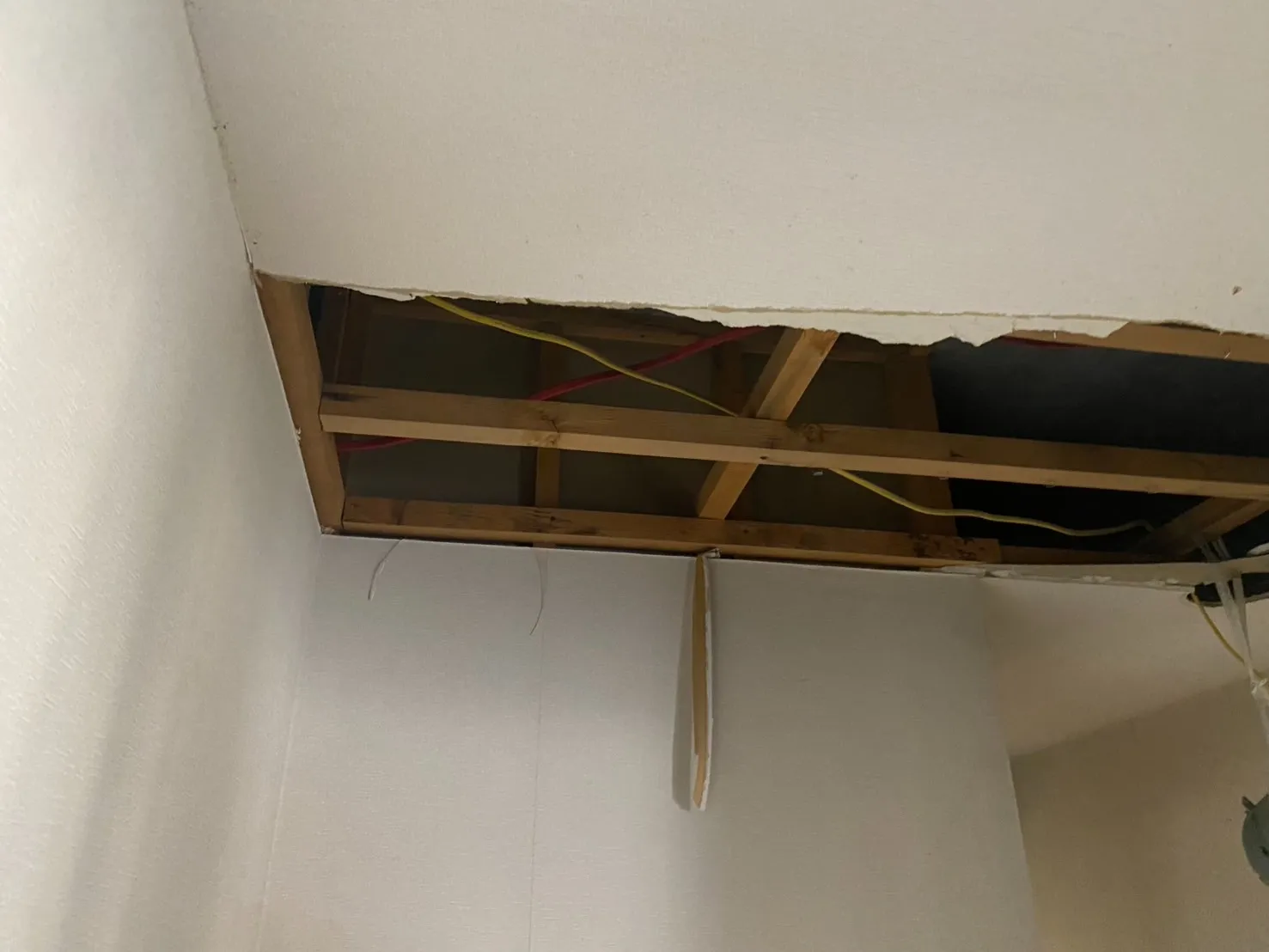
You should consider professional intervention when mold is visible, smells are persistent, or when over-the-counter products fail to resolve the issue. Mold behind walls, in ceilings, or within HVAC systems often requires specialized tools and expertise. Regular maintenance—such as annual inspections and preventive treatment—can also minimize future risks and extend the building’s lifespan. Besides ensuring health and safety, bringing in professionals demonstrates responsibility and transparency, which enhances trust among parents, residents, and stakeholders.
6. Establishing a Continuous Monitoring System
Mold prevention isn’t a one-time task—it requires ongoing attention and a structured approach. To maintain a consistently hygienic environment, facilities must develop systems that allow for regular inspection and response. In this section, we introduce practical ways to build a sustainable mold monitoring and management routine.
6-1. Inspection Intervals and Documentation Methods
Keeping track of humidity levels, cleaning schedules, and ventilation activity is key to spotting mold risks early. For example, facilities can conduct weekly checks of temperature and humidity in each room, and record filter cleaning or ventilation efforts using a checklist. This creates a clear trail of accountability and allows any unusual patterns to be identified and addressed quickly. Records can be kept in physical logbooks or digital systems, but should always be accessible to all staff for transparency and continuity.
6-2. Staff Training and Reporting Procedures
Facility-wide mold prevention requires participation from all staff—not just those directly responsible for cleaning. Hosting training sessions several times a year can ensure everyone understands mold’s behavior, where it tends to grow, and how to report it. Training should also cover proper cleaning methods and how to respond to early signs like odor or discoloration. Establishing a clear chain of communication for mold-related reports ensures swift and organized responses. With regular training and defined protocols, your entire staff can actively contribute to a cleaner, safer facility.
7. Special Considerations for Welfare Facilities
Welfare facilities accommodate vulnerable populations such as the elderly and individuals with health conditions, making mold control even more critical. These environments require a higher level of hygiene and climate management. In this section, we explore the unique challenges and precautions necessary for mold prevention in welfare settings.
7-1. Humidity Control in Elderly and Care Facilities
Elderly care facilities often maintain warmer indoor temperatures to accommodate residents’ reduced ability to regulate body heat. However, this warmth, combined with seasonal changes, can lead to increased condensation, especially around windows, curtains, and behind furniture—areas where airflow is limited and mold thrives. It’s essential to use humidifiers and heaters carefully, aiming to keep indoor humidity around 50%. Regular ventilation should be practiced, and airflow maintained throughout the room to reduce mold risks.
7-2. Relationship Between Mold and Infectious Disease Management
In welfare facilities, mold control goes hand in hand with infection prevention. Mold can act as an allergen and irritant, further compromising the health of already vulnerable individuals. During outbreaks of illnesses like influenza or norovirus, increased cleaning and disinfection efforts can inadvertently create conditions favorable for mold—such as high humidity. By maintaining proper ventilation, monitoring humidity, and using mold-resistant disinfectants, facilities can manage both infection risks and mold growth simultaneously, safeguarding resident health more effectively.
8. Emergency Response and Mold Recurrence Prevention
When mold is discovered in a facility, quick and appropriate action is crucial to prevent it from spreading. Additionally, establishing long-term prevention strategies ensures that the environment remains safe and mold-free. This section outlines how to respond in an emergency and what steps can be taken to avoid future outbreaks.
8-1. Initial Response Steps When Mold Is Detected
Upon discovering mold, immediately restrict access to the affected area and improve ventilation to disperse spores. Visually assess the extent of contamination. For small areas, you may use commercial mold removers or alcohol-based cleaners. However, if mold is widespread or present in hidden areas like behind walls or ceilings, it’s best to consult a professional. During cleanup, wear protective gear such as gloves and masks to avoid inhaling spores. Document the date, location, and actions taken to create a clear record for future reference and follow-up.
8-2. Long-Term Prevention Strategies and Sustainability
After removing mold, it’s important to address the root causes—such as excess humidity, poor ventilation, or water leaks. Applying mold-resistant coatings or treatments to affected surfaces can help prevent recurrence. Reviewing and updating cleaning and inspection routines ensures the facility remains vigilant. Establishing staff awareness through periodic training and encouraging team communication also supports a proactive mold prevention culture. With consistent effort and smart planning, facilities can maintain safe, healthy environments over the long term.
9. Case Studies and Success Stories from Other Facilities
Seeing how other facilities have successfully addressed mold problems can provide valuable insight and practical guidance. In this section, we present real-world examples from nurseries, schools, and welfare facilities that highlight effective mold removal strategies and their outcomes.
9-1. Mold Treatment Success in Schools and Nurseries
In one public nursery, black mold was found on wallpaper during the rainy season, prompting concern among parents. Routine cleaning failed to resolve the issue, so the facility brought in Kabibusters to perform MIST Method® treatment. The mold was removed without damaging materials, and after applying anti-mold coating, there were no recurrences for over a year. Similarly, in a local elementary school, mold appeared on the gym ceiling. Due to the height and scale, professionals conducted the treatment while ensuring safety. The air conditioning system was also updated, significantly reducing the likelihood of future mold issues.
9-2. Mold Removal Outcomes in Welfare Facilities
In a senior care facility, mold had spread across the bathroom and dressing room ceilings. Staff attempted manual cleaning, but the problem persisted. Kabibusters was called in to apply the MIST Method®, which immediately eliminated odors and improved indoor air quality. Users and staff noted a noticeable difference the same day. The facility also received guidance on humidity control and began daily monitoring and ventilation routines. As a result, residents now enjoy a more hygienic and reassuring environment, with mold no longer a constant concern.
10. Communicating Mold Prevention Efforts to Parents and Users
Mold control isn't just about internal facility management—it also plays a key role in building trust with parents and users. By openly sharing your commitment to maintaining a hygienic and safe environment, you can ease concerns and improve your facility’s reputation. This section offers tips on effective communication and how to foster transparency.
10-1. How to Present Your Mold Prevention Initiatives
It’s essential to clearly communicate what steps your facility is taking to control mold. This can include sharing cleaning schedules, the types of safe disinfectants used, or records of professional treatments. Information can be delivered via newsletters, bulletin boards, or your facility’s website. Adding before-and-after photos of mold removal, or brief staff interviews about their efforts, can enhance credibility. Hosting annual hygiene briefings or offering open tours can further strengthen trust among parents and users.
10-2. Handling Inquiries and Building Trust
When parents or users ask questions or express concerns, your response should be prompt, clear, and reassuring. Common questions may include whether disinfectants are safe for children, or what safety precautions are taken during mold treatment. Providing specific examples and evidence helps build confidence. Additionally, creating a dedicated communication channel for health and safety inquiries—and maintaining a system to log and review them—can show that your facility takes these concerns seriously. Transparent, proactive communication can greatly contribute to a positive, trustworthy image.
Mold Removal & Facility Renovation: Trust Kabibusters Osaka and Kabitoreform Tokyo & Nagoya
If your facility is facing persistent mold issues, or if you’re planning renovations that require hygienic upgrades, Kabibusters Osaka and Kabitoreform Tokyo & Nagoya offer comprehensive, safe, and professional solutions tailored for schools, nurseries, and welfare facilities.
Our proprietary MIST Method® removes mold without damaging surfaces—no scrubbing or sanding required. We use specially formulated, pH-adjusted cleaning agents that are safe for children, the elderly, and sensitive materials such as wood, wallpaper, or historical structures. After removal, a long-lasting anti-mold treatment is applied, providing durable protection against recurrence.
One-Stop Solution for Mold & Renovation by Taikou Kensou Co., Ltd.
Our parent company, Taikou Kensou Co., Ltd., uniquely offers combined services for mold removal and full-scale renovation. Whether you’re looking to restore areas affected by mold, update interiors, or enhance facility safety, our team can handle both aspects in one integrated plan—saving time, reducing costs, and ensuring a seamless process from inspection to completion.
Our renovation services include:
Interior and exterior remodeling
Bathroom and kitchen upgrades
Flooring, ceiling, and wall repairs
Barrier-free remodeling for elderly care facilities
Energy-efficient equipment installation
Design and layout improvements for better ventilation and hygiene
This dual capability makes Taikou Kensou the ideal partner for institutions aiming to create a clean, safe, and modern environment. From diagnosis to deep cleaning, restoration, and ongoing protection, we provide holistic support that protects both the health of your residents and the integrity of your buildings.
For trusted, safe, and comprehensive mold and renovation services in Osaka, Tokyo, and Nagoya, contact Kabibusters Osaka or Kabitoreform Tokyo & Nagoya—powered by Taikou Kensou Co., Ltd..
---------------------------------------------------------------------
カビ取リフォーム
東京営業所
〒141-0022
東京都品川区東五反田2-5-2 YHE CASK GOTANDA6階
電話番号:090-8321-4408
名古屋本社
〒465-0028
愛知県名古屋市名東区猪高台1-1301 タイコウビル1F
電話番号 : 0120-588-766
サイト:https://taikou-kensou.co.jp/
大阪営業所
〒532-0003
大阪府大阪市淀川区宮原1-19-23
電話番号:080-6978-3068
カビバスターズ大阪
https://kabibusters-osaka.com/
【検査機関】
一般社団法人微生物対策協会
https://kabikensa.com/
----------------------------------------------------------------------