“The Ultimate Guide to Mold Prevention After Flood Damage”
2025/08/03
Flooding can lead to high humidity and hidden moisture in homes, creating ideal conditions for mold to thrive. This is especially dangerous in unseen areas like crawl spaces or behind walls. That’s why immediate action is critical. This article guides you through essential steps to take right after a flood—from water removal and disinfection to mold prevention and long-term safety measures. With the right approach, you can protect your home and ensure a healthy living environment.

1. Why Mold Grows After Floods
After a flood, moisture penetrates every part of the home, dramatically increasing indoor humidity. This creates an ideal breeding ground for mold. In particular, areas with poor ventilation and building materials that contain organic matter can serve as perfect nutrients, allowing mold to spread invisibly and rapidly.
1-1. How floods and humidity promote mold growth
When floodwater enters a home, it saturates walls, flooring, and furniture. As a result, indoor humidity can rise above 70%, creating perfect conditions for mold to thrive. If proper drying is not completed within 24 to 48 hours, mold spores begin to multiply quickly. The problem worsens if the flooding coincides with Japan’s rainy season or humid summer months. Because humidity is often invisible, the damage can grow unnoticed until it becomes severe.
1-2. Damage to building materials and health risks
Wood, drywall, and insulation materials are highly absorbent. Once they become damp, mold can penetrate deep into the materials. This weakens the structural integrity and may lead to rot. Airborne mold spores can also pose serious health risks, triggering allergies, asthma, and respiratory issues. Vulnerable groups such as young children, the elderly, and those with compromised immune systems are especially at risk. Prompt intervention is essential to prevent both structural damage and health hazards.
2. Immediate Actions After Flooding
The first 48 hours after a flood are critical for preventing mold growth. Taking the right steps early can significantly reduce the risk of mold damage in your home. It's important to remain calm and proceed step by step to ensure safe and effective recovery.
2-1. Removing dirty water and debris
The first step is to remove any contaminated water, mud, and debris that entered your home during the flood. These materials provide nutrients for mold and can quickly become a breeding ground if left unattended. Use mops, towels, or wet vacuums to absorb remaining water. If necessary, use submersible pumps to drain larger areas. Furniture, carpets, and other water-damaged items should be taken outside and evaluated—some may need to be discarded, especially if they are heavily contaminated or soaked.
2-2. Drying and ventilating rooms and crawl spaces
Once the water is removed, thorough drying is essential. Use fans, air movers, and dehumidifiers to circulate air and reduce moisture levels throughout the home. Pay special attention to hidden or enclosed areas such as crawl spaces, inside walls, and closets. On dry, sunny days, open windows and doors to let fresh air in, which will help speed up the drying process. Lingering moisture—even if not visible—can lead to hidden mold growth, so it's crucial to ensure all areas are completely dry.
3. Preventive Measures Before Mold Appears
Even after cleaning and drying your home post-flood, moisture may still linger in hidden areas, giving mold the opportunity to quietly grow. That’s why taking preventive action before mold appears is essential. The key lies in managing humidity and ensuring proper airflow throughout your home.
3-1. Controlling humidity and using dehumidifiers
Mold thrives in environments with humidity above 60%. To prevent its growth, try to keep indoor humidity around 50%. Dehumidifiers are an effective tool, especially in moisture-prone areas such as closets, crawl spaces, and bathrooms. Installing hygrometers (humidity gauges) can help you monitor moisture levels at a glance, allowing for quick intervention when needed. Keeping the humidity in check is one of the simplest yet most powerful ways to prevent mold.
3-2. Improving ventilation and airflow
Proper ventilation is another key element in mold prevention. Rooms with limited windows or poor airflow, such as north-facing rooms or storage areas, tend to trap moisture. Use fans or ventilation systems to keep air circulating. Position furniture slightly away from walls to allow air movement and open cabinet doors regularly to let in fresh air. On humid or rainy days, avoid opening windows too much and rely on dehumidifiers instead. Adapting your ventilation strategy to weather conditions can significantly reduce mold risks.
4. How to Handle Mold After It Appears
Even with preventive efforts, mold can still appear, especially in humid seasons or after severe water damage. When that happens, it’s important to act quickly and correctly. Surface cleaning alone is not enough—complete removal is key to preventing recurrence.
4-1. Removing mold from furniture and walls (bleach and disinfectants)
If visible mold appears on furniture or walls, you can begin with basic household cleaning methods. Use commercial bleach (sodium hypochlorite) or alcohol-based disinfectants to kill mold spores on the surface. First, wipe off the visible mold with a dry cloth, then spray the cleaning solution, let it sit for a few minutes, and wipe it clean with a damp cloth followed by a dry one. Be sure to test the cleaner on a hidden area first, as some materials may fade or get damaged. Always wear gloves and a mask during the process and ensure proper ventilation in the room.
4-2. Addressing mold in hidden areas like ceilings and crawl spaces
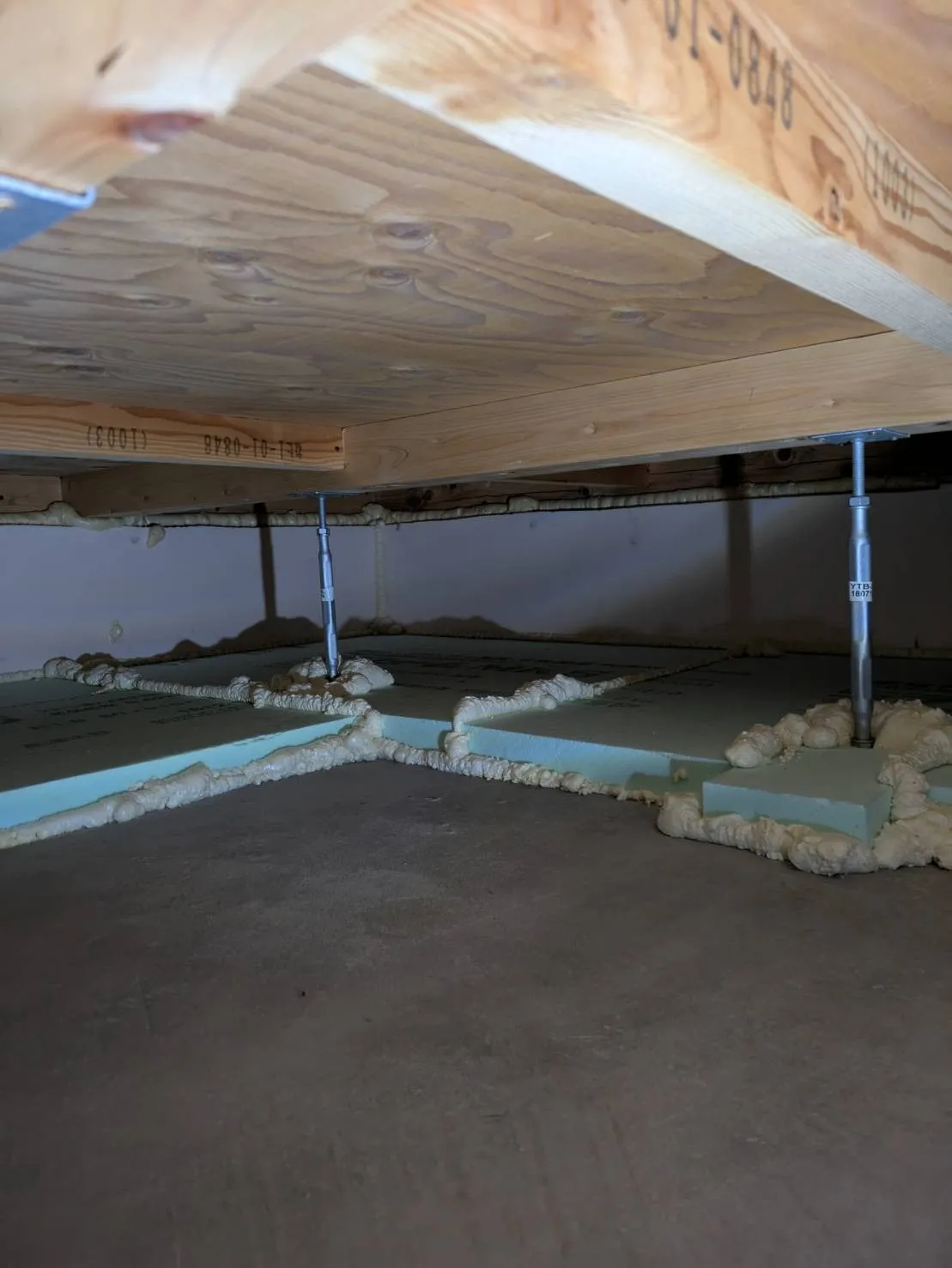
If mold has spread into hidden areas such as inside walls, ceilings, or crawl spaces, surface cleaning will not be enough. In many cases, mold penetrates deeply into wood or insulation materials. Left untreated, this can weaken the structure and pose serious health risks. DIY methods are usually ineffective here—it's best to call professionals. Mold removal specialists use safe, non-damaging solutions and tools to eliminate mold at its root. Early professional intervention can prevent widespread damage and protect your home’s structural integrity.
5. When to Consult a Professional
While removing mold may seem simple, it often hides in hard-to-see areas and can come back if not treated properly. If you feel unsure about DIY efforts or are concerned about health risks, consulting a professional early on is the safest and most effective choice.
5-1. Severe mold damage or hard-to-reach areas
When mold spreads extensively—on walls, ceilings, or especially under floors—household cleaning products and tools are often insufficient. In crawl spaces or attics, mold can seep into wood and insulation, making surface cleaning useless. In such cases, hiring a professional mold removal service is the best solution. Experts use specialized equipment and safe chemicals to eliminate mold deeply without damaging the materials.
5-2. Health concerns or delicate building materials
Some types of mold can release spores that trigger allergies, asthma, and skin irritation. If young children, elderly family members, or individuals with weakened immune systems live in the home, mold removal should be handled with extra care. In addition, incorrect use of cleaning chemicals can damage delicate surfaces like wallpaper or untreated wood. If you're unsure about the safety or effectiveness of DIY removal, it's wise to consult a professional. With proper diagnosis and treatment, mold can be completely removed and prevented from returning.
6. Long-term Mold Prevention
Even after successful mold removal, recurrence is always a risk if the same conditions return. In Japan’s humid climate, long-term prevention requires more than a one-time fix. Keeping your home “mold-resistant” involves regular inspections and thoughtful upgrades.
6-1. Building inspections and maintenance planning
Homes affected by floods may have hidden damage deep within walls or flooring. Wood, drywall, and insulation can absorb water and harbor mold that’s invisible from the outside. A professional inspection can assess the condition of these materials and help you plan timely repairs. With a maintenance schedule in place, you can proactively replace or treat vulnerable areas, greatly reducing the risk of future mold outbreaks.
6-2. Improving drainage and ventilation systems
Effective mold prevention also involves ensuring that your home’s drainage and ventilation systems are functioning properly. If water pools near the foundation or airflow is restricted, moisture will linger and encourage mold growth. Consider adding or upgrading ventilation fans, installing underfloor ventilation systems, or adjusting drainage slopes around your property. These updates can significantly increase your home’s resilience to mold and moisture damage.
7. Daily Habits for Mold Prevention
Mold prevention isn't just about special treatments—it’s about consistent daily habits. By maintaining a clean, dry environment through small, mindful actions, you can greatly reduce the risk of mold taking hold in your home.
7-1. Regular cleaning and inspection of mold-prone areas
Mold tends to grow in damp places like bathrooms, kitchens, window frames, closets, and under sinks. Regularly inspect and clean these areas to prevent mold from gaining a foothold. In the bathroom, squeegee water from walls after use, clean washing machine gaskets often, and keep closet doors slightly open to let air circulate. These small habits may seem simple but are extremely effective in long-term prevention.
7-2. Monitoring humidity and temperature levels
Keeping indoor humidity below 50% and temperatures between 20–25°C is ideal for mold prevention. Use humidity and temperature monitors in each room to keep track of conditions. Appliances like dehumidifiers, air purifiers, and fans can help regulate air quality and reduce moisture buildup. Staying proactive and consistent in monitoring your environment is one of the most powerful defenses against mold.
8. Preparing with Insurance and Community Support
Mold damage caused by flooding isn’t always preventable with personal effort alone. In such cases, having support through home insurance and community preparedness can provide an added layer of protection and peace of mind.
8-1. Home insurance plans that cover mold damage
Many modern home and fire insurance policies now offer optional coverage for natural disaster-related damages, including mold caused by flooding. Review your current policy to see if mold damage is covered, and consider adding a special rider if needed. Insurance can significantly reduce your financial burden by covering cleanup and repair costs. In the event of a flood, take clear photos of the damage and contact your insurer promptly—this ensures a smooth and fast claim process.
8-2. Sharing information and disaster cooperation with the community
Community networks are invaluable during and after a disaster. Participate in local disaster preparedness events or workshops offered by your municipality to learn up-to-date information and best practices. Building good relationships with neighbors can also foster mutual support during emergencies. In neighborhoods with elderly residents or single-person households, regular check-ins and shared resources can prevent secondary damage and ensure quick recovery. Mold prevention, like other disaster efforts, is most effective when approached collectively.
9. Mindset for Preventing Recurring Damage
After experiencing mold due to flooding, it's natural to worry about it happening again. But with the right knowledge and consistent attention, you can significantly reduce the risk of recurrence. The key is to treat prevention as an ongoing habit—not a one-time fix.
9-1. Staying aware and proactive against mold
Even after cleanup and repairs are complete, it's important not to let your guard down. Mold often grows quietly in unseen areas, so regular inspections and early detection are critical. Pay attention to musty odors, changes in wallpaper texture, or discoloration, and investigate them promptly. Educating your whole family about mold risks and creating a shared habit of reducing moisture and keeping spaces clean can go a long way in preventing future problems.
9-2. Regular reviews and updates to prevention methods
Homes and lifestyles change with time and seasons. That’s why it’s important to periodically review and update your mold prevention strategies. For example, if you become concerned about security and stop leaving windows open for ventilation, you might consider adding a new ventilation fan. Advances in technology—such as better dehumidifiers and antimicrobial materials—also provide new ways to strengthen your defenses. Keeping up with the latest information and adjusting your approach ensures your home stays safe and mold-free for the long term.
10. Protecting Your Home’s Value After a Disaster
Mold caused by flooding affects more than just appearances—it can damage your home’s structure, safety, and even its market value. To protect what matters most, it's crucial to go beyond surface-level fixes and invest in long-term solutions that safeguard both your property and your family’s well-being.
10-1. Inspecting hidden areas and maintaining your home over time
Mold often hides in places like under the floor, inside walls, or above ceilings—areas that are not visible in everyday life. If these go unchecked, they can silently cause structural deterioration. It's a good idea to schedule professional inspections at least once a year to assess your home’s condition. Even if everything looks fine on the surface after a flood, internal damage may still be present. Early detection and timely repair are key to extending the life of your home.
10-2. Preparing your home for future generations
Your home holds not just physical value, but also memories—and may one day be passed down to your children or grandchildren. That’s why it’s important to take steps that preserve and improve it for the long term. Consider remodeling with mold-resistant materials or upgrading drainage and ventilation systems. These investments not only make your home safer today, but also ensure peace of mind for future residents. Keeping a detailed record of any post-disaster maintenance or mold treatment will also help when selling or transferring the home, allowing you to clearly communicate its condition.
Mold Removal and Prevention by Kabibusters Osaka / Kabitoreform Tokyo & Nagoya
If you're dealing with mold concerns after a flood, look no further than Kabibusters Osaka and Kabitoreform Tokyo & Nagoya. These are specialized mold removal and prevention services operated by Taikou Kensou Co., Ltd., a company known for its integrated approach that combines mold removal and home renovation into one seamless solution.
Our signature method, MIST Technology®, is a proprietary mold removal technique developed to eliminate mold thoroughly without damaging the original materials. By adjusting the formula of our specialized agents based on the type of surface and mold severity, we provide safe, non-abrasive treatment that’s also eco- and family-friendly. The MIST method is ideal for homes with small children, elderly residents, or individuals with health concerns.
What sets Taikou Kensou apart is our ability to handle both mold remediation and renovation under one roof. After mold has been successfully removed, we can immediately begin the repair or remodeling of damaged areas. This integrated service not only restores your home’s functionality and appearance but also enhances long-term resistance to future mold outbreaks through the use of moisture-resistant and antimicrobial materials.
As a comprehensive renovation contractor, Taikou Kensou also provides remodeling services for kitchens, bathrooms, living rooms, exteriors, roofing, insulation, and earthquake resistance upgrades. Whether you're seeking comfort, safety, or modern functionality, our renovation team tailors each project to suit your family’s needs and lifestyle.
At Taikou Kensou, we don’t just stop mold—we restore peace of mind and build lasting homes. Based in Osaka, Tokyo, and Nagoya, we serve clients nationwide. For reliable, long-term mold protection and high-quality renovation, contact us today.
---------------------------------------------------------------------
カビ取リフォーム
東京営業所
〒141-0022
東京都品川区東五反田2-5-2 YHE CASK GOTANDA6階
電話番号:090-8321-4408
名古屋本社
〒465-0028
愛知県名古屋市名東区猪高台1-1301 タイコウビル1F
電話番号 : 0120-588-766
サイト:https://taikou-kensou.co.jp/
大阪営業所
〒532-0003
大阪府大阪市淀川区宮原1-19-23
電話番号:080-6978-3068
カビバスターズ大阪
https://kabibusters-osaka.com/
【検査機関】
一般社団法人微生物対策協会
https://kabikensa.com/
----------------------------------------------------------------------