"Protecting Cultural Properties: Mold Damage in Historic Buildings and MIST Method Solutions"
2025/08/02
Cultural properties and historic buildings are increasingly suffering irreversible damage from mold caused by humidity and poor ventilation, threatening their long-standing aesthetic and historical value.
This article provides an in-depth look at the causes of mold, real-world damage examples, and how cutting-edge technology like the MIST Method® can remove and prevent mold safely. It also covers practical steps for everyday maintenance.
Whether you're a preservation specialist or part of a local community, this article offers practical knowledge on mold control and new preservation technologies, helping you better protect and manage cultural heritage for the future.

1. Mold Damage and Risks in Historical Buildings
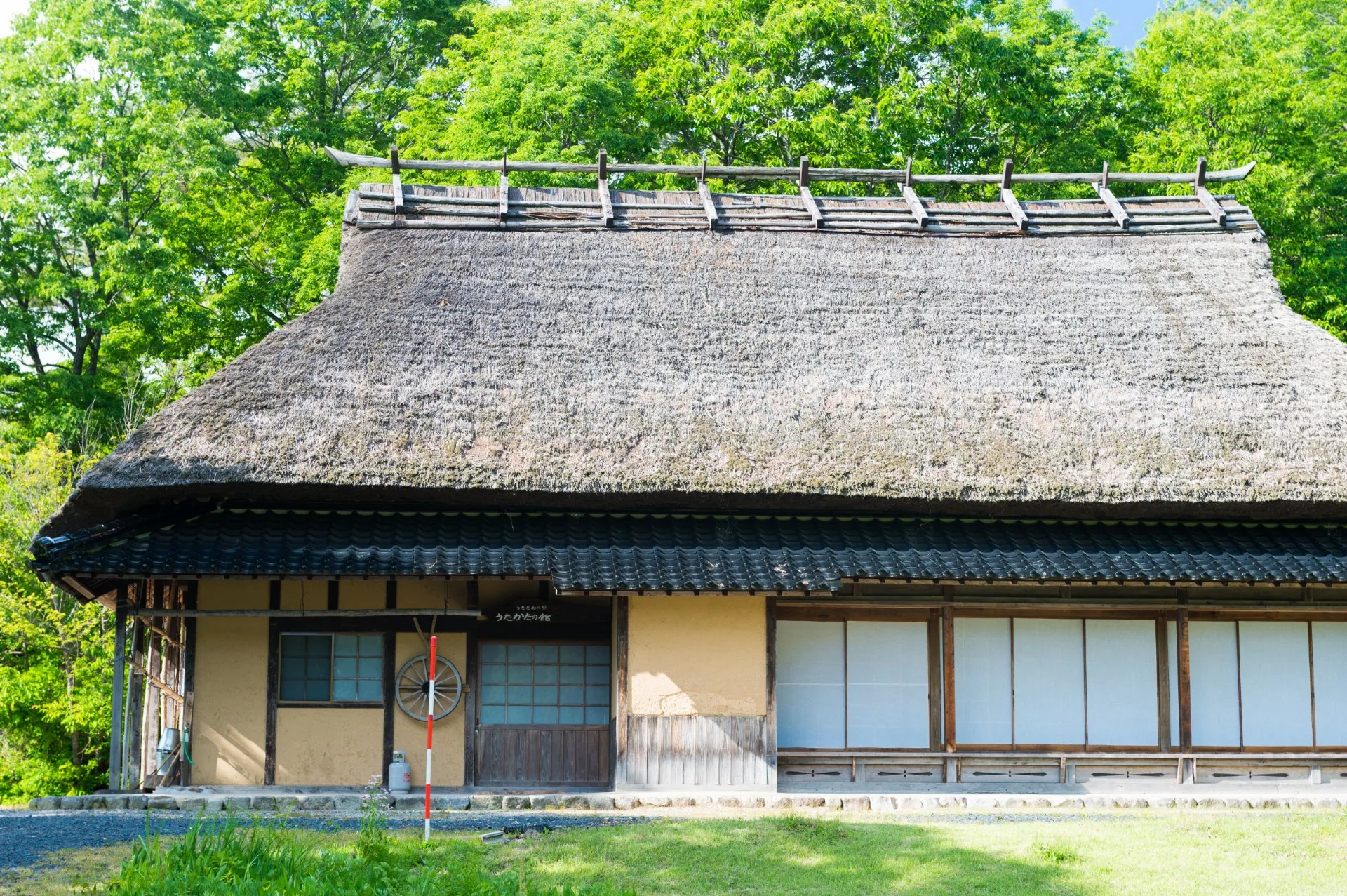
Historical buildings are invaluable assets that convey the culture, climate, and history of a region. However, in recent years, aging structures and the effects of climate change have made these buildings increasingly vulnerable to mold. Mold not only mars the appearance but also causes serious damage to materials and decorative elements, potentially diminishing the cultural value of the property. This section explores the reality of mold damage in cultural properties and the risks of leaving it unaddressed.
1-1. How Mold Affects Cultural Properties
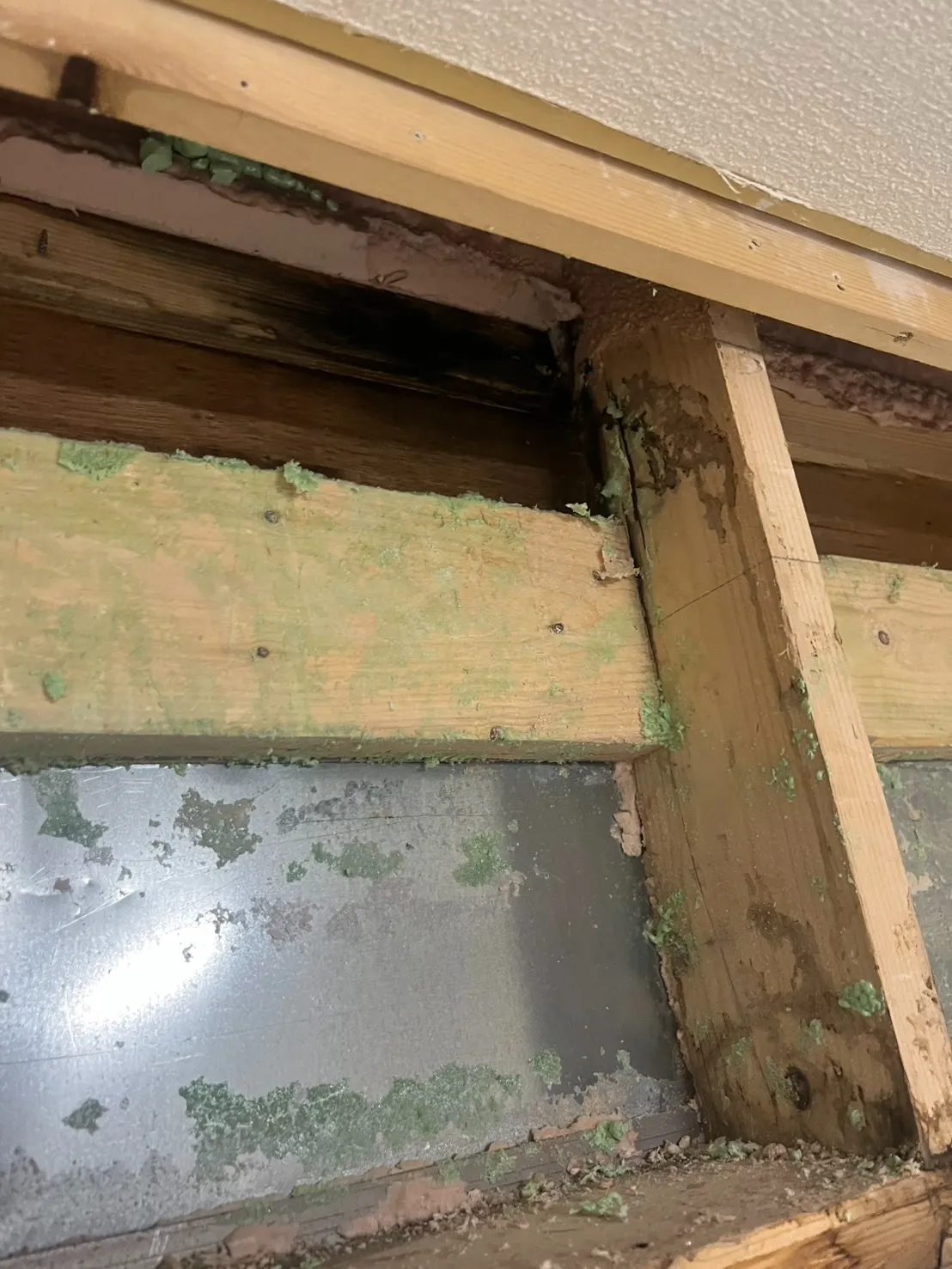
Mold spreads by extending microscopic filaments and adheres to various materials such as wood, paper, cloth, and even stone, leading to corrosion and discoloration. In wooden structures, mold can deteriorate beams and columns, weakening the building’s structural integrity. It also invades artwork, sliding doors, and historical documents, causing paint to peel or accelerating paper degradation. Once such damage progresses, restoration becomes extremely difficult, and the cultural value may be irreversibly lost.
1-2. Case Studies of Severe Damage
In cities like Kyoto and Nara, reports have emerged of mold outbreaks worsening during the rainy season or after typhoons. One temple, for example, had its interior columns entirely covered in black mold, resulting in the loss of aromatic wood qualities and requiring replacement of structural elements. In another case, historical documents preserved in a museum became unreadable due to mold, rendering them worthless as academic resources. These examples highlight the severe consequences mold can have on cultural assets.
2. Primary Causes of Mold and Environmental Factors
Mold growth in cultural properties and historical buildings is largely driven by environmental factors. Humidity, temperature, and ventilation play significant roles in mold development, and the risk also varies depending on building materials and architectural structure. In this section, we delve into the main causes of mold and the surrounding environmental influences that contribute to its spread.
2-1. Importance of Humidity, Temperature, and Ventilation
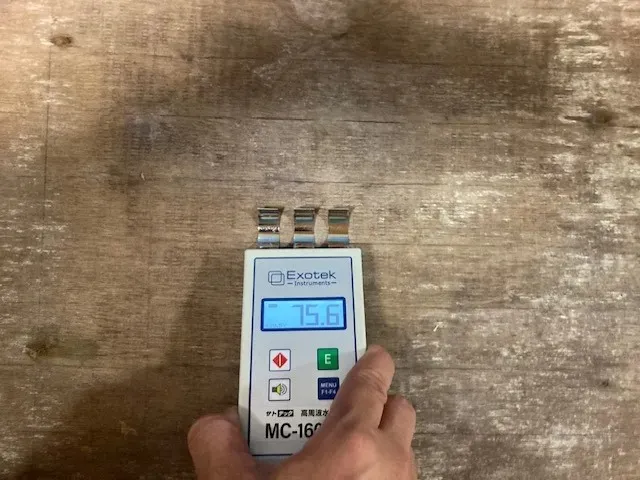
Mold thrives in environments where humidity exceeds 60% and temperatures range between 20°C and 30°C—conditions commonly found in Japan during the rainy and summer seasons. Enclosed spaces with poor ventilation trap moisture, creating ideal conditions for mold. Maintaining proper humidity levels is essential for preservation, and using dehumidifiers or installing ventilation systems can significantly reduce the risk. Regular air circulation and environmental monitoring are crucial in preventing mold outbreaks.
2-2. Risks Based on Building Materials and Structure
Wooden structures are especially vulnerable to mold, as wood readily absorbs moisture and allows mold spores to penetrate deeply. Even materials like plaster walls and earthen finishes may appear dry while retaining internal humidity, creating hidden breeding grounds for mold. Stone and brick structures also carry risk, especially in joints and seams where moisture tends to accumulate. Factors such as structural flaws, water leaks, or moisture rising from the ground can also be contributors. Prevention and control strategies must be tailored to the specific characteristics of each building material and structural environment.
3. Specialized Mold Removal Technologies for Cultural Preservation
When mold appears on cultural properties or historical buildings, ordinary household cleaning methods are insufficient. Specialized techniques are essential to eliminate mold without damaging delicate materials or diminishing the historical and aesthetic value of the structure. This section introduces the MIST Method®—a proprietary technique we offer—as a safe and effective solution for mold removal tailored to cultural preservation.
3-1. What is the MIST Method®?
The MIST Method® is a proprietary mold removal technology that uses fine mist sprays of custom chemical solutions to break down and eliminate mold at its roots—without the need for scrubbing or abrasion. This technique is designed to be safe for sensitive materials such as wood, paper, and plaster, with the solution adjusted on-site to suit the characteristics of the material. Despite its powerful mold-killing capability, the method is non-toxic and environmentally friendly, making it suitable for use in facilities frequented by children or the elderly. It is particularly effective for long-term preservation of high-value materials like cultural assets and historic structures.
3-2. How It Differs from Other Methods and Its Safety for Cultural Properties
Conventional mold removal methods often involve harsh chemicals or abrasive techniques that can damage the surface of cultural materials. In contrast, the MIST Method® targets only the mold, preserving the integrity and appearance of the original surface. It also includes a preventive anti-mold treatment as part of the process, helping to reduce the risk of recurrence. This comprehensive and gentle approach makes it ideal for fragile cultural assets, where any mishandling could result in irreversible loss of value. The method’s high safety and adaptability make it a leading choice for mold control in heritage conservation.
4. Real-World Applications of the MIST Method® in Cultural Sites Across Japan
The MIST Method® is not just a theoretical approach—it has been successfully applied to numerous cultural properties and historical buildings throughout Japan. These case studies illustrate how the method delivers measurable results while ensuring the safety and preservation of sensitive materials. Here, we introduce practical examples of its application in temples, shrines, museums, and other cultural sites.
4-1. Implementation in Temples and Shrines in Kyoto
A renowned temple in Kyoto faced widespread black mold across ceilings and columns due to its wood construction and poor internal ventilation. As the building held cultural and aesthetic value, a non-invasive solution was required. The MIST Method® was selected, using a customized chemical solution adjusted for the temple’s materials. The mist penetrated deep into the wood, breaking down mold at the root. A follow-up anti-mold treatment was applied to prevent recurrence. The temple’s caretakers praised the results, saying the structure felt “revived and refreshed,” both visually and spiritually.
4-2. Applications and Results in Museums and Art Institutions
In a regional museum, mold was discovered on scrolls and textile artworks, likely due to seasonal humidity changes and condensation, despite air conditioning. The MIST Method® was implemented, enabling contactless treatment of delicate materials. After application, not only was the mold successfully removed, but the exhibition space’s humidity was also stabilized. Visitor complaints decreased, and the case led to a review of the museum’s environmental management system. This example demonstrates how the method contributes to both preservation and operational improvement.
5. Everyday and Community-Based Mold Prevention and Preservation Practices
Effective mold control in cultural properties requires more than expert intervention—it also depends on consistent daily care and collaboration with local communities. Since restoration is often costly and difficult once mold has progressed, proactive prevention is the most reliable strategy. In this section, we explore practical steps that caretakers and communities can take, and how local preservation systems can be established.
5-1. Humidity and Ventilation Measures for Managers and Local Residents
There are many preventive actions that facility managers and local residents can take. The most fundamental and effective method is regular ventilation. Simply opening windows and doors for short periods can help release trapped moisture. Installing humidity meters is also key to ensuring indoor humidity remains below 60%. If needed, dehumidifiers should be used, especially during the rainy season. Routine checks for water leaks or roof damage are equally essential. These small, daily actions can greatly reduce the risk of mold outbreaks in cultural sites.
5-2. Implementing Regular Inspections and Environmental Monitoring
To detect mold early and avoid escalation, periodic inspections and record-keeping are vital. Key structural elements and artifacts should be visually inspected for discoloration or musty odors. In addition, temperature and humidity sensors or data loggers can provide continuous environmental data. Accumulating this data helps identify seasonal patterns or anomalies, allowing for more effective management planning. With environmental monitoring, facilities can prevent problems before they begin and maintain stable preservation conditions throughout the year.
6. Methods for Early Detection and Cause Analysis of Mold
The longer mold damage goes unnoticed, the more it spreads—leading to costly repairs and potential loss of cultural value. That’s why early detection and accurate cause analysis are critical. In this section, we introduce techniques used in cultural preservation sites to identify mold presence and analyze its source, as well as strategies based on the specific type of mold.
6-1. Environmental Microbial Surveys and Spore Analysis
To determine the source and type of mold, cultural sites often conduct environmental microbial surveys. These involve collecting air or surface samples from the building and analyzing them in a lab to identify mold species and spore counts. This allows caretakers to assess the risk level and pinpoint specific problem areas. The results also guide the selection of appropriate treatment agents and removal methods. At KaBi Busters, we incorporate this step into our MIST Method® process to ensure every treatment is backed by scientific data for maximum precision.
6-2. Mold Types and Their Deterioration Patterns and Responses
There are hundreds of mold species, each with different effects on materials, growth rates, and required removal methods. For instance, Cladosporium (black mold) appears dark and adheres strongly to wood and paper, potentially compromising structural integrity. Penicillium (green-blue mold) often spreads on fabrics and paintings, altering their colors. Understanding the specific type of mold is essential for determining which cleaning agents and preventive treatments will be effective. Professional analysis and treatment are critical—attempting DIY cleaning without proper identification may worsen the damage or spread the spores further.
7. Long-Term Preservation Through Ongoing Management Strategies
Preserving cultural properties and historical buildings for future generations requires more than short-term fixes. A structured and continuous management strategy is essential to prevent deterioration and maintain value over time. This section explores effective long-term preservation approaches, including technical frameworks and community collaboration.
7-1. Implementing Integrated Pest Management (IPM)
Integrated Pest Management (IPM) is a comprehensive strategy that uses scientific analysis to prevent and control biological threats such as mold and pests. In cultural preservation, IPM combines temperature and humidity control, structural inspections, mold treatment, and preventive maintenance. This multifaceted approach helps cover areas that single measures may overlook and enables prompt response to emerging issues. By adopting IPM, facilities can reduce long-term maintenance costs and improve overall resilience against mold outbreaks.
7-2. Coordination with Policies, Legal Frameworks, and Local Communities
Preservation efforts often exceed the capabilities of individual facilities. Working with national and local regulations, support systems, and local communities is key to successful long-term protection. In designated preservation zones, for example, local residents often assist in routine inspections and cleaning efforts. Government grants can also support the installation of monitoring systems or facility upgrades. By aligning with public policies and engaging the community, preservation becomes a shared responsibility—one that sustains both the cultural value and the future of these historical sites.
8. The Impact of Visitors and Tourists: Considerations for Preservation
Many cultural properties and historical buildings are open to the public as tourist attractions or educational venues. While this enhances cultural appreciation, increased foot traffic can introduce humidity, dust, and even mold spores—raising the risk of environmental degradation. It is essential to implement visitor-friendly preservation strategies that balance access with protection.
8-1. Preventing Moisture and Contaminants from Being Brought Indoors
Visitors often bring in moisture on umbrellas, clothing, or bags, which can contribute to mold growth inside historic buildings. To mitigate this, facilities can install entrance mats, umbrella bags, and air-drying zones. Requiring indoor slippers or banning outdoor shoes is also effective in limiting the spread of contaminants. Even small measures like these help maintain a clean indoor environment and reduce microbial risks.
8-2. Reducing Environmental Stress During Crowded Seasons
During peak tourism seasons or special events, the influx of visitors can cause indoor humidity and temperature levels to rise sharply. This may result in condensation, especially during the rainy or summer seasons, posing a threat to sensitive surfaces and artworks. Limiting the number of visitors per time slot or staggering admission times can help. Advanced climate control systems that adjust based on real-time environmental data are also becoming more common. Educating visitors about preservation efforts and encouraging respectful behavior enhances their understanding and helps protect cultural sites.
9. Future Technologies and Preparing for Climate Change
Japan’s rising temperature and humidity levels, driven by climate change, are escalating the risk of mold in cultural properties and historical buildings. As environmental conditions shift, preservation techniques must evolve accordingly. This section explores emerging technologies and proactive strategies to address these new challenges.
9-1. Emerging Technologies and Monitoring Tools
Recent advancements in IoT (Internet of Things) and AI have enabled more precise environmental management. Sensors now track temperature and humidity in real time, instantly notifying staff of abnormalities. AI can analyze past climate and mold data to predict future risks and suggest preventive measures. Additionally, 3D scanning and digital archiving technology help document the current state of artifacts in high detail, allowing for reference and potential reconstruction if physical degradation occurs.
9-2. Countermeasures for Increasing Heat and Humidity
Japan’s naturally humid climate is becoming even more extreme due to climate change, leading to longer, hotter summers and more intense rain. These conditions foster mold growth and make preservation more difficult. Effective countermeasures include installing insulation and moisture barriers, upgrading HVAC systems, and reducing condensation through better architectural design. Strategic use of weather forecasting to schedule maintenance and the development of disaster response and evacuation plans are also becoming essential components of cultural preservation strategies in the era of climate volatility.
10. Balancing Mold Prevention with Cultural Property Utilization
Cultural properties and historical buildings are not only to be "preserved" but also to be "utilized" in ways that contribute to local culture and economy. However, using these spaces while maintaining their integrity requires careful planning and a balanced approach. This section explores how to prevent mold while still making effective use of cultural assets.
10-1. Case Studies of Balanced Preservation and Utilization
Many cultural facilities today strive to balance preservation with active use, such as hosting workshops or exhibitions. For example, in temples and historic houses, spaces are sometimes opened for public events under strict time and visitor limits to minimize environmental stress. LED lighting with low heat output is often used to reduce temperature-related deterioration. These small but thoughtful changes help maintain the original aesthetics and structure while allowing the site to serve as a living cultural space. Long-term preservation benefits when operational strategies are aligned with responsible usage.
10-2. Approaches to Sustain Cultural Value for Future Generations
Preserving cultural assets isn’t only about technical care—it’s also about passing on their meaning and value. Educating visitors about the history and fragility of cultural properties increases awareness and appreciation. Schools and local communities are also involved in cleaning and conservation activities, helping to instill a preservation mindset in the next generation. Through these combined efforts of protection and participation, cultural properties evolve from "objects of preservation" into "living heritage," sustained by those who engage with and care for them.
Mold Removal and Cultural Preservation by KaBi Busters Osaka & KaBi Tori Reform Tokyo & Nagoya
Protecting cultural properties and historical buildings from mold damage requires more than just cleaning—it demands specialized care and an understanding of materials, history, and long-term preservation. That’s exactly what KaBi Busters Osaka and KaBi Tori Reform Tokyo & Nagoya deliver with our proprietary MIST Method®.
This method uses a fine mist of specially formulated agents that deeply penetrate materials to eliminate mold at the root—without scrubbing or surface damage. MIST is safe for sensitive materials like wood, plaster, and paper, and is non-toxic to humans and the environment. It’s ideal for historic structures, religious sites, and facilities used by children and the elderly.
What sets us apart is our ability to handle both mold removal and remodeling as a single, unified service, offered exclusively by Taikou Kensou Co., Ltd.. If you’re restoring a historic building or upgrading an aged facility, we provide full support—from deep mold removal to structural repairs, interior redesigns, and modernizations—all handled by our in-house experts. You save time, reduce coordination hassles, and ensure a seamless restoration process.
Comprehensive Remodeling by Taikou Kensou Co., Ltd.
Headquartered in Osaka and serving Tokyo, Nagoya, and the wider Kansai region, Taikou Kensou Co., Ltd. specializes in comprehensive remodeling services tailored to both modern buildings and heritage properties. Our portfolio includes:
Earthquake-resistant retrofitting
Barrier-free renovations
Exterior wall and roofing upgrades
Water system remodeling (kitchen, bath, plumbing)
Design-focused restorations using traditional materials
We are committed to craftsmanship, precision, and site safety. Our team works with careful attention to detail, respecting the historical and architectural integrity of every project. For cultural properties, we also emphasize restoration methods that revive original beauty while improving durability and usability.
Whether you're dealing with mold concerns or planning a large-scale renovation, Taikou Kensou Co., Ltd. is your trusted partner for safe, elegant, and long-lasting solutions. We don’t just preserve the past—we help carry it into the future.
---------------------------------------------------------------------
カビ取リフォーム
東京営業所
〒141-0022
東京都品川区東五反田2-5-2 YHE CASK GOTANDA6階
電話番号:090-8321-4408
名古屋本社
〒465-0028
愛知県名古屋市名東区猪高台1-1301 タイコウビル1F
電話番号 : 0120-588-766
サイト:https://taikou-kensou.co.jp/
大阪営業所
〒532-0003
大阪府大阪市淀川区宮原1-19-23
電話番号:080-6978-3068
カビバスターズ大阪
https://kabibusters-osaka.com/
【検査機関】
一般社団法人微生物対策協会
https://kabikensa.com/
----------------------------------------------------------------------