“First Japanese Summer? Your Complete Mold Survival Guide for Expats”
2025/07/24
Japan’s hot and humid summer is notorious for causing mold—something many first-time expats are unprepared for in their new homes.
This guide explains mold causes, easy prevention tips, expat-specific solutions, product selection, and when to hire a professional.
You’ll protect your family’s health, avoid property damage, reduce stress, and feel confident tackling Japan’s mold-prone climate.

1.Why Is Mold So Prevalent in Japanese Summers?
Japan's summer is globally recognized for its intense heat and high humidity—perfect breeding conditions for mold. For expatriates experiencing their first summer in Japan, the persistent moisture, elevated temperatures, and unfamiliar housing structures can lead to unexpected mold growth. In this section, we explore the reasons why mold becomes such a common issue during the Japanese summer, focusing on both climate and living environment factors.
1-1. Characteristics of Japan’s Hot and Humid Climate
From June to September, Japan faces its rainy season followed by peak summer heat. During these months, the humidity frequently exceeds 80%, and temperatures often stay above 25°C (77°F)—ideal conditions for mold to thrive. Mold grows most actively when humidity surpasses 60% and temperatures range between 20°C to 30°C (68°F to 86°F), making the Japanese summer effectively a “greenhouse” for mold growth. What’s more, humidity levels remain high even at night, maintaining a consistent, mold-friendly atmosphere throughout the day.
1-2. Why Mold Forms Easily in Expat Housing
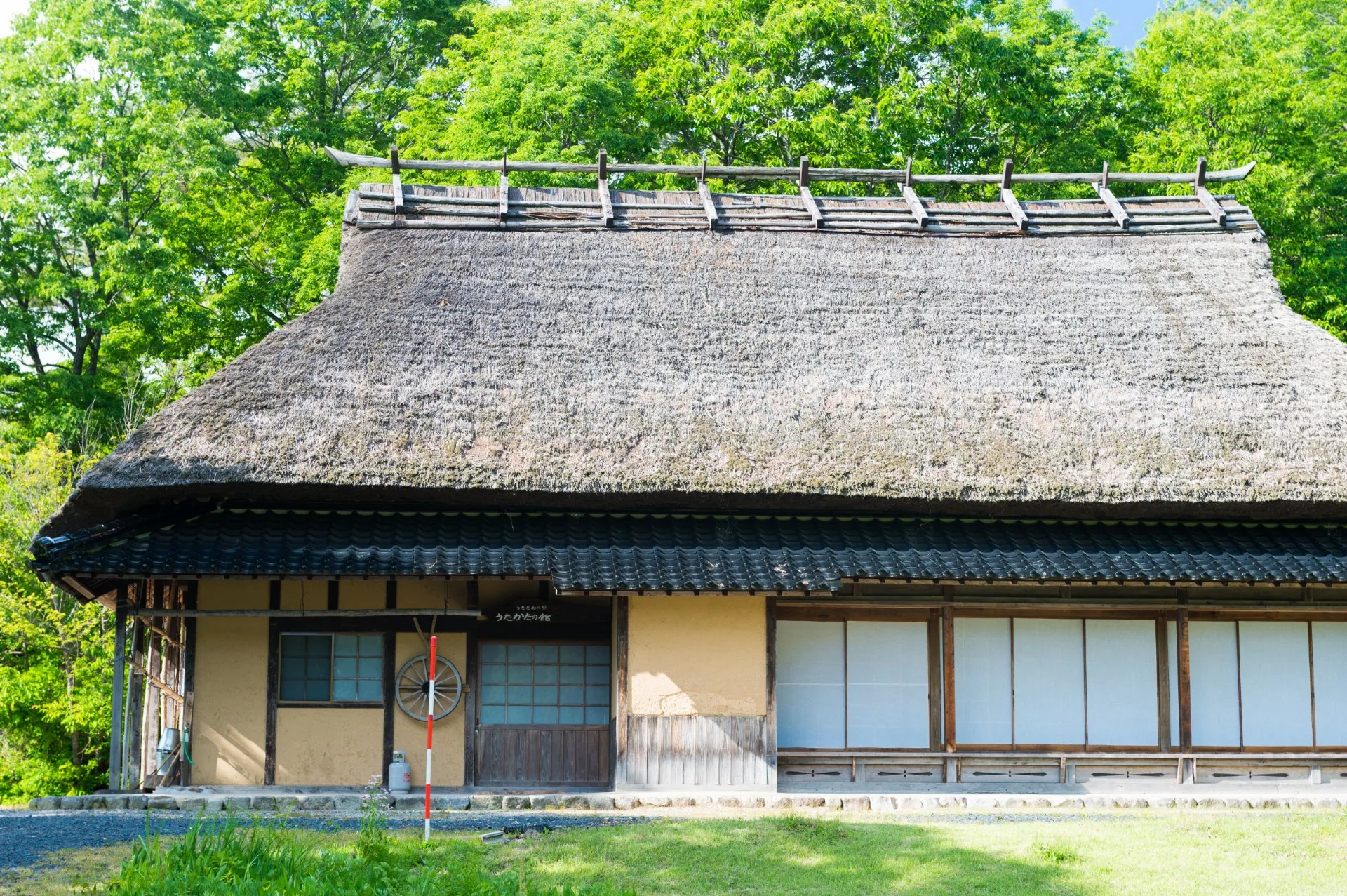
Expat housing in Japan ranges from rental apartments to standalone homes, and these often differ significantly from what many are used to abroad. Japanese homes tend to be highly airtight, limiting natural airflow and trapping moisture inside. In addition, traditional materials like tatami (woven straw mats), fusuma (sliding paper doors), and wooden storage areas provide porous surfaces where mold can easily root and spread.
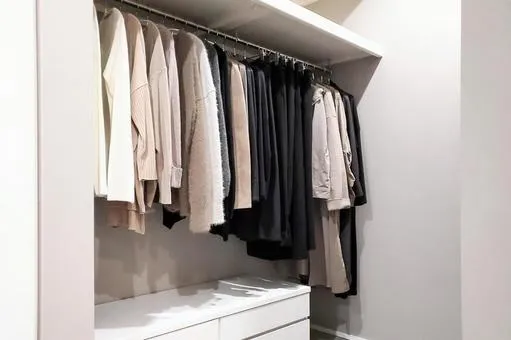
Many expats unfamiliar with Japanese living customs may avoid opening windows, skip using the dehumidifying functions of air conditioners, or overlook moisture in hidden spaces like closets and under furniture. These habits can lead to unchecked humidity and mold growth. Understanding these environmental differences is the first step in effective mold prevention.
2.Health Risks and Impacts of Mold
Mold isn't just an unpleasant sight—it poses real threats to your health and home. This is especially concerning for expatriate families with young children or elderly members, as they are more vulnerable to mold-related illnesses. In this section, we’ll explore how mold can impact your health and your living environment in Japan’s humid summer.
2-1. Effects on Allergies and the Respiratory System
Mold spores are microscopic and often float in the air unnoticed. When inhaled, they can trigger allergic reactions, asthma, and other respiratory problems. If your symptoms worsen during Japan's rainy season or summer, hidden indoor mold could be the cause. In addition to respiratory issues, mold exposure can lead to skin irritation, eye discomfort, and general fatigue. Children, especially, may be unable to verbalize symptoms, making early prevention all the more crucial for families living abroad where medical access may be limited.
2-2. Damage to Property and Financial Loss
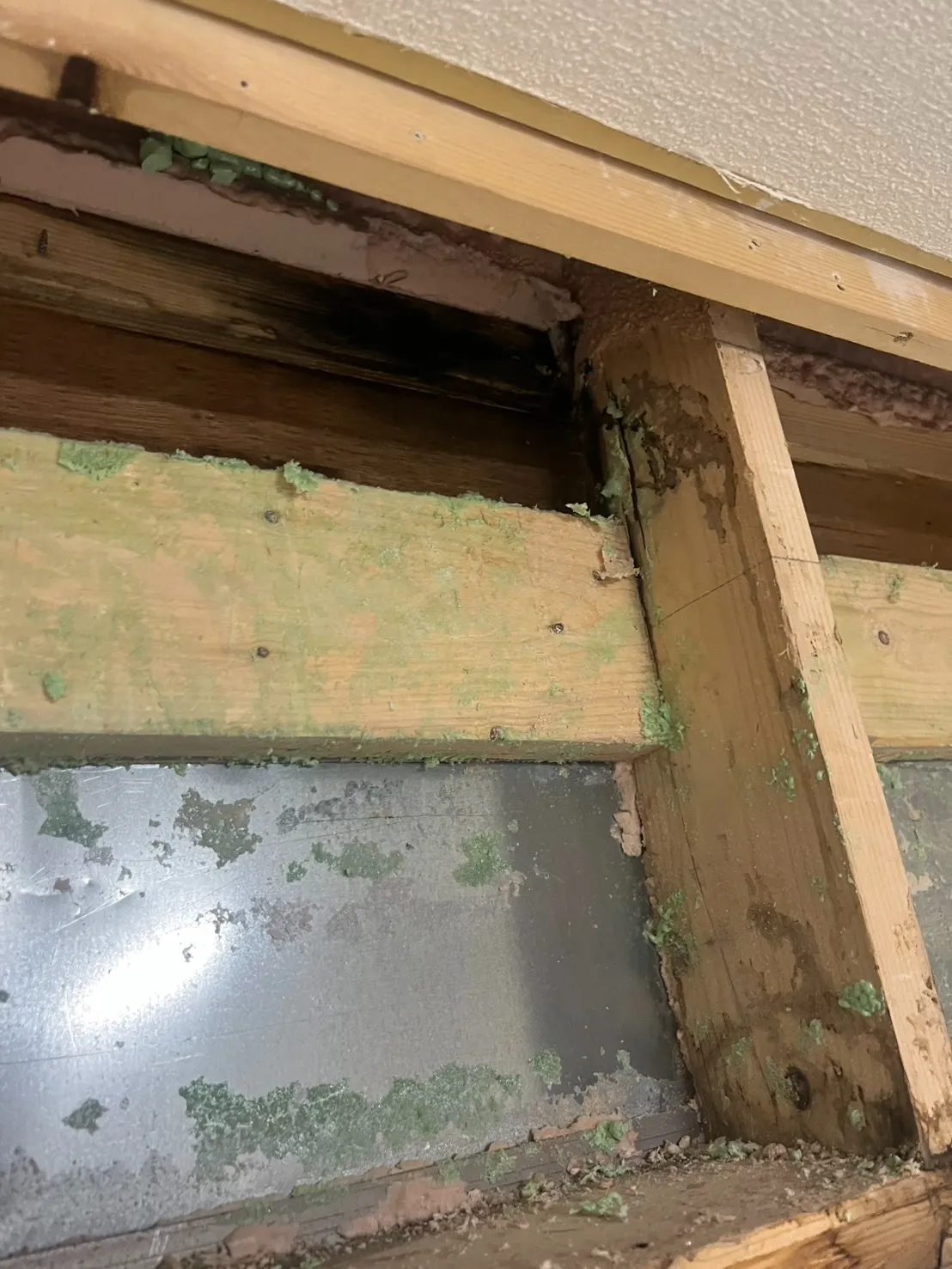
Mold doesn’t only affect your health—it also damages the property itself. It can spread through wallpaper, wooden surfaces, tatami mats, curtains, and inside closets, weakening the materials over time. Once mold roots deeply into porous surfaces, simple cleaning is no longer effective. In severe cases, parts of your home may need to be repaired or replaced.
For expats living in rental housing, this damage may result in costly repair bills at the end of the lease, as landlords may charge for restoration. Taking preventive action early not only protects your living environment but also helps avoid unexpected financial burdens.
3.Basics: Everyday Mold Prevention Techniques
Mold prevention doesn’t have to be complicated or expensive. By adjusting a few daily habits, you can dramatically reduce the risk of mold growth in your home. This section introduces easy, practical steps anyone can implement immediately to keep mold at bay.
3-1. Key Ventilation and Dehumidification Habits
The most effective mold prevention strategy is simple: don’t let moisture build up. The easiest way to reduce humidity is through regular ventilation. Open at least two windows for ten minutes in the morning and evening to allow air to circulate. This helps release trapped moisture and refresh indoor air.
Using your air conditioner’s dehumidifier mode is also highly effective—especially in homes with poor natural airflow. Focus on moisture-prone areas like the bathroom, kitchen, and bedroom. A standalone dehumidifier can also help regulate room humidity during the muggiest months. Taking these simple actions every day can significantly reduce your home's mold risk.
3-2. Cleaning Hotspots: Bathroom, Kitchen, Windows
Mold thrives in places where moisture and warmth combine. Common hotspots include bathrooms, kitchens, and window frames. After every shower, wipe down bathroom walls and floors. If your home has a bathroom ventilation system, use it to help dry the space quickly.
In the kitchen, areas like under the sink and behind appliances often retain moisture and should be aired out regularly. For windows, condensation can form overnight and should be wiped clean each morning. Be sure to clean the rubber seals along window frames too, as they’re especially prone to mold. Using a mild mold cleaner once a week can help maintain these areas.
4.Real-World Solutions for Expats
For expats adjusting to life in Japan, mold prevention may not be a top priority—until it becomes a serious issue. Fortunately, there are practical and proven strategies you can adopt based on real experiences from other expatriates. In this section, we’ll share effective tips for managing mold in common expat living situations.
4-1. How to Prevent Mold During Home Absences
Long business trips, summer holidays, or returns to your home country can leave your Japanese residence unoccupied for weeks. These are high-risk periods for mold growth. Before leaving, thoroughly dehumidify your home using the air conditioner’s dry mode or a dehumidifier. Be sure to wipe down moisture-prone areas like the bathroom, kitchen sink, and laundry space.
Place disposable dehumidifiers or moisture absorbers in closets, under sinks, and behind furniture. For added security, smart plugs connected to your air conditioner can allow you to activate dehumidification remotely, helping to control indoor humidity even while you're away.
4-2. Furniture and Appliance Placement Tips
How you arrange furniture and appliances can significantly impact indoor air circulation. Avoid placing large items directly against walls, as this can trap moisture and create hidden mold pockets. Leave a small gap—just a few centimeters—between furniture and the wall to improve airflow.
For beds, sofas, or rugs, consider using slatted bases or placing dehumidifying sheets underneath to reduce trapped moisture. Additionally, dust buildup behind appliances can feed mold, so regular cleaning behind and beneath these items is essential. Small layout adjustments can greatly reduce your mold risk.
5.Choosing Dehumidifiers and Anti-Mold Products
With so many mold prevention products available in Japan, choosing the right ones can be overwhelming. The best option depends on your room size, specific moisture issues, and placement needs. This section compares common tools and explains how to select the right solutions for your living space.
5-1. Comparing Dehumidifiers, Moisture Absorbers, and Drying Sheets
Moisture absorbers (such as calcium chloride-based products) are affordable and convenient, making them ideal for small, enclosed spaces like closets, shoe cabinets, and drawers. They gradually absorb moisture and store it as liquid, but need regular replacement.
Dehumidifier machines, on the other hand, are more powerful and suitable for larger spaces. They help control humidity throughout entire rooms and are especially useful during Japan’s rainy season. Many models come with laundry-drying features, which can double as mold prevention when drying clothes indoors. Prices range from ¥10,000 to over ¥30,000 depending on capacity and features.
Drying sheets or slatted bed bases are perfect for use under mattresses, sofas, or futons. These help prevent moisture buildup between furniture and flooring. Some absorbent sheets are reusable after air-drying, offering good long-term value.
5-2. How to Use Store-Bought Anti-Mold Agents
Anti-mold agents come in various forms including sprays, gels, and hanging types. Sprays are great for spot-treatment in areas like bathroom walls, kitchen corners, or window frames. They are easy to use but require regular reapplication for sustained effectiveness.
Gel-type products passively release anti-mold vapors and are perfect for enclosed areas like closets, toilet rooms, or under sinks. Hanging-type absorbers are also useful in wardrobes and shoe racks, where they help control both moisture and odor.
When selecting products, check for ingredients and safety—especially if you have children or pets. Look for unscented or low-irritant formulas. Always read usage instructions carefully to ensure effective and safe application.
6.When to Call a Pro: How to Choose a Mold Removal Service
Sometimes, mold issues go beyond what household products and routine cleaning can resolve—especially if the problem keeps coming back or has spread significantly. In such cases, professional mold removal services are your best option. But choosing the right company requires careful consideration. This section explains what to look for and why expert services like Kabi Busters Osaka and Kabi Reform Tokyo/Nagoya, operated by Taikou Kensou Co., Ltd., stand out.
6-1. What to Look for When Choosing a Mold Removal Service
The most important factor is choosing a company that specializes in mold—not just general cleaning or construction. Look for clear expertise, detailed service explanations, and positive client reviews. A reputable service should offer free on-site inspections and transparent quotes without hidden charges.
Make sure to ask whether their service includes both removal and prevention. Companies that provide long-term mold-proofing and follow-up support can help ensure the issue doesn’t return. Also, clarify what areas they cover—walls, ceilings, ventilation, hidden spots, and furniture—to ensure thorough treatment.
6-2. Why Choose Kabi Busters Osaka and Kabi Reform Tokyo/Nagoya
Operated by Taikou Kensou Co., Ltd., Kabi Busters Osaka and Kabi Reform Tokyo/Nagoya use a unique technique known as the MIST Method®, which removes mold from deep within materials without damaging them. This is especially helpful for delicate surfaces like wood, wallpaper, or traditional Japanese interiors such as tatami mats.
What sets Taikou Kensou apart is its ability to integrate mold removal and home renovation into a single service. If mold has caused structural or aesthetic damage, they can also repair or upgrade those areas as part of a unified plan.
Serving Osaka, Tokyo, and Nagoya, their trained in-house specialists handle everything from inspection to aftercare, ensuring a smooth and reliable experience. Their human-safe, eco-conscious cleaning agents make the service ideal for families with children or elderly residents.
7.Rental, Corporate, and Serviced Apartment Solutions
Many expats in Japan live in rental apartments, corporate housing, or furnished temporary units. Each of these setups has unique vulnerabilities to mold due to their structure, maintenance policies, or layout. In this section, we break down effective mold prevention strategies tailored to each type of housing.
7-1. Mold-Prone Structures in Rentals
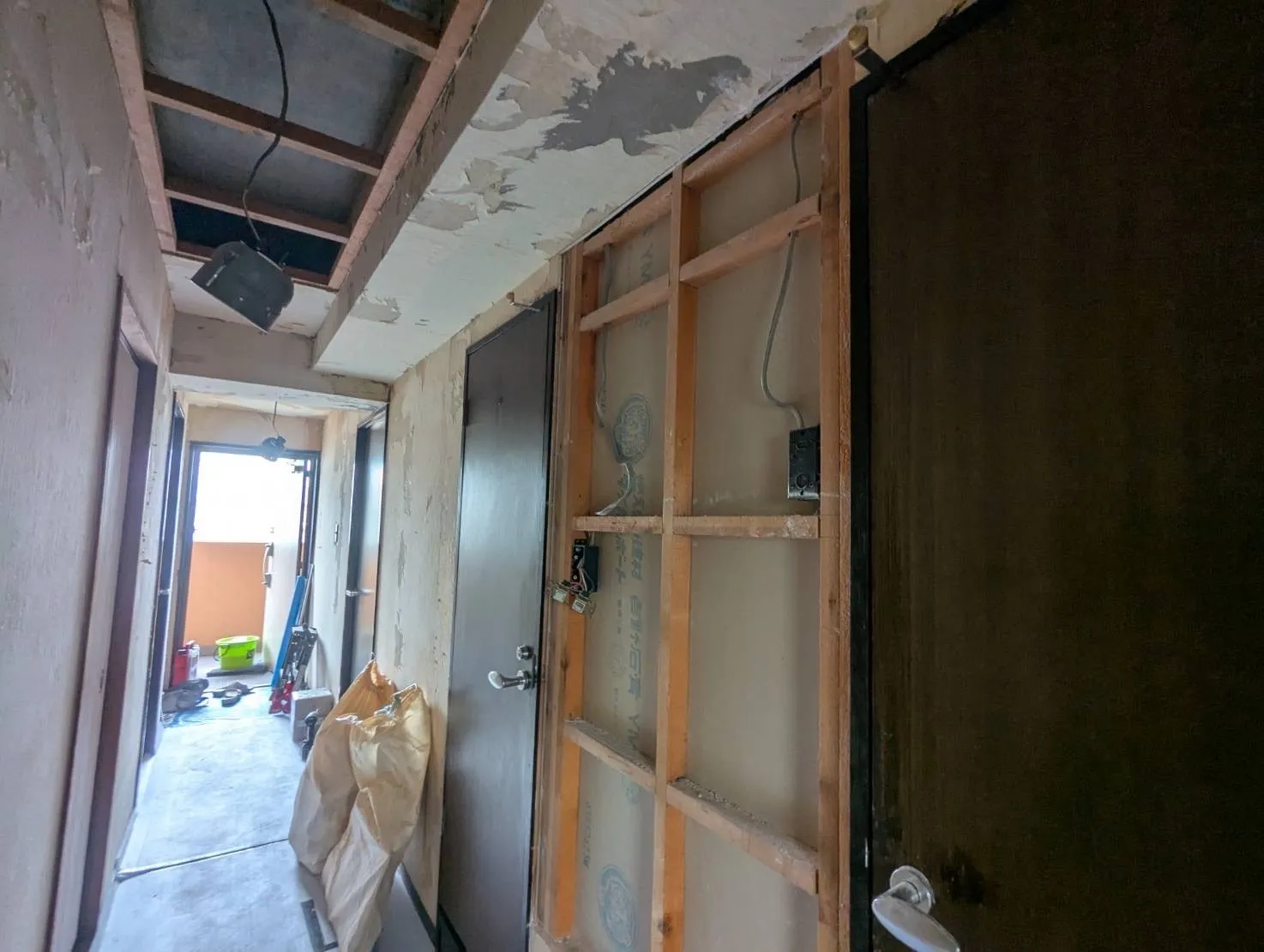
Older rental buildings in Japan, especially those built before modern insulation standards, are often poorly ventilated and lack proper insulation. This creates conditions that are highly prone to condensation and, by extension, mold growth—particularly in the corners of rooms, near windows, or along exterior walls.
North-facing rooms or those with limited sunlight are especially at risk. Concrete buildings can also trap moisture inside, especially when indoor temperatures differ significantly from the outside. To combat this, consider using insulation curtains, applying anti-condensation film to windows, and running dehumidifiers during the morning and evening.
Even something as simple as opening closet doors periodically or rearranging furniture to allow air circulation can make a noticeable difference.
7-2. Fastest Fixes in Corporate Housing
In corporate or serviced apartments, residents often have limited flexibility to make structural changes. That’s why quick, practical adjustments are key. For example, install small moisture absorbers in closets, under sinks, and behind appliances—areas that often go unchecked.
Use bathroom squeegees after showers and keep the door open for ventilation. If your bathroom has a drying function, run it regularly—even when you don’t use the bath. It helps reduce lingering humidity.
If you encounter ongoing mold problems due to the building’s design or ventilation flaws, report them to the property manager. In some cases, fans, vent upgrades, or even minor remodeling can be arranged by request.
8.Wrap-Up: Living Comfortably Through the Japanese Summer
Japan’s hot and humid summers can be daunting, especially for expats unfamiliar with the climate and local housing features. However, with consistent daily habits and simple preventive measures, you can keep mold away and enjoy a clean, healthy home. In this final section, we summarize the most practical routines and budget-friendly solutions for lasting comfort.
8-1. Simple Habits to Make a Big Difference
Adopting a few easy daily habits can significantly reduce the chance of mold developing. Start by ventilating your home every morning and evening, using a dehumidifier regularly, and wiping down wet surfaces after use. Be especially mindful of areas like the bathroom, kitchen, and windows—these are prime mold zones in any Japanese home.
Incorporate weekly checks into your routine to examine often-overlooked areas such as behind furniture, inside closets, and near ceilings. These quick inspections help you spot mold early and take action before it spreads. When the whole family is involved and aware, maintaining a mold-free home becomes easier and more sustainable.
8-2. Zero-Budget Tricks for Everyday Prevention
Preventing mold doesn’t have to cost money. Newspaper, for example, can be used to absorb moisture in shoe cabinets or storage spaces. Simply keeping closet doors open during the day can improve airflow and reduce dampness. Use a regular fan to circulate air in rooms without good natural ventilation.
Take advantage of sunny days by airing out bedding, pillows, and rugs—known in Japan as tenpi boshi (sun-drying). It’s a culturally rooted and highly effective way to remove moisture from fabrics. With just a bit of awareness and effort, you can maintain a fresh living space without spending extra.
9.Protecting Children and the Elderly from Mold in Expat Homes During Japanese Summers
While mold poses health risks to everyone, it can be particularly harmful to young children and the elderly. Their immune systems are often more vulnerable, making mold exposure a more serious concern. In this section, we’ll explore practical ways to protect the most sensitive members of your household during Japan’s humid summer months.
9-1. Keeping Children Safe from Mold Exposure
Children spend more time on or near the floor, where mold particles tend to settle. Their toys, bedding, and rugs are also potential mold traps if not cleaned regularly. To reduce risk, vacuum and wipe floors frequently, especially in bedrooms and play areas. Washable toys and stuffed animals should be cleaned or sun-dried regularly to prevent mold buildup.
Placing moisture-absorbing sheets under beds or baby mattresses can also help. Be sure to clean air conditioner filters regularly, as dirty units can circulate mold spores throughout your home. Since young children may not clearly express symptoms, monitor them for signs like coughing, skin irritation, or fatigue—and review your mold prevention routines if anything unusual occurs.
9-2. Gentle and Safe Measures for Elderly Family Members
For elderly family members, mold-related respiratory issues or infections can develop more quickly due to reduced immunity. To prevent this, maintain proper ventilation, especially in bedrooms and bathrooms. Consider using an air purifier with a HEPA filter to capture airborne mold spores and keep indoor air clean.
If regular cleaning or dehumidifying is physically difficult for older adults, make sure other household members assist. Also, when selecting mold prevention sprays or cleaners, choose low-irritant, unscented options that are safe for sensitive respiratory systems. Always read product labels carefully and avoid harsh chemicals that could cause discomfort or harm.
Creating a safe, mold-free environment helps protect your family’s health and provides peace of mind, especially during Japan’s long, humid summer season.
10.Building a Mold-Resistant Home: Mid- to Long-Term Strategies
While daily habits are essential for mold prevention, making structural improvements to your living space can offer lasting protection—especially for expats staying in Japan for several years. This section introduces mid- to long-term strategies to create a mold-resistant home environment.
10-1. Improving Ventilation and Insulation
Poor ventilation and temperature imbalances are major causes of mold growth in Japanese homes. Installing or upgrading ventilation fans in bathrooms or kitchens can significantly improve airflow. Adding a drying function to your bathroom or switching to ventilation systems with humidity sensors can help regulate moisture automatically.
Improving insulation, such as by using double-pane windows or adding thermal barriers to walls, reduces condensation caused by temperature differences. These upgrades not only help prevent mold but also enhance comfort and energy efficiency throughout the year. Even simple changes, like using insulating curtains or window films, can make a noticeable difference.
10-2. Using Mold-Resistant Materials in Renovation
If you’re considering renovations, it’s worth investing in materials specifically designed to resist mold. Many modern wallpapers, flooring options, and ceiling panels now come with mold-inhibiting coatings. These are especially useful in high-humidity areas like bathrooms, kitchens, and laundry rooms.
Water-resistant wall panels and cabinetry materials are ideal for areas exposed to frequent moisture. Inside closets or storage areas, choose shelves and liners made of anti-microbial materials. These choices not only prevent mold but also reduce the need for frequent maintenance.
While renovations require initial investment, they can prevent costly damage and health risks down the line. Creating a home designed to fight mold from the ground up offers peace of mind and long-term savings—especially for families planning an extended stay in Japan.
Trust Taikou Kensou for Professional Mold Removal and Home Renovation
If you've read this far, you may be wondering whether it's time to seek professional help—especially if mold keeps returning or if you're worried about your family's health. That’s where Kabi Busters Osaka and Kabi Reform Tokyo/Nagoya, operated by Taikou Kensou Co., Ltd., come in.
At Taikou Kensou, we offer a unique, one-stop service that combines expert mold removal and full-scale home renovation. This integrated approach not only eliminates mold but also restores and upgrades your living space to prevent future problems. Our signature MIST Method® uses a powerful yet material-safe formula to completely remove mold from wood, wallpaper, tatami, and other delicate surfaces—without scrubbing or damaging the structure.
What makes Taikou Kensou truly stand out is our ability to handle both mold remediation and remodeling under one roof. Whether your walls, floors, ceilings, or bathrooms have been affected by mold, we provide customized renovation solutions that restore function and aesthetics while enhancing long-term durability.
About Our Renovation Services
Our renovation division offers a wide range of services, from kitchen and bathroom upgrades to anti-condensation window installation, floor replacements, and layout redesigns. We specialize in creating health-conscious, mold-resistant living environments that suit the needs of expatriate families, seniors, and long-term residents.
We also provide anti-mold remodeling packages that include insulation improvements, ventilation upgrades, and the use of mold-resistant materials throughout the home. Whether you're living in a rental, corporate housing, or owned property, our solutions are tailored to your unique space and lifestyle.
With branches in Osaka, Tokyo, and Nagoya, Taikou Kensou provides region-specific expertise and full in-house support—from free inspection and detailed estimates to reliable aftercare. Let us help you create a home that is not only clean and safe but also comfortable for every season of your stay in Japan.
For consultations or inquiries, feel free to contact us via our official website. We’re here to support you in every step toward a healthier, mold-free home.
---------------------------------------------------------------------
カビ取リフォーム
東京営業所
〒141-0022
東京都品川区東五反田2-5-2 YHE CASK GOTANDA6階
電話番号:090-8321-4408
名古屋本社
〒465-0028
愛知県名古屋市名東区猪高台1-1301 タイコウビル1F
電話番号 : 0120-588-766
サイト:https://taikou-kensou.co.jp/
大阪営業所
〒532-0003
大阪府大阪市淀川区宮原1-19-23
電話番号:080-6978-3068
カビバスターズ大阪
https://kabibusters-osaka.com/
【検査機関】
一般社団法人微生物対策協会
https://kabikensa.com/
----------------------------------------------------------------------