Safeguard Your Reputation: Restaurant Hygiene Strategies to Eliminate Mold
2025/07/22
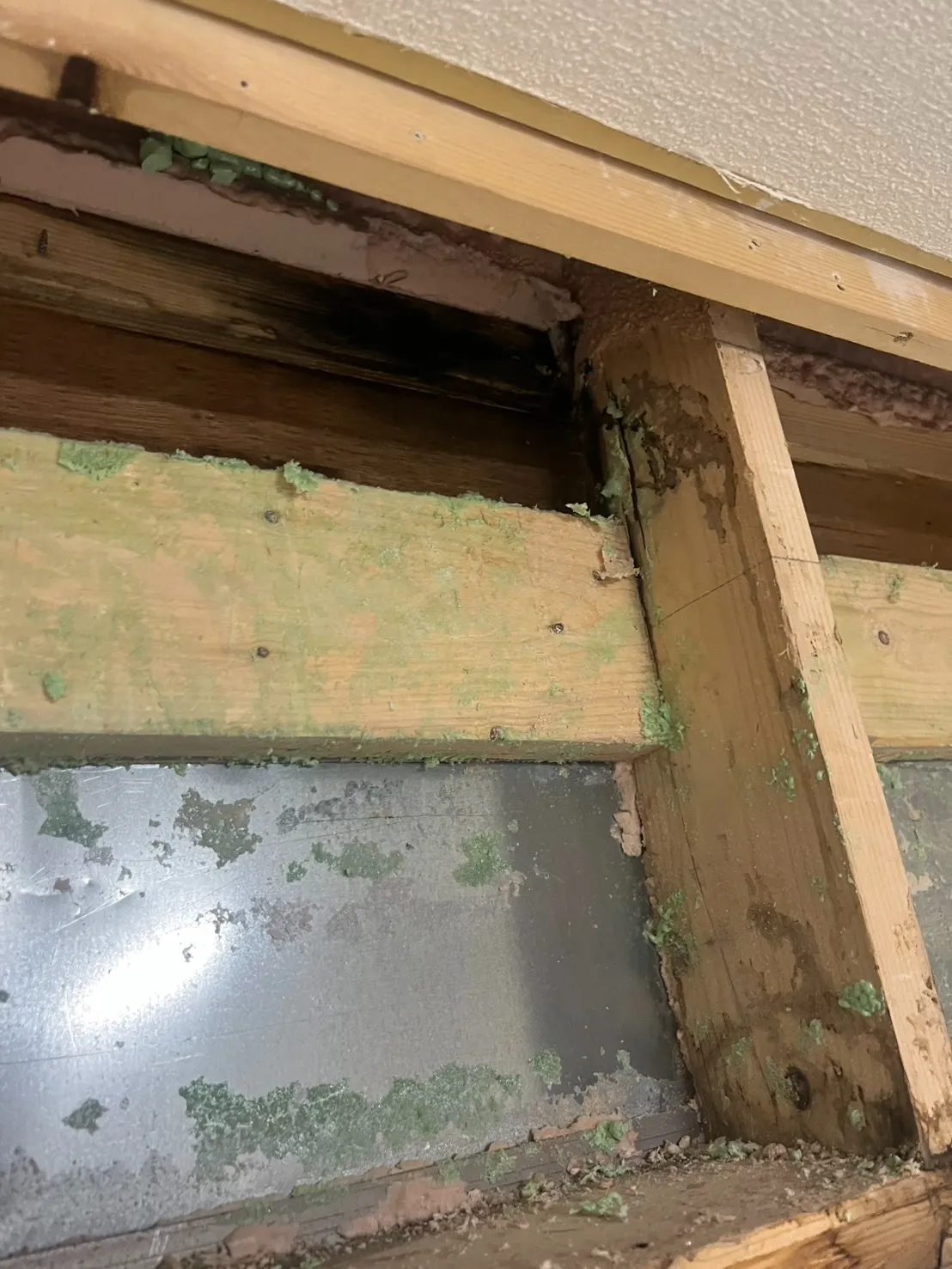
When mold appears in a restaurant—especially in hidden or humid areas—it can damage the store’s reputation and potentially lead to forced closures. It’s a silent threat that’s often overlooked until it’s too late.
This article explores why mold grows in restaurants, how to detect and prevent it, methods to handle it on your own, and when to call in a professional for removal and prevention services.
By understanding and implementing the strategies in this article, restaurant owners can maintain a safe, mold-free environment that protects customers' health and preserves the credibility and success of the business.

1. Why Mold Prevention Is Essential in Restaurants
Cleanliness is a non-negotiable standard in any restaurant. The appearance of mold doesn’t just create an unpleasant visual—it raises serious health concerns and erodes customer trust. In this section, we’ll explain why mold prevention is not just important, but critical for restaurant operations.
1-1. Mold Damage to Reputation and Customer Trust
If customers notice mold in your restaurant, even in small amounts, it can significantly harm their perception of your business. Regardless of how great the food or service may be, mold gives the impression of poor hygiene, causing guests to avoid returning—and they might even spread the word on social media. Hidden mold in places like walls, ceilings, or behind appliances is especially dangerous because it signals a lack of cleanliness throughout the establishment. For restaurants, a sense of hygiene is not just a preference—it’s a competitive edge. Losing that can result in lost sales and diminished brand trust.
1-2. Food Safety and Health Department Inspections
Mold isn’t just unsightly—it can spread spores in the air and negatively impact human health. For vulnerable groups such as children or the elderly, mold exposure can trigger allergic reactions and respiratory issues. If mold makes its way into food, there’s a high risk of health code violations and even temporary closure by the health department. Since inspections are often unannounced, it's vital to maintain a mold-free environment every day. Protecting customer health is a restaurant’s responsibility—and that means mold must never be ignored.
2. What Causes Mold to Grow in Restaurants?
Mold is a type of microorganism found almost everywhere, and it thrives when certain conditions are met. Unfortunately, restaurants naturally create environments that promote mold growth due to moisture, temperature, and organic residue. In this section, we’ll break down the primary causes of mold growth in restaurant settings.
2-1. Moisture, Temperature, and Nutrient Sources
Mold needs three key elements to grow: moisture, warmth, and food. In restaurants, the constant use of water around sinks, prep areas, and dishwashing stations creates excessive humidity. The ambient temperature, often between 20–30°C (68–86°F), is ideal for mold to flourish. In addition, grease splatters, food scraps, and dust provide an ample supply of nutrients for mold. If regular cleaning is neglected, these areas can quickly become breeding grounds for spores. Mold often spreads silently overnight, making end-of-day cleaning routines essential.
2-2. Poor Ventilation and Basement-Level Layouts
Enclosed spaces like kitchens and storage rooms often lack proper airflow, which causes moisture buildup and stagnant air—conditions mold loves. Restaurants located in basements or on lower floors are especially vulnerable due to limited ventilation and reduced exposure to natural air circulation. Additionally, areas behind refrigerators or under counters, where airflow is minimal, become mold-prone zones. If the restaurant uses porous wall or floor materials that retain moisture, drying becomes more difficult and supports continuous mold growth. Poor ventilation isn’t just uncomfortable—it’s a hidden risk that must be managed proactively.
3. Quick Response: How to Handle Early-Stage Mold in Your Restaurant
Catching mold early and taking swift action can prevent costly damage and preserve your restaurant’s hygiene standards. The sooner mold is addressed, the easier it is to remove—and doing so also helps prevent future outbreaks. This section explains simple yet effective emergency measures you can take when mold first appears.
3-1. Use Baking Soda and Alcohol for Small-Scale Mold
For small, early-stage mold spots, a combination of baking soda and alcohol works well. Baking soda, being mildly alkaline, inhibits mold growth and helps break down grime. Mix one teaspoon of baking soda with 100ml of water in a spray bottle and apply it directly to the mold. Wipe the area with a cloth, then spray rubbing alcohol (ideally 70% ethanol) to disinfect and kill any remaining spores. This method is gentle, effective, and safe to use in food-handling environments, making it perfect for restaurants.
3-2. Use Chlorine-Based Cleaners for Larger or Dark Mold Areas
If the mold has spread across a larger area or has turned black or brown, stronger treatment is needed. Dilute household bleach (sodium hypochlorite) with water at a 1:10 ratio and apply using a spray bottle while wearing gloves and a mask. Allow it to sit for a few minutes, then scrub with a brush or sponge and rinse thoroughly with water. Finally, dry the area completely with a clean cloth. Be cautious when using bleach on metal or wood, as it can cause corrosion or discoloration. Always test on a small hidden area first, and ensure proper ventilation during and after treatment to avoid lingering fumes.
4. Mold Removal Techniques by Surface Material
Different surfaces require different mold removal strategies. Using the wrong product can damage materials, cause discoloration, or make mold worse. This section explains the best ways to clean mold based on the materials commonly found in restaurants.
4-1. For Washable Surfaces: Use Chlorine Cleaners for Deep Cleaning
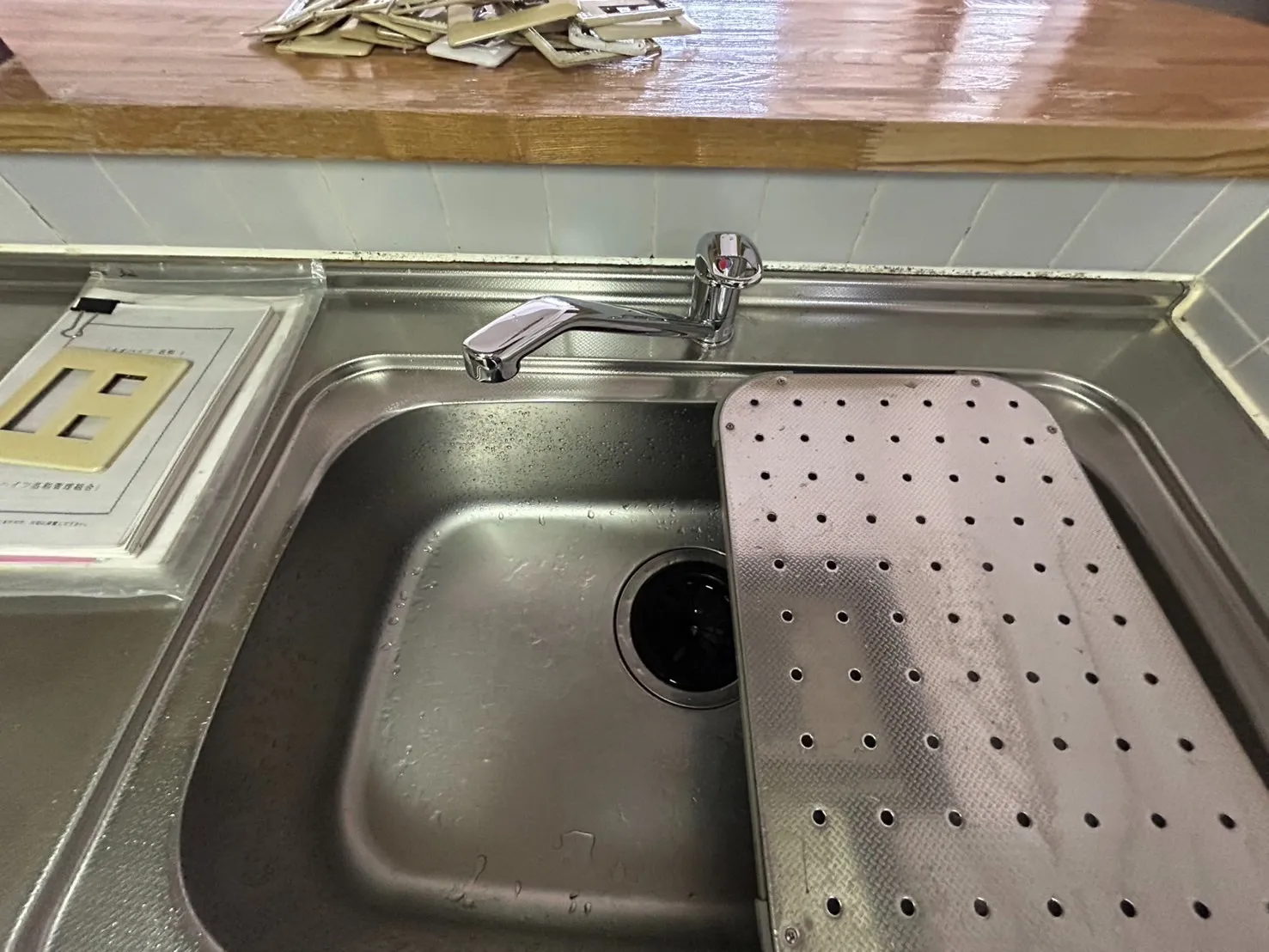
Areas like stainless steel prep tables, tiled floors, and around sinks are typically moisture-resistant and can handle stronger cleaning agents. For these, a diluted chlorine-based cleaner is highly effective. Mix bleach with water at a 1:10 ratio, spray directly on the mold, let it sit for several minutes, scrub with a brush, and rinse with plenty of water. Always ventilate the area well to remove any residual chemical odors. These surfaces are often exposed to moisture and organic residue, so regular deep cleaning helps prevent mold buildup.
4-2. For Water-Sensitive Surfaces: Use Ethanol Gently
Materials like wood, composite panels, and wallpaper are sensitive to water and absorb moisture easily, which can worsen mold problems. For these, use ethanol (70–80%) in a spray bottle. Spray directly onto the mold and gently wipe with a soft cloth. For mold that has penetrated deeper into the grain or fibers, repeat the process as needed. Ethanol dries quickly, doesn't damage delicate surfaces, and is safe to use in indoor environments—making it ideal for food service operations that demand both cleanliness and aesthetics.
5. Long-Term Strategies to Keep Mold Away
While emergency cleanups are important, true mold prevention requires ongoing environmental control. Without consistent efforts, mold will return—especially in high-moisture areas like kitchens and storage rooms. This section covers the long-term strategies restaurants should implement to maintain a mold-free environment.
5-1. Humidity Control: Maintain Indoor Levels Between 40–60%
Controlling humidity is one of the most effective ways to prevent mold. The ideal indoor humidity level is between 40% and 60%. To monitor this, install a digital hygrometer in key areas of your restaurant, especially kitchens and storage rooms. If humidity runs high, use commercial-grade dehumidifiers or activate the dehumidifying mode on your HVAC system. During winter, avoid overusing humidifiers, which can cause excess moisture. By visualizing humidity levels with clear numbers, staff can stay more aware of potential mold risks.
5-2. Ventilation and Airflow: Open Windows, Clean Exhaust Fans
Proper ventilation is essential. Poor airflow causes moisture buildup and stagnant air, which mold thrives in. Open windows regularly—even outside business hours—and ensure exhaust fans are functioning properly. Clean filters monthly to maintain airflow. Enclosed spaces like restrooms or storage rooms are particularly at risk, so inspect and maintain ventilation systems in these areas frequently. Additionally, avoid placing furniture or equipment directly against walls. Leave a small gap to allow air to circulate and prevent moisture from accumulating behind objects. This simple change can make a big difference in stopping mold before it starts.
6. Key Equipment and Cleaning Frequency for Mold Prevention
Routine cleaning is crucial, but some areas and equipment in a restaurant require special attention due to their higher risk of mold accumulation. Regular maintenance of these hotspots not only helps prevent mold but also improves hygiene overall. This section details which equipment needs the most attention and how often to clean them.
6-1. Air Conditioners and HVAC Units: Clean Filters and Inspect Regularly
Air conditioning systems are one of the most common sources of mold in restaurants. They continuously cycle humid air and collect dust and moisture in their filters and coils, which creates a breeding ground for mold. Clean filters at least once every two weeks with water, and perform visual inspections monthly. For larger commercial systems, schedule professional deep cleaning once or twice a year. Mold spores from the unit can spread through the ventilation system, so keeping it clean ensures both air quality and energy efficiency.
6-2. Grease Traps and Drainage Areas: Thorough Cleaning Required
The kitchen's grease trap and floor drains are often overlooked, yet they are some of the most mold-prone spots due to constant exposure to water, food particles, and oils. Clean grease traps at least once a week—or every 2–3 days for high-volume kitchens. Remove built-up grease and food debris to prevent mold and odor. Drainage areas should also be cleaned weekly, with filters cleared and pipes flushed using a commercial drain cleaner at least once a month. This prevents not only mold but also plumbing issues and foul smells that could affect the dining experience.
7. Strengthening Mold Resistance Through Store Layout and Interior Design
Preventing mold isn’t just about cleaning—it’s also about designing your restaurant to discourage mold growth from the start. The materials you choose and how you arrange equipment can significantly impact airflow and moisture control. In this section, we explore interior strategies to make your restaurant more mold-resistant.
7-1. Flooring Materials and the Importance of Professional Cleaning
Choose flooring materials that are mold-resistant and water-tolerant. Vinyl sheets with waterproof coatings or non-porous tiles are ideal for kitchens and dining areas, as they don’t retain moisture and are easy to sanitize. Avoid using carpet or untreated wood, which can trap moisture and become breeding grounds for mold. Regardless of the material, periodic deep cleaning is essential. We recommend scheduling professional cleaning once a month using high-pressure or chemical treatments. Clean flooring not only prevents mold but also reinforces your restaurant’s image of cleanliness and safety.
7-2. Furniture Placement and Wall Gaps to Improve Airflow
How you arrange equipment and furniture can affect airflow dramatically. When shelves or refrigerators are placed directly against walls, air circulation is blocked, allowing moisture to collect and mold to grow. Leave small gaps—just a few centimeters—between walls and furniture to encourage ventilation. Also, move large items periodically to clean behind them and prevent hidden mold buildup. Applying anti-mold paint on walls and ceilings can further reduce the chance of mold taking hold. These small layout adjustments can make a big difference in long-term mold prevention.
8. Staff Training and Compliance with Hygiene Standards
Even the best equipment and layout can’t stop mold if daily practices are lacking. Mold prevention is a team effort, and every staff member plays a crucial role. In this section, we discuss how to build hygiene awareness among staff and ensure compliance with health regulations.
8-1. Hygiene Training Programs to Raise Awareness
The first step to effective mold control is education. Regular training sessions help staff understand where mold is likely to form and how to clean and sanitize properly. Monthly hygiene meetings are ideal for reviewing best practices—such as which areas require frequent cleaning, how to disinfect equipment, and how to use cleaning tools safely. For new hires, mandatory onboarding sessions should include sanitation protocols. Visual reminders, like posters or checklists near sinks and storage areas, are also helpful. Assigning responsibility for specific cleaning tasks prevents confusion and ensures consistency.
8-2. Meeting Health Department Standards and Conducting Internal Inspections
Restaurants must comply with health department regulations, which include cleanliness standards that directly relate to mold prevention. These cover not only mold control but also food storage temperatures, waste disposal, and kitchen organization. Because inspections are often unannounced, restaurants must maintain readiness at all times. Create an internal inspection checklist and conduct weekly audits to catch problems early. Proactively addressing issues helps avoid warnings, fines, or even temporary closures. Taking the initiative shows your commitment to hygiene and builds trust with both regulators and customers.
9. When to Call in Mold Removal Professionals
Even with careful cleaning and prevention, mold can still take hold—especially in hidden areas or older buildings. When mold keeps returning or spreads beyond surface-level, it’s time to bring in experts. This section explains how to know when to call a professional and what to look for in a mold removal service.
9-1. When to Hire Professionals and What It May Cost
Signs that professional help is needed include: mold repeatedly growing in the same spot, musty odors coming from walls or ceilings, or mold covering more than one square meter. In such cases, the mold may have spread behind surfaces or into HVAC systems—beyond what surface-level cleaning can handle. The cost of hiring a professional varies depending on the size of the affected area, materials involved, and required treatments. On average, prices range from tens of thousands to hundreds of thousands of yen. Some cases may involve advanced sealing or long-term treatments, which add to the cost but ensure complete removal.
9-2. Choosing Services That Use the MIST Method
One of the most effective modern techniques is the MIST Method, which removes mold without scrubbing or sanding—making it ideal for delicate restaurant interiors. This technique uses a fine mist of specialized solution tailored to the surface’s material and pH level. The mist penetrates deeply into surfaces to break down and eliminate mold, even in cracks or porous materials. After treatment, a long-lasting anti-mold coating is applied to prevent recurrence. When selecting a provider, look for companies with experience in restaurant environments, proven safety records for their chemicals, and clear follow-up support. With expert intervention, even invisible mold risks can be eliminated—restoring both hygiene and customer confidence.
10. Case Studies: Learning from Successes and Mistakes
Understanding real-life examples is one of the most effective ways to improve mold prevention efforts. By analyzing both successful and failed cases, restaurant owners can better recognize what works—and what doesn’t. This section shares two contrasting case studies that highlight the importance of timely and professional mold control.
10-1. Success Story: Kitchen Wall Mold Solved with Professional Help
In a popular izakaya in Tokyo, mold repeatedly appeared on the kitchen walls. The cause? Poor ventilation and steam buildup during cooking. Initially, the owner used store-bought bleach, but the mold kept returning. Eventually, they consulted a professional service that used the MIST Method. After removing the mold, they added a new exhaust fan and applied anti-mold coating to the walls. Six months later, the walls remain clean and odor-free. This case shows how combining expert techniques with long-term environmental improvements leads to lasting results.
10-2. Failure Example: Delayed Action Resulted in Major Damage
In contrast, a small café noticed mold behind a refrigerator but chose to ignore it since it was "out of sight." Weeks later, the mold had penetrated the wall material and produced a noticeable odor in the seating area. Regular customers began to complain. When the owner finally took action, the mold had spread so deeply that professional remediation and wall reconstruction were necessary. The café had to close temporarily, losing revenue and reputation. This failure demonstrates that ignoring mold—even when hidden—can lead to serious business consequences.
For Mold Removal and Prevention, Trust Kabibusters Osaka and Kabi Reform Tokyo/Nagoya
Mold in restaurants is not just a hygiene issue—it directly affects your reputation, customer trust, and business operations. When dealing with recurring or large-scale mold problems, relying on a professional is essential.
At Kabibusters Osaka and Kabi Reform Tokyo/Nagoya, we use the exclusive MIST Method®, a proprietary mold removal system that eliminates mold at its root without scrubbing or sanding—preserving delicate building materials like wood, tile, and wallpaper. Each solution is custom-blended to match the pH and material characteristics of the affected area, ensuring safe and effective removal. After treatment, we apply a long-lasting anti-mold coating to prevent regrowth.
Our parent company, Taikou Kensou Co., Ltd., offers a unique advantage: we provide both mold removal and remodeling services in one seamless package. Instead of calling multiple contractors, you can rely on us for everything from initial mold remediation to full restoration and remodeling. Whether you need to repair damage caused by mold or want to redesign your space for better airflow and hygiene, we handle the entire process with expert coordination and craftsmanship.
Taikou Kensou specializes in a wide range of renovation services for restaurants and commercial facilities, including interior reconfiguration, waterproofing, ventilation system upgrades, and anti-microbial material installation. We customize each project based on your operational needs, aesthetic goals, and budget—ensuring a clean, safe, and stylish environment that customers trust.
For businesses in the Kansai region, contact Kabibusters Osaka. For Tokyo and Nagoya area businesses, turn to Kabi Reform Tokyo/Nagoya. Let us help you create a mold-free space that supports the long-term success of your restaurant.
---------------------------------------------------------------------
カビ取リフォーム
東京営業所
〒141-0022
東京都品川区東五反田2-5-2 YHE CASK GOTANDA6階
電話番号:090-8321-4408
名古屋本社
〒465-0028
愛知県名古屋市名東区猪高台1-1301 タイコウビル1F
電話番号 : 0120-588-766
サイト:https://taikou-kensou.co.jp/
大阪営業所
〒532-0003
大阪府大阪市淀川区宮原1-19-23
電話番号:080-6978-3068
カビバスターズ大阪
https://kabibusters-osaka.com/
【検査機関】
一般社団法人微生物対策協会
https://kabikensa.com/
----------------------------------------------------------------------