“Baking Soda or Bleach? Mold Cleaning by Toilet Material Explained”
2025/07/20
Noticing black spots or strange odors in your toilet? That could be mold. Left untreated, it can cause health issues and damage to your home. This article explains the root causes of mold and walks you through cleaning methods from easy home remedies to professional-level care. By the end, you’ll know how to prevent mold from coming back, and how to keep your bathroom clean and fresh long-term.
1. Causes and Mechanisms of Mold in the Toilet
Toilets are inherently humid and often poorly ventilated spaces, making them a prime environment for mold growth. Mold forms when specific conditions are met, and once it appears, it can quickly spread if not addressed properly. In this section, we’ll break down the primary reasons why mold develops in the toilet and how it thrives in such spaces.
1-1. Humidity, Temperature, and Other Mold-Causing Conditions
Mold thrives in environments where humidity exceeds 70% and the temperature ranges between 20–30°C (68–86°F). In Japan’s climate, these conditions are commonly met during the rainy season and summer months. In particular, enclosed spaces like toilets easily trap humidity, creating an ideal breeding ground for mold.
Moisture tends to accumulate in areas such as the inner rim of the toilet bowl and the bottom of the water pool. These parts often remain damp and receive little to no airflow. Moreover, during nighttime when the toilet isn’t used frequently, stagnant air allows humidity to linger, accelerating mold growth.
1-2. The Vicious Cycle of Dirt, Water Splashes, and Poor Ventilation
In addition to moisture and warmth, mold also needs a food source. In toilets, organic matter like urine stains, skin oils, and minerals from tap water provide perfect nutrition for mold. Water splashes on the floor or behind the toilet, if not cleaned promptly, can become breeding sites for mold.
Poor ventilation further worsens the situation. Closed windows, infrequently used fans, or habitually shut doors trap moist air inside. Mold spores, which are microscopic and light, can float in the air and settle on various surfaces, spreading throughout the toilet space.
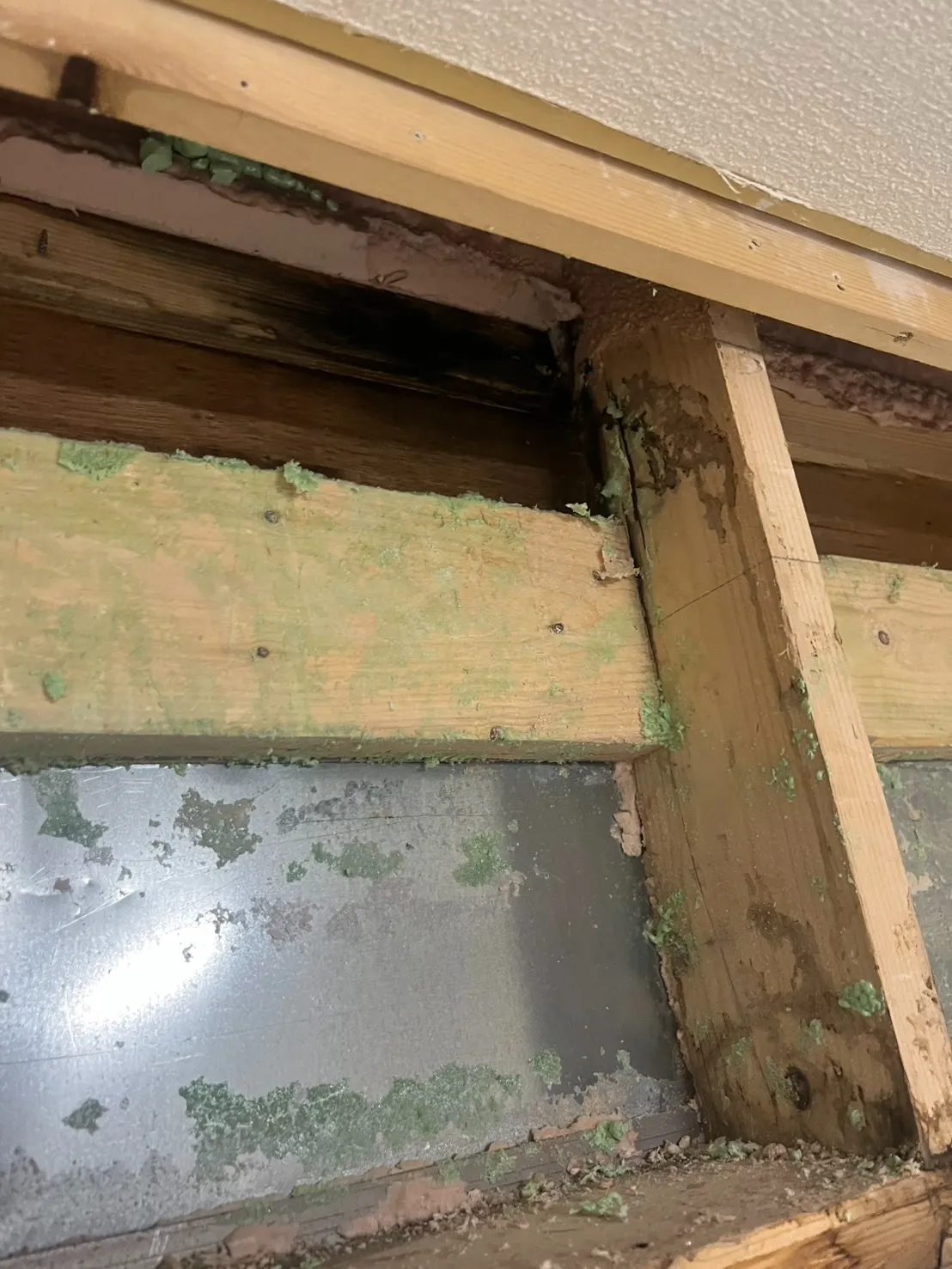
Once a small spot of mold appears, it can quickly expand and infiltrate hidden areas such as the inside of the tank, behind the wallpaper, or even the ceiling. That’s why identifying and controlling these environmental factors is crucial for long-term mold prevention.
2. Mold Characteristics and Cleaning Methods by Area
Mold can grow in various parts of the toilet, from the inside of the bowl to the walls, floor, and even within the tank. Each location has its own unique characteristics, which means that effective cleaning requires different methods for each. In this section, we’ll explain the most mold-prone areas and how to clean them properly for lasting results.
2-1. Black Mold on the Toilet Bowl (Rim and Bottom)
The inner rim and bottom water area of the toilet bowl are among the most common spots for mold buildup. These parts remain constantly moist and are difficult to see, making them perfect environments for black mold to thrive.
The most effective way to clean these areas is with a chlorine-based toilet cleaner. Spray the cleaner generously under the rim and on the blackened areas, then let it sit for 15–30 minutes. After that, scrub the surface thoroughly with a toilet brush. For stubborn mold, soak toilet paper in the cleaner and apply it to the moldy area, then cover it with plastic wrap to keep it moist and allow deeper penetration.
Be sure to avoid mixing chlorine cleaners with acidic products, as doing so can produce toxic gas. Always use gloves and a mask, and make sure the room is well-ventilated when using strong chemicals.
2-2. Floor, Walls, Tank, and Nozzle Cleaning Techniques
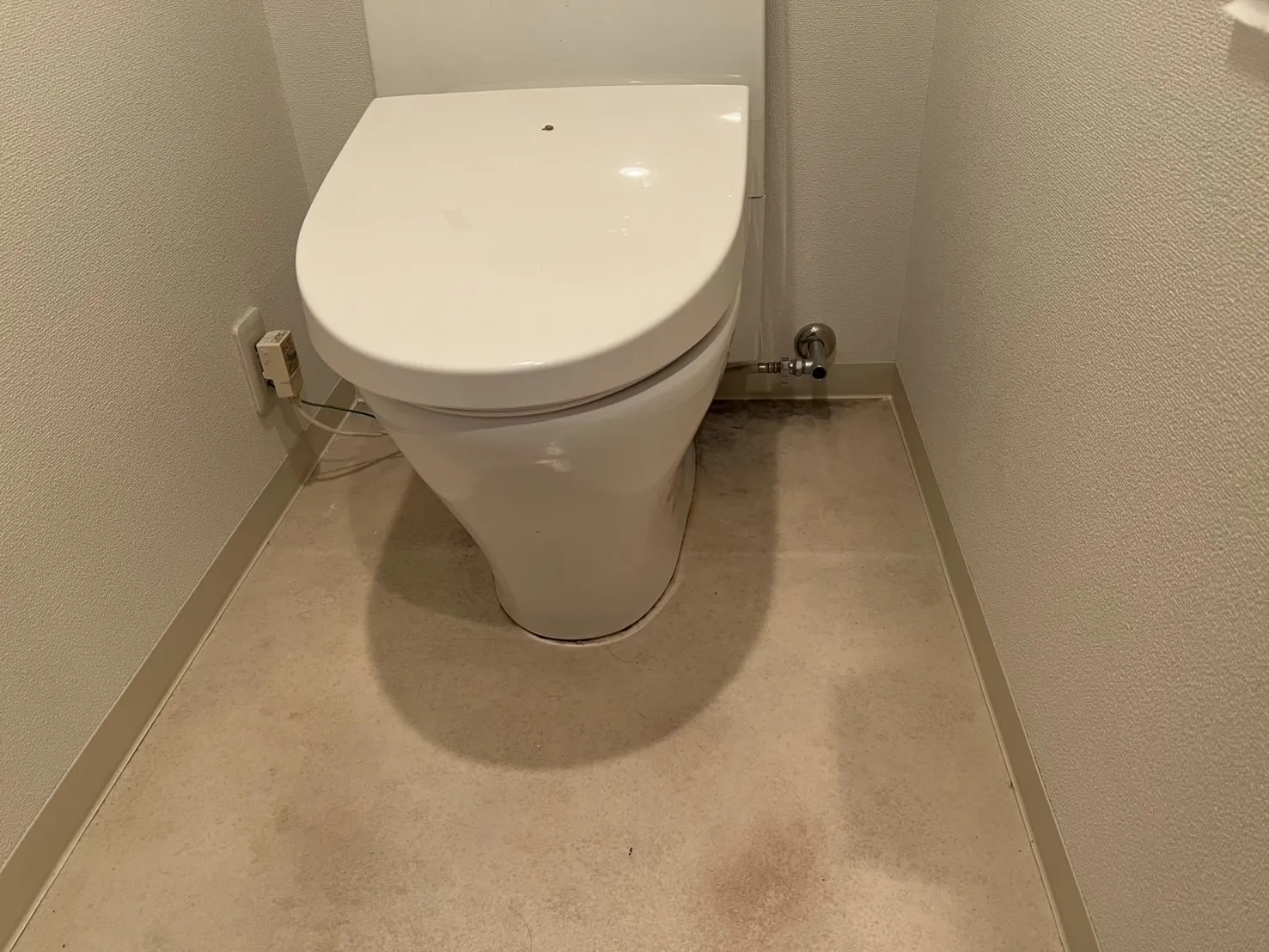
The floor and walls of the toilet often accumulate unseen splashes of urine and hand grime, making them hot spots for mold. Wall coverings (especially wallpaper) and vinyl flooring are particularly susceptible to moisture. To clean these areas, use a mild detergent or alcohol-based disinfectant on a soft cloth, wiping gently to avoid damaging the material.
The outer surface of the tank can collect condensation, which contributes to mold growth. Wipe it down regularly and dry it thoroughly. You can also disinfect it with wipes after cleaning. For the inside of the tank, adding a diluted bleach solution and flushing it a few times can kill bacteria and prevent mold buildup.
The nozzle of the bidet or washlet is another key area where mold and slime often accumulate. Even if the unit has a self-cleaning function, manual cleaning every couple of weeks is recommended. Use a cotton swab dipped in a diluted neutral cleaner to gently wipe the nozzle, and avoid harsh chemicals that could damage the parts.
By consistently maintaining each area of the toilet, you can keep the entire space clean and free of mold.
3. Easy DIY Mold Removal Techniques
Mold in the toilet doesn’t always require professional help. With the right approach and a few household items, you can effectively eliminate mold on your own. In this section, we’ll introduce safe and simple methods using natural ingredients like baking soda and citric acid, as well as tips for using commercial cleaners properly.
3-1. Natural Cleaning with Baking Soda and Citric Acid
For those who prefer to avoid harsh chemicals, a combination of baking soda and citric acid offers an eco-friendly and effective way to clean mold. Baking soda is mildly alkaline and helps break down grime and mold nutrients, while citric acid is slightly acidic and works well on water stains and bacteria.
To use, sprinkle baking soda directly onto the moldy area. Then spray it with a solution of citric acid (mix one teaspoon of citric acid with 200ml of water). The mixture will fizz as it reacts, helping to lift mold and dirt from the surface. Let it sit for 10–20 minutes, then scrub gently with a sponge or brush. Rinse thoroughly with water.
This method is especially useful for regular maintenance and is safe for households with small children or pets. However, it may not be effective against deeply embedded or long-standing black mold.
3-2. When to Use Chlorine-Based or Acidic Cleaners Safely
For stubborn mold that natural methods can’t handle, commercial cleaning products are often necessary. Black mold responds well to chlorine-based bleach cleaners, while acidic cleaners are best for removing urine stains and mineral buildup.
Chlorine bleach has strong disinfecting and whitening properties. Spray it directly on moldy areas like the toilet rim or rubber seals and let it sit for 15–30 minutes before rinsing. For added effect, use paper towels soaked in bleach and seal them with plastic wrap to increase contact time.
Acidic cleaners, on the other hand, are excellent for tackling urine scale and hard water stains—especially in the tank or under the rim. However, it’s crucial never to mix bleach with acidic products, as this combination creates toxic chlorine gas, which is extremely dangerous.
Always rinse thoroughly between using different types of cleaners, ensure good ventilation, and wear gloves and a mask for protection.
4. Pro-Level Emergency Care for Stubborn Mold
When mold has been left untreated for a long time, it can become deeply embedded in surfaces, making it difficult to remove with ordinary cleaning. In such cases, applying professional-level cleaning techniques at home can significantly improve the results. This section introduces two powerful methods for tackling stubborn mold effectively.
4-1. How to Use Plastic Wrap for Deep Cleaning
Mold often grows below the surface, especially in porous or damp areas like toilet bowl rims or silicone seals. Simply spraying cleaner on the surface may not be enough. A highly effective method is the “plastic wrap pack.”
Start by spraying a chlorine-based mold remover generously onto the moldy area. Then place a piece of kitchen paper or tissue over it, and cover that with plastic wrap. This setup prevents the cleaner from drying too quickly and helps it penetrate deep into the mold’s roots. Let it sit for 30 minutes to 1 hour.
After the waiting period, remove the wrap and paper, scrub gently with a brush or sponge, and rinse thoroughly. This technique works especially well for areas like under the toilet rim, around rubber seals, and on condensation-stained tank surfaces.
4-2. Combining Acidic Cleaners for Hard Water Stains
Mold often grows alongside other types of grime such as urine scale and mineral deposits, which create an ideal environment for mold spores to thrive. In these cases, using a combination of cleaners—separately and carefully—can be very effective.
Start by using an acidic cleaner to remove scale and mineral buildup. After thoroughly rinsing and drying the area, apply a chlorine-based mold remover to eliminate mold. Using these cleaners in sequence maximizes their effectiveness.
Never mix the two directly, as this can create dangerous chemical reactions. Always rinse completely between applications and dry the area before proceeding to the next step.
For tight or hard-to-reach spots, use cotton swabs or an old toothbrush to target mold directly and avoid damaging delicate surfaces.
5. Full-Scale Measures When DIY Doesn’t Work
If mold persists despite regular cleaning and DIY methods, it’s time to consider more powerful treatments. In this section, we’ll explore how to use strong chemical cleaners effectively and when it’s best to call in professional mold removal services for a permanent solution.
5-1. How to Use Bleach Safely and Effectively
Chlorine bleach is one of the strongest and most effective tools for killing black mold, especially when it has deeply penetrated surfaces like toilet rims, silicone caulking, or tiles. Unlike regular toilet cleaners, concentrated bleach solutions provide a high level of disinfection and whitening power.
To use, apply undiluted bleach directly to the moldy area. For stubborn spots, soak toilet paper in bleach and place it over the affected area, then cover it with plastic wrap. Leave it for at least 30 minutes—up to an hour for best results.
After soaking, remove the wrap and paper, scrub gently, and rinse thoroughly with water. This method works well on porcelain surfaces, rubber seals, and around toilet hinges.
Important safety tips:
・Always wear rubber gloves and a mask.
・Ensure proper ventilation by turning on the fan or opening a window.
・Avoid contact with colored fabrics or surfaces that may bleach or discolor.
Use this method sparingly—once every few months—since overuse can degrade materials like rubber or plastic.
5-2. When to Call in Professional Mold Removal Services
If mold keeps coming back despite your best efforts, or if you detect a musty smell coming from behind walls or inside the toilet tank, it may be time to consult a professional. DIY solutions are often limited to surface-level cleaning, whereas pros can address the root cause.
Consider hiring a professional in the following cases:
・Mold has spread under wallpaper, flooring, or structural materials.
・A persistent odor suggests hidden mold growth.
・Family members experience allergy symptoms or respiratory issues.
・The affected area is too large or difficult to reach safely.
Professional mold removal services use industrial-grade disinfectants, moisture control systems, and advanced equipment to remove mold at its source. Many also offer preventative treatments to stop future growth and preserve air quality.
While the cost is higher than DIY methods, the long-term results, safety, and peace of mind make it a worthwhile investment—especially for bathrooms and toilets prone to chronic humidity.
6. Daily Habits to Prevent Mold Regrowth
Even after thoroughly removing mold, it can return quickly if preventative steps aren’t taken. Toilets are naturally humid spaces, making them susceptible to mold if left unchecked. By incorporating a few simple habits into your daily routine, you can keep your toilet clean and mold-free in the long run. In this section, we’ll cover easy maintenance routines and handy tools to stop mold before it starts.
6-1. Daily Ventilation, Cleaning, and Drying Routines
Controlling moisture is key to preventing mold. After using the toilet, always run the exhaust fan or open a window to let humidity escape. Ideally, ventilate at least twice a day—once in the morning and once at night—to circulate fresh air.
Spilled urine and splashes on the floor can become mold food sources, even if they aren’t visible. Wiping surfaces daily with a disposable toilet wipe or a damp cloth helps keep them clean. Pay special attention to the toilet seat, floor, and around the base.
To prevent moisture buildup, wipe down any condensation that forms on the toilet tank or walls. Use a dry cloth to remove water droplets before they soak into materials. These small efforts can go a long way in maintaining a fresh, mold-free space.
6-2. Dehumidifiers and Mold-Prevention Sprays
Several handy products are available to help control humidity and prevent mold. One of the most effective is a toilet-specific dehumidifier, which can be placed behind the tank or on a shelf. These absorb excess moisture in the air, particularly useful during rainy seasons or winter when condensation increases.
Mold-prevention sprays are also helpful. After cleaning, apply them to the walls, floor, and around the toilet base to create an antimicrobial barrier. Some sprays offer additional deodorizing benefits, keeping the space fresh as well as mold-free.
Don’t forget about toilet accessories such as mats, covers, and slippers. These items can trap moisture and harbor mold, so it’s important to wash and dry them regularly—ideally once a week.
With just a bit of consistency and the right tools, you can make your toilet a place where mold doesn’t stand a chance.
7. Special Care for Toilet Tanks and Nozzles
Some of the most mold-prone areas in a toilet are the ones we can't see: inside the tank and on the washlet or bidet nozzle. These parts are constantly exposed to water and moisture, creating a hidden haven for mold and bacteria. Regular maintenance of these components is essential not only for hygiene but also for preventing odors and preserving the lifespan of your toilet equipment.
7-1. How to Clean Inside the Tank Safely
The inside of a toilet tank is often overlooked, but over time, mold, slime, and mineral deposits can accumulate there. These buildups can lead to unpleasant smells and even affect the flushing mechanism.
To clean the tank:
1.Turn off the water supply (usually via the shut-off valve).
2.Flush the toilet to empty the tank.
3.Pour a chlorine bleach solution into the tank and let it sit for 1–2 hours. Use diluted bleach to avoid damaging rubber parts.
4.Scrub gently with a soft brush or sponge if needed.
5.Turn the water back on and flush several times to rinse out the bleach thoroughly.
Do not use harsh scrubbers or undiluted chemicals directly on metal or plastic parts, as this may cause corrosion or degradation. Cleaning the tank 2–3 times a year can significantly reduce mold growth and keep the toilet functioning properly.
7-2. Proper Way to Clean Washlet Nozzles
Washlet and bidet nozzles are another commonly ignored area prone to mold and bacterial buildup. Since these parts are frequently exposed to water and may not dry completely, they can harbor microorganisms if not cleaned regularly.
Most modern washlets have a “nozzle cleaning” button or self-cleaning function, but manual cleaning is still necessary every 1–2 weeks. To do this:
・Use the remote or panel to extend the nozzle.
・Wipe it gently with a soft cloth or cotton swab soaked in diluted neutral detergent.
・Avoid using alcohol or bleach, which can damage the nozzle’s surface or electronics.
・Dry thoroughly with a clean cloth to prevent moisture from lingering.
Also clean the nozzle housing (where the nozzle retracts) since mold can hide in this area. Regular maintenance not only ensures cleanliness but also extends the life of the device and improves hygiene.
8. Overlooked Mold Prevention for Vents, Windows, and Doors
When tackling toilet mold, people often focus only on visible surfaces like the bowl or floor, forgetting that hidden spots such as exhaust vents, windows, and door frames also play a major role. If these areas accumulate mold, spores can circulate in the air and recontaminate cleaned surfaces. This section highlights how to properly clean and maintain these overlooked areas to keep mold at bay.
8-1. Boosting Ventilation with Maintenance Tips
Exhaust fans in the toilet help remove humidity and odors, but if they become clogged with dust and mold, their performance drops significantly—even if they seem to be running fine. Dirty vents trap moisture, which encourages mold to grow both inside the fan and throughout the room.
Clean the fan every 1–2 months by removing the cover and using a vacuum or soft brush to remove dust. If the parts are detachable, soak them in a mild detergent solution and scrub gently with a toothbrush. Be sure to let all parts dry completely before reassembling.
Additionally, keep the fan running for 10–15 minutes after using the toilet. This extended ventilation helps remove lingering moisture and prevents condensation buildup on walls and ceilings. If your fan doesn’t have a timer, consider manually leaving it on or installing a humidity-sensing switch.
8-2. Condensation and Window Frame Mold Prevention
If your toilet has a window, it can both help and harm depending on how it's maintained. In colder seasons, warm indoor air hitting a cold window surface causes condensation. This moisture settles on the glass and window frames, especially around rubber seals and wooden trims—ideal spots for mold growth.
To prevent this, regularly wipe condensation with a dry cloth, especially in the morning. Installing anti-condensation film can help regulate the temperature on the glass and reduce moisture. Periodically spray mold-prevention spray along the window seals and corners to stop spores from settling.
As for doors, mold often forms near the bottom edge where water tends to drip or pool. Rubber seals or wooden door panels can absorb moisture and develop black stains if neglected. Make it a habit to wipe the bottom of the door and surrounding frame during routine cleaning. You can also apply disinfectant spray to keep these areas clean and resistant to mold.
Paying attention to these small but impactful areas will drastically reduce the chance of mold returning and help maintain a consistently clean toilet space.
9. Mold Countermeasures by Toilet Material
Toilets are made from a variety of materials, each with different vulnerabilities to mold. Using the wrong cleaner or method on a specific surface can lead to discoloration or damage, even if the mold is removed. This section outlines mold prevention and cleaning techniques tailored to common toilet materials.
9-1. Tips for Tile, Wooden, and Wallpapered Surfaces
Wallpaper (Vinyl Wall Coverings): Though vinyl wallpaper appears easy to clean, it has tiny grooves that trap dust and moisture—ideal for mold. Use a soft cloth dampened with neutral detergent or an alcohol-based disinfectant to gently wipe the surface. Avoid excessive pressure to prevent tearing.
Wooden Materials (Flooring, Cabinets, Shelves): Wood is especially vulnerable to moisture. Once mold takes hold, it can penetrate deep into the grain. Use a diluted baking soda solution to gently wipe the surface, followed by thorough drying. Avoid using bleach or acidic cleaners, which may discolor or weaken the wood.
Tiles and Porcelain (Floors, Bowls): These are durable and moisture-resistant, making them easier to clean. However, mold tends to grow in grout lines and textured surfaces. Use a chlorine-based cleaner on visible mold and scrub with a brush after letting it sit for a few minutes. Acidic cleaners may also be used for hard water stains but should not contact metal fixtures to avoid corrosion.
9-2. Choosing the Right Cleaner for Each Material
Selecting the appropriate cleaner for each material helps preserve the surface while effectively removing mold. Here’s a quick guide:
Wallpaper/Wood: Use neutral detergents, baking soda solutions, or mild alcohol sprays.
Tiles/Porcelain: Safe to use chlorine-based or acidic cleaners (avoid mixing them).
Metal Fixtures: Use only neutral or alkaline cleaners—acidic products can cause rust.
Regardless of material, it’s essential to rinse thoroughly after using any cleaner. Residual chemicals can serve as nutrients for mold or cause long-term damage to surfaces. Always dry the area completely with a clean cloth after cleaning to prevent new mold from forming.
Tailoring your cleaning method to each surface keeps your toilet not only mold-free but also looking great for the long haul.
10. Health and Safety Precautions Against Mold
Toilet mold isn’t just an aesthetic issue—it can impact your health and safety. Exposure to mold spores can trigger allergic reactions, respiratory issues, or worsen existing conditions, especially in sensitive individuals. Additionally, using the wrong combination of cleaning chemicals can be hazardous. This section explains how to safely clean mold and protect your household, particularly if children or elderly people are present.
10-1. Dangers of Mixing Cleaning Chemicals and How to Stay Safe
One of the most critical safety concerns during toilet cleaning is the potential release of toxic gas when certain cleaners are mixed. Combining chlorine bleach with acidic cleaners (like vinegar or toilet descalers) can produce chlorine gas, a highly toxic substance that can cause eye and throat irritation, dizziness, or even respiratory distress.
To prevent this:
・Never mix cleaning products.
・After using one type of cleaner, rinse thoroughly with water and allow the area to dry before applying another.
・Always follow label instructions and heed any “Do Not Mix” warnings.
・Wear protective gear such as gloves, a mask, and goggles, especially when using strong chemicals.
・Keep windows open or fans running during and after cleaning to ventilate the area.
Even using a single cleaner improperly can be dangerous, so extra care is always advised.
10-2. Special Care in Homes with Children or Elderly Individuals
Young children and elderly family members are more vulnerable to mold exposure and chemical irritation. Their respiratory systems may react more strongly to mold spores or residual cleaning agents.
To ensure their safety:
・Use mild, non-toxic, fragrance-free, or pH-neutral products wherever possible.
・Avoid allowing them into the toilet area until it has been completely cleaned and ventilated.
・Store all cleaning supplies in a locked cabinet or high shelf, out of reach of children.
・Clearly label all containers, and never transfer cleaners into unlabeled or food-grade bottles.
Even natural cleaning agents like vinegar or baking soda, while safer, should be used with proper storage and labeling. After each cleaning session, double-check that the area is safe, dry, and free of chemical residues before use.
By staying informed and cautious, you can maintain a clean toilet without compromising your family’s health and safety.
For Mold Removal and Renovation, Trust Kabi Busters Osaka and Kabi Removal Reform Tokyo & Nagoya
If you're struggling with persistent toilet mold, or if mold keeps returning no matter how often you clean, it may be time to seek expert help. Our professional teams at Kabi Busters Osaka and Kabi Removal Reform Tokyo & Nagoya are ready to assist you.
We are Taikou Kensou Co., Ltd., a specialized company that provides both mold removal and renovation services in one comprehensive solution. Using our proprietary MIST Method®, we eliminate mold deeply and thoroughly without scrubbing, scraping, or damaging surfaces. This method is effective even against deep-rooted mold and is safe for use in environments with children, the elderly, or people with allergies.
Unlike conventional mold removal services, we don’t just stop at cleaning—we also repair and renovate areas damaged by mold. Whether it's replacing wallpaper, repairing water-damaged flooring, or upgrading toilet and bathroom equipment, we handle everything from start to finish. Our strength lies in being able to provide a seamless experience that removes mold and restores comfort and aesthetics to your space all at once.
About Taikou Kensou's Renovation Services
Taikou Kensou Co., Ltd. is not just a mold removal expert—we are also a highly experienced general renovation contractor. Our remodeling services are designed to enhance the functionality, appearance, and longevity of both residential and commercial spaces. We handle:
Water-related renovations (toilets, bathrooms, kitchens)
Interior remodeling (flooring, walls, ceilings)
Barrier-free adaptations for elderly care
Anti-mold and antibacterial renovations using specialized materials
Renovations with built-in moisture and condensation control features
By integrating mold removal and remodeling into one service, we help customers save time, reduce costs, and prevent mold recurrence through strategic material selection and modern design.
Whether you're dealing with mold damage or looking to modernize your toilet space while ensuring long-term cleanliness and safety, Taikou Kensou has the tools, expertise, and dedication to deliver exceptional results.
Don't wait until mold becomes a serious health or structural problem—contact Kabi Busters Osaka or Kabi Removal Reform Tokyo & Nagoya today and let us transform your space into a cleaner, safer, and more beautiful environment.
---------------------------------------------------------------------
カビ取リフォーム
東京営業所
〒141-0022
東京都品川区東五反田2-5-2 YHE CASK GOTANDA6階
電話番号:090-8321-4408
名古屋本社
〒465-0028
愛知県名古屋市名東区猪高台1-1301 タイコウビル1F
電話番号 : 0120-588-766
サイト:https://taikou-kensou.co.jp/
大阪営業所
〒532-0003
大阪府大阪市淀川区宮原1-19-23
電話番号:080-6978-3068
カビバスターズ大阪
https://kabibusters-osaka.com/
【検査機関】
一般社団法人微生物対策協会
https://kabikensa.com/
----------------------------------------------------------------------