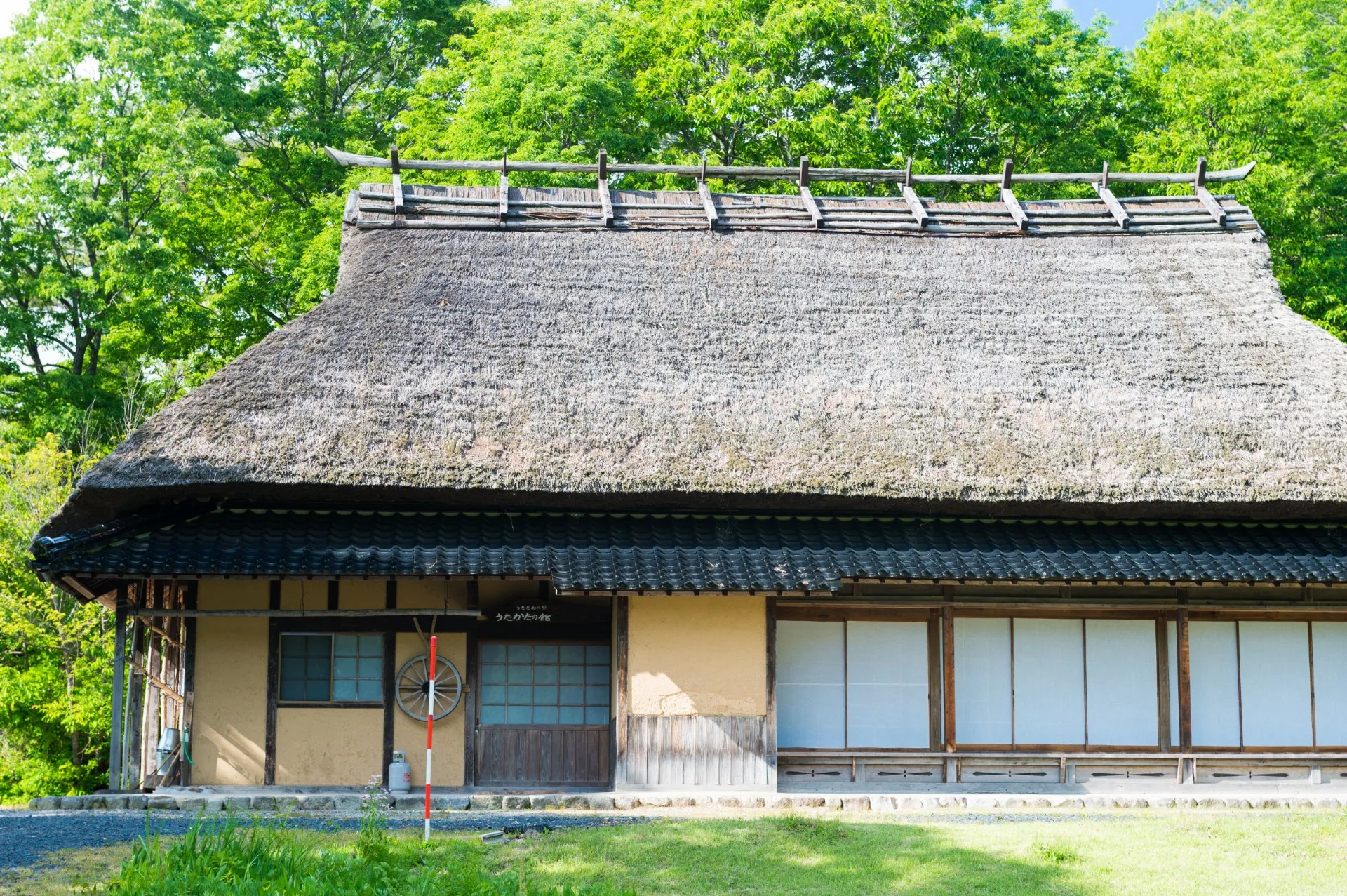
Must-Read for Vacation Home Owners! Your Complete Mold Prevention Guide
2025/07/18
While vacation homes offer peace and tranquility, their infrequent use often traps moisture, making them highly prone to mold. Left unchecked, this mold can lead to serious health issues and damage to the property.
This article reveals why vacation homes are vulnerable to mold, how to prevent it with ventilation, dehumidification, and cleaning strategies, and how to use professional methods like the MIST Method® for lasting protection.
By learning and applying these 10 mold prevention techniques, you’ll keep your vacation home clean, healthy, and comfortable—ensuring peace of mind, even during long absences.

1. Why Mold Grows Easily in Vacation Homes
Vacation homes, unlike primary residences, are often unoccupied for long periods and remain closed up most of the time. This leads to poor air circulation and a buildup of humidity—perfect conditions for mold growth. Especially in nature-rich areas, the high humidity of the surrounding environment further contributes to the risk. Without proper ventilation and moisture control, mold can appear quickly and spread unnoticed.
1-1. The Relationship Between Closed Spaces and Rising Humidity
When vacation homes are left unused, doors and windows are typically kept shut, which traps air inside. Even a small amount of residual moisture can significantly raise indoor humidity levels. During the rainy season or in areas with naturally high humidity—such as mountains or lakesides—humidity levels can exceed 80%, creating an ideal environment for mold. If this level remains for several days, mold can begin to grow behind walls, on floors, and under furniture.
1-2. Risks of Infrequent Use
Since vacation homes are only used during weekends or holidays, regular cleaning and ventilation are often neglected. This allows mold to grow in hidden areas over time. Also, power is usually turned off, meaning no active air circulation. Leaks or condensation, even if minor, can go unnoticed and worsen over time, becoming a breeding ground for mold. Without frequent visits or inspections, these issues can lead to serious health and structural problems.
2. Health and Structural Impact of Mold
Mold is not just an eyesore—it can pose serious risks to both your health and your property. In a vacation home, where air circulation is limited, mold spores can remain suspended in the air, leading to undetected health issues or structural damage. Without regular inspection and prompt action, what starts as a minor issue can turn into a costly and hazardous problem.
2-1. Allergies and Respiratory Issues
Mold spores are microscopic and can easily be inhaled, especially in closed spaces. For individuals with asthma, allergies, children, or the elderly, exposure can trigger symptoms such as sneezing, coughing, itchy eyes, nasal congestion, or even severe respiratory distress. Prolonged exposure may weaken the immune system and exacerbate chronic conditions. This makes mold a hidden but serious health threat in unventilated environments.
2-2. Damage to Wood and Walls
Many materials used in interior construction—wood, wallpaper, and insulation—serve as nutrients for mold. Once mold starts growing, it can slowly break down these materials, leading to rot and degradation. Wood is particularly vulnerable; once mold penetrates the surface, internal decay begins. Though damage may be invisible at first, it can eventually result in peeling walls, warped floors, or even compromised structural integrity. Early detection and regular maintenance are key to preventing such costly damage.
3. How to Detect Early Signs of Mold
To prevent serious mold damage, it's crucial to recognize the warning signs before mold fully develops. Since vacation homes are often left unoccupied for extended periods, being able to identify subtle changes during visits or inspections can save time, money, and protect your health. Early detection allows for timely intervention and minimizes both structural damage and health risks.
3-1. Odor and Visual Clues
Mold often emits a distinctive musty or sour smell, which tends to linger even after ventilation. This odor may also cling to curtains, furniture, or bedding. Visually, mold can appear as black, green, or white spots on walls, ceilings, or window frames. Areas with poor air circulation, such as closets, bathrooms, or behind appliances, are particularly prone to early mold development. Regularly checking these areas can help catch mold in its earliest stages.
3-2. Using Humidity Meters and Sensors
Modern technology makes it easier to detect mold-prone conditions remotely. Humidity meters and smart air quality sensors can monitor conditions in real time and alert you if humidity levels rise above 60%—a threshold commonly associated with mold growth. These devices are especially useful for long-term absentee owners, allowing them to control the environment even from afar. Setting up such monitoring systems can provide peace of mind and prevent unexpected mold outbreaks.
4. Effective Ventilation and Dehumidification
Managing moisture is one of the most critical aspects of mold prevention in vacation homes. Since these properties are often left unoccupied for extended periods, maintaining good air circulation and keeping humidity at a safe level is essential. With the right tools and strategies, even uninhabited homes can remain mold-free and healthy.
4-1. Utilizing Air Conditioning and Dehumidifiers
Modern air conditioners often come with built-in dehumidifying functions, which can help regulate humidity even in your absence. Many models allow for scheduled operation or remote control via smartphone, making them ideal for vacation homes. Portable dehumidifiers are also highly effective, particularly in confined areas like closets and bathrooms. Choose models with auto shut-off features when the water tank is full to ensure safety during unattended operation. Strategically placing these devices and setting them to run periodically can significantly reduce the risk of mold.
4-2. Proper Ventilation Timing and Techniques
Whenever visiting your vacation home, start by opening all windows to flush out stagnant air. This helps remove trapped humidity and airborne mold spores. Bathrooms and kitchens should have their exhaust fans run regularly—even when the house is unoccupied if connected to a timer or humidity sensor. Installing automated ventilation systems can further enhance airflow, especially in consistently damp areas. These systems ensure continuous air exchange, minimizing the chances of mold taking hold.
5. Mold Prevention Through Cleaning and Organization
Mold feeds not only on moisture but also on dust, dirt, and organic materials. Regular cleaning and proper organization are essential to creating an environment that discourages mold growth. By focusing on high-risk areas like bathrooms and under furniture, you can significantly reduce the chances of mold developing during your absence.
5-1. Thorough Cleaning of Wet Areas and Grease
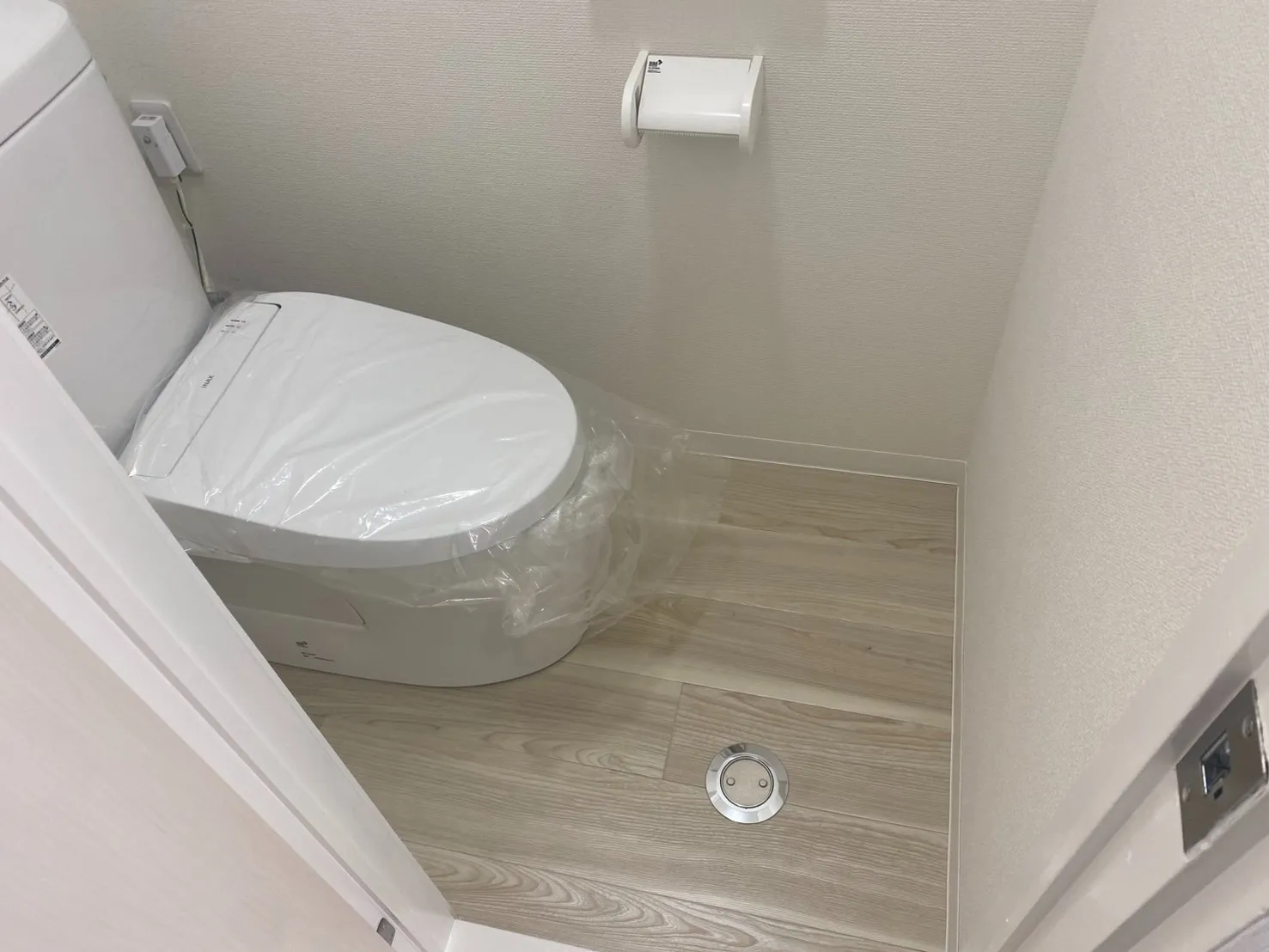
Bathrooms, kitchens, toilets, and laundry areas are particularly vulnerable to mold. Residual water, soap scum, and even skin oils can serve as nutrients for mold. After each use, ensure these areas are dried properly. At least once a week, clean with neutral detergents or alcohol to break down grime and moisture buildup. Don’t forget to wipe down areas that collect skin oils, like handrails and door handles—these are often overlooked but can harbor mold spores.
5-2. Removing Clutter to Improve Air Circulation
Vacation homes tend to accumulate unnecessary items like cardboard boxes, newspapers, and old fabrics—all of which absorb moisture easily. Regularly decluttering your storage spaces helps improve airflow and reduces the number of mold-friendly surfaces. Make sure to leave space between furniture and walls to enhance ventilation. Not only does this minimize mold risk, but it also creates a cleaner, more breathable indoor environment.
6. DIY Mold Removal Techniques
If mold growth is still in its early stages, it can often be safely removed using do-it-yourself methods. With the right products and techniques, you can restore cleanliness and prevent further spread—without the cost of hiring a professional. However, improper handling can damage surfaces or disperse spores, so it’s important to follow safe and effective procedures.
6-1. How to Use Store-Bought Mold Cleaners Safely
For minor mold issues, commercial mold removers—especially bathroom sprays—are often effective. These products are easy to use and can treat surfaces like tiles, grout, and glass. Always ensure good ventilation during use, and wear gloves and a mask to protect yourself. Let the product sit for the recommended time before thoroughly rinsing. Be cautious when using on wood, fabric, or delicate materials; check the label to confirm it's safe for your surface.
6-2. Safe Cleaning Methods and Cautions
Never scrub dry mold, as this can release spores into the air. Instead, dampen the area first to keep spores from becoming airborne. Use alcohol or a mild baking soda solution to gently wipe the affected area. After cleaning, make sure the surface dries completely, and ventilate the room thoroughly to prevent mold from returning. Even if the mold appears gone, continue monitoring the area—spores may still be present in the air and can regrow under favorable conditions.
7. When to Call a Professional for Mold Removal
If mold has spread extensively or penetrated deep into materials, DIY methods may no longer be effective. Attempting to handle such situations on your own can worsen the problem or even pose health risks. In these cases, hiring a professional mold removal service is the safest and most reliable solution.
7-1. Choosing the Right Mold Removal Service
Not all mold removal companies are equal. When selecting a service, look for one that clearly explains their removal method, the safety of the products they use, and how they prevent mold from returning. Check for experience, reviews, and whether they offer post-removal treatments like anti-mold coatings. A good provider will offer a detailed inspection, a transparent quote, and preventative measures tailored to your property’s needs.
7-2. What is the “MIST Method®”?
At “Kabibusters Osaka” and “Kabitoreform Tokyo & Nagoya,” we use the MIST Method®—a proprietary mold removal technique developed to eliminate mold at the microbial level without damaging materials. Unlike conventional scrubbing or scraping methods, MIST uses specialized agents that penetrate deeply to decompose mold and wash it away. It’s safe for sensitive materials like wood and wallpaper and is non-toxic for humans, making it ideal for homes with children or elderly residents. The process also includes a preventative treatment to stop mold from coming back, ensuring long-term protection.
8. Location-Specific Mold Prevention for Vacation Homes
Unlike urban residences, vacation homes are often located in nature-rich or climate-sensitive areas, meaning mold prevention strategies must be adapted to the specific environment. Humidity levels, seasonal changes, and regional weather patterns all influence how and where mold may develop.
8-1. Considerations for Hot and Humid Regions (e.g., Okinawa and Southern Japan)
In tropical or subtropical areas, high humidity persists year-round, with the rainy season and typhoons further increasing mold risk. In such climates, it’s essential to keep dehumidifiers or air conditioners running regularly, even when the home is unoccupied. Devices with humidity sensors or automatic timers are particularly effective. Install a hygrometer to monitor humidity levels—if they exceed 60%, take immediate action. Also, be diligent about cleaning drains and ventilation ducts in kitchens and bathrooms to prevent moisture buildup.
8-2. Winter Strategies for Mountain and Northern Regions
In cold or mountainous areas, large temperature differences between indoors and outdoors often lead to condensation, especially in winter. This moisture can collect on windows and walls, promoting mold growth. To combat this, install high-performance insulated windows and doors, and avoid using humidifiers unless absolutely necessary. Instead, rely on dehumidifiers and ventilation systems to maintain balance. Before leaving the property for the winter, make sure all anti-condensation measures are in place, including scheduled dehumidifier use and moisture-absorbing materials in key locations.
9. Maintenance Plans for Long-Term Absences
Vacation homes are often left unoccupied for months at a time, during which mold can silently develop. Without proper maintenance, these hidden issues can escalate into costly damage. To protect your property, it’s essential to have a reliable long-term maintenance strategy in place—especially when you're not around to monitor conditions yourself.
9-1. Utilizing Remote-Controlled Ventilation and Dehumidification
Thanks to advancements in smart home technology, you can now remotely control dehumidifiers and air conditioners from your smartphone. Wi-Fi-enabled devices or smart plugs allow you to maintain optimal humidity levels even when you're away. Some systems also include automated window controls and environmental sensors to monitor temperature and moisture. Once installed, these tools minimize manual intervention and provide consistent environmental control, reducing mold risk significantly.
9-2. Using Property Management or Inspection Services
If your vacation home is far away or you can’t visit frequently, hiring a local management company or inspection service can be a smart investment. These services typically include regular walkthroughs, cleaning, humidity checks, and prompt response to any anomalies. Professional inspections can catch problems early—before they become visible or damaging. While there is a cost involved, it often pales in comparison to the expenses required to repair mold-related structural damage, making this a valuable preventative measure.
10. Long-Term Mold Prevention Strategy
Even after mold has been removed, it can return if the underlying environmental conditions aren’t corrected. To maintain a clean and healthy space in your vacation home, you must eliminate the root causes—like excess moisture and poor airflow—and establish a routine of preventive care and monitoring.
10-1. Anti-Mold Coating and Ongoing Maintenance
After removing mold, applying an anti-mold treatment can greatly reduce the risk of recurrence. While temporary sprays are available in stores, professional-grade coatings can last several months to over a year. These are especially useful in high-humidity areas like bathrooms, kitchens, and closets. In addition, replacing vulnerable materials with moisture-resistant surfaces and using waterproof construction materials during renovations can further support long-term mold resistance.
10-2. Periodic Inspections and Environmental Monitoring
Routine inspections are essential to detect early signs of mold before they become serious. At a minimum, check your property before and after the rainy season or during winter when condensation is common. Installing hygrometers and air quality monitors allows for continuous oversight and enables you to react quickly to any environmental changes. Establishing this kind of monitoring routine ensures that your vacation home remains safe, clean, and ready to use whenever you visit.
Mold Removal & Renovation by Kabibusters Osaka, Kabitoreform Tokyo & Nagoya
If you're facing mold issues in your vacation home or residential property, Kabibusters Osaka and Kabitoreform Tokyo & Nagoya are here to help. Operated by Taikou Kensou Co., Ltd., we specialize in both advanced mold removal and comprehensive renovation services, offering a one-stop solution that ensures lasting cleanliness and comfort.
MIST Method® – Safe and Effective Mold Elimination
Our exclusive MIST Method® removes mold at the microbial level without damaging materials. Unlike traditional scrubbing or sanding, this technique uses specially formulated agents to decompose and wash away mold—ideal for sensitive surfaces like wood, wallpaper, and even historic structures. The agents are safe for human health, making them perfect for households with children or elderly individuals. As part of the process, we also apply an anti-mold treatment to prevent future outbreaks, offering long-term protection.
Renovation and Mold Control, All in One
What sets us apart is our ability to combine mold removal with full-scale renovation services. Whether you need improved ventilation, moisture-resistant materials, or structural repairs, we tailor every project to eliminate the source of mold and prevent its return. We don’t just remove mold—we transform the space to make it more livable, functional, and hygienic.
About Taikou Kensou Co., Ltd.
With decades of experience in the renovation industry, Taikou Kensou Co., Ltd. handles a wide range of projects—from private homes to commercial and medical facilities. Our renovation services include kitchen and bathroom upgrades, flooring, wall and ceiling remodeling, insulation, barrier-free designs, and health-conscious renovations with anti-mold and moisture control features. From inspection to completion, our in-house team provides detailed, high-quality work backed by expertise and care.
If you're looking for a long-lasting solution that addresses both mold and your living environment, trust Kabibusters Osaka and Kabitoreform Tokyo & Nagoya—your specialists in safe, effective, and integrated mold and renovation services.
---------------------------------------------------------------------
カビ取リフォーム
東京営業所
〒141-0022
東京都品川区東五反田2-5-2 YHE CASK GOTANDA6階
電話番号:090-8321-4408
名古屋本社
〒465-0028
愛知県名古屋市名東区猪高台1-1301 タイコウビル1F
電話番号 : 0120-588-766
サイト:https://taikou-kensou.co.jp/
大阪営業所
〒532-0003
大阪府大阪市淀川区宮原1-19-23
電話番号:080-6978-3068
カビバスターズ大阪
https://kabibusters-osaka.com/
【検査機関】
一般社団法人微生物対策協会
https://kabikensa.com/
----------------------------------------------------------------------