Boost Your Hotel Ratings: The Secret to Mold-Free Guest Rooms”
2025/07/13
Have you ever noticed a musty odor or mold in a hotel room? Just one poorly maintained room can damage your reputation and business.
This article explains why mold appears in hotels, how to prevent it, what to do in emergencies, and even highlights real-life success cases and investments.
Learn how to maintain clean and fresh hotel rooms, increase guest satisfaction, and enhance your hotel's trust and profitability.

1. Why Does Mold Appear in Hotels?
Even if a hotel room looks spotless at first glance, it can still be a prime environment for mold growth. Particularly in enclosed spaces with limited ventilation, such as bathrooms or unused guest rooms, mold can quietly proliferate. In this section, we’ll explain the main causes of mold in hotels and why it's more common than many assume.
1-1. The Relationship Between Temperature, Humidity, and Nutrients
Three key factors contribute to mold growth: temperature, humidity, and a food source. Hotel rooms are typically maintained at comfortable temperatures for guests—between 20°C and 30°C—which also happens to be an ideal range for mold. Humidity from showers, air conditioning, or humidifiers can easily raise the moisture level above 60%, rapidly accelerating mold development. As for food sources, mold can feed on dust, skin oils, shampoo residue, wallpaper glue, and even wood or fabric. When these three elements are present, mold can thrive unseen in any corner of the room.
1-2. Hidden Mold Hotspots in Guest Rooms
Mold often grows in places that are out of sight. Under beds, behind furniture, inside curtains, and around air conditioning vents are frequent problem areas. Air conditioners in particular can harbor internal mold that spreads spores whenever they're running. Additionally, moisture-prone areas like window seals and bathroom caulking often develop black mold if not maintained regularly. Even if surfaces appear clean, these hidden mold spots require attention to prevent unseen growth and preserve air quality.
2. Causes of Musty Odors and Invisible Mold Risks
Have you ever walked into a hotel room and noticed a subtle but unpleasant musty smell? Even if everything looks clean, the air can carry odors that affect the overall guest experience. These smells are often signs of hidden mold, which, if ignored, can lead to health concerns and guest dissatisfaction. In this section, we explore the causes of musty odors and the unseen risks of mold.
2-1. Mold Hiding in Unseen Areas
Musty odors are frequently caused by microbial volatile organic compounds (MVOCs) emitted by actively growing mold. These compounds are released during the mold’s metabolic processes and can be detected even in small quantities. Common hiding spots include inside walls, beneath floors, or within air conditioning units—areas not typically visible or accessible during regular inspections. Rooms that have been unoccupied for extended periods are especially prone to mold due to accumulated moisture and stagnant air.
2-2. Odors Absorbed in Fabric Items
Fabric materials such as bed linens, curtains, and sofas easily absorb moisture and can trap mold odors. Once moldy smells settle into these items, they become difficult to remove with surface cleaning alone and tend to return over time. Moreover, the smell may combine with other odors like body sweat or perfume, making it even harder to trace the exact source. While air purifiers or deodorizers can offer temporary relief, true resolution requires deep cleaning and mold-specific treatment to eliminate the root cause.
3. Mold Prevention in Bathrooms, Windows, and Air Conditioners
In hotels, bathrooms, windows, and air conditioners are the most common hotspots for mold growth. These areas naturally accumulate moisture, making them prime environments for mold to thrive. Regular cleaning alone isn’t always enough—targeted preventive measures are required. Here, we outline specific strategies to control mold in these key locations.
3-1. Care for Unit Baths and Shower Booths
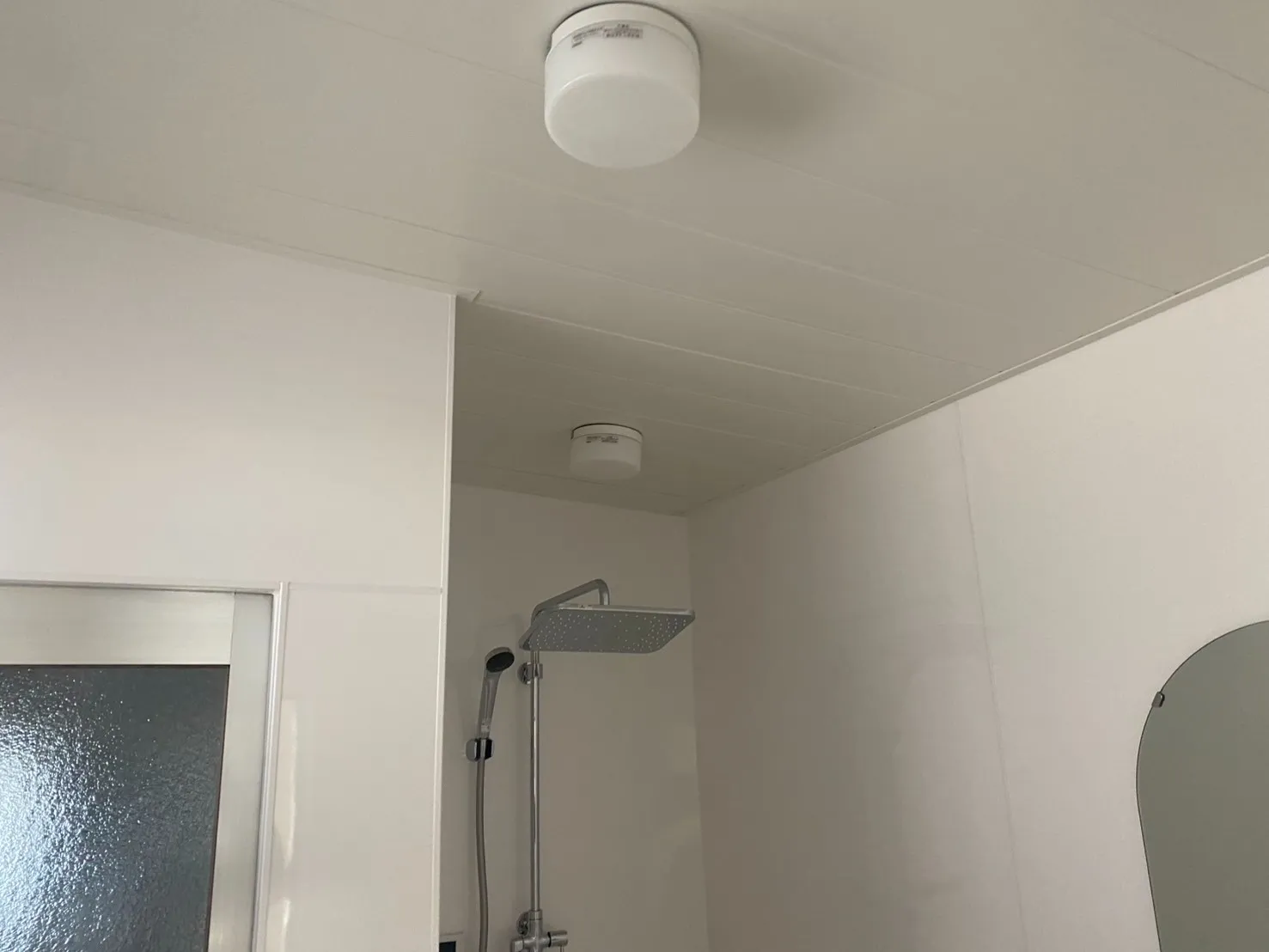
Bathrooms, especially unit baths and shower stalls, maintain high humidity levels, creating ideal mold-growing conditions. Soap scum, skin oils, and residual moisture in grout lines and silicone seals serve as food sources for mold. To prevent growth, daily practices such as proper ventilation and drying off surfaces are essential. However, for long-term control, monthly deep cleaning using anti-mold agents is recommended. Professional methods like the MIST Method® can remove deeply embedded mold without damaging surfaces, offering a safer and more effective solution than scrubbing or using harsh chemicals.
3-2. Window Frames, Seals, and Condensation Control
Windows are highly susceptible to condensation due to temperature differences between the inside and outside, especially during colder seasons. This moisture often collects in window tracks and on rubber seals, where black mold can form. Preventing condensation through insulation film, regular ventilation, and dehumidifier use is essential. Overuse of humidifiers should also be avoided in winter. When seals start to discolor or feel slimy, it’s a sign that professional mold treatment may be needed. Applying mold-resistant coatings can also help maintain long-term cleanliness and minimize future buildup.
4. Ventilation, Humidity Control, and Air Conditioning Solutions
To effectively prevent mold in hotel rooms, creating an environment that inhibits mold growth is crucial. Proper control of air circulation, humidity, and air conditioning systems is the foundation of a sustainable mold prevention strategy. These practices don’t just eliminate visible mold but also help stop it from returning.
4-1. How to Use Ventilation Systems and Air Conditioners Effectively
Poor ventilation allows moisture and contaminants to accumulate in the room, providing a breeding ground for mold. This is especially true during colder months or rainy seasons when windows stay closed. To combat this, ensure that the room's ventilation system is running continuously and that exhaust fans in bathrooms and toilets remain on. When using air conditioners, activate the dehumidifying (dry) mode, and periodically switch to fan mode to dry the internal components. Regular cleaning of air filters is also essential to prevent mold buildup inside the unit.
4-2. Using Dehumidifiers and Air Purifiers for Mold Control
During high-humidity seasons, dehumidifiers are highly effective tools. Keeping indoor humidity levels between 50–60% drastically reduces the risk of mold growth. Focused placement near windows or bathrooms can help target moisture-prone areas. Air purifiers, especially those equipped with HEPA filters, can capture airborne mold spores and reduce odors. Some modern units even include sterilization and deodorizing functions, making them ideal for enhancing both cleanliness and guest comfort.
5. Optimal Cleaning Procedures and Frequency
Effective mold prevention starts with consistent and thorough cleaning practices. However, simply cleaning every day is not enough—understanding where, how, and how often to clean is essential. In hotels where guests constantly come and go, the quality and consistency of cleaning directly impact mold prevention success.
5-1. Daily Cleaning Tips for Housekeeping Staff
One of the most important aspects of daily housekeeping is recognizing and targeting areas where moisture tends to accumulate. This includes air conditioner vents, bathroom sealant edges, window corners, and behind or beneath furniture and appliances. These often-overlooked spots must be wiped down with dry cloths and periodically treated with disinfectant. Additionally, linens and towels should never be left damp—immediate replacement and proper drying are key. Staff training should emphasize not only visible cleanliness but also an awareness of hidden moisture and potential mold risks.
5-2. Professional Periodic Maintenance
There are limits to what daily cleaning can achieve. Deep-seated mold, especially within HVAC systems, insulation, or wall cavities, requires professional intervention. Specialists use dedicated equipment and solutions to reach and eliminate mold at the root. They also apply long-lasting anti-mold coatings that prevent recurrence. Booking regular maintenance—once or twice per year—ensures your facility remains mold-free long term. This proactive approach reduces guest complaints and boosts your hotel's reputation, while also easing the burden on staff and lowering operating costs in the long run.
6. Emergency Actions When Musty Odors Are Detected
When a musty odor is detected in a hotel room, prompt and precise action is critical. Leaving the issue unresolved can lead to guest complaints, negative reviews, and damage to your brand reputation. In this section, we outline immediate steps to take when mold odors are present.
6-1. Identifying the Cause and Quick Fixes
The first priority is locating the source of the odor. Check common problem areas such as air conditioner vents, curtains, bathrooms, and under carpets. Focus on moisture-prone spots. If the source is found, apply alcohol-based cleaners or deodorizing sprays as a temporary solution and improve ventilation immediately. If the smell is strong or the source cannot be identified easily, contact a professional mold remediation service without delay. The sooner the cause is addressed, the better your chances of minimizing disruption and guest dissatisfaction.
6-2. Room Change and Prompt Guest Response
If the odor persists or the guest has already expressed discomfort, offer a room change immediately, along with a sincere apology. Promptly relocating the guest helps rebuild trust and demonstrates professionalism. For follow-up, document all details including the time of response, products used, and steps taken. This information helps in evaluating future risk and establishing preventive protocols. Sharing such incidents internally also prepares other staff members to respond swiftly in similar situations.
7. Investing in Anti-Mold Equipment and Materials
Temporary cleaning may resolve mold on the surface, but without addressing the root causes, the problem is likely to return. True mold prevention requires a long-term investment in both materials and technology. Upgrading to mold-resistant surfaces and installing modern air treatment systems can be a cost-effective strategy over time.
7-1. Mold-Resistant Coatings and Better Material Choices
For high-risk areas like bathroom joints and window frames, applying mold-resistant coatings is highly effective. These special treatments prevent mold spores from embedding into surfaces, reducing cleaning frequency and long-term damage. Additionally, replacing wallpaper, carpet, or furniture with mold-resistant materials can raise the overall hygiene standard of the room. In upscale or long-stay hotels, these improvements are key to creating lasting impressions and building guest loyalty.
7-2. Case Studies of New Equipment (e.g., HEPA, Ziaino)
A growing number of hotels are now installing high-performance devices to combat mold and air contamination. For instance, air purifiers equipped with HEPA filters can remove 99.97% of airborne particles, including mold spores. Another example is "Ziaino," a deodorizing and sterilizing system that uses hypochlorous acid to neutralize odors and disinfect the air—making it a powerful solution against musty environments. Though initial costs may be higher, the long-term benefits in guest satisfaction, reduced complaints, and property preservation often justify the investment.
8. Success Stories and Measurable Improvements
Many hotel managers wonder whether mold prevention efforts truly impact business. In reality, hotels that invest in mold control have seen clear improvements in guest satisfaction, online reviews, and repeat bookings. This section introduces real-world examples and data demonstrating how mold solutions yield tangible results.
8-1. Case Studies: Improved Reviews Through Mold Control
At a mid-sized city hotel, guests frequently complained about musty smells in rooms and bathrooms. The property averaged a review rating of 3.2 stars. After hiring a professional service to clean air conditioning units and bathrooms and applying anti-mold coatings, reviews began to mention improved air quality and cleanliness. Within three months, the hotel’s average rating rose to 3.8 stars, and monthly online bookings increased by 20%. This case clearly shows that mold control can significantly enhance the guest experience and boost reputation.
8-2. Routine Implementation and Cost Analysis
A business hotel chain implemented a mold management plan that included biannual professional maintenance and monthly internal inspections. As a result, mold-related complaints dropped by over 60% annually. This also led to reduced staff workload and a 15% decrease in operational costs. Although the initial investment was notable, the long-term cost savings and enhanced brand perception made it a high-ROI strategy. Regular mold prevention became a sustainable part of their quality control process.
9. Impact on Hotel Business: Reputation and Repeat Guests
The presence—or even the suspicion—of mold in a hotel can have a serious ripple effect on business performance. Mold not only affects comfort but also influences reviews, ratings, and guest loyalty. On the other hand, hotels that prioritize hygiene and mold prevention often see positive feedback and a stronger brand image. This section explores the broader business impact.
9-1. Link Between Mold and Negative Reviews
A quick look at review sites and social media reveals common complaints like “The room smelled musty” or “The bathroom had black mold.” These posts linger in search results and can deter new guests from booking. For international travelers especially, hygiene is a non-negotiable criterion. Mold complaints often lead to lower ratings, and rebuilding trust after a bad review can take significant time and resources. Proactive prevention is far more effective than reactive damage control.
9-2. ROI on Hygiene Enhancements and Guest Trust
Hotels that clearly promote their cleanliness policies and show visible mold prevention measures can boost guest trust. Properties that conduct regular mold control and publicize these efforts in booking platforms or on-site materials often receive comments like “I felt safe and comfortable” or “Definitely coming back.” Some hotels have reported 10–20% increases in repeat bookings after strengthening hygiene protocols. Even modest investments in mold control can lead to improved booking rates and higher average daily revenue, making it a smart business move with strong return on investment.
10. When to Call a Professional and How to Choose
While daily cleaning and deodorizing can address minor mold issues, some situations call for expert intervention. If mold is deeply embedded or recurs repeatedly, relying on professionals is the most effective and safe option. This section explains when to seek professional help and how to choose the right service provider.
10-1. Limits of In-House Cleaning and Contractor Selection Criteria
If the mold problem is widespread, the odor persists despite cleaning, or it appears in difficult-to-reach places like inside walls or air conditioning systems, it’s time to call in a specialist. Professionals have the tools and knowledge to remove mold at the root. When choosing a contractor, consider their treatment methods (especially safety and material-friendliness), experience, reviews, and whether they offer follow-up maintenance. Don't choose based on price alone—evaluate their responsiveness, warranty policies, and whether they tailor treatments to different environments.
10-2. The MIST Method® by KabiBusters Osaka and Kabi Reform Tokyo/Nagoya
Taiko Kensou Co., Ltd. offers expert mold removal services through KabiBusters Osaka and Kabi Reform Tokyo and Nagoya, using our proprietary MIST Method®. This technique safely penetrates materials to break down and eliminate mold without scrubbing or damaging surfaces. Our eco-friendly, human-safe solutions are ideal for hotels, where maintaining the appearance and integrity of materials is crucial. After removal, we also apply anti-mold treatments to prevent recurrence. With MIST Method®, we provide comprehensive solutions tailored to each facility—whether it’s a quick fix or a long-term hygiene upgrade.
Mold Removal and Prevention: Trust KabiBusters Osaka and Kabi Reform Tokyo/Nagoya
Mold issues in hotels, commercial facilities, and residences don't just affect aesthetics—they pose risks to health and the longevity of the building. That’s why Taiko Kensou Co., Ltd. offers expert mold solutions through our specialized brands: KabiBusters Osaka and Kabi Reform Tokyo/Nagoya.
We proudly utilize our proprietary MIST Method®, a non-invasive mold removal technology that thoroughly eliminates mold deep within materials without scrubbing or damaging surfaces. This method uses specially formulated, human-safe agents that are both powerful and gentle—ideal for spaces frequented by guests, families, and elderly individuals.
One of our key advantages is the ability to provide both mold removal and remodeling services in a single, seamless process. Whether a wall, bathroom, or flooring has been damaged due to mold, we can handle everything—from removal to full restoration—without needing to coordinate multiple contractors. This reduces costs, shortens downtime, and ensures a higher quality result.
About Taiko Kensou’s Remodeling Services
At Taiko Kensou, our remodeling business goes beyond surface-level fixes. We deliver renovations that combine aesthetic appeal, functionality, and long-term durability. From interior makeovers and bathroom/kitchen renovations to exterior upgrades and seismic reinforcements, we handle it all with precision.
Especially for mold-affected spaces, we provide integrated mold treatment and renovation services, restoring not just the appearance but also the safety and structural integrity of the space. Our team tailors solutions for hotels, homes, and historical buildings alike—enhancing value while ensuring long-lasting cleanliness and comfort.
If you’re facing persistent mold problems or planning a renovation that requires mold remediation, KabiBusters Osaka and Kabi Reform Tokyo/Nagoya are your trusted partners. Let us help you create safer, cleaner, and more beautiful spaces with our unique all-in-one service model.
---------------------------------------------------------------------
カビ取リフォーム
東京営業所
〒141-0022
東京都品川区東五反田2-5-2 YHE CASK GOTANDA6階
電話番号:090-8321-4408
名古屋本社
〒465-0028
愛知県名古屋市名東区猪高台1-1301 タイコウビル1F
電話番号 : 0120-588-766
サイト:https://taikou-kensou.co.jp/
大阪営業所
〒532-0003
大阪府大阪市淀川区宮原1-19-23
電話番号:080-6978-3068
カビバスターズ大阪
https://kabibusters-osaka.com/
【検査機関】
一般社団法人微生物対策協会
https://kabikensa.com/
----------------------------------------------------------------------