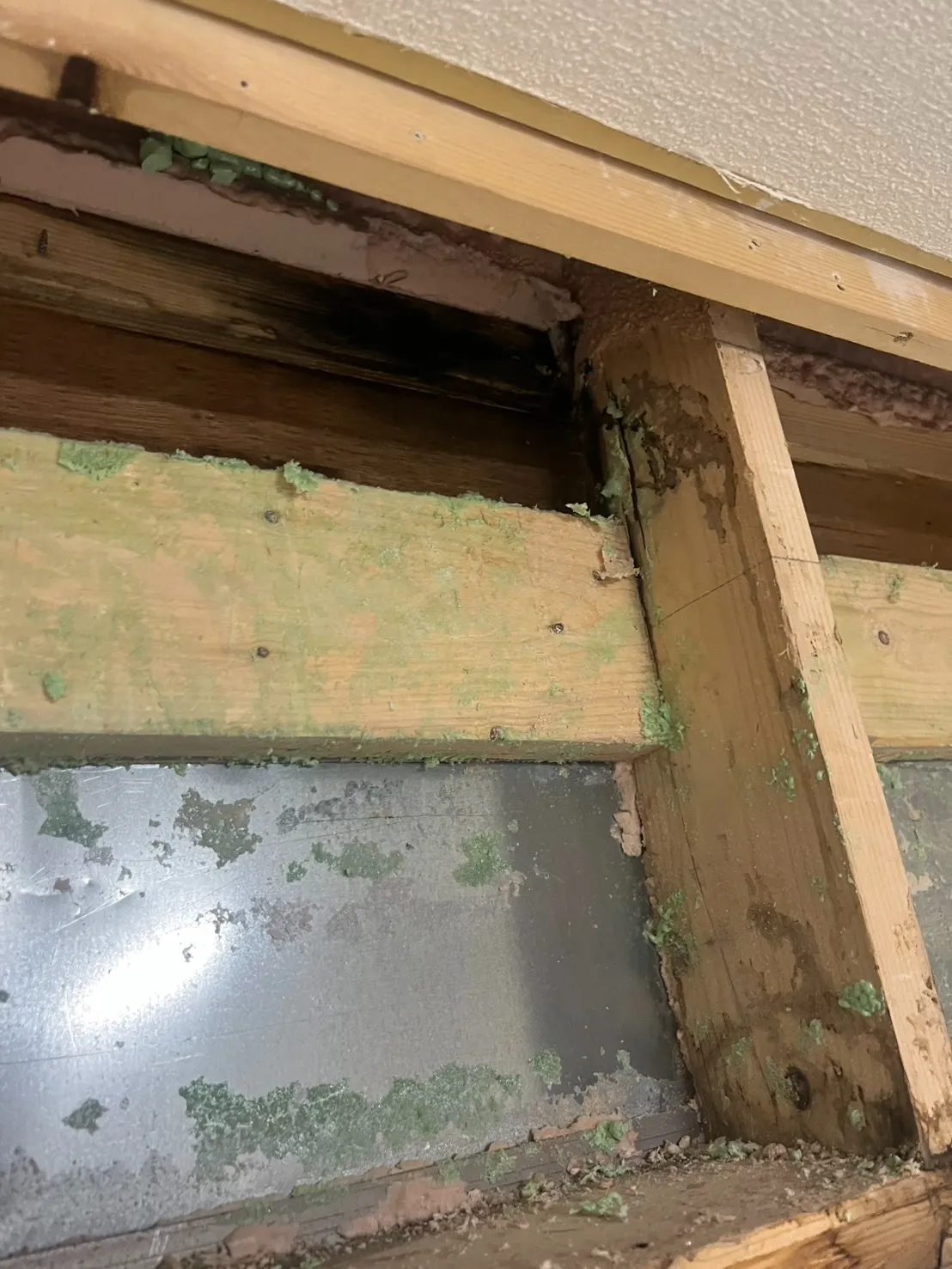
“Blue, Black, Yellow Mold? Here’s How to Tell Food Molds Apart Like a Pro”
2025/07/12
Mold on food not only looks unappetizing but also raises serious health concerns. To protect your family, knowing the facts is essential.
This article explains why mold appears, the types of mold commonly found on food, how to handle it safely, and how to prevent it at home or in food facilities.
You'll learn practical storage and cleaning methods to reduce mold-related risks and food waste. Discovering professional services like the MIST Method® adds even more peace of mind.
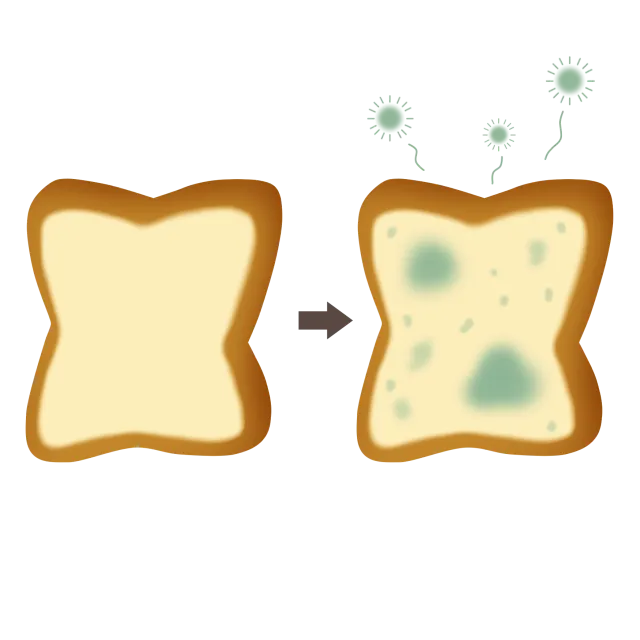
1. What Causes Mold to Grow on Food?
Mold growth on food is a common problem that can occur rapidly when certain environmental conditions are met. Particularly in warm and humid seasons, even a short lapse in proper storage can lead to visible mold. This section explains the key elements that trigger mold growth and how the risk varies depending on the type of food.
1-1. The Four Key Factors for Mold Growth (Temperature, Humidity, Nutrients, Oxygen)
Mold thrives when four conditions are present: warmth, moisture, nutrients, and oxygen. Mold grows best at temperatures between 20–30°C (68–86°F) and relative humidity above 60%. Since most foods contain proteins and sugars, they provide an ideal nutrient source. If the food is exposed to air, the oxygen completes the necessary conditions. Even when refrigerated, if food is not sealed properly or is already cooked, it may retain enough moisture and nutrients to allow mold to grow.
1-2. Risk Differences Based on Food Characteristics (Water Activity and Storage Type)
Some foods are more susceptible to mold than others. One key factor is "water activity" (aw value); foods with an aw of 0.85 or higher are particularly at risk. Items like bread, fruit, and prepared meals retain a lot of moisture, making them prime targets for mold. On the other hand, dry or high-sugar/salt foods are less prone to mold growth. Packaging also plays a crucial role—once opened, improper storage can cause mold to spread quickly. Adopting proper storage methods tailored to the food type is the first step in preventing mold.
2. Common Types of Mold Found on Food
Although mold on food may all look similar at first glance, different types have unique characteristics and potential health risks. Some are relatively harmless, while others can be toxic or allergenic. In this section, we’ll explain the most common types of mold that appear on food and how to identify them.
2-1. Penicillium (Blue Mold) & Cladosporium (Black Mold)
Penicillium is a well-known blue mold that commonly appears on bread, cheese, and fruits. It typically looks blue-green and has a musty odor. While some Penicillium strains are used in cheese production, most are signs of spoilage. Cladosporium, often referred to as black mold, appears as dark green to black spots and is frequently found on fruits, processed foods, and even refrigerator interiors. Inhaling its spores can cause allergic reactions or respiratory issues, so it’s important to handle it carefully.
2-2. Aspergillus (Yellow Mold) & Mucor (White or Gray Mold)
Aspergillus, also known as yellow mold, is frequently found on nuts and dried foods. Some species produce aflatoxins, highly toxic compounds with carcinogenic properties. These are difficult to detect visually, but may appear as yellow or yellowish-green spots. Mucor is a fluffy white-gray mold that often appears on bread and cooked dishes. While it may seem harmless, it can pose health risks—especially for those with weakened immune systems—so any food showing signs of Mucor should be discarded without hesitation.
3. Health Risks Posed by Mold on Food
Accidentally consuming moldy food can have negative effects on your health. The severity depends on the type of mold and the amount ingested. While some people may experience mild discomfort, others could face more serious consequences—especially children, the elderly, or individuals with compromised immune systems. This section outlines the major health risks, including mold toxins and common symptoms.
3-1. Mycotoxins (e.g., Aflatoxins) and Their Effects
Mycotoxins are toxic substances produced by certain molds, and they can be extremely dangerous. Among them, aflatoxins—commonly produced by some Aspergillus species—are recognized by the International Agency for Research on Cancer (IARC) as carcinogenic. These toxins are heat-resistant, so cooking or reheating won’t neutralize them. Long-term exposure to even small amounts can lead to liver or kidney damage, weakened immune function, and increased cancer risk. Imported nuts and dried goods are especially prone to contamination and should be stored and inspected carefully.
3-2. Allergies, Digestive Issues, and Potential Food Poisoning
Mold spores and their byproducts can trigger allergic reactions such as itchy eyes, sneezing, nasal congestion, or worsen asthma and skin conditions. If you eat moldy food, you may also experience nausea, stomach pain, or diarrhea—often caused by the mold’s metabolic byproducts. If symptoms occur after consuming suspicious food, it’s important to seek medical attention promptly. Those in high-risk groups should consider seeing a doctor even before symptoms develop, just to be safe.
4. What to Do When You Find Mold on Food – Disposal and Handling Guidelines
When mold is found on food, many people wonder, “Can I just cut off the moldy part and eat the rest?” Unfortunately, visible mold is often just the tip of the iceberg. Mold roots (hyphae) can penetrate deep into the food, especially in moist items. This section explains how to properly handle mold-contaminated food, and what to do if you’ve accidentally consumed it.
4-1. Guidelines for Disposal (Soft vs. Hard Foods like Cheese)
For most foods—especially moist ones like bread, fruit, or cooked meals—mold growth means the entire item should be discarded. Mold can spread below the surface, and toxins may have already formed. However, in the case of hard or dry foods like aged cheeses or salami, it may be safe to cut away at least 1 inch (2.5 cm) around and below the moldy area, as mold is less likely to spread internally. Even so, if there is any foul odor or discoloration, it’s best to err on the side of caution and throw it out.
4-2. What to Do If You've Eaten Moldy Food
If you accidentally eat a small amount of moldy food, it usually doesn't lead to serious health problems. However, if you notice symptoms like nausea, abdominal pain, or diarrhea afterward, seek medical attention promptly. For vulnerable individuals—children, seniors, pregnant women, or those with weakened immune systems—it’s wise to consult a doctor even if no symptoms appear. Regardless of the outcome, reviewing your food storage and handling habits can help prevent future incidents.
5. Mold Prevention Tips for Households
Preventing mold on food doesn’t require special tools—it’s all about everyday habits. Mold spreads quickly when the environment is right, especially during the rainy season or summer. However, by paying attention to how you store and clean, you can significantly reduce the risk. This section shares practical and effective prevention methods you can start using at home today.
5-1. Proper Use of Refrigeration, Freezing, Drying, and Oxygen Absorbers
Keeping food cold and dry is the most basic mold prevention strategy. Your refrigerator should stay below 4°C (39°F), and your freezer below -18°C (0°F). Moist, perishable foods should be consumed quickly or stored in airtight containers with oxygen absorbers or desiccants. Bread, snacks, and other items you don’t plan to finish right away can be portioned and frozen to extend their freshness and minimize mold risk. Keeping air exposure to a minimum is key to slowing down mold growth.
5-2. Cleaning and Disinfection Techniques (Alcohol, Hypochlorous Acid)
Your storage environment is just as important as the food itself. Regularly clean and disinfect your refrigerator shelves, pantry, and storage bins. Alcohol-based sprays or hypochlorous acid solutions work well for disinfection. Pay special attention to overlooked spots like door seals and corners where moisture can build up. Also, practice “first in, first out” when organizing groceries—use older items first to avoid spoilage and minimize mold exposure.
6. Industrial-Level Mold Prevention in Food Processing
In food factories and processing facilities, mold control is even more critical than at home. Even a small outbreak can lead to large-scale product recalls, reputational damage, or financial loss. This section explores the main mold prevention measures implemented in professional food environments and highlights innovative solutions used today.
6-1. Temperature and Humidity Control, Scheduled Cleaning
Controlling environmental factors like temperature and humidity is essential to mold prevention. Facilities install monitoring systems to ensure consistent conditions and take immediate action when thresholds are exceeded. Ventilation systems and air filters are also hotspots for mold, so regular cleaning and filter replacement are critical. Storage areas and production lines must be kept dry and clean, as excess moisture can quickly become a breeding ground for mold.
6-2. HACCP, Anti-Mold Agents, and Contamination Control
The adoption of HACCP (Hazard Analysis and Critical Control Points) is now mandatory in many countries and plays a key role in mold prevention. By identifying high-risk processes in advance, manufacturers can implement targeted control measures and maintain detailed records. In addition, the use of food-safe anti-mold agents and strict hygiene protocols—such as controlling contamination from workers’ shoes, gloves, or clothing—are crucial. Reviewing product flow and minimizing exposure to mold-prone environments can also significantly improve sanitation standards.
7. Safe Use of Mold and How to Tell It Apart
Not all mold is harmful—some types play a vital role in food production and are completely safe to eat. However, distinguishing between beneficial and dangerous mold can be difficult, especially when it appears unexpectedly at home. This section explains the differences and provides guidance on how to safely identify edible mold.
7-1. Edible Molds in Food Production (e.g., Cheese)
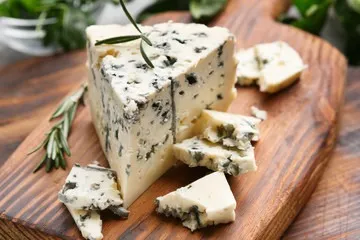
Certain molds are intentionally used in food manufacturing. For example, Penicillium roqueforti is used to create blue cheese, while Aspergillus oryzae is essential for making traditional Japanese products like miso, soy sauce, and amazake. These molds are cultivated under controlled conditions and have been proven safe over decades of use. They enhance flavor and texture and are considered food-grade. It’s important to remember that such molds are only safe when used intentionally by professionals under strict standards.
7-2. How to Distinguish Between Safe and Harmful Molds
Although they may look similar, any mold that appears naturally on food at home should be treated as unsafe. Unlike controlled production environments, household conditions allow for the growth of potentially toxic molds. Harmful molds often cause discoloration, emit foul odors, and spread internally. Even if only a small spot is visible, it may have already contaminated the entire item. When in doubt, it’s safest to discard the food completely instead of trying to salvage any part of it.
8. Foods Prone to Mold and Specific Prevention Methods
Some foods are more susceptible to mold than others due to their moisture content, sugar levels, or surface texture. Understanding which foods are at higher risk helps you take the right precautions to store and handle them properly. This section outlines common high-risk foods and how to prevent mold from forming.
8-1. Fruits, Bread, and High-Sugar Foods
Fruits are especially vulnerable to mold because of their high moisture content and soft skin, which can easily be damaged and allow mold spores to enter. It's best to consume them soon after purchase and store them in the refrigerator. Bread is another mold-prone item due to its moisture and carbohydrate content. It should be stored in airtight bags and, if not eaten quickly, frozen in portions. High-sugar foods like cakes and jams also attract mold, especially after opening. Keeping lids tightly sealed and storing them in cool environments is essential.
8-2. Dried Goods, Dairy Products, and Fermented Foods
Though they seem low-risk, dried foods like seaweed, dried mushrooms, and grains can develop mold if they absorb moisture from the air. Always use airtight containers and store them in cool, dry places. Dairy products such as cheese should be kept in their original packaging or wrapped in breathable paper to balance moisture and airflow. Fermented foods like miso or pickles can develop mold on the surface if not properly sealed. Wiping container rims and closing lids tightly after each use helps prevent contamination.
9. Professional Mold Removal Services
Even with careful prevention, mold can sometimes grow beyond your control—especially in food storage areas or commercial facilities. In such cases, relying on professional mold removal services is the safest and most effective solution. This section introduces the features and benefits of expert services like the MIST Method®, used by Kabibusters Osaka and Kabitore Reform in Tokyo and Nagoya.
9-1. What is the MIST Method®?
The MIST Method® is a proprietary mold removal technology developed to eliminate mold without damaging delicate surfaces. It customizes the concentration and application of specialized agents based on the type of mold and surface conditions. Unlike abrasive cleaning methods, this approach avoids scrubbing or scraping, making it ideal for materials like wood, paper, and fabric. The treatment uses a powerful mold-decomposing agent that is also safe for humans, making it suitable for use in facilities with children, elderly individuals, or sensitive environments.
9-2. Benefits and Costs for Homes and Food Factories
Using the MIST Method® in homes or food factories provides deep-rooted mold elimination and long-term prevention through follow-up anti-mold treatments. The misted solution penetrates the material’s surface and eradicates mold spores hidden inside. It also works against airborne mold, improving the safety of the surrounding environment. Costs vary depending on the area treated and the severity of the mold but are considered cost-effective, especially when combined with periodic maintenance. The service offers peace of mind for anyone looking to maintain a mold-free space long-term.
10. Frequently Asked Questions (FAQ)
Many people have concerns about mold on food—especially when it comes to deciding whether to keep or discard an item. Misjudging the situation can lead to serious health risks. This section addresses two of the most commonly asked questions, along with clear and practical answers.
10-1. “Is It Safe to Just Wipe Away Visible Mold?”
Unfortunately, no. What you see on the surface is often just a small part of the problem. Mold has root-like structures called hyphae that can extend deep into the food, especially in moist items. Even if you scrape or cut away the moldy area, invisible spores and toxins may still remain. For soft foods or anything with high moisture content, the safest option is to discard the entire item.
10-2. “Is Food Still Safe Near Its Expiration Date?”
The expiration date—or more accurately, the "best before" date—indicates when food is expected to taste its best, not when it becomes unsafe. Mold can still grow before this date if the food has been improperly stored. Opened packages, fluctuating temperatures, and high humidity can all accelerate spoilage. If the food looks, smells, or feels off in any way, it’s best not to take the risk—throw it out to avoid potential health issues.
Mold Removal & Home Renovation – Kabibusters Osaka, Kabitore Reform Tokyo & Nagoya
Whether at home or in a food facility, mold problems are not just about hygiene—they affect health, safety, and even your peace of mind. Simply removing visible mold is not enough to prevent future outbreaks. That’s why you can rely on the professional expertise of Kabibusters Osaka and Kabitore Reform Tokyo & Nagoya, operated by Taikou Kensou Co., Ltd.
Powerful & Safe: MIST Method® for Mold Removal
Our signature MIST Method® is a proprietary mold removal technology designed to eliminate mold at the root without damaging delicate materials. It adapts to the specific environment and surface—whether it’s wood, wallpaper, insulation, or textiles—and uses specially formulated agents that are both powerful and safe for people and pets. Unlike conventional methods, there’s no scrubbing or scraping, which protects the material’s original condition while thoroughly eliminating the mold. It’s especially trusted in households with children or elderly family members, as well as in sensitive food production environments.
One-Stop Service: Mold Removal + Renovation
What sets Taikou Kensou Co., Ltd. apart is our ability to provide mold removal and renovation in one seamless service. If mold has damaged your kitchen, bathroom, ceiling, or storage area, we don’t just clean it—we restore and improve the space with full renovation support. From removing mold in attics to replacing insulation, drywall, and ventilation systems, our all-in-one service ensures complete recovery and long-term prevention.
About Our Renovation Services
As a trusted construction and remodeling company, Taikou Kensou also offers a wide range of home and facility renovation services. We specialize in creating comfortable, mold-resistant living spaces, including:
Interior renovations: flooring, wallpaper, lighting, cabinetry
Bathroom, kitchen, and water system upgrades
Exterior work: waterproofing, painting, siding
Energy-efficient insulation and seismic retrofitting
Our team handles everything from initial inspections to post-renovation support—without relying on outside contractors. That means faster service, clearer communication, and better quality control. Whether you’re dealing with mold or planning a long-overdue renovation, we tailor our proposals to your needs, budget, and timeline.
If you’re facing mold problems or considering remodeling, contact Kabibusters Osaka or Kabitore Reform Tokyo & Nagoya today. With Taikou Kensou’s all-in-one expertise, you’ll regain a clean, safe, and comfortable space—mold-free and future-ready.
---------------------------------------------------------------------
カビ取リフォーム
東京営業所
〒141-0022
東京都品川区東五反田2-5-2 YHE CASK GOTANDA6階
電話番号:090-8321-4408
名古屋本社
〒465-0028
愛知県名古屋市名東区猪高台1-1301 タイコウビル1F
電話番号 : 0120-588-766
サイト:https://taikou-kensou.co.jp/
大阪営業所
〒532-0003
大阪府大阪市淀川区宮原1-19-23
電話番号:080-6978-3068
カビバスターズ大阪
https://kabibusters-osaka.com/
【検査機関】
一般社団法人微生物対策協会
https://kabikensa.com/
----------------------------------------------------------------------