“New to Japan? Here’s What Every Expat Needs to Know About Mold”
2025/07/09
apan’s high humidity and seasonal shifts create mold risks that can surprise expats, impacting health, living conditions, and even personal property.
This article outlines the specific risks of mold in Japan, daily and long-term prevention tips, and when professional help is necessary—with expert insights tailored for expats.
You’ll gain essential knowledge to avoid mold troubles in Japanese homes, protect your family’s well-being, and make informed decisions whether renting or owning property during your stay.

1. Japan’s Unique Climate and the Risk of Mold
One of the first surprises many expatriates encounter when living in Japan is the frequent occurrence of mold. Japan's humid climate, combined with its distinct four seasons, creates ideal conditions for mold growth—especially during the rainy season and hot, humid summers. These conditions, often unlike those found in Western countries, make mold a serious concern not just for property maintenance but also for personal health. Understanding how Japan’s weather contributes to mold problems is the first step in effective prevention.
1-1. Causes of Mold Growth: High Humidity and Seasonal Factors
Japan experiences long periods of high humidity, especially during the rainy season and summer, when humidity levels often exceed 80%. Mold thrives in environments with humidity above 60%, making Japanese homes particularly vulnerable. Spaces with poor ventilation such as bathrooms, kitchens, and closets are especially prone to mold buildup. Even in winter, mold can be an issue due to condensation caused by heating systems, which traps moisture on windows and within walls. Managing indoor humidity based on seasonal patterns is essential for mold control.
1-2. Differences from the West: Mold Issues That Surprise Expats
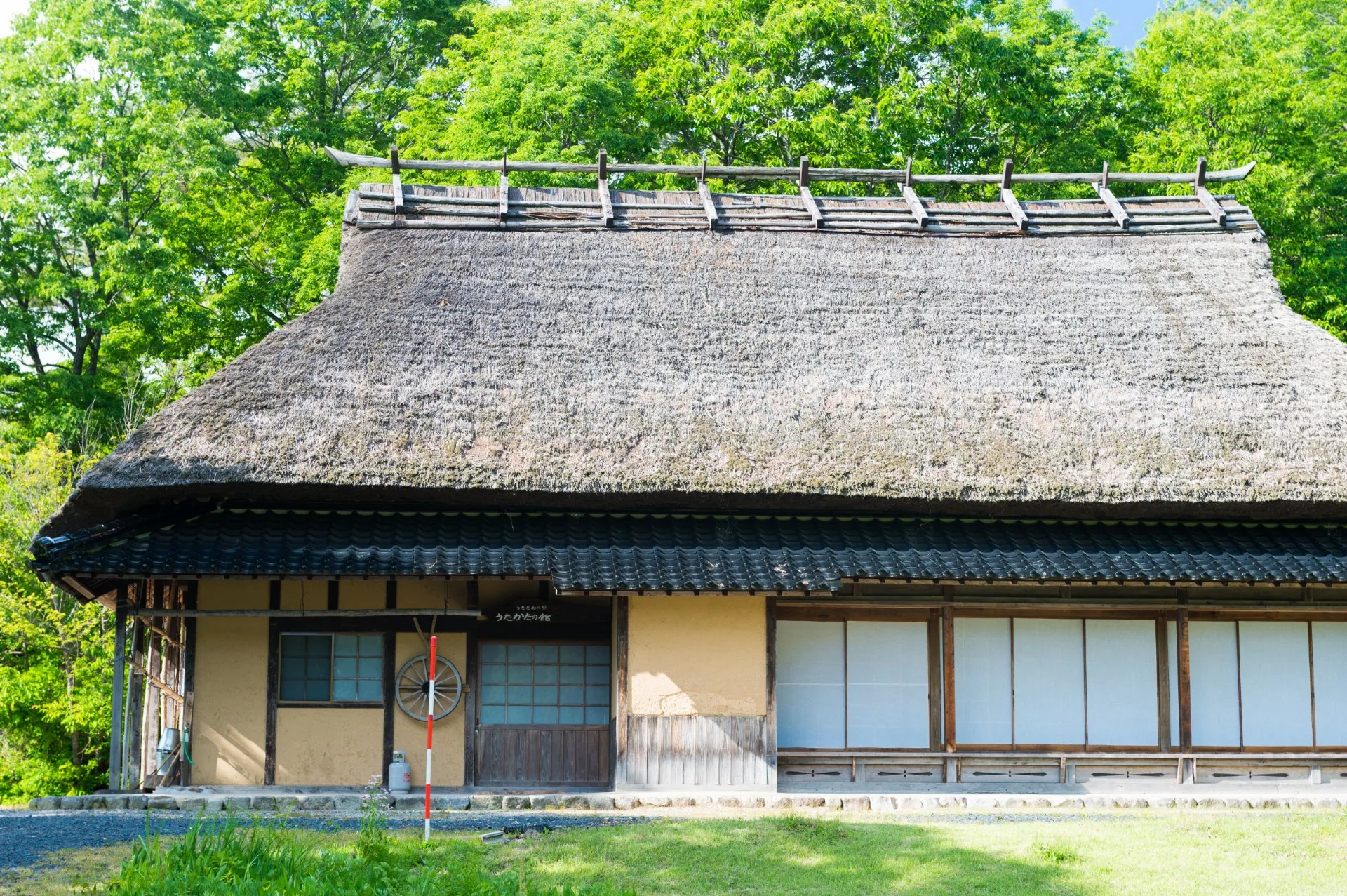
Compared to Western countries, Japanese homes often have different structural characteristics. While Western homes may use central heating and have better insulation, Japanese houses—many of which are built from wood—are more susceptible to moisture accumulation. In addition, cultural practices like removing shoes indoors and frequent use of bathrooms further contribute to a moist indoor environment. For many expats, these differences in lifestyle and construction can lead to unexpected and sometimes severe mold problems.
2. Housing Challenges Expatriates Face in Japan
For many expatriates, adjusting to life in Japan involves more than just cultural differences or workplace expectations—it also means dealing with unique residential challenges. One of the most unexpected issues is mold, which thrives due to Japan’s architectural styles and climate. Japanese homes vary widely in ventilation and insulation depending on region and construction type. Even homes that appear clean can conceal mold behind walls, under flooring, or inside closets. Being aware of these potential risks can help expats manage their living environment more effectively.
2-1. Mold Problems in Rental and High-End Properties
Many expats reside in company-arranged apartments or upscale rentals, yet even luxurious properties are not immune to mold. Older buildings often have weakened insulation, allowing moisture to accumulate within walls and ceilings. Even newly built properties with high airtightness can trap humidity inside, leading to mold growth on window frames, in closets, and behind furniture. Basement-level units or rooms facing north receive little sunlight, increasing the risk of persistent dampness and hidden mold. It’s important to check ventilation and sunlight exposure when viewing a property.
2-2. Health and Financial Risks of Mold
Mold is more than an aesthetic concern—it can seriously affect health. Symptoms such as allergies, asthma, and skin irritation may arise, especially in children, the elderly, or those with sensitivities. Invisible mold spores floating through the air can spread across rooms, affecting furniture and clothing. When mold damages personal belongings, replacement costs can be significant. Moreover, in rental contracts, damage caused by neglect—like failure to ventilate—may lead to additional repair charges upon move-out. Routine inspections and early intervention are key to avoiding these outcomes.
3. Common Mold-Prone Areas and Solutions by Cause
Mold thrives in environments where moisture and organic materials are present, making certain areas of the home particularly vulnerable. In Japanese homes, several “hotspots” for mold exist due to climate conditions and building design. Understanding where mold is most likely to grow—and why—enables expats to take proactive, targeted steps to prevent it. Early identification and routine care can go a long way in maintaining a healthy living space.
3-1. Bathrooms, Kitchens, and Closets: Key Risk Areas
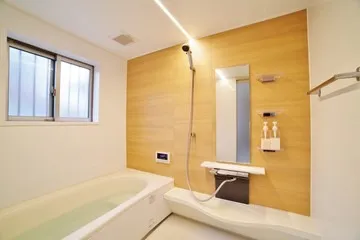
Bathrooms are the most common breeding grounds for mold. Warm temperatures, constant moisture, and soap residue create ideal conditions. Even if a bathroom has a ventilation fan, failing to use it after showers can lead to mold growth on ceilings, tiles, and rubber gaskets.
Kitchens are also high-risk, especially under sinks, behind stoves, and around the refrigerator. Cooking steam, water leaks, and poor airflow all contribute to moisture buildup. In older properties, deteriorating sealants around pipes can lead to hidden leaks, allowing mold to thrive unnoticed.
Closets and wardrobes are enclosed spaces where airflow is minimal. In winter, when indoor heating raises temperatures, the warm air meets the cold closet walls, causing condensation. If clothes or bedding are tightly packed, the lack of ventilation traps moisture, creating an ideal mold environment.
3-2. Hidden Sources: Inside Walls, Under Floors, and Behind Furniture
One of the more alarming aspects of mold is how it can spread unnoticed. Inside walls, under floorboards, or above ceilings—especially in areas with poor insulation or ventilation—mold can quietly grow over time. Insulation materials can absorb and retain moisture, becoming a hidden source of contamination.
Furniture placed flush against walls can also block air circulation, leading to moisture buildup behind the items. This is especially true for wooden cabinets, sofas, and bookshelves. Many expats are surprised to discover mold when they eventually move these items. Leaving a small gap between furniture and walls and routinely checking hidden areas can help prevent such surprises.
4. Simple Daily Maintenance for Mold Prevention
Preventing mold doesn’t always require professional help or expensive tools. In fact, consistent daily habits can be the most effective defense. Japan’s climate varies dramatically with the seasons, so being proactive—especially during humid months—is key. By incorporating a few simple routines, expats can maintain a clean and healthy home environment throughout their stay.
4-1. How to Use Ventilation, Dehumidifiers, and Air Conditioners Effectively
Humidity control and airflow are the foundation of mold prevention. Open windows for 10–15 minutes each morning or after cooking or bathing to let moisture escape. Even during the rainy season or winter, short periods of ventilation help refresh indoor air.
A dehumidifier is especially helpful during the rainy season and in homes that tend to trap moisture. Choosing a unit suited to the room size can stabilize humidity levels and reduce mold risks significantly. If drying clothes indoors, using a dehumidifier at the same time helps absorb excess moisture.
Air conditioners with dehumidifying (dry) modes are also effective, particularly in bedrooms or home offices that remain closed for long periods. Running them during the day helps keep humidity in check. Don’t forget to clean the air filters regularly—dust buildup can cause moisture retention inside the unit, leading to internal mold growth.
4-2. Smart Use of Moisture Absorbers and Anti-Mold Products
Moisture absorbers and anti-mold products available at Japanese stores are convenient and affordable. Place them in closets, under sinks, or in shoe cabinets where moisture tends to accumulate. Many come with indicators that show when it’s time to replace them.
Anti-mold sprays, sheets, and pouches can be used depending on the space. For example, sprays are ideal for bathroom ceilings and window frames, while sheets work well in closets or drawers. Shoe cabinets, refrigerator seals, and washing machine gaskets are often overlooked but are common mold spots—cleaning these monthly with anti-mold wipes or spray makes a big difference.
By building these small habits into your daily life, you can significantly reduce the risk of mold and enjoy a cleaner, more comfortable home in Japan.
5. Precautions During Long Absences or Temporary Trips
For many expatriates in Japan, extended business trips or temporary returns home are part of life. However, these long periods of absence pose a significant risk when it comes to mold. A closed home with stagnant air and trapped humidity becomes an ideal breeding ground. To avoid returning to unpleasant odors or visible mold, it’s essential to prepare properly before leaving.
5-1. Air Conditioner vs. Trusted Person for Ventilation
One common question is whether to leave the air conditioner running while away. While energy use is a concern, running the air conditioner in dehumidifying mode for set periods each day can help maintain stable indoor humidity and prevent mold growth. Using a timer or setting higher temperatures can help manage costs while still reducing risks.
Another effective method is to ask a trusted friend or property manager to ventilate the home once a week. Even a brief 30-minute window opening can allow trapped moisture to escape and air to circulate. In some apartment buildings, caretakers or cleaning staff may offer such services—check with your management company in advance.
5-2. Furniture and Clothing Storage Preparations
It’s also crucial to prepare your belongings properly. Closets and storage spaces should be ventilated before departure. Store clothes and bedding with moisture absorbers and elevate them with slatted racks or storage boxes to promote air circulation. Natural materials like cotton and wool are especially prone to mold if packed tightly.
Avoid placing furniture flush against walls—leave a few centimeters of space to ensure airflow. Items like leather sofas or wooden furniture should be covered with breathable fabric and paired with moisture-absorbing products.
If you have indoor plants or aquariums, they can also contribute to excess humidity. Consider relocating them or sealing them to minimize moisture release while you're away. With thoughtful preparation, you can return to a home just as fresh and clean as you left it.
6. When to Call in a Professional
While many mold issues can be handled through regular cleaning and preventive habits, there are situations where professional intervention is the safest and most effective option. When mold spreads to hidden areas or starts affecting your health, expert assessment and treatment become essential. For expatriates unfamiliar with local services or rental agreements, recognizing when to seek help can save both time and stress.
6-1. Signs That Mold Is Beyond DIY Control
If you notice persistent discoloration on walls or ceilings, a musty odor in rooms, or humidity even after ventilation, it could indicate mold growth inside walls, insulation, or flooring. These areas cannot be accessed with household cleaners and may require specialized equipment to detect and treat.
Another red flag is mold that keeps returning even after cleaning. This often means the source is deeper than surface-level growth, and attempts to remove it yourself may only address symptoms, not the root cause. In such cases, professionals can conduct a thorough inspection and tailor treatment based on the type of mold and materials affected.
Health symptoms such as persistent coughing, allergic reactions, or fatigue that worsen indoors may also point to mold exposure. When well-being is at stake, it’s wise not to delay professional support.
6-2. Rental Property Issues and Liability in Japan
In Japan, rental agreements often include a "duty of care" clause, which holds tenants responsible for maintaining the property. If mold is caused by poor ventilation or negligence, tenants may be liable for repair costs when moving out. On the other hand, if the cause is structural or due to existing building issues, responsibility may fall on the landlord.
To protect yourself, it’s important to document mold incidents with photos and keep records of any communication with property managers. Having a report or quote from a mold removal professional can also help clarify the cause and prevent disputes. This documentation is especially useful in lease negotiations or when requesting repairs.
Calling in a professional isn't just about removal—it's also a strategic way to avoid misunderstandings and ensure your living space remains healthy and mold-free.
7. Mold Removal Technologies Used in Japan
Due to Japan’s high humidity and seasonal moisture, a wide range of mold removal technologies have been developed. The key to effective treatment lies in eliminating not just visible mold, but also the spores and roots hidden deep within materials. Among the many options available, the MIST Method® stands out for its effectiveness, safety, and ability to preserve delicate surfaces. This section highlights how the MIST Method® compares to other common mold removal techniques.
7-1. What Is the MIST Method®? Features and Benefits
The MIST Method® is a mold removal technique developed by our team, used extensively in services such as Kabi Busters Osaka and Kabitoreform Nagoya/Tokyo. This method involves spraying a specially formulated mist that penetrates deep into the material, breaking down and neutralizing mold without the need for scrubbing or scraping. Because the formula is adjusted on-site based on the surface and mold condition, it ensures optimal effectiveness.
One of the biggest advantages of the MIST Method® is its ability to treat mold without damaging wood, wallpaper, or other sensitive materials. It’s also designed with human health and environmental safety in mind, making it ideal for households with children, seniors, or individuals with respiratory concerns. In addition to removing mold, the treatment includes an anti-mold coating to help prevent future outbreaks—providing long-term protection in a single service.
7-2. Comparing Other Mold Removal Methods
Many other companies rely on powerful bleach or chemical-based cleaners to remove mold. While these can be effective in the short term, they often damage surfaces like wood and fabrics, and their strong odors can make re-entry into the home uncomfortable. These methods also tend to treat only surface-level mold, leaving spores behind to regrow.
The MIST Method® addresses this issue by targeting both visible and hidden mold, while offering post-treatment protection to reduce the risk of recurrence. It’s also backed by detailed assessments and aftercare support, giving homeowners greater peace of mind. For expats concerned with safety, cleanliness, and long-lasting results, the MIST Method® offers a reliable and comprehensive solution.
8. Daily Habits and Smart Practices to Prevent Mold
Preventing mold starts with creating an environment where it cannot thrive. While cleaning and dehumidifying are important, long-term success depends on consistent habits and thoughtful organization. In Japan, where humidity levels fluctuate dramatically across the seasons, building preventive routines into your daily life is essential. With a few small adjustments, you can greatly reduce mold risks and maintain a healthy home.
8-1. Establishing Habits for Ventilation and Humidity Control
Regular ventilation is the foundation of mold prevention. Try to open windows for 10–15 minutes each morning or when the weather is dry. Even during the rainy season or in winter, airing out rooms helps prevent moisture buildup. Bedrooms, bathrooms, and kitchens are especially important, as they tend to trap humidity.
Using a hygrometer (humidity meter) in each room can help you keep levels below 60%, which is ideal for mold prevention. Air conditioners with dry mode and dehumidifiers are also helpful tools—especially during the rainy season or when drying clothes indoors. Be mindful when using humidifiers in winter, as over-humidifying can inadvertently create a mold-friendly environment.
8-2. Preventing Mold on Food, Clothing, and Furniture
Mold doesn’t just grow on walls—it can also affect food, clothes, and furniture. Be sure to clean fridge door seals, food storage areas, and cabinets regularly. Place desiccants or anti-mold sheets in enclosed areas such as kitchen shelves or pantries to keep moisture at bay.
For clothing, always ensure garments are completely dry before storing them, especially during rainy or humid seasons. Avoid overcrowding closets, and use slatted shelves or hanging racks to allow air to circulate. Anti-mold sheets or silica gel pouches placed in wardrobes can help absorb excess humidity.
When arranging furniture, leave a small gap between items and walls to promote air circulation. Fabric sofas, rugs, and wooden furniture should be regularly checked and cleaned, particularly if placed in low-light or poorly ventilated areas. Using breathable covers and rotating items periodically helps maintain airflow and prevents moisture from accumulating.
By integrating these habits into your lifestyle, you can protect your living space and health while enjoying a mold-free stay in Japan.
9. Real Stories and Success Cases from Expats
For expatriates navigating life in Japan, first-hand experiences from fellow expats can offer valuable insights—especially when it comes to unexpected household challenges like mold. Many newcomers are surprised by how quickly mold can appear in Japan’s humid climate. However, through trial and error, some have found effective solutions. These real-life examples provide practical guidance and reassurance for others facing similar issues.
9-1. Examples from Expats in Singapore, Europe, and Beyond
A Singaporean expat was surprised to find condensation forming on the inside of windows during Japan’s winter—something not common back home. Unaware of the risk, they left it untreated, only to find black mold on the window frames by spring. After this experience, they began wiping down condensation daily and placing moisture absorbers near windows, which helped stop the mold from returning.
A European expat living in a 20-year-old rental encountered mold in a closet shortly after moving in. White mold developed on suits stored in the back of the closet due to poor airflow and uninsulated walls. The solution? They introduced slatted shelving, spaced out clothes, used humidity monitors, and installed anti-mold products—all of which prevented any further growth.
9-2. Recommended Items Expats Found Effective
Among expats who successfully managed mold problems, several key items consistently proved helpful. Dehumidifiers are often the top recommendation—particularly larger models with appropriate tank size for bedrooms or living areas. These devices help stabilize indoor humidity and are essential during Japan’s rainy season.
Hygrometers (humidity meters) are another favorite. Monitoring humidity helps residents take action before conditions allow mold to form. Anti-mold sprays are widely used on bathroom surfaces, window frames, and air conditioner vents to prevent invisible mold from taking hold.
Others use moisture-absorbing mats for closets, anti-mold sheets, or rotating their stored clothing and furniture regularly to maintain airflow. These items may seem small, but collectively, they make a big difference in controlling mold. Learning from others' successes offers actionable tips and boosts confidence for expats new to Japan's climate.
10. Recommended Mold Removal Services in Japan
When mold becomes persistent or spreads beyond the surface, professional treatment is the most reliable option. In Japan, where high humidity and seasonal changes are common, choosing the right mold service can make all the difference. For expats unfamiliar with local companies, knowing what to look for in a service provider ensures safety, effectiveness, and peace of mind.
10-1. Introducing Kabi Busters Osaka and Kabitoreform Nagoya/Tokyo
Kabi Busters Osaka and Kabitoreform Nagoya/Tokyo, operated by Taiko Kensou Co., Ltd., offer specialized mold removal services using the original MIST Method®. This technique eliminates mold at its root using a gentle mist that penetrates deep into the surface—without damaging wood, wallpaper, or other delicate materials. Unlike conventional methods that rely on harsh chemicals or scrubbing, the MIST Method® is both effective and non-destructive.
After removal, an anti-mold treatment is applied to prevent recurrence. This long-lasting protection makes it ideal for homes with children, elderly family members, or those with sensitivities. The treatment is also used in schools, medical facilities, and even on historical buildings, demonstrating its reliability and versatility.
10-2. Choosing a Trustworthy Mold Service Provider in Japan
While many companies in Japan offer mold removal, it's important to look beyond price. Consider whether the service includes both removal and prevention, whether the method protects delicate materials, and whether they provide clear communication and support throughout the process.
Costs vary depending on the scale of the work and the condition of the property. Some providers offer preliminary inspections and personalized treatment plans based on the location and extent of the mold. For expats, choosing a provider that understands residential needs and offers flexible scheduling is key.
With Kabi Busters Osaka and Kabitoreform Nagoya/Tokyo, you can expect not only effective removal but also holistic solutions that address both immediate concerns and long-term protection. Their expertise in both mold removal and renovation ensures a comfortable, clean, and safe home for expatriates in Japan.
Mold Removal and Renovation by Taiko Kensou Co., Ltd.
Mold issues in Japanese homes can go beyond surface cleaning—they affect comfort, health, and property integrity. At Taiko Kensou Co., Ltd., we provide a comprehensive solution that combines professional mold removal and home renovation in one seamless service. This integrated approach eliminates the hassle of coordinating with multiple contractors and ensures thorough, efficient results tailored to each client’s needs.
Kabi Busters Osaka: Mold Experts for the Kansai Region
Kabi Busters Osaka specializes in mold removal using our original MIST Method®, a gentle yet powerful technique that penetrates deep into materials without damaging delicate surfaces like wood, wallpaper, or textiles. The treatment is customized based on the material and level of infestation and is followed by a protective anti-mold application for long-lasting prevention. The process is safe for children, the elderly, and sensitive environments such as schools or medical facilities.
Kabitoreform Tokyo & Nagoya: Integrated Mold Removal and Renovation
For the Tokyo and Nagoya regions, Kabitoreform offers a combined service that handles both mold removal and renovation in a single workflow. This is particularly beneficial when mold damage affects walls, flooring, or structural materials that require restoration. Our team can seamlessly transition from removing mold to replacing damaged areas—such as reapplying wallpaper, repainting, or installing moisture-resistant materials—without delays or communication gaps between separate companies.
Comprehensive Renovation Services by Taiko Kensou
In addition to mold-related services, Taiko Kensou Co., Ltd. has decades of experience in residential and commercial renovation across Japan. Our expertise covers a wide range of projects, including kitchen and bathroom remodeling, toilet upgrades, interior redesigns, exterior painting, thermal insulation improvements, and barrier-free conversions. We prioritize functionality and aesthetic appeal while ensuring that the environment is healthier and more durable—especially in homes prone to humidity and mold.
What sets us apart is our ability to apply mold prevention knowledge to every renovation. From choosing anti-microbial materials to improving ventilation and drainage systems, we proactively design homes that remain mold-resistant long after renovation is complete.
If you're seeking a reliable partner who can both solve existing mold issues and enhance your living environment, Taiko Kensou Co., Ltd., with its Kabi Busters Osaka and Kabitoreform Tokyo/Nagoya services, is the solution. We support expats and families across Japan with trusted, end-to-end expertise that ensures peace of mind and a healthier home.
---------------------------------------------------------------------
カビ取リフォーム
東京営業所
〒141-0022
東京都品川区東五反田2-5-2 YHE CASK GOTANDA6階
電話番号:090-8321-4408
名古屋本社
〒465-0028
愛知県名古屋市名東区猪高台1-1301 タイコウビル1F
電話番号 : 0120-588-766
サイト:https://taikou-kensou.co.jp/
大阪営業所
〒532-0003
大阪府大阪市淀川区宮原1-19-23
電話番号:080-6978-3068
カビバスターズ大阪
https://kabibusters-osaka.com/
【検査機関】
一般社団法人微生物対策協会
https://kabikensa.com/
----------------------------------------------------------------------