“Is Mold a Hidden Danger to Pets? 10 Must-Know Safety Tips”
2025/07/08
Pets are more exposed to mold spores due to their proximity to the floor, and many symptoms can go unnoticed until it's too late. Mold poses a serious health threat to our furry family members.
This article explains the health risks mold poses to pets, how to detect the signs early, and offers pet-safe methods for mold removal and prevention you can use at home.
You’ll gain practical knowledge to protect your pet’s health, recognize warning signs early, and keep your living environment safe from mold—all with peace of mind.

1. Why Mold Is Dangerous for Pets
Pets are more vulnerable to mold than humans due to their small size and close proximity to the floor, where mold spores often settle. In addition, their highly sensitive sense of smell and tendency to explore with their noses increase the risk of inhaling harmful spores. This section explains the specific health risks mold poses to pets and highlights the types of mold that are especially dangerous.
1-1. Health Risks: Respiratory and Skin Problems
Mold exposure can lead to serious respiratory and skin issues in pets. For example, dogs and cats that inhale mold spores may develop sneezing, coughing, wheezing, or chronic nasal discharge. These symptoms can resemble allergic rhinitis or bronchitis and are especially dangerous for puppies, kittens, or elderly pets with weaker immune systems. Mold exposure can also irritate the skin, causing itching, rashes, and even hair loss. Because early symptoms are often subtle, it’s essential for pet owners to regularly monitor their animals for changes in behavior or appearance.
1-2. Common Mold Types Harmful to Pets
Among the various types of mold, Aspergillus and Candida are two species that pose significant health risks to pets. Aspergillus is commonly found in the air and can infect the lungs or sinuses, potentially causing life-threatening conditions like aspergillosis. This disease progresses rapidly and requires immediate treatment. Candida, on the other hand, thrives in moist environments and can affect the skin or oral cavity, leading to inflammation and irritation. Both types of mold can also impact human health, which is why maintaining a clean and mold-free environment is critical for the whole household.
2. Mold-Prone Areas in Pet Environments
While life with pets is filled with comfort and joy, their living spaces can unknowingly become breeding grounds for mold. Areas where pets eat, sleep, and go to the bathroom tend to trap moisture and dirt, creating ideal conditions for mold growth. This section explores the parts of your home most susceptible to mold and seasonal or regional factors that may contribute to its development.
2-1. Humidity and Dirt Around Cages, Bedding, and Litter Areas
The most mold-prone spots are those with high humidity and a buildup of organic matter like fur, dander, and food crumbs. Pet cages, bedding, and litter box areas are especially vulnerable. Soft materials such as blankets or pet beds can easily absorb moisture, and without thorough drying, mold can grow deep inside the fibers. Additionally, splashes from water bowls or litter boxes keep surrounding areas damp, encouraging mold and bacteria growth. Daily cleaning and regular sun exposure, as well as the use of a dehumidifier, are effective ways to keep these spaces dry and clean.
2-2. Seasonal and Regional Mold Conditions
While mold is most active during humid seasons like the rainy summer months, even winter can be risky if you frequently use humidifiers. Homes near the ocean, rivers, or in mountainous regions often have higher year-round humidity levels, making them more prone to mold. Transitional seasons like spring and fall bring rapid temperature changes, which can cause condensation on windows and walls—ideal conditions for hidden mold. Being aware of these environmental factors and adjusting ventilation or dehumidification practices accordingly is key to keeping your pet's living space safe.
3. Recognizing Symptoms and Early Detection in Pets
Mold exposure can affect pets in subtle ways, often without clear early symptoms. This makes it vital for pet owners to closely observe their animals' daily behaviors and appearance. In this section, we’ll look at the common signs of mold-related health issues in dogs and cats, as well as early warning signs that are easy to miss.
3-1. Common Signs in Dogs and Cats
In dogs, mold exposure often leads to skin infections or ear problems. Symptoms like red, swollen ears, constant head shaking, or scratching may indicate a fungal infection. Respiratory symptoms such as coughing, nasal discharge, and labored breathing are also possible, especially in the case of Aspergillus infections. Cats tend to hide their symptoms more effectively, so look for subtle changes such as decreased energy, dull fur, loss of appetite, or unusual behavior. In some cases, a white or grayish substance around the nose could be a visible sign of mold exposure. Prompt attention to these signs is critical, as untreated infections may worsen over time.
3-2. Subtle Signs Owners Often Miss
Early-stage mold-related health problems often don’t show dramatic symptoms. Instead, owners may notice small behavioral changes, like excessive sleeping, reduced vocalization, or constant licking of a specific body area. These could indicate discomfort or irritation caused by mold. Skin changes such as dandruff, redness, or minor hair loss may go unnoticed unless observed during grooming. Creating a routine that includes daily visual checks and regular brushing helps detect issues early and prevents complications. Early detection not only makes treatment easier but also protects your pet’s long-term health.
4. Home Mold Prevention and Cleaning Tips
To protect your pet’s health, it’s essential to keep their environment clean and mold-free. Mold thrives in damp, dirty areas, which means the spaces your pet spends time in—like sleeping areas, feeding zones, and bathrooms—need regular attention. This section outlines simple, effective mold prevention methods that any pet owner can do at home.
4-1. Managing Humidity Through Ventilation and Air Purifiers
Controlling indoor humidity is one of the most effective ways to prevent mold. Ideally, room humidity should be kept between 50–60%. During rainy seasons or when using humidifiers in winter, be extra cautious. Use dehumidifiers or your air conditioner’s dry mode to keep moisture levels in check. Proper ventilation is key—open windows for air flow in the morning and evening. Air purifiers with HEPA filters can also help capture airborne mold spores and other allergens, improving overall air quality. It’s also a good idea to install a hygrometer in your pet’s room so you can monitor and maintain healthy humidity levels consistently.
4-2. Choosing and Caring for Pet Items and Bedding
Your pet’s bedding, blankets, and soft toys can easily trap moisture, making them a prime breeding ground for mold. Choose breathable, quick-drying fabrics like mesh or moisture-wicking textiles. Wash bedding and fabric items regularly, and always dry them thoroughly—preferably under the sun. Clean cages, toys, and bowls daily with pet-safe solutions, and disinfect them weekly. Natural cleaning agents like baking soda or citric acid are ideal for keeping pet areas safe and mold-free without exposing your animals to harsh chemicals. Maintaining a routine of cleaning and inspecting pet gear helps prevent mold from forming in the first place.
5. Safe Mold Removal Methods for Pet Households
When you discover mold in your home, your first instinct might be to reach for a powerful store-bought cleaner. However, if you have pets, caution is essential. Many mold removers contain harsh chemicals that can harm animals through skin contact, inhalation, or accidental licking. This section highlights safe, pet-friendly mold removal methods and what products or practices to avoid.
5-1. Using Food-Safe Ethanol, Baking Soda, and Vinegar
Natural cleaning agents like food-grade ethanol, baking soda, and vinegar are safe and effective alternatives for removing mold in pet environments. Ethanol has strong disinfecting properties and evaporates quickly, making it safer if pets come into contact with treated surfaces. Simply spray it on the moldy area, let it sit for a few minutes, then wipe it clean. Baking soda helps neutralize odors and absorbs moisture—ideal for use around pet beds or litter areas. Vinegar can suppress mold growth and is especially effective when mixed with baking soda to form a paste that clings to moldy surfaces. Always follow up with a clean water wipe to remove any residue and ensure pet safety.
5-2. Chemicals to Avoid and Safety Precautions
Avoid using bleach, chlorine-based products, or heavy-duty mold removers in pet-accessible areas, as these can irritate the respiratory system, skin, and eyes of animals. In enclosed spaces, the fumes from these chemicals can linger and cause harm even after the initial cleaning. If strong products are absolutely necessary, remove your pet from the area, ventilate thoroughly during and after application, and clean all surfaces thoroughly before allowing your pet to return. Additionally, avoid using spray cleaners directly near pet bedding, food bowls, or toys. Always opt for products labeled as “pet-safe” or “natural ingredients” and test them on a small area first.
6. Professional Mold Testing and Why It Matters
While surface mold can often be cleaned with home remedies, hidden mold or recurring outbreaks may indicate a deeper issue that requires professional attention. Mold spores can linger in the air or deep within walls, and these invisible threats can continue affecting your pet’s health. This section explains the benefits of professional mold testing and when it’s worth considering.
6-1. At-Home Testing Kits
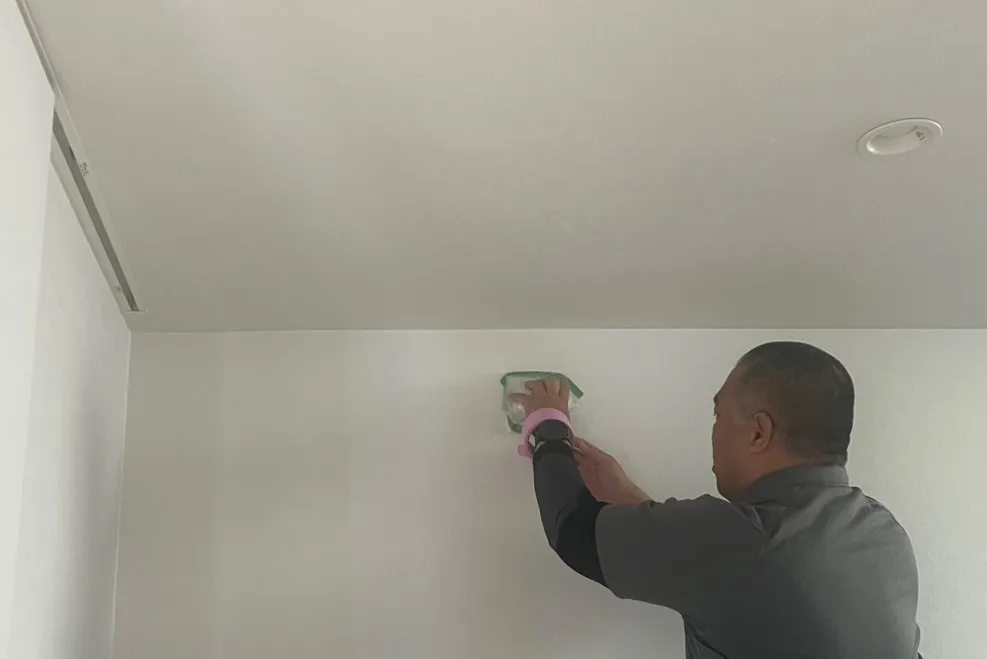
Affordable mold test kits are available for home use and can help detect mold presence before calling a professional. These kits typically involve swabbing a surface or exposing a test plate to indoor air for a set period. After a few days, you’ll be able to see if mold colonies develop. Focus on areas your pet frequently occupies, such as bedding zones, cages, or near air vents. While home kits can alert you to the presence of mold, they may not accurately identify the species or reveal the full extent of contamination. If mold growth is confirmed or symptoms persist, further action is advised.
6-2. Benefits of Professional Mold Inspection
Professional inspections go beyond surface detection. Experts use tools to measure airborne spore levels, assess wall moisture, and identify hidden growth sources. This comprehensive analysis helps determine not just whether mold is present, but also why it's thriving and how far it's spread. Most importantly, professionals can recommend safe, pet-friendly treatment methods based on the mold type and your household conditions. They also consider your pet’s routine and potential exposure zones, ensuring a more tailored and effective solution. When home remedies don’t work or mold keeps coming back, a professional evaluation is the best path to a truly mold-free and safe environment for your pets.
7. Mold Prevention in Equipment Like Air Conditioners
Household appliances such as air conditioners, humidifiers, and ventilation systems often go unnoticed as sources of mold. However, these devices can harbor and spread mold spores throughout your home, directly affecting your pet’s breathing and health. In this section, we’ll explore how to properly maintain these appliances to keep mold at bay in a pet-safe home.
7-1. Importance of Filter Cleaning and Internal Maintenance
Air conditioners are prone to mold growth due to their constant exposure to humidity and dust. The filters, in particular, collect pet hair, dander, and moisture, creating ideal conditions for mold to thrive. Regular filter cleaning—ideally once or twice a month—is essential. Filters should be washed thoroughly and dried completely before reinstallation. In cases where mold has spread inside the unit, professional disassembly and cleaning are highly recommended. Annual deep cleaning ensures that spores and allergens are removed from hidden compartments, helping maintain a clean airflow and a healthier environment for your pet.
7-2. Managing Hidden Humidity Sources From a Pet’s Perspective
Because pets spend most of their time near the floor, they’re more exposed to low-lying areas where humidity and mold accumulate—such as under furniture, around water bowls, and near litter boxes. These areas often fall outside the reach of airflow from standard air conditioning. To combat this, use a fan or air circulator to direct airflow into low and enclosed spaces. When using humidifiers in winter, be diligent about cleaning the tank and filters, as standing water is a breeding ground for mold. Assess your home from your pet’s point of view and address areas where stagnant air and hidden moisture might lead to mold growth.
8. Preventing Recurrence Through Daily Habits
Even if you've successfully removed mold, it can return if daily habits and environmental conditions remain unchanged. In households with pets—where moisture, dirt, and organic matter accumulate easily—ongoing prevention is key. This section covers how to adjust your routine and maintain a healthy environment to stop mold from coming back.
8-1. Maintaining Indoor Humidity at 50–60%
Keeping humidity levels between 50–60% is one of the most effective ways to prevent mold growth. Exceeding this range creates a comfortable environment for mold spores to multiply. Use a hygrometer in each room to monitor moisture levels, especially in areas where your pet sleeps or eats. During humid seasons or when using humidifiers in winter, turn on dehumidifiers or use air conditioners’ dry mode to regulate air moisture. Ventilate your home daily by opening windows in the morning and evening. Good airflow not only reduces humidity but also refreshes indoor air, minimizing mold and odor buildup.
8-2. Regular Health Checks and Item Maintenance
Your pet's physical condition can be an early indicator of mold problems. Pay attention to changes in their coat, skin, breathing, or behavior. Conducting daily visual checks and brushing your pet helps catch early signs of irritation or infection. In addition, routinely inspect and clean items like bedding, toys, bowls, and litter boxes. Replace old or difficult-to-dry materials, especially those made of sponge or thick fabric. Mold thrives in these areas if they’re left damp. Choosing breathable, quick-drying materials and washing items weekly helps maintain a hygienic, mold-resistant environment.
9. What to Do If You Notice Symptoms in Your Pet
If your pet shows signs of illness that may be related to mold exposure, it’s important to respond promptly and in the right order. Self-treating or simply cleaning the area might not be enough—accurate diagnosis and environmental changes are both crucial. This section outlines the steps pet owners should take when mold-related symptoms appear.
9-1. Veterinary Visits and Treatment Process
If you notice your pet coughing, sneezing, scratching excessively, or acting lethargic, consult a veterinarian immediately. Mold-related illnesses can resemble allergies or other infections, so proper testing—such as blood work, skin tests, or X-rays—is necessary for diagnosis. Aspergillosis and other fungal infections can become severe if untreated, particularly in young or elderly animals. Depending on the diagnosis, treatment may include oral antifungal medications, topical treatments, or even hospitalization in serious cases. Early intervention greatly increases the chance of a full recovery.
9-2. Resetting Your Environment After Treatment
Even with successful treatment, leaving mold in the environment can cause symptoms to return. Alongside medical care, it's essential to thoroughly clean and disinfect your home. This includes washing or replacing bedding, disinfecting cages and litter areas, and deep-cleaning air conditioning units or humidifiers. Think of it as a complete "reset" of your pet’s living space. Long-term prevention also involves managing humidity, ventilating daily, and keeping all pet supplies clean. If the infection was severe or recurring, it may be worth hiring a professional mold removal service to inspect and treat hidden problem areas.
10. Using Professional Mold Services to Protect Pets
While DIY cleaning can address visible mold, deeper or recurring issues often require professional intervention—especially in homes with pets. The safety of your animals should be a top priority when selecting a service provider. This section covers how to choose the right mold specialist and why methods like the MIST system® are ideal for pet-friendly households.
10-1. How to Choose a Mold Removal Specialist
When selecting a professional mold removal company, look for one that emphasizes safe, non-toxic treatments and has a track record of working in pet-friendly environments. Be sure to inform them about your pets and ask whether their cleaning agents are safe for animals. Companies that offer customized solutions based on mold type, surface material, and household conditions tend to be more effective. It’s also a good idea to check reviews, certifications, and whether they offer aftercare or follow-up inspections. Many trusted companies provide free consultations or inspections, so don’t hesitate to compare options.
10-2. Benefits of Using the MIST Method®
The MIST method®, used by Kabibusters Osaka and Kabi Reform Nagoya & Tokyo, is a proprietary mold removal system designed to be both powerful and gentle. Unlike abrasive techniques that involve scrubbing or scraping, the MIST system uses a fine mist of specialized agents that deeply penetrate surfaces and dissolve mold at the root—without damaging materials like wood or delicate finishes. These agents are also designed to be safe for both humans and pets. After mold removal, a protective anti-mold treatment is applied, offering long-lasting prevention with minimal environmental impact. This makes MIST an ideal solution for homes with pets, where safety and thoroughness must go hand-in-hand.
For Safe and Reliable Mold Removal, Trust Kabibusters Osaka and Kabi Reform Nagoya & Tokyo
To truly protect your beloved pets and ensure a safe living environment, it’s important to eliminate mold at its source—not just cover it up. When home remedies fall short or mold keeps coming back, turning to professional services is the safest and most effective choice. That’s where Kabibusters Osaka and Kabi Reform Nagoya & Tokyo come in.
These expert services specialize in the proprietary MIST Method®, a unique, non-damaging mold removal technology. Unlike conventional methods that rely on harsh chemicals or abrasive scrubbing, the MIST Method targets mold based on its growth pattern and the material it's on. It uses a fine mist of custom-formulated agents to safely dissolve mold from deep within surfaces—without harming wood, delicate fabrics, or sensitive finishes. Most importantly, the agents are proven to be safe for both humans and animals.
After the mold is removed, a preventative anti-mold coating is applied to ensure long-term protection. This dual-stage process not only eliminates mold but also prevents future outbreaks, providing a healthier home for pets and their families. The method has been successfully used in schools, hospitals, pet facilities, and historic buildings—proving its effectiveness and safety in even the most sensitive environments.
If your home has mold concerns or you simply want to take proactive steps to protect your pets, contact Kabibusters Osaka or Kabi Reform Nagoya & Tokyo for a professional inspection.
---------------------------------------------------------------------
カビ取リフォーム
東京営業所
〒141-0022
東京都品川区東五反田2-5-2 YHE CASK GOTANDA6階
電話番号:090-8321-4408
名古屋本社
〒465-0028
愛知県名古屋市名東区猪高台1-1301 タイコウビル1F
電話番号 : 0120-588-766
サイト:https://taikou-kensou.co.jp/
大阪営業所
〒532-0003
大阪府大阪市淀川区宮原1-19-23
電話番号:080-6978-3068
カビバスターズ大阪
https://kabibusters-osaka.com/
【検査機関】
一般社団法人微生物対策協会
https://kabikensa.com/
----------------------------------------------------------------------