What Construction Companies Need to Know: Causes, Countermeasures, and Precautions for Subfloor Mold – Essential Knowledge in the Era of High Insulation and Airtight Homes
2025/07/06

Thank you for reading our blog today.
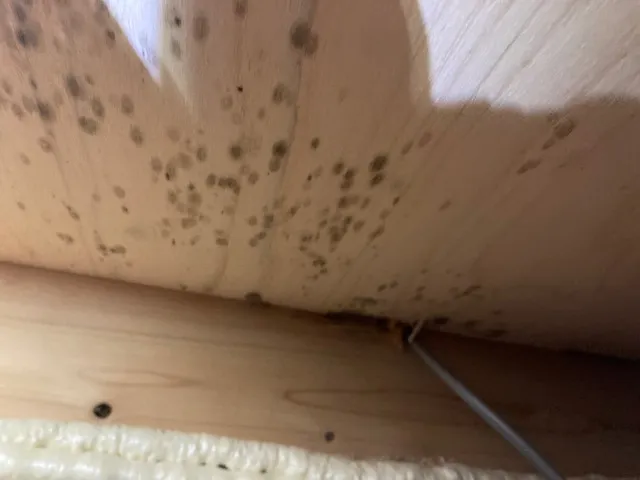
Subfloor mold is not just a cosmetic issue—it can lead to structural deterioration of wood, reduced insulation performance, and serious health risks.
In modern construction methods such as Type 1 ventilation systems, floor insulation, foundation insulation, and slab-on-grade foundations, managing subfloor moisture is critically important.
This article is aimed at building professionals and explains the mechanisms of subfloor mold growth, along with practical countermeasures to be implemented during the design and construction stages.
1. What Is the Subfloor Mold Problem?
In modern homes, the subfloor space is a critical area where the “invisible quality of construction” and the “integrity of environmental design” are put to the test.
Unlike traditional ventilated homes, today's standard housing structures—such as high airtightness and high insulation, foundation insulation, and floor insulation systems—tend to trap moisture in the subfloor area, significantly increasing the risk of mold growth.
When mold forms under the floor, it can lead to deterioration of structural timber, reduced insulation performance, mold odors permeating the interior, health risks to occupants, and after-sales complaints due to perceived construction defects. This can severely impact the builder’s credibility.
This section will explore the mechanisms behind subfloor mold development, how changes in climate, housing performance, and structural design contribute to the risk, and provide a detailed look at specific construction challenges faced on-site.
1.1 Mold Growth Mechanism in Subfloor Spaces
Mold thrives in environments where three conditions are met: temperature, humidity, and an organic food source. The subfloor area easily fulfills these conditions—it maintains a certain temperature, traps moisture, and contains ample nutrients in the form of structural wood elements such as sills, floor joists, and beams.
High humidity and poor ventilation are particularly problematic. Moisture from the soil, inadequate drying of foundation concrete, and condensation due to temperature differences between indoor and outdoor air all combine to raise the relative humidity under the floor. When this exceeds 80–90%, mold begins to germinate and spread.
In many cases, mold is not visible in the early stages. It’s often only discovered once a musty odor is noticeable indoors or deterioration in flooring materials becomes apparent. Mold decomposition of wooden structural elements not only reduces their strength but can also attract termites, compounding structural risks.
1.2 Japan’s Climate and Structural Challenges
Japan has one of the most humid climates in the world. During the rainy season and summer months, humidity often exceeds 80%. In modern, airtight homes, this moisture easily accumulates indoors and under the floor. Compared to traditional homes, today’s subfloor mold risk is significantly higher.
For instance, in highly insulated, airtight homes and ZEH (Net Zero Energy House) buildings, indoor conditions are well regulated, but natural ventilation is limited. This often leaves moisture with no escape route.
In foundation-insulated homes, the subfloor is sealed from outside air and must be maintained at similar temperature and humidity levels as the interior. Without sufficient dehumidification and ventilation design, the subfloor becomes a prime environment for mold.
In addition, with extreme weather events—such as torrential rains, prolonged wet seasons, and abnormal heat and humidity—becoming more common, conventional moisture control methods are increasingly inadequate. There is a growing need to create “moisture-resistant subfloor environments” from the design stage onward.
1.3 Common Oversights in On-Site Construction
Subfloor mold problems often stem not from design flaws but from minor oversights or omissions during construction. Even if the design appears sound on paper, improper execution on-site can easily trigger mold issues.
Examples include:
Installing the subfloor frame before the concrete slab has sufficiently dried, trapping residual moisture below.
Constructing the frame in wet conditions without adequate waterproofing, allowing water to seep into wood or insulation.
Poor sealing of vapor barriers at edges and penetrations, allowing ground moisture to rise.
Overly tight installation of floor insulation, cutting off air circulation in the subfloor and leading to poor ventilation.
A lack of awareness among site supervisors or workers who assume "it’s fine since the subfloor isn’t visible."
These mistakes often become breeding grounds for mold and lead to customer complaints such as, “There’s a musty smell coming from under the floor,” or “When I looked under the floor, there were black spots everywhere.”
In other words, subfloor mold is not merely a structural flaw—it is a comprehensive issue of construction quality, involving design, execution, site management, and inspection systems. How well a construction company understands and prevents these risks plays a crucial role in maintaining trust, reducing after-sales issues, and improving client satisfaction.
2. Detailed Causes and Key Precautions at Construction Sites
The development of mold under the floor is not only due to the structural characteristics of modern homes, but also closely tied to on-site factors such as poor environmental control during construction and inadequate management of material conditions.
No matter how well-designed a building may be, even small oversights or misjudgments on-site can lead to trapped moisture in the subfloor, creating the perfect environment for mold growth.
This section will focus on the four major on-site causes of subfloor mold, namely: insufficient concrete drying, construction during rainy conditions, interference between insulation and ventilation, and moisture rising from the soil.
2.1 Insufficient Drying of Foundation Concrete
Foundation concrete, which supports the building structure, gradually releases moisture during the curing period after pouring. However, if the drying process is incomplete and the next stage (such as floor framing or insulation installation) proceeds too quickly, large amounts of vapor can accumulate in the subfloor area.
This is especially common during the rainy season or in winter, when drying tends to be slower. In such cases, framing often begins before the concrete has dried sufficiently, trapping "invisible moisture" in wood and insulation materials.
Curing concrete involves two important aspects: "strength development" and "drying." However, on many sites, the emphasis is placed solely on the former, with drying often neglected for the sake of sticking to the construction schedule.
If water remains in the surface or deep layers of the concrete after hydration, the subfloor’s relative humidity can remain above 80% for an extended period, significantly increasing the risk of mold and wood-decay fungi.
2.2 Construction in Rainy Weather and Skipped Drying Steps
While staying on schedule is essential in construction management, forcing the work to continue during rain greatly increases the risk of mold.
Some common issues include:
Rainwater entering during sill plate installation, soaking the wood before floor framing begins
Structural plywood left exposed to rain without proper protection, then sealed in a wet state
Water pooling in the subfloor after rain, yet construction proceeds without drainage or drying
While these may seem harmless if the materials “dry eventually,” moisture often remains in hidden areas or within materials, leading to incomplete or delayed drying.
If subfloor insulation such as glass wool or phenolic foam becomes damp, its hygroscopic nature makes drying very difficult, creating an ideal environment for mold.
In rainy conditions, forced drying using fans or dehumidifiers is essential to prevent such issues.
2.3 Interference Between Subfloor Insulation and Ventilation
In highly insulated homes, floor insulation is often installed tightly between floor joists. While this approach is energy-efficient, it can severely hinder ventilation in the subfloor space.
Examples include:
Vapor-barrier insulation installed without gaps, stopping air circulation and trapping moisture
Airtight sealing systems (e.g., gasket seals) that block foundation airflow, disabling natural ventilation
Inadequately placed or too few ventilation openings, resulting in stagnant airflow under the floor
In many homes, the subfloor is not treated as a habitable area and is often excluded from insulation or ventilation planning. This can turn the subfloor into a sealed void, making it a breeding ground for mold.
In such conditions, especially during summer or rainy seasons, subfloor humidity can exceed 95%, drastically increasing the risk of mold and wood decay.
2.4 Rising Ground Moisture and Inadequate Vapor Barriers
Lastly, one commonly overlooked issue is moisture rising from the ground.
In proper slab-on-grade or strip footing construction, a vapor barrier (such as polyethylene sheeting) should be laid across the entire ground surface and secured with a blinding concrete layer. However, problems often occur when:
The overlap of sheets is insufficient, or there are tears/holes
Sheets are cut around foundation columns or penetrations, breaking the barrier
The site has soft or wet ground, allowing more moisture than expected to rise up
If these conditions are present, moisture from the soil continuously infiltrates the subfloor, and ventilation alone is insufficient to remove it.
Even with slab-on-grade construction, moisture cannot be completely blocked. Depending on construction quality and local drainage conditions, subfloor humidity may remain high, making ongoing inspection and monitoring critical even after completion.
3. Damage and Impact Caused by Subfloor Mold
When mold develops under the floor, its impact extends far beyond the subfloor space—it affects the overall safety, comfort, and value of the building, and even the trust relationship with the homeowner.
Mold accelerates the deterioration of wood, posing a threat to the structural durability of the home. Additionally, mold odors and airborne allergens can compromise the health of occupants.
If such issues are discovered after handover, they often lead to complaints, after-sales service requests, and costly repairs. These situations inevitably damage the reputation of the builder and result in unexpected expenses.
This section provides a detailed explanation of the structural, health, and business risks posed by subfloor mold.
3.1 Deterioration of Wood and Structural Damage
When mold appears in the subfloor, the first area affected is typically the surface of the wooden structural members. Components such as girders, floor joists, sill plates, and posts are ideal breeding grounds for mold, which thrives on moisture and cellulose-rich materials.
Surface mold gradually spreads its hyphae into the interior of the wood, softening the material and increasing susceptibility to wood decay fungi and insect damage. As mold progresses, the following issues may occur:
Sagging, sinking, or creaking of the floor
Reduced structural strength due to cross-sectional loss in joists or girders
Internal degradation not visible from the surface
Mold-induced deterioration of structural wood is not merely a cosmetic issue—it is a critical defect that threatens the building’s overall safety.
In some cases, this may fall under coverage by residential defect liability insurance, and contractors may be held legally responsible for repairs.
3.2 Combined Risk with Termite Damage
The presence of mold under the floor indicates a persistently moist environment. This combination of “moisture + wood” creates an ideal habitat for termites.
Particularly high-risk scenarios include:
Termite damage progressing internally before mold even becomes visible
Anti-termite treatments losing effectiveness due to excessive moisture
Clients requesting inspections after noticing mold, only to discover simultaneous termite damage
Such situations often require major repairs, such as full replacement of structural components or complete subfloor reconstruction, with costs ranging from hundreds of thousands to millions of yen.
In addition, mold removal, reapplication of termite treatment, and installation of moisture barriers will all be necessary, significantly increasing the contractor’s burden.
3.3 Chain Reaction: Odor, Health Effects, and Customer Complaints
Beyond structural damage and visible deterioration, mold also causes sensory and health-related issues such as unpleasant odors and allergenic effects.
This is especially concerning in households with young children, elderly residents, or individuals with allergies. Mold odors from the subfloor or airborne spores can exacerbate symptoms and lower indoor air quality.
Common complaints from clients include:
“There’s a musty smell coming from under the floor.”
“My child started coughing and showing signs of nasal allergies after lying on the floor.”
“We developed allergy symptoms a few months after moving in, and a check revealed mold under the floor.”
These cases often require odor assessments and airborne mold testing, leading to additional diagnostic and removal costs by professionals.
Furthermore, once clients lose trust in the living environment, the builder’s reputation may suffer.
As demonstrated, mold under the floor is not just an "invisible stain"—it poses five overlapping risks: structural, safety, health, trust, and business.
For this reason, builders, contractors, and designers must recognize the importance of “visualizing the invisible” and actively address mold prevention, countermeasures, and warranties from a comprehensive perspective.
4. Post-Handover Cases and Solutions Using the MIST Method
No matter how carefully a building is designed and constructed, it’s not uncommon for mold to develop under the floor due to unexpected moisture buildup or poor ventilation—only to be discovered and reported by the homeowner after handover.
In recent years, more homeowners are detecting mold themselves through musty odors from underfloor storage or ventilation openings, allergic reactions, or DIY inspections. As a result, an increasing number of construction companies and builders are finding themselves dealing with such post-handover complaints.
In these situations, simply wiping the mold or spraying disinfectants is not enough to address the root of the problem.
This is where the MIST Method®, adopted by our group (Kabi Busters Osaka, Kabi Reform Tokyo & Nagoya), proves to be an effective and comprehensive mold remediation solution.
4.1 Common Post-Handover Cases
A homeowner reported a musty odor coming from beneath the floor. Upon inspection, black mold was found spreading across the joists and girders.
A home was handed over following a rainy construction period, without sufficient drying time. Six months later, mold had spread throughout the entire subfloor.
A client with a young child complained of persistent coughing. Investigation revealed mold on the subfloor insulation material.
In cases like these, early intervention using a method that ensures safety, durability, and protection of building materials is essential for maintaining the trust of homeowners and preserving the reputation of the builder.
4.2 What Is the MIST Method®?
The MIST Method® is a specialized mold removal technique developed by Taikou Kensou Co., Ltd., and features the following characteristics:
Comprehensive treatment that decomposes, removes, disinfects, and prevents mold regrowth
Low-impact process that does not damage wood or insulation materials
Uses proprietary, highly safe chemicals that are non-toxic to humans and pets
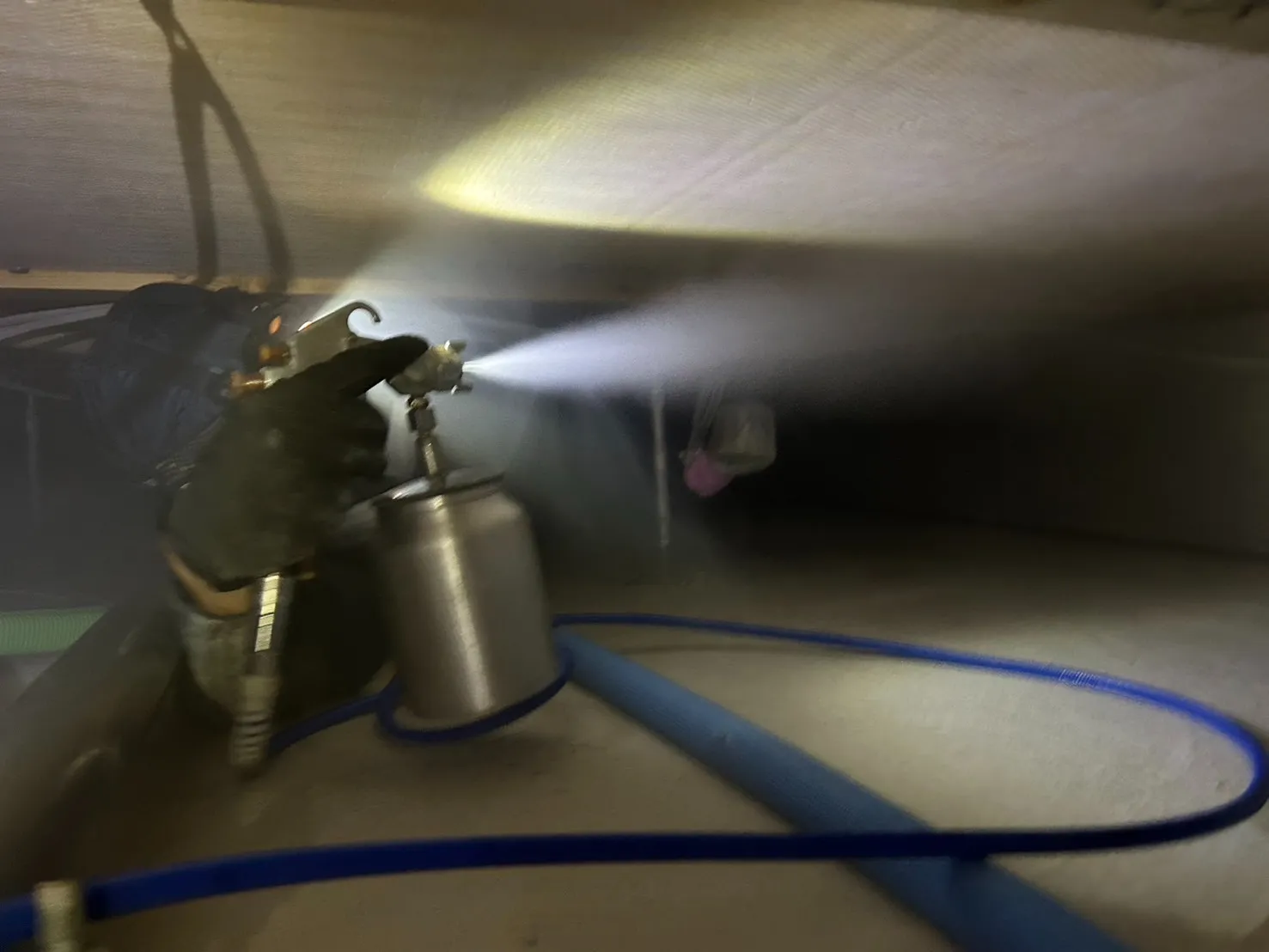
Fine mist application and specialized cleaning equipment penetrate even the smallest crevices
This method has been successfully implemented in nurseries, hospitals, luxury homes, and other environments where safety is critical, making it one of the most trusted subfloor mold solutions in the industry.
4.3 Key Benefits of the MIST Method® (for Builders)
FeatureBenefit
Immediate EffectMusty odors disappear quickly, improving indoor air quality
Material ProtectionPreserves wood, plywood, and insulation—often eliminating the need for replacement
Long-Term PreventionAnti-mold treatment provides 5–10 years of regrowth suppression
DocumentationBefore-and-after reports with photos build trust with clients and managers
Rapid ImplementationCan be performed without delaying the construction schedule or handover date
Cost-EffectiveFar less expensive than full repairs or demolition
4.4 A Powerful Tool for Restoring Trust and Handling Complaints
Responding with the MIST Method® does more than just remove mold—it demonstrates to clients that the builder is taking swift, sincere, and professional action.
How well a company resolves such issues, especially when facing accusations of construction defects, has a direct impact on brand image.
In addition to the technical solution, we also support you with photo reports and assistance in client communication to help rebuild trust and credibility.
5. Design and Construction Strategies to Prevent Subfloor Mold
To effectively prevent subfloor mold issues, it is essential to focus on moisture control in the design phase, proper drying during construction, and a balanced approach to ventilation and vapor barriers.
Superficial measures such as “adding vents” or “laying a vapor barrier” alone are not sufficient—collaboration between structural planning and on-site management is absolutely critical.
In this section, we’ll explain what builders should specifically do during the design, construction, and inspection phases to prevent mold recurrence, from a professional construction perspective.
5.1 Optimizing Moisture and Ventilation Planning During the Design Phase
To fundamentally prevent subfloor mold, moisture control must be prioritized during the design stage. In particular, planning for vapor barrier installation has a significant impact on mold resistance. A polyethylene sheet with a thickness of at least 0.15 mm should be laid to cover the entire ground surface. Overlaps must be at least 20 cm, and all joints should be sealed with vapor-proof tape to prevent moisture from rising from the soil.
To further prevent displacement or tearing of the sheet, applying a blinding concrete layer on top is also effective. This ensures long-term physical moisture blocking. Simultaneously, ventilation design within the foundation should be addressed. As a general rule, one foundation vent should be installed for every 25 square meters of floor area. Vents should be placed at building corners and on the leeward side to ensure smooth airflow throughout the subfloor.
In recent years, the increase in third-type ventilation systems and airtight homes has made natural ventilation alone insufficient. Designers must also consider airflow obstructions such as foundation piers and plumbing lines, and simulate airflow as necessary to ensure a subfloor environment where moisture can be properly expelled.
5.2 On-Site Drying Management and Material Selection
Even with a well-designed moisture control plan, poor site management can significantly increase the risk of mold. During the rainy season or after rain, subfloor components are often assembled while still damp, which later becomes a breeding ground for mold.
Wood should be used only when its moisture content is 20% or less. This should be verified upon delivery, and materials with higher moisture should be air-dried in a shaded area before use. After rainy weather, it’s not enough to cover with a blue tarp—forced drying with fans or dehumidifiers is ideal.
Attention must also be given to insulation materials. Highly absorbent materials like glass wool or rock wool should be treated with water-repellent coatings, and installed in a way that allows drying if moisture penetrates. In humid regions, using low-absorption materials like phenolic foam or extruded polystyrene can further reduce mold risk.
5.3 Post-Construction Inspection and the Importance of Anti-Mold Treatment
Once subfloor construction is complete, thorough inspection and final confirmation are essential. Even in the absence of visible mold, signs of condensation or high humidity require immediate action. Ideally, inspections should include physically entering the subfloor to check for odors, moisture, and visible mold. Simultaneous temperature and humidity measurements using digital tools are also recommended.
Inspection findings should be documented and shared with the homeowner in a photo-based report, serving as tangible proof of construction quality.
If mold is detected or there's concern about future risk, applying a professional anti-mold treatment is highly recommended.
Our company uses the MIST Method®, which applies a fine mist of specialized, human-safe chemicals that penetrate deeply into the wood without damaging it. This treatment offers mold prevention that lasts 5 to 10 years, greatly reducing the likelihood of recurrence.
Providing anti-mold treatment with a warranty adds credibility to your after-sales service and gives peace of mind to homeowners.
In conclusion, preventing subfloor mold requires consistent moisture control across all stages: planning, construction, inspection, and aftercare. By thoroughly addressing the invisible parts of the home, you improve the overall quality of the building—and enhance your company’s reputation in the process.
Work with Professionals Who Have Expertise and Proven Experience in Subfloor Mold Prevention
Subfloor mold is not merely a cosmetic or hygiene issue—it poses serious threats to a building’s structural durability, the health of its occupants, and the reliability of overall housing performance.
Especially in today’s homes, where airtightness and insulation are advancing rapidly, subfloor moisture control, ventilation planning, and construction precision are more critical than ever.
By optimizing vapor and ventilation planning from the design stage, managing moisture during construction, conducting thorough pre-handover inspections, and preparing for proper aftercare in the event of a complaint, builders can greatly enhance homeowner trust and satisfaction.
In such a specialized and sensitive area, collaboration with trusted professional partners is essential.
Our group offers comprehensive support throughout the Kansai, Kanto, and Chubu regions through the following brands:
◉ Kabi Reform Tokyo & Nagoya
Serving the Tokyo metropolitan area and Chubu region, we specialize in deep-rooted mold removal in insulation, drywall, and high-performance housing.
As part of the Kabi Busters Group, Kabi Reform Tokyo & Nagoya offers combined mold remediation and renovation services in one package.
◉ Kabi Busters Osaka
Providing full-service mold removal and prevention in the Kansai area—including Osaka, Hyogo, Kyoto, and Nara—for detached homes, apartment buildings, and medical/welfare facilities.
Using the MIST Method®, we offer gentle yet effective mold removal safe for wooden structures and sensitive materials.
Subfloor mold control is rapidly becoming an unavoidable aspect of quality assurance for construction companies.
Because these are invisible areas, being able to visualize, document, verify, and guarantee your work enhances your brand reputation and helps distinguish your company from competitors.
As a reliable partner throughout the entire process—from design to construction, inspection, and warranty—we invite you to utilize the expertise of Kabi Busters Osaka, Kabi Reform Tokyo & Nagoya, and Taikou Kensou Co., Ltd.
---------------------------------------------------------------------
カビ取リフォーム
東京営業所
〒141-0022
東京都品川区東五反田2-5-2 YHE CASK GOTANDA6階
電話番号:090-8321-4408
名古屋本社
〒465-0028
愛知県名古屋市名東区猪高台1-1301 タイコウビル1F
電話番号 : 0120-588-766
サイト:https://taikou-kensou.co.jp/
大阪営業所
〒532-0003
大阪府大阪市淀川区宮原1-19-23
電話番号:080-6978-3068
カビバスターズ大阪
https://kabibusters-osaka.com/
【検査機関】
一般社団法人微生物対策協会
https://kabikensa.com/
----------------------------------------------------------------------