“Mold on Hardwood Floors? A Complete Guide by Flooring Type”
2025/07/05
Mold growth on flooring can ruin your home's appearance and pose serious health risks. Using incorrect cleaning methods may further damage the floor and lead to mold reoccurrence.
This article explains what causes mold to develop on different types of flooring, how to safely remove it, and practical tips for long-term prevention and maintenance.
With the right knowledge, you can protect your floors—whether hardwood, vinyl, or tatami—and ensure a clean and healthy living space for your family.

1. What Causes Mold to Grow on Flooring?
The appearance of mold on flooring is more common than many homeowners realize. In fact, everyday living conditions often provide the perfect environment for mold to thrive. Two major contributing factors to mold growth on floors are humidity and dirt accumulation. When these factors combine, they create a moist and nutrient-rich surface that mold spores love.
1-1. Environmental Conditions: Humidity and Poor Ventilation
Mold typically begins to grow when the humidity level in the air exceeds 60%. During the rainy season or in winter when condensation is common, indoor humidity rises significantly, especially in poorly ventilated areas. Stale air gets trapped under furniture, rugs, and in corners, creating hotspots for mold growth. Lack of air circulation under flooring or behind baseboards makes these areas particularly vulnerable.
1-2. Dirt Accumulation and Condensation as Nutrient Sources
Dust, skin oils, food crumbs, and other organic materials that accumulate on the floor serve as food for mold. In addition, condensation from windows or overuse of humidifiers can drip onto the floor and contribute to excess moisture. Natural materials like wood and tatami (woven straw mats) are particularly susceptible to absorbing this moisture, making them ideal breeding grounds for mold. Routine cleaning and effective moisture control are key to preventing this problem.
2. Mold Risk Comparison by Flooring Type
Different flooring materials have varying levels of risk when it comes to mold growth. The material's ability to absorb moisture, its breathability, and resistance to stains all play crucial roles. Understanding how mold interacts with each type of flooring can help you take the right preventive measures and choose the best option for your space.
2-1. Wood and Solid Hardwood Flooring
Wooden flooring, especially solid hardwood, is highly susceptible to moisture. While aesthetically pleasing, it tends to absorb humidity from the air, making it prone to mold—particularly around seams and underneath the boards. Condensation in winter or high humidity during summer can accelerate this process. Even if the surface appears sealed, moisture can sneak through the gaps and promote hidden mold growth. Regular ventilation and the use of dehumidifiers are essential for maintaining wood flooring in a mold-free condition.
2-2. Vinyl, Carpet, Tatami, and Tile Floors
Vinyl and tile floors are more water-resistant than wood, making them less prone to surface mold. However, mold can still grow beneath these materials if moisture gets trapped between the flooring and subfloor. Tatami mats, made of natural straw, absorb humidity quickly and are particularly vulnerable in poorly ventilated environments. Even tiled floors can harbor mold in the grout or below the tiles if moisture accumulates. Regardless of the flooring type, consistent ventilation and moisture checks are vital to preventing hidden mold growth.
3. Unsafe Methods for Removing Mold from Floors
When mold appears on flooring, the urge to remove it quickly is understandable. However, using the wrong cleaning methods can damage the flooring and even worsen the mold problem by spreading spores. It’s essential to avoid common mistakes that can lead to long-term issues. Below are key methods to avoid when dealing with mold on floors.
3-1. Risks of Using Vacuums and Bleach
Using a vacuum to remove mold may seem convenient, but it's actually dangerous. The suction and airflow can disperse mold spores into the air, spreading them throughout the room. Similarly, bleach—especially chlorine-based bleach—may lighten mold stains but won’t kill the mold at its roots. On wood or tatami flooring, bleach can discolor or degrade the material, leaving the surface damaged. Even if the area looks clean, mold roots may remain hidden and lead to future regrowth.
3-2. Common Mistakes with Baking Soda and Vinegar
Natural remedies like baking soda and vinegar are often praised for being eco-friendly, but they’re not always effective against mold—especially on porous materials like wood. Baking soda can leave a white residue and may even alter the texture or color of wooden surfaces. Vinegar is acidic and may discolor the floor if left too long. More importantly, these substances usually do not reach deep enough to kill the mold at its root, making regrowth likely. For reliable results, it's best to use mold-specific cleaning agents or consult a professional.
4. Safe and Effective Mold Removal Steps
To successfully eliminate mold from flooring, it's essential to use safe, effective methods that address both surface mold and its underlying roots. Improper removal can lead to further damage or recurring mold. Below are easy-to-follow, practical steps you can take at home to safely remove mold from various types of flooring.
4-1. How to Use Rubbing Alcohol and Mold Cleaners
Disinfecting alcohol (with 70–80% concentration) is one of the most accessible and effective options for killing mold. Begin by blotting any visible moisture or mold spots with a dry cloth. Then, spray the alcohol directly onto the affected area and let it sit for 5–10 minutes. Afterward, wipe it clean using a dry cloth or paper towel—without scrubbing aggressively. If mold remains, follow up with a specialized mold removal detergent. These products are designed to penetrate deep into porous surfaces, breaking down the mold at its root and reducing the risk of recurrence.
4-2. Deep Cleaning Crevices with a Toothbrush
For mold growing in the gaps between floorboards, edges of vinyl tiles, or woven tatami seams, surface wiping won’t be enough. Use an old toothbrush dipped in alcohol or mold cleaner to gently scrub the mold out of these tight spaces. Be careful not to apply too much pressure, as this could damage delicate materials. After removal, ensure the area is thoroughly dried by opening windows, running fans, or using a dehumidifier. Residual moisture can cause mold to return quickly, so drying is just as important as cleaning.

5. Identifying Surface vs. Deep Mold
Not all mold on flooring is the same—some is limited to the surface, while other infestations have penetrated deep into the material. Knowing the difference is critical for determining whether a DIY approach will suffice or if professional help is needed. Here’s how to tell which type of mold you’re dealing with.
5-1. Checking for Black Mold and Testing with Bleach
If you notice dark spots or black patches on your floor, you may be dealing with black mold—a particularly harmful type known for triggering allergies and respiratory problems. A simple test involves using a cotton swab dipped in bleach. Dab the moldy spot and wait about 5 minutes. If the spot lightens or disappears, the mold is likely on the surface and may be removed safely. However, if there’s no change or the stain appears deeply embedded, the mold has probably penetrated the flooring and requires more intensive treatment.
5-2. When to Consult a Professional
If mold doesn’t come off with wiping, reappears shortly after cleaning, or emits a persistent musty odor, it has likely spread beneath the surface. Mold in subfloor layers or flooring seams can’t be reached with household products and may continue to grow unnoticed. This type of hidden mold can lead to structural damage and health risks if left untreated. In such cases, it’s best to consult a mold removal specialist who can use professional tools and treatments to eliminate the problem at its source.
6. Basic Mold Prevention Rules
Preventing mold from forming in the first place is far easier and more cost-effective than dealing with an infestation. Mold thrives in environments where moisture, warmth, and organic material are present. By managing these factors, you can greatly reduce the risk of mold growing on your flooring. Here are some practical steps you can take as part of your daily routine.
6-1. Proper Ventilation and Moisture Control
The first line of defense against mold is maintaining good airflow throughout your home. Open windows regularly—especially in humid seasons like the rainy summer months or cold winters when condensation builds up. Rearranging furniture to avoid blocking airflow can also help reduce moisture build-up in hidden areas. Check underfloor ventilation spaces or crawlspaces to ensure they aren’t sealed or obstructed. Ideally, keep indoor humidity between 40–60%, using a dehumidifier or your air conditioner’s dry mode when necessary.
6-2. Avoiding Moisture Under Rugs and Bedding
One of the most overlooked mold risks is the space under rugs or futons. These items absorb body heat and moisture during use, trapping humidity between the floor and fabric. Over time, this creates a prime environment for mold to grow. To prevent this, regularly air out rugs and bedding, and consider lifting them slightly off the floor using slats or platforms for better airflow. If you're using futons on tatami mats, make a habit of folding and storing them every morning. These small daily habits can make a big difference in long-term mold prevention.
7. Choosing Flooring to Prevent Mold
One of the most proactive steps you can take to fight mold is selecting the right type of flooring. Whether you’re building a new home or renovating an old one, choosing materials that are resistant to moisture and easy to clean can significantly reduce mold risks. Below are some tips for picking mold-resistant flooring and enhancing its protection.
7-1. Selecting Moisture-Resistant and Easy-Clean Materials
Flooring materials like vinyl, tile, and certain types of engineered wood are less likely to absorb moisture, making them naturally mold-resistant. These materials are especially suitable for areas prone to humidity, such as kitchens, bathrooms, and basements. Look for products with waterproof coatings or built-in anti-microbial properties. However, be cautious with composite wood products—even those with a wood-grain appearance may contain layers that absorb moisture through seams. In such cases, proper sealing and installation are essential to prevent mold from forming underneath.
7-2. Protective Coatings and Anti-Mold Sprays
For existing flooring, adding a protective layer can enhance mold resistance. Floor coatings form a moisture-resistant barrier on the surface, preventing water and dirt from seeping into the material. This is especially beneficial for wood or porous surfaces. In addition, anti-mold sprays can be applied regularly to inhibit mold growth. Be sure to choose sprays that are compatible with your flooring material and always test them on a small, inconspicuous area before full application. When used consistently, these products can extend the life of your flooring while maintaining a cleaner, healthier environment.
8. Structural Risks in Subfloor and Insulation
While mold on flooring may seem like a surface issue, it often originates from deeper structural problems—particularly in the subfloor and insulation. Hidden moisture buildup in these areas can promote long-term mold growth, which may go unnoticed until it causes serious damage. Here’s what you need to know about these hidden risks.
8-1. Moisture and Ventilation Problems Under Floors
The space beneath floors, especially in older homes, can become a breeding ground for mold if not properly ventilated. Inadequate airflow allows moisture from the ground to accumulate, especially when vapor barriers are damaged or missing. Even in modern airtight homes, poor circulation can cause damp conditions below the floorboards. Over time, this hidden humidity can lead to mold growth on the underside of the flooring or even the substructure. Regular inspections of underfloor areas and ensuring vents are unobstructed can help prevent this issue. Installing ventilation fans or moisture barriers may also be necessary in humid regions.
8-2. Mold-Prone Insulation Materials
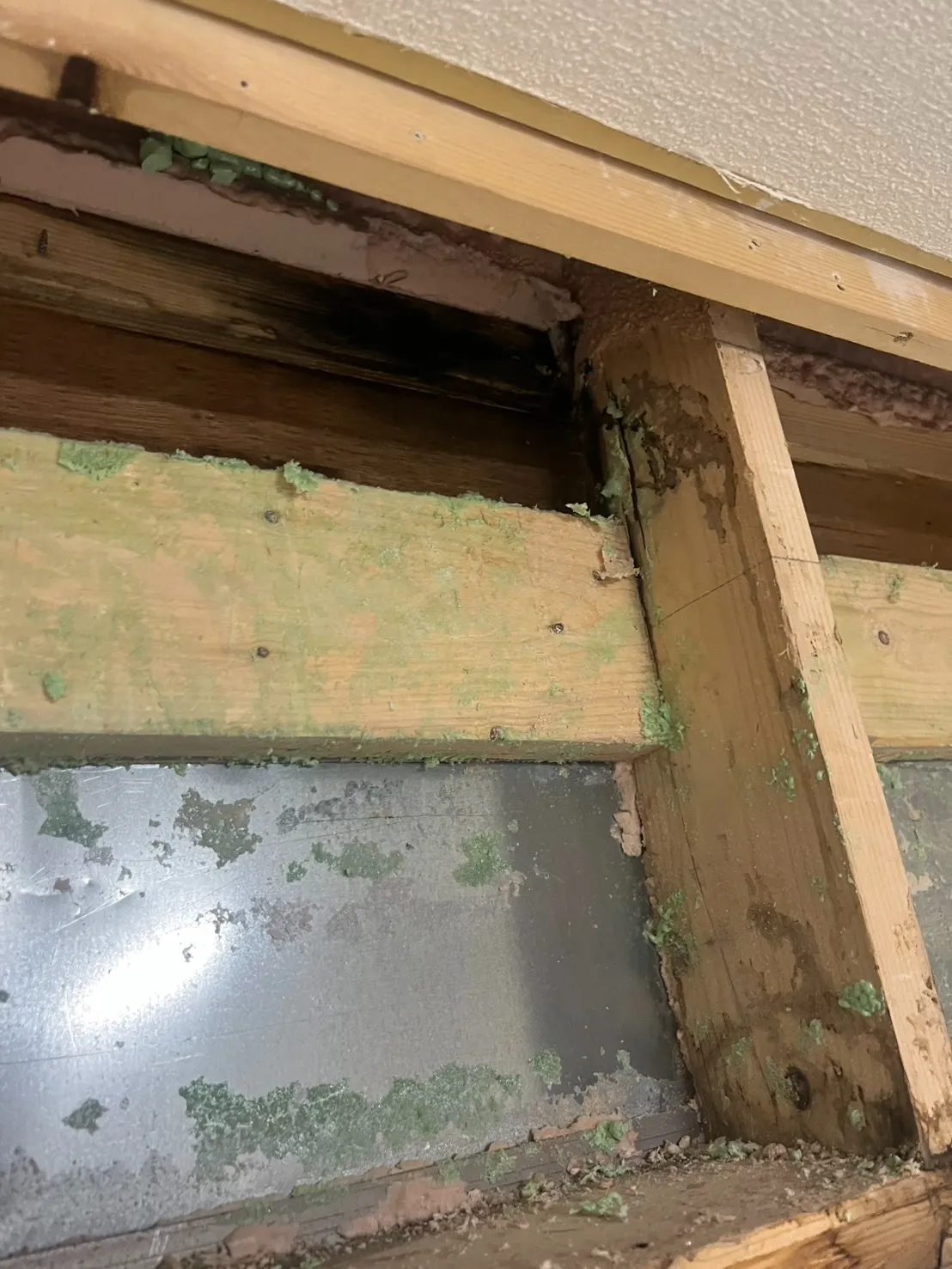
Different types of insulation react to moisture in different ways. Fiberglass or cellulose-based insulation, for example, tends to absorb and retain moisture, making it highly susceptible to mold. Even foam-based insulation can harbor mold if installed improperly or if gaps allow moisture to seep in. Once mold establishes itself in insulation, it can spread spores throughout the home via air circulation, negatively impacting indoor air quality. Choosing moisture-resistant insulation materials and ensuring proper installation with sealed joints can significantly reduce the risk of mold in your walls and under floors.
9. When to Call a Professional
While some minor mold issues on flooring can be handled with DIY methods, there are cases where professional intervention is not only recommended but essential. Improper handling can worsen the problem, allowing mold to spread deeper into flooring layers and even the structure itself. Here’s when you should seriously consider bringing in a mold remediation expert.
9-1. Mold Spreading from Within the Floor
If mold keeps reappearing after cleaning, cannot be wiped off, or there’s a persistent musty smell, chances are the infestation goes deeper than the surface. Mold may be growing under the flooring, in seams, or even into the subfloor. These hidden colonies are impossible to reach with household products and will continue to thrive unless professionally removed. A certified mold specialist can inspect the affected areas with precision tools, identify the extent of the problem, and completely eliminate it using specialized cleaning agents and techniques.
9-2. Addressing Mold with Remodeling or Floor Overlay
In severe cases, the most effective solution may be to replace or overlay the affected flooring. Mold that has deeply penetrated wood or underlayment may compromise structural integrity or release spores into the air continuously. Professional services not only remove the existing mold but can also install new mold-resistant flooring and apply long-lasting preventative treatments. This is especially important in older homes or in high-humidity regions where mold is more likely to recur. Choosing professional help ensures a thorough job, reduces long-term costs, and protects the health of everyone in the home.

10. Daily Maintenance and Long-Term Care
Even after successfully removing mold, ongoing maintenance is essential to keep it from coming back. Mold spores are always present in the environment, and they’ll return whenever conditions become favorable—usually due to moisture and neglect. That’s why incorporating preventive care into your regular routine is key to long-term mold control.
10-1. Regular Cleaning and Drying Habits
Keeping floors clean and dry is the foundation of mold prevention. Beyond daily vacuuming or sweeping, make a habit of doing a more thorough clean once a month: first with a damp cloth or mop, followed by a dry one to eliminate any leftover moisture. Don’t forget hidden areas like under furniture or rugs, which can trap humidity. On sunny days, open windows to allow natural air circulation. In humid weather, use dehumidifiers or fans to keep indoor moisture under control. The goal is to avoid creating the damp, stagnant conditions mold thrives in.
10-2. Seasonal Tips and Inspection Points
Different seasons pose different mold risks. In spring and summer, humidity is the main concern, while in fall and winter, condensation becomes the key issue. During the rainy season, use dehumidifiers proactively and avoid laying bedding directly on floors. In winter, be cautious about moisture accumulating near windows and floor edges due to temperature differences. At least once or twice a year, inspect your flooring for signs of discoloration, warping, or unusual odors. Early detection is crucial—catching a mold problem before it spreads can save you time, money, and frustration down the road.
Mold Removal & Prevention: Trust Kabi Busters Osaka and Kabi Reform Nagoya & Tokyo
When mold spreads across flooring, it’s not just a cosmetic issue—it can lead to material degradation and pose serious health risks. Especially when mold has penetrated deep into flooring layers, common cleaning products and DIY methods often fall short. That’s where Kabi Busters Osaka and Kabi Reform Nagoya & Tokyo come in.
Our biggest strength lies in the proprietary MIST Method®, a mold removal technology developed to eliminate mold without damaging the material. Unlike traditional methods that involve scrubbing or sanding, the MIST Method uses custom-formulated agents tailored to each surface, dissolving and lifting mold from deep within. This approach ensures that delicate flooring like wood or tatami remains intact. Plus, our agents are safety-tested and proven to be non-toxic, making them ideal for homes with children, seniors, or anyone with health sensitivities.
After removing mold, we also perform anti-mold treatments to prevent recurrence. The misted solution penetrates deep into the material, targeting even embedded spores. As a finishing touch, we apply a long-lasting antimicrobial agent that keeps mold from returning. It neutralizes airborne spores and forms a protective barrier against future contamination.
If you're facing stubborn mold, recurring outbreaks, or suspect hidden mold beneath your flooring, don’t hesitate to contact Kabi Busters Osaka or Kabi Reform Nagoya & Tokyo. With our advanced techniques and expert knowledge, we’ll restore your living space to a clean, safe, and mold-free environment.
---------------------------------------------------------------------
カビ取リフォーム
東京営業所
〒141-0022
東京都品川区東五反田2-5-2 YHE CASK GOTANDA6階
電話番号:090-8321-4408
名古屋本社
〒465-0028
愛知県名古屋市名東区猪高台1-1301 タイコウビル1F
電話番号 : 0120-588-766
サイト:https://taikou-kensou.co.jp/
大阪営業所
〒532-0003
大阪府大阪市淀川区宮原1-19-23
電話番号:080-6978-3068
カビバスターズ大阪
https://kabibusters-osaka.com/
【検査機関】
一般社団法人微生物対策協会
https://kabikensa.com/
----------------------------------------------------------------------