"Closet Mold and Stain Guide: From DIY Fixes to Professional MIST Method®"
2025/07/04
Have you ever found black stains deep in your closet and felt a sudden chill? Caused by humidity and poor ventilation, these stains are more than just an eyesore—they pose health risks too. This article breaks down the three steps to a mold-free closet: identifying the cause, quick cleaning methods, and long-term prevention. From store-bought solutions and natural ingredients to expert-level techniques like the MIST Method®, everything you need is here. By the end, your closet will be cleaner, healthier, and worry-free.
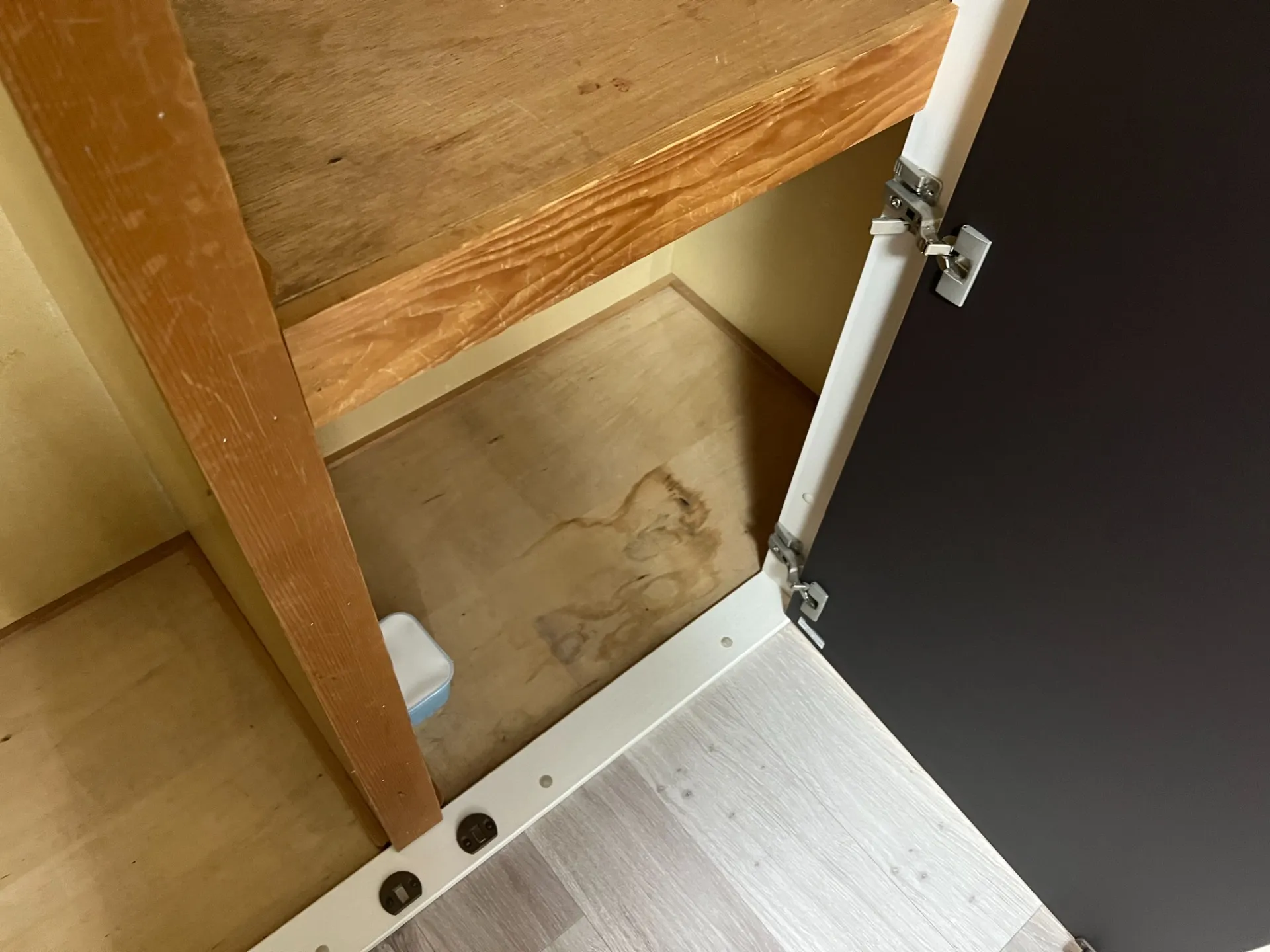
1. Causes of Mold and Black Stains in Closets
Mold and black stains often appear in closets due to poor air circulation and high humidity levels. In Japan’s naturally humid climate, closets easily become breeding grounds for mold when they lack proper ventilation. Moisture from bedding and clothes stored inside further contributes to mold growth, eventually leading to visible black stains and unpleasant odors.
1-1. The Risk of Mold from Humidity and Poor Ventilation
Closets are typically enclosed spaces with limited airflow, making them highly prone to moisture buildup. During the rainy season or in winter, indoor humidity rises, and sealed closets trap this moisture inside. This stagnant air creates an ideal environment for mold to spread across walls, floors, and stored items. Closets without vents especially require proactive measures such as regularly opening doors to let air circulate.
1-2. Moisture from Bedding and Clothes
Bedding and clothing stored in closets naturally absorb body heat and sweat, becoming sources of humidity. Especially in the case of futons, storing them while still containing moisture increases the overall humidity inside the closet. Similarly, clothes that are not fully dried after cleaning can also introduce moisture. This accumulated humidity raises the risk of mold, resulting in black stains on wooden panels, walls, and even the stored items themselves.
2. How to Identify the Mold and Stains
Mold and black stains in closets may look similar, but they vary in type and require different cleaning methods. Identifying the type of mold is crucial since each type poses different health risks and causes varying degrees of damage to materials. Misidentifying the mold and using the wrong treatment can make the problem worse, so proper recognition is key to safe and effective removal.
2-1. Differences Between White Mold, Black Mold, and Blue Mold
The most common types of mold found in closets are white mold, black mold, and blue mold. White mold typically appears as fluffy, cotton-like patches and is often noticed in the early stages. Black mold shows up as dark spots or smears and tends to penetrate deeply into wood and walls. Blue mold is commonly found on food, but it can also grow on damp fabrics and paper. By observing color and location, you can often determine the mold type and choose the appropriate treatment method.
2-2. Health Risks and Impact on Materials
Mold isn’t just an eyesore—it can seriously affect your health. Black mold, in particular, is known to trigger allergies, worsen asthma, and cause skin irritation. When mold penetrates wood, it can compromise the structural integrity of your closet. On fabrics and bedding, mold may cause lingering odors and lead to skin problems like rashes or itching. Properly identifying the mold type allows you to treat it effectively and minimize both health and property damage.
3. Early-Stage Mold and Stain Removal with Store-Bought Products
If mold or black stains in your closet are in the early stages, they can often be removed easily using store-bought products. Early intervention is key—if left untreated, the mold may grow deeper into surfaces and become much harder to eliminate. With the right cleaning items, you can often tackle the issue effectively without needing to call in a professional. Below are two recommended approaches for household mold removal.
3-1. Wiping with Ethanol or Hypochlorous Acid Water
One of the simplest and most effective methods is wiping the affected area with ethanol or hypochlorous acid water. Ethanol has strong disinfectant properties and works well for surface-level mold. Dilute pure ethanol to about 80% with water, spray it directly onto the moldy area, and wipe it off with a cloth or paper towel. Hypochlorous acid water is also effective for black stains, but it should be used with good ventilation and gloves. When applying to wood, be careful with concentration and avoid excessive use to prevent damage.
3-2. Choosing Between Oxygen-Based and Chlorine-Based Bleach
For slightly more stubborn stains, bleach can be a powerful ally. Oxygen-based bleach is gentle and suitable for wood and fabrics, making it ideal for closet surfaces. It can be diluted and used with a cloth for safe application. Chlorine-based bleach offers stronger stain and mold-killing power but can be harsh, so it must be used with caution. Always rinse the area thoroughly after using bleach and ensure proper drying to prevent mold from returning.
4. Easy Mold Care Using Natural Ingredients (Baking Soda, Citric Acid, Vinegar)
For those who prefer not to use chemical cleaners, natural household items like baking soda, citric acid, and vinegar offer a safe and effective way to tackle early-stage mold and black stains in closets. These substances are eco-friendly and gentle enough for homes with children or pets. While they may not remove deeply rooted mold, they are excellent for light stains and prevention.
4-1. Disinfection and Deodorizing with Baking Soda
Baking soda is alkaline and helps neutralize the acidic environment that mold thrives in. To make a simple cleaning spray, mix 1 teaspoon of baking soda with 100ml of water. Spray the affected areas and wipe them with a clean cloth. This not only removes light mold but also helps eliminate musty odors often found in closets. After cleaning, placing a small open container of baking soda in the closet can help absorb moisture and prevent recurrence.
4-2. Mold Control with Citric Acid and Vinegar
Citric acid and vinegar are mildly acidic and have natural antifungal properties. They're especially effective against white mold and light surface buildup. To make a citric acid spray, mix 1 teaspoon of citric acid in 200ml of water and apply it to moldy spots. Similarly, vinegar diluted 1:1 with water can be used as a mold inhibitor. Always test these solutions on a small, hidden area first, as acidic substances may discolor or damage certain materials. After application, be sure to dry the area thoroughly to avoid encouraging mold growth.
5. Professional Mold Removal Techniques
When mold or black stains in your closet become too extensive to handle on your own, it’s time to consider calling in a professional. Deep-rooted or recurring mold often resists household treatments and may require specialized care. One of the most advanced and trusted methods in Japan is the proprietary MIST Method®, designed to thoroughly remove mold without damaging materials.
5-1. Advanced Methods Like the MIST Method®
The MIST Method® is a professional mold removal technique that adjusts cleaning agents according to the severity of the mold and the type of surface. Unlike conventional methods that involve scrubbing or sanding, MIST gently decomposes and kills mold without harming delicate materials like wood or fabric. This makes it ideal not only for modern homes but also for preserving the integrity of historic buildings. MIST uses safe, non-toxic agents, making it suitable for homes with children or elderly residents, and ensures deep penetration into the material to remove mold at its root.
5-2. When and How to Contact a Specialist
You should consider hiring a professional if mold has spread over a large area, keeps coming back despite regular cleaning, or if you notice a persistent musty smell. Also, for materials such as untreated wood or tatami mats, household bleach and harsh chemicals may cause irreversible damage. When choosing a specialist, check their track record, the safety of the products they use, and whether they offer aftercare or mold prevention treatments. A reputable company that uses methods like MIST will offer a thorough solution that’s both effective and safe.
6. Preventing Mold and Stain Recurrence
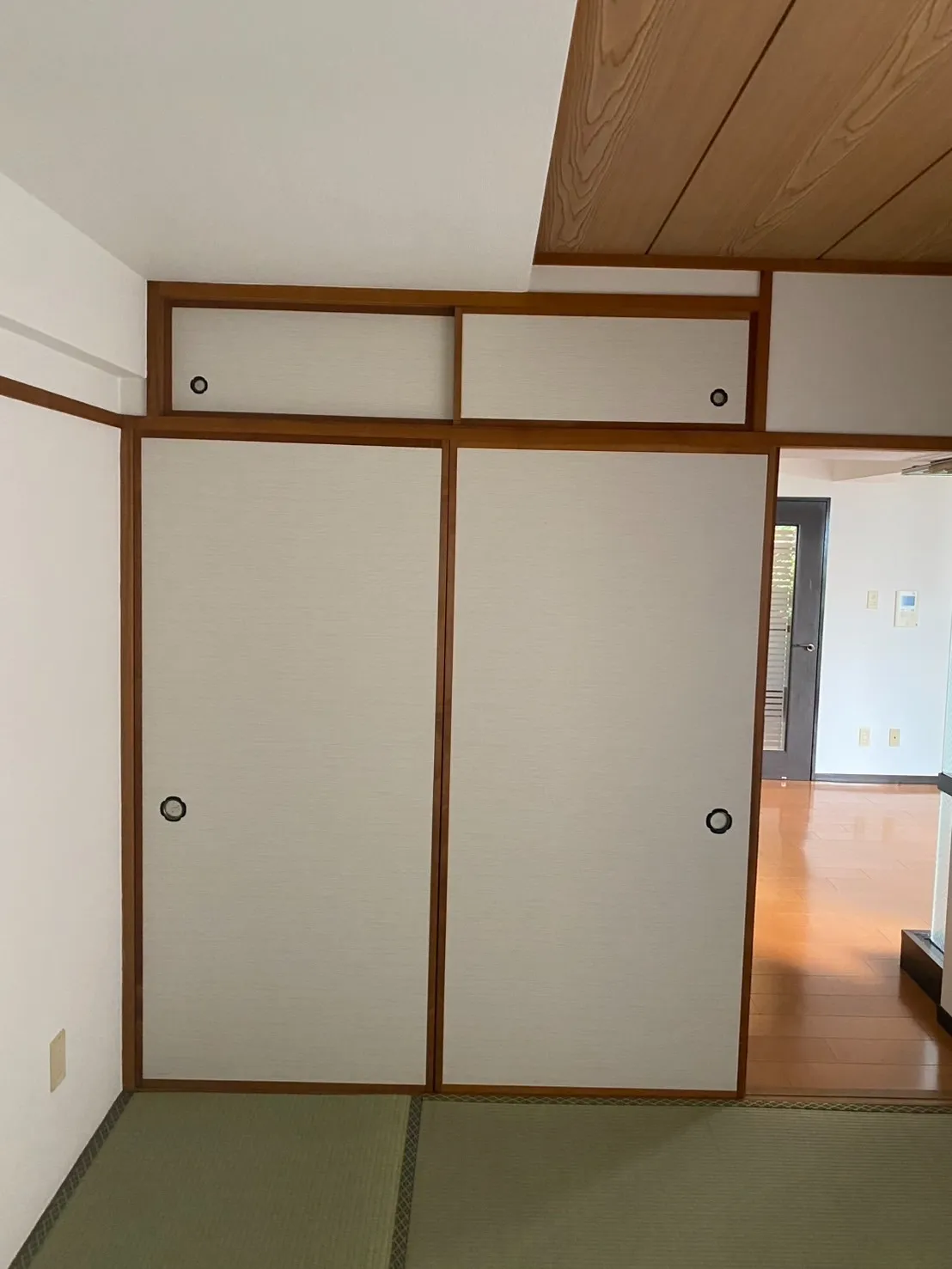
Even after successfully removing mold and black stains, without proper preventive measures, they’re likely to return—especially in the humid, poorly ventilated environment of a closet. By making a few smart adjustments to your storage setup and incorporating moisture-control products, you can keep your closet clean and mold-free for the long term.
6-1. Smart Storage with Slatted Racks and Compression Bags
Avoid placing bedding or clothing directly on the closet floor, where moisture tends to accumulate. Instead, use slatted wooden racks (suno-ko) to allow air to circulate underneath. This simple step can dramatically improve ventilation. Additionally, storing clothes and blankets in vacuum-sealed compression bags helps prevent moisture intrusion and saves space. It’s important not to overfill the closet—leaving some space allows airflow and discourages mold growth.
6-2. Effective Use of Dehumidifiers and Anti-Mold Products
Dedicated closet dehumidifiers, odor absorbers, and mold prevention sprays are excellent tools for long-term maintenance. Place dehumidifying agents in corners or beneath slatted racks where moisture tends to collect. Many modern products offer combined benefits—absorbing moisture, neutralizing odors, and inhibiting mold. Be sure to replace them regularly according to the manufacturer’s instructions. By staying proactive, you’ll create an environment where mold can’t thrive.
7. Simple Daily Habits for a Mold-Free Closet
Keeping your closet mold-free doesn’t require complicated routines—just a few consistent habits can make a big difference. You don’t need to clean thoroughly every day, but regular light maintenance can prevent mold from taking hold. Here are some easy and effective daily care practices you can implement.
7-1. Weekly Ventilation and Wiping Routine
The two most effective preventive measures are ventilation and surface wiping. Try to open your closet doors once or twice a week for 30 minutes to an hour, especially on dry, sunny days. This allows fresh air to flow in and excess moisture to escape. Use a dry cloth or alcohol spray to gently wipe down shelves and walls. These small steps remove invisible mold spores and reduce humidity inside the closet. On particularly humid days, ventilation becomes even more important.
7-2. Seasonal and Weather-Based Management of Bedding and Clothes
How you manage your bedding and clothing also plays a key role in mold prevention. During rainy seasons or in winter when condensation increases, pay extra attention. Make sure to sun-dry your futons on clear days and only store them when they’re completely dry. Similarly, after washing or dry cleaning clothes, don’t put them in the closet right away—air them out thoroughly first. Regularly reorganizing and rotating items during seasonal changes will also help keep the closet fresh and reduce the risk of mold buildup.
8. Thorough Drying and Finishing Care After Cleaning
After removing mold, proper drying and final protective treatment are essential. If moisture remains, mold can quickly return. Right after cleaning, your closet is most vulnerable, so taking the right steps to dry and protect it will greatly reduce the chances of recurrence.
8-1. Air Drying with Open Doors or Using a Dehumidifier
After cleaning, keep the closet doors wide open for as long as possible to allow natural air circulation. Choose a dry, sunny day to enhance the drying process. On humid or rainy days, using a dehumidifier is highly effective. Direct the airflow from the dehumidifier into the closet to help speed up drying. You can also use a fan in combination to improve air movement and eliminate any lingering moisture.
8-2. Disinfecting and Applying Anti-Mold Spray
Once the closet is completely dry, apply a final protective treatment. Lightly disinfect surfaces again with alcohol or hypochlorous acid water. Then, spray the interior with a commercial anti-mold spray, focusing especially on corners and areas where mold is likely to return. These sprays come in various types, including fragrance-free and antibacterial versions. Taking this extra step at the end of your cleaning routine can significantly enhance mold resistance and keep your closet fresher for longer.
9. How to Deal with Mold on Bedding and Clothes
If mold in your closet spreads to your bedding or clothes, it can cause not only visible stains and unpleasant smells but also health risks. Fabrics are particularly vulnerable to absorbing moisture and allowing mold to grow. When you notice signs of mold on your stored items, acting quickly is essential. Here’s how to address the issue effectively, both at home and with professional help.
9-1. Sun-Drying and High-Temperature Washing
For mild mold, the first step is to dry the item thoroughly in direct sunlight. Ultraviolet rays have natural disinfecting properties and help prevent further mold growth. Futons should be dried on both sides, ideally with the help of a futon-drying mat. For clothes, check the care label first, then wash them using hot water if possible. Soaking mold-affected items in oxygen-based bleach is also effective for removing stains and disinfecting the fabric without damaging colors.
9-2. Using Professional Cleaning Services
If the mold is extensive or the item is made of delicate material, it’s best to consult a professional cleaning service. Some offer full futon washing and anti-mold treatment for clothes. Professional cleaners can remove deep-rooted mold and lingering odors more effectively than household methods. This is especially recommended for those with allergies or sensitive skin. Choosing a service that includes anti-mold finishing can extend the life of your bedding and clothes while ensuring safety and cleanliness.
10. Solutions for Severe Black Stains and Stubborn Mold – Case-by-Case Guide
When mold or black stains in your closet have become deeply embedded, standard home remedies may no longer be effective. If left untreated, these issues can lead to material damage and even health concerns. Here, we outline appropriate responses based on the affected material and offer guidance on when to consider professional help.
10-1. Material-Specific Approaches for Walls, Fabrics, and Wood
The best treatment method depends on the surface affected. For example, black mold that has penetrated wood cannot be eliminated with simple surface wiping. Alcohol or mold-specific cleaners may help, but if stains remain, professional intervention may be necessary. For fabric or wallpaper, diluted bleach might be useful—but always test in an inconspicuous area first to avoid discoloration or material damage. Choosing the correct method for each material helps prevent further deterioration.
10-2. When and How to Choose a Professional Service
If mold continues to return despite regular cleaning, covers a large area, or produces a persistent musty odor, it's time to consider calling a professional. Mold may be hidden deep within the walls or wood, beyond what is visible. When selecting a mold removal service, pay attention to the safety of their products, their past work, and whether they provide aftercare or prevention treatments. Services using advanced methods like the MIST Method® are especially reliable, as they remove mold thoroughly while preserving the integrity of your home’s materials.
Mold Removal & Prevention: Trust Kabibusters Osaka and Kabi Reform Nagoya & Tokyo
If you're struggling with persistent mold or black stains in your closet, Kabibusters Osaka and Kabi Reform Nagoya & Tokyo offer safe, effective, and specialized solutions. Our unique and highly advanced MIST Method® removes mold at its root without damaging delicate materials such as wood or fabrics, making it ideal for closets and various indoor surfaces.
Unlike conventional methods that rely on scrubbing or harsh chemicals, the MIST Method® uses custom-formulated, surface-specific agents to gently decompose and eliminate mold. This technique preserves the original texture of materials while thoroughly targeting mold colonies—even in hard-to-reach areas. All treatment solutions are carefully selected to be safe for households with children, elderly family members, and those with sensitivities.
We don’t just remove mold—we take preventive action too. Our anti-mold treatment creates a long-lasting barrier that helps stop future growth. By addressing both the cause and the consequence, we ensure a cleaner, healthier living environment that lasts.
Whether you live in the Kansai or Kanto region, Kabibusters Osaka and Kabi Reform Nagoya & Tokyo are here to support your mold prevention needs with tailored services and expert care. Contact us today to restore your space and protect your health.
---------------------------------------------------------------------
カビ取リフォーム
東京営業所
〒141-0022
東京都品川区東五反田2-5-2 YHE CASK GOTANDA6階
電話番号:090-8321-4408
名古屋本社
〒465-0028
愛知県名古屋市名東区猪高台1-1301 タイコウビル1F
電話番号 : 0120-588-766
サイト:https://taikou-kensou.co.jp/
大阪営業所
〒532-0003
大阪府大阪市淀川区宮原1-19-23
電話番号:080-6978-3068
カビバスターズ大阪
https://kabibusters-osaka.com/
【検査機関】
一般社団法人微生物対策協会
https://kabikensa.com/
----------------------------------------------------------------------