What Construction Companies Should Know: A Knowledge Guide to Handle Ceiling Mold Complaints from Tenants
2025/06/30
Receiving comments like “There seems to be a mold stain on the ceiling...” from tenants is a common occurrence that any construction company may face. If the issue is addressed without understanding the cause, it can lead to unnecessary anxiety or misunderstandings.
This guide provides tips on how to identify ceiling mold, how living environments can affect it, and its connection to building structure—helping you offer clear, convincing explanations to tenants.
By equipping yourself with accurate knowledge, you can build greater trust during client interactions and turn mold-related consultations into opportunities for impactful proposals.
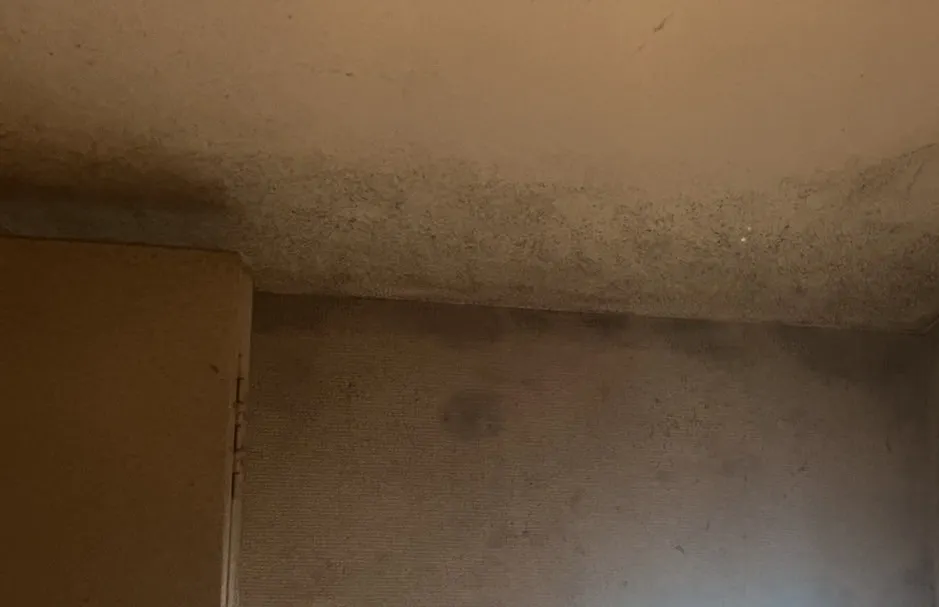
1. Introduction: Building Trust Through Prompt Response to Ceiling Mold Complaints
In newly built or renovated properties, it's not uncommon for tenants to report issues like “mold has appeared on the ceiling.” In reality, such mold growth can result either from problems inherent to the building itself or from a combination of living conditions and seasonal factors. Since sales representatives are often the first point of contact, it’s essential for them to understand the types of concerns typically raised and what tenants can do during the early stages to address the issue.
1-1. Common Mold-Related Complaints from Tenants
Typical concerns tenants raise about ceiling mold include:
“Black spots have appeared in the corner of the ceiling. Is this mold?”
“During the rainy season or winter, moisture collects on the ceiling and mold starts to grow.”
“Even after cleaning, mold keeps coming back in the same spot.”
“There’s a moldy smell coming from the ceiling—could it affect our health?”
These types of questions are especially common in homes with noticeable black mold or where children or elderly residents live, as concerns about health effects increase. In many cases, tenants feel uneasy simply because they don’t know exactly what they’re dealing with and want a basic judgment on whether it’s mold or not. For tenants, even small changes can feel alarming, sometimes leading to worries that there might be defects in the building.
1-2. What Tenants Can Do First: Basic Measures to Stabilize the Situation
When tenants notice stains on the ceiling that appear to be mold, prompt action is essential. However, using the wrong methods out of panic can sometimes worsen the problem. It helps to advise tenants on the following simple steps they can take early on:
Improve ventilation: Mold thrives in humid, stagnant air. Using exhaust fans and opening windows regularly helps keep air flowing.
Use dehumidifiers or air conditioning with dehumidify mode: High humidity accelerates mold growth. Even without a humidity meter, if the room feels damp, dehumidification is likely needed.
Wipe off moisture: If condensation is visible on the ceiling, gently wiping it with a dry cloth can help prevent mold from spreading.
Using alcohol-based disinfectant sprays can be a temporary solution, but they may damage surfaces. If the mold covers a wide area or seems deeply embedded, it’s better not to tackle it with store-bought products and instead wait for professional assessment.
Providing tenants with clear, calm instructions for early-stage mold responses not only helps manage the situation effectively, but also builds trust in your company.
1-3. Common Misunderstandings and the True Identity of “Mold”
When tenants see dark spots or stains on the ceiling, they often assume it must be mold. However, not all discoloration is mold. It may be due to dust or smoke residue, water stains from leaks, or natural material aging. For example, dark marks around ventilation fans or areas with poor airflow may actually be “dust spots,” which closely resemble mold but are not.
Mold also comes in different colors. While black mold tends to be the most feared due to its dark appearance, other types—like white, blue, or yellow mold—exist and each has different causes and growth conditions. Black mold prefers dark, humid areas, while white mold often appears in places with large temperature fluctuations.
Because many ceiling discolorations have various potential causes, it’s important to approach them with the understanding that not everything is mold—and that even visible mold may not be identifiable by appearance alone. Some tenants may be overly worried, while others might be underestimating a genuine health risk. A calm and careful assessment is essential.
2. Understanding the Background of Ceiling Mold Growth
The appearance of mold on ceilings is not simply due to a lack of cleaning. Various factors, including the building's structure and indoor environmental conditions, contribute to mold growth. For both explaining to tenants and sharing information within your company, it’s essential to understand the basic mechanisms behind mold development.
2-1. Basic Knowledge of Mold Growth: Condensation and Humidity
Three main conditions are required for mold to grow: humidity, warmth, and a nutrient source (such as dust or dirt). Mold becomes particularly active when humidity levels exceed 60%. Since ceilings are rarely touched or cleaned regularly, dust tends to accumulate easily, and once conditions are right, mold can spread rapidly.
During the winter heating season or humid periods like the rainy season, warm indoor air often meets the cooler surface of the ceiling, resulting in condensation. If this moisture does not dry properly, it creates a persistently damp environment that is ideal for mold growth. This phenomenon is especially common in areas with temperature differences, such as ceiling corners facing exterior walls or ceilings above bathrooms.
2-2. Architectural Factors: Structure, Insulation, and Airtightness
The likelihood of ceiling mold growth can vary depending on the building’s structural design, insulation quality, and level of airtightness. For instance, if insulation is poorly installed or the building isn’t properly sealed, temperature differences can occur above the ceiling, leading to condensation. When moisture accumulates in the attic or ceiling space, it has nowhere to escape, allowing heat and humidity to slowly encourage mold growth.
Inadequate ventilation spaces in ceiling cavities or poorly installed ventilation ducts can also contribute to mold. These issues are not limited to newly built homes; they also occur in older rental properties or post-renovation buildings. Since the quality of construction in unseen areas directly impacts the risk of ceiling mold, careful attention during the building process is crucial.
2-3. The Role of Lifestyle in Mold Development
Mold growth on ceilings is not solely due to structural issues; tenant lifestyles play a significant role as well. For example, households that frequently hang laundry indoors introduce more moisture into the air. When this is combined with heating or cooling systems, the resulting temperature difference can easily lead to ceiling condensation. Many tenants report ceiling mold in rooms where laundry is regularly dried, highlighting the challenge of humidity control.
Additionally, households that rarely open windows or limit the use of 24-hour ventilation systems tend to trap moisture due to poor air circulation. With growing concerns over noise and security, many people prefer to minimize contact with outside air, but this can cause indoor humidity to rise unless intentional ventilation is practiced.
Rooms filled with houseplants or where humidifiers are frequently used also introduce more moisture into the air. Without realizing it, tenants may be creating ideal conditions for mold to thrive. Because lifestyle habits have such a strong influence on humidity, addressing mold issues requires not only inspecting the building but also evaluating how the space is being lived in.
3. Key Points to Confirm During Tenant Interviews
When a tenant reports mold on the ceiling, simply inspecting the site is not enough. To accurately identify the cause of the mold, it’s essential to gather information through interviews—understanding the tenant’s living habits and the specific features of the building. This section outlines key questions to ask before conducting an on-site investigation.
3-1. Occupancy and Lifestyle Habits (Humidity and Ventilation)
Ceiling mold is often linked to the tenant’s living environment. The first step is to understand their daily routines. Key indicators include how often laundry is dried indoors, the use of humidifiers, how frequently windows are opened, and whether the 24-hour ventilation system is in use. Lifestyle patterns such as “keeping windows closed during winter” or “mainly drying clothes indoors” can increase indoor humidity, creating conditions that promote mold growth.
Humidity levels also vary depending on the number of people living in the home and how each room is used (e.g., bedrooms, children's rooms). It's important to confirm exactly which room is affected and what it’s typically used for. If possible, ask when the mold first appeared and whether there were any changes in how the room was used before or after the mold was noticed—this can greatly help in identifying the root cause.
3-2. Building History (Leaks, Plumbing Issues, Renovations)
The building’s history is another critical factor. Mold can result not only from surface moisture but also from water that has penetrated the structure. Information like “there was a previous roof leak in that spot” or “the ceiling was replaced once” can be highly valuable in determining the underlying cause of the mold.
Additionally, past plumbing issues that caused water to accumulate above the ceiling, or poorly installed insulation, can lead to hidden mold growth. Even past renovations may have altered airflow, contributing to mold conditions. These are not always things tenants are aware of, so checking internal records or construction reports can be useful.
3-3. Location and Spread of Mold
When investigating ceiling mold, it's essential to identify exactly where and how extensively it is growing. Knowing the location and spread helps determine the likely cause, the mold type, and the urgency of the response.
Start by checking which part of the ceiling the mold appears on: corners of the room, near ventilation fans, around light fixtures, or where the ceiling meets the wall. Each area can indicate a different cause—corners often point to condensation from external temperature differences, while areas around light fixtures may be affected by heat or dust. If mold appears near air conditioners, airborne spores may have been dispersed by airflow.
Next, assess the spread pattern. A few isolated spots may suggest an early stage, while streaks or wide patches likely mean the mold has taken root, requiring more specialized treatment. If multiple areas are affected simultaneously, it could indicate a widespread humidity problem in the ceiling cavity, possibly calling for a structural investigation.
When asking tenants to provide photos, request both wide shots and close-ups that show the mold’s position and context. It’s also helpful to ask whether the mold area is changing daily or spreading rapidly, as this information can guide diagnosis and prioritization.
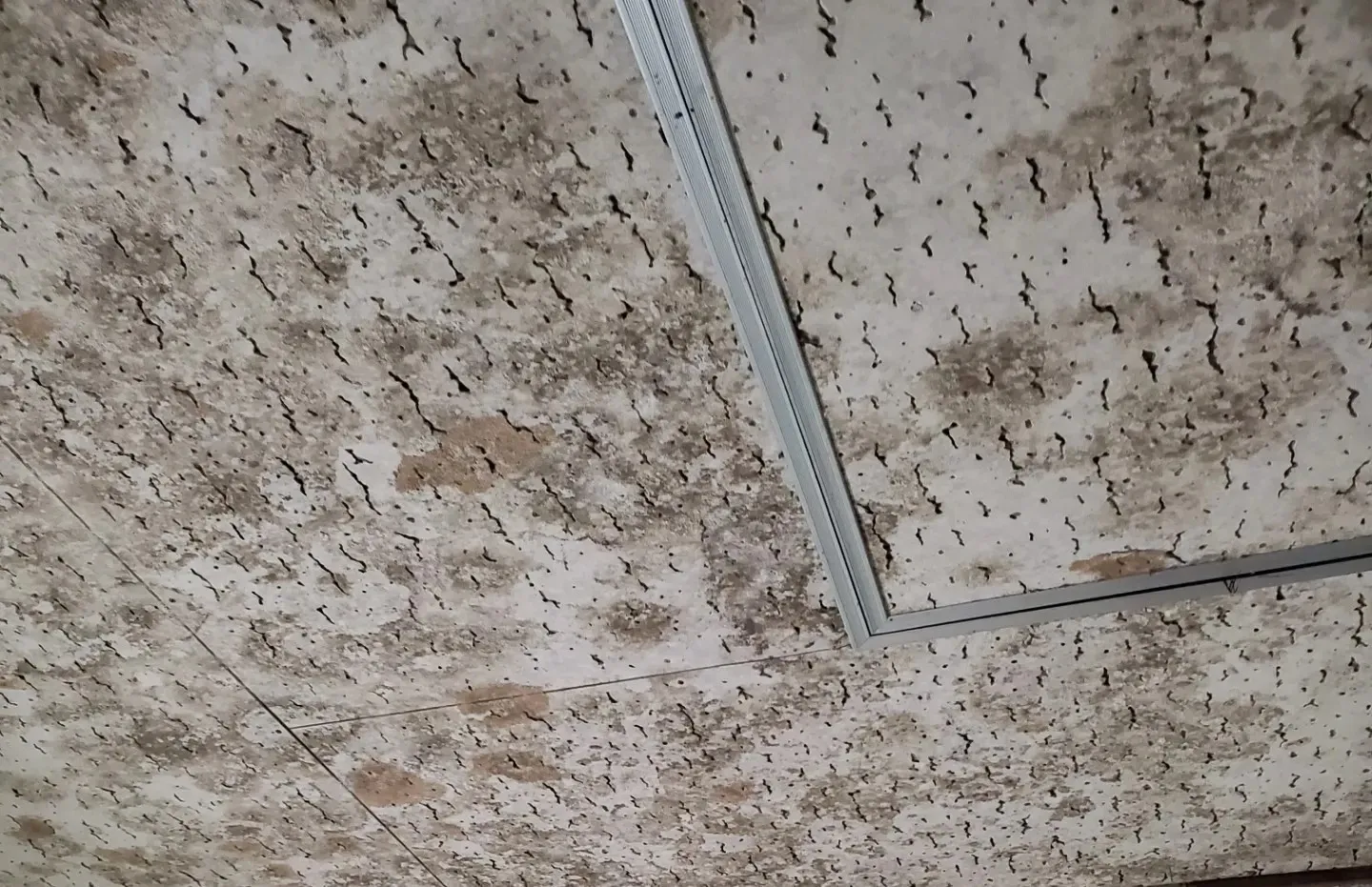
4. Initial Response Steps
When a report of ceiling mold is received, the top priority is to assess the current situation as quickly as possible. However, it may not always be feasible to arrange for a professional contractor immediately. That’s why it's important for construction companies to understand what actions and checks they can perform during the initial stage to ensure a smooth process. This section explains the basics of on-site inspections and temporary responses.
4-1. On-Site Inspection and the Importance of Photos and Records
The first step is to inspect the site and determine where and in what condition the mold has appeared. When taking photos, it's important to capture both wide-angle shots that show the entire room layout and close-ups that clearly document the mold’s position and extent. Also, check other areas where moisture may accumulate—such as walls, window frames, and storage spaces—to get a full picture of the situation.
Measuring temperature and humidity levels can also be helpful. Even a basic humidity meter can reveal environmental conditions that may be contributing to mold growth. If possible, document the timeline from when the tenant moved in to when mold first appeared, along with any changes in living habits—this information can be valuable when planning follow-up actions.
4-2. Temporary Measures (Dehumidification, Ventilation, Basic Cleaning Guidance)
Once the mold situation has been assessed on-site, you may be able to take some emergency steps, especially in mild cases. For instance, if moisture is clearly the cause, you can recommend using dehumidifiers or air circulators to improve airflow and reduce humidity. Even simple actions such as using exhaust fans or opening windows several times a day can help slow mold development.
If the mold is only superficial, tenants may be able to clean it themselves using alcohol-based sprays. However, stronger treatments like bleach can damage surfaces, so if it’s difficult to assess on-site, it’s better not to take risks and instead consider referring the case to a professional.
These responses are only temporary measures, and full mold removal and prevention require professional treatment. However, timely and appropriate action during the initial stage can go a long way in reassuring tenants and earning their trust.
5. Key Points for Referring to Professional Mold Remediation Services
When mold has spread extensively or is suspected to have penetrated into the building materials, it becomes difficult for a construction company to handle the issue alone. In such cases, referring the matter to a professional mold remediation service is the most appropriate course of action. This section outlines key points to ensure a smooth and effective handover to the specialists.
5-1. Organizing Findings and Communicating Requirements to the Specialist
When referring a case to a mold remediation specialist, it’s crucial to communicate the on-site findings clearly and concisely. The following details should be organized in advance to help the specialist respond efficiently:
Exact room and location of the mold (e.g., ceiling corner in the north-facing bedroom)
Color, spread, and presence of odor
Information gathered from the tenant (ventilation status, lifestyle habits)
Signs of condensation or possible water leaks
Photographic documentation (both wide-angle and close-up shots)
If available, include details such as ceiling material type, construction period, and insulation specifications. Rather than simply saying “please take a look,” sharing the background and context of the issue will help build trust with the tenant and lead to a smoother resolution.
5-2. Explaining the Work Scope, Cost, and Timeline to Tenants
Once the case is handed over to a professional, the construction company may still need to explain the process to the tenant. Mold remediation work is often hard for tenants to visualize, and uncertainty can lead to anxiety. That’s why it’s important to clearly explain the scope of work, estimated duration, and approximate cost.
For example, you might say, “This includes not only surface cleaning but also deep treatment to eliminate mold inside the material,” or “The work will take about one to two days and typically costs around ¥XX,000.” Providing a concrete image through clear language helps reassure tenants.
If anti-mold treatment is also being done, you could add, “We’ll apply a treatment to prevent mold from returning,” to further enhance the explanation’s credibility. While the technical details should be left to the specialists, it’s also the construction company’s role to support and ease the tenant’s concerns.
6. Follow-Up System During and After Mold Remediation Work
Mold remediation is not just about completing the work—it also involves careful attention during the process and thorough explanations and checks afterward. These steps significantly enhance the tenant’s sense of security and build greater trust in the construction company. This section outlines key follow-up points to keep in mind as the remediation work progresses.
6-1. Progress Updates and Reassurance for Tenants
During the remediation process, some tenants may remain at home while others may be away. In either case, it is essential to provide regular updates about the progress and current status of the work. Even a brief message—such as “Ceiling mold removal is completed today, and anti-mold treatment will be applied tomorrow”—can go a long way in reassuring tenants.
If the workers need to move furniture or cover areas for protection, informing tenants in advance helps prevent misunderstandings. Additionally, informing them about potential noise or odors, for example, “Some chemical smell may linger temporarily” or “Please keep the room ventilated for a while,” can minimize dissatisfaction.
After the work is completed, presenting a report—ideally with photos—that explains what areas were treated and what substances were used enhances transparency and helps prevent future complaints.
6-2. Aftercare for Preventing Recurrence (Inspections and Maintenance)
Removing mold is not the final goal—preventing its recurrence is what truly matters. After the remediation, offering guidance such as regular check-ups or tips for controlling humidity can significantly reduce the risk of mold returning.
Suggestions like “Use your air conditioner’s dehumidifier setting frequently” or “Placing dehumidifying agents near windows is effective” are easy to follow and usually well-received by tenants. Offering a one-year follow-up inspection or even a small gesture like gifting a humidity meter can also leave a strong positive impression.
Additionally, by explaining how long the anti-mold treatment is expected to last and letting tenants know that reapplication is available if needed, you create an opportunity for future engagement. A solid follow-up system ensures peace of mind for tenants and enhances the construction company’s reputation and brand value.

7. How to Reassure Tenants with Clear Explanations and Preventive Advice
When tenants raise concerns about mold, how you explain the situation has a significant impact on their overall impression and trust. Rather than relying on technical jargon, it's important to choose words that ease their anxiety and help them understand the issue clearly. This section offers practical ways to communicate effectively in everyday conversation and provides a natural approach to making helpful suggestions.
7-1. Clarity and Reassurance Matter More Than Technical Explanations
When explaining the causes of mold, using technical terms like “condensation due to temperature and humidity differences” or “insulation specifications” can unintentionally cause confusion or distrust. What’s more important is clarity and empathy—speaking from the tenant’s perspective.
For instance, using relatable examples such as “You know how windows fog up on cold days? The same thing can happen on ceilings,” or “During the rainy season or winter, there's more moisture in the air, and it tends to collect in the corners of rooms,” helps tenants understand the issue more easily.
When tenants ask, “Is it just our home?” you can ease their concerns by saying, “Actually, we’ve been getting more of these calls during this season. But with proper measures, mold can be prevented from coming back, so there’s no need to worry.”
7-2. Preventive Advice Builds Trust
Providing preventive suggestions—not just responses after mold appears—is key to building a stronger relationship of trust with tenants.
Simple, natural advice like “This spot tends to trap moisture, so placing a dehumidifier or humidity meter might help,” or sharing small facts like “This material is actually treated to resist mold,” can boost both the tenant’s confidence and satisfaction.
Also, saying something like “If anything similar happens again, feel free to contact us right away” reinforces your image as a responsive and supportive company. That kind of proactive follow-up makes a big difference in the long-term trust you build with tenants.
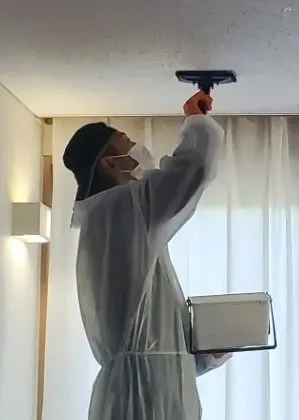
8. Professional Mold Prevention Technology That Works — What Is the MIST Method®?
Even after mold has been removed, many tenants continue to worry: “What if it comes back in the same spot?” This is where construction companies can offer added value by recommending a professional anti-mold solution—the MIST Method®. Especially for deep-rooted mold issues like those found on ceilings, where surface treatment alone is not enough, the MIST Method® provides thorough removal and long-lasting preventive effects.
8-1. Thorough Mold Removal Without Damaging Materials
The MIST Method® is a groundbreaking mold remediation technique that removes mold without scrubbing or scraping. It uses specially developed solutions that are tailored to the type of material being treated. These solutions break down and kill mold effectively while preserving the original texture and color of materials such as wood and wallpaper.
What’s more, the agents used in MIST are composed of ingredients that are safe for humans, making them suitable for use in hospitals, daycare centers, and senior housing. After the mold is treated, the area is rinsed to remove any chemical residue. The true value of the MIST Method lies not only in making surfaces look clean, but also in preserving the integrity and longevity of the material itself.
8-2. Anti-Mold Treatment for Long-Term Protection and Peace of Mind
The MIST Method goes beyond mold removal by incorporating an anti-mold treatment that helps prevent regrowth. After the removal process, a fine mist of treatment solution is sprayed, allowing the agent to penetrate deep into the material. This creates an environment where mold spores cannot settle and multiply, significantly reducing the risk of recurrence.
This treatment is not only fast-acting but also long-lasting—offering protection that far exceeds ordinary store-bought sprays. In hard-to-access areas like ceilings, walls, and attic spaces where re-treatment is difficult, applying professional-grade protection from the start ensures both effectiveness and cost-efficiency.
By incorporating the MIST Method as part of your after-sales services or offering it as a mold prevention option, construction companies can increase tenant satisfaction and open up opportunities for recurring maintenance and add-on service offerings.
For Mold Removal and Prevention, Contact Kabi Busters Osaka / Kabi Reform Nagoya & Tokyo
Ceiling mold is more than just a cosmetic issue—it poses serious concerns for the longevity of a building, the health of its occupants, and the reputation of the construction company. When surface cleaning alone isn't enough, reliable technology and specialized knowledge are essential.
At Kabi Busters Osaka and our partner group, Kabi Reform Nagoya & Tokyo, we use our proprietary MIST Method®, a unique technology that completely removes mold without damaging materials. This advanced process ensures the thorough breakdown, elimination, cleaning, and prevention of mold—even on delicate materials like wood—while preserving their original quality.
Our solutions are also designed with human safety in mind, making them suitable for sensitive environments such as daycare centers, senior facilities, and hospitals, where we have an extensive track record of successful applications.
In addition, our services include anti-mold treatments to prevent recurrence, enhancing tenant satisfaction and strengthening your brand’s reputation through effective aftercare. From historic architecture to luxury residences and post-renovation structures, we handle a wide range of building types.
To prevent post-construction mold issues and protect both buildings and their residents, don’t hesitate to contact Kabi Busters Osaka or Kabi Reform Nagoya & Tokyo for a professional consultation.
---------------------------------------------------------------------
カビ取リフォーム
東京営業所
〒141-0022
東京都品川区東五反田2-5-2 YHE CASK GOTANDA6階
電話番号:090-8321-4408
名古屋本社
〒465-0028
愛知県名古屋市名東区猪高台1-1301 タイコウビル1F
電話番号 : 0120-588-766
サイト:https://taikou-kensou.co.jp/
大阪営業所
〒532-0003
大阪府大阪市淀川区宮原1-19-23
電話番号:080-6978-3068
カビバスターズ大阪
https://kabibusters-osaka.com/
【検査機関】
一般社団法人微生物対策協会
https://kabikensa.com/
----------------------------------------------------------------------