Avoid Mold Disasters in Rentals! Complete Guide with Real Cases
2025/07/01
In rental apartments, mold can quietly grow and spread due to hidden humidity and poor ventilation. Left untreated, it can cause health issues and lead to costly disputes during move-out.
This article reveals real-life mold incidents in rentals, explains the science behind mold caused by humidity and lack of airflow, outlines who bears the cost, and offers effective prevention methods.
By understanding how mold occurs and how to handle it, you can protect your health, avoid unnecessary costs, and enjoy a clean, comfortable living space.
1. What Causes Mold in Rental Apartments?
Many people assume mold appears naturally, but in fact, it is often caused by specific environmental factors inside a home. In rental properties, layout limitations, building structure, and lack of daily preventive habits often increase the risk of mold. In this section, we’ll explore the key causes of mold growth—especially focusing on humidity and poor ventilation.
1-1. How Humidity Fuels Mold Growth
Mold thrives in humid environments. When indoor humidity exceeds 60%, mold spores begin to activate, and above 70–80%, growth accelerates dramatically. In rental apartments, everyday habits such as keeping windows closed, overusing humidifiers, or drying laundry indoors significantly raise humidity levels. Additionally, rooms that face north or lack sunlight tend to remain damp longer, creating ideal conditions for mold. Even before mold becomes visible, it may already be growing behind wallpaper or inside closets, expanding silently.
1-2. Poor Ventilation and Moisture Trapping
Even if humidity is present, proper ventilation can help prevent mold. However, poorly ventilated rooms allow moisture to remain trapped. Single-window studios or units with small windows often lack airflow, which causes stagnant air and rising humidity. When furniture is pressed directly against walls, the lack of airflow behind it creates a warm, damp pocket—an ideal breeding ground for mold. In rental housing, poor insulation or overly airtight construction may also contribute to poor airflow. Unless tenants actively ventilate their rooms, moisture buildup can quickly lead to mold outbreaks.
2. Real-Life Mold Trouble Cases in Rentals
Mold in rental apartments can appear in both visible and hidden areas. Here are some common mold problems that tenants encounter, along with examples of how and where mold tends to grow, even without the resident realizing it.
2-1. Black Mold from Window and Wall Condensation
One of the most common cases in colder seasons is black mold caused by condensation around windows and adjacent walls. When there’s a large temperature difference between the indoor and outdoor air, moisture forms on windows and gradually builds up. This water seeps into the window frame and surrounding surfaces—especially rubber seals and wallpaper—where it lingers and creates a perfect environment for mold. In many rental properties, tightly sealed windows reduce air circulation, so once mold forms, it spreads quickly. Without regular cleaning, mold can even penetrate the wall behind the wallpaper.
2-2. Hidden Mold Behind Appliances Like Air Conditioners
Often overlooked, mold behind appliances like air conditioners, refrigerators, and washing machines is another serious issue. Air conditioners, especially during summer, produce condensation inside the unit. If left unchecked, mold spreads internally. Similarly, the backs of refrigerators and washing machines tend to trap heat and humidity, creating hidden moisture zones. These areas are rarely cleaned, and if the floor doesn’t absorb water—such as with vinyl or laminate—it stays wet for long periods, accelerating mold growth. It’s not uncommon for tenants to discover severe mold behind appliances after several years of unnoticed buildup.
3. Everyday Habits That Cause Poor Ventilation
Mold often originates not from structural issues, but from small, daily habits. In rental apartments, a lack of awareness or underutilization of available ventilation features can cause moisture to linger and mold to grow unnoticed. This section covers common lifestyle patterns that contribute to mold problems.
3-1. Expanding Mold Damage Due to No Ventilation
Simple actions like opening windows, running the bathroom fan after a shower, or using the range hood during cooking are essential for preventing mold. However, due to noise, cold weather, or busy lifestyles, many people avoid ventilation. As a result, moisture builds up and stays trapped. Mold tends to form in less visible areas such as under bedding, behind furniture, or inside closets, where air doesn't circulate well. In some cases, tenants only discover widespread mold damage when moving out or rearranging furniture.
3-2. Mold Issues in Bathrooms and Changing Rooms
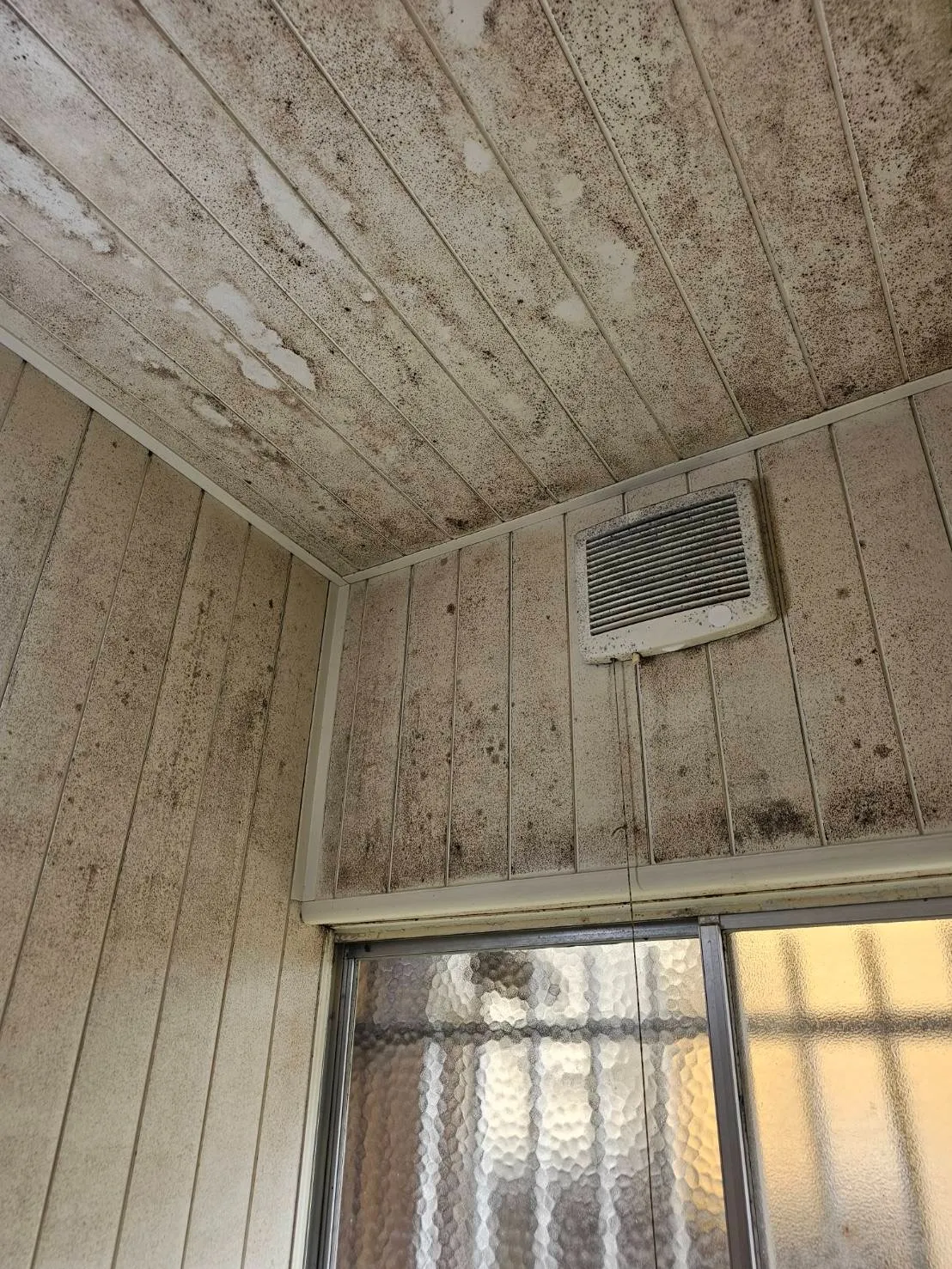
Bathrooms and laundry areas are especially vulnerable to mold due to constant moisture. After using these spaces, many tenants assume simply leaving the door open will dry the room—but without active ventilation, moisture lingers. Leaving damp bath mats or towels on the floor worsens the situation. If the bathroom fan filter is clogged or never used, mold thrives. These areas require consistent airflow, and even more so in rental units where windows are small or non-existent. Neglecting this can turn these rooms into prime mold hotspots.
4. Who Pays for Mold Damage? Tenant vs. Landlord
When mold appears in a rental unit, one of the most pressing questions is: who is responsible for the cost of removal? Should the tenant clean it, or should the landlord handle it? This section clarifies the boundary of responsibilities and how to avoid disputes over mold-related costs.
4-1. Tenant Responsibility and Due Diligence
In most rental agreements, tenants are expected to follow what's known as a "duty of care"—meaning they must take reasonable steps to maintain the property during their stay. If mold develops due to negligence—such as poor ventilation, failing to clean visible mold, or ignoring moisture problems—the tenant may be held liable. In such cases, landlords can deduct mold removal fees from the security deposit as part of restoration costs. This is why it's crucial for tenants to practice good maintenance habits, as preventable mold is typically considered the tenant's responsibility.
4-2. When Structural or Equipment Issues Are to Blame
However, if mold is caused by building defects—such as poor insulation, water leaks, or malfunctioning ventilation systems—the landlord is usually responsible. For example, if a pipe inside the wall leaks or if condensation occurs due to missing insulation, the resulting mold damage falls outside the tenant's control. In these cases, the landlord is expected to cover removal and repair costs. To avoid confusion, tenants should report mold as soon as it is discovered and document it with photos. Prompt communication and evidence help ensure fair handling and prevent costly misunderstandings.
5. Hidden Mold Behind Wallpaper and Furniture
Mold isn’t always visible on the surface. In many rental apartments, mold quietly spreads in hard-to-see areas, such as behind wallpaper or large furniture. These hidden zones often have poor air circulation and higher humidity, making them ideal environments for mold growth. This section highlights common hidden mold risks.
5-1. Mold Lurking Behind Wallpaper
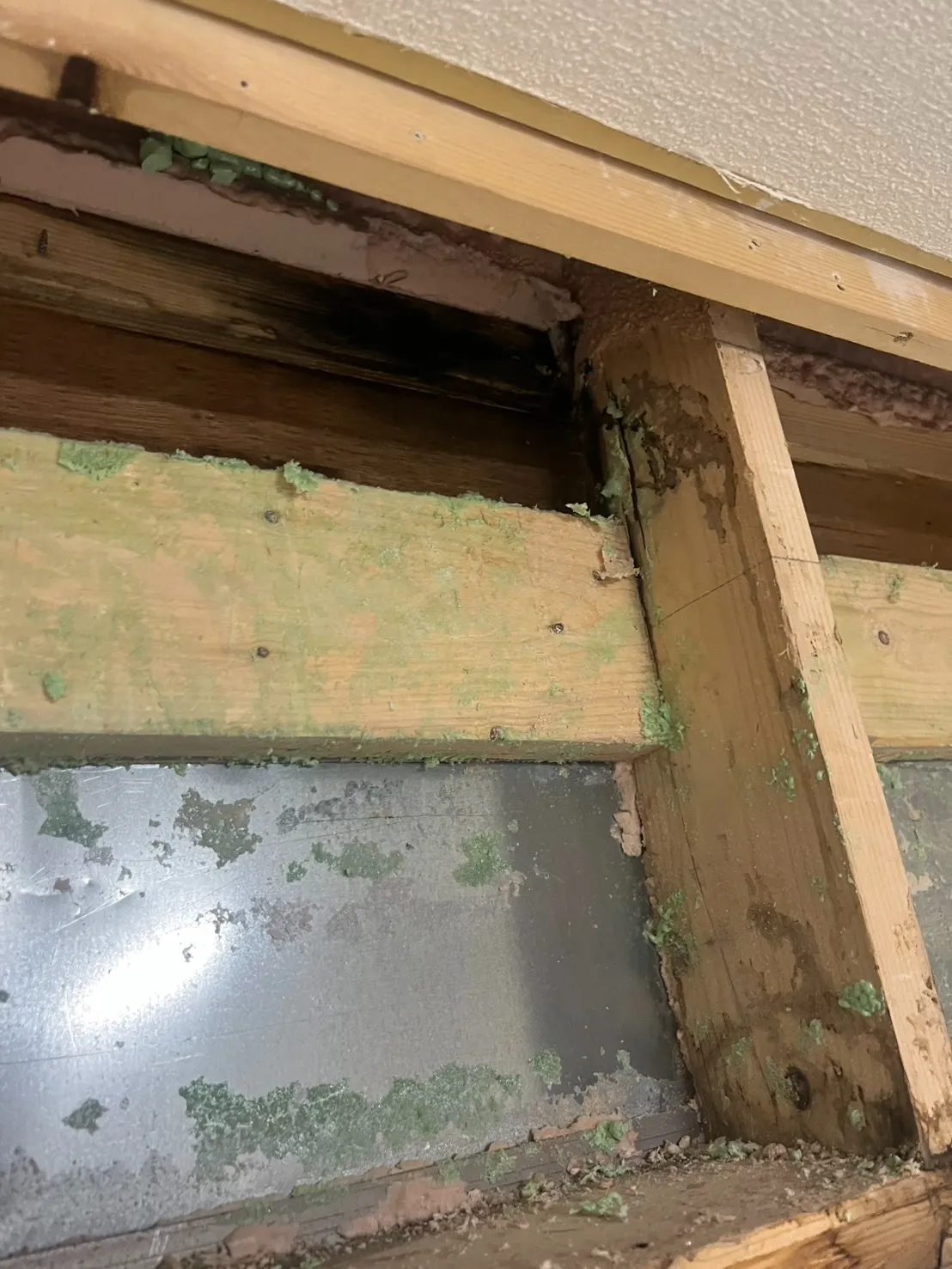
Have you ever noticed dark spots or stains when wallpaper starts peeling? This is often a sign of mold growing underneath. In rooms with poor sunlight or northern exposure, the walls remain cool and prone to condensation. The moisture gets trapped behind wallpaper, especially if the wall is made of gypsum board, which absorbs humidity easily. Over time, mold develops behind the surface, even if everything looks clean on the outside. Left untreated, this hidden mold can produce a musty odor and even pose health risks, as spores seep into the room unnoticed.
5-2. Risks of Furniture Placed Against Walls
When large furniture such as wardrobes, bookshelves, or beds is placed directly against walls, the space behind them lacks airflow. This creates a stagnant, humid microclimate where mold can flourish. In many cases, tenants discover black mold on the back of furniture or the wall only after moving it. Worse yet, if the furniture material is porous, the mold can penetrate deep inside, making complete removal difficult. To reduce this risk, it’s recommended to leave a small gap—just a few centimeters—between furniture and walls to promote ventilation.
6. Mold Caused by Defective Building Structure
Even with good cleaning and ventilation habits, mold can still appear repeatedly. In such cases, the root cause may lie in the building itself. This section explores how structural issues and poor construction can create persistent mold problems—and how to recognize them.
6-1. Structural Defects and Poor Ventilation
Even newly built or recently renovated apartments can develop mold if the building lacks proper insulation or airflow. For example, if the air gap between the exterior and interior walls is missing or insulation is improperly installed, condensation may form inside the walls. This hidden moisture creates an ideal environment for mold to thrive. Because this happens inside the structure, tenants often don’t realize it until they notice stains or odors. Regular cleaning and ventilation may not be enough to prevent mold in such cases, which is why recurring mold in the same spot may be a sign of structural defects.
6-2. Mold Due to Leaks and Plumbing Issues
Another major cause of mold is water leaks—whether from the roof, walls, or pipes. For example, rainwater may seep through poorly sealed roofing, or hidden leaks from plumbing inside walls may slowly saturate materials. These situations often go unnoticed until visible damage or a strong musty smell emerges. Mold resulting from leaks tends to spread extensively behind walls or ceilings, and can lead to further issues like wood rot or electrical hazards. In rental units, these are typically considered landlord responsibilities, and immediate reporting with photo documentation is crucial for proper handling.
7. Health Risks Associated with Mold
Mold doesn’t just cause unpleasant odors or stains—it can also pose serious risks to your health. In poorly ventilated, damp rental units, mold exposure may occur daily without residents realizing it. This section outlines key health dangers linked to mold, especially for vulnerable individuals.
7-1. Allergies and Respiratory Illnesses
Mold spores are microscopic and easily become airborne. When inhaled, they can trigger a range of allergic reactions, such as sneezing, coughing, sore throat, itchy eyes, and asthma. People with existing allergies or respiratory issues are especially sensitive, and mold can worsen their conditions significantly. Even tenants with no prior health issues have reported symptoms like chronic coughing or nasal congestion that improved only after mold was removed. In many cases, unexplained health problems in a rental unit are later found to be mold-related.
7-2. Vulnerability of Infants and the Elderly
Certain groups are more susceptible to mold-related illnesses, including infants, the elderly, and individuals with weakened immune systems or chronic health conditions. Specific types of mold—like Cladosporium and Aspergillus—can cause serious infections such as pulmonary mycosis when inhaled in large amounts. In some cases, these infections may require hospitalization and intensive treatment. Additionally, prolonged exposure to mold has been linked to fatigue, headaches, and nausea in sensitive individuals. To protect the health of all occupants, early detection and professional mold removal are essential.
8. Mold Prevention Methods for Renters
Living in a rental doesn’t mean you’re powerless against mold. With the right habits and simple tools, you can prevent mold and maintain a comfortable living space. This section shares effective, easy-to-follow strategies that renters can implement immediately.
8-1. Basic Daily Practices: Ventilation, Dehumidifying, Cleaning
The most important rule in mold prevention is to avoid trapped moisture. Open windows on dry days to circulate air and reduce humidity. After showers or cooking, use exhaust fans or open vents to let steam escape. A dehumidifier or a fan can also help maintain optimal humidity levels (ideally below 60%). Dust regularly—especially behind furniture and under beds—since dust is a food source for mold. Establishing a weekly cleaning routine that includes hidden or hard-to-reach areas can significantly reduce mold risk.
8-2. How to Use Mold Cleaners and Preventives
Commercial mold removers and anti-mold products are helpful tools for renters. For visible mold, use chlorine-based sprays or gels to kill and remove the spores. Always wear gloves, ensure good ventilation, and follow safety instructions. After cleaning, apply anti-mold sprays or use mold prevention sheets in closets and under sinks to discourage regrowth. There are also specialized products for air conditioners and bathrooms—such as disinfectant foggers—that treat mold in hard-to-reach areas. By combining targeted cleaning with long-lasting prevention, you can keep your rental mold-free year-round.
9. When Mold Won’t Go Away: What to Do
Even with regular cleaning and ventilation, mold may still reappear—or worse, spread further. When that happens, it’s important to know when home remedies are sufficient and when to call in professionals. This section explains what to do when mold becomes persistent or overwhelming.
9-1. Initial Home Remedies for Mold Removal
For surface-level mold, renters can start with store-bought mold removers like chlorine-based sprays (e.g., mold killers or gels). These are effective on bathroom tiles, windowsills, and rubber seals. Ensure proper ventilation during use and wear gloves to protect your skin. While visible mold may be cleared quickly, problems arise when mold grows underneath wallpaper or inside porous materials like wood. If mold keeps returning even after cleaning, or if the room continues to smell musty, it’s a sign that the issue runs deeper than surface-level mold.
9-2. When to Call Professionals for Mold Remediation
If mold has spread across walls, ceilings, or seems to be coming from inside the structure, it’s time to contact a professional mold removal service. Experts use specialized tools and safe chemical agents to eliminate mold at its root without damaging delicate materials. In rental properties, if the mold is caused by building defects (e.g., leaks, poor insulation), the landlord or management company may be responsible for arranging and paying for the remediation. Tenants should document the mold with photos or videos and notify the landlord immediately. Fast, clear communication helps ensure a fair response and prevents disputes over costs.
10. Avoiding Disputes When Moving Out
Mold doesn’t just cause trouble while living in a rental—it can also lead to conflicts during the move-out process. Issues over cleaning responsibilities and restoration fees are common. This section provides tips to avoid misunderstandings and ensure a smooth handover.
10-1. Tips to Prevent Disputes Over Restoration Costs
In rental agreements, tenants are typically responsible for “normal use and care” but not for damage caused by structural issues. When it comes to mold, if it’s proven that the tenant’s neglect—like failing to ventilate or clean—caused the problem, they may be charged for mold removal as part of the “restoration” or “repair” costs. To prevent this, practice good cleaning habits and ventilate regularly during your stay. Also, take photos of the room when moving in and again when moving out to prove the condition. If mold does appear during your lease, addressing it early helps keep costs low and avoids major cleanup later.
10-2. Proper Reporting and Repairs During Tenancy
If you notice mold while living in the apartment, notify the landlord or property manager as soon as possible. Delayed reporting could be seen as tenant negligence, especially if the mold spreads. When reporting, include clear photos and a description of the affected area. If the mold is due to building issues, the landlord should arrange professional repairs. Avoid attempting deep cleaning on your own, as improper handling may damage materials and increase your liability. Open communication and timely action are key to resolving mold problems fairly and avoiding disputes.
Mold Removal Services: Kabibusters Osaka & Kabitori Reform Nagoya/Tokyo
If mold has taken hold in your rental and home remedies aren’t enough, it’s time to seek professional help. For safe, effective, and lasting mold removal, we recommend Kabibusters Osaka and Kabitori Reform Nagoya/Tokyo—two trusted names in mold treatment and prevention.
Kabibusters Osaka uses a unique method called MIST Method®, which eliminates mold deep at its root without scrubbing or damaging the surface. This technique adjusts the strength and composition of its proprietary agents based on the mold type and material, ensuring thorough mold removal while preserving delicate surfaces like wood, wallpaper, or traditional finishes. The treatment is powerful against mold but safe for people and pets—perfect for homes with children or elderly residents.
Kabitori Reform Nagoya/Tokyo takes mold prevention a step further by combining expert removal with structural improvements. Their team not only treats the current mold but also offers renovation advice to improve airflow, insulation, and moisture control—essential in older or poorly designed buildings. Their approach ensures mold doesn’t come back, making your home healthier and more resilient in the long term.
Both services use safety-tested, environmentally friendly agents that meet strict standards. After mold removal, they apply long-lasting antibacterial and anti-mold coatings, protecting your home from future outbreaks. Whether you’re dealing with visible mold or a musty smell with unknown origins, their trained professionals will assess, explain, and resolve the issue quickly and professionally.
For peace of mind and a cleaner, healthier home—reach out to Kabibusters Osaka or Kabitori Reform Nagoya/Tokyo today.
---------------------------------------------------------------------
カビ取リフォーム
東京営業所
〒141-0022
東京都品川区東五反田2-5-2 YHE CASK GOTANDA6階
電話番号:090-8321-4408
名古屋本社
〒465-0028
愛知県名古屋市名東区猪高台1-1301 タイコウビル1F
電話番号 : 0120-588-766
サイト:https://taikou-kensou.co.jp/
大阪営業所
〒532-0003
大阪府大阪市淀川区宮原1-19-23
電話番号:080-6978-3068
カビバスターズ大阪
https://kabibusters-osaka.com/
【検査機関】
一般社団法人微生物対策協会
https://kabikensa.com/
----------------------------------------------------------------------