[Complete Guide] How to Remove Mold from Wallpaper and Prevent It Forever
2025/06/29
When black stains appear on wallpaper, it often means mold has already spread deep inside. It’s not just a cosmetic issue—health and building damage are real concerns.
This article explains the causes of mold on wallpaper, removal methods by material, how to use natural and commercial cleaners, and effective long-term prevention tips.
You’ll gain clear, step-by-step instructions to safely and effectively remove mold, even as a beginner. Protect your home environment and restore comfort with confidence.
1. What Causes Mold to Grow on Wallpaper?
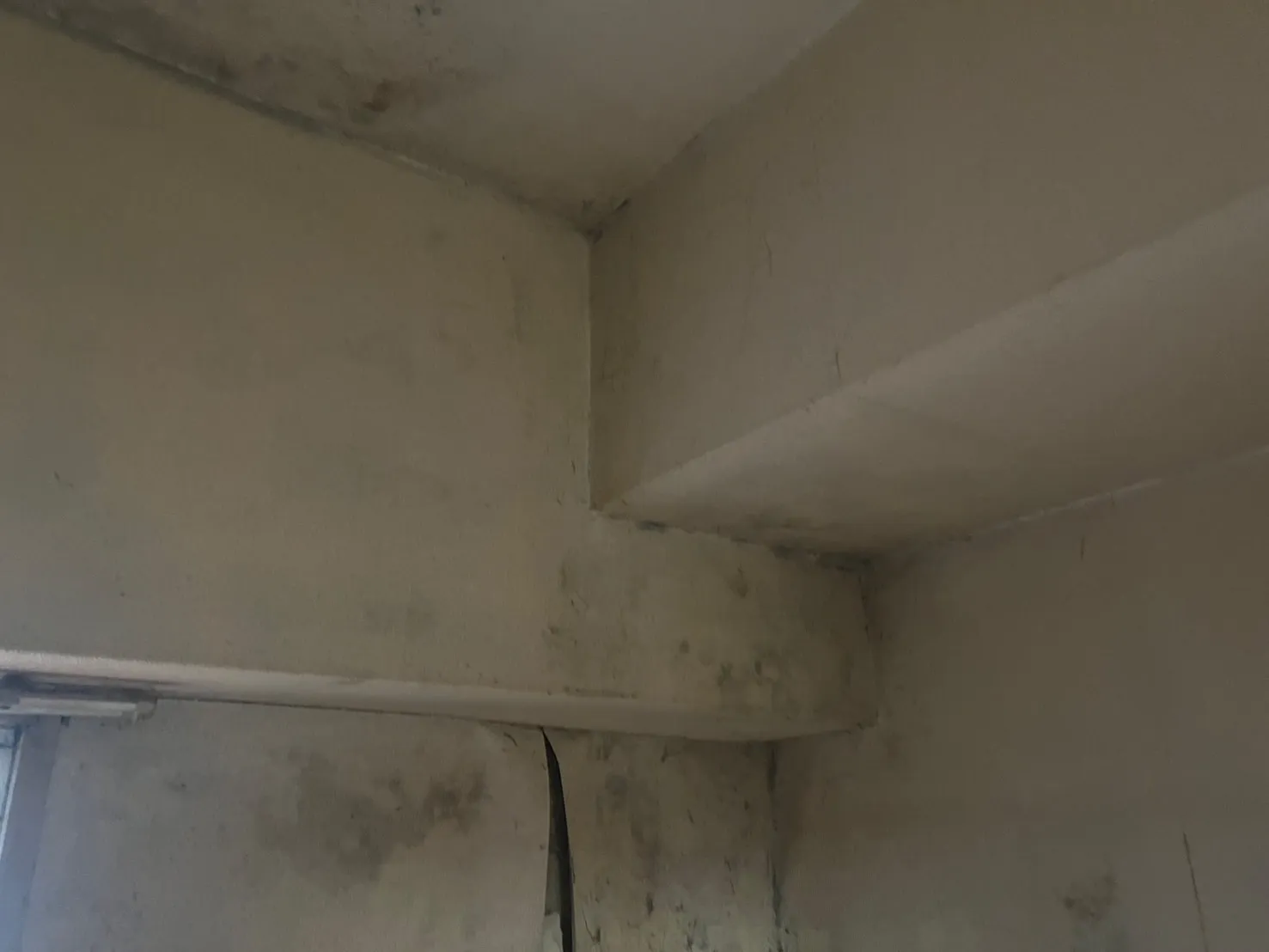
Mold growth on wallpaper is primarily caused by three key conditions: moisture, temperature, and nutrients. In Japan, homes are often well-sealed, which makes them prone to mold, especially during the rainy season or in winter when condensation is common. Let’s take a closer look at the specific factors that lead to mold on wallpaper.
1-1. The Relationship Between Indoor Humidity and Condensation
Mold starts to grow actively when indoor humidity exceeds 60%. During the rainy season or winter, condensation can cause moisture to build up behind wallpaper. For example, warm air inside the home hitting a cold exterior wall can create water droplets, which soak into wallpaper and its backing. If this continues, mold can start spreading where it’s not immediately visible. Additionally, drying clothes indoors or overusing humidifiers also increases moisture levels and encourages mold growth.
1-2. Poor Ventilation, Water Leaks, and Cleaning Habits
Inadequate ventilation allows moisture to accumulate indoors, especially behind wallpaper, creating a perfect environment for mold. Small water leaks from air conditioners or pipes inside walls can also lead to hidden mold problems. Furniture pressed directly against walls traps air and moisture, causing hidden mold to develop. Neglecting regular cleaning leads to dust buildup, which acts as a food source for mold. Understanding and addressing these everyday habits is key to mold prevention.
2. Mold Removal Methods by Wallpaper Type
The proper method for removing mold depends on the type of wallpaper. Using the wrong approach can damage the material or cause the mold to return. In this section, we’ll explore the best mold removal techniques for different types of wallpaper materials.
2-1. For Vinyl or Water-Resistant Wallpapers
Vinyl wallpaper is the most commonly used type in modern homes in Japan. It has a waterproof surface, making it relatively easy to clean. For light mold, simply spraying rubbing alcohol and wiping it off is usually sufficient. For more stubborn mold, a diluted chlorine bleach solution (such as sodium hypochlorite) can be used effectively. After application, wipe the surface thoroughly with water and allow it to dry completely. Always ventilate the room during the process, and wear gloves and a mask to protect yourself from chemical exposure.
2-2. For Paper, Fabric, and Natural Material Wallpapers
Wallpapers made from paper, fabric, or natural materials like diatomaceous earth are more delicate and susceptible to damage from moisture and chemicals. Harsh cleaners or bleach can cause discoloration or deformation. Start by gently brushing off surface mold with a soft cloth or brush. Then apply a natural cleaner, such as baking soda or citric acid diluted in water, using a cloth to gently dab (not rub) the affected area. Always test on a hidden spot first to ensure it won’t damage the wallpaper. For long-term prevention, choose a low-irritation, non-bleach mold prevention spray specifically made for delicate materials.
3. Safe Mold Removal Techniques You Can Use at Home
If the mold growth is still minor, you can handle it safely at home using everyday materials or commercially available products. However, to prevent damaging the wallpaper or affecting your health, it’s important to choose the right tools and solutions. Here are two safe and effective categories of home mold removal methods.
3-1. Using Natural Materials Like Vinegar, Baking Soda, and Citric Acid
Natural cleaning agents such as vinegar, baking soda, and citric acid are popular choices for families seeking safer alternatives. Vinegar is acidic and can inhibit mold growth. Spray undiluted vinegar directly on the mold, let it sit for about 10 minutes, then wipe it off with a damp cloth. Baking soda, an alkaline substance, helps break down the proteins in mold. Mix one teaspoon of baking soda with 100 ml of water, spray it on the mold, and wipe without scrubbing. Citric acid can weaken mold spores and also helps with water stains. Dissolve one teaspoon of citric acid in 200 ml of water and apply in the same way. These methods are safe for homes with children or pets, but they are most effective with regular use, as they may work more slowly than chemical solutions.
3-2. Proper Use of Alcohol, Chlorine-Based Bleach, and Commercial Cleaners
For slightly more stubborn mold, commercially available cleaners are a practical option. Rubbing alcohol (70–80%) is effective at breaking down mold and is easy to use with minimal cleanup. Spray it directly onto the mold, leave it for 10 minutes, then wipe with a dry cloth. Chlorine bleach, while powerful, should only be used on durable surfaces like vinyl wallpaper, as it can discolor or damage delicate materials. Be sure to choose a mold remover suited for your wallpaper’s material. After using any product, ventilate the area and thoroughly wipe down the surface to remove any residue. Always read product instructions carefully and follow safety guidelines during application.
4. How to Deal with Stubborn or Widespread Mold
When mold has spread deeply or across a wide area, typical household methods may not be sufficient. In such cases, more specialized treatments are required to ensure complete removal and prevent recurrence. This section introduces two effective approaches to handle serious mold problems.
4-1. Using Mold Removers and Mold Prevention Treatments
Some commercial mold removers offer professional-level performance. These products often contain strong ingredients like chlorine or oxygen-based agents that penetrate deeply into the mold. Spray the remover on the affected area and let it sit long enough to break down the mold thoroughly. Afterward, be sure to wipe or rinse off the residue and allow the area to dry completely. To prevent mold from returning, apply an anti-mold spray afterward. Choose a product with long-lasting effects and low volatility for the best results. Treating hidden areas such as behind wallpaper edges or seams is key to thorough prevention. Always work in a well-ventilated space and wear protective gear such as gloves, a mask, and goggles to avoid exposure to chemicals and spores.
4-2. When Wallpaper Removal and Replacement Is Necessary
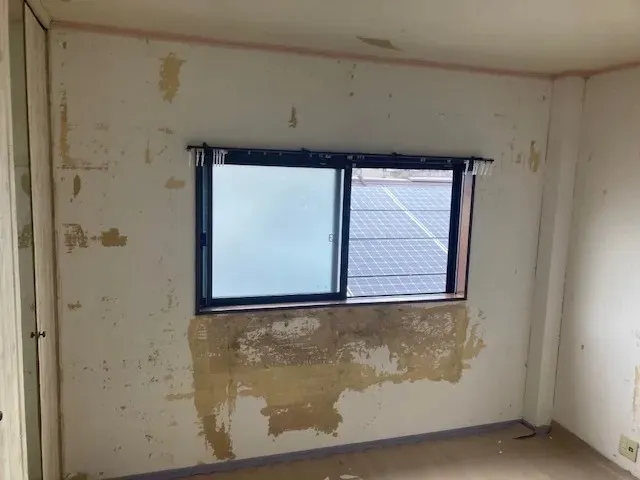
In severe cases where mold has penetrated deep into the wallpaper and even into the drywall or insulation behind it, simply cleaning the surface is not enough. You may need to remove the wallpaper entirely, treat and dry the underlying surface, and then reapply new wallpaper. If the base layer is not completely dry and treated, mold is likely to return. While replacing wallpaper can also refresh the appearance of your room, the process requires technical skill, so hiring a professional is often the best choice. Although it may cost more, this investment helps prevent structural damage and protects your health and property value in the long term.
5. Preventing Mold Reappearance After Removal
Successfully removing mold is only half the battle—the key to lasting results lies in preventing it from coming back. Mold spores are always present in the air, so creating an environment where they can’t thrive is essential. This section outlines practical strategies for maintaining a mold-free home.
5-1. Managing Humidity and Ventilation Effectively
Controlling indoor humidity is the most important and effective way to prevent mold. Aim to keep humidity levels between 40% and 60%. Use dehumidifiers in moisture-prone areas such as bathrooms, kitchens, and bedrooms. Ventilation is also crucial—make a habit of opening windows in the morning, after cooking, and post-shower to circulate fresh air. Good airflow helps prevent moisture buildup behind wallpaper and in corners that are often overlooked. Using ventilation fans or air purifiers with dehumidifying functions can also help maintain a dry and healthy indoor environment.
5-2. Addressing Condensation and Furniture Placement Tips
Condensation, especially during winter, can introduce moisture that seeps into wallpaper and fosters mold growth. To prevent this, apply insulation films to windows and consider using anti-condensation sprays. Furniture placement also plays a role—leaving a 5 to 10 cm gap between large furniture and the wall improves air circulation and prevents moisture buildup behind items like bookshelves and wardrobes. For added protection, use wallpaper coatings or construction materials that offer built-in anti-mold properties. These small changes in room setup can greatly enhance mold resistance in the long run.
6. When to Hire a Professional and How to Choose One
While many mold problems can be handled at home, there are situations where professional intervention is the safest and most effective choice. This section covers when it's time to call in the experts and how to choose a trustworthy mold removal company.
6-1. Cost Estimates and Warranties for Mold Removal
If mold has spread beyond the surface to drywall, ceilings, or floors—or if it keeps coming back despite repeated cleaning—it's time to consider professional services. Health concerns or mold affecting large areas are also clear signs you need expert help. The cost of professional mold removal typically ranges from ¥5,000 to ¥10,000 per square meter, depending on the area, severity, and treatment methods. Before agreeing to any service, ask for a detailed estimate that includes the treatment process, materials used, and expected duration. Also, check whether the company offers a warranty for their work. A service guarantee shows that the company stands behind its quality and offers support even after the job is done.
6-2. Tips for Choosing a Trustworthy Mold Specialist
When selecting a mold removal company, experience and transparency are key. Look for a provider with a proven track record and ask for case studies or photos of past work—especially projects involving similar materials or damage. A good company will also perform an on-site inspection and clearly explain their process. Make sure the company uses safe, certified products—especially important if you have children, pets, or elderly family members at home. Online reviews can offer additional insights, but focus on how the company handles follow-ups and customer care. Choosing the right expert can save you time, money, and stress in the long run.
7. The Risks of Leaving Wallpaper Mold Untreated
Many people overlook small patches of mold on their wallpaper, thinking it’s harmless. However, mold left untreated can pose serious threats to both your health and your home. In this section, we’ll examine the two major risks of ignoring mold on wallpaper.
7-1. Health Impacts (Allergies and Respiratory Issues)
Mold releases microscopic spores into the air, which can be inhaled and lead to a range of health problems. These include allergic reactions, asthma flare-ups, coughing, sneezing, and nasal congestion. Vulnerable individuals—such as children, the elderly, and those with weakened immune systems—are especially at risk. Long-term exposure to mold spores can cause chronic symptoms and reduce overall wellness. Certain types of mold may also lead to more serious fungal infections. Keeping your indoor air clean and mold-free is not just a matter of comfort—it’s a crucial part of protecting your family’s health.
7-2. Structural Damage, Mite Infestation, and Increased Costs
When mold is ignored, it can penetrate wallpaper and begin damaging the underlying materials like drywall or wood framing. Over time, this leads to rot, weakening the structure of your walls. Additionally, mold can attract dust mites, which feed on mold and contribute to indoor air quality issues. As the problem worsens, simple surface cleaning won’t be enough, and full wall repairs or renovations may become necessary—costing significantly more than early intervention would have. Protecting your home’s value and minimizing repair expenses starts with prompt mold detection and treatment.
8. Recommended Commercial Anti-Mold Products
Even after successful mold removal, the risk of recurrence remains unless the environment is properly managed. Commercial anti-mold products can help prevent mold from returning, offering a simple and effective solution. This section introduces the types of products available and how to choose the right one for your needs.
8-1. Choosing Between Spray and Liquid Types
Spray-type mold preventatives are the easiest to use. Simply spray the product directly onto the wallpaper or ceiling and let it dry. Many sprays require no wiping, making them ideal for quick maintenance during routine cleaning. Liquid-type products, on the other hand, tend to have higher concentrations and better penetration. These are useful for applying into seams or behind wallpaper edges using sponge applicators or pen-style tools. Regardless of type, always test the product on a small, hidden area first to avoid discoloration or damage to the wallpaper.
8-2. Comparing Effectiveness, Safety, and Usage Instructions
When choosing a mold preventative, balance between long-term effectiveness and safety is key. Look for products that offer extended protection with just occasional use—such as once a month. If you have children or pets at home, opt for alcohol-free, fragrance-free, and low-irritant formulas. Always check the label for drying time, whether a second application is needed, and other specific instructions. For best results, combine the use of anti-mold products with consistent ventilation and regular cleaning routines. This layered approach enhances the effectiveness of the treatment and helps maintain a mold-free environment.
9. DIY Precautions and Protective Equipment
When tackling mold removal on your own, it’s essential to strike a balance between effective cleaning and personal safety. Incorrect methods can damage your wallpaper and expose you to health risks. This section explains key safety tips and the protective gear you should use during a DIY mold removal.
9-1. Importance of Ventilation, Masks, and Gloves During Cleaning
During mold removal, spores and chemical fumes can become airborne, posing health hazards. Always ventilate the room by opening windows or using exhaust fans. Wear a high-quality mask—preferably N95 or higher—to avoid inhaling mold spores. Use disposable or rubber gloves to protect your skin from cleaners and spores. In situations where splashing is possible, consider wearing safety goggles to protect your eyes. Once the cleaning is done, wash any tools thoroughly and change your clothes to prevent mold residue from spreading to other areas of the home.
9-2. Spot Testing and Checking Hidden Areas
Before applying any cleaner—natural or chemical—test it on a small, hidden section of the wallpaper. Delicate materials like paper or fabric can easily discolor or deform when exposed to moisture or strong substances. Let the test spot sit for 5 to 10 minutes and observe any changes. Even within the same wall, wallpaper may fade or react differently based on light exposure and age. Additionally, hidden areas behind furniture or in corners should be checked regularly, as mold can grow unnoticed. Taking a cautious, step-by-step approach minimizes the risk of accidental damage and ensures safe and effective mold removal.
10. Summary: How to Incorporate Mold Prevention into Daily Life
Dealing with mold on wallpaper isn’t a one-time task—it requires consistent management and preventive habits. By integrating mold prevention into your daily routine, you can maintain a clean, healthy home. Here are some simple yet powerful habits you can adopt.
10-1. Regular Inspections and Early Detection
Since mold often grows in hidden or less-visible areas, regular inspections are crucial. Especially during high-risk seasons like the rainy season or winter, check your walls for unusual stains, musty odors, or dampness. Even small dark spots can signal deeper mold growth. Make a habit of inspecting behind furniture, around window frames, and in corners. Catching mold early means less work, less cost, and a higher chance of complete removal.
10-2. Year-Round Routine for Humidity, Ventilation, and Cleaning
To prevent mold, adapt your routine to seasonal changes. In spring, check dehumidifiers and ventilation systems. Before the rainy season, apply mold-prevention sprays. During summer, monitor for condensation when using air conditioning. In autumn and winter, balance humidifier use with proper airflow. Include wall and ceiling wiping in your regular cleaning tasks, especially behind large furniture. Incorporating these habits into your lifestyle helps maintain a consistently mold-resistant living space, providing peace of mind all year long.
Mold Removal and Prevention by Kabi Busters Osaka and Kabi Reform Nagoya & Tokyo
If you’re dealing with persistent wallpaper mold, turning to experienced professionals is the most reliable way to ensure safe and long-lasting results. At Kabi Busters Osaka and Kabi Reform Nagoya & Tokyo, we provide specialized mold removal services using our original MIST Method®, designed to eliminate mold thoroughly without damaging the material.
The MIST Method® is a proprietary system that adapts to the type of mold and the surface condition. It uses customized, non-abrasive treatments that dissolve mold at the root—without scrubbing or sanding. This allows us to clean delicate materials like wood and wallpaper safely and effectively. We also apply a long-lasting anti-mold treatment to help prevent recurrence, ensuring your home remains clean and healthy.
Our specially developed agents have passed safety tests and are suitable for use in homes with children or elderly residents. We’ve successfully treated everything from private homes to historic buildings, always with careful attention to both effectiveness and safety.
Whether your wallpaper mold is recurring, widespread, or affecting your indoor air quality, our team will assess your situation and recommend the most appropriate solution. From on-site inspection to treatment planning and execution, we are committed to delivering tailored, high-quality service.
For dependable mold removal that prioritizes both your home and your health, trust Kabi Busters Osaka and Kabi Reform Nagoya & Tokyo.
---------------------------------------------------------------------
カビ取リフォーム
東京営業所
〒141-0022
東京都品川区東五反田2-5-2 YHE CASK GOTANDA6階
電話番号:090-8321-4408
名古屋本社
〒465-0028
愛知県名古屋市名東区猪高台1-1301 タイコウビル1F
電話番号 : 0120-588-766
サイト:https://taikou-kensou.co.jp/
大阪営業所
〒532-0003
大阪府大阪市淀川区宮原1-19-23
電話番号:080-6978-3068
カビバスターズ大阪
https://kabibusters-osaka.com/
【検査機関】
一般社団法人微生物対策協会
https://kabikensa.com/
----------------------------------------------------------------------