Air Conditioner vs. Dehumidifier: Which Works Best in Japan’s Humid Weather?
2025/06/27
During Japan’s humid rainy season, condensation and mold can quickly become a problem. Many people aren’t sure whether they should rely on their air conditioner or buy a dedicated dehumidifier.
This article compares Japanese air conditioner dehumidification modes and two types of dehumidifiers (compressor and desiccant), helping you understand their differences in cost, effectiveness, and laundry drying abilities.
By learning the best method for your needs, you can reduce mold, dry your clothes faster, and enjoy a healthier and more comfortable living environment in Japan.
1. Why Dehumidification Is Essential in Japan’s Humid Climate
Living in Japan, especially during the rainy season from June to July and the hot summer months, you quickly realize how challenging the humidity can be. High humidity doesn't just make rooms feel stuffy and uncomfortable—it also encourages the growth of mold and dust mites. Japanese homes tend to be well-sealed for insulation, which can trap moisture inside, making effective dehumidification critical for maintaining a healthy and comfortable living space.
1-1. Why Dehumidification Matters: Mold and Condensation Control
When humidity levels exceed 70%, mold can thrive, spreading across walls, furniture, and clothing. In addition to mold, condensation becomes a major concern—water droplets can form on windows and walls, leading to structural damage and creating an ideal environment for bacteria and fungi. For foreigners who aren't accustomed to such conditions, Japan’s humidity may seem overwhelming. Unchecked moisture can lead to health issues such as allergies and respiratory problems, which is why dehumidification isn't just for comfort—it's essential for wellbeing.
1-2. Understanding Japan’s Unique Humidity Conditions
Japan’s climate features four distinct seasons, but the rainy season and humid summer are particularly intense. In many regions, humidity levels can exceed 80% for days on end, and even with air conditioning, discomfort often lingers. During the winter months, indoor condensation caused by temperature differences between the inside and outside can still result in mold formation. This makes understanding the right tools—like air conditioners with dehumidifying functions or standalone dehumidifiers—key to living comfortably in Japan.
2. Understanding Air Conditioner Dehumidification in Japan
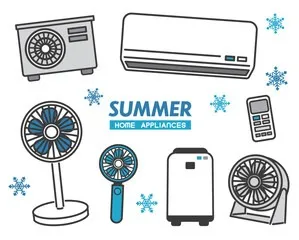
Many Japanese air conditioners come equipped with a “dry” or dehumidification mode, in addition to standard cooling functions. However, not all dehumidifying modes are the same. There are several types, each with its own advantages and drawbacks in terms of effectiveness, comfort, and electricity costs. Especially during Japan's rainy season or humid summers, knowing how to use these features effectively can greatly improve your indoor environment.
2-1. Weak Cooling, Reheat, and Hybrid Modes Explained
Japanese AC units typically offer three types of dehumidification:
Weak Cooling Dehumidification: This mode cools the air slightly to remove moisture, functioning similarly to the cooling mode but at a lower intensity. It reduces humidity but also slightly lowers room temperature.
Reheat Dehumidification: This advanced mode first cools the air to extract moisture, then reheats it before releasing it back into the room. This method maintains room temperature while effectively removing humidity—ideal for rainy nights or when you want comfort without cold air.
Hybrid Dehumidification: This is a smart mode that automatically switches between weak cooling and reheating based on room conditions, balancing energy efficiency and comfort.
2-2. Comparing Costs and Effectiveness
In terms of electricity costs, weak cooling mode is relatively economical and consumes power similar to regular air conditioning. However, it can make the room too cold. Reheat mode, while providing excellent comfort, uses more energy due to the reheating process, resulting in higher electricity bills. Hybrid mode offers a compromise—automatically adjusting for optimal comfort and cost. Understanding these differences helps you make smart choices about when and how to use your AC for dehumidification, keeping both humidity and your electric bill under control.
3. Types of Dehumidifiers: Compressor vs. Desiccant
When shopping for a dehumidifier in Japan, you’ll typically come across two main types: compressor and desiccant. Each uses a different method to remove moisture and comes with its own set of advantages and limitations. Understanding how these work will help you choose the right one for your home and climate.
3-1. Pros and Cons of Compressor-Type Dehumidifiers
Compressor dehumidifiers operate similarly to air conditioners—they cool the air to condense and collect moisture. These are particularly effective during warm and humid seasons, such as summer. One major benefit is their energy efficiency, making them suitable for long-term daily use. However, their performance decreases in colder temperatures, which makes them less effective during winter. They also tend to produce more noise and vibration, which may be bothersome if you’re sensitive to sound or using them in a bedroom or quiet space.
3-2. Pros and Cons of Desiccant-Type Dehumidifiers
Desiccant dehumidifiers use absorbent materials (like silica gel) to capture moisture, which is then heated and evaporated out of the system. The biggest advantage of this type is its consistent performance in all temperatures, especially in cold or mildly cool seasons. It’s also quieter and lighter, making it easy to move around. However, since it uses internal heaters, it tends to consume more electricity and may slightly warm up the room—something to consider if you’re already dealing with warm indoor temperatures in summer.
4. Comparing Dehumidification Performance and Energy Costs
When deciding between an air conditioner’s dehumidifying mode and a dedicated dehumidifier, three key factors should guide your choice: dehumidifying power, electricity costs, and humidity control capabilities. Comparing these aspects will help you find the best solution for your living environment.
4-1. Everyday Differences Between AC and Dehumidifier
Air conditioners dehumidify by cooling the air and removing moisture, offering the added benefit of reducing room temperature. This is very effective in hot and humid weather, like during Japan’s summer. However, in cooler months or during the rainy season, the cooling effect may become too much, making the room uncomfortably cold. Dehumidifiers, on the other hand, are more flexible—they don’t cool the room and many models allow for precise humidity control. You can also place them anywhere in the room, giving you targeted dehumidification, which is especially helpful in closets or laundry drying spaces.
4-2. Which Saves More on Electricity?
In terms of energy use, the weak cooling mode on air conditioners tends to be more energy-efficient and cost-effective, especially for short-term use. However, reheat dehumidification mode consumes more power because it both cools and reheats the air, which results in higher electricity costs but improved comfort. With dehumidifiers, compressor types are known for their energy efficiency, especially in warmer seasons. Desiccant types, while stable in performance across all seasons, do tend to use more electricity because of their built-in heaters. Choosing the right type based on your environment and frequency of use will help keep costs down while ensuring effective moisture control.
5. Choosing the Best Dehumidifier for Indoor Laundry Drying
In Japan, many people have to dry laundry indoors, especially during the rainy season or in winter. However, indoor drying without proper airflow or humidity control often leads to slow drying times, musty odors, and even mold. Using a dehumidifier—or an air conditioner effectively—can significantly improve your laundry-drying experience.
5-1. Using AC Dehumidification for Indoor Laundry
When drying laundry with an air conditioner, proper air circulation is key. Using a fan or air circulator in combination with the AC helps move air around your laundry, speeding up the drying process. Many Japanese AC units have a “dry” mode, which is more effective than regular cooling at reducing humidity. However, one drawback is that the air from the AC may not directly hit your laundry depending on its placement. Also, prolonged use of the AC might lower room temperature more than desired, so balancing airflow and temperature is important for optimal results.
5-2. Tips for Using a Dehumidifier with Indoor Laundry
Dehumidifiers—especially compressor types—are excellent for drying laundry indoors. Placing the dehumidifier near your laundry and allowing airflow underneath helps remove moisture efficiently. Adding a fan or circulator enhances the airflow, further speeding up drying times. Desiccant models are great for winter or cold mornings since they add a slight warmth to the room. However, they consume more electricity, so keep that in mind for long usage periods. If space is tight, look for dehumidifiers with a laundry drying mode, which are designed to focus airflow and maximize water extraction from wet clothes. These units are especially helpful in apartments or small living spaces.
6. Real User Reviews and Experiences
Foreigners living in Japan often find themselves dealing with unexpected challenges related to humidity—musty rooms, damp laundry, and mold growth. Many of them share their experiences online, providing helpful insights into how they use air conditioners and dehumidifiers to manage these problems. Let’s look at what real users are saying and how they’ve adapted to Japan’s humid climate.
6-1. Voices from Reddit and Other Forums
Online communities like Reddit feature many posts from foreigners living in Japan discussing issues like “mildew smell in my apartment” or “carpets getting damp during the rainy season.” A recurring theme is that “the AC’s dry mode isn’t enough,” and many recommend buying a dedicated dehumidifier for better results. Compressor dehumidifiers, in particular, receive high praise for their performance in living rooms, bedrooms, and even closets or bathrooms. These firsthand accounts offer practical advice for newcomers who want to avoid trial and error when choosing how to control indoor moisture.
6-2. How Foreign Residents Choose Their Dehumidifiers
Foreigners living in Japan make their dehumidifier choices based on apartment size, climate, and lifestyle. In smaller apartments, many opt for compact and quiet desiccant models that are easy to move. In larger homes, powerful compressor models are favored for their efficiency. Many users also combine their dehumidifier with a fan or circulator, reporting that “laundry now dries overnight” thanks to this combo. During winter, some switch to humidifiers instead to prevent dryness—showing how important it is to adapt moisture control methods by season.
7. Best Dehumidifying Methods by Season
Since Japan’s climate varies dramatically by season, the most effective way to control humidity also changes. By understanding when to use an air conditioner or a dehumidifier—or both—you can create a more comfortable and mold-free living space year-round. Here’s a guide to seasonal dehumidifying strategies.
7-1. Rainy Season & Summer: Focus on Air Conditioner Use
During the rainy season and summer, both temperature and humidity rise significantly. In this case, using your air conditioner’s dry or weak cooling mode is very effective. It lowers both humidity and temperature, improving overall comfort. For rooms you spend a lot of time in—like bedrooms or living rooms—this method works best when combined with a fan or circulator to enhance air movement. If your AC has a reheat dehumidification feature, it can lower humidity without making the room feel too cold—perfect for rainy nights or when you're sleeping.
7-2. Autumn, Spring & Winter: Dehumidifiers Shine
In autumn and spring, humidity levels can still be high even if temperatures are more comfortable. In winter, condensation on windows and cold walls becomes a concern. These are times when a dehumidifier, especially a desiccant type, is ideal. It works well even in cold conditions and doesn’t lower the room temperature. Desiccant dehumidifiers are particularly useful in the early mornings or evenings when it’s chilly, and they’re light and portable enough to use throughout the house. They're also effective in preventing mold in closets, bathrooms, and under sinks, where moisture builds up even in cooler seasons.
8. Pre-Purchase Checklist & Recommended Models
Choosing the right dehumidifier or understanding your AC’s dehumidification function isn’t just about removing moisture. It’s also about matching the device to your room size, usage habits, and the specific areas you want to target. Here’s a helpful checklist of what to consider before buying, along with some recommended models popular in Japan.
8-1. Choosing Based on Room Size and Purpose
The first step is to check the size of the room where you plan to use the dehumidifier. For small spaces like bedrooms or studio apartments, compact models with quiet operation are ideal. For larger areas such as living rooms or laundry drying zones, go with a high-capacity compressor model. If you need dehumidification in specific places like closets or bathrooms, a small, portable unit is best. Think about your daily routine—whether you dry laundry indoors, struggle with window condensation, or store clothes in damp closets—and choose a model that fits both your space and lifestyle. Also consider energy efficiency and noise levels, especially for long-term use.
8-2. Recommended Compressor & Desiccant Models
Recommended Compressor Model: The Panasonic “F-YHVX120” is a top choice for large spaces. It offers powerful dehumidifying performance, a dedicated laundry-drying mode, and energy-saving features. It's also designed for quiet operation.
Recommended Desiccant Model: The Corona “CD-P63A” is well-loved for its consistent performance in colder months. It’s lightweight and easy to move between rooms, making it great for bedrooms or entryways.
For Laundry Drying: The Sharp “CV-L71” comes with a built-in Plasmacluster air purifier. It effectively removes moisture and also helps reduce odors when drying laundry indoors.
By selecting a model tailored to your living environment, you can improve air quality, reduce mold risk, and enjoy a more comfortable home all year long.
9. Frequently Asked Questions
When exploring the differences between air conditioner dehumidification and standalone dehumidifiers, many people—especially those new to Japan—have similar questions. Here are answers to some of the most common concerns.
9-1. Which One Should I Choose?
The best choice depends on your room type, usage needs, and lifestyle. If you're dehumidifying a large space like a living room during the day, an air conditioner with dry mode may be sufficient. However, if you’re trying to dry laundry, tackle closet humidity, or target specific small spaces, a portable dehumidifier will give you more focused and efficient results. In colder months, when air conditioners become less effective at moisture removal, a desiccant-type dehumidifier is more reliable. Consider what part of your home gets the most humid and when you need dehumidification the most to make the best decision.
9-2. Can I Use Both at the Same Time? What About Energy Costs?
Yes, using both an air conditioner and a dehumidifier at the same time can be very effective, especially during the rainy season. For example, you can run the AC to lower the general room humidity while using a dehumidifier to focus on laundry drying or prevent mold in specific corners. That said, this setup can increase electricity usage, so it’s wise to choose energy-efficient models and use them strategically. Some users run both for a short period to quickly reduce humidity, then switch to just one device to maintain the balance. Smart use of timers and humidity sensors can also help you manage power consumption without sacrificing comfort.
10. Conclusion – Choosing the Right Dehumidification Strategy for a Comfortable Life
Now that you understand the key differences between air conditioner dehumidification modes and standalone dehumidifiers, you can see that there’s no one-size-fits-all solution. The best approach depends on the season, room type, and your personal needs. Knowing how to use each tool effectively will help you stay ahead of mold and humidity, and enjoy a healthier indoor environment.
10-1. Summary of Seasonal Use
During the humid summer and rainy season, air conditioners with dehumidification modes are ideal—they cool and remove moisture at the same time, keeping you comfortable. Use a fan or circulator to improve airflow and boost effectiveness. For indoor laundry drying, or small, damp areas like bathrooms or closets, standalone dehumidifiers are more practical. Compressor models perform best in summer, while desiccant models are better for cooler seasons or poorly heated homes. If you want year-round control, hybrid models offer great flexibility.
10-2. The Best Combo for Japan’s Humidity
For the most effective moisture control, consider using both an air conditioner and a dehumidifier. Let the AC handle the general room humidity while a dehumidifier tackles specific areas or drying tasks. This dual strategy ensures consistent comfort, protects against mold, and helps avoid health issues linked to high humidity. For foreigners living in Japan long-term, mastering this combo can make daily life significantly more pleasant. By understanding your tools and the climate, you can turn even the most humid months into a stress-free season.
Mold Removal & Prevention with Kabibusters Osaka and Kabi Reform Nagoya/Tokyo
Japan’s humid climate makes it easy for mold to grow—on walls, in closets, around windows, or even inside your bathroom and air conditioner. If you're struggling with persistent mold, it's time to call the professionals: Kabibusters Osaka and Kabi Reform Nagoya/Tokyo.
What sets us apart is our original and exclusive MIST Method®, a non-damaging mold removal technology. Unlike traditional methods that involve scrubbing or sanding, our approach analyzes the mold growth and material type, then customizes a treatment using our safe, specially formulated mold removal agents. The result is deep, thorough mold removal that doesn’t damage your home’s surfaces.
Our unique cleaning agents are developed with both powerful mold-killing capabilities and human safety in mind. Whether you have children, elderly family members, or are concerned about indoor air quality, our services are designed with your health in mind. Even sensitive spaces like hospitals, childcare centers, and elderly care homes can safely use our service.
What’s more, we don’t just stop at cleaning. After removing the mold, we apply an anti-mold treatment that provides long-lasting protection. This dual-process ensures mold is eliminated at its root—and helps keep it from coming back. Our misting system penetrates deeply into materials, attacking hidden spores and preventing new growth, even in the air.
Foreign residents in Japan often find mold a frustrating part of life. But you don’t have to put up with it. With Kabibusters Osaka and Kabi Reform Nagoya/Tokyo, you can enjoy peace of mind knowing your living space is clean, safe, and mold-free. Whether you’re renting an apartment or managing a facility, contact us for a comprehensive solution that’s safe, effective, and tailored to Japan’s unique environment.
---------------------------------------------------------------------
カビ取リフォーム
東京営業所
〒141-0022
東京都品川区東五反田2-5-2 YHE CASK GOTANDA6階
電話番号:090-8321-4408
名古屋本社
〒465-0028
愛知県名古屋市名東区猪高台1-1301 タイコウビル1F
電話番号 : 0120-588-766
サイト:https://taikou-kensou.co.jp/
大阪営業所
〒532-0003
大阪府大阪市淀川区宮原1-19-23
電話番号:080-6978-3068
カビバスターズ大阪
https://kabibusters-osaka.com/
【検査機関】
一般社団法人微生物対策協会
https://kabikensa.com/
----------------------------------------------------------------------