"Is Your Cough Caused by Mold? A Complete Guide to Mold Allergy Relief"
2025/06/26
If you’ve been suffering from persistent coughing or nasal congestion, mold allergy could be the hidden culprit. Invisible mold can silently affect your health.
This article covers mold allergy symptoms, common causes, ideal conditions for mold growth, at-home prevention strategies, and how to seek medical or professional help.
You’ll gain accurate, practical knowledge about preventing mold-related health risks and learn how to maintain a safe and comfortable living space.

1.What is Mold Allergy?
Mold allergy is an allergic reaction caused by exposure to mold spores commonly found in our living environments. These spores are invisible to the eye and float in the air. When inhaled, they can trigger the immune system to overreact, resulting in various allergic symptoms. In Japan, with its humid climate, mold growth becomes especially active from summer to autumn, significantly increasing the risk of developing symptoms during this time. Many people are unaware they’re being exposed, which makes the condition even harder to manage.
1-1. Definition and Causes of Mold Allergy
Mold allergy occurs when the body’s immune system overreacts to tiny spores or metabolic byproducts released by mold. Common allergenic molds include Aspergillus, Cladosporium, and Penicillium. These can be found in everyday places like bathrooms, kitchens, closets, walls, and inside air conditioners. As these molds grow, they release massive amounts of spores into the air. Inhaling these spores can lead to an allergic reaction. Humid environments are especially conducive to mold growth, which makes controlling indoor moisture crucial in preventing allergies.
1-2. Common Symptoms and How They Occur
The symptoms of mold allergy often resemble those of a cold, making them easy to overlook. Frequent symptoms include sneezing, runny nose, nasal congestion, coughing, and itchy throat. People with asthma may find their condition worsened by mold exposure, potentially leading to asthma attacks. Additionally, skin issues like rashes or worsening eczema, as well as itchy or watery eyes, are also common. These symptoms are caused by an immune overreaction to mold spores entering the body, leading to inflammation and discomfort.
2.Environments Where Mold Thrives
Mold often spreads quietly in hidden areas of the home. Places with high humidity and poor ventilation create the ideal breeding ground for mold. When the temperature and moisture levels are right, mold can grow rapidly and pose serious health risks. Even if it’s not visible, mold spores can easily be inhaled, which makes it essential to assess and improve your living environment.
2-1. Where Mold Grows in the Home: Humidity and Temperature Conditions
Mold grows most actively in environments with humidity levels above 60% and temperatures between 20°C to 30°C (68°F to 86°F). These conditions are typical during Japan’s rainy season and summer months. In the home, mold is likely to appear in bathrooms, laundry areas, kitchens, closets, and storage spaces. Windows that accumulate condensation and ceilings in poorly ventilated restrooms are also common spots. Furniture placed flush against the wall or corners with little airflow are especially vulnerable. Any space where air circulation is limited and moisture accumulates can easily become a mold hotspot.
2-2. High-Risk Areas: Bathrooms, Air Conditioners, and Bedding
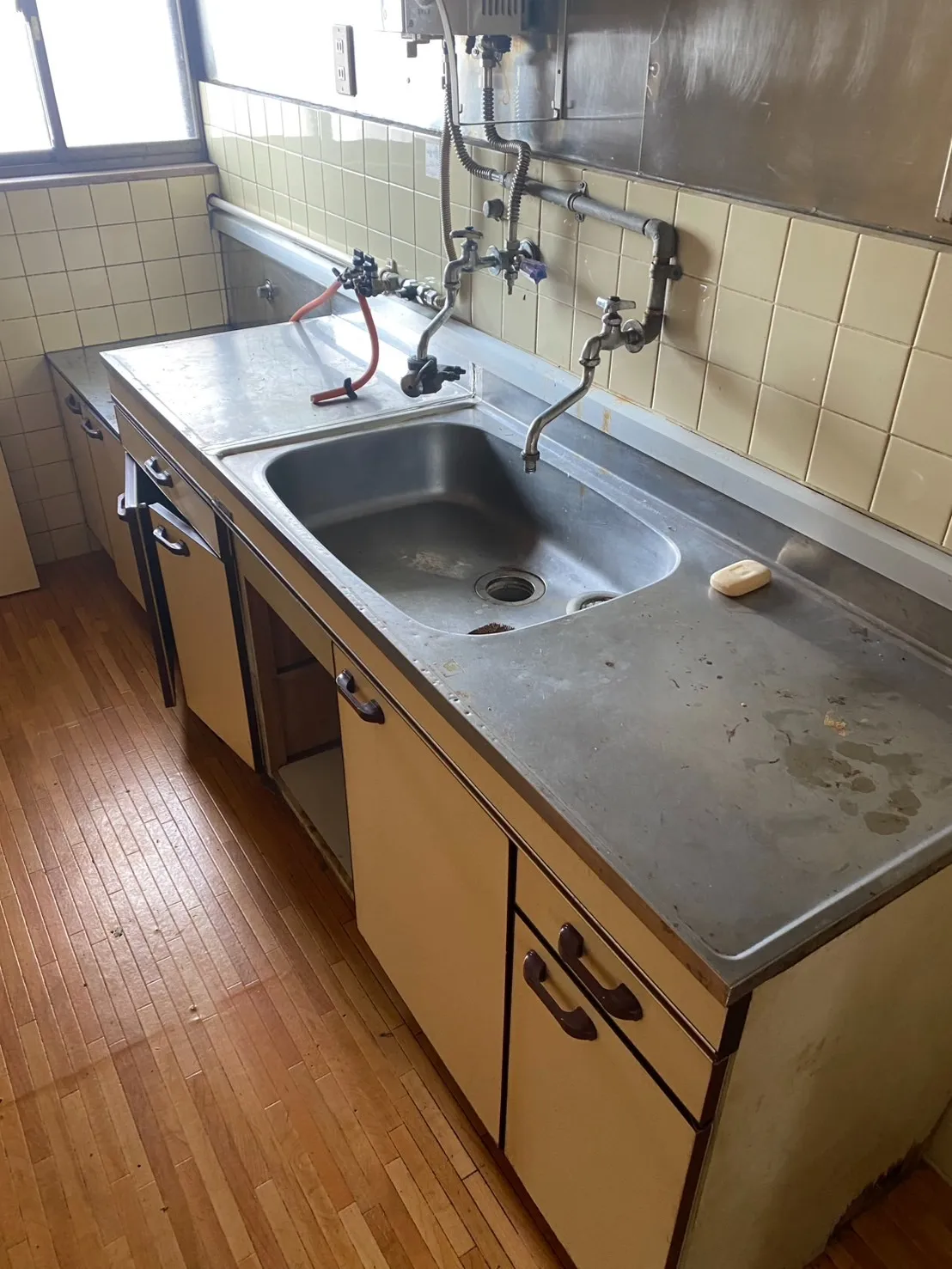
Bathrooms and wet areas require special attention, as they naturally retain moisture. Mold commonly forms on tiles, grout lines, and behind shampoo bottles. Another often-overlooked location is inside air conditioners. The condensation created during cooling or dehumidifying creates the perfect mold habitat. If left untreated, mold spores can be dispersed throughout the room when the unit is in use. Bedding also needs proper care. Sweat released during sleep can build up moisture in mattresses and futons, especially if ventilation is poor. In colder months, condensation from indoor heating can make this worse. Without proper care, your sleeping environment can easily become mold-infested.
3.How is Mold Allergy Diagnosed?
Mold allergy symptoms often resemble those of the common cold or other allergies, making self-diagnosis difficult. If symptoms like coughing, nasal congestion, or fatigue persist, it’s important to consult a medical professional. Proper diagnosis involves a combination of medical interviews and allergy-specific tests to accurately identify the cause.
3-1. Medical Tests: Skin Prick and Blood Tests
Two common methods used to diagnose mold allergies are the skin prick test and blood tests. In a skin prick test, a small amount of allergen—such as mold extract—is placed on the skin to observe for a reaction. If redness or swelling occurs, it indicates an allergic response. Blood tests measure the level of specific IgE antibodies in the blood. High levels suggest that your immune system is reacting strongly to mold allergens. Both tests are quick, relatively painless, and offer valuable insight into the allergens causing your symptoms.
3-2. When to See a Specialist
If allergy-like symptoms persist for more than two weeks, or if you experience discomfort regardless of the season, it may be time to visit an ENT specialist or an allergist. Those living in mold-prone environments or with a family history of allergies should be particularly cautious. Mold allergies can often overlap with asthma or atopic dermatitis, so early medical intervention is key. With an accurate diagnosis, you can implement more effective prevention strategies and improve your quality of life.
4.At-Home Remedies and Prevention for Mold Allergy
Managing mold allergy symptoms starts with minimizing exposure to mold in your living space. Since mold thrives in specific environmental conditions, making small adjustments in daily routines and home care can greatly reduce symptoms and prevent recurrence. Here are some practical, easy-to-implement prevention methods for your home.
4-1. Basic Principles of Ventilation, Dehumidification, and Environment Control
Controlling humidity and ensuring proper airflow are key to preventing mold. Start by ventilating rooms frequently—open windows at least once or twice a day, especially during humid or rainy seasons. In moisture-prone areas like bathrooms and kitchens, leave the exhaust fan running for at least an hour after use. Dehumidifiers or air conditioners with dehumidifying functions are also effective. Aim to maintain indoor humidity around 50%, as mold begins to thrive at levels above 60%. Position furniture a few centimeters away from walls to promote airflow and avoid moisture accumulation behind or underneath them.
4-2. Cleaning, Laundry, and Bedding Maintenance
Reducing mold spores indoors requires regular cleaning. Use vacuum cleaners equipped with HEPA filters to remove allergens from floors, carpets, and fabric surfaces. Cleaning two to three times a week is ideal, and wiping down surfaces helps capture fine dust and spores. Bedding such as futons, mattresses, and pillows should be aired out in the sun or treated with a futon dryer to eliminate moisture. Wash bed sheets and pillowcases weekly to prevent mold buildup. Avoid drying laundry indoors whenever possible—instead, use outdoor drying or a tumble dryer. These habits help keep the air clean and significantly reduce mold allergy symptoms.
5.Effective Products and How to Use Them
To enhance your efforts in preventing and alleviating mold allergy symptoms, it’s beneficial to use supportive tools and household products. When chosen carefully and used correctly, these items can greatly improve your home environment and reduce allergen exposure. Here are some recommended products and tips for getting the most out of them.
5-1. Dehumidifiers and HEPA Filter Air Purifiers
Dehumidifiers play a vital role in managing humidity, especially during the rainy season or winter when condensation increases. Even compact models can efficiently control moisture in rooms up to 10–15 square meters, making them ideal for bedrooms, closets, or living areas. Air purifiers equipped with HEPA filters are highly effective in capturing mold spores, dust, and pollen floating in the air. These filters remove 99.97% of microscopic particles, helping reduce allergic reactions. Placing an air purifier in spaces where you spend the most time, such as your bedroom or living room, can significantly improve air quality and comfort.
5-2. Choosing the Right Masks and Cleaning Supplies
When cleaning mold-prone areas, wearing a mask is essential to avoid inhaling spores. Choose masks with high filtration, such as N95 or non-woven fabric types. As for cleaning products, use mold removers carefully. Chlorine-based cleaners are strong but may damage surfaces, while oxygen- or alcohol-based options are gentler. Always read product instructions thoroughly, use only one type of cleaner at a time, and ventilate the area well during and after cleaning. Foam-type sprays are recommended as they stay in place and reduce the risk of dispersing chemicals. With the right tools, you can create a safer and cleaner home environment more efficiently.
6.Medical Treatments and Important Precautions
While improving your living environment can ease mold allergy symptoms, medication may be necessary for more severe or persistent cases. Under the guidance of a medical professional, appropriate use of medications can effectively reduce symptoms like sneezing, coughing, nasal congestion, and skin irritation. However, it’s important to use these treatments correctly and avoid self-medicating, as some may have side effects or require monitoring.
6-1. Antihistamines, Steroids, and Expectorants
Antihistamines are the most commonly used medication for allergy relief. They work by blocking the effects of histamine, a substance that causes allergic reactions, and are effective for treating runny noses, sneezing, and itchy eyes. For more severe cases or those involving asthma, steroid-based inhalers or oral medications may be prescribed to reduce inflammation and ease breathing. Expectorants may also be recommended for relieving phlegm and persistent coughing. These medications should always be prescribed based on individual symptoms and medical history, so it’s best to consult a healthcare provider rather than rely on over-the-counter options.
6-2. Immunotherapy and Nasal Irrigation as Supportive Treatments
One of the newer treatment approaches for mold allergy is allergen immunotherapy (also known as sublingual immunotherapy). This involves gradually introducing small doses of the allergen into the body to build tolerance and reduce sensitivity over time. Though it requires long-term commitment, it offers the potential for lasting improvement. Another helpful method is nasal irrigation, which involves rinsing the nasal passages with a saline solution. This clears away mold spores and allergens from the nasal lining and relieves congestion and irritation. Nasal irrigation kits are easy to use at home and have minimal side effects, making them a safe and effective part of allergy care.
7.Precautions and Common Mistakes When Cleaning and Preventing Mold
While cleaning and dehumidifying your home are essential steps in mold allergy prevention, improper methods can sometimes do more harm than good. Misuse of cleaning agents or neglecting ventilation can lead to health risks. In this section, we highlight common mistakes and provide tips to ensure safe and effective mold control.
7-1. Risks of Mixing Chemicals and Inadequate Ventilation
Using strong mold removers can be effective, but mixing different cleaning agents—especially chlorine-based and acidic cleaners—can create toxic gas, posing serious respiratory hazards. Always read the labels and instructions, and use only one cleaning product at a time. Ventilation is equally important. During cleaning, mold spores can become airborne. Without proper ventilation, you risk inhaling them, which may worsen allergy symptoms. Always open windows or use an exhaust fan to maintain airflow while cleaning or applying chemicals.
7-2. Extra Care for Households with Asthma or Small Children
If you or a family member has asthma, or if there are young children in the home, additional precautions are necessary. Cleaning can release allergens into the air, potentially triggering asthma attacks or allergic reactions. It’s best to have sensitive individuals stay in a different room or leave the house during cleaning. After cleaning, continue ventilating the space for at least an hour to ensure clean air circulation. Keep all cleaning supplies out of children’s reach, and be mindful of surfaces they may touch. Proper handling and awareness can make mold prevention both safe and effective for everyone in your household.
8.Benefits of Hiring a Professional Mold Removal Service
While home cleaning and DIY prevention can help, there are limits to what can be done without professional expertise. When mold keeps returning or is growing in hidden areas, calling in specialists can be the most effective solution. With professional-grade tools and techniques, experts can thoroughly remove mold and provide long-lasting prevention, offering peace of mind for your household.
8-1. Professional Mold Inspection and Removal Techniques
Professional mold removal services begin with a thorough inspection using visual checks and specialized instruments to identify the presence and extent of mold, even in hidden spots like behind walls or under flooring. They then select the most effective method for removal based on the type of mold and the materials affected. Unlike store-bought cleaners, professionals use highly specialized, potent solutions that remove mold quickly and safely. They also target mold deep within air conditioners, wood, and walls using advanced spray or fogging equipment, eliminating spores at the source and significantly reducing allergy risks.
8-2. Introducing MIST Method® and Advanced Technology
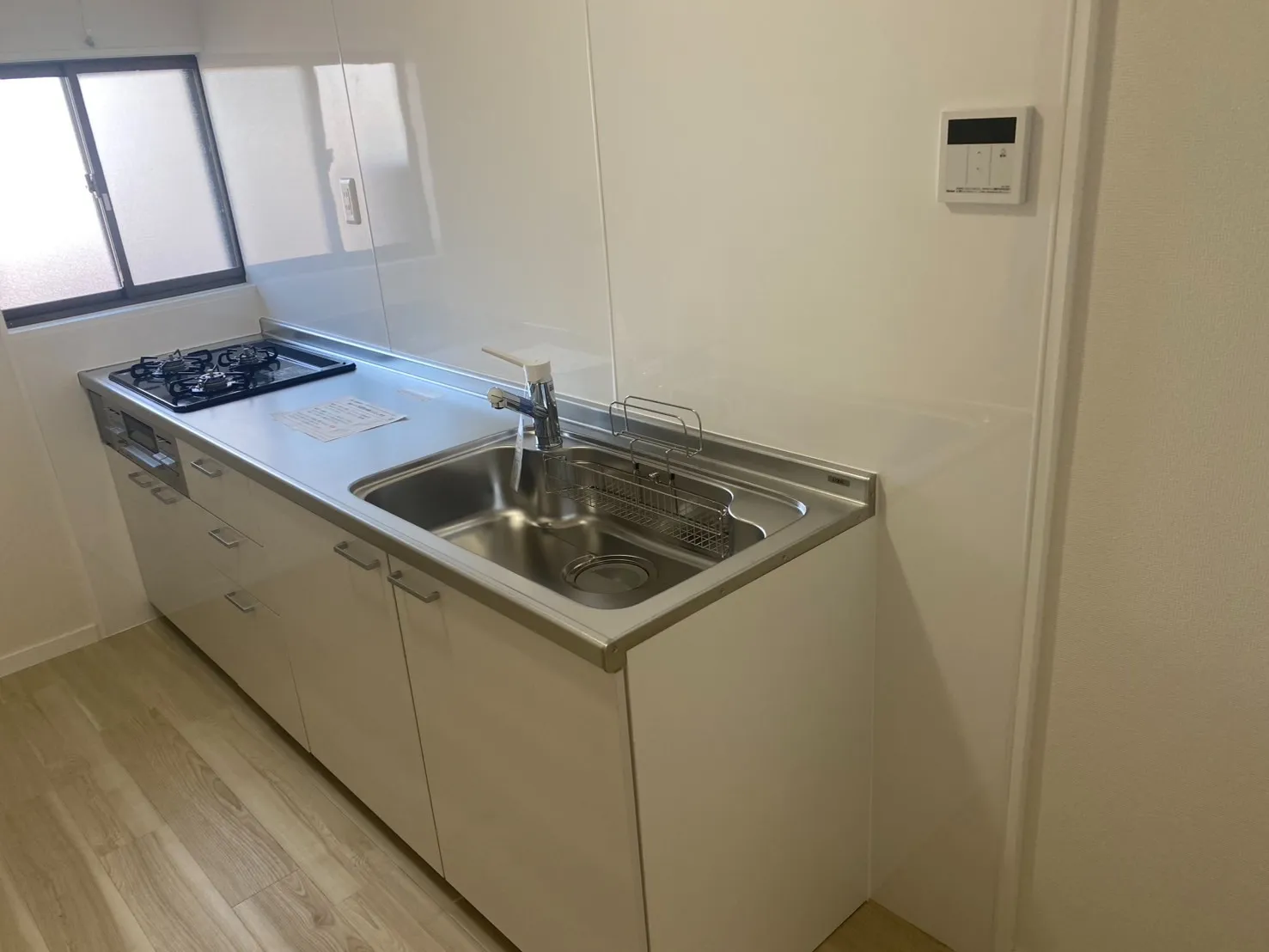
A standout solution is the MIST Method®, developed by Kabibusters Osaka and Kabi Reform Nagoya/Tokyo. This technique removes mold without scrubbing or damaging materials, making it ideal for delicate surfaces like wood, wallpaper, and historical structures. The proprietary cleaning agents are safe for humans yet powerful against mold, breaking down its cell structure and removing it completely. After cleaning, a protective anti-mold treatment is applied, which helps prevent recurrence. Unlike traditional scraping or bleaching methods, this approach preserves the integrity of the materials while providing deep and lasting results. By relying on these expert services, you can confidently restore your home’s cleanliness and protect your family’s health.
9.Leveraging Communities and Information Resources
If you’re struggling with mold allergies, you’re not alone. Many others face the same challenges, and sharing experiences and solutions can be incredibly helpful. By tapping into the wisdom of communities and reliable resources, you can discover practical, effective strategies to manage mold in your home and protect your health.
9-1. Practical Tips from Social Media and Personal Experiences
Platforms like Twitter, Instagram, and personal blogs are full of real-life tips from people dealing with mold and allergies. Users often share specific product recommendations or cleaning techniques that have worked for them—like which air conditioner cleaners are effective or which dehumidifying sheets help with bedding. These firsthand accounts, unlike advertisements, include both success stories and lessons learned from failures, making them a trustworthy source. Forums dedicated to allergies or parenting communities also offer detailed advice, especially from people living in similar climates or housing conditions.
9-2. Consulting Local Authorities and Specialized Help Desks
In addition to online sources, local government offices and public health departments may offer guidance on mold-related issues. Some municipalities provide environmental health services or consultations about indoor air quality. There may also be financial assistance programs available for families with elderly members or small children to improve their living environments. Furthermore, these offices can help you connect with certified medical institutions for proper allergy testing and treatment. By using these official channels, you can get reliable, customized advice for managing mold and allergies in your home.
10.Long-Term Strategies for a Comfortable, Mold-Free Life
Mold allergy prevention is not a one-time task—it requires consistent efforts and lifestyle adjustments. To truly protect your health and keep your home mold-free, it’s important to adopt sustainable habits and maintain an environment that discourages mold growth. With steady routines and awareness, you can enjoy a safer, more comfortable living space.
10-1. Reviewing Daily Habits and Environmental Controls
Start by focusing on moisture and airflow. Regularly monitor the humidity in each room and use dehumidifiers or fans in areas prone to dampness. Open windows for 10–15 minutes in the morning and evening to improve air circulation. Establishing cleaning routines is also crucial. For example, set reminders to wash curtains or clean air conditioner filters weekly, and air out bedding at least once a month. Avoid indoor drying of clothes and keep an eye on indoor plants, which can increase humidity. Small, consistent adjustments like these can greatly reduce the risk of mold growth.
10-2. Health Monitoring and Using Technology for Prevention
Alongside environmental changes, it’s essential to keep track of your and your family’s health. During allergy-prone seasons, pay attention to symptoms and respond early. Keeping a health journal or allergy log can help you identify what triggers your symptoms. In addition, new home devices can detect airborne mold particles and display real-time air quality data. By visualizing your indoor conditions, you can take preventive action before problems escalate. The key to maintaining a mold-free lifestyle lies in not just reacting, but proactively managing your environment with awareness and the right tools.
Mold Removal and Prevention: Trust Kabibusters Osaka and Kabi Reform Nagoya/Tokyo
If you’re dealing with health issues or discomfort caused by indoor mold, consider consulting Kabibusters Osaka or Kabi Reform Nagoya/Tokyo—both are trusted experts in professional mold removal. They use an innovative method called the MIST Method®, a proprietary mold removal technique that eliminates mold without damaging delicate surfaces like wood, wallpaper, or stone.
The MIST Method® involves adjusting specialized mold-removal agents based on the type and extent of mold contamination. This method doesn’t rely on harsh scrubbing or scraping, ensuring that your home’s materials remain unharmed. The agents used are formulated to be safe for people and the environment, making them ideal for homes with small children, elderly residents, or healthcare facilities.
In addition to removing mold, these companies provide long-lasting anti-mold treatments to prevent regrowth. The fine mist penetrates deeply into affected materials, thoroughly eradicating mold at the root. As a finishing touch, an antimicrobial coating is applied to the treated area, offering extended protection.
Unlike conventional methods that may cause surface damage or short-term results, the MIST Method® provides comprehensive care tailored to your home’s condition. Whether you’re experiencing recurring mold issues or allergic symptoms that won’t subside, reaching out to Kabibusters Osaka or Kabi Reform Nagoya/Tokyo for an on-site inspection and expert recommendations can help restore a clean, healthy, and safe living environment.
---------------------------------------------------------------------
カビ取リフォーム
東京営業所
〒141-0022
東京都品川区東五反田2-5-2 YHE CASK GOTANDA6階
電話番号:090-8321-4408
名古屋本社
〒465-0028
愛知県名古屋市名東区猪高台1-1301 タイコウビル1F
電話番号 : 0120-588-766
サイト:https://taikou-kensou.co.jp/
大阪営業所
〒532-0003
大阪府大阪市淀川区宮原1-19-23
電話番号:080-6978-3068
カビバスターズ大阪
https://kabibusters-osaka.com/
【検査機関】
一般社団法人微生物対策協会
https://kabikensa.com/
----------------------------------------------------------------------