[Expert Tips] Keep Your Home Mold-Free This 2025 Rainy Season
2025/06/25
With the arrival of the rainy season, hidden mold becomes a growing threat to our homes. In 2025, with a predicted “positive rainy season,” both humidity and temperatures are soaring, significantly raising mold risks.
This blog post will help you understand how mold thrives in different environments and guide you through location-specific prevention—from bathrooms and closets to kitchens. We’ll also cover air purifier use, DIY solutions, and emergency actions when mold appears.
You’ll gain practical knowledge to protect your home, reduce allergy and health risks, and maintain a clean, comfortable space throughout and beyond the rainy season.
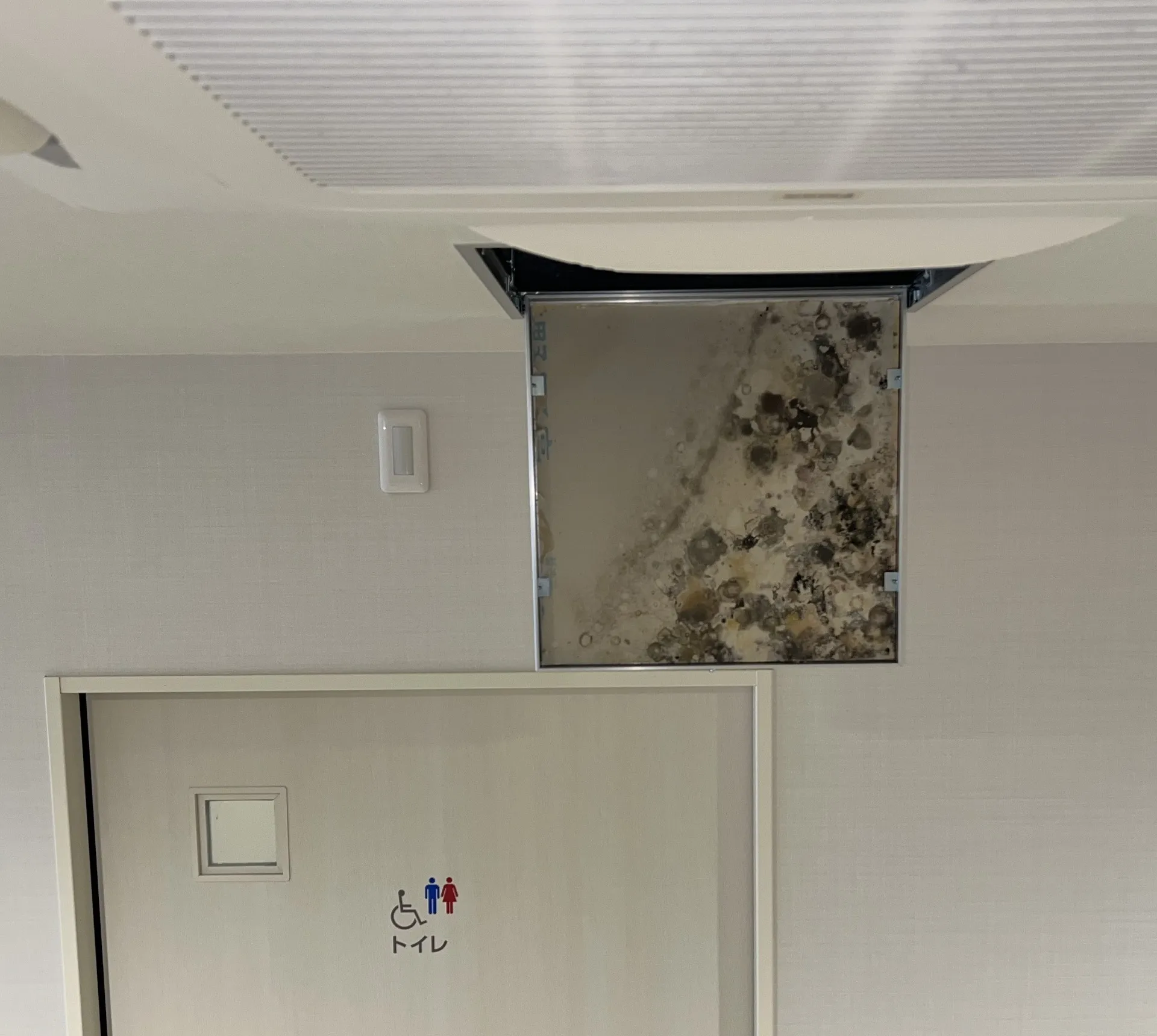
1. What is the "Positive Rainy Season" in 2025? The Latest Mold Risk Trends
In 2025, Japan’s rainy season is showing characteristics of what meteorologists call a "positive rainy season." This pattern involves stronger Pacific high-pressure systems that lead to prolonged periods of warm, humid air combined with sunshine. These conditions create an ideal environment for mold growth, particularly indoors. In this section, we will explore what defines a positive rainy season and how current climate data points to an increased risk of mold outbreaks.
1-1. What is a Positive Rainy Season? The Link Between Climate and Mold
A positive rainy season refers to a weather pattern where the Pacific high-pressure system extends over Japan, causing the rainy front to stagnate and draw in moisture-rich air. This also results in frequent hot and sunny days between rainfalls. In 2025, this trend is especially strong in western Japan, where daytime temperatures often approach 30°C, and nighttime humidity regularly exceeds 90 percent.
These conditions meet the ideal criteria for mold: consistent humidity above 70 percent and temperatures between 25 to 30°C. Mold spores, ever-present in the air, become highly active under these circumstances, leading to growth in poorly ventilated or infrequently cleaned areas of the home.
1-2. Climate Data from June–July 2025 and Mold Growth Risks
According to climate data from June to July 2025, average temperatures are 1.2°C higher than usual, and average humidity levels are consistently above 85 percent. In urban environments, where ventilation is often limited and air conditioning is commonly used, moisture tends to accumulate in areas like bathrooms, closets, and kitchen corners.
Sudden downpours and fluctuating humidity levels also contribute to rapid mold spread, particularly in areas that remain damp or closed off. With these conditions in mind, tailored mold prevention strategies are more important than ever this season.
2. Why is Mold So Prevalent During the Rainy Season? Simple Mechanism Explained
Many people experience mold issues intensifying during the rainy season—but why exactly does this happen? Understanding the conditions that promote mold growth helps us apply more effective prevention strategies. In this section, we’ll explain the basic mechanics behind mold development in a clear and accessible way.
2-1. The Four Essential Conditions for Mold Growth
Mold is a microorganism that exists everywhere in nature, and it begins to multiply rapidly when four specific conditions are met.
The first is humidity. Mold thrives when relative humidity exceeds 70 percent and grows explosively above 80 percent. During the rainy season, indoor environments often remain within this range for extended periods.
The second is temperature. Mold grows best between 20 to 30°C, with its activity peaking between 25 to 28°C—conditions frequently seen during Japan's rainy season.
The third is the presence of a nutrient source. Common household substances like dust, dead skin cells, soap scum, and wooden materials provide mold with what it needs to grow.
The fourth is oxygen. As an aerobic organism, mold can grow anywhere air is present.
In short, during the rainy season, homes often provide all four of these elements simultaneously, creating a paradise for mold to spread.
2-2. Why Humidity + Heat + Nutrients + Air is a Dangerous Combo
The danger lies not just in these conditions individually, but in their combination. Places like bathroom corners, under sinks, or behind kitchen appliances are particularly vulnerable because they provide warmth, moisture, and nutrients, all in poorly ventilated spaces.
Closets and storage areas are also high-risk zones, where lack of air circulation traps humidity.
Fortunately, breaking just one of these conditions can prevent mold from thriving. By focusing on moisture control, ventilation, or hygiene, you can interrupt the cycle and protect your home from mold damage. Recognizing this mechanism is the first step toward effective mold control.
3. Room-by-Room Mold Prevention Tips for Daily Life
Mold can appear in any part of your home, but effective prevention depends on understanding the unique conditions of each space. From bathrooms to closets and kitchens, tailoring your approach to the specific risks in each area helps stop mold before it starts. This section provides practical, location-based tips for preventing mold growth in daily life.
3-1. Bathrooms and Wash Areas: The Squeegee and Ventilation Routine
Bathrooms are among the most mold-prone areas in a home due to constant moisture, warmth, and nutrient sources like soap scum and body oils.
One of the simplest and most effective habits is using a squeegee to remove water from walls and floors after each shower. Water left behind becomes a breeding ground for mold.
Equally important is ventilating the space, ideally by running an exhaust fan for at least 30 minutes after use. If there’s a window, opening it for cross-ventilation is even better.
Once a week, use mold-fighting cleaners to remove buildup and prevent mold spores from taking hold in hard-to-reach corners and joints.
3-2. Closets and Storage Areas: Dehumidifiers and Smart Organization
Closets and storage spaces are typically closed off and poorly ventilated, making them perfect for mold to grow unnoticed. Clothing, bedding, and paper products are all vulnerable.
To protect them, use dehumidifier packs or silica gel to absorb excess moisture. Replace these regularly, especially during humid months.
Avoid overpacking shelves and drawers. Keep items organized so that air can circulate freely—a good rule is to fill no more than 80 percent of the available space.
Periodically open the doors to let fresh air in, and consider using a small circulation fan to move the air in large or deep storage areas. These small habits go a long way in keeping mold at bay.
4. Using Air Purifiers to Combat Airborne Mold Spores
Invisible mold spores constantly float through the air, even in clean-looking spaces. During the rainy season, high humidity levels cause these spores to become more active and likely to settle and grow in various areas of your home. Managing air quality is just as crucial as cleaning surfaces when it comes to mold prevention. In this section, we’ll explore why air purifiers are effective against mold and how to use them for best results.
4-1. Why Air Purifiers Work: How They Remove Mold Spores
Mold spores are microscopic and lightweight, making them easy to disperse through the air and difficult to notice. In poorly ventilated rooms, they tend to accumulate and eventually settle onto surfaces where mold can begin to grow.
Air purifiers equipped with HEPA filters are particularly effective at capturing these airborne spores. HEPA filters can trap particles as small as 0.3 microns with over 99 percent efficiency—well within the size range of mold spores.
While many people associate air purifiers with pollen and dust control, they are equally powerful allies in mold prevention during humid months.
4-2. Best Placement and Operating Tips for the Rainy Season
To maximize effectiveness, it's important to place your air purifier in the right spot. High-traffic living areas are ideal, but also consider putting purifiers near closets, entryways, or just outside bathrooms—places where moisture accumulates.
Choose a purifier suited to the size of your room and operate it continuously during the rainy season, if possible. If electricity costs are a concern, running it during the daytime or when you're home can still make a big difference.
Using an air conditioner alongside the purifier helps maintain both temperature and humidity at healthy levels. Don’t forget to clean or replace filters regularly to ensure peak performance and prevent re-contamination.
5. Don't Overlook the Kitchen and Fridge! Mold-Safe Food and Tools Management
The kitchen is one of the most active areas in any household, and during the rainy season, it becomes especially vulnerable to mold due to heat, moisture, and organic matter. Mold not only threatens your food but can also pose health risks if it spreads to cooking tools and surfaces. In this section, we’ll explain how to manage food storage and kitchen hygiene to prevent mold growth.
5-1. Mold Prevention for Bread, Vegetables, Fruits, and More
Certain foods are more prone to mold in humid conditions—especially bread, fruits, and leafy vegetables. Bread should be kept in the fridge or freezer as soon as possible after purchase. Freezing sliced portions allows for easy, mold-free use whenever needed.
Fruits and vegetables, when stored in a humid fridge compartment without airflow, tend to spoil quickly. Wrap them in paper towels or store them in breathable mesh bags to absorb excess moisture and improve air circulation.
Adding moisture-absorbing products like fridge-safe dehumidifying packs or activated charcoal helps maintain a dry environment inside the vegetable drawer.
Also, make sure food storage containers are clean and fully dried before use, as damp containers can accelerate mold growth even when refrigerated.
5-2. Sterilizing and Drying Cutting Boards, Cloths, and Utensils
Everyday kitchen tools like cutting boards, dish cloths, and knives can become hidden sources of mold if not properly cleaned and dried. Cutting boards, especially wooden ones, should be scrubbed thoroughly and disinfected with boiling water or mild bleach after use. Let them air dry completely before putting them away.
Dish cloths should not be left damp near the sink—this quickly turns them into a mold magnet. Wash them daily and let them dry completely in the sun or under strong ventilation. Switching to quick-dry or antibacterial cloths is another effective option.
All utensils and containers should be dried completely before being stored. Even a small amount of lingering moisture in dark cabinets can trigger mold growth over time.
A little extra attention during cleanup goes a long way toward keeping your kitchen fresh, healthy, and mold-free during the rainy season.
6. DIY & Store-Bought Mold Prevention Hacks You Can Do at Home
You don’t need professional tools or chemicals to protect your home from mold during the rainy season. With a few simple items and a little routine effort, you can create a mold-resistant environment that feels fresh and safe. In this section, we’ll cover both DIY methods and effective store-bought products that are easy to integrate into your daily life.
6-1. Using Baking Soda, Citric Acid Spray, and Water-Repellent Coatings
Baking soda and citric acid are popular natural cleaning agents with strong mold-fighting properties. Baking soda is great for absorbing moisture and breaking down grease or grime—perfect for damp areas like sinks and bathroom corners. You can make a simple spray by mixing 200 ml of water with two teaspoons of baking soda.
Citric acid, on the other hand, excels at removing soap scum and water stains. It’s especially effective in bathrooms. Create a citric acid spray the same way, and use it on surfaces prone to buildup.
For added protection, apply water-repellent coatings to tiles, glass, and countertops. These products help surfaces stay dry by preventing water from clinging—making it harder for mold to take hold. All of these items can be found at drugstores or even 100-yen shops, making them accessible and affordable for anyone.
6-2. Choosing and Using Mold Foggers and Dehumidifying Charcoal
For an extra layer of defense, store-bought mold control products offer convenience and long-lasting effects. One popular option is the mold fogger—a small canister that emits mold-killing agents in vapor or smoke form. It penetrates hard-to-reach areas like corners and crevices, and is especially helpful for bathrooms. Most are effective for one to two months.
Charcoal-based dehumidifiers are also excellent for controlling moisture in closets, cabinets, or shoe racks. Charcoal absorbs not only water vapor but also odors, keeping your storage spaces clean and fresh.
These come in different forms—from compact boxes to hanging bags—so choose the size and style that best fits your space. Be sure to check how often the product needs to be replaced to ensure continued effectiveness.
Combining DIY efforts with commercial tools allows you to tackle mold on multiple fronts without much hassle.
7. What to Do When Mold Appears & When to Call a Pro
Even with the best preventive measures, mold can still find its way into your home. What matters most is how quickly and effectively you respond when it does. Knowing when to handle mold yourself and when to seek professional help can make a big difference in maintaining a healthy, clean living space.
7-1. DIY Steps When You Spot White or Black Mold
Two common types of indoor mold are white mold and black mold. White mold tends to look fluffy or powdery and is often found on wood, paper, or food. Black mold, meanwhile, appears on bathroom caulking, wall corners, and window frames and is more likely to dig deep into surfaces.
When you spot white mold, clean it with alcohol-based spray or diluted bleach, using a cloth to gently wipe it off. Be sure to thoroughly dry the area afterward to prevent recurrence.
Black mold requires a more thorough approach. Use a mold-specific bleach spray, let it sit for several minutes, then scrub and rinse.
During any mold cleanup, wear gloves and a mask to avoid inhaling spores. Ventilate the room well. These steps are usually effective for small, surface-level mold, but deeper or widespread growth can be much harder to manage on your own.
7-2. When It’s Time to Call a Professional Mold Removal Service
If the mold covers a large area—more than the size of your hand—or returns quickly even after cleaning, it’s time to consider professional help. Other warning signs include a strong, musty odor that persists throughout the room or mold spreading to hidden areas like under flooring, behind wallpaper, or inside ceilings.
Also, if anyone in the household experiences allergic reactions or respiratory issues, mold may be the culprit.
Professional services use advanced methods and specialized agents to eliminate mold at its root. They can also treat the area with anti-mold coatings to prevent future outbreaks, offering longer-term peace of mind.
Prompt consultation with a mold expert not only protects your home but also safeguards the health of your loved ones. Don’t hesitate to reach out when the problem is beyond basic cleaning.
8. Creating a Mold-Free Lifestyle with Simple Daily Habits
During the rainy season, it's not just moisture you have to contend with. Damp air, unpleasant odors, and an overall sense of discomfort can reduce your quality of life. Preventing mold and maintaining a comfortable living space go hand in hand. In this section, we’ll share practical daily habits and environmental tips to help you stay mold-free and feel refreshed during even the most humid months.
8-1. Daily Ventilation Routines and How to Use a Circulator Fan
Rainy weather often means we open windows less, but poor ventilation traps moisture indoors and accelerates mold growth. A good habit is to ventilate rooms at least twice a day, even if just for 5 minutes each time.
Open two windows to create airflow, ideally in opposite directions to allow effective cross-ventilation.
Using a circulator fan is also helpful, especially in windowless or poorly ventilated rooms. Aim the fan toward the ceiling to keep air moving and maintain consistent humidity levels throughout the space.
Combining this with an air conditioner or dehumidifier boosts overall effectiveness, making your indoor environment more comfortable and mold-resistant.
8-2. Managing Humidity, Laundry, Cleaning, and Scents
Use a hygrometer to monitor humidity levels in each room. Ideally, keep the humidity between 40 to 60 percent. If levels exceed this, it’s time to bring in a dehumidifier or moisture-absorbing products.
Indoor drying of laundry is a common issue during rainy seasons. To reduce its impact, use a dehumidifier or fan nearby to speed up drying and minimize added moisture in the room.
Regular cleaning is just as important. Dust and grime serve as nutrients for mold, so stay on top of floor sweeping, wiping shelves, and cleaning filters.
Finally, enhance your space with natural antibacterial essential oils or aroma diffusers. Scents like tea tree, eucalyptus, or lavender not only help purify the air but also lift your mood and neutralize mustiness.
By stimulating your senses and managing air and moisture, you can create a truly comfortable and mold-free environment throughout the rainy season.
Mold Removal and Prevention with Kabibusters Osaka and Kabi Reform Nagoya & Tokyo
The rainy season brings a sharp increase in mold risk throughout the home. While daily maintenance can help, deep-rooted mold in hidden areas like behind walls or under flooring often requires professional intervention. That’s where Kabibusters Osaka and Kabi Reform Nagoya & Tokyo come in—trusted specialists in mold removal and long-term prevention.
Using our proprietary MIST Method®, we tailor our approach to each unique case. This technique eliminates mold at the root without scrubbing or scraping, making it ideal for delicate materials such as wood, wallpaper, or historic structures. Our specially formulated agents are not only powerful but also safe for families with small children or elderly residents.
After removing the mold, we apply anti-mold treatments that reduce the risk of recurrence. This includes treating airborne spores, surface protection, and creating an overall clean and safe indoor environment. The result is long-lasting peace of mind even during Japan’s most humid months.
Whether you live in the Kansai region (covered by Kabibusters Osaka) or in the Chubu and Tokyo areas (covered by Kabi Reform Nagoya & Tokyo), our teams are ready to assess your situation and provide solutions tailored to your needs. We offer personalized consultations and estimates based on your specific environment and concerns.
Don’t let mold take over your living space—reach out to our experienced team and breathe easier with professional mold care.
---------------------------------------------------------------------
カビ取リフォーム
東京営業所
〒141-0022
東京都品川区東五反田2-5-2 YHE CASK GOTANDA6階
電話番号:090-8321-4408
名古屋本社
〒465-0028
愛知県名古屋市名東区猪高台1-1301 タイコウビル1F
電話番号 : 0120-588-766
サイト:https://taikou-kensou.co.jp/
大阪営業所
〒532-0003
大阪府大阪市淀川区宮原1-19-23
電話番号:080-6978-3068
カビバスターズ大阪
https://kabibusters-osaka.com/
【検査機関】
一般社団法人微生物対策協会
https://kabikensa.com/
----------------------------------------------------------------------