Preventing Mold Problems in Airtight Homes: A Complete Guide for Construction Companies
2025/06/24
Thank you for reading our blog again today.
In construction sites, more cases are emerging where mold is discovered after completion, leading to a loss of trust or liability issues due to construction errors. Therefore, it is essential to respond quickly and appropriately at every stage.
By reading this article, you will gain a clear understanding of how to identify the causes of mold on-site and the steps for removal and prevention, which will contribute to improving construction quality and preventing complaints.
Learning practical and actionable countermeasures will greatly reduce the risk of recurrence and help deliver safe and secure buildings.
1. Current Situation and Issues of Mold Growth at Construction Sites
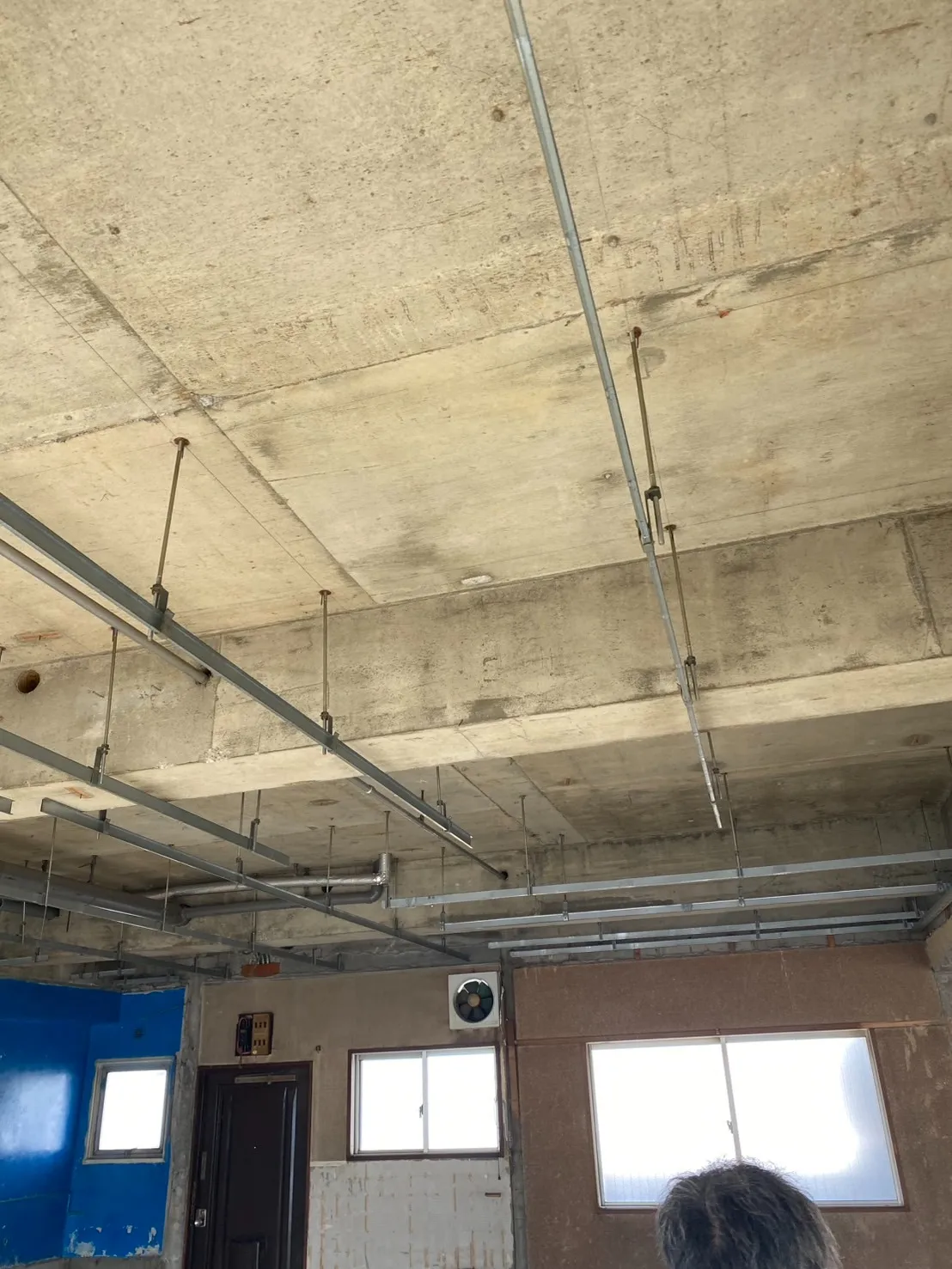
Mold is not just a cosmetic issue—it can cause serious damage to structural components and negatively affect the health of residents. This is especially true for today’s airtight and highly insulated homes, where limited ventilation increases the risk that even minor construction mistakes can lead to major mold problems. In this section, we’ll explain the specific causes of mold during construction or before handover, and highlight the severity of these issues.
1-1. How Moisture Accumulates in Airtight and Highly Insulated Homes
Modern homes are increasingly designed to be airtight and highly insulated for better energy efficiency. However, this design can backfire when it comes to mold issues. In tightly sealed spaces, moisture from construction processes or everyday living has few ways to escape. This leads to condensation and elevated indoor humidity. When moisture becomes trapped inside insulation or within wall cavities, it significantly increases the risk of mold growth in hidden areas. If ventilation is insufficient or the ventilation layer is poorly designed, the situation worsens. As a result, musty odors or visible black stains can appear soon after completion, often leading to complaints from homeowners.
1-2. Risks from Inadequate Concrete Drying and Construction Water Intrusion
At construction sites, the concrete used in foundations and structural frames may not be fully dried before further work proceeds. If interior materials or insulation are installed while moisture remains, it becomes trapped inside and—combined with temperature differences—creates ideal conditions for mold. Additionally, construction errors such as poor protection of temporary roofs or open sections can allow rainwater to enter. These issues are often hard to detect visually and may only be discovered after significant mold growth behind walls or under floors. To prevent this, it is essential for construction companies to ensure thorough drying checks and strict moisture control.
1-3. Mold Warning Signs Often Missed During Construction
Mold growth during construction is often difficult to detect in its early stages and can be overlooked. For instance, even slight discoloration on the surface of wood may be an early sign of mold. A faint sour smell in an enclosed interior space can also be an important indicator. This is especially true during humid seasons or after extended rainy periods. Workers may become accustomed to such signs and dismiss them as harmless, increasing the risk of post-handover mold problems. Implementing detailed checklists, photographic documentation, and training staff to recognize even subtle changes is vital for quality control.
2. The Impact of Mold on Construction and Risk Assessment
Mold growth is not merely a cosmetic issue—it can severely compromise a building’s performance and overall value. It also poses significant health risks to occupants and may even lead to legal disputes, making it a critical concern that construction companies cannot afford to ignore. In this section, we will delve into the specific structural problems caused by mold and the potential legal risks that can lead to conflicts with clients.
2-1. Deterioration of Building Materials and Impact on Structural Integrity
Mold doesn’t just affect visible surfaces—it can seriously damage the building materials themselves. Organic materials such as wood, drywall, and insulation are particularly vulnerable, serving as ideal food sources for mold. If mold is allowed to grow unchecked over time, it can break down these materials, leading to weakened structural strength. This compromises the building’s stability and durability and may eventually require costly repairs or even reconstruction. Even in steel-framed structures, mold-related moisture retention can accelerate corrosion. In short, mold is not just a cosmetic issue—it’s a major threat to the overall quality and lifespan of a building.
2-2. Health Effects and Potential Legal Disputes
Mold releases spores and fine particles that can cause allergic reactions, asthma, and nasal inflammation. These health risks are especially serious for small children, the elderly, and those with weakened immune systems. If such health issues occur after the building has been handed over, clients may demand compensation or renovation, and these cases are increasingly common. In recent years, legal liabilities such as "warranty for defects" and "non-conformity with contract" have been frequently invoked. If moisture control and mold prevention during construction are deemed insufficient, the builder may face legal consequences. For construction companies, mold prevention is not only essential to avoid complaints—it’s also vital for protecting the company’s reputation and trust.
2-3. Decreased Property Value and Impact on Brand Image
Mold significantly lowers the market value of a property. Visible stains, unpleasant odors, or warped wallpaper can deter potential buyers or renters. In the case of for-sale homes, even the slightest sign of mold during a showing may lead people to assume poor workmanship or inadequate quality control. This can result in prolonged unsold inventory or the need to reduce the property’s price. Furthermore, if a builder gains a reputation for producing “mold-infested homes,” it can severely damage the company’s brand and hinder new customer acquisition. Rebuilding trust once lost is extremely difficult, so early action and thorough preventive measures are critical to long-term business success.
3. On-Site Mold Inspections Construction Companies Should Implement
Mold growth can often be prevented through proper inspections carried out in advance. By conducting thorough mold inspections during construction or immediately after completion, construction companies can avoid post-handover problems and costly repairs. In this section, we will explain practical on-site inspection methods that can be implemented at construction sites, along with key points to watch out for during these inspections.
3-1. Moisture Content Measurement and Fungal Testing Methods
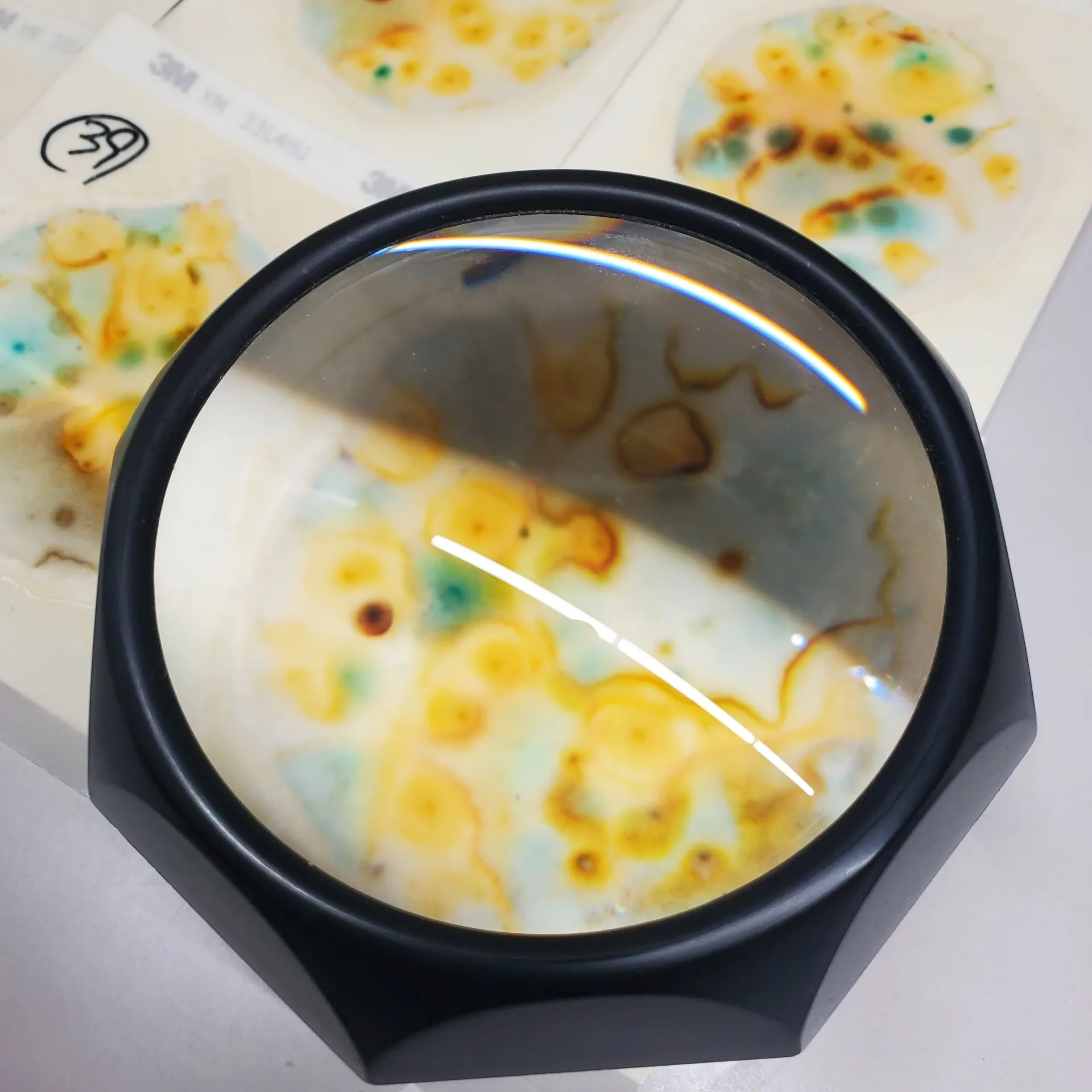
Regularly measuring the moisture content of building materials is the first step in mold prevention. Organic materials like wood and drywall become highly susceptible to mold once their moisture content exceeds 20%. A moisture meter allows for easy on-site monitoring. If discoloration or odors are present, it’s also recommended to conduct fungal testing. Simple test kits are available to detect mold spores, but for more precise results, professional sampling and culture testing by a specialist are most effective. It’s crucial to document the results with photos and keep them as evidence for quality control.
3-2. Key Points for Surface and Internal Inspections
When inspecting for mold, it’s essential to check not only visible surfaces but also hidden areas such as inside walls, under floors, and within insulation. Areas prone to condensation—like window frames, exterior wall joints, and around piping—should be prioritized. Tools like infrared cameras or endoscopes can help detect hidden moisture or discoloration. Including mold-specific checks in the final pre-handover inspection helps reduce post-completion defects and repair requests. Providing clients with written inspection reports enhances their peace of mind and boosts the company’s credibility.
3-3. Timing of Regular Inspections and Importance of Recordkeeping
Minimizing mold risks requires regular checks throughout the construction process—not just one-time inspections. For example, inspections should be conducted after foundation work and concrete drying, after insulation installation, and before and after interior finishing, as these stages are particularly sensitive to moisture. It is important to document all inspection data, including measurements and photos, in a project management record. This provides objective proof of proper procedures in the event of a dispute. Such data management strengthens the company’s quality assurance framework and sets it apart from competitors. Transparent and consistent records also help build trust with clients.
4. Immediate Response Flow Upon Detecting Mold
When mold is discovered at a construction site, quick and accurate action is essential. Delays or improper handling can lead to more extensive damage, increasing the risk of rework and customer complaints. In this section, we will explain the correct procedures to follow when mold is found during the construction process or shortly before or after handover.
4-1. During Construction: Humidity Control and Drying Measures for Materials
When mold is discovered during construction, the first priority is to assess the situation accurately and identify the source of the moisture. If condensation near window frames or the foundation is the cause, temporary solutions will only lead to recurrence. Dehumidifiers, blowers, or temporarily removing materials to promote natural drying must be deployed immediately based on site conditions. Surface cleaning alone is often insufficient, as mold may have penetrated the material. In such cases, specialized disinfectants should be used, or the affected materials may need to be replaced. Since the response at this stage directly affects the final quality, quick instructions to workers and detailed documentation are essential.
4-2. Pre- and Post-Handover: Identifying the Cause and Determining Responsibility
If mold is found just before or after handover, it is crucial to determine whether the cause stems from construction errors or the homeowner's usage conditions. If moisture management or ventilation was inadequate during construction, the builder may be held responsible, and inspection records and process logs will serve as key evidence. Therefore, maintaining thorough documentation throughout the project is critical. On the other hand, if it is evident that poor usage or maintenance after moving in is the cause, this should be clearly explained to the client, and if necessary, a specialized contractor should be recommended to help resolve the issue. A flexible and sincere response, tailored to the specific situation, is vital to maintaining trust.
4-3. Feedback to On-Site Teams for Preventing Recurrence
At sites where mold has occurred, it’s not enough to simply remove it—sharing information and educating on-site teams is key to preventing future problems. Specifically, the cause and response should be documented and shared during regular meetings or site briefings. For example, pointing out issues like “insufficient moisture control during insulation installation” or “incorrect placement of ventilation openings” helps prevent similar mistakes elsewhere. Creating manuals based on photos and step-by-step procedures of the incident and storing them as internal resources is also effective. A well-structured feedback and knowledge-sharing system leads to better construction quality across the company and enhances client trust. Preventing recurrence hinges on unifying awareness and standardizing techniques across the entire team.

5. Mold Removal and Prevention Measures at Construction Sites
Once mold begins to grow, it becomes difficult to completely eliminate, making early intervention and preventive measures critically important. On construction sites, it's essential to control moisture levels and carefully select materials that help prevent mold growth. In this section, we introduce practical mold removal techniques and proactive prevention strategies that can be implemented directly at the site.
5-1. Specific Ventilation and Dehumidification Techniques
Creating a moisture-free environment is fundamental to mold prevention. Insufficient ventilation during construction—especially in rainy or humid seasons—can lead to condensation. To address this, rely not only on natural ventilation but also utilize air circulators, blowers, and industrial dehumidifiers to ensure proper air circulation indoors. For areas where moisture tends to linger within the structure, temporary protective materials or makeshift air vents can be effective. Additionally, it is essential to allow sufficient curing time after concrete placement and to use a moisture meter to confirm dryness before proceeding to the next stage. Careful moisture control, even with tight schedules, is key to preventing mold.
5-2. Use of Mold-Resistant and Antimicrobial Coatings
Applying mold-resistant and antimicrobial coatings to building surfaces is an effective countermeasure. It is especially beneficial to treat hard-to-inspect and moisture-prone areas—such as behind walls, under floors, or around insulation—during construction. In addition to commonly available spray types, professional-grade misting agents with high penetration can reach deep into materials and offer long-lasting protection. Antimicrobial coatings also help prevent airborne mold spores from settling, maintaining a cleaner indoor environment after completion. Choose the appropriate mold prevention method based on the building’s intended use—whether residential, commercial, or medical—and proactively protect areas that could become mold hotspots.
5-3. Material Selection and Strategic Placement During Construction
Mold prevention is closely linked to material choices and how they are installed. For example, if using moisture-absorbent wood or insulation, selecting breathable materials or combining them with vapor barriers can help reduce moisture accumulation. For crawl spaces and interior walls where airflow tends to stagnate, it is crucial to include proper ventilation layers to allow humidity to escape. During rainy weather, protect materials in transit to keep them dry, and ensure proper ventilation and drying conditions during on-site storage. Well-planned material selection and layout can create a mold-resistant structure, reducing future maintenance needs. To build mold-resilient homes, proactive design and construction strategies from the early stages are essential.
6. Costs of Mold Prevention Measures and Insurance Coverage
Mold prevention is not only a technical issue but also a contractual one that involves cost allocation and responsibility sharing. Properly estimating costs in advance and securing clear agreements with clients can greatly reduce the risk of disputes and liability claims. In this section, we will explain the typical costs associated with mold removal and prevention, as well as key contractual points that should be addressed in agreements.
6-1. Realistic Cost Examples for Mold Removal and Prevention
The cost of mold prevention varies greatly depending on the scale and severity of the issue. For minor surface mold, the expense may be just a few tens of thousands of yen. However, if mold has penetrated wall cavities or spread extensively, the cost can easily exceed several hundred thousand yen. Mold prevention treatments—such as sprays and coatings—typically cost several thousand yen per square meter, and incorporating them during construction can help reduce long-term maintenance costs. For specialized treatments like the MIST method, costs will vary depending on the type of building material and extent of contamination. It’s advisable to obtain estimates from multiple contractors to compare cost-effectiveness before proceeding.
6-2. Mold Warranty Clauses to Include in Contracts
To avoid disputes with clients, construction companies must carefully outline mold-related responsibilities in their contracts. Clearly defining the “scope of mold coverage,” “warranty period,” and “procedures in the event of mold detection” helps ensure mutual understanding and clarifies liability. For example, including a mold warranty for a specific period after completion and outlining the client’s responsibility for proper humidity management can build trust and cooperation. If professional mold treatment has been carried out, attaching the contractor’s report can serve as supporting documentation for the warranty and provide clients with reassurance. Stating mold prevention measures in the contract from the outset also demonstrates a company’s commitment to quality and professionalism.
For Mold Removal and Prevention, Trust Mold Busters Osaka and Mold Removal Reform Nagoya & Tokyo
To construction companies struggling with mold problems at building sites or in newly built homes—Mold Busters Osaka and Mold Removal Reform Nagoya & Tokyo offer a unique solution with our proprietary MIST Method®, which removes mold thoroughly without damaging the building materials. Unlike conventional bleaching or scrubbing methods, our specialized agents penetrate deep into the core of materials to dissolve mold that has rooted within, all while preserving the natural texture of the surface.
Designed with human safety in mind, our treatment is suitable for homes, nursing facilities, and medical institutions. After removal, we apply a powerful anti-mold coating that keeps the environment clean over the long term and significantly reduces the risk of recurrence.
With the capability to handle delicate materials such as wood, plaster, and insulation—as well as historical architecture—our technology helps improve the overall quality of your construction site. Whether you're dealing with an active mold issue or trying to resolve it before handing over the property, feel free to contact Mold Busters Osaka or Mold Removal Reform Nagoya & Tokyo. From on-site inspections to execution, we provide prompt, reliable service to protect both your building’s value and your company’s reputation.
---------------------------------------------------------------------
カビ取リフォーム
東京営業所
〒141-0022
東京都品川区東五反田2-5-2 YHE CASK GOTANDA6階
電話番号:090-8321-4408
名古屋本社
〒465-0028
愛知県名古屋市名東区猪高台1-1301 タイコウビル1F
電話番号 : 0120-588-766
サイト:https://taikou-kensou.co.jp/
大阪営業所
〒532-0003
大阪府大阪市淀川区宮原1-19-23
電話番号:080-6978-3068
カビバスターズ大阪
https://kabibusters-osaka.com/
【検査機関】
一般社団法人微生物対策協会
https://kabikensa.com/
----------------------------------------------------------------------