"No More Mold! A Complete Guide to Removing and Preventing Gasket Mold"
2025/06/23
Black mold forming along the seams of rubber gaskets not only looks unpleasant but also poses health and material risks. Many people struggle to remove it, even with store-bought cleaners, unsure of how to address the issue effectively.
This article breaks down how mold grows on gaskets and provides clear, step-by-step removal techniques based on the mold's severity—from early-stage spots to deeply rooted black mold.
You’ll learn how to safely remove mold using everyday items, how to prevent it from coming back, and how even beginners can maintain a clean and mold-free home environment.
1. What Causes Mold on Rubber Gaskets?
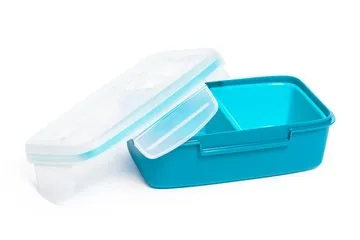
Rubber gaskets are used in various places such as bathrooms, windows, and bottle lids. Due to their structure, they tend to trap moisture, making them an ideal environment for mold to grow. In this section, we’ll explain why mold forms on gaskets and why it’s so persistent.
1-1. How Moisture, Condensation, and Dirt Fuel Mold Growth
Rubber gaskets are designed to seal out air and water, but their airtight nature also limits airflow. In places like bathrooms and window sills—where humidity is high—moisture tends to accumulate around gaskets. This moisture, combined with soap residue, skin oils, and dust, creates a perfect breeding ground for mold. With temperatures ranging from 20 to 30°C (68 to 86°F)—ideal for mold proliferation—black mold can spread rapidly if left unchecked.
1-2. Differences Between Early-Stage Mold and Stubborn Black Mold
Mold growth occurs in stages. In its early phase, mold appears as a faint discoloration on the surface and can often be removed easily. However, if left untreated, it penetrates deeper into the rubber, darkens, and becomes harder to remove. This is what’s known as stubborn black mold. At this point, regular cleaners may be ineffective, and stronger solutions like chlorine bleach or professional mold removal techniques may be necessary. Acting early allows you to eliminate mold safely without damaging the gasket material.
2. How to Gently Remove Early-Stage Mold
If the mold is still in its early stages and hasn’t penetrated deep into the rubber, it can often be removed safely using gentle, non-toxic methods. In this section, we’ll explore easy DIY solutions using common household items that are safe for you and your home.
2-1. Cleaning with Baking Soda and Citric Acid
Baking soda and citric acid are safe, food-grade substances that can effectively combat surface mold. Start by sprinkling baking soda over the affected gasket area. Then, spray a mixture of citric acid and water (1 teaspoon of citric acid dissolved in 200ml of water) onto the baking soda. This reaction will produce a fizz that helps lift mold and grime from the surface. Let it sit for 5 to 10 minutes before scrubbing gently with a soft brush or cloth, then rinse thoroughly with warm water. This method is gentle on rubber and suitable for regular use.
2-2. Disinfecting with Rubbing Alcohol
For faint mold stains, rubbing alcohol (70–80% concentration) is very effective. You can soak a cloth in alcohol and wipe the moldy area or spray it directly and wipe it clean. Alcohol destroys mold spores and prevents further spread. Because it evaporates quickly, it leaves no moisture behind, reducing the chances of mold reappearing. Just be sure to use it in a well-ventilated area and avoid any open flames, as alcohol is flammable.
3. Tackling Moderate Mold with Oxygen Bleach
When mold has started to penetrate the surface and simple wiping doesn’t work, it’s time to turn to more powerful, yet still safe, solutions. Oxygen bleach is especially effective for moderate mold and is less harsh than chlorine-based alternatives. This section explains how to use it correctly and safely for best results.
3-1. How to Use Sodium Percarbonate (e.g., OxiClean)
Sodium percarbonate, found in products like OxiClean, is a highly effective oxygen bleach. To use it on rubber gaskets, mix it with warm water to form a thick paste. Apply this paste generously to the moldy area, ensuring it sticks well to vertical or curved surfaces. Let it sit for 10 to 30 minutes. As the paste reacts, it releases oxygen bubbles that help break down mold stains and loosen grime. After the wait, scrub gently with a soft brush or sponge and rinse thoroughly with warm water. You should notice the black mold becoming significantly lighter or completely gone.
3-2. Applying a Paste with Plastic Wrap for Deep Penetration
For more stubborn spots, use the paste-and-wrap method. After applying the sodium percarbonate paste, cover the area with plastic wrap. This keeps the paste moist and allows it to work longer, penetrating deeper into the mold. Leave it covered for 30 minutes to an hour—or overnight for tough cases. When ready, remove the wrap, scrub gently with a brush, and rinse well. This technique enhances the cleaning power of oxygen bleach and is safe for most rubber materials, making it ideal for use in bathrooms and kitchens.
4. Fighting Stubborn Black Mold with Chlorine Gel
If the mold has penetrated deeply into the rubber and oxygen bleach no longer works, it’s time to bring out a stronger solution: chlorine-based bleach. In gel form, it provides powerful cleaning action while staying in place, which is essential for cleaning vertical or hard-to-reach gasket surfaces.
4-1. Benefits of Using Gel-Type Bleach
Chlorine bleach in gel form is ideal for treating deeply embedded black mold. Unlike liquid bleach, which can run or drip, the gel clings tightly to the surface, ensuring prolonged contact with the mold. This increases its ability to break down stubborn stains and reach into the porous structure of rubber gaskets. It’s also safer to handle, as it reduces the risk of splashing. Leave the gel on the affected area for several hours—or overnight for severe mold—to see visible whitening and a significant reduction in mold stains.
4-2. DIY Paste Method with Chlorine Bleach and Potato Starch
If you don’t have commercial gel bleach on hand, you can make your own at home using regular chlorine bleach and potato starch (or cornstarch). Simply mix a small amount of starch into the bleach until it forms a thick paste. Apply this paste generously to the moldy gasket and cover it with plastic wrap to prevent evaporation. Let it sit for 1 to 3 hours. Always wear gloves and a mask while working with chlorine bleach, and ensure the room is well-ventilated. After the waiting time, remove the wrap, scrub gently, and rinse thoroughly. This homemade paste can effectively dissolve deeply rooted mold and restore the gasket’s appearance.
5. Material Safety and Precautions When Using Mold Cleaners
While mold removal products can be highly effective, they also pose risks if used improperly. Certain cleaners may damage rubber or surrounding materials, or pose health hazards. In this section, we’ll cover essential precautions and tips to ensure safe, effective mold cleaning.
5-1. Ventilation and Protection When Using Bleach
Always ensure proper ventilation when using chemical cleaners, especially chlorine bleach. Bathrooms and enclosed areas can quickly fill with fumes, which may cause respiratory issues. Open windows and run exhaust fans to maintain airflow. Additionally, always wear rubber gloves to protect your skin and use a mask to avoid inhaling any strong fumes. Safety goggles are recommended to prevent eye irritation, especially when using sprays. These simple steps greatly reduce health risks during cleaning.
5-2. Avoiding Dangerous Chemical Reactions
Never mix chlorine bleach with acidic cleaners like toilet bowl cleaner or citric acid. Doing so can release toxic chlorine gas, which is extremely dangerous and potentially life-threatening. Even mixing baking soda with bleach can lead to unstable reactions, so it’s best to use one cleaner at a time. If switching between products, thoroughly rinse the area with water before applying a new cleaner. To avoid discoloration or damage to materials, test a small, hidden area before full application. Proper handling ensures both safety and long-lasting results without harming the gasket or surrounding surfaces.
6. Everyday Prevention and Maintenance Tips
Even after successfully removing mold, it can easily return if the environment remains unchanged. That’s why daily care and preventive habits are essential. This section covers simple maintenance steps that can be easily incorporated into your daily or weekly routine to keep mold at bay.
6-1. Wipe Down and Ventilate Frequently
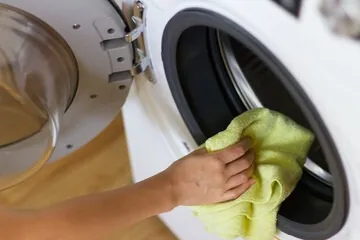
The key to mold prevention is moisture control. After bathing, cooking, or using appliances that generate steam, use a towel to wipe down gasket areas to remove any residual moisture. In addition, keep the area well-ventilated by opening windows or turning on exhaust fans to promote airflow and lower humidity. This is especially important in bathrooms and kitchens where moisture tends to linger. By drying out these areas quickly, you drastically reduce the likelihood of mold growth.
6-2. Use Alcohol Sprays and Anti-Mold Agents
Rubbing alcohol is an excellent disinfectant and mold preventive. After cleaning, simply spray alcohol onto gasket surfaces and let it air dry. This not only kills lingering mold spores but also creates an inhospitable environment for new growth. You can also use commercially available anti-mold sprays or fumigating products once a month for extra protection. Many of these products offer long-lasting effects, making them ideal for busy households. With regular use, these methods help minimize the risk of stubborn mold returning and keep your home cleaner and healthier.
7. Mold Cleaning Tips by Location (Bathroom, Windows, Bottles)
Rubber gaskets are used in different environments—each with its own level of moisture, temperature, and cleaning needs. Using the wrong method may damage the material or allow mold to return. In this section, we’ll go over tailored cleaning tips for the most common gasket locations: bathrooms, windows, and water bottles.
7-1. Best Methods for Bathroom Gasket Mold
Bathroom gaskets are constantly exposed to steam and splashes, making them a prime location for mold growth. A weekly cleaning routine using chlorine-based gel bleach can help manage buildup. However, daily moisture control is equally important. After each shower, wipe down the gasket areas with a towel and leave the door open to dry the space. Using a monthly anti-mold fumigating spray adds another layer of protection, reaching even hidden mold spores in tight crevices. Proper ventilation and regular drying are essential to keeping bathroom mold at bay.
7-2. Cleaning and Disinfecting Water Bottle Gaskets
Silicone gaskets used in water bottles and lunch boxes come into contact with food and drink, so it’s crucial to use safe, food-grade cleaners. Avoid chlorine bleach and instead use oxygen bleach (like sodium percarbonate) dissolved in warm water. Soak the gaskets for 30 minutes, then rinse thoroughly. Always remove and wash the gaskets immediately after use to prevent moisture and bacteria buildup. Especially in summer, frequent washing and complete drying are key to preventing mold and keeping your containers safe for daily use.
8. When to Call in the Pros for Mold Removal
If you’ve tried every method and the mold still won’t come off, it might be time to call in a professional. Continuing DIY treatment can sometimes make the problem worse by damaging the material or missing deeply embedded mold. This section explains when and why to rely on mold removal experts.
8-1. Benefits and Costs of Professional Services
When black mold has deeply penetrated the rubber and causes permanent discoloration, or when it spreads across large areas, household cleaners may not be enough. Hiring a professional ensures complete removal using specialized products and equipment. Professionals also apply anti-mold coatings to prevent recurrence, which extends the cleanliness and lifespan of the material. The cost varies depending on the size and complexity of the job, but small tasks like bathroom gasket cleaning are often affordable, with some starting from just a few thousand yen.
8-2. Choosing the Right Specialist (e.g., MIST Method)
One of the most advanced and recommended techniques is the MIST Method, a proprietary process that removes mold without damaging delicate materials like wood, silicone, or rubber. This method adjusts cleaning agents based on the type of mold and surface, without scrubbing or scraping. It’s ideal for households with small children or elderly residents, thanks to the use of human-safe, environmentally friendly solutions. When choosing a mold removal service, look for companies with proven track records, safe cleaning products, and clear aftercare policies to ensure quality and peace of mind.
9. Long-Term Solutions to Prevent Mold Recurrence
Even after successfully removing mold, it will come back unless you address the root cause. True mold prevention comes from changing the environment so that mold cannot thrive. In this section, we’ll explore essential long-term strategies to stop mold from returning for good.
9-1. Dealing with Condensation and Improving Insulation
The number one trigger for mold is moisture—especially from condensation. During winter or rainy seasons, windows and bathroom walls often collect water droplets that keep gaskets damp. Applying anti-condensation film or insulation sheets to windows helps reduce temperature differences and prevent water buildup. Using dehumidifiers or bathroom dryers in damp areas like bathrooms and laundry rooms can maintain humidity at safe levels. Keeping your home environment dry is the most effective way to prevent mold from reappearing.
9-2. Creating a Regular Maintenance Routine
Mold can spread without you even noticing it. That’s why regular maintenance, even when everything looks clean, is essential. Establish routines like spraying alcohol once a week, using anti-mold products monthly, and doing deep cleans seasonally. Share responsibilities with your family to make it a shared habit and part of everyday life. By incorporating these small efforts into your routine, you can maintain a clean, mold-free environment without stress or extra cost.
10. Q&A: Common Questions About Gasket Mold
Even with all this information, many people still have concerns or questions when it comes to mold removal. In this final section, we answer some of the most frequently asked questions to clear up confusion and help you stay safe and effective in your mold-fighting efforts.
10-1. Why Is Mixing Bleach Dangerous?
Some people think mixing bleach with other cleaners will make it stronger, but this is extremely dangerous. Combining chlorine bleach with acidic products like toilet cleaners or citric acid creates toxic chlorine gas, which can cause serious respiratory issues and even be fatal. Even mixing baking soda with bleach can cause unpredictable chemical reactions. Always read product labels carefully and use only one product at a time. If you plan to switch to another cleaner, rinse the surface thoroughly with water first.
10-2. How Effective Is Alcohol for Mold?
Rubbing alcohol is very effective for treating early-stage mold. It breaks down mold spores and prevents their spread. It’s especially useful after cleaning as a final step because it evaporates quickly and doesn’t leave moisture behind, which helps prevent mold from coming back. However, for deep, stubborn black mold, alcohol alone won’t be enough. In those cases, it’s best used alongside oxygen or chlorine-based treatments—alcohol is great for prevention and surface disinfection, but not for deep cleaning embedded mold.
Mold Removal & Prevention: Trust Kabi Busters Osaka & Kabi Reform Nagoya/Tokyo
If you've tried everything but stubborn black mold still clings to your gaskets, it's time to call in the professionals. Kabi Busters Osaka and Kabi Reform Nagoya/Tokyo are your trusted experts in mold removal and long-term prevention.
We use the exclusive MIST Method®, a proprietary technique that completely eliminates mold without damaging delicate materials like rubber, wood, or silicone. Unlike harsh scrubbing or scraping methods, our approach targets mold deep below the surface using specially formulated, material-friendly solutions. These treatments are not only effective but also safe for use around children, seniors, and those with sensitivities.
After removing mold, we apply a long-lasting anti-mold coating to prevent regrowth—giving you peace of mind and a cleaner, healthier home. Whether you're dealing with mold in your bathroom, around windows, or on kitchen gaskets, our trained specialists provide fast, thorough service tailored to your space.
Kabi Busters Osaka serves the Kansai region, while Kabi Reform Nagoya/Tokyo covers central and eastern Japan. With our advanced technology and commitment to safety, we're here to help you reclaim a mold-free life.
---------------------------------------------------------------------
カビ取リフォーム
東京営業所
〒141-0022
東京都品川区東五反田2-5-2 YHE CASK GOTANDA6階
電話番号:090-8321-4408
名古屋本社
〒465-0028
愛知県名古屋市名東区猪高台1-1301 タイコウビル1F
電話番号 : 0120-588-766
サイト:https://taikou-kensou.co.jp/
大阪営業所
〒532-0003
大阪府大阪市淀川区宮原1-19-23
電話番号:080-6978-3068
カビバスターズ大阪
https://kabibusters-osaka.com/
【検査機関】
一般社団法人微生物対策協会
https://kabikensa.com/
----------------------------------------------------------------------