Ensure Safety and Peace of Mind After Handover: How Builders Can Stand Out with Mold Prevention Measures
2025/06/21
Thank you for visiting our blog today.
In high-insulation, airtight homes built by contractors, mold problems caused by condensation are increasingly occurring right after handover, leading to structural deterioration and health issues. These pitfalls are often overlooked without specialized knowledge.
This article clearly explains the mechanisms of mold growth inside homes, specific inspection methods and construction techniques contractors should adopt (including the MIST Method®), and essential post-construction follow-up and contract-based prevention measures.
By reading this article, you'll gain practical knowledge on how to implement mold prevention steps and technologies on-site—boosting customer satisfaction, differentiation, and risk mitigation in your homebuilding projects.

1. What Are Mold Problems in Homes? Essential Knowledge Builders Must Know
Even in newly built homes, mold can frequently develop. With the rise in high-insulation and airtight construction, moisture tends to become trapped indoors, creating ideal conditions for mold growth. As a builder, it is crucial to fully understand the risks of mold during both the design and construction phases and to implement appropriate countermeasures. In this section, we will explain the impact of mold on the home structure and the potential health risks it poses to residents.
1-1. Impact of Mold on Building Structures and Materials
Mold in a home is more than just an eyesore—it can cause serious structural damage. When mold spreads through materials like wood or insulation, it can degrade them, weakening the overall integrity and durability of the building. Mold roots can penetrate deep into materials, making surface cleaning ineffective and leading to repeated outbreaks. If mold spreads under the floor or inside walls, major demolition and costly repairs may be required, which can also damage the trust between builder and client. Therefore, choosing the right materials and managing moisture during construction are crucial responsibilities for builders.
1-2. Health Risks and Allergy Issues for Residents
Mold growth in homes presents significant health risks to residents. Mold releases spores into the air, which can trigger allergies, bronchitis, and asthma when inhaled. These risks are particularly severe for young children, the elderly, and individuals with respiratory issues. Invisible spores can circulate throughout the home via ventilation systems, degrading the overall indoor air quality. Builders must recognize mold prevention as a health issue, not just a structural concern. Thoughtful planning in materials and ventilation systems from the design phase is essential to prevent health hazards.
1-3. The Importance of Mold Awareness in Home Design
Mold problems often stem from inadequate attention to moisture and airflow during the design phase. As homes become increasingly airtight and well-insulated, it’s essential to plan for effective ventilation, appropriate insulation choices, and vapor control measures. For instance, when using foundation insulation methods, the crawl space below the floor can easily trap moisture, making it crucial to design for vapor barriers and ventilation layers between insulation and the concrete slab. Moisture-prone areas like closets or behind furniture should also incorporate humidity sensors or moisture-regulating materials. Modern builders must prioritize prevention over reaction when it comes to mold. By integrating this perspective from the planning stage, builders can enhance client satisfaction and establish greater trust.
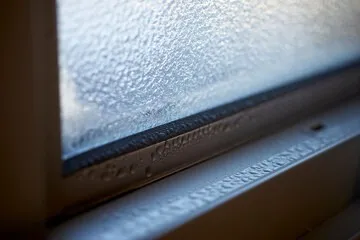
2. The Hidden Pitfalls of "Interstitial Condensation" in High-Insulation, Airtight Homes
In today’s energy-efficient and comfort-focused homes, high insulation and airtight construction have become the norm. However, this shift has brought about a new challenge—interstitial condensation. This type of condensation occurs inside structural components or insulation materials and is not visible to the naked eye, making it particularly insidious. It can lead to mold growth and wood decay over time. In colder regions where there is a significant temperature difference between the indoors and outdoors during winter, the risk of condensation is especially high. Builders must carefully balance insulation and airtightness while designing effective ventilation systems to prevent this hidden threat. Mastery of both knowledge and technique is essential for avoiding such issues.
2-1. Why Does Condensation Occur? Understanding the Mechanism
Condensation occurs when moisture in the air comes into contact with a cold surface and transforms into water droplets. In homes, this can happen on walls, windows, or within insulation materials that have been cooled by outside air. In highly airtight and well-insulated homes, indoor humidity tends to stay trapped, and moisture can accumulate on the interior side of the airtight layer. When the outer wall temperature drops, this trapped vapor condenses inside the insulation, resulting in hidden condensation—known as interstitial condensation. Because it develops out of sight, it is difficult to detect through standard visual inspections, and it poses serious risks such as mold growth and structural deterioration.
2-2. Ventilation Strategy: Points for Using Heat Recovery and Balanced Ventilation
Preventing interstitial condensation requires proper ventilation design and operation. A balanced ventilation system, particularly a “Type 1” system (mechanical supply and exhaust), helps maintain consistent humidity and temperature. Heat recovery ventilators further reduce condensation risk by expelling moist air while retaining indoor heat. However, poor planning in installation locations, duct layouts, or maintenance accessibility can result in inadequate airflow. Ventilation systems should be carefully simulated during the design phase, ensuring that layouts match the specific usage and frequency of each room. For builders, in-depth knowledge and the ability to make tailored ventilation proposals are key to earning client trust.
2-3. Practical Techniques to Control Indoor Conditions and Prevent Condensation
Beyond insulation and ventilation choices, controlling the indoor environment based on residents' daily habits is vital to preventing condensation. For example, excessive use of humidifiers in winter, or insufficient ventilation during cooking or bathing, can quickly raise indoor humidity levels and cause condensation. Builders should inform clients of these lifestyle considerations while also recommending moisture-regulating interior materials and humidity sensor-equipped ventilation fans. Installing systems that monitor humidity and temperature by room—such as in living areas, bedrooms, and bathrooms—not only helps prevent condensation but also maintains overall indoor comfort. Taking a holistic approach that combines thoughtful design with practical equipment is essential for effective condensation control.

3. Mold Prevention and Inspection System Development Utilizing the MIST Method®
Cases of mold appearing immediately after the handover of a newly built house pose a significant risk for construction companies. To prevent such issues and provide peace of mind to homeowners, the utilization of the "MIST Method®" is highly effective. By leveraging specially developed agents and proprietary application techniques, even hidden mold can be thoroughly eliminated at the root, with comprehensive measures in place to prevent recurrence. This article introduces the specific process of mold prevention and inspection using the MIST Method® that should be implemented before the handover.
3-1. Visualization and Evaluation of Fungi Using MIST Inspection
The MIST Method® provides a scientific inspection system to detect and analyze mold and fungi hidden within buildings. For example, it allows for the collection and identification of airborne or surface-bound fungi on building materials, including determining their types and concentrations. This ensures even the smallest, invisible "mold spores" are not overlooked. The inspection helps identify high-humidity or poorly ventilated areas prone to mold growth before the property handover, enabling necessary treatment if needed. The results are compiled into a detailed report with numerical data and images, which can be presented to the homeowner, enhancing the construction company’s credibility and demonstrating accountability.
3-2. Key Points for Preventive Treatment with MIST Special Agents
If areas at high risk for mold are identified through inspection, it is recommended to apply MIST’s specialized mold-removal and prevention treatment before handover. The MIST Method® uses a fine mist spray of its proprietary agents to penetrate walls, underfloor spaces, and ceiling cavities, reaching deep into materials to break down and eliminate hidden mold. Adding preventive treatment also offers protection against airborne mold throughout the space. Furthermore, this method is safe for delicate materials such as wood and insulation, preserving structural integrity while extending the building’s lifespan. Incorporating this process before handover ensures that the construction company can deliver a home with guaranteed "invisible quality."
3-3. Differentiation Benefits of Pre-Handover Use of the MIST Method®
Utilizing the MIST Method® before handover not only improves construction quality but also serves as a powerful differentiator from competitors. For homeowners, eliminating "invisible concerns" significantly enhances the value of a new home. Especially today, where housing issues spread quickly through social media and online reviews, "handover safety" has become a critical factor in choosing a builder. The MIST Method® provides reassurance through scientifically backed inspections and treatments, ensuring even unseen areas of the home are safe. Providing inspection reports and treatment certificates to homeowners demonstrates effective quality control, enhancing trust and satisfaction. Making such high-quality service a standard offering can become a major asset in building a trustworthy and reliable brand image.

4. How the MIST Method® Works and Why Builders Should Adopt It
Traditional methods often struggle to address mold issues in residential buildings, especially in hard-to-see areas or when dealing with delicate materials. This is where the unique mold removal technology, the "MIST Method®," is gaining attention. By adopting this technique, builders can not only enhance the quality of their construction but also build trust with clients and differentiate themselves from competitors. This section provides a detailed explanation of the MIST Method®'s core mechanism and the benefits of implementing it.
4-1. Decomposition and Removal Process Using MIST’s Fine Mist Agents
The most distinctive feature of the MIST Method® lies in its ability to spray a specially formulated mold-removal agent as a fine mist, allowing it to reach even the most invisible and intricate areas of a structure. This mist treatment penetrates locations such as underfloor spaces, behind ceilings, and within walls—areas highly prone to mold—and effectively breaks down and eliminates mold at its root. Since the process does not involve physical actions like scrubbing or scraping, it does not damage materials, making it safe for use on delicate surfaces such as wood, insulation, and wallpaper. This technology achieves high-level sterilization without compromising the building’s appearance or durability.
4-2. Comparison with Other Methods: Material Impact and Human Safety
Unlike other approaches that rely solely on strong chemicals, the MIST Method® is highly adaptable, allowing the pH level and composition of the special agent to be adjusted according to the material being treated. This enables safe application even on wooden homes, traditional buildings, and historically significant structures without causing damage. Moreover, the agents used in MIST have minimal effects on the human body and have passed strict safety tests such as industrial wastewater testing. This makes it especially suitable for homes with infants, elderly residents, or people with allergies. For construction companies, adopting a method that is both powerful and safe allows them to clearly differentiate themselves in terms of both quality and safety.
4-3. Benefits and Use Cases for Builders Adopting the MIST Method®
By implementing the MIST Method®, construction companies not only boost the reliability of their construction quality but also gain advantages in after-sales service and brand development. For instance, applying it during pre-handover inspections and preventive treatments can make “invisible quality control” visible, offering peace of mind to homeowners. Even if mold does appear after handover, the MIST Method® allows for quick and safe remediation, preserving client trust and resolving the issue effectively. Furthermore, the method has been highly praised in the renovation of older homes and the refurbishment of commercial properties and facilities, making it adaptable across various scenarios. The ability to solve mold issues through technical expertise offers a direct competitive edge. Its adoption can significantly increase customer satisfaction, leading to repeat business and referrals—a powerful tool for growth.
5. Rapid Response Process for Builders When Mold Is Detected
When mold is discovered in a home, a builder’s ability to respond swiftly and appropriately can greatly impact the homeowner’s trust and satisfaction. Especially if mold is found immediately after handover or during construction, a temporary fix is not enough—thorough investigation of the root cause and a well-planned response to prevent recurrence are essential. This section explains the fundamental initial response steps that builders should know, along with specific treatment procedures using the MIST Method®.
5-1. Initial Response: Containment, Humidity Control, and Root Cause Investigation
When mold is discovered, the first step is to contain the affected area to prevent spores from spreading. Since mold spores can easily travel through the air and move to other parts of the structure via drafts or human activity, it’s essential to quickly seal off the site and apply protective coverings. Next, measure the humidity using a hygrometer and assess lifestyle factors such as humidifier use or ventilation habits through interviews with occupants. Investigate multiple potential causes such as condensation, insulation installation errors, or inadequate ventilation design. It’s crucial to identify the root cause to prevent recurrence. Avoid vague assumptions at this stage, and seek the support of experts or certified MIST Method® technicians when necessary.
5-2. Emergency Mold Removal Using the MIST Method®
After managing the site and identifying the cause, prompt removal work should begin. The MIST Method® allows for the application of a fine mist of its specialized mold-removal agent, which penetrates deep into the structure and breaks down invisible spores. This enables effective treatment even in areas like behind wallpaper or within wooden components, significantly reducing the risk of mold returning compared to surface-level cleaning. A mold prevention treatment is also applied afterward to create an environment less prone to future mold growth. Finally, photographs and a detailed report of the disinfection and removal process are presented to the homeowner to ensure transparency and build trust. Quick and professional response is a strong testament to the builder’s sense of responsibility and technical expertise.
5-3. Communication and Reporting to Maintain Trust with Homeowners
Even if the mold issue is resolved promptly and effectively, homeowners may remain uneasy unless they clearly understand what happened. Therefore, thorough communication and reporting are essential. Start by clearly explaining the cause of the mold, the risk of recurrence, and the actions taken—without using technical jargon—and support the explanation with visual aids like photos and diagrams. If a specialized method like MIST was used, take this opportunity to explain its safety, effectiveness, and details in a reassuring and accessible way. Also, provide a report summarizing the situation, including before-and-after photos, humidity data, and details of the agents used. Demonstrating this level of accountability fosters the image of a builder that handles problems with sincerity, helping to establish long-term trust that can lead to referrals and repeat clients.
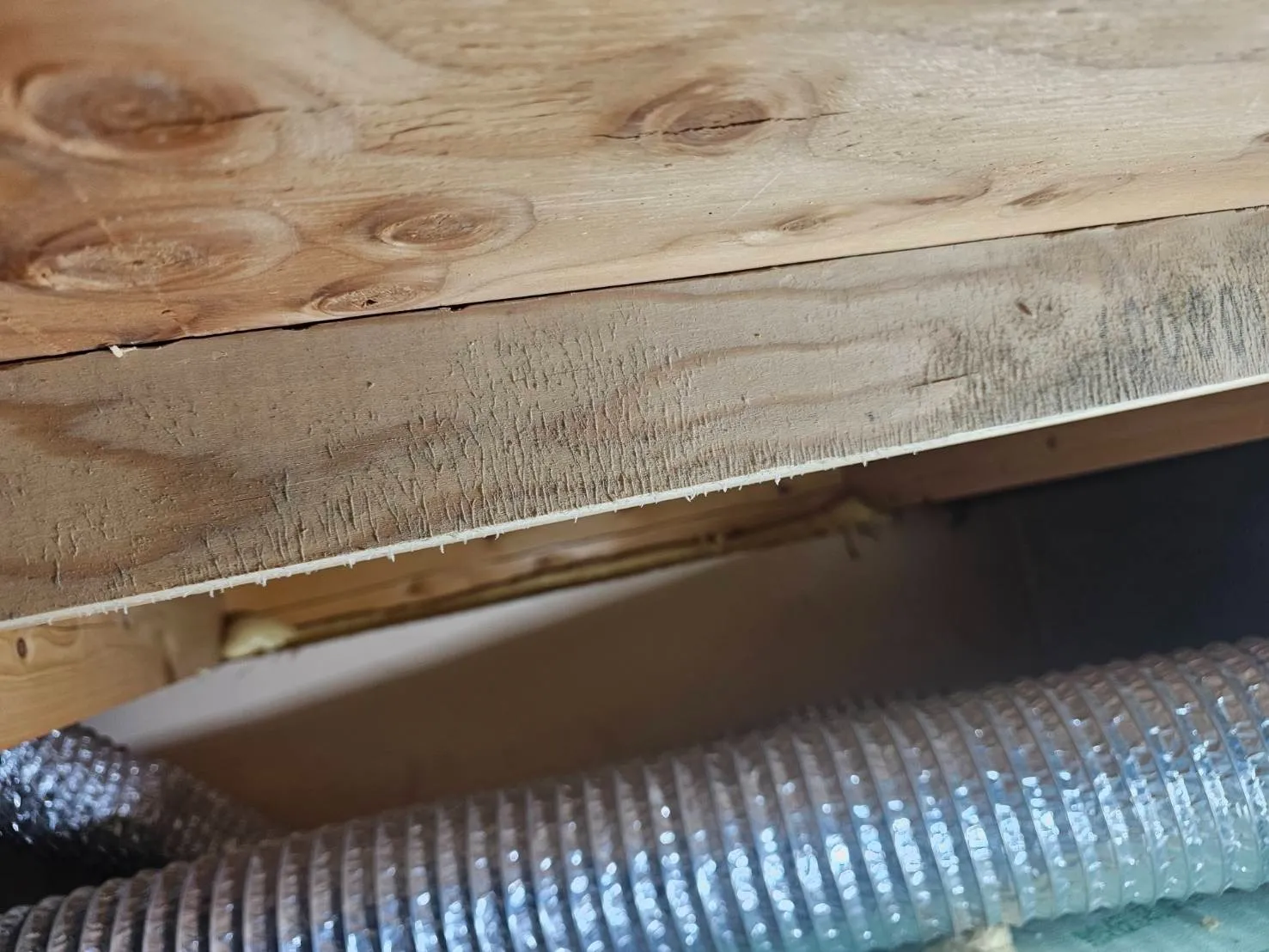
6. Tailored Mold Countermeasures for Materials Such as Concrete and Wooden Subfloors
Building materials used in residential construction each have unique properties, and their resistance to mold as well as the appropriate countermeasures vary significantly by material. Areas like subfloors and inside walls—often made of wood or concrete—are especially prone to mold due to their tendency to trap moisture and remain out of sight. For builders, applying the most suitable measures for each material is crucial in ensuring both the durability of the home and the health of its occupants. This section outlines key mold prevention strategies based on different material types.
6-1. Moisture Control for Subfloors and Concrete Foundations
Concrete used in foundation work is prone to condensation due to temperature differences with outside air. This often raises humidity levels in the subfloor area, creating an ideal environment for mold growth. A primary countermeasure is the use of moisture barriers, such as vapor-proof sheets or moisture-resistant concrete, to block humidity from rising from the ground. In addition, foundation ventilation techniques like foundation packing systems and underfloor ventilation fans help ensure proper airflow, allowing excess moisture to escape. Furthermore, applying the MIST Method® for mold prevention and sterilization beneath the floor can provide long-lasting protection. Treating these hidden areas before handover reassures homeowners and highlights attention to quality.
6-2. Careful Handling of Delicate Materials Like Wood and Insulation
Wood and insulation materials are highly absorbent, and once mold forms, it can penetrate deep into the material. For wood, it's standard to use mold- and decay-resistant structural lumber, but this alone may not be sufficient. It’s crucial to avoid using wet materials during construction and to ensure all wood remains dry. Insulation, meanwhile, tends to trap moisture, making it essential to carefully install vapor barriers and airtight sheets during construction to prevent the intrusion of moisture and air. The MIST Method® is highly adaptable for such delicate materials, allowing its agents to penetrate deep into the surface and eliminate mold without damaging the material. By tailoring mold prevention strategies to each material’s properties, builders can significantly enhance the overall construction quality.
7. Strategies Builders Should Utilize to Differentiate Themselves in Mold Countermeasures
In today’s market, factors beyond visible construction quality—such as aftercare and attention to hidden aspects—are increasingly influencing how homeowners choose builders. Particularly, a builder’s credibility and ability to respond effectively to mold issues are directly linked to brand differentiation. Leveraging advanced and safe technologies like the MIST Method® as part of a strategic branding approach can give construction companies a competitive edge in the evolving industry landscape. This section outlines two key strategies builders should actively implement to stand out.
7-1. Utilizing Seminars and Customer Education
The importance of mold prevention is still not widely understood among general homeowners. Therefore, hosting educational sessions or seminars for prospective homebuyers and renovation clients presents a valuable opportunity for builders to showcase their expertise and technical know-how. Specifically, demonstrating how condensation occurs, explaining the impact of lifestyle habits, and presenting live demonstrations of the MIST Method® in action can help convey information both visually and intuitively. These sessions make homeowners feel that "this builder considers even invisible risks," fostering trust and increasing the likelihood of contract signing. Additionally, sharing these events as videos or blog posts helps extend awareness and recognition online as part of an ongoing branding strategy.
7-2. Building Trust Through Guarantees and Proven Results
Another effective differentiation strategy is “visualizing peace of mind.” The MIST Method® enables builders to issue professional reports and treatment certificates, including before-and-after photos and data on humidity and fungal concentrations. This provides objective evidence that homeowners can clearly understand, giving them confidence in the safety of their home. Offering a warranty on mold prevention for a certain period further enhances credibility as a quality assurance measure. For builders with past project experience, sharing case studies and customer testimonials strengthens trust and credibility. Mold prevention supported by data and proven results is one of the most powerful ways to communicate a builder’s “invisible capabilities.”
For mold removal and prevention, trust Kabi Busters Osaka and Kabi Reform in Nagoya and Tokyo.
Mold problems can significantly impact a home's value. Solving them at the root requires expert knowledge and highly precise techniques. At Kabi Busters Osaka and Kabi Reform Nagoya & Tokyo, we provide safe mold removal services using our proprietary MIST Method®, which protects building materials and prioritizes human health.
The MIST Method® involves adjusting the composition of specialized agents based on the type of material and the condition of the mold. These agents are sprayed as a fine mist, penetrating even the smallest, invisible gaps to thoroughly eliminate mold at its root. Since the process doesn’t require physical scrubbing or scraping, it is ideal for delicate materials like wood, insulation, and wallpaper—and can even be safely applied in traditional homes and historical buildings.
We use dedicated agents that have minimal impact on the human body and have been proven safe through rigorous testing. This ensures that even households with small children or elderly residents can rely on our services with confidence. After sterilization, we apply a mold prevention treatment that offers both long-term protection and prevention of recurrence.
For construction companies, introducing the MIST Method® during early mold detection on-site or as a preventive treatment before property handover enables the delivery of high-quality homes and provides a strong point of differentiation from competitors.
If you're a builder or construction professional facing mold issues, we encourage you to consult with Kabi Busters Osaka or Kabi Reform Nagoya & Tokyo. From inspection to treatment and aftercare, we offer complete support to help you build homes free of mold—ensuring safety and peace of mind for your clients.
---------------------------------------------------------------------
カビ取リフォーム
東京営業所
〒141-0022
東京都品川区東五反田2-5-2 YHE CASK GOTANDA6階
電話番号:090-8321-4408
名古屋本社
〒465-0028
愛知県名古屋市名東区猪高台1-1301 タイコウビル1F
電話番号 : 0120-588-766
サイト:https://taikou-kensou.co.jp/
大阪営業所
〒532-0003
大阪府大阪市淀川区宮原1-19-23
電話番号:080-6978-3068
カビバスターズ大阪
https://kabibusters-osaka.com/
【検査機関】
一般社団法人微生物対策協会
https://kabikensa.com/
----------------------------------------------------------------------