“Avoid Mold Mistakes: Understanding Cultural Gaps in Mold Control”
2025/06/20
Approaches to mold control differ greatly across cultures. What’s seen as essential in one society may be ignored in another—leading to misunderstandings, health risks, and even costly mistakes.
This article explores how mold is managed differently in homes, institutions, and countries. It unpacks the causes of cultural mold gaps and offers effective, adaptive strategies.
Whether you’re a homeowner or a facility manager, this guide helps you avoid the most common mold mistakes that arise from cultural assumptions—ensuring a safer and cleaner environment.

1. Cultural Perceptions of Mold: East vs. West
Attitudes toward mold vary significantly across cultures, with deeply rooted beliefs influencing how people perceive, prevent, and respond to its presence. In Japan, mold is generally associated with dirtiness, bad hygiene, and poor household management. Conversely, in many Western countries, some forms of mold—like the kind used in cheese or cured meats—are accepted and even valued. These cultural differences directly impact how people prioritize mold control and the methods they employ.
1-1. Aesthetic vs. Health-Oriented Views
In Japan, the visual cleanliness of a home is strongly emphasized. Mold, especially black mold in bathrooms or kitchens, is considered a reflection of a “dirty” home and thus treated urgently. This mindset leads to frequent cleanings and the widespread use of over-the-counter mold removers. Japan’s humid climate also contributes to heightened mold awareness, particularly during the rainy season.
In contrast, many Western households are more tolerant of minor mold spots, viewing them as a natural part of aging buildings. Mold may not always trigger immediate cleaning unless it presents a clear health risk. This disparity in attitudes often creates a “response gap,” particularly when people from different cultural backgrounds share living spaces or work environments.
1-2. Visibility vs. Airborne Health Risk Awareness
Cultural responses to mold also differ in terms of what people prioritize—appearance or unseen health risks. In the West, mold is often linked to allergies and respiratory illnesses. As a result, even invisible mold spores in the air are considered dangerous, leading to practices such as using HEPA-filtered air purifiers and mold-resistant materials in construction.
While health awareness regarding mold is growing in Japan, the focus still tends to be on visible mold removal. Air quality, moisture levels, and preventive measures often receive less attention in day-to-day maintenance. This divergence in focus—surface versus airborne threat—demonstrates how cultural perspectives shape mold control strategies and underscores the need for cross-cultural understanding, especially in shared or public environments.
2. Differences Between Household and Professional Mold Response
Mold control strategies vary greatly depending on whether the response occurs in a home setting or by professionals. There exists a clear gap in knowledge, tools, and safety standards that separates everyday do-it-yourself (DIY) efforts from expert-level remediation. Cultural perceptions often influence where people draw the line between home solutions and when they decide to call in the professionals.
2-1. The Limits of DIY Mold Treatment at Home
In most households, mold removal typically involves store-bought cleaners and bleach-based sprays. While these can be effective on surface mold, they often fall short against deeply embedded mold spores that penetrate walls, wood, or fabrics. Additionally, many household products contain strong chemicals that, if misused, can harm the skin, eyes, or respiratory system.
Moreover, without proper training or protective gear, people may spread mold spores unknowingly, causing the problem to worsen or reappear after a short time. In Japan, it is common for residents to rely on such quick-fix methods, underestimating the importance of root cause mitigation—like ventilation, humidity control, or hidden moisture detection.
2-2. Expert Mold Control in Museums and Cultural Sites
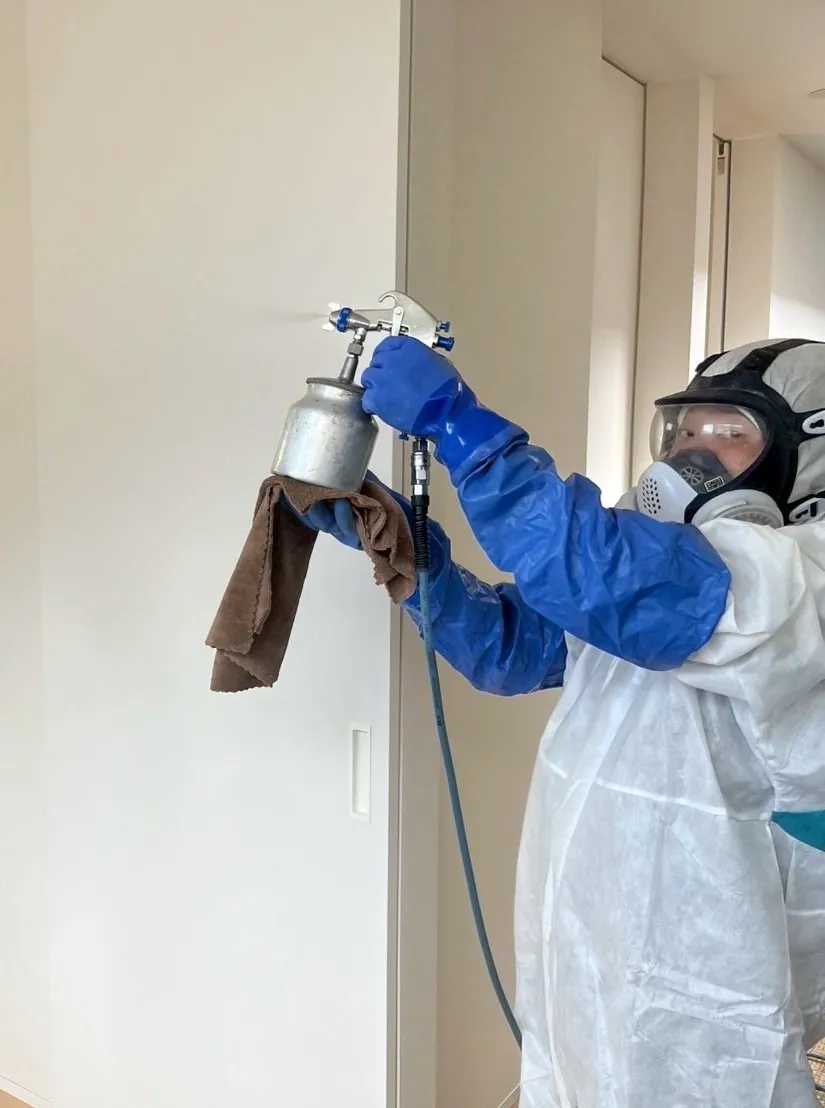
In contrast, professionals working in museums, libraries, or on cultural heritage buildings approach mold from a preservation perspective. These settings demand careful assessment of mold species, material types, environmental factors, and long-term risks. The removal methods are often non-contact, using mist sprays or vacuum systems that avoid abrasive cleaning and preserve delicate surfaces.
For example, specialized techniques like the MIST Method® use tailor-made cleaning agents that remove mold without damaging paper, wood, or textiles. Environmental control, such as dehumidification and air filtration, also plays a crucial role in preventing recurrence. These expert-level responses are designed not only to eliminate mold but to preserve value—whether aesthetic, historical, or structural.
This gap—between the household focus on convenience and the professional emphasis on preservation and prevention—highlights the need for better public awareness. Understanding when and why to seek professional help is essential to ensure safety and long-lasting results.
3. Cultural Differences in Mold Safety Awareness
Mold removal is not only about cleaning techniques—it also involves protecting one’s health. However, cultural attitudes toward safety gear and personal protection during mold treatment vary widely. These differences can significantly affect exposure risks, especially in environments where mold spores are easily airborne.
3-1. Attitudes Toward Masks, Gloves, and Ventilation
In many Japanese households, people often clean mold without wearing masks, gloves, or proper protective clothing. The belief that "it's just a little mold" or that "it'll be done quickly" leads many to underestimate the health risks. However, mold spores can become airborne and enter the lungs, potentially causing asthma, bronchitis, or other respiratory issues.
In contrast, Western practices often emphasize strict personal protection. Mold remediation workers typically wear N95 masks, gloves, and goggles. Some even disinfect their clothing and shoes after cleanup. Proper ventilation, containment zones, and use of air scrubbers are common in mold-prone areas. This reflects a cultural priority on occupational safety and environmental health.
3-2. Global Standards: N95/DS2 vs. Household Reality
The N95 mask, approved by the U.S. National Institute for Occupational Safety and Health (NIOSH), filters out at least 95% of airborne particles. In Japan, a similar standard is known as DS2. These masks are commonly used in medical and industrial settings, but they are rarely found in household mold cleaning kits.
In Japanese homes, people often use basic disposable masks with minimal filtration capabilities. This is partly due to the perception that mold treatment is low-risk when done at home. As a result, families may unknowingly expose themselves to long-term health hazards, especially in poorly ventilated areas or when dealing with hidden mold sources.
Bridging this safety awareness gap requires public education and cultural shifts. Promoting the use of proper protective equipment—even for household tasks—can significantly reduce health risks and improve the effectiveness of mold control efforts.
4. Mold Type-Specific Gaps in Cultural Response
Not all mold is the same—its color, structure, toxicity, and growth patterns vary. Despite this, many cultural responses treat all mold equally, or worse, fail to distinguish dangerous types from benign ones. These differences in perception can lead to ineffective removal practices, health risks, and recurring infestations.
4-1. Cultural Recognition of White, Red, and Black Mold
White mold, which often appears soft and fluffy, is frequently found on wallpaper, food, and fabrics. In Japan, even a small patch of white mold is typically seen as unacceptable and dealt with swiftly. In contrast, in some Western cultures, white mold on food (like cheese or cured meats) is not only tolerated but considered part of the product’s flavor and identity.
Red mold—often appearing as pinkish biofilm in bathrooms or around drains—is another example. In Japan, this type of mold is commonly associated with poor hygiene and is removed immediately. However, in many Western households, it’s not always recognized as a health threat, and regular deep cleaning may be neglected.
This cultural variation in risk recognition affects how quickly and thoroughly different types of mold are treated. Where one culture sees an urgent health hazard, another may view it as a minor nuisance or natural occurrence.
4-2. Differences in Cleaning Agents and Disinfectant Preferences
The choice of cleaning solutions also reflects cultural norms. In Japan, chlorine-based bleach is a staple for mold removal, widely available in supermarkets and drugstores. The strong smell is often associated with effectiveness, and many households consider it essential during the rainy season.
However, in Western countries—especially in homes with children or pets—there is a growing preference for non-toxic, plant-based, or hydrogen peroxide-based cleaners. Concerns about chemical exposure and environmental sustainability influence product selection. Furthermore, in certain religious or cultural contexts, the use of alcohol or specific synthetic agents may be avoided altogether.
Using the wrong product not only risks damaging surfaces but may also lead to ineffective treatment or even health complications. Cross-cultural awareness of mold types and suitable treatment methods is key to ensuring safe and successful mold control.
5. Differences in Mold Control Methods Across Specialized Fields
Mold removal strategies are not one-size-fits-all. Depending on the environment—whether a home, museum, library, or medical facility—the techniques, materials, and goals differ. These differences often reflect the cultural values placed on preservation, aesthetics, safety, and cost-efficiency.
5-1. Mold Standards and Protocols in Museums and Archives
In institutions like museums and libraries, the priority is not just mold removal but long-term preservation of valuable materials. These environments use non-abrasive methods and carefully selected agents that won’t damage sensitive items like paper, textiles, or wood.
For example, when mold appears on historical documents or traditional Japanese washi paper, technicians avoid scrubbing and instead rely on misting or dry removal methods. Environmental controls—like precise temperature and humidity regulation—are also employed to prevent recurrence. Regular inspections and monitoring are standard, as one outbreak can compromise irreplaceable assets.
These approaches are shaped by cultural respect for heritage and a commitment to meticulous care. Every action is aimed at protecting the integrity of materials without introducing chemical or physical damage.
5-2. Cost-Conscious Mold Prevention for General Households
In contrast, the average household prioritizes convenience, speed, and affordability. Common methods include store-bought sprays, bleach, and daily ventilation efforts. These methods may address visible mold but often overlook root causes such as internal moisture buildup or poorly ventilated design.
Additionally, household mold removal frequently neglects the material’s sensitivity. Bleach can cause color fading or surface degradation on wood and fabrics. People may also fail to maintain long-term prevention strategies, leading to repeated outbreaks.
This gap highlights a fundamental contrast: while institutions approach mold with a conservation mindset, most households treat it as a cosmetic or hygiene issue. Bridging this difference requires both education and the adaptation of professional practices into user-friendly, affordable home solutions.
6. Unique Mold Challenges in Japanese Residential Environments
Japan’s residential buildings face a set of mold challenges distinct from those found in other countries. Due to climate, architectural choices, and lifestyle habits, Japanese homes often create ideal conditions for mold growth. However, cultural assumptions and outdated routines can result in overlooked vulnerabilities and ineffective responses.
6-1. High Humidity and Airtight Design: A Cultural Blind Spot
Japan’s long, humid rainy season—from June to September—creates constant moisture that feeds mold. Modern Japanese homes are designed for high energy efficiency, with excellent insulation and airtight construction. While this improves heating and cooling, it also reduces natural airflow, trapping humidity inside.
Despite these risks, many households fail to adopt adequate ventilation practices. Some believe that simply opening a window is sufficient, without understanding how to create cross-ventilation. Additionally, traditional features like tatami mats and closets with sliding doors tend to trap moisture, further encouraging mold growth if not regularly aired out.
This gap—between environmental risk and lifestyle habits—often leads to chronic mold issues. Awareness of these structural and behavioral contributors is crucial for effective prevention.
6-2. Structural Materials and Cultural Habits That Require Rethinking
Japanese homes often use natural materials like wood, tatami, and paper-based surfaces, which are more susceptible to deep mold infiltration. Once contaminated, these materials are harder to clean and may require replacement. Misusing strong chemicals, like bleach, on these delicate materials can cause discoloration or structural damage.
Furthermore, certain everyday habits—like turning off bathroom ventilation fans immediately after a shower or drying laundry indoors without dehumidifiers—compound the problem. These routines may be driven by convenience or custom but can unintentionally create a mold-prone environment.
The solution lies in culturally adapted lifestyle shifts: promoting habits such as extended ventilation, using dehumidifiers regularly, and incorporating mold-resistant construction materials. As homes continue to modernize, so must the behaviors that maintain their long-term health.
7. Case Studies of Cultural Misalignment in Mold Response
Cultural gaps in mold perception and treatment can lead to real-world misunderstandings and failures. Whether it’s between landlords and tenants from different countries or between homeowners and contractors, these gaps often stem from conflicting assumptions about cleanliness, safety, and responsibility. The following examples highlight how these misunderstandings manifest and the consequences they bring.
7-1. Rental Disputes: When “Mold Is Acceptable” Becomes a Problem
A Japanese family relocated to Europe for work and moved into a rental home. Upon arrival, they noticed black mold in the bathroom—a clear red flag from their cultural perspective. However, when they raised the issue with the local landlord, they were told, “It’s normal here,” and that cleaning it regularly should be the tenant’s responsibility.
In many Western cultures, minor mold presence is viewed as inevitable, especially in older homes. The burden of cleaning often falls on residents rather than property managers. For the Japanese family, this response felt dismissive and unprofessional, sparking frustration and mistrust. Without an understanding of cultural norms on both sides, such incidents can damage relationships and escalate into legal conflicts.
7-2. Professional Misunderstandings: When “Clean” Isn’t Clean Enough
In another case, a Japanese homeowner hired an international contractor for a home renovation. The contractor addressed visible mold but did not treat the underlying moisture or perform thorough disinfection. A few months later, the mold returned in the same location.
The issue wasn’t skill but expectation. The contractor followed their standard procedures—sufficient in their country—but the homeowner expected a more comprehensive, root-level treatment. What was deemed “good enough” by one culture was seen as incomplete by the other.
To avoid such situations, it’s essential to align expectations before work begins. Detailed discussions, written agreements, and mutual understanding of cultural differences in hygiene and safety standards can prevent miscommunication and ensure satisfaction on both sides.
8. Bridging the Gap with Effective Communication
Cultural differences in mold response don’t have to lead to conflict. With proactive communication, shared understanding, and clear expectations, it’s possible to bridge gaps and ensure that all parties are aligned in their approach. Whether dealing with professionals or coordinating within families, thoughtful communication is the key to successful mold prevention and remediation.
8-1. How to Communicate Clearly with Mold Specialists
When working with mold remediation professionals—especially from different cultural backgrounds—it’s crucial to explain expectations clearly. For example, if you want more than just surface cleaning, say so explicitly: “I’d like treatment that also addresses internal mold and includes preventive measures.” Ambiguity can result in incomplete service.
It’s also helpful to request photos before and after treatment, a list of chemicals used, and any specific safety precautions taken. Visual references and written instructions reduce misunderstandings, especially when there’s a language barrier. If needed, consider using interpreters or translation apps to ensure nothing is lost in translation.
These small steps not only improve communication but also build trust and professionalism, leading to better results and fewer disputes.
8-2. Building Shared Awareness Within Families and Communities
Cultural or generational differences within households can also lead to gaps in mold awareness. Older family members might view mold as harmless or unimportant, while younger generations may prioritize health risks and cleanliness. In such cases, the solution lies in education.
Sharing public health materials, government-issued brochures, or expert advice can help everyone understand the real risks associated with mold. Schools, community centers, and apartment management offices can also play a role by organizing awareness campaigns or providing multilingual resources.
In shared living spaces like dormitories or apartment buildings, establishing clear communal cleaning schedules and ventilation rules ensures consistency. The more people understand the “why” behind mold prevention, the more likely they are to cooperate and form healthy habits.
Ultimately, communication doesn’t just close cultural gaps—it also strengthens collective action against mold.
9. Integrating Mold Prevention into Culturally Informed Lifestyles
Mold control should not be limited to reactive measures. To be truly effective, mold prevention must become part of daily routines and lifestyle choices. This requires more than just technical solutions—it calls for a cultural shift in how individuals and communities view cleanliness, health, and responsibility for indoor environments.
9-1. Habitual Learning Based on Cultural Contexts
Basic mold prevention strategies—such as reducing humidity, increasing ventilation, and routine cleaning—are straightforward. The challenge lies in making them a consistent part of everyday life. This can be achieved by leveraging culturally relevant methods of education and reinforcement.
For instance, in Japan, seasonal customs like “summer cleaning” or end-of-year deep cleaning can be adapted to include mold prevention steps. Community-driven awareness efforts, such as municipal posters or public announcements during the rainy season, also help reinforce good habits. These culturally familiar rhythms can be powerful tools in encouraging people to adopt and maintain mold-conscious behaviors.
Likewise, materials used in traditional Japanese homes, such as shoji (paper sliding doors) and tatami mats, can be maintained more effectively with periodic air drying—a practice aligned with historical wisdom.
9-2. Education and Shared Space Engagement as Cultural Messaging Tools
Public education is essential to shifting cultural behaviors around mold. Schools can teach children the health risks of mold as part of environmental or hygiene education, thereby sending information home with the next generation. Community centers and public buildings can post visible instructions or infographics about proper ventilation and cleaning techniques.
In shared environments—like apartment complexes or dormitories—setting communal rules for mold prevention, such as scheduled ventilation or shared cleaning duties, helps normalize proactive habits. Consistency and clarity are key. These shared practices create a unified cultural framework where mold prevention becomes a collective, not just personal, responsibility.
Over time, such efforts elevate mold prevention from a background concern to a culturally recognized health standard—improving both living conditions and public well-being.
10. Future Trends in Bridging Mold Response Gaps Across Cultures
As climate patterns shift, urban density increases, and cross-cultural living becomes more common, mold prevention and remediation must evolve. What was once a household-level issue is becoming a shared public health concern. Looking ahead, both institutional engagement and technological innovation are expected to play a major role in closing cultural gaps in mold management.
10-1. Cultural Integration Through Public Awareness and Professional Outreach
Historically, mold control was considered a private matter handled at the household level. Now, local governments, health departments, and educational institutions are stepping in to promote standardized, culturally adaptable practices.
Municipalities can help by publishing seasonal mold prevention guidelines, offering multilingual brochures, or holding public seminars. Health agencies can provide up-to-date research on mold-related health risks. Meanwhile, professionals—such as mold remediation companies and home inspectors—can use social media, blogs, and public talks to share their knowledge and encourage best practices.
This multi-channel communication fosters a culture of awareness, especially in multicultural environments like urban housing, tourism facilities, or foreigner-occupied residences.
10-2. Technology and the Push Toward Global Standards
Smart home technologies are also changing the mold game. Humidity sensors, automatic ventilation systems, and AI-driven environmental monitors can now alert residents before conditions become mold-friendly. These tools make mold prevention more accessible, especially for individuals with limited experience or technical knowledge.
Furthermore, international standards for mold remediation and material safety are becoming more prevalent. Techniques like the MIST Method®—which uses adjustable, non-damaging mold removal solutions—represent a new generation of safe, scalable solutions. As these become industry norms, cultural disparities in mold treatment will diminish, making high-quality responses available across borders.
Ultimately, mold awareness is shifting from isolated cultural practices to globally shared standards. This trend promises safer, healthier environments for everyone—regardless of where they live or what traditions they follow.
For Mold Control Assistance, Contact "Kabibusters Osaka" or "Kabi Reform Nagoya & Tokyo"
If you're dealing with persistent mold problems in your home or workplace, professional support can make all the difference. Kabibusters Osaka and Kabi Reform Nagoya & Tokyo offer expert mold removal and prevention services tailored to the unique needs of your environment.
Using our original MIST Method®, we eliminate mold thoroughly without damaging delicate materials. Whether it's wood, paper, or antique structures, our safe and effective solutions penetrate deep into surfaces to remove mold at its root. We never scrub or scrape—our non-invasive treatment protects both your property and your health.
In addition to removal, we provide long-lasting mold prevention using specialized antimicrobial agents. Our methods are safe for children, the elderly, and even sensitive spaces like hospitals or heritage buildings.
Contact Kabibusters Osaka for service in the Kansai region, or reach out to Kabi Reform Nagoya & Tokyo for expert support in the Tokai and Kanto areas. From consultation to aftercare, we provide comprehensive mold solutions that give you peace of mind and a healthier living environment.
---------------------------------------------------------------------
カビ取リフォーム
東京営業所
〒141-0022
東京都品川区東五反田2-5-2 YHE CASK GOTANDA6階
電話番号:090-8321-4408
名古屋本社
〒465-0028
愛知県名古屋市名東区猪高台1-1301 タイコウビル1F
電話番号 : 0120-588-766
サイト:https://taikou-kensou.co.jp/
大阪営業所
〒532-0003
大阪府大阪市淀川区宮原1-19-23
電話番号:080-6978-3068
カビバスターズ大阪
https://kabibusters-osaka.com/
【検査機関】
一般社団法人微生物対策協会
https://kabikensa.com/
----------------------------------------------------------------------