Air Conditioner Mold, No More Fear! Complete Guide to Causes, Risks, and Solutions
2025/06/19
Thank you for visiting our blog again today.
If you notice an unpleasant odor whenever you turn on the air conditioner or suffer from mysterious sneezing or coughing, the culprit might be mold hidden inside the unit. Mold that spreads quietly out of sight can have serious effects on both your health and your equipment if left untreated.
In this article, we comprehensively explain everything from the causes of mold in air conditioning systems to the potential health and lifestyle risks, daily preventive measures and cleaning methods you can do at home, and even when it’s time to call in the professionals.
By understanding both DIY solutions and how to choose the right expert service, you’ll be able to easily maintain a clean and comfortable indoor environment. With the right knowledge, mold in your air conditioning system will no longer be a problem.
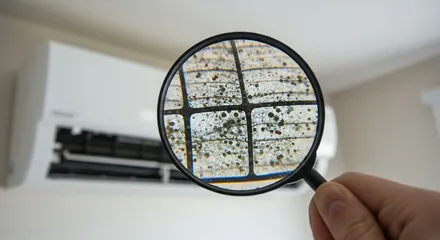
1. What Causes Mold to Grow in Air Conditioning Systems?
Air conditioners and HVAC systems tend to trap moisture inside during cooling or dehumidifying operation, creating an ideal environment for mold growth. In particular, areas like the drain pan and around the heat exchanger are prone to condensation due to temperature differences, making them hotspots for mold. In this section, we will explain in detail the common causes of mold growth in air conditioning systems.
1-1. Mechanism of Condensation Caused by Humidity and Temperature Changes
Air conditioning systems, especially household units, cause condensation when cooling indoor air. This happens as water vapor in the air turns into droplets when it contacts the cold surface of the heat exchanger. In humid regions like Japan, condensation occurs more frequently during cooling or dehumidifying operation. Although this moisture is supposed to be drained out via a hose, blockages in the drain pan or hose, or improper installation angles, can cause water to accumulate inside. If left in a humid state, airborne mold spores can settle and multiply. Furthermore, if the interior remains damp after the system stops running due to insufficient drying, mold growth can accelerate. This condensation-driven moisture marks the first step toward mold contamination in air conditioning units, making proper operation, correct installation, and routine maintenance crucial.
1-2. Corrosion Factors in Internal Components Like Filters and Drain Pans
Air conditioners contain many components such as filters to regulate airflow, drain pans to collect condensation, and heat exchangers to cool air. These parts are prone to mold growth primarily because they easily accumulate moisture and dust. Filters, in particular, capture dust, pollen, and grease from the air and become increasingly dirty over time. When this debris mixes with moisture, it becomes a nutrient source for mold, facilitating its spread. Drain pans constantly collect condensation and remain damp, making them an ideal spot for slime and mold when combined with dust and microbes—leading to foul odors. Since these components are often hidden and difficult to disassemble and clean, inadequate maintenance can allow mold to take root deeply and even corrode the parts. This can reduce overall performance, increase energy consumption, and heighten health risks.
1-3. Relationship Between Cooling/Dehumidifying Frequency and Environmental Conditions
Whether mold forms inside an air conditioner is not only due to its structure but also significantly influenced by usage frequency and environmental factors. For example, during Japan's rainy season or summer, frequent use of cooling or dehumidifying increases internal condensation. If the unit isn't properly dried through post-use fan operation, the interior remains moist, creating a prime environment for mold. Poor ventilation or furniture placement can block airflow, causing dust and humidity to accumulate around air intake areas—encouraging mold growth. In households with pets or where air conditioners are near kitchens, airborne grease and contaminants can collect, increasing the risk of not only mold but also bacteria and odor buildup. Thus, mold growth in air conditioners is not just a structural issue, but also depends on “where, how, and how often” the unit is used. Reviewing placement and usage habits is essential for effective mold prevention.
2. Health Risks and Lifestyle Impacts of Mold
Mold that develops inside air conditioning systems can spread throughout the room via invisible air currents, causing various negative effects on our health and daily lives. This is especially serious for individuals with allergies, young children, and the elderly, as they are more vulnerable to its impact. In this section, we will take a closer look at the main health issues caused by air conditioner mold and how it can specifically affect everyday life.
2-1. Potential to Trigger Allergies and Hypersensitivity
When mold forms inside air conditioning systems, its spores can be dispersed throughout the room via airflow. These spores are extremely small and invisible to the naked eye, making them easy to inhale. Once inside the body, they can irritate the bronchial tubes and lungs, potentially worsening asthma or triggering allergic rhinitis, atopic dermatitis, and other symptoms. Small children with underdeveloped immune systems and elderly individuals with weakened immunity are particularly susceptible, often suffering from persistent coughing, itchy eyes, or sneezing regardless of the season. Additionally, mold can produce a toxic substance known as “mycotoxins,” which, when inhaled over a long period, may cause chronic health problems. While medical diagnosis is necessary when symptoms appear, fundamentally eliminating mold from the air conditioning system is essential to resolving the issue.
2-2. Cause of Unpleasant Odors and Reduced System Efficiency
Mold in air conditioning systems not only affects health but also compromises comfort in everyday life. The most noticeable sign is the musty, moldy smell coming from the unit. This odor is caused by volatile organic compounds (VOCs) released during the mold decomposition process. It can permeate the room, leading to discomfort and reduced concentration. Mold and dirt on the heat exchanger or filters can also obstruct airflow, decreasing the efficiency of the cooling and heating functions. As a result, it takes longer for the room to reach the desired temperature, increasing energy consumption and utility costs. When left untreated, mold can penetrate deep into the unit, corroding internal components and shortening the system’s overall lifespan. Both odors and performance issues are warning signs that should not be ignored if you want to maintain a comfortable living space. Early action is key to preserving a healthy air conditioning environment.
2-3. Psychological Stress and Decreased Quality of Life
The musty smell from the air conditioner and the worry over invisible health effects can be significant sources of stress in daily life. A space meant to be relaxing can feel ruined simply by the presence of unpleasant odors from the air conditioning system, affecting one's sense of mental well-being. Concerns over health effects may also lead people to avoid using cooling systems, ventilate excessively, or clean frequently—adding unconscious stress. In some cases, people may hesitate to use the air conditioner when guests visit, due to concerns about the smell, creating social limitations and discomfort. In this way, mold issues in air conditioning systems go beyond equipment malfunctions—they can degrade the entire living environment and significantly lower the quality of life (QOL). That’s why everyday prevention and prompt response are essential for protecting both physical and mental well-being.
3. Household Daily Mold Prevention Methods
To prevent mold from forming inside air conditioning systems, small daily habits and regular maintenance are essential. You don’t need special tools or extensive work—just being mindful in your everyday routine can significantly reduce the risk of mold growth. In this section, we’ll introduce practical prevention methods you can implement at home.
3-1. Drying the Interior with “Fan Mode” After Cooling or Dehumidifying
One of the most effective ways to prevent mold after using your air conditioner is to run it in “fan mode” to dry the interior. After cooling or dehumidifying, condensation forms inside the unit, leaving behind moisture. If you simply turn off the power, that moisture remains and creates a breeding ground for mold. By running the fan mode for about 30 minutes after use, you can effectively remove this moisture. Many newer air conditioners come equipped with an “internal clean” function that automatically dries the unit’s interior—this is a great feature to use regularly. Fan mode consumes very little electricity and is easy to operate, making it a simple habit anyone can adopt for mold prevention.
3-2. Importance of Regular Filter Cleaning and Ventilation
Air conditioner filters trap dust, pollen, and other particles from the air. If left uncleaned for extended periods, this debris mixes with moisture and becomes a mold hotspot. It is recommended to clean the filters every two weeks using a vacuum cleaner or by rinsing them with lukewarm water. After cleaning, make sure to dry the filters completely before reinstalling them. Also, to prevent stale air from accumulating indoors, it's important to open windows and ventilate the room regularly. During humid seasons like the rainy season or in winter when heating is used, indoor humidity tends to rise—making ventilation two or three times a day essential. By combining routine filter cleaning with proper ventilation, not only the air conditioner but the entire room’s air quality can be kept clean and healthy.
3-3. Adjusting the AC Usage Environment to Reduce Humidity
Preventing mold involves more than just maintaining the air conditioning unit—it also requires managing the environment in which it’s used. For instance, if the indoor humidity is consistently high, the AC interior will also remain moist, making mold more likely to develop. Aim to maintain humidity levels between 40–60%. Using a dehumidifier or air circulator can help evenly distribute air and control moisture. Additionally, if furniture or curtains are blocking the AC’s vents, airflow can be restricted, causing moisture buildup. Simply rearranging furniture to allow better airflow can significantly reduce mold risk. If you have pets, their fur and dander can easily get into the AC, so more frequent cleaning and ventilation will be needed. By focusing not only on the air conditioner itself but also on managing the room’s overall humidity, you can prevent mold at its root.
4. Key Tips for Mold Prevention in Central HVAC Systems
Central HVAC systems offer the convenience of managing the air throughout the entire house, but due to their structure, mold growth can lead to widespread contamination. Unlike typical room air conditioners, central systems circulate air through ducts and vents, increasing the risk of spreading mold throughout the entire home once it forms. In this section, we’ll explore mold prevention strategies specific to central HVAC systems.
4-1. Humidity Control Throughout the Entire Duct System
In central HVAC systems, not only is heating and cooling performed, but air is circulated throughout the home via an extensive network of ducts. When condensation occurs inside these ducts, it creates an ideal environment for mold growth. Therefore, controlling humidity—not just temperature—is critically important. The ideal indoor humidity range is 40–60%; anything higher increases the risk of mold activity. Installing an HVAC system with humidity sensors or using a dehumidifier or humidifier as needed can help maintain stable humidity levels. Additionally, dust and dirt that accumulate on filters and intake vents can retain moisture, becoming a breeding ground for mold. Regular cleaning of these areas is essential. Proper humidity control is one of the most crucial elements for safely and comfortably operating a central air system.
4-2. Establishing a Routine for Filter Replacement and Maintenance
Because many parts of a central HVAC system are hidden from view, it’s easy to forget about daily maintenance. However, dirty filters not only reduce overall airflow efficiency but also directly contribute to mold growth. Many central systems have multiple filters throughout the house, and even one clogged filter can affect the system’s overall performance. Following the manufacturer’s recommended replacement schedule and establishing household rules for cleaning and replacing filters—such as “check on the first Saturday of each month”—can help prevent mold and maintain a healthy air environment. Combining this with an annual inspection by a professional service provider will ensure a safer and more reliable central HVAC operation.
4-3. Early Detection and Response Protocol for Troubleshooting
While central HVAC systems offer high functionality and comfort, mold or malfunctions can affect the entire home if not dealt with promptly. That’s why having a system in place for early detection and swift action is essential. Signs such as “stuffy air,” “strange odors,” or “reduced cooling/heating performance” should be taken seriously. Start by visually inspecting filters and vents for dirt or mold. If problems persist, contact a professional service provider for an internal inspection. It’s also important to share contact information and response procedures with all household members so that no one panics in case of trouble. With regular checkups and daily awareness, even a high-tech central HVAC system can maintain optimal comfort over the long term.

5. Cases When You Should Hire Professional AC or Central HVAC Services, and How to Choose One
Air conditioners and central HVAC systems are both essential for maintaining a comfortable living environment, but their internal structures are complex. Over time, dirt and mold can accumulate in areas that are difficult to clean through everyday maintenance. Attempting to clean these parts yourself may lead to equipment damage or even personal injury. In such cases, hiring a professional is the most effective and safest solution. In this section, we’ll explain when it's necessary to call in the pros and offer key points on how to choose a reliable service provider.
5-1. When to Call a Professional: Criteria for AC and Central HVAC
For Air Conditioners:
Common signs indicating the need for professional cleaning include black grime around the air outlet, strong mold odors, poor cooling performance, and water leakage. These symptoms suggest that mold or dirt has reached deep inside components like the fan or heat exchanger. Commercial sprays and surface cleaning can't reach these areas, so if you notice these signs—or haven’t had a professional cleaning in over three years—it’s time to call in an expert. Regular maintenance is especially recommended for households with small children or elderly residents.
For Central HVAC Systems:
Central HVAC circulates air throughout the entire home via ducts and vents. Mold or dirt in one area can easily spread to others. Signs like "stale air throughout the house," "strong odor in certain rooms," or "inefficient heating/cooling" may point to duct contamination. Given the system's complexity, only experienced professionals can handle the job properly. If you notice these issues, don’t hesitate to request an inspection and cleaning.
5-2. How to Choose a Reliable Specialist: Key Comparison Points
Whether it's an air conditioner or central HVAC system, the key is to choose a service provider that offers clear pricing and thorough explanations. Trustworthy professionals will outline the services, costs, and any extra charges upfront. Confirm the scope of cleaning, whether mold-prevention treatment is included, and the safety of any cleaning agents used. For central HVAC systems, check if the provider can clean ducts and has the right equipment. Also consider reviews, experience, responsiveness, and aftercare support. Since mold removal involves health risks, don’t choose based on price alone—opt for a provider you can truly rely on.
5-3. Important Points When Hiring Professionals and the Value of Aftercare
When requesting mold removal from an air conditioning specialist, pre- and post-service checks and ongoing maintenance awareness are essential. On the day of service, check whether the technician clearly explains the current condition of the unit, target components, and chemicals to be used. A trustworthy provider will answer your concerns and accommodate special requests.
After the service, it’s important to know which parts were cleaned and how. Request a report with photos or a before-and-after comparison. This ensures transparency and justifies the cost. For mold prevention services, also confirm how long the treatment will last and whether there’s a chance of recurrence.
Don’t forget to check after-sales support and warranties. Know whether the provider will respond if problems or odors return, and confirm any coverage period. In central HVAC systems—where issues can spread easily—providers who offer regular inspection plans and long-term maintenance schedules are especially reliable. Think of professional services not as a "one-time cleanup" but as your long-term partner in maintaining clean indoor air.
6. Tips for Using the Latest Mold-Prevention and Self-Cleaning Features in Modern AC and Central HVAC Systems
With advancements in technology, modern household air conditioners and central HVAC systems are now equipped with a variety of convenient features designed to prevent mold growth. By using these features properly, you can reduce the burden of daily cleaning while keeping the interior of your air conditioning system clean. Understanding the unique characteristics of each system and how to use these features effectively is the key to maintaining a comfortable and healthy indoor air environment.
6-1. Combining Antibacterial Ion Technology and Air Purification Features
In modern residential air conditioners, technologies such as Panasonic's “nanoe X” and Daikin's “Streamer” are widely used to suppress mold and viruses through ionized air purification. These systems release ions from the air outlet into the room, breaking down and inhibiting airborne mold spores and reducing the likelihood of mold entering the unit itself. In central HVAC systems, some high-spec models now come with built-in ion generators in the ducts, high-performance HEPA filters, and sterilization units. These features continuously purify the air throughout the home 24/7, making them highly effective in preventing mold recurrence and reducing allergy symptoms. However, no matter the system, regular filter cleaning or replacement and proper humidity management are essential. To fully benefit from these advanced functions, basic air conditioning maintenance must not be neglected.
6-2. Making the Most of Auto-Drying and Self-Cleaning Functions
Many modern air conditioners are equipped with an “internal clean” function that activates after the unit stops, drying the interior to suppress mold growth. Additionally, “self-cleaning robot” functions that automatically remove dust from filters are becoming standard, significantly reducing maintenance work. In central HVAC systems, there are features that detect and control humidity inside ducts and air units, as well as modes that periodically ventilate and dry airflow paths. Since these systems operate across multiple rooms, a single malfunction can affect the entire setup. Therefore, it is crucial to regularly check whether the self-cleaning features are functioning properly. Because of the complexity of central HVAC systems, users should carefully read the instruction manuals and consult with manufacturers or service providers about optimal settings when needed. Simply installing high-tech equipment is not enough—its true value is realized through regular checks and proper maintenance combined with the correct use of its features.
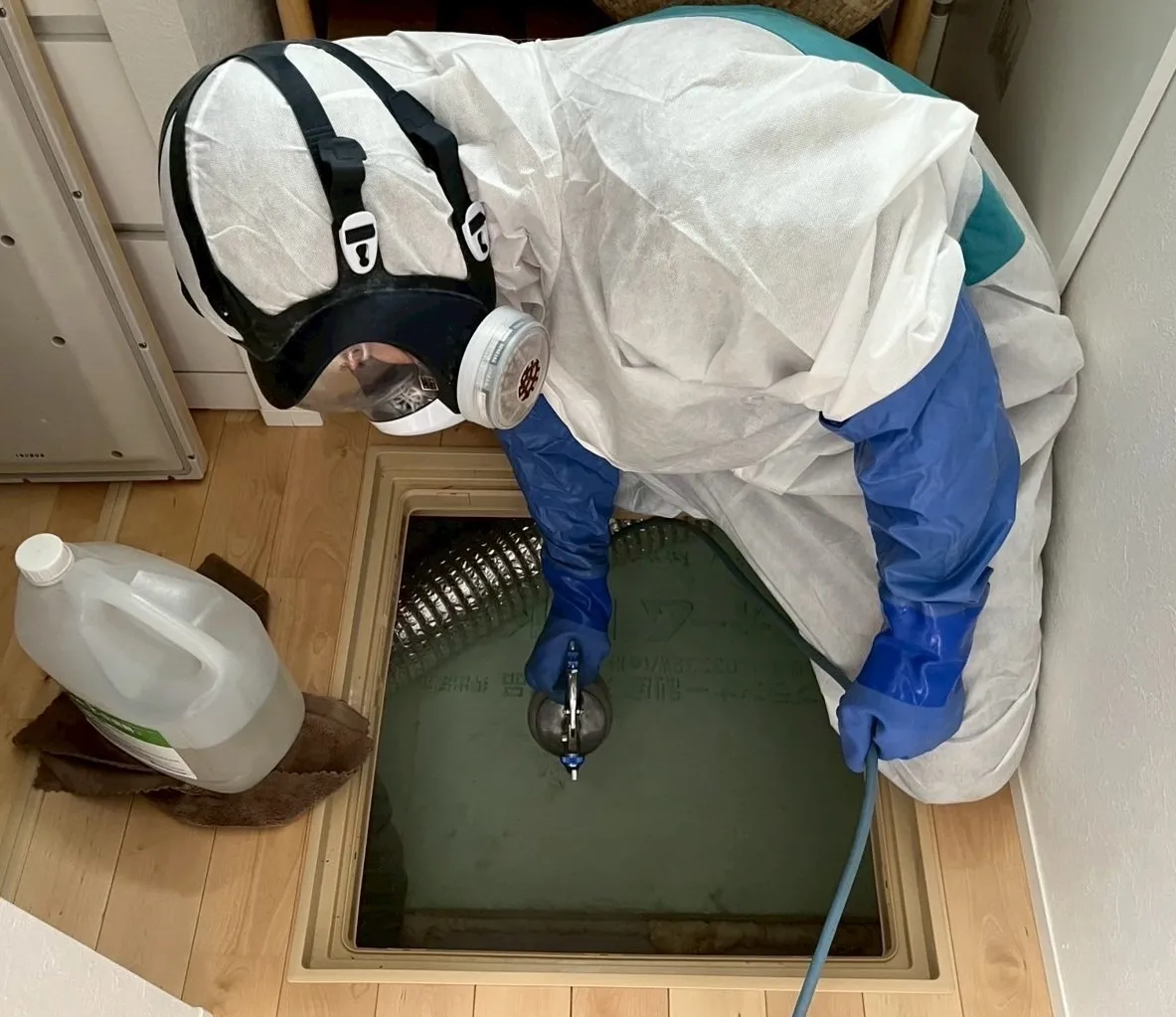
For Mold Removal and Prevention, Trust Kabibusters Osaka and Kabi Reform Nagoya & Tokyo
Mold hidden within air conditioning systems can quietly spread in unseen areas, posing serious risks to both your health and your home. If you’ve reached the limits of self-cleaning, can’t get rid of persistent mold odors no matter how often you clean, or need thorough care for ductwork in your central HVAC system, Kabibusters Osaka and Kabi Reform Nagoya & Tokyo are here to help.
Our strength lies in our exclusive MIST Method®, which removes mold at its root—without scrubbing, sanding, or damaging the material. We tailor our special solutions based on the type of surface and extent of mold growth. Despite its powerful mold-killing effect, the formula is made with human-safe ingredients, making it ideal for families with young children or elderly members, as well as use in nurseries, care homes, and medical facilities.
After removal, we apply an antibacterial and anti-mold treatment to ensure not only the elimination of mold, but also effective prevention of its return. Our fine mist penetrates deep into materials and captures airborne mold spores, providing long-term cleanliness and a healthier indoor air environment.
If you're in the Kansai region, contact “Kabibusters Osaka.” For those in the Tokai or Tokyo metropolitan areas, reach out to “Kabi Reform Nagoya & Tokyo.” Our local experts respond promptly and professionally with care tailored to your region.
If you feel uneasy relying on store-bought mold removers or want a professional solution to eliminate mold from your air conditioning system entirely, don’t hesitate to contact us. We’re your trusted partner in creating a safe, comfortable, and mold-free indoor environment.
---------------------------------------------------------------------
カビ取リフォーム
東京営業所
〒141-0022
東京都品川区東五反田2-5-2 YHE CASK GOTANDA6階
電話番号:090-8321-4408
名古屋本社
〒465-0028
愛知県名古屋市名東区猪高台1-1301 タイコウビル1F
電話番号 : 0120-588-766
サイト:https://taikou-kensou.co.jp/
大阪営業所
〒532-0003
大阪府大阪市淀川区宮原1-19-23
電話番号:080-6978-3068
カビバスターズ大阪
https://kabibusters-osaka.com/
【検査機関】
一般社団法人微生物対策協会
https://kabikensa.com/
----------------------------------------------------------------------