"Ultimate Guide to Furniture Mold by Material: Fabric, Wood & Metal Explained"
2025/06/18
Mold on furniture can be a frustrating issue, especially when you’re unsure how to treat different materials like fabric, wood, or metal. This article offers clear, step-by-step advice on identifying, treating, and preventing mold tailored to each furniture type. You’ll no longer feel lost when facing stains or musty smells. With proper techniques, not only can you remove mold safely, but you can also extend the life of your favorite furniture and keep your home healthy and beautiful.
1. Understanding Mold on Furniture
Mold on furniture is more than just an unsightly issue—it can damage materials and pose health risks. Mold appears in various forms depending on the conditions and materials it affects. By understanding what types of mold exist and why they grow, you can better prevent their appearance and protect your home. Let’s start by identifying the common types of mold and the early signs that mold may be growing on your furniture.
1-1. Types of Mold: Black, White, Blue, and Red
The most common types of mold found on furniture are black, white, blue, and red mold. Black mold appears as dark specks or patches and can penetrate deep into porous materials like wood and fabric. It's particularly common in poorly ventilated, humid spaces. White mold has a fluffy, cotton-like appearance and typically sits on the surface, making it easier to spot in its early stages. Blue mold has a bluish-green tint and grows quickly in moist environments. It's often seen on food but can also spread to wooden surfaces or fabrics. Red mold is less common but may appear in areas with high humidity, such as near plumbing or on damp walls, and can trigger allergic reactions. Identifying the type of mold is crucial, as each may require a slightly different approach for safe and effective removal.
1-2. Causes and Early Warning Signs of Mold on Furniture
The primary causes of mold on furniture are excess moisture, poor air circulation, high temperatures, and accumulated grime or dust. Mold thrives in environments where humidity is consistently above 70%. Wooden or upholstered furniture placed directly against walls or in tight corners often traps moisture due to a lack of airflow. In terms of early warning signs, you may notice a musty odor, discoloration, or a slightly damp or sticky feel on the surface. White powdery residue, subtle color changes, or tiny black dots may be early indicators. Being aware of these signs allows you to act quickly and avoid deep-rooted infestations that are harder to remove and potentially damaging to your furniture.
2. Mold Removal for Fabric Furniture
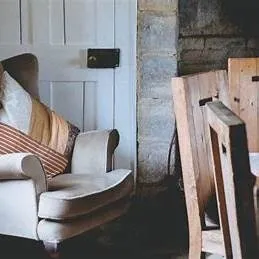
Fabric furniture such as sofas, cushions, and chairs add comfort and style to any home, but they’re also particularly vulnerable to mold. Fabric naturally absorbs moisture and easily accumulates dust and body oils—ideal conditions for mold growth. In this section, we’ll explore how to effectively remove mold from fabric furniture by understanding the difference between washable and non-washable materials and using the appropriate cleaning methods.
2-1. Washable vs. Non-Washable Fabrics
Not all fabric furniture is created equal—some have removable covers that can be machine-washed, while others are upholstered with materials that can't be detached or immersed in water. For washable fabrics, check the care label first. If permitted, wash the cover in warm water with mild detergent. You can also add an oxygen-based bleach if allowed, which helps break down mold spores. For non-washable upholstery, gently brush off any visible mold or vacuum the surface using a HEPA filter. Then, apply a diluted solution of ethanol (about 80% alcohol mixed with 20% water) by spraying it lightly and wiping the area with a soft cloth. After treatment, ensure the furniture is completely dried using a fan or by placing it in a well-ventilated area, as lingering moisture can lead to re-infestation.
2-2. Removing Mold Using Ethanol and Bleach Products
Ethanol is a powerful mold killer because it destroys mold cell membranes. However, some fabrics may fade or become damaged, so always spot-test on an inconspicuous area first. For stubborn mold or visible black stains, oxygen-based bleach is highly effective and gentler on fabric. Mix it with water to create a paste, apply it to the affected area, leave it for a few hours, and then wipe it away. Chlorine bleach, while stronger, is harsher and can cause discoloration or fiber damage, so it should be used with caution and only on white or bleach-safe fabrics. After any cleaning procedure, wipe the area with clean water and dry it thoroughly. Regardless of the method used, proper drying is the most critical step—mold thrives in moisture, so keeping the fabric dry is essential to preventing recurrence.
3. Mold Control for Wooden Furniture
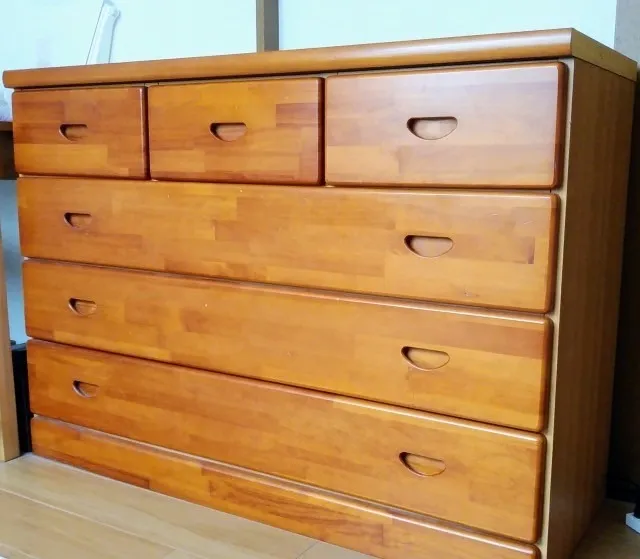
Wooden furniture is prized for its natural warmth and aesthetic appeal, but its porous nature makes it particularly susceptible to mold. Moisture can easily seep into wood, allowing mold to take root deep within the grain. If left untreated, this can lead to permanent staining, odor, and structural damage. In this section, we’ll explore how to identify different types of mold on wood and how to treat various wood materials without causing damage.
3-1. Identifying and Treating Black, White, and Blue Mold
The three most common types of mold found on wooden furniture are black mold, white mold, and blue mold. Black mold appears as dark spots or patches and often indicates deeper penetration into the wood. White mold looks fluffy and tends to remain on the surface, making it easier to remove in its early stages. Blue mold, with its greenish-blue hue, spreads quickly in damp environments and may appear on unfinished or poorly sealed surfaces. For black mold, treat the area with ethanol or a mold-specific cleaner and wipe thoroughly. If the mold has penetrated deeper, apply a paste of oxygen bleach mixed with water and let it sit for several hours before wiping it clean. White and blue mold can often be addressed with ethanol spray alone, but it’s vital to dry the wood completely afterward to prevent recurrence. Regardless of the mold type, avoid scrubbing too hard as it may damage the surface, especially on softer woods.
3-2. Precautions for Solid Wood, MDF, and Particle Board
Not all wood furniture is created equal. Solid wood is durable and generally easier to treat because it can withstand cleaning solutions and minor surface abrasion. MDF (medium-density fiberboard) and particle board, on the other hand, are made from compressed wood fibers and adhesives, making them more vulnerable to water damage. When exposed to moisture, these materials can swell, warp, or break down, and mold can quickly infiltrate their porous structure. For these materials, avoid soaking the surface or applying harsh chemicals. Instead, lightly spray ethanol or a mild mold remover and wipe gently. Always test on a small hidden area first. Once cleaned, use a fan or dehumidifier to fully dry the item. Because it’s difficult to remove mold once it infiltrates MDF or particle board, prevention through regular cleaning and moisture control is your best defense.
4. Mold Prevention for Metal and Synthetic Furniture
While metal and synthetic furniture might seem resistant to mold, under the right conditions—high humidity and poor airflow—even these materials can host mold growth. Mold spores can settle on dusty or greasy surfaces, feeding off organic particles and moisture. This section explains why mold may still appear on these materials and how to clean and protect them effectively without damaging their finish.
4-1. Why Metal Furniture Resists Mold
Metal itself doesn’t absorb moisture, making it less vulnerable to mold than porous materials like wood or fabric. However, mold can still grow on the surface of metal furniture if dust, skin oils, or food residues build up—especially in poorly ventilated areas like under desks or in basements. Scratches or uncoated spots on metals like steel or aluminum can trap moisture and become breeding grounds for both rust and mold. Mold also tends to form in hidden areas like joints or behind furniture legs where airflow is minimal. Regular dusting and surface cleaning are essential to prevent buildup and moisture retention. Keeping these areas dry and exposed to airflow will significantly reduce the likelihood of mold growth.
4-2. Anti-Rust and Dehumidifying Care Tips
If mold appears on metal furniture, first clean the surface using a solution of warm water and a mild detergent to remove dirt and grime. Then, apply a diluted ethanol solution (about 70–80%) to kill any mold spores and wipe dry. For painted or coated surfaces, always spot test first to ensure the cleaning solution won’t damage the finish. For synthetic materials like plastic, which are generally mold-resistant, the key concern is surface buildup of organic matter. Regular cleaning with a neutral detergent, followed by thorough drying, is often enough to prevent mold. You can also use anti-rust sprays on metal parts and place desiccant packs or moisture-absorbing materials nearby to reduce humidity. For high-humidity rooms, dehumidifiers or air circulators can maintain ideal indoor conditions and prevent both mold and rust from taking hold. Always finish by ensuring that all surfaces are completely dry after cleaning to prevent new mold from forming.
5. How to Use Baking Soda, Neutral Detergents, and Bleach Safely
Effectively removing mold from furniture requires not only knowing where and how to clean, but also using the right cleaning agents for the right materials. Using the wrong product can damage the surface, cause discoloration, or even worsen the mold problem. In this section, we’ll cover how to safely use common household mold removers—baking soda, neutral detergents, and bleach—across different furniture materials like fabric, wood, and metal.
5-1. Daily Cleaning with Baking Soda and Neutral Detergents
For everyday maintenance and prevention of mild mold, neutral detergents and baking soda are excellent options. Neutral detergents are gentle on materials, making them suitable for fabric, wood, and synthetic surfaces. Mix with warm water and use a soft cloth to wipe surfaces weekly. This removes dust, oils, and other nutrients mold thrives on. For wood and fabric, this gentle cleaning can prevent spores from taking hold. Baking soda, a mild alkaline cleaner, works well on light mold and greasy stains. It can be dissolved in water for spray application or made into a paste for spot treatment. It's especially good for wood furniture because it cleans without damaging the finish. Just be sure to wipe it off thoroughly afterward, as residue can attract moisture and dirt if left behind.
5-2. Choosing the Right Bleach and Usage Precautions by Material
Bleach is powerful against mold but must be used carefully to avoid damaging furniture. Oxygen bleach is safer and more fabric-friendly than chlorine bleach, making it ideal for light-colored upholstery and unfinished wood. It can be mixed into a spray or paste, applied to moldy areas, and left to work for several hours before wiping clean. Chlorine bleach, while stronger, can cause fabric discoloration and wood deterioration. It should only be used on bleach-safe or white materials and never on metal, as it can corrode surfaces. Always test bleach-based products on a hidden area before full application. After any bleach use, rinse thoroughly with water and dry the area completely. Most importantly, never mix chlorine and oxygen bleaches, as this can produce harmful gases. Proper ventilation, gloves, and safety precautions are essential when using bleach products. For delicate or valuable items, consult a professional before attempting mold removal with harsh chemicals.
6. Room Layout and Environmental Adjustments
Preventing mold is far more effective than trying to remove it after it appears. Strategic furniture placement and indoor environmental control are key components in maintaining a mold-free home. Mold thrives in hidden, poorly ventilated, and damp areas—exactly the kind of places furniture can create when positioned improperly. In this section, we’ll explore practical ways to adjust your room layout and manage humidity to prevent mold growth around furniture.
6-1. Importance of Ventilation and Humidity Control
Mold typically flourishes in environments where humidity exceeds 70%, especially when combined with warm temperatures and organic material like dust or oils. The backs and bottoms of furniture are frequent problem areas due to limited airflow. One effective strategy is to leave at least 5 cm (about 2 inches) of space between furniture and walls to allow air to circulate. For closets or cabinets, using slatted bases or ventilation panels helps release trapped moisture. Monitoring humidity levels with a hygrometer and maintaining them between 50–60% is ideal. During the rainy season or in winter, when condensation is common, combining ventilation with dehumidifiers ensures moisture doesn’t settle into furniture or walls.
6-2. Placement Tips and Recommended Dehumidifying Products
When arranging your furniture, avoid blocking natural airflow from windows or vents. Placing large items in front of airflow sources disrupts circulation, increasing the likelihood of damp, stagnant pockets of air. It’s a good idea to regularly check behind and beneath furniture to ensure moisture isn’t building up. Several useful tools can help keep humidity under control: disposable dehumidifiers (calcium chloride or silica gel-based) are great for closed spaces, while charcoal or diatomaceous earth products offer natural, reusable moisture absorption. Using circulators or fans to move air through the room also enhances evaporation and discourages mold formation. Lastly, placing dehumidifying mats or sheets under furniture helps block moisture from rising off the floor—especially important in basements or on wooden floors. These simple layout and maintenance tips can go a long way toward creating a cleaner, healthier, and mold-free home environment.
7. Seasonal and New Home Mold Concerns
Seasonal changes and new living environments significantly affect mold growth. During certain times of the year—especially in humid or cold seasons—managing indoor moisture becomes more difficult. Similarly, newly built or renovated homes often experience air stagnation or retained construction moisture, increasing the risk of mold on furniture. This section outlines key seasonal threats and how to adapt your mold prevention strategies in new or remodeled spaces.
7-1. High-Risk Seasons: Rainy Season and Winter
The rainy season (commonly in summer) brings constant high humidity, making it the most mold-prone period of the year. Closed windows and reduced air circulation trap moisture, especially in corners and behind furniture, where mold can easily develop. Winter may seem less risky due to drier air, but it poses a different threat: condensation. The difference between cold outside temperatures and warm indoor heating causes water droplets to form on windows and walls. Furniture placed near these cold surfaces can absorb moisture from the air or through contact, leading to mold. During these seasons, it’s crucial to monitor humidity levels using a hygrometer and maintain ventilation even when it's cold or raining. Dehumidifiers, window insulation films, and proper air circulation are highly effective tools in reducing moisture buildup.
7-2. Moisture Precautions After Moving or Renovations
Brand-new homes or recently renovated interiors might look pristine, but they often retain hidden moisture from materials like wood, adhesives, and wallpaper glue. This residual moisture, combined with airtight modern designs, can create an ideal breeding ground for mold if air exchange is not managed. Installing furniture too close to walls in these environments is especially risky, as it traps moisture between surfaces. Before placing furniture, ventilate the space thoroughly for several weeks and use fans or dehumidifiers if necessary. Be sure to leave space between furniture and walls, and consider placing slatted bases or dehumidifying mats underneath. Also, keep in mind that insulation and waterproofing methods used during renovation may alter how moisture behaves in a room. Adapting your approach based on these variables ensures that your new or updated home remains clean and mold-free from day one.
8. Professional Methods That Preserve Your Furniture
When mold penetrates deep into furniture, it can be extremely difficult to remove using regular household products. Over-scrubbing or misusing strong cleaners can damage delicate materials or cause irreversible discoloration. In such cases, relying on professional mold removal services can save both your furniture and your health. This section introduces advanced mold removal technologies and explains when it’s time to call in the experts.
8-1. Safe Mold Removal Using Techniques Like the MIST Method®
The MIST Method®, used by specialists like Kabi Busters Osaka, is an innovative technique designed to eliminate mold without damaging the material. Instead of scrubbing or sanding, this method involves spraying a fine mist of specially formulated agents that penetrate the surface and chemically break down mold spores. What makes it unique is that it adapts to different materials—whether fabric, wood, or delicate finishes—by adjusting the pH level and concentration of the solution accordingly. It's not only effective but also safe for humans and pets, making it suitable for homes with children or elderly residents. Because it works deep within porous surfaces, it removes both visible mold and hidden roots, and it includes a long-lasting anti-mold treatment as a finishing step.
8-2. When to Seek Help from Experts
While many mild mold problems can be handled at home, there are several situations where professional intervention is essential. If mold keeps coming back despite regular cleaning, there may be a deeper issue such as internal moisture, hidden leaks, or poor ventilation. Similarly, if the mold has spread across a large area, or if the furniture has a persistent odor or visible black staining, it's likely that mold has penetrated the interior structure. In these cases, using household cleaners might not be enough and could worsen the damage. Also, with valuable antique furniture or expensive materials, it’s best to avoid DIY methods altogether. Professionals not only remove mold safely but also assess environmental factors and provide recommendations to prevent future outbreaks. Using expert services like Kabi Busters Osaka or Kabitore Reform in Nagoya and Tokyo can preserve both the beauty and integrity of your furniture for years to come.
9. Recommended Mold-Removal Products by Material
When mold appears on furniture, using the right product can make all the difference between a successful cleanup and accidental damage. Different materials require different care, and with so many options available, choosing the right one can be overwhelming. This section introduces safe, effective mold-removal products suited to fabric, wood, and metal furniture, as well as moisture-control tools to help prevent future outbreaks.
9-1. Product Guide for Fabric, Wood, and Multi-Surface Mold
For fabric furniture, the best options are oxygen bleach-based sprays or fabric-specific mold removers that are gentle yet effective. Choose fragrance-free and fast-drying formulas to avoid residue or lingering odors. Ethanol-based sprays also work well to disinfect and prevent mold regrowth. For wood furniture, opt for wood-safe neutral detergents or specialty wood cleaners. These products clean the surface without harming the finish and may even add a protective shine. If using ethanol, always test on an inconspicuous spot to avoid discoloration. For metal furniture, use mold removers with rust-prevention agents and soft microfiber cloths to avoid scratching. Some multi-surface sprays are designed for both wood and plastic, making them versatile options for mixed-material furniture. Always read the label to ensure compatibility with your furniture's finish and materials.
9-2. Best Anti-Mold Sprays and Moisture Absorbers
Mold prevention is just as important as removal. To keep humidity in check, disposable dehumidifiers (like silica gel or calcium chloride packs) work well in tight or closed spaces such as behind furniture or inside closets. For a more natural solution, use bamboo charcoal bags or diatomaceous earth blocks, which are reusable and safe for sensitive environments. Anti-mold sprays applied monthly can provide a protective barrier on surfaces prone to dampness. For flooring or underneath furniture, dehumidifying mats or sheets help block rising moisture, especially in basements or during the rainy season. Additionally, using a fan or air circulator can improve air movement and reduce the chance of stagnant moisture building up. Incorporating these tools into your routine maintenance makes it much easier to preserve a clean, mold-free environment and extend the life of your furniture.
10. Q&A: Common Mold Issues Answered
Even with preventative care and cleaning, mold can still find its way onto furniture. When it does, many people aren’t sure what to do or how to respond safely. In this section, we address some of the most frequently asked questions to help you handle mold problems effectively and protect your furniture without causing further damage.
10-1. What If Black Mold Won’t Come Off?
Black mold is one of the toughest types to remove because it often penetrates deep into the material—especially porous surfaces like wood and fabric. If surface cleaning with ethanol or mold spray doesn’t work, try creating a paste from oxygen bleach and water. Apply it to the affected area and let it sit for several hours before wiping it clean. Do not scrub harshly, as this can damage the material. If the mold persists or the discoloration spreads, it likely means the spores have reached the interior. At this point, it’s best to contact a professional mold removal service. Attempting further DIY cleaning might worsen the issue or damage the furniture beyond repair. For valuable or sentimental items, always err on the side of caution and seek expert help.
10-2. How to Prevent Mold Recurrence Without Damaging Furniture?
The two most important steps in preventing mold from returning are thorough drying and humidity control. After any cleaning, use fans or natural airflow to dry the area completely. Avoid relying solely on natural evaporation, which may not reach deep areas. Once dry, apply an anti-mold spray suitable for the material to provide long-term protection. Use it monthly or seasonally depending on your environment. Rearranging furniture to allow better airflow—especially behind or beneath pieces—is also essential. Keeping humidity between 50–60%, using dehumidifiers, and placing moisture-absorbing products like charcoal or silica gel packs around furniture can make a big difference. These steps not only protect your furniture but also maintain a healthier, mold-free home environment.
Professional Mold Removal: Kabi Busters Osaka & Kabitore Reform Nagoya/Tokyo
Furniture mold isn't just unsightly—it can damage your belongings, lower your indoor air quality, and pose serious health risks. When household solutions aren’t enough, or you're dealing with recurring mold, it's time to call in the professionals.
Kabi Busters Osaka uses the innovative MIST Method®, a proprietary mold removal technique designed to eliminate mold at its root without damaging the material. Unlike conventional methods that rely on scrubbing or bleaching, MIST uses a specialized misting system that adjusts pH levels and formula strength based on the specific material—be it wood, fabric, or delicate finishes. The process penetrates deep into the surface, breaking down mold while preserving the integrity of the furniture. It's also safe for families, including small children and the elderly, thanks to its human- and eco-friendly formula. The service includes not only removal but also long-lasting anti-mold treatments to prevent future outbreaks.
For those in newly built or remodeled spaces, Kabitore Reform Nagoya & Tokyo offers a combined approach to mold prevention and home improvement. Their expertise ensures that moisture-prone areas are properly treated, integrating structural adjustments, ventilation upgrades, and mold-resistant materials to protect your living space long-term. Whether you're restoring a mold-affected room or designing a new one, their tailored solutions help maintain a clean, comfortable, and mold-free environment.
If you’re unsure where to begin, or if you're worried about damaging your furniture, trust the experts. Kabi Busters Osaka and Kabitore Reform Nagoya/Tokyo provide reliable, science-backed solutions to restore your furniture—and your peace of mind.
---------------------------------------------------------------------
カビ取リフォーム
東京営業所
〒141-0022
東京都品川区東五反田2-5-2 YHE CASK GOTANDA6階
電話番号:090-8321-4408
名古屋本社
〒465-0028
愛知県名古屋市名東区猪高台1-1301 タイコウビル1F
電話番号 : 0120-588-766
サイト:https://taikou-kensou.co.jp/
大阪営業所
〒532-0003
大阪府大阪市淀川区宮原1-19-23
電話番号:080-6978-3068
カビバスターズ大阪
https://kabibusters-osaka.com/
【検査機関】
一般社団法人微生物対策協会
https://kabikensa.com/
----------------------------------------------------------------------