Traditional Japanese Homes vs Modern Houses: Mold Risks Explained for Foreign Residents in Japan
2025/06/17
Many foreign residents in Japan are unaware of the mold risks that differ between traditional Japanese homes and modern housing. The country’s unique climate and materials can create unseen threats in both types of dwellings.
This article explores the specific mold risks in both traditional and modern Japanese homes, explains how Japan’s climate contributes to mold growth, and offers effective prevention methods for safe and healthy living.
You’ll gain a clear understanding of where and why mold appears in Japanese houses, and learn practical, climate-appropriate ways to prevent it—essential knowledge for living comfortably and safely in Japan.

1. Overview of Mold Risks in Traditional and Modern Japanese Homes
For many foreign residents in Japan, the structural and material differences between traditional and modern homes can be unfamiliar, especially when it comes to mold prevention. Traditional Japanese architecture and modern housing differ greatly in terms of materials used, ventilation methods, and overall design philosophy. These differences result in unique mold risk profiles for each type of home. This section introduces the key features of each housing style and how they influence mold growth, offering essential knowledge for maintaining a safe and healthy living environment in Japan.
1-1. Structural Traits of Traditional Homes and Their Mold Risks
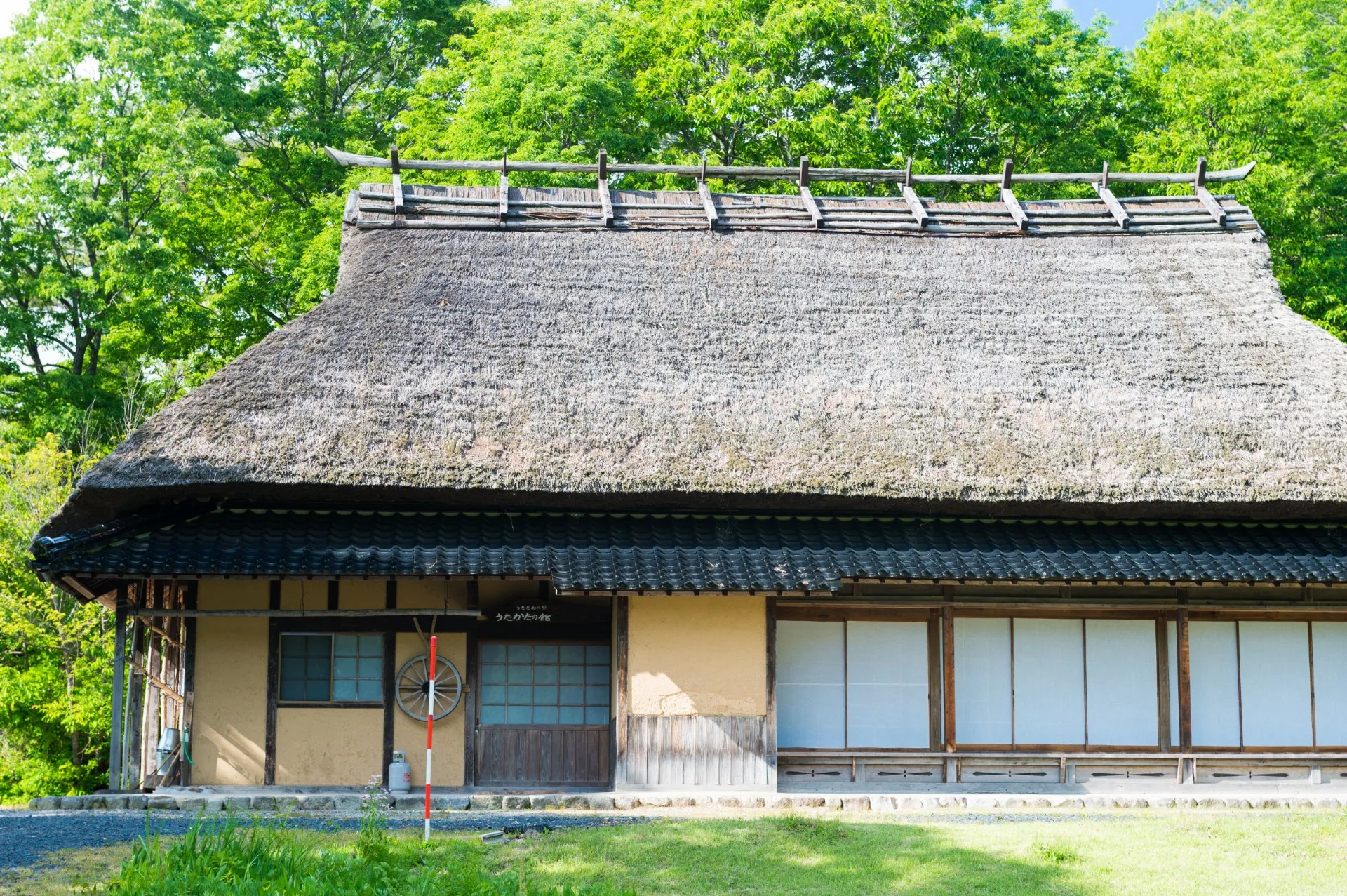
Traditional Japanese houses typically use natural materials like wood, tatami mats, and earthen walls. These materials have excellent breathability and humidity control but are also highly absorbent. During Japan’s humid rainy season or the colder months when condensation is common, these materials can trap moisture and become ideal breeding grounds for mold. Tatami mats, for example, can harbor mold underneath where moisture collects unnoticed. Additionally, traditional homes often lack modern insulation, leading to interior condensation that exacerbates mold problems. The joints between wooden beams or behind decorative panels are especially prone to mold, often going unseen until the infestation has spread.
1-2. Mold Risks Linked to Modern Housing Airtightness
Modern Japanese homes are designed for energy efficiency with high levels of insulation and airtight construction. While this is beneficial for temperature control, it also creates a space where humidity can accumulate if ventilation is insufficient. The risk of hidden mold growth behind walls, under floors, or in ceiling cavities is significantly higher. Although most new homes are equipped with 24-hour ventilation systems, they require regular maintenance to function properly. Foreign residents unfamiliar with these systems might unknowingly turn them off or neglect filter cleaning, allowing indoor humidity to rise unchecked. Mold in modern homes often develops silently and spreads before any visible signs appear.
2. Specific Mold-Prone Areas in Traditional Japanese Homes
Traditional Japanese architecture offers beautiful natural materials and an open, breathable design that reflects the country's harmony with nature. However, these same features can create environments where mold thrives, particularly when not properly maintained. For foreign residents unfamiliar with materials like tatami or earthen walls, it's easy to overlook critical care routines. This section highlights the specific areas in traditional homes where mold is most likely to occur and explains why.
2-1. Tatami and Flooring: Moisture Risks in Natural Materials
Tatami mats are a hallmark of traditional Japanese interiors. Made from tightly woven rush grass (igusa), tatami naturally absorbs moisture and regulates humidity. While this property is beneficial in maintaining air quality, it also means that excessive moisture from condensation, spilled water, or poor ventilation can lead to hidden mold growth beneath the mats. Common scenarios include placing furniture directly on tatami without air flow or having windows drip moisture onto the floor. Because the underside of tatami is rarely visible, mold can spread before it's noticed. Regular airing out, lifting tatami occasionally, and ensuring airflow beneath furniture are key prevention strategies.
2-2. Earthen Walls, Wooden Beams, and Ceilings: Material-Specific Mold Patterns
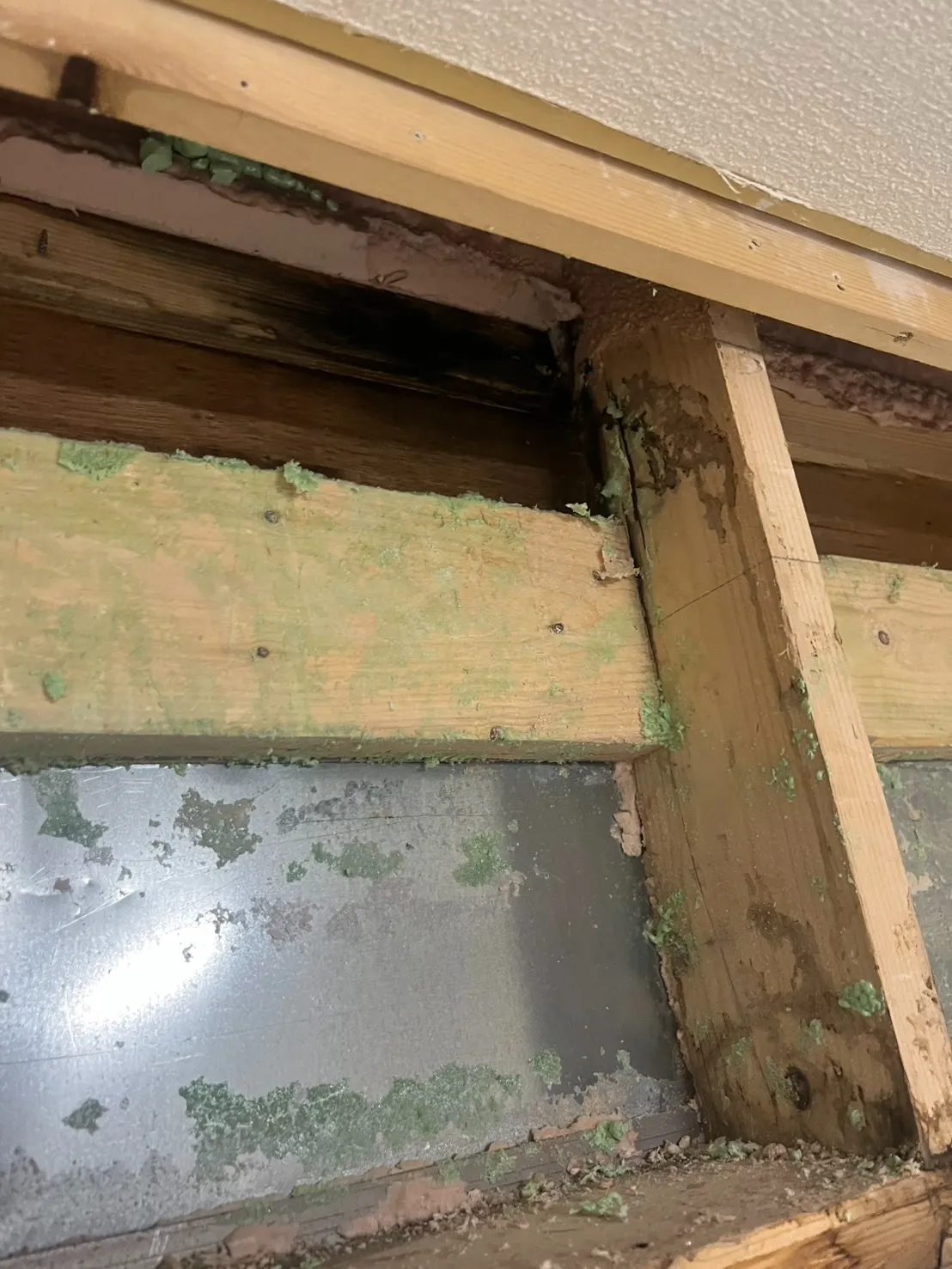
Earthen walls, another staple of traditional Japanese design, have excellent humidity buffering capabilities. However, they retain moisture once it enters, especially after leaks or extended periods of high humidity. This makes them highly vulnerable to internal mold growth. Likewise, wooden beams, especially those in the ceiling or upper corners of rooms, can absorb moisture from condensation and develop mold if not kept dry. Homes that are older or lack proper ventilation may have hidden mold behind decorative elements or within structural joints. Ensuring good airflow and using dehumidifiers in problem areas can help prevent these hidden mold colonies from taking hold.
3. Common Mold Locations and Causes in Modern Japanese Homes
Modern Japanese homes, designed with airtight insulation and energy efficiency in mind, offer comfort and temperature control year-round. However, this same airtightness can trap moisture indoors, creating ideal conditions for mold if ventilation and humidity control are lacking. For foreign residents unfamiliar with Japanese building systems, hidden mold may go unnoticed until it becomes a serious issue. This section explores the most common mold-prone areas in modern homes and explains the factors behind their vulnerability.
3-1. Wall Cavity Condensation: A Hidden Risk in Airtight Homes
Modern homes are well-insulated to maintain indoor temperatures, but when warm, humid air inside meets cooler wall surfaces, condensation can form within the walls themselves. This hidden moisture doesn't dry easily due to the airtight construction, and it becomes a breeding ground for mold. Known as wall cavity condensation, this issue is hard to detect without professional inspection. It can result in mold growth that gradually spreads through insulation and behind walls, releasing spores into the air and affecting indoor air quality. This is especially dangerous because residents may not notice until health symptoms or visible damage appear.
3-2. Bathrooms, Kitchens, and Other Moisture-Heavy Areas
Bathrooms and kitchens are especially vulnerable to mold due to frequent water use and naturally high humidity. Bathrooms, in particular, often show mold growth on ceilings, tile grout, and rubber seals around bathtubs and sinks. Without sufficient ventilation, steam from daily showers can linger and foster black mold. Kitchens can also accumulate moisture in less visible areas, such as under the sink, around plumbing joints, or behind appliances. Oil and food residue combined with moisture further contribute to mold development. Regular cleaning, proper ventilation, and targeted dehumidification in these zones are essential to prevent mold in modern homes.
4. Health Risks Associated with Mold
Mold isn’t just an aesthetic or structural issue—it can have serious consequences for your health. In Japan’s humid environment, mold can spread quickly indoors, often before it’s visibly apparent. For foreign residents who may be unfamiliar with mold-related health problems or Japanese housing features that exacerbate them, understanding these risks is essential. This section outlines how mold can affect your body and why early detection is crucial.
4-1. Allergies and Respiratory Issues (Including Asthma)
Mold releases microscopic spores into the air, which can be inhaled easily. These spores are common triggers for allergies, causing symptoms like sneezing, nasal congestion, itchy eyes, and skin irritation. More seriously, mold exposure can worsen respiratory conditions such as asthma or bronchitis. Children, the elderly, and individuals with compromised immune systems are especially vulnerable. Prolonged exposure may result in chronic coughing, shortness of breath, or sleep disturbances—particularly concerning if mold is present in bedrooms. Good indoor air quality is essential, and efforts to eliminate mold must be proactive and continuous to protect household health.
4-2. Mycotoxins and Sick House Syndrome-Like Symptoms
Certain types of mold produce mycotoxins—dangerous substances that can accumulate in living spaces. Long-term exposure to mycotoxins, especially in poorly ventilated homes, may lead to symptoms like headaches, fatigue, difficulty concentrating, and weakened immune function. These effects are often subtle and may be mistaken for general tiredness or stress. Over time, they can resemble symptoms associated with “sick house syndrome,” a condition recognized in Japan as resulting from poor indoor air environments. Mold growing inside walls or behind furniture can be particularly dangerous because it stays hidden while continuing to release spores or toxins. Identifying and eliminating these sources early is critical to maintaining a safe and healthy home.
5. Unique Climate Conditions in Japan and Their Impact on Mold
Japan's seasonal climate, characterized by hot, humid summers and cold winters, creates a constantly changing indoor environment that directly affects mold growth. Foreign residents unfamiliar with these fluctuations may find mold appearing suddenly, despite keeping their homes clean. Understanding how Japan’s climate drives mold behavior can help residents stay ahead of problems. This section outlines the seasonal risks and how to manage them effectively.
5-1. Rainy Season and High Humidity: Watch for Over 70% Humidity
From June to July, Japan enters the rainy season, or "tsuyu," when relative humidity often exceeds 70%. In such conditions, moisture accumulates in materials like wood, tatami mats, wallpaper, and behind furniture. In airtight modern homes, even with ventilation systems, moisture can linger, creating ideal conditions for mold. To counteract this, residents should use dehumidifiers regularly and open windows when possible during drier times of the day. Closets, storage spaces, and other enclosed areas also need attention—ventilate them regularly and use moisture absorbers to prevent unseen mold buildup.
5-2. Winter Condensation: Balancing Insulation and Moisture Control
In winter, the contrast between warm indoor air and cold outdoor temperatures leads to condensation, especially on windows and walls. This moisture, if left unattended, can seep into window frames or wall joints and encourage mold growth. Wiping down condensation each morning and using localized dehumidifiers near windows can help. Installing thermal insulation films or double-glazing can also reduce condensation. While heaters and humidifiers are often used in winter to maintain comfort, improper humidifier use can push indoor humidity too high, increasing condensation risk. Maintaining a balance between warmth and humidity is key to preventing mold during the colder months.
6. Practical Mold Prevention for Traditional Japanese Homes
Living in a traditional Japanese house can be a culturally rich experience, but it also requires special care—especially when it comes to mold. Natural materials like wood, tatami, and earthen walls react strongly to moisture, and foreign residents may not be familiar with how to maintain these features. Fortunately, with a few consistent habits and the right tools, you can effectively manage mold risk in traditional homes. This section introduces practical prevention methods tailored to traditional Japanese architecture.
6-1. Regular Cleaning and Ventilation for Tatami and Wooden Surfaces
Tatami and wooden flooring require frequent attention to avoid moisture buildup. Vacuum tatami weekly and, if possible, lift the mats once a month to allow the underside to air out. Place furniture a few centimeters away from walls and flooring to promote airflow. Open windows daily—especially in the morning or after rain—to let in fresh air and reduce indoor humidity. If natural ventilation isn’t enough, using fans or air circulators can help. Even small changes in air circulation can significantly lower mold risks in areas prone to stagnant air, such as corners or behind large furniture.
6-2. Alcohol-Based Treatments for Earthen Walls and Wooden Beams
Earthen walls and exposed wooden beams are particularly vulnerable to mold when humidity is high or after water damage. For visible mold, wiping surfaces gently with alcohol-based cleaners is an effective and safe way to remove mold without damaging delicate materials. Before widespread application, always test the cleaner on a small, hidden area to ensure compatibility. In less visible areas like ceiling corners, closets, or crawl spaces, placing charcoal or moisture-absorbing agents can help maintain low humidity levels. Preventing mold in traditional homes requires regular observation, gentle cleaning methods, and thoughtful use of natural airflow—approaches that protect both the structure and its aesthetic appeal.
7. Effective Mold Prevention for Modern Japanese Homes
Modern Japanese homes are known for their airtight construction and advanced insulation, offering high energy efficiency and comfort. However, these same features can inadvertently create environments where moisture builds up, leading to hidden mold growth. For foreign residents, understanding how to manage humidity in such spaces is essential. This section provides practical, effective strategies specifically designed for preventing mold in modern homes.
7-1. Combining 24-Hour Ventilation Systems with Dehumidifiers
Most modern Japanese homes are equipped with 24-hour ventilation systems, which are legally required in new constructions. These systems are designed to circulate air continuously and maintain indoor air quality. However, they are often misunderstood or turned off by residents, especially those unfamiliar with their function. To prevent mold effectively, it is crucial to keep the ventilation system running at all times and to clean its filters regularly. During the rainy season or humid summer months, using a dehumidifier in tandem with the ventilation system offers enhanced moisture control. Placing the dehumidifier in high-risk areas such as bedrooms, bathrooms, or near windows can significantly reduce mold growth.
7-2. Airtight Insulation and Wall Cavity Ventilation Planning
The high insulation levels in modern homes can trap moisture within wall cavities, under floors, or above ceilings—areas where mold can develop unseen. Ideally, ventilation paths should be built into these cavities during construction, but even in existing homes, airflow improvements can be made. Installing wall vents, checking attic and crawlspace ventilation, and using exhaust fans effectively can all contribute. Furniture should also be placed with a small gap between it and the walls to allow airflow. Installing humidity sensors in less visible locations such as closets or ceiling corners can alert residents to problematic conditions before mold takes hold. Proactive monitoring and circulation planning are essential components of mold prevention in airtight homes.
8. Professional Mold Removal Using the MIST Method
When mold issues go beyond simple surface cleaning, professional intervention becomes essential. In Japan, traditional materials like wood, paper, and earthen plaster require delicate treatment. Aggressive scrubbing or chemical cleaners can cause irreversible damage. This is where the MIST Method comes in—a professional mold removal technique that eliminates mold without harming the building’s materials. Trusted for both residential and culturally significant properties, the MIST Method offers a reliable and safe solution for persistent mold problems.
8-1. Features of the MIST Method: Gentle Yet Thorough Mold Removal
Unlike conventional methods that rely on physical scrubbing or harsh chemicals, the MIST Method uses a specialized mist spray to deeply penetrate porous materials without abrasion. This approach breaks down mold spores at the root, even in hidden or delicate surfaces such as wood beams, tatami mats, or paper walls. Because it doesn't require mechanical friction, the structure’s original appearance is preserved—an essential feature when dealing with aesthetic or historical elements. The method is so safe and precise that it is even used on heritage sites, making it ideal for traditional homes or homes with high-end finishes.
8-2. Safe and Eco-Friendly Cleaning Agents
The MIST Method uses proprietary cleaning agents formulated to be powerful against mold yet safe for humans and the environment. These agents have passed rigorous safety tests, making them suitable for use in households with children, elderly residents, or individuals with respiratory sensitivities. They do not emit strong odors or harmful residues, meaning daily life can resume quickly after treatment. In addition to removing existing mold, the MIST Method also includes preventive treatment using anti-mold sprays with long-lasting effects. The entire process is tailored to each home's structure and material, ensuring not only effective removal but also long-term protection against mold recurrence.
9. DIY vs Professional Mold Treatment: Which Is Better?
When dealing with mold in your home, the first question many people ask is whether they can handle it themselves or if they need to call in professionals. In Japan, where homes often feature unique materials and construction styles, the answer depends on the severity of the mold, its location, and your familiarity with proper treatment methods. While some surface-level problems can be solved with home remedies, other situations clearly call for expert intervention. This section compares the pros and cons of DIY mold care versus hiring professionals.
9-1. When Light Mold Problems Can Be Handled at Home
If the mold is visible and limited to non-porous or accessible areas—like window frames, tile grout, or bathroom sealants—DIY methods can be effective. Household mold sprays, alcohol wipes, and frequent ventilation can help remove minor mold and prevent regrowth. Monitoring indoor humidity with a hygrometer and using dehumidifiers are also simple, impactful steps. However, even for small outbreaks, care must be taken not to damage materials or push spores deeper into walls or flooring. Be sure to use mold-safe products and avoid bleach on natural surfaces like wood or paper.
9-2. When to Call a Professional: Dealing with Hidden or Persistent Mold
If you notice a musty smell without seeing visible mold, or if mold keeps returning after repeated cleaning, it’s time to consult a professional. Mold that penetrates walls, ceilings, or under floors often cannot be treated effectively with surface cleaning alone. In such cases, professionals use moisture detection tools, specialized cleaning agents, and protective techniques to safely eliminate mold from deep within the home’s structure. They also address the root cause, such as leaks or poor ventilation, and apply preventative treatments to avoid future problems. Although professional services come at a cost, they offer peace of mind, long-term protection, and often preserve the structural and aesthetic integrity of your home.
10. Ongoing Habits and Checklists for Mold Prevention
Preventing mold isn’t a one-time task—it’s a lifestyle habit, especially in a climate like Japan’s, where humidity levels change drastically throughout the year. By incorporating mold prevention into your regular home care routine, you can significantly reduce the risk of outbreaks. This section provides seasonal checklists and key habits that help keep your home mold-free all year long.
10-1. Seasonal Checklist for Mold Prevention
From January to March, cold weather causes indoor-outdoor temperature differences that often lead to condensation. During this time, wipe down windows and window sills daily and consider using a dehumidifier alongside your heating system.
In April to June, rising temperatures and increasing humidity mean it’s time to open windows more frequently, air out closets, and check hidden areas like under beds or behind bookshelves.
June to July brings Japan’s rainy season, when humidity peaks. Run dehumidifiers continuously, replace moisture absorbers regularly, and be extra vigilant in checking for musty smells or damp spots.
From August to September, hot summer days and air conditioner use can cause unexpected condensation—especially on cooled surfaces. Monitor window areas and balance AC use with proper ventilation.
In October to December, temperatures begin to drop again. Continue monitoring for condensation, and don’t neglect ventilation in closets or low-traffic rooms. This month-by-month approach helps catch potential mold issues before they escalate.
10-2. Key Inspection Areas: Walls, Closets, and Window Frames
Some of the most mold-prone areas in any home are also the easiest to overlook. These include the backs of furniture, wall corners, behind curtains, inside closets, and around window frames. North-facing rooms, which receive less sunlight, are particularly vulnerable to dampness and should be checked frequently. Make it a habit to inspect these areas weekly. Look for discoloration, soft textures, or musty smells. Installing humidity monitors in various rooms can help track changes before they become problems. By maintaining awareness and following simple routines, you can create a consistently healthier living space—especially important for foreign residents adjusting to Japan’s humid climate.
Professional Mold Solutions by Kabibusters Osaka & Kabi Reform Nagoya/Tokyo
If you’re a foreign resident in Japan facing persistent mold problems, look no further than Kabibusters Osaka and Kabi Reform Nagoya/Tokyo. These regional experts offer advanced mold removal services using the innovative MIST Method®, a proprietary system that eliminates mold without damaging sensitive Japanese building materials like wood, paper, and clay walls.
Unlike conventional approaches that rely on harsh scrubbing or abrasive chemicals, the MIST Method® gently penetrates surfaces to break down mold at its roots. It’s safe for use in homes with children, elderly residents, or those with allergies—offering both powerful results and peace of mind.
What makes Kabibusters Osaka and Kabi Reform Nagoya/Tokyo stand out is their regional expertise. They understand the unique climate, housing styles, and moisture patterns of western and eastern Japan. Whether you're living in a traditional wooden house in Kyoto or a modern apartment in Tokyo, their tailored treatment plans ensure long-lasting protection against mold reoccurrence.
In addition to mold removal, both companies offer preventive anti-mold treatments, making sure your living space remains clean, safe, and comfortable throughout Japan’s humid seasons. With a proven track record, safe formulations, and highly trained professionals, Kabibusters is your go-to solution for a mold-free life in Japan.
Don’t wait until mold affects your health or damages your home—reach out today and restore your living environment with confidence.
---------------------------------------------------------------------
カビ取リフォーム
東京営業所
〒141-0022
東京都品川区東五反田2-5-2 YHE CASK GOTANDA6階
電話番号:090-8321-4408
名古屋本社
〒465-0028
愛知県名古屋市名東区猪高台1-1301 タイコウビル1F
電話番号 : 0120-588-766
サイト:https://taikou-kensou.co.jp/
大阪営業所
〒532-0003
大阪府大阪市淀川区宮原1-19-23
電話番号:080-6978-3068
カビバスターズ大阪
https://kabibusters-osaka.com/
【検査機関】
一般社団法人微生物対策協会
https://kabikensa.com/
----------------------------------------------------------------------