Ceiling Mold Damages Buildings!? Essential Design & Construction Techniques Every Builder Must Know Now
2025/06/16
Mold growing on indoor ceilings is a serious issue that not only damages structural materials and finishes but also poses health risks and potential legal liabilities. This article provides a professional-level understanding of ceiling mold by examining its causes—such as poor ventilation, condensation, and water leaks—and introduces effective removal methods and design-based prevention strategies. From proposing preventive construction plans to offering aftercare solutions, this guide equips builders with practical knowledge to enhance their credibility and ensure long-term building safety.
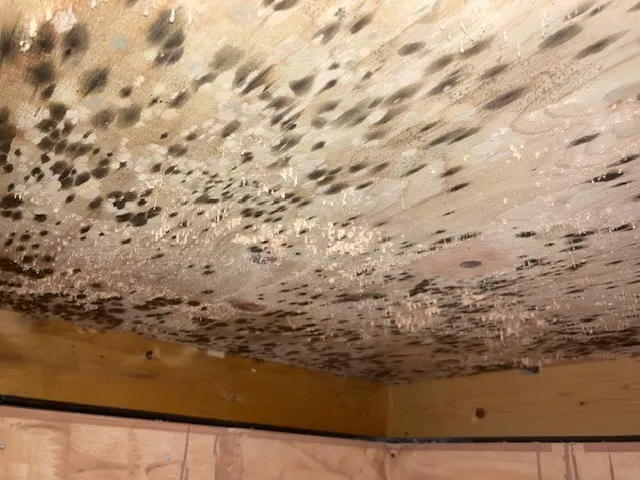
1. What Are the Main Causes of Ceiling Mold Growth?
Ceiling mold typically occurs due to imbalances in humidity and temperature in areas that are not visible. In many cases, the root cause lies in the building’s structure or design—especially when poor ventilation and inadequate insulation are combined, creating an ideal environment for mold growth. This section will explain two of the most common causes in detail.
1-1. Poor Ventilation, Humidity, and Condensation
Ceiling mold tends to develop in environments with high indoor humidity and insufficient ventilation. In winter, heated indoor air rises and comes into contact with the colder ceiling surface, causing condensation. When this moisture doesn’t dry properly and accumulates, it creates an ideal breeding ground for mold behind the ceiling. Furthermore, if exhaust fans are not properly positioned or airflow is poorly designed, moisture can stagnate around the ceiling area, accelerating mold growth. Effective ventilation planning based on the building’s purpose and usage frequency is essential.
1-2. Airtightness, Insulation, and Temperature Differences in Ceiling Voids
Modern buildings often prioritize high airtightness and insulation for energy efficiency. However, these features can inadvertently contribute to mold formation. If insulation is poorly installed or airtight sealing is inadequate, significant temperature differences may arise between the ceiling void and interior space. This contrast can lead to condensation and, eventually, mold growth. In poorly insulated ceiling areas, outdoor temperatures can directly affect the attic space—letting in cold air during winter and heat during summer—further widening the temperature gap. Even minor design oversights like these can cause serious mold issues over time.
1-3. Lack of Ventilation and Enclosed Ceiling Spaces
When ceiling voids become sealed and poorly ventilated, air circulation diminishes, leading to trapped humidity. If attic ventilation is insufficient, temperature differences between indoor and outdoor environments can cause condensation, significantly increasing the risk of mold on ceiling materials and structural components. Design flaws such as blocked ventilation paths due to insulation, or missing attic vents, hinder proper airflow and allow moisture to accumulate. The more complex the building’s layout, the more likely these issues are to occur—especially in properties that have undergone multiple renovations. Proper ventilation planning during construction, along with regular inspections and corrective measures post-completion, are crucial.

2. The Impact of Ceiling Mold on Buildings and Health Risks
Ceiling mold is more than just an aesthetic issue. If left untreated, it can damage the building’s structural components and pose serious health risks to occupants. In this section, we’ll explore in detail how mold affects both buildings and human health.
2-1. Deterioration of Structural Materials and Reduced Durability
Mold that forms on ceilings gradually penetrates materials like gypsum board, wood, and insulation. As these materials absorb moisture, it promotes the growth of wood-decaying fungi, which in turn weakens the strength of the wood and compromises the building’s seismic resistance and overall durability. When mold spreads in the ceiling void, it often remains unnoticed, allowing the damage to progress unchecked. Furthermore, the acidic substances produced by mold can discolor and degrade ceiling materials, not only harming aesthetics but also necessitating costly repairs or renovations. For construction professionals, early detection and elimination of the root cause are essential.
2-2. Indoor Air Quality and Respiratory Health Risks
Mold on the ceiling releases spores into the air, deteriorating indoor air quality throughout the entire space. This can lead to allergic reactions, asthma, and rhinitis among residents. These health issues are especially prevalent and severe in homes with elderly individuals or young children. When mold grows in hidden areas, people may unknowingly be exposed to it for long periods, resulting in chronic health problems and a noticeable decline in quality of life. Protecting both the structural integrity of the building and the health of its occupants must be a priority.
2-3. Escalating Damage and Repair Costs from Neglect
If ceiling mold is neglected, the damage will continue to spread silently behind the surface. What may start as a localized issue can eventually infiltrate insulation and structural components, and by the time visible signs appear, the mold may have already affected a large area. At that stage, simple repairs are no longer sufficient, and partial or complete ceiling replacement may be required—leading to a substantial increase in repair costs. Additionally, extended construction timelines and disruptions can affect surrounding areas and strain relationships with clients. Early detection and swift action are crucial for minimizing both expenses and damage to professional trust.
3. Hidden Ceiling Mold from Leaks and Plumbing Issues—Don’t Overlook the Signs
Moist indoor air isn't the only cause of ceiling mold. Increasingly, hidden plumbing leaks and roof water intrusion are leading to mold growth behind ceilings. Since these issues often go unnoticed, they can result in serious damage if left unchecked. Regular inspections and early intervention are essential to prevent costly consequences.
3-1. Stains and Bulging on Ceilings—Signs and Inspection Tips
Yellowing, stains, or bulging deformities on the ceiling surface are signs that moisture is accumulating inside. If ignored, mold can form, leading to degradation of ceiling materials and corrosion of structural components. This is particularly common in areas near bathrooms or kitchens where plumbing is concentrated. To properly inspect for moisture, visual checks should be supplemented with infrared thermography or moisture meters. Regularly checking the condition of wall coverings and looking for ceiling sagging can also help detect problems early.
3-2. Inspection Procedures for Plumbing and Ceiling Voids
If plumbing issues are the root cause of ceiling mold, a thorough inspection of supply and drainage pipes, refrigerant lines, and condensate hoses is essential. Even minor leaks at joints caused by deterioration can go unnoticed for long periods, creating the perfect environment for mold. During inspections, check for damp insulation around the pipes and any rusting on metal fittings. If access to the ceiling void is available, conduct regular flashlight inspections to detect early signs of leaks or mold. Older buildings are especially vulnerable due to aging plumbing, making a systematic inspection routine essential.
3-3. Key Construction Measures to Prevent Ceiling Void Leaks
To prevent leaks in ceiling voids, certain precautions should be taken during the design and construction stages. First, route plumbing lines along the shortest and most accessible paths to simplify inspections and repairs. Install drip pans and drainage traps around key plumbing areas to contain potential leaks. Ensure that drain hoses are correctly sloped to prevent water from backflowing or stagnating. Also, design the ceiling void with a water collection area and drainage path in case a leak does occur—this helps prevent moisture buildup, a key cause of mold. Incorporating “leak-free design” and “fail-safe structures” from the start strengthens both the durability and safety of the entire building.
4. Commercial Cleaners vs. Professional-Grade Mold Removers: What’s the Difference?
Various types of mold removal agents are used for ceiling mold, but there are significant differences between store-bought products and those used by professionals. Understanding the characteristics and intended uses of each allows you to choose the most suitable method while minimizing risks to materials and health.
4-1. Characteristics of Hypochlorous Acid, Bleach, and Alcohol
Common over-the-counter mold removers include hypochlorous acid, bleach, and alcohol. Hypochlorous acid is known for its strong disinfecting power, but it may cause discoloration depending on the material. Similarly, bleach is highly effective but can lead to yellowing and deterioration of ceiling materials, so caution is necessary. Alcohol is quick-acting and relatively safe, but it lacks the power to fully eliminate mold at the root, making recurrence more likely. These commercial cleaners are suitable for addressing surface mold in its early stages, but they have limitations when it comes to providing a thorough, long-lasting solution.
4-2. Professional Mold Removers and Their Advantages
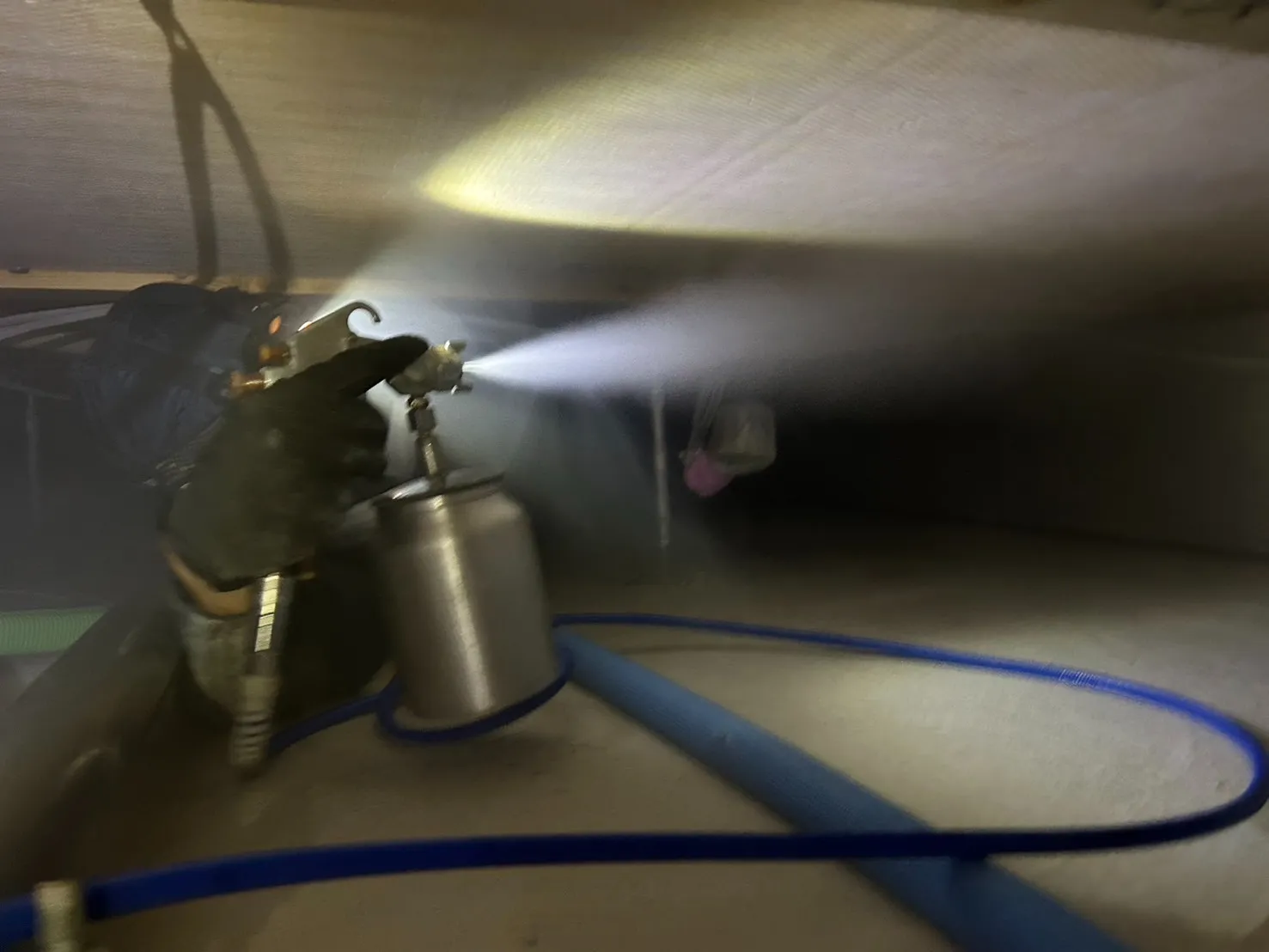
The specialized solutions used by professional mold removal companies are formulated to minimize damage to materials while penetrating deep to eliminate mold at the root. For example, the MIST工法® (MIST Method) adopted by Kabibusters uses customized pH-adjusted solutions tailored to each surface. This non-abrasive method allows effective mold removal without scrubbing, making it safe for delicate wood and ceiling materials. In addition to removing mold, professional treatments often include anti-mold coatings to prevent recurrence over the long term. These solutions offer a balance of safety and effectiveness that is generally not available in consumer products, which is a key distinction from store-bought alternatives.
4-3. Key Points to Avoid Mistakes When Choosing Mold Removal Agents
When selecting a mold removal agent, it's important to consider not just its effectiveness but also its impact on materials and overall safety. First, confirm whether the product is suitable for the target material—gentle, low-irritation formulas are essential for delicate surfaces like ceilings. Next, check the type and concentration of active ingredients to ensure the product offers not only disinfecting power but also mold breakdown and prevention capabilities. Depending on the work environment, it's also wise to assess factors such as odor and ventilation requirements to ensure smooth on-site operations. Additionally, some consumer and professional products may look similar, so it's crucial to verify whether a product is truly designed for professional use. The choice of cleaning agent greatly affects the final results and mold recurrence risk, so careful selection is essential.
5. Effective Mold Prevention: Treatments, Materials, and Coatings for Long-Term Protection
Even after mold is removed, it can reappear if proper treatment isn’t applied. This is especially true in moisture-prone areas like ceilings, where thorough prevention measures are essential. In this section, we introduce effective methods and materials for mold prevention that deliver real, lasting results.
5-1. Using Mold Prevention Sprays and Coatings—Benefits and Limitations
Commercial mold prevention sprays and antimicrobial paints are popular for their ease of use, particularly for ceiling applications. These products make it harder for mold spores to attach to surfaces, offering short-term protection against recurrence. However, since sprays only treat the surface, any remaining mold roots can quickly lead to regrowth—requiring frequent reapplication. Similarly, the durability of protective paint films can vary depending on the material and environmental conditions, making them far from foolproof. For best results, these products should be carefully selected to match the specific materials and used in combination with other preventive strategies.
5-2. Professional Treatments with Mold Prevention Warranties and Long-Term Effectiveness
The most reliable way to prevent mold from returning is to use professional mold prevention services. For example, the MIST工法® (MIST Method) includes applying a fine mist of anti-mold agents after mold removal, allowing the solution to deeply penetrate the material and prevent regrowth. This approach not only acts quickly but also forms an antimicrobial barrier on the surface for long-lasting effectiveness. Some providers even offer a "mold prevention warranty," covering recurrence within a specified period. Such guarantees and the high-quality treatment itself are advantages that DIY methods simply cannot offer.
5-3. Advanced Mold Prevention Technologies Effective in High-Humidity Environments
Recent innovations have introduced highly effective mold prevention technologies suited for moisture-rich environments. For example, new coatings at the microscopic level bond tightly with surfaces and inhibit mold growth by disrupting the organic nutrients mold needs. Long-lasting treatments incorporating antimicrobial agents like silver or copper ions are also increasingly common. These technologies perform well in high-moisture areas such as bathroom ceilings or ceiling voids prone to condensation. In addition, nano-coating methods allow moisture to pass through while sealing in mold roots, offering better durability than traditional spray-on solutions. When working in high-humidity zones, incorporating such advanced technologies enhances both the safety and effectiveness of mold prevention efforts.
6. Rethinking Core Construction Design: Addressing Ventilation and Condensation Issues
To fundamentally prevent ceiling mold, it's essential to implement countermeasures during the design stage—particularly in areas like ventilation and insulation. Rather than relying on temporary removal, aim to eliminate moisture sources and create a building environment where mold is less likely to reoccur.
6-1. Managing Circulation, Dehumidifiers, and Air Conditioning
Controlling humidity in ceiling voids and interior spaces relies heavily on proper air circulation. Installing a circulator in the ceiling void helps disperse moisture-laden air and direct it toward ventilation outlets. Running a dehumidifier regularly to maintain relative humidity between 50–60% is also effective in suppressing mold. Air conditioners aid in humidity control as well, but excessive dry-mode operation during cooling can cause counterproductive condensation due to over-drying. As construction professionals, it’s important to recommend appropriate equipment based on site conditions and provide usage guidance even after the build is complete.
6-2. Selecting and Positioning Insulating and Humidity-Control Materials
Using building materials that combine insulation and humidity-regulating properties helps reduce temperature and moisture differences in ceiling voids, thus preventing condensation. For example, cellulose fiber and wool insulation are known for their moisture-buffering effects. Designing a ventilation layer between the ceiling and roofing materials allows air to circulate more freely and carry away moisture. Installing an effective vapor barrier is also critical to stop humidity from penetrating walls and ceiling spaces. By carefully selecting materials and designing the layout during the planning phase, you can achieve a construction approach that balances airtightness and ventilation—addressing the root causes of ceiling mold.
6-3. Importance of Ventilation Planning and Simulation in Design
To effectively prevent ceiling mold, a ventilation plan must be included from the design phase. Simply installing vents isn’t enough; you need to map out the entire building’s airflow and clearly define the intake and exhaust paths. In enclosed spaces like attics and ceiling voids, planned or mechanical ventilation is especially effective. Today’s architectural software allows you to simulate airflow and identify areas prone to moisture buildup or poor ventilation. This visualization enables you to anticipate issues before construction begins and take proactive measures. Incorporating such technology during design greatly reduces the time, cost, and effort needed for future mold prevention.
7. When Should You Leave Mold Remediation to the Professionals?
While some mold issues can be handled in-house or through DIY methods, the severity and location of the damage may require the expertise of professional mold remediation services. As a construction professional, being able to assess when to call in specialists is crucial for minimizing risk and ensuring effective treatment.
7-1. Large-Scale Mold, Delicate Materials, and Hard-to-Reach Ceiling Areas
When mold covers a large portion of the ceiling or has infiltrated delicate materials like wood, wallpaper, or acoustic ceiling panels (such as gypsum board), improper handling or use of chemicals can lead to discoloration and material degradation. In such cases, especially when the work involves high places requiring ladders or temporary scaffolding, or difficult-to-access ceiling voids, it’s safest to bring in professionals. Contractors with the right tools and specialized techniques can carry out the job efficiently without damaging the materials.
7-2. Key Criteria for Selecting a Professional, Including Diagnosis and Prevention
Choosing the right contractor involves more than just mold removal—it’s critical that they can also identify the root cause and implement measures to prevent recurrence. For instance, methods like the MIST工法® (MIST Method), which eliminate mold without damaging materials and include anti-mold treatment, are highly reliable. Contractors who conduct on-site inspections and evaluate humidity and condensation levels are better equipped to offer targeted solutions. When selecting a service provider, consider not only cost but also whether they offer warranties, use safe products, and have a proven track record. Making an informed decision helps avoid costly mistakes down the line.
7-3. Importance of Collaboration and Information Sharing to Avoid Issues
When construction professionals rely on mold specialists, collaboration and clear communication are vital—not just handing off the job. Providing floor plans, information on materials used, and past maintenance history allows contractors to make more accurate assessments and carry out effective treatment. Sharing photos and inspection results with the client during the process can also help prevent misunderstandings or future complaints. If the site manager acts as an intermediary—clearly explaining the purpose of treatments and managing resident communication—it boosts overall credibility. A cooperative system in which both the builder and mold specialist fulfill their roles ensures safer and higher-quality results.
For Mold Removal and Prevention, Trust Kabibusters Osaka and Mold-Removal Reform Nagoya & Tokyo
Ceiling mold is one of the most commonly overlooked yet seriously damaging issues on construction sites. What may appear to be minor surface stains often conceal deeper problems—mold quietly invading structural components, compromising the building’s durability, and potentially harming the health of its occupants. In today’s tightly sealed and highly insulated homes, trapped moisture creates ideal conditions for mold to grow undetected in ceiling voids.
At Kabibusters Osaka and Mold-Removal Reform Nagoya & Tokyo, we are a team of specialists dedicated to tackling this invisible threat head-on. Our signature solution is the proprietary MIST工法® (MIST Method), a revolutionary technique that breaks down and eliminates mold at its root without scrubbing or scraping, preserving the beauty and integrity of ceiling and wall materials.
Our specially formulated mold removers are pH-adjusted and customized to suit the specific materials of each project. These solutions have passed rigorous safety tests, including industrial wastewater assessments, ensuring they are safe for use in environments with children, the elderly, or individuals with allergies. After mold removal, we apply a high-performance anti-mold treatment that offers immediate, long-lasting, and safe protection—dramatically reducing the risk of recurrence.
But we are more than just a mold removal service. We conduct on-site inspections to identify the root causes—such as condensation or poor ventilation—and offer strategic advice to address these fundamental issues. When needed, we collaborate with building designers to revise insulation and ventilation plans to prevent future outbreaks. Working hand-in-hand with construction professionals, we help create healthier, more resilient building environments.
---------------------------------------------------------------------
カビ取リフォーム
東京営業所
〒141-0022
東京都品川区東五反田2-5-2 YHE CASK GOTANDA6階
電話番号:090-8321-4408
名古屋本社
〒465-0028
愛知県名古屋市名東区猪高台1-1301 タイコウビル1F
電話番号 : 0120-588-766
サイト:https://taikou-kensou.co.jp/
大阪営業所
〒532-0003
大阪府大阪市淀川区宮原1-19-23
電話番号:080-6978-3068
カビバスターズ大阪
https://kabibusters-osaka.com/
【検査機関】
一般社団法人微生物対策協会
https://kabikensa.com/
----------------------------------------------------------------------