[Must-Read] 10 Golden Rules to Prevent Mold from Indoor Drying
2025/06/15
During rainy or pollen-heavy seasons, many people rely on indoor drying, but enclosed, humid environments are perfect for mold growth. People often face problems like musty smells or visible mold on clothes and walls.
This article covers everything from laundry methods and drying techniques to humidity control and cleaning. It also introduces the best products and seasonal tips for mold-free indoor drying.
After reading, you'll be able to dry your laundry indoors without worrying about mold or odor. It will make your home cleaner and more comfortable, reducing daily stress and improving your living quality.
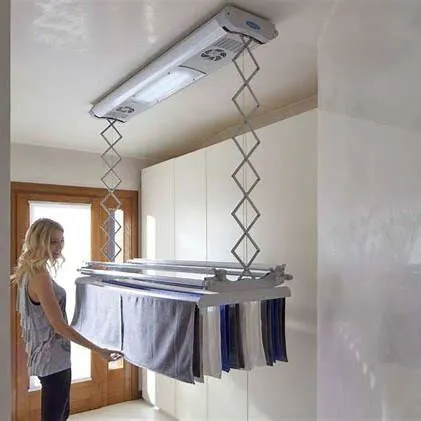
1. Why Indoor Drying Causes Mold Growth
While indoor drying is convenient and weather-independent, it unfortunately increases the risk of mold growth. Mold thrives in moist environments, and drying laundry indoors raises the humidity level in your room, creating ideal conditions for mold spores to spread. Without adequate ventilation, this moisture lingers in the air, often leading to hidden mold behind furniture or in walls. This section explains why clothes, rooms, and even your washing machine can become breeding grounds for mold.
1-1. Why Indoor Drying Creates a Breeding Ground for Mold
Mold needs three things to grow: warmth, moisture, and a food source. Indoor drying raises room humidity as moisture evaporates from the laundry, creating the perfect habitat for mold. Items like curtains, wallpaper, and wooden furniture absorb this moisture, becoming ideal surfaces for mold to cling to. In poorly ventilated spaces, this trapped humidity leads to mold forming on ceilings and walls. Rooms that lack sunlight are especially at risk, as low light and high humidity provide optimal conditions for mold to thrive.
1-2. Risks in Clothes, Room, and Washing Machines
Clothes develop mold primarily when they remain damp for extended periods. Thick fabrics like towels or sweaters are especially slow to dry, increasing the risk. Your washing machine is also a hidden danger zone—its damp, enclosed interior, combined with leftover detergent and body oils, becomes a nutrient-rich environment for mold. Additionally, indoor drying can raise the overall humidity in a room, making wallpaper, ceilings, and furniture vulnerable. Pay special attention to enclosed spaces like behind furniture or inside closets, where airflow is limited and moisture tends to linger.
2. Proper Washing Techniques to Prevent Mold Growth
To effectively prevent mold from forming due to indoor drying, it's crucial to adopt proper washing practices. Mold feeds on residues like body oils and leftover detergents on clothes and in your washer. By removing these sources thoroughly during laundry, you can reduce the chances of mold developing on your clothes or inside your washing machine. This section outlines how to wash laundry in a way that limits mold growth.
2-1. Choosing Antibacterial and Antifungal Detergents
The first step in mold prevention is selecting the right detergent. Many modern laundry products are formulated with antibacterial or antifungal agents, which help suppress bacteria and mold growth. Special "indoor drying" detergents are designed to eliminate musty odors and target the bacteria that cause them. When choosing a detergent, look for labels that mention antibacterial properties or indicate they're made for indoor drying. It's important to prioritize cleaning power over fragrance—fragrances may mask odors temporarily but don’t solve the root problem.
2-2. Preventing Residue from Detergents and Fabric Softeners
Even the best detergent can become a mold risk if not rinsed off properly. Leftover detergent or fabric softener can cling to fabrics, especially if the washing machine is overloaded or the rinse cycle is insufficient. These residues can act as food for bacteria and mold, especially in humid conditions. Always use the correct amount of detergent and avoid overusing fabric softener. Set your washer to perform at least two rinse cycles, and opt for "running water rinses" over soaking-type rinses whenever possible. Giving clothes space to move freely inside the drum also helps rinse away more residue, making your laundry less prone to mold.
3. Drying Techniques and Environment Setup
Preventing mold during indoor drying isn’t just about how you wash your clothes—it also heavily depends on how and where you hang them to dry. Proper spacing and airflow can significantly shorten drying time, reducing the risk of trapped moisture that mold thrives on. By creating an optimal drying environment with the right techniques and tools, you can maintain a fresh and mold-free indoor space. This section explores smart drying methods and how to prepare your room for efficient moisture control.
3-1. Proper Spacing and Airflow: The Arc Drying Method
When hanging laundry indoors, the key is to allow ample space between garments so air can circulate freely. Avoid crowding clothes together, as this traps moisture and slows drying. One effective strategy is the “arc drying method”: place longer items in the center of the rack and shorter ones on the sides. This creates a natural airflow path through the middle, allowing everything to dry evenly and quickly. Avoid hanging clothes directly against windows or walls, especially where condensation may form. Instead, use the center of the room or well-ventilated areas where air movement is better.
3-2. Using Fans, Air Circulators, and Dehumidifiers
To accelerate drying and reduce humidity, household appliances like fans, air circulators, and dehumidifiers are essential. Fans and air circulators improve airflow around the laundry, helping moisture evaporate faster. Positioning them diagonally or from the side rather than directly in front ensures more even drying. For humid days, a dehumidifier placed beneath the drying rack can efficiently draw out moisture from the air, drastically reducing drying time. This not only prevents mold but also helps maintain a comfortable room environment. Using these appliances together creates a powerful system that supports safe and effective indoor drying.
4. Managing Humidity and Temperature to Reduce Mold Risk
Humidity and temperature are two of the most critical factors influencing mold growth indoors. During indoor drying, moisture from wet clothes quickly increases the room’s humidity. If not controlled properly, this environment can become a breeding ground for mold. Effective management of both humidity and room temperature is essential for maintaining a mold-free space. This section provides practical ways to monitor and control these elements to prevent mold.
4-1. Using a Hygrometer and Understanding Ideal Humidity Levels
The first step to controlling humidity is knowing the actual levels in your room. A hygrometer, or humidity meter, helps you "visualize" moisture in the air. The ideal indoor humidity for preventing mold is between 40% and 60%. When humidity rises above 60%, mold growth accelerates, so it’s important to act quickly—use a dehumidifier or improve ventilation. Many digital hygrometers also measure room temperature, making it easier to manage both factors at once. Installing one in the room where you dry clothes gives you a clear picture of when action is needed.
4-2. Temperature Control and Adapting to Room Characteristics
In addition to humidity, maintaining an appropriate room temperature is key. Mold thrives between 20°C and 30°C (68–86°F), which is a common temperature range in Japanese homes. Using air conditioning or heaters can help stabilize indoor temperatures, but it’s also important to consider each room’s characteristics. For example, north-facing rooms tend to be damper and colder with less sunlight, making them more prone to mold. Avoid drying laundry there if possible. Instead, choose a well-lit, south-facing room with good airflow. Even slightly opening a window can help release moisture-laden air and reduce condensation, especially when paired with mechanical ventilation.

5. Maintenance of Washing Machines and Appliances
Even with proper washing and drying habits, mold prevention isn’t complete without maintaining the appliances you use. The inside of your washing machine, especially the drum and rubber seals, is a prime area for mold buildup due to residual moisture, detergent, and body oils. If the washing machine itself is contaminated, clean laundry may end up carrying mold spores. This section explains how to check for mold in your appliances and how to keep them clean and mold-free.
5-1. How to Check for Mold in the Washing Machine
Though your washing machine may look clean on the outside, the inner drum—particularly the space between the inner and outer layers—can be hiding mold. Drum-type washers are especially prone to this because they use less water and tend to retain residue. Signs of mold include musty odors, black particles on clothes, and visible discoloration inside the drum or around rubber gaskets. It’s recommended to clean your washing machine at least once a month using a dedicated washer cleaner or oxygen-based bleach. Most machines also have a “drum cleaning mode” you can activate. After each use, leave the lid or door open to allow air circulation and prevent moisture from building up inside.
5-2. Regular Cleaning Habits for Washers and Dryers
Beyond the drum, other parts of the washing machine—such as the lint filter, detergent drawer, and door seals—also require regular cleaning. Dirt and lint in these areas can trap moisture and feed mold. Wipe down rubber seals with a dry cloth after every wash, and clean the detergent drawer weekly to avoid buildup. If you use a dryer, clean the lint filter after each use. A clogged filter not only reduces drying efficiency but also allows moisture to linger inside the machine, encouraging mold. Establishing a routine maintenance schedule helps keep your appliances in top shape and ensures your laundry stays truly clean.
6. What to Do If Mold Has Already Grown
Despite your best efforts, mold can still develop under certain conditions. When that happens, immediate and appropriate action is essential to prevent further spread and protect your health and belongings. Whether mold appears on clothing, walls, or in the air, knowing how to clean it effectively and prevent recurrence is key. This section provides practical solutions for dealing with mold once it has taken hold.
6-1. Removing Mold from Clothing and Preventing Recurrence
If you notice visible mold spots on your clothes—especially black or white patches—take immediate steps to treat the fabric. First, air out the garment to dry it thoroughly and prevent further growth. Then soak the item separately in warm water mixed with oxygen bleach (powder form works best). This method breaks down mold without damaging most fabrics. Be careful with colored clothing—test on a hidden area first. After soaking, wash the item thoroughly and dry it completely in direct sunlight or with a fan in a well-ventilated area. To prevent recurrence, avoid leaving wet laundry in the machine, and always hang clothes immediately after washing.
6-2. Cleaning Mold from Walls and Indoor Surfaces
Mold on walls, ceilings, or behind furniture requires prompt cleaning before it spreads deeper. For light mold, spray the affected area with rubbing alcohol or a commercially available mold remover and wipe it clean with a cloth. Always wear gloves and a mask while cleaning, and ventilate the room thoroughly. However, be cautious—some surfaces (like wallpaper or wood) may be damaged by strong chemicals. If the mold has spread widely, keeps returning, or appears in hidden areas like behind drywall, it’s best to consult a professional mold removal service. After cleaning, use an anti-mold spray to coat the area and improve air circulation to stop spores from settling again.
7. Recommended Items for Indoor Drying
To effectively combat mold and improve drying efficiency, using the right tools for indoor drying makes a huge difference. From space-saving racks to moisture control devices, modern home goods can help reduce humidity, speed up drying time, and make indoor drying far less stressful. This section introduces practical items that support a clean, mold-free drying experience.
7-1. Best Indoor Hangers and Drying Racks
Space-efficient and thoughtfully designed drying racks are essential for indoor laundry. Foldable racks are especially useful in smaller rooms as they can be stored compactly when not in use. Multi-level hangers and clip-type hangers with multiple arms are great for drying many small items like socks and underwear. One standout option is the “arc drying rack,” designed to arrange clothes in a curved layout to allow better airflow. Choosing a rack that keeps items spaced apart reduces moisture buildup and prevents musty smells. Look for materials that resist rust and are easy to clean, ensuring long-term usability.
7-2. Dehumidifiers, Bathroom Dryers, and Solar Warmers
A good dehumidifier is one of the most powerful tools for indoor drying. Models with a “laundry drying mode” can be placed under the clothes to actively absorb moisture from the air. Some even include a built-in fan to circulate air while dehumidifying. Bathroom dryers are another excellent option—drying laundry in the enclosed bathroom space keeps excess humidity out of your living areas. For those seeking an eco-friendly solution, solar warmers use sunlight to warm and ventilate indoor air, accelerating the drying process without using electricity. By combining these tools, you can create an efficient indoor drying environment that minimizes the risk of mold.
8. Seasonal Strategies – What to Do During Rainy and Cold Seasons
Mold becomes particularly troublesome during two key times of the year: the humid rainy season and the cold winter months. Each season presents unique challenges that require different approaches to indoor drying. By adjusting your routine and environment to suit the season, you can minimize mold risks and keep your laundry fresh year-round. This section explains how to manage indoor drying during Japan’s rainy season and winter.
8-1. Moisture Control During the Rainy Season
During the rainy season, opening windows for ventilation can be difficult due to constant wet weather. As a result, indoor humidity rises, and laundry takes much longer to dry. To prevent this from leading to mold and musty odors, use a dehumidifier consistently to keep humidity below 60%. Air conditioners with a “dry mode” are also helpful. Choose a well-ventilated area in your home, or use a closed bathroom with the fan on for drying. Additionally, ensure your laundry is thoroughly spin-dried before hanging—it reduces drying time and lowers the risk of moisture buildup. Spacing out your laundry and using fans or air circulators also helps moisture escape faster.
8-2. Winter Drying Tips for Cold, Damp Conditions
In winter, low temperatures slow the drying process, and people are less likely to ventilate because of the cold, allowing moisture to accumulate indoors. Using heaters or air conditioners to maintain a consistent temperature helps speed up drying. Pairing heat with an air circulator ensures even air distribution and prevents damp pockets where mold could grow. Avoid drying laundry near windows or on the north side of the house, as these areas tend to be colder and more prone to condensation. South-facing areas with sunlight are ideal. Although indoor air is often dry in winter, don’t assume clothes are fully dry based on appearance—check thoroughly, as internal moisture can still linger.
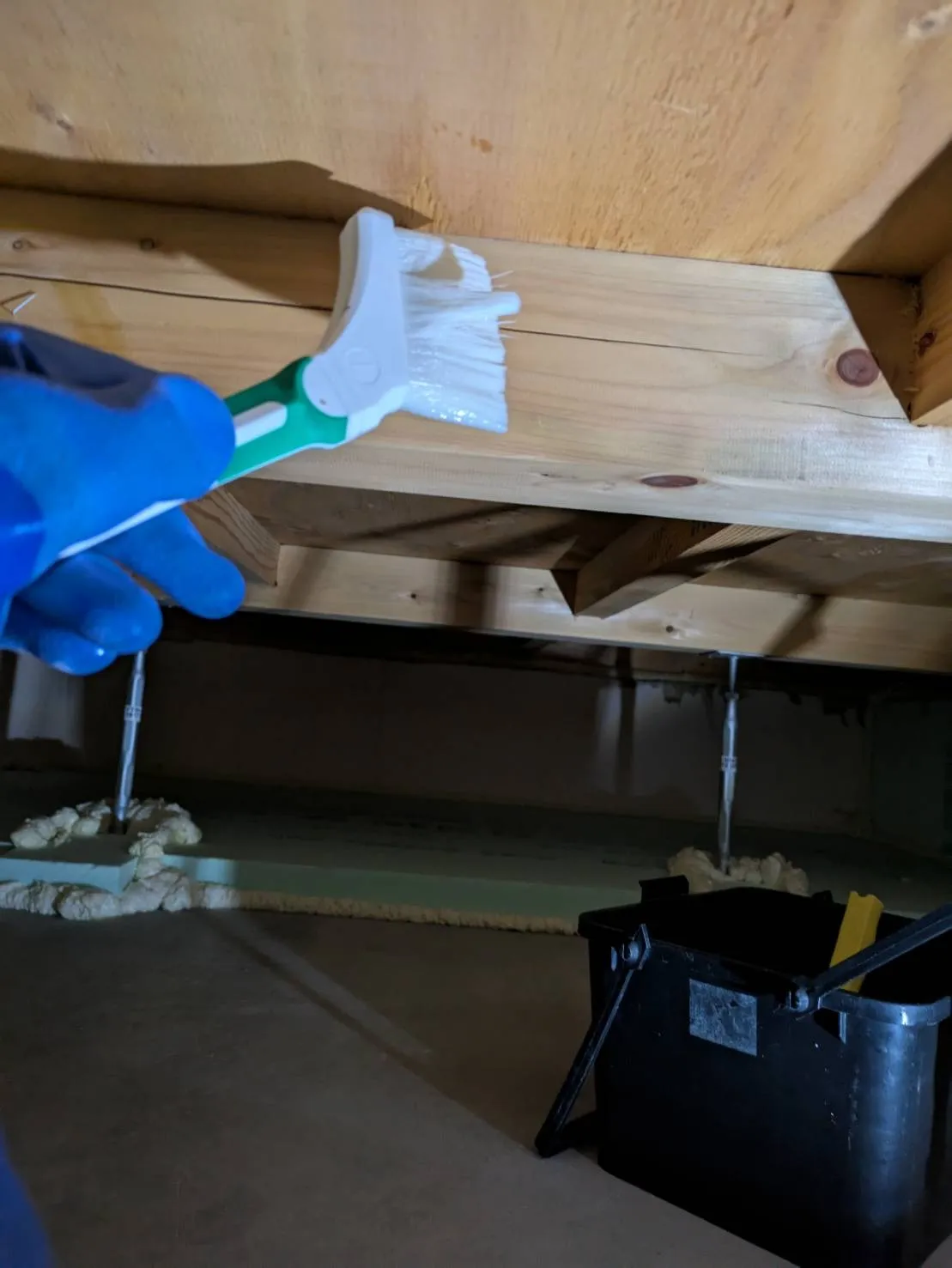
9. Daily Habits to Prevent Mold
Preventing mold during indoor drying is not just about specific products or occasional cleaning—it’s about establishing consistent daily habits that keep moisture and dirt under control. By incorporating small but effective routines into your everyday life, you can create an environment where mold struggles to thrive. This section introduces practical habits to help maintain a clean and mold-resistant home.
9-1. Ventilation, Cleaning, and Storage Basics
Proper ventilation is the foundation of mold prevention. Open windows daily—even for just a few minutes—to let moist air escape and fresh air circulate. Use exhaust fans when drying laundry or cooking, and make sure laundry rooms and closets are well-ventilated. Regular cleaning is just as important. Dust and grime provide nutrients for mold, so vacuum floors, wipe surfaces, and clean behind furniture regularly. Pay special attention to areas like window sills, which are prone to condensation. For storage, use moisture-absorbing agents in closets or wardrobes, and avoid overpacking. Keeping storage areas breathable and tidy helps prevent hidden mold.
9-2. Practical Moisture Control Tips for Everyday Life
Small daily actions can significantly reduce the moisture that fuels mold growth. After taking a bath or shower, keep the bathroom door closed and run the exhaust fan until the humidity drops. When cooking, always turn on the kitchen fan to vent steam. In bedrooms, air out bedding regularly, and flip mattresses occasionally to prevent moisture accumulation underneath. When drying clothes indoors, divide them across different areas of the room to reduce concentration of humidity in one spot. Use extra spin cycles on your washer to remove as much water as possible before hanging clothes. These habits may seem simple, but together they form a powerful barrier against mold.
10. When to Call in the Professionals
Even with thorough cleaning and smart habits, mold can sometimes grow beyond your control. In cases where mold keeps returning or has spread to hidden or hard-to-reach areas, it may be time to seek help from a professional mold removal service. Experts can identify the root causes of mold and offer long-term solutions. This section explains how to recognize serious mold issues and how to choose a trustworthy professional.
10-1. Signs That Mold Damage Is Beyond DIY Solutions
There are clear warning signs that indicate mold has become a deeper problem. These include large patches of black or green mold, recurring mold growth despite cleaning, and visible damage like peeling wallpaper or warped surfaces. Another red flag is health symptoms—if family members experience persistent allergies, asthma, or respiratory discomfort, airborne mold spores could be the cause. Mold that has penetrated walls, ceilings, or flooring is not something that regular household cleaners can fix. In such cases, immediate assessment by a mold professional is essential to prevent further damage and protect your health.
10-2. How to Choose a Reliable Mold Removal Service
When selecting a mold removal service, look for companies that offer a thorough inspection and root-cause analysis, not just surface cleaning. They should be able to explain why mold appeared and offer solutions to prevent it from coming back. The products used are also important—opt for companies that use non-toxic, material-safe solutions like the MIST Method®, which treats mold without scrubbing or damaging delicate surfaces. Reputable services will also offer preventive treatments after removal, such as anti-mold coatings or air purification. Check if the provider has a proven track record, transparent pricing, and clear service explanations. A good mold removal expert won’t just clean—they’ll help you maintain a safe, mold-free home for the long term.
Professional Mold Removal: Kabi Busters Osaka & Kabi Reform Nagoya / Tokyo
If you're struggling with mold caused by indoor drying or experiencing recurring mold issues in your home, it's time to consult the professionals at Kabi Busters Osaka and Kabi Reform Nagoya / Tokyo.
We specialize in MIST Method®, a proprietary mold removal technology that completely eliminates mold without damaging surfaces. Unlike traditional methods that involve scrubbing or sanding, the MIST Method® uses a custom-blended, material-safe solution tailored to the type of mold and the surface it’s on. Whether it's wood, plaster, fabric, or other delicate materials, we treat them all with care—making our service ideal for both modern homes and historic properties.
Our exclusive formula is safe for humans and the environment, verified through industrial wastewater testing and safety assessments. This makes our treatment perfect for homes with small children, elderly residents, and even medical or childcare facilities that demand high standards of cleanliness and safety.
What truly sets us apart is the long-lasting anti-mold treatment we apply after removal. Using a mist-like spray, our solution penetrates deep into materials to destroy mold at the root. We also offer an antibacterial and air purification service to prevent airborne spores from resettling. The result is a lasting shield against mold, offering peace of mind far beyond standard cleaning services.
Kabi Busters Osaka proudly serves the Kansai region, while Kabi Reform Nagoya and Tokyo are available throughout the Tokai and Kanto areas. With quick response times and professional expertise, we provide comprehensive, safe, and highly effective mold solutions.
Don’t let mold silently damage your home or health. Reach out to Kabi Busters Osaka or Kabi Reform Nagoya / Tokyo and let the specialists restore freshness and safety to your indoor environment.
---------------------------------------------------------------------
カビ取リフォーム
東京営業所
〒141-0022
東京都品川区東五反田2-5-2 YHE CASK GOTANDA6階
電話番号:090-8321-4408
名古屋本社
〒465-0028
愛知県名古屋市名東区猪高台1-1301 タイコウビル1F
電話番号 : 0120-588-766
サイト:https://taikou-kensou.co.jp/
大阪営業所
〒532-0003
大阪府大阪市淀川区宮原1-19-23
電話番号:080-6978-3068
カビバスターズ大阪
https://kabibusters-osaka.com/
【検査機関】
一般社団法人微生物対策協会
https://kabikensa.com/
----------------------------------------------------------------------