Must-Know Mold Facts for Expats Living in Japanese Rentals
2025/06/14
In Japan’s high-humidity rental housing, mold is a common yet often underestimated problem, especially for foreign tenants unfamiliar with local practices. This article explains the causes of mold, how to deal with it within rental contracts, and when to turn to professionals. By understanding prevention techniques and rights as a tenant, you can protect both your health and your deposit while enjoying a safer, cleaner living environment.
1. Mold Issues in Japanese Rentals for Foreign Residents
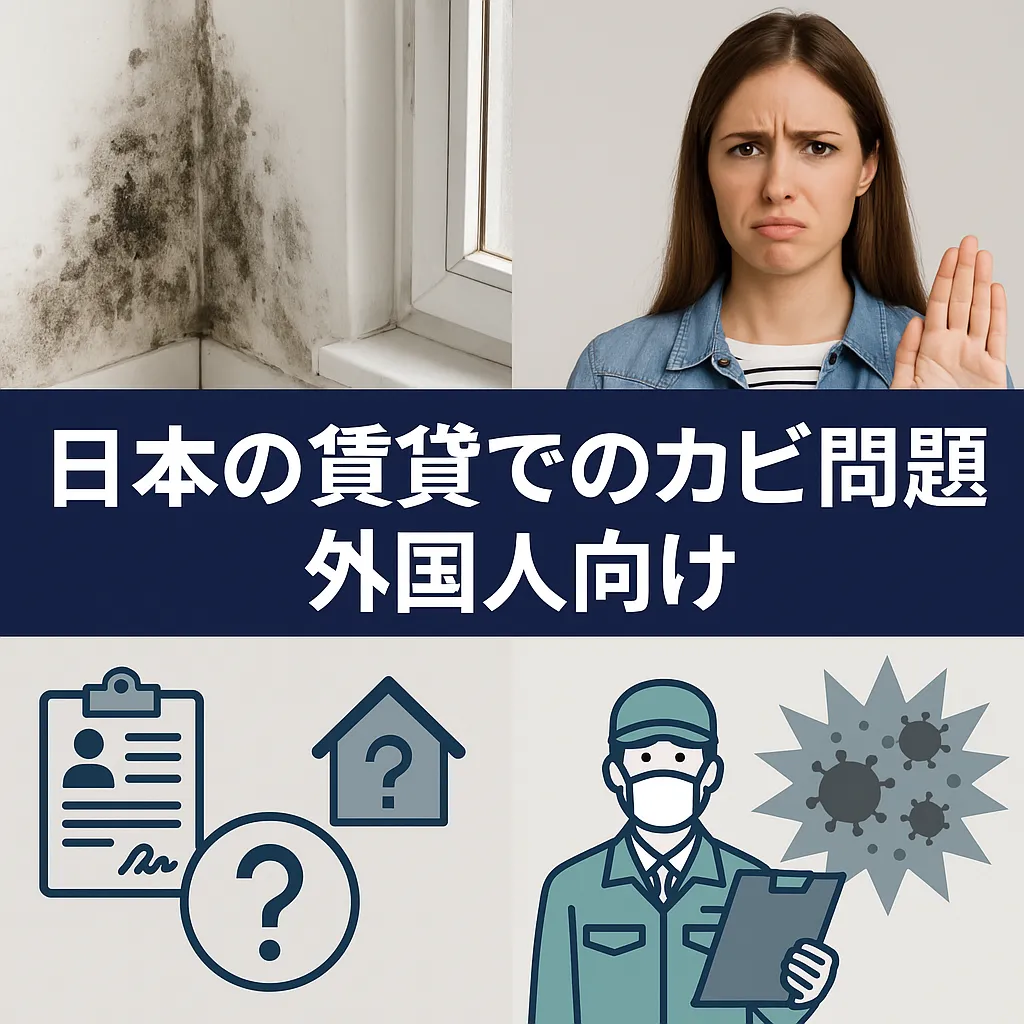
For many foreigners living in Japan, mold becomes an unexpected and frustrating challenge. Especially during Japan’s rainy season and cold winter months, rental properties often experience high humidity and condensation—ideal conditions for mold growth. Cultural differences, unfamiliar climate, and housing structures often leave expatriates unprepared to deal with such issues. In this section, we’ll examine the realities of mold problems foreign residents encounter in Japanese rental housing.
1-1. High Humidity and Condensation: Unique Mold Risks in Japan
Japan’s climate is distinctly seasonal, with high humidity in summer and frequent condensation in winter due to temperature differences between indoors and outdoors. These factors create an ideal breeding ground for mold. Many Japanese rental properties are airtight for energy efficiency but lack proper insulation and ventilation, causing moisture buildup.
Foreigners often come from drier or differently built housing environments and may not be used to the persistent moisture indoors. As a result, they may not take proactive measures until mold has already spread—often in hidden areas like under floors or behind walls.
1-2. Health Risks and Cultural Challenges for Foreign Residents
Mold isn’t just a cosmetic problem—it can have serious health implications, especially for children, seniors, or individuals with allergies. Prolonged exposure can cause respiratory issues, fatigue, and skin irritation.
From a cultural perspective, mold is treated differently in Japan. While Western tenants might see mold as a serious defect requiring immediate action by the landlord, in Japan it is often considered a normal part of life in a humid climate. This difference in perception can create confusion or tension between tenants and property managers, especially when it comes to determining responsibility.
2. Cultural Perceptions of Mold: Japan vs. Western Countries
One of the most surprising cultural differences for foreigners living in Japan is the way mold is perceived and handled. While in many Western countries, mold is seen as a serious issue that requires urgent professional intervention, in Japan, it is often treated as a minor and unavoidable part of life in a humid climate. These differences in perception can lead to misunderstanding and frustration for foreign tenants living in Japanese rental properties.
2-1. Mold as a Normal Occurrence vs. a Serious Concern
In Western countries, the presence of mold is often considered a sign of poor maintenance or structural defect. Tenants expect landlords to address the issue quickly and thoroughly, often involving professional remediation services. Mold is viewed not just as unsightly, but as a serious health hazard.
In contrast, many Japanese residents accept mold as a common seasonal issue. It is often seen as the tenant’s responsibility to clean up minor occurrences, especially in areas like bathrooms and kitchens. This cultural mindset may come as a surprise to foreigners who are used to landlords handling such problems proactively.
2-2. Miscommunication Between Foreign Tenants and Japanese Landlords
These cultural gaps often lead to friction between foreign tenants and Japanese landlords or property managers. A foreign tenant may report a mold issue expecting a professional response, only to be told to simply clean it with a store-bought product. This can feel dismissive and create distrust, even if the landlord believes this is standard practice.
To avoid conflict, it's helpful for foreign tenants to understand this cultural perspective and to clearly communicate their concerns. Likewise, landlords and property managers should be aware of these cultural differences and be prepared to offer more guidance or compromise, especially when renting to expatriates who are unfamiliar with Japan’s housing norms.
3. Mold and Rental Contracts: Understanding Responsibilities in Japan
For foreign tenants in Japan, one of the biggest concerns regarding mold is determining who is responsible for cleanup and repair—tenant or landlord? Japanese rental agreements often contain unique clauses, such as the "duty of due care," which can lead to confusion or disputes if not fully understood. This section explains the contractual responsibilities and how mold-related issues are typically handled in Japan.
3-1. Tenant's Duty of Care and Their Responsibility Scope
Most Japanese rental contracts include a clause called the "善管注意義務" (zenkan chūi gimu), meaning the tenant is expected to act as a “good caretaker” of the property. This implies regular cleaning, proper ventilation, and general upkeep. If mold occurs due to negligence—such as failing to ventilate a bathroom or ignoring moisture buildup—the tenant may be held responsible for damages, including deductions from their security deposit at move-out.
This can be particularly surprising for foreign residents who assume landlords will take care of such issues. Understanding this obligation in advance can prevent unexpected financial and legal complications.
3-2. Landlord Responsibility vs. Tenant Liability
However, not all mold growth is the tenant’s fault. If the issue stems from poor building design, structural defects, or faulty insulation that cause persistent condensation, the landlord may be responsible for fixing the problem. For example, if an apartment has no functioning ventilation or suffers from water leaks, it's generally the landlord’s duty to address it.
That said, proving the source of mold can be challenging. To protect themselves, tenants should document any signs of mold or moisture at the start of the lease—preferably with photos—and report problems to the property manager in writing as soon as they arise. For non-Japanese speakers, it is especially useful to work with real estate agents or legal advisors who offer services in English or other languages.
4. Common Places Where Mold Develops in Japanese Rentals and Why
Mold growth in Japanese rental apartments isn’t random—it typically appears in predictable areas due to the country’s climate and housing design. Understanding where and why mold forms can help tenants take preventive measures and act quickly when early signs appear. In this section, we highlight the most vulnerable spots and the structural reasons behind mold problems in Japanese homes.
4-1. High-Risk Areas: Bathrooms, Windows, and Closets
Bathrooms are the most obvious hotspot for mold in Japan. Daily showers and poor ventilation create lingering humidity, leading to mold buildup on tile grout, rubber seals, ceilings, and even light fixtures. Older apartments may lack proper exhaust fans or have outdated systems that don’t fully remove moisture.
Windows are another trouble zone, especially aluminum-framed windows. During winter, the temperature difference between inside and outside causes condensation to form on the glass and frames. This water drips onto window sills and walls, encouraging mold to form in surrounding wallpaper or wooden frames.
Closets and storage spaces—especially those against outer walls—are often forgotten, but they’re prime mold targets. Poor air circulation, combined with fabric items like futons or clothes that trap moisture, makes them ideal breeding grounds for mold. Walls behind furniture can also suffer from hidden condensation, especially in under-insulated buildings.
4-2. Structural and Insulation Problems That Encourage Mold
A key contributor to mold in Japan is building structure. Many apartments, especially older ones, are built with concrete or thin walls that have high airtightness but poor insulation. These conditions trap moisture inside, and cold surfaces quickly create condensation. If insulation is lacking, interior walls facing the outdoors become chilled, allowing humidity to condense and feed hidden mold inside walls or beneath floors.
Inadequate drainage around balconies or poorly sealed doorways can also lead to moisture buildup that eventually seeps into interior spaces. Without addressing the root structural issues, surface-level cleaning won’t prevent mold from returning.
This is why understanding your apartment’s layout, checking for signs of past water damage, and asking landlords about ventilation and insulation are crucial steps—especially before signing a lease.
5. DIY Mold Prevention and Treatment Methods for Your Home
While professional mold removal is sometimes necessary, many minor mold problems can be prevented—or managed—through simple, everyday habits. Especially in Japan’s humid climate, consistent moisture control and basic cleaning techniques go a long way. In this section, we’ll introduce practical tips that tenants, including foreigners, can use to keep mold at bay in their rental apartments.
5-1. Humidity Control and Ventilation: The First Line of Defense
The most effective way to prevent mold is to keep indoor humidity below 60%. In Japan, humidity often climbs above 70–80% during the rainy season and winter, creating perfect conditions for mold. Simple, consistent ventilation is key.
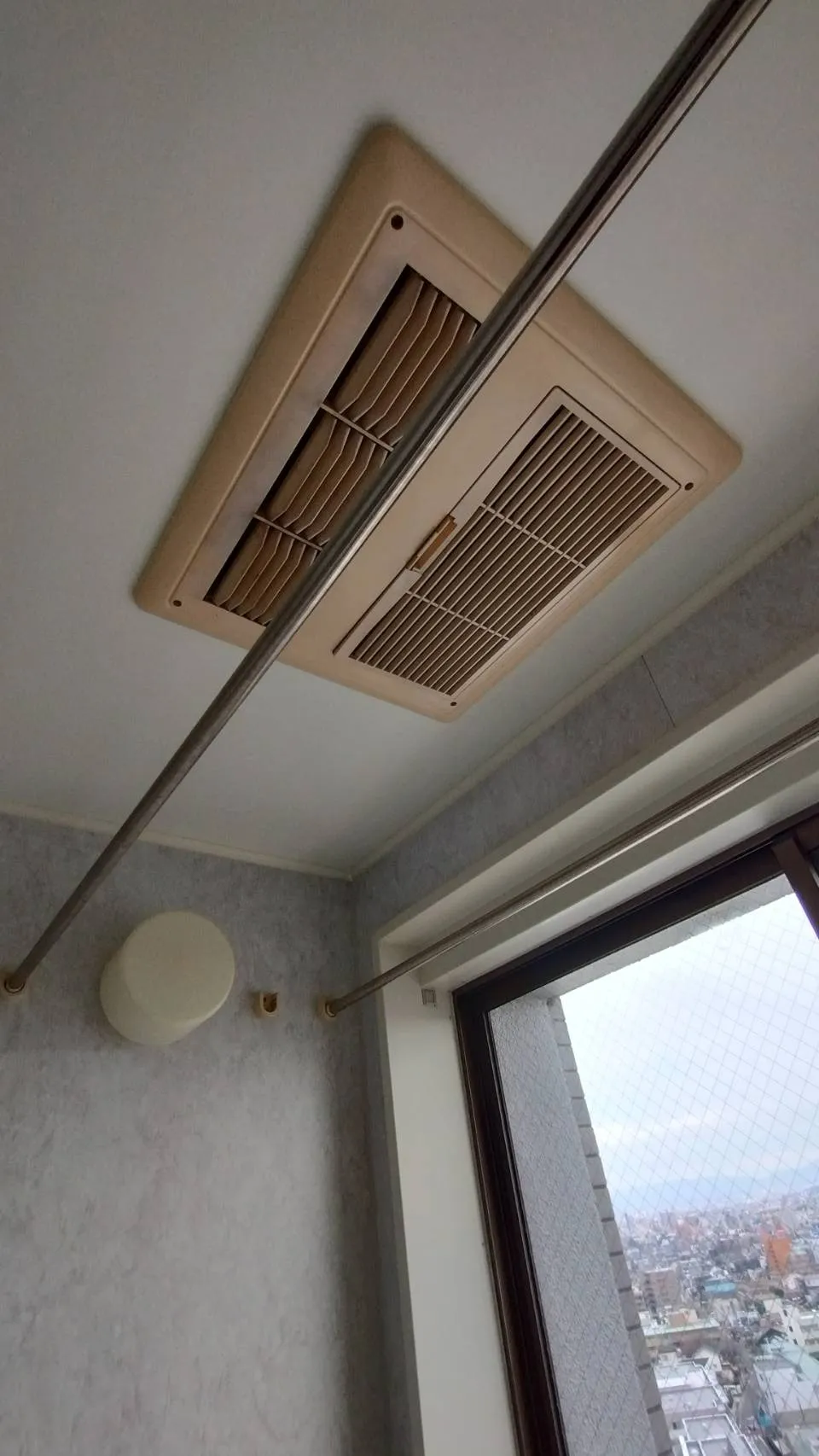
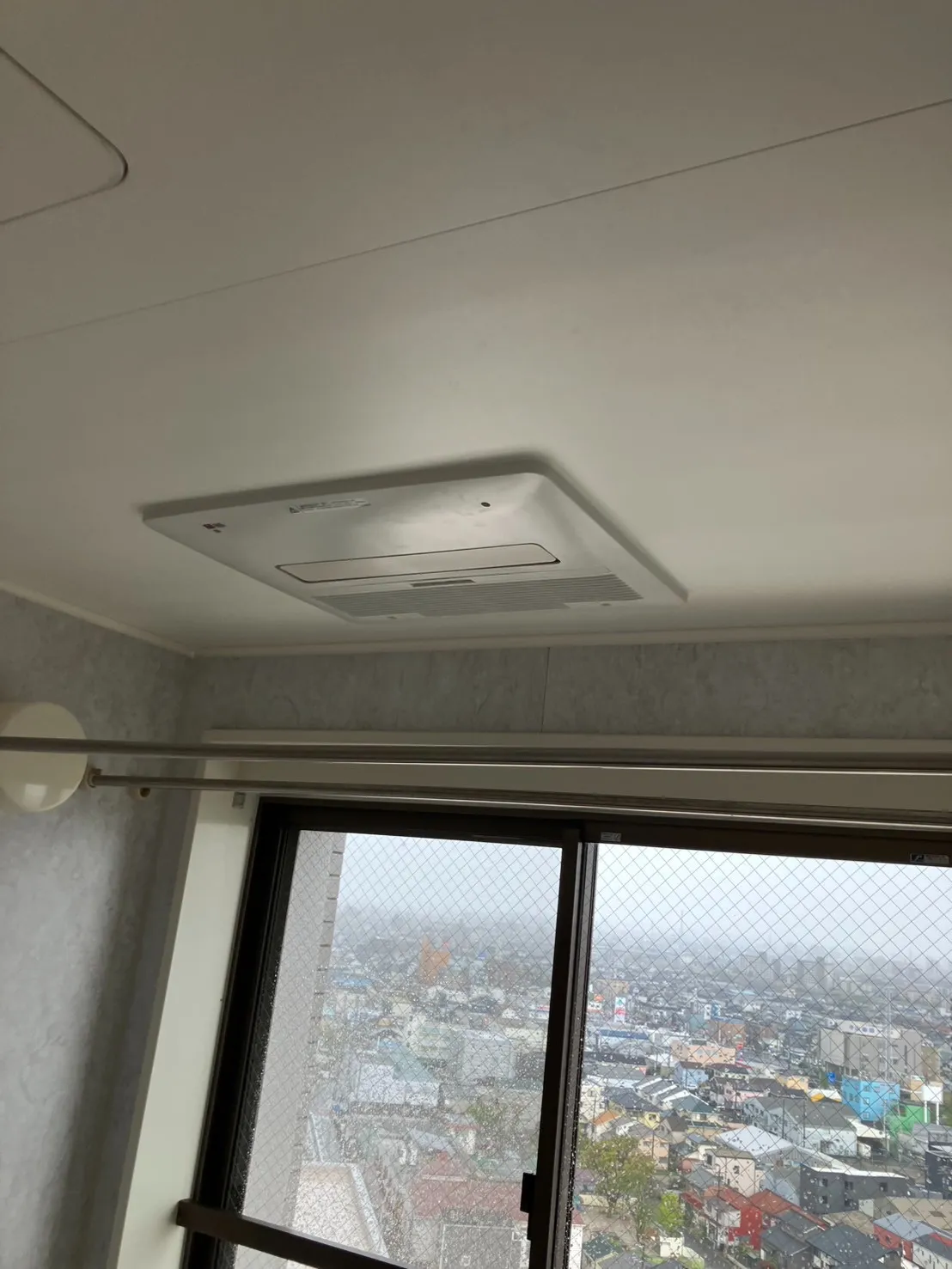
Open windows for 10–15 minutes several times a day, especially after cooking, bathing, or drying clothes indoors. If weather or security is an issue, keep ventilation fans running continuously or use window fans to circulate air. A dehumidifier is also highly recommended—compact models are widely available in Japan and are perfect for closets or small rooms.
Another helpful tool is a circulator fan, which keeps air moving and prevents moisture pockets from forming. These fans are especially useful in poorly ventilated storage spaces or during the winter when natural ventilation is difficult.
5-2. Natural and Store-Bought Mold Cleaning Methods
If you spot mold, quick action is important. For small mold patches, household ingredients like baking soda and vinegar can be effective. Sprinkle baking soda on the affected area, spray it with vinegar, let it bubble for a few minutes, then scrub and wipe clean. This method is safe, odor-free, and eco-friendly.
For tougher mold, store-bought mold cleaners are widely available in Japanese drugstores. Spray or gel types (chlorine-based or non-chlorine) work well on tiles, window frames, and other surfaces. Chlorine-based products are powerful but have a strong odor, so always ventilate and wear gloves when using them.
When cleaning, don’t just wipe visible mold—check behind furniture, inside closets, and beneath rugs. Mold often spreads from hidden areas, and without treating the source, it will return. Follow up cleaning with anti-mold sprays or moisture-absorbing packs for ongoing protection.
6. How Foreign Residents Can Handle Mold Problems in Japan
For foreign tenants, mold isn’t just a household nuisance—it’s often tied to language barriers, cultural misunderstandings, and uncertainty about rights and responsibilities. Without proper knowledge or support, small issues can escalate into major disputes with landlords or management companies. This section offers practical strategies for foreign residents to prevent, document, and resolve mold-related issues effectively.
6-1. Cultural Gaps and Communicating Expectations Early
As discussed earlier, mold is viewed more casually in Japan than in many Western countries. While a Western tenant might see mold as a landlord’s responsibility, a Japanese landlord may expect the tenant to handle cleaning as part of normal upkeep.
To avoid confusion, it’s crucial to communicate early and clearly. When moving in, take photos of areas prone to mold and document any existing issues. Share your concerns and cleaning habits with the landlord or management company. If possible, request a written agreement about who is responsible for mold-related maintenance.
For tenants with limited Japanese proficiency, it’s strongly advised to translate your rental contract or ask for an English version. Many real estate companies in major cities now offer bilingual support—take advantage of it to understand what’s expected.
6-2. English-Speaking Support Services and Where to Get Help
When mold issues arise, having access to English-speaking services can make a huge difference. First, try contacting your real estate agent or property manager—many offer English communication options. Be sure to provide clear photo evidence of the problem and describe when and how it developed.
If further support is needed, there are helpful organizations available. Local governments and international community centers often operate multilingual consultation desks. For example, Tokyo English Lifeline (TELL) and foreign resident support centers offer free advice on housing issues and can refer you to legal help if needed.
You can also check online forums and expat communities where others share experiences and solutions. Platforms like Facebook groups, Reddit, or international housing boards are great for getting firsthand advice from people who’ve faced similar problems in Japan.
7. Professional Mold Removal: Introducing the MIST Method®
If cleaning isn’t enough or mold keeps coming back, it’s time to call in professionals. For foreign tenants in Japan, knowing which method is safe, effective, and non-damaging is essential—especially when dealing with delicate building materials or rented properties. The MIST Method® is a specialized mold removal technique that’s gaining attention for its safety, efficiency, and suitability for Japanese homes. Let’s explore what makes it ideal for both landlords and foreign residents.
7-1. What Is the MIST Method®? A Non-Damaging, Deep-Penetration Solution
The MIST Method® avoids abrasive cleaning methods like scrubbing or sanding. Instead, it uses a custom-blended mold removal agent that is sprayed as a fine mist, allowing it to penetrate deeply into surfaces without damaging the material. This makes it perfect for use on wood, wallpaper, drywall, and even historical or sensitive structures.
One of the biggest advantages of the MIST Method® is its gentle formula—despite its powerful mold-killing ability, the solution is safe for humans, making it suitable for households with children, seniors, or anyone with health sensitivities. The method cleans thoroughly without leaving harmful chemical residues, odors, or causing discoloration.
7-2. Long-Term Effectiveness with Built-In Prevention
Unlike basic mold removal techniques, the MIST Method® also includes preventive treatment after the initial cleanup. This is crucial because airborne mold spores can easily reattach to cleaned surfaces if not protected.
After the misting process, a specialized anti-mold coating is applied, which destroys mold cell membranes and prevents new spores from forming. This barrier provides long-lasting protection, significantly reducing the chance of recurrence.
Another advantage is that each treatment is customized to the property’s materials and mold severity, ensuring maximum effectiveness without overuse of chemicals. Whether you're dealing with stubborn black mold or persistent moisture in hidden spots, MIST offers a tailored solution that respects the integrity of your living space.
8. Post-Mold Treatment: Improving Your Living Environment Long-Term
Removing mold is only half the battle. To ensure a clean, healthy space long-term—especially in Japan’s humid climate—addressing the root causes of mold is essential. Many rental properties suffer from poor insulation, outdated ventilation systems, or inadequate moisture control. In this section, we explore practical upgrades and environmental improvements that tenants and landlords can consider, even in rental settings.
8-1. Insulation and Ventilation: Essential Upgrades to Prevent Mold
The primary cause of recurring mold is a combination of condensation and poor airflow. Even in rentals, there are simple ways to make improvements. Applying thermal window film or anti-condensation sheets can significantly reduce surface moisture during winter.
Good air circulation is key. Running bathroom fans continuously (or upgrading them if possible), using compact ventilation fans, and avoiding over-cluttering tight spaces like closets will all help. In damp areas like wardrobes or under sinks, moisture-absorbing products or charcoal packs are widely used in Japan and can be very effective.
If you're allowed to make minor improvements, consider using a portable dehumidifier, especially during rainy season. These devices are affordable and ideal for bedrooms, storage areas, and other spaces where humidity tends to build up. For families, investing in a bathroom drying fan is also a game-changer for managing moisture after showers and laundry.
8-2. Preserving Property Value and Enhancing Daily Comfort
Uncontrolled mold can damage walls, floors, and furniture, potentially lowering the apartment’s value and resulting in security deposit deductions or repair costs at move-out. Preventing mold is not only a health issue—it also protects your financial interests.
Creating a healthy living environment improves your quality of life and ensures peace of mind, especially for households with children or individuals with allergies. If you’re staying in Japan long-term, or if you're managing a rental property for foreigners, these upgrades are worthwhile.
In some cases, tenants can negotiate with landlords for partial upgrades—like replacing moldy wallpaper with anti-mold varieties, installing better ventilation fans, or sealing exterior leaks. Since these improvements benefit the landlord by protecting the building, they may be open to sharing costs.
Mold Problems? Contact Kabi Busters Osaka & Kabi Reform Nagoya-Tokyo
If you’re living in Japan and dealing with mold that keeps coming back—or if you’re unsure how to clean it safely—Kabi Busters Osaka and Kabi Reform Nagoya-Tokyo are the trusted professionals you need.
Their signature MIST Method® is uniquely designed for Japanese homes. It gently penetrates surfaces without scrubbing or scraping, protecting delicate materials like wood, wallpaper, or traditional interiors. Unlike harsh chemicals, the treatment is non-toxic and safe for children and seniors, making it ideal for expat families.
Beyond cleaning, Kabi Reform Nagoya-Tokyo offers solutions that prevent mold from returning, including moisture control upgrades, insulation support, and anti-mold coatings. Their team also understands the needs of international residents and provides multilingual support to ensure clear communication every step of the way.
Whether you're renting short-term or settling in for years, protecting your health and your living space from mold is essential. With Kabi Busters Osaka and Kabi Reform Nagoya-Tokyo, you don’t have to face mold issues alone. Their professional, eco-friendly, and culturally aware service makes them the perfect partner for keeping your home clean and safe.
---------------------------------------------------------------------
カビ取リフォーム
東京営業所
〒141-0022
東京都品川区東五反田2-5-2 YHE CASK GOTANDA6階
電話番号:090-8321-4408
名古屋本社
〒465-0028
愛知県名古屋市名東区猪高台1-1301 タイコウビル1F
電話番号 : 0120-588-766
サイト:https://taikou-kensou.co.jp/
大阪営業所
〒532-0003
大阪府大阪市淀川区宮原1-19-23
電話番号:080-6978-3068
カビバスターズ大阪
https://kabibusters-osaka.com/
【検査機関】
一般社団法人微生物対策協会
https://kabikensa.com/
----------------------------------------------------------------------