Transform Your Bathroom in a Week: Anti-Mold Hacks That Last
2025/06/13
Bathrooms are naturally prone to mold due to their warm, humid, and often neglected environments. Mold not only looks unpleasant but can also affect your health. Ignoring the problem only makes it worse.
This article explains how mold forms in bathrooms and offers a full strategy—from daily routines and cleaner choices to seasonal preparations and pro hacks—that anyone can follow with ease.
You’ll learn efficient and simple methods to keep your bathroom clean and mold-free with minimal effort, helping maintain a healthier and more comfortable home environment.
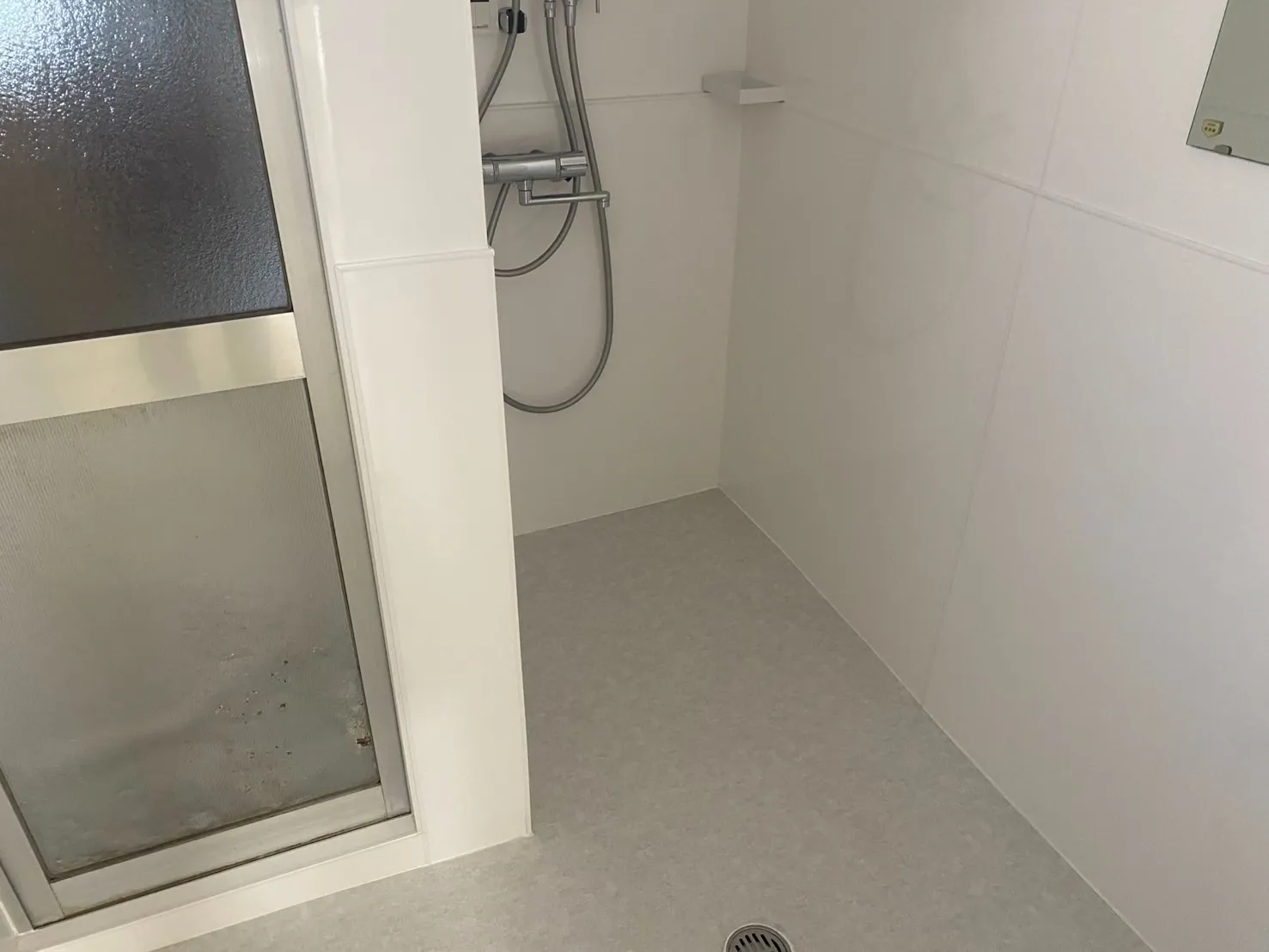
1. Why Does Mold Grow in Bathrooms?
Mold growth in the bathroom isn’t just about dirt—it’s the result of specific environmental conditions. By understanding the root causes, you can implement more effective mold prevention strategies. Here, we’ll explain the three key factors that encourage mold and the differences and dangers of common mold types like black and red mold.
1-1. The “Three Essentials”: Humidity, Temperature, and Nutrients
Mold thrives when three conditions are met: high humidity, warmth, and an organic food source. Bathrooms provide all three in abundance. First, humidity levels after a shower often exceed 90%, creating an ideal environment for mold spores. Second, mold prefers temperatures between 20°C and 30°C (68°F to 86°F), which are common in most bathrooms, especially during and after bathing. Lastly, the bathroom is full of nutrients like body oils, soap residue, shampoo drips, and other organic debris. Without regular cleaning, these elements feed mold growth. Essentially, a frequently used bathroom without proper maintenance becomes a mold’s paradise.
1-2. Types and Dangers of Mold: Black Mold vs. Red Mold
Two of the most common types of mold found in bathrooms are black mold and red mold. Black mold, often identified as Cladosporium, typically appears along tile grout, rubber seals, and window frames. It’s unsightly and stubborn—once it takes root, it's hard to remove completely. Worse, prolonged exposure to black mold can trigger allergies or asthma-like symptoms, particularly in sensitive individuals. Red mold, on the other hand, is usually a type of yeast called Rhodotorula. It thrives around the edges of bathtubs and drains, forming pink or reddish slime. While not as deeply rooted or hazardous as black mold, red mold can still act as a precursor to more serious growth if left unchecked. Both types should be addressed early with the right cleaning and prevention practices.
2. Daily Habits to Prevent Mold Growth
When it comes to mold prevention, consistency is key. You don’t need expensive products or professional equipment—simple daily routines can significantly reduce the risk of mold in your bathroom. This section outlines two practical and easy-to-implement habits that make a big difference.
2-1. Hot & Cold Water Showers: A Smart Routine
Before taking a shower, rinsing the bathroom with warm water helps wash away any residual body oils, soap scum, or other debris that mold feeds on. After bathing, using hot water (around 45–50°C or 113–122°F) to rinse the walls, floor, and drain areas can help kill any lingering mold spores and remove fresh buildup. Follow that with a rinse of cold water to quickly lower the surface temperature. This drop in temperature makes the environment less favorable for mold growth. Making this “hot then cold” water rinse part of your daily post-shower routine is a simple yet powerful strategy for long-term mold prevention.
2-2. Wiping Moisture & Proper Ventilation
Controlling moisture is one of the most effective ways to fight mold. After bathing, use a squeegee or absorbent towel to remove water from walls, floors, and fixtures—especially in areas where water tends to collect, like around corners or seals. After drying, be sure to ventilate properly. Turn on the exhaust fan immediately and keep it running for at least 1 to 2 hours. If possible, keep the bathroom door slightly open to promote airflow. However, during humid weather or the rainy season, outdoor air might increase moisture levels, so rely more on mechanical ventilation like exhaust fans or dehumidifiers during such times. These small daily actions can drastically reduce the conditions that allow mold to flourish.
3. Effective Mold Cleaners and How to Choose the Right One
When mold appears, choosing the right cleaning product is essential for safe and effective removal. With so many options on the market, understanding which cleaner suits your needs—and how to use it correctly—can make all the difference. In this section, we’ll explore the strengths of different mold-fighting products, including both chemical and natural alternatives.
3-1. Chlorine vs. Oxygen Bleach: When and How to Use Them
Chlorine bleach products, such as mold removers or general-purpose disinfectants, are among the most powerful options for eliminating stubborn black mold. These cleaners penetrate deep into surfaces and kill mold at the root. They are ideal for use on tile grout, caulking, and rubber seals, but they emit strong fumes and can damage delicate materials if used incorrectly. Always wear gloves and ventilate the bathroom when using chlorine bleach.
Oxygen bleach, often based on sodium percarbonate, offers a gentler alternative with less odor and lower risk of surface damage. It works best for early-stage mold and lighter discoloration, making it perfect for routine maintenance or cleaning less porous areas. Oxygen bleach is also suitable for soaking towels or bath mats, making it a versatile addition to your cleaning routine.
3-2. Natural Alternatives: Baking Soda, Vinegar, and More
If you prefer to avoid harsh chemicals, natural cleaners like baking soda and vinegar are excellent options. Baking soda is mildly alkaline and helps dissolve grime and soap scum. It can be used as a paste or a light scrubbing powder for surfaces like walls and tubs. Vinegar, on the other hand, is acidic and effective at breaking down mineral buildup and killing some mold species on contact. For enhanced results, use baking soda and vinegar together—first sprinkle baking soda, then spray vinegar to create a fizzy reaction that lifts dirt and mildew.
While natural cleaners are safer for your health and surfaces, they may not be strong enough to eliminate deeply rooted black mold. However, they are ideal for preventative care and light cleaning when used consistently.
4. Boost Your Mold Defense with Store-Bought Products
While daily cleaning habits are essential, using the right products can take your mold prevention to the next level. Mold-prevention sprays, dehumidifiers, and innovative gadgets are readily available and easy to use. In this section, we’ll introduce popular anti-mold items and smart ways to use them in your bathroom.
4-1. Smoke-Type and Spray-Type Mold Prevention Products
One of the most effective tools for long-term mold prevention is a smoke-type mold prevention bomb. These products release an antibacterial silver ion mist that spreads throughout the entire bathroom, reaching areas that are hard to clean manually. They’re simple to use—just place the can in your bathroom, press the button, and let it work for about an hour. The mist clings to surfaces and inhibits mold growth for up to two months. It’s a hassle-free way to reset your bathroom’s hygiene.
For targeted application, spray-type mold preventers are ideal. These allow you to treat specific areas prone to mold, such as grout lines, seals, or corners. Simply spray and let it dry—many of these sprays offer long-lasting protection and are safe to use regularly.
4-2. Where and How to Use Dehumidifiers and Exhaust Fans
Dehumidifiers help control moisture in areas where natural ventilation isn’t enough. Chemical-based dehumidifiers containing silica gel or calcium chloride are affordable and effective for small spaces like laundry rooms or closets near the bathroom. For more robust protection, consider electric dehumidifiers or fans that help circulate air and reduce humidity levels.
If your bathroom lacks a window, it’s crucial to use an exhaust fan and leave the door slightly open after use. A small floor fan can also help move air around stagnant corners. Placing dehumidifiers near corners, under shelves, or in adjacent areas like changing rooms ensures that the entire environment remains dry and inhospitable to mold.
5. Towels, Mats, and Accessories: Hidden Hotspots for Mold
When thinking about bathroom mold, most people focus on walls and floors. But everyday items like towels, bath mats, and small accessories often go overlooked—even though they are prime mold breeding grounds. In this section, we’ll show you how proper storage and care of these items can prevent mold from taking hold.
5-1. Drying Towels and Mats Immediately After Use
Damp towels and bath mats are like sponges for mold. They retain moisture long after use, especially when left in warm, poorly ventilated areas. The key is to dry them as soon as possible. Hang towels in well-ventilated spaces or use a dryer to remove moisture quickly. Avoid leaving them bunched up or hanging inside the bathroom where humidity lingers.
Bath mats, which absorb water from the floor, should be washed frequently and thoroughly dried after each use. Consider using quick-dry materials and having a backup mat on hand so you can rotate between them. Making “drying right after use” a daily habit greatly reduces the risk of mold growth on these commonly used items.
5-2. Smart Storage and Regular Cleaning of Bathroom Accessories
Items like shampoo bottles, soap trays, and toys often stay wet and collect grime—especially on their bottoms. If placed directly on the floor or in corners, water collects and creates a perfect environment for mold. To prevent this, use “floating” storage solutions such as hanging shelves or wall-mounted holders that allow items to drip dry.
Additionally, commit to cleaning bathroom accessories at least once a week. Take everything out, wash them thoroughly, and let them air-dry completely before putting them back. The fewer items you store in the bathroom, the easier it is to keep everything clean. Reducing clutter also makes it harder for mold to hide and multiply.
6. How to Use Ventilation Fans and Natural Airflow Effectively
Ventilation is one of the most powerful weapons against bathroom mold. Even the best cleaning routine won’t be effective if moisture is trapped inside. This section explains how to use exhaust fans properly and how to make the most of natural airflow to keep your bathroom dry and mold-free.
6-1. How Long to Run the Exhaust Fan Before and After Bathing
One of the most common mistakes is turning off the exhaust fan right after showering. Although steam may appear to dissipate quickly, residual humidity remains in the air and on surfaces—perfect for mold. Ideally, run your exhaust fan during your bath or shower and keep it on for at least 1–2 hours afterward. If your fan has a timer or a continuous ventilation setting, use it to maintain airflow throughout the day.
If your bathroom has a built-in drying heater, use it to dry walls, ceilings, and floors immediately after bathing. The faster you can lower the humidity, the less chance mold has to grow. Reducing moisture quickly is critical, especially during cold or humid seasons when drying takes longer naturally.
6-2. Cleaning Exhaust Fan Filters and Proper Door/Window Usage
An exhaust fan clogged with dust can’t do its job properly. Clean the fan filter every 1–2 months using a mild detergent and a soft brush or sponge. Make sure the fan blades and duct are free of dust buildup as well. Good maintenance ensures effective air circulation.
When relying on natural ventilation, slightly open the bathroom door or window after use. Avoid fully opening them during rainy or humid days, as outside moisture can worsen the problem. A small opening helps create gentle airflow without introducing more humidity. If your door has a ventilation gap at the bottom, use it to allow air to flow in or out. Always think in terms of airflow pathways, not just "open or closed" windows.
7. DIY Tricks and Techniques to Try Before Calling a Pro
When mold in the bathroom becomes stubborn or keeps coming back, you might feel tempted to call in a professional right away. But before you do, there are a few surprisingly effective tricks you can try at home. These low-cost, simple methods often deliver results that rival professional cleaning—without the hassle.
7-1. Use Plastic Wrap and Soak to Attack Stubborn Mold
Black mold in rubber seals or tile grout can be hard to remove because it penetrates deep into porous surfaces. A great trick is to apply a bleach-based mold remover and then cover it with plastic wrap. This traps the moisture and prevents the cleaner from drying out, allowing it to work longer and more deeply.
Leave the wrap on for 30 minutes to 1 hour, then remove it and rinse thoroughly with water. The chemical has time to penetrate and kill mold at the root, making this method especially effective for problem areas. It's simple, inexpensive, and often delivers professional-level results.
7-2. Extend Your Reach with Long-Handle Wipers for Ceilings
Ceilings are easy to forget—but mold loves to grow there due to rising steam and poor ventilation. Use a long-handled wiper or mop, attach a disinfectant wipe or cloth soaked in vinegar solution, and gently clean the ceiling. This helps prevent mold buildup in hard-to-reach areas.
These tools are lightweight and easy to use, making them perfect for weekly upkeep. Regular ceiling maintenance helps eliminate invisible moisture and bacteria before mold can take hold. The more you address overlooked areas, the more you reduce the risk of mold throughout the bathroom.
8. Seasonal Mold Prevention: Winter, Rainy Season, and Summer
Mold can grow all year round, but the conditions that encourage it vary by season. In the rainy season and summer, high humidity creates a perfect breeding ground. In winter, condensation becomes the hidden culprit. Understanding how mold behaves across the seasons helps you prepare and prevent more effectively.
8-1. Prepare for the Rainy Season with a Pre-Cleaning Schedule
The rainy season is peak mold time, thanks to consistently high humidity. But the key to beating it is to act early—ideally in mid-May, before the season begins. Start with a deep clean of the entire bathroom, using a chlorine-based mold remover and a smoke-type anti-mold bomb to eliminate hidden spores.
Then, maintain the space with weekly cleaning, daily wiping, and effective ventilation. Since outdoor air is often humid during this season, mechanical ventilation like exhaust fans and dehumidifiers is more reliable than opening windows. Taking these steps in advance sets you up for a mold-free rainy season.
8-2. Winter Mold Risks: Combating Condensation with Heat Drying
Winter may seem less mold-prone due to cooler temperatures, but condensation from warm showers and cold surfaces creates hidden moisture. This is especially common on ceilings and walls, where warm steam hits cold surfaces and forms water droplets.
To combat this, use exhaust fans immediately after bathing and consider switching on your bathroom’s heat-drying system. This rapidly reduces humidity and dries surfaces before mold can settle. Pre-warming the bathroom slightly before use can also reduce condensation. After use, crack a door or window to release humid air and promote circulation. Tailoring your approach to the season is key to year-round mold prevention.
9. How to Use Mold Prevention Products Safely and Effectively
Mold-fighting products are powerful tools—but using them incorrectly can reduce their effectiveness or even cause harm. From cleaning agents to anti-mold sprays, understanding how to apply them safely is essential. In this section, we’ll go over the key precautions and best practices to make sure your efforts yield the best results.
9-1. Never Mix Cleaners and Always Use Protective Gear
It might seem logical to combine multiple cleaners for better results, but mixing them—especially chlorine-based and acidic cleaners—is dangerous. This combination can release toxic gases like chlorine, which can irritate your eyes, throat, or even cause serious respiratory issues.
Always use one type of cleaner at a time, and allow enough ventilation and time before applying another. Wear gloves and a mask when handling strong chemicals, and keep the bathroom well-ventilated during and after use. Also, store all products out of reach of children and pets. Being cautious ensures that your mold-fighting routine is not only effective but also safe.
9-2. Proper Use of Smoke-Type Mold Prevention Bombs
Smoke-type mold prevention products are incredibly effective, but only when used correctly. Before activation, make sure the bathroom is sealed off—doors and windows closed—and that no one enters the space during the treatment. These bombs typically require around one hour to work, during which the silver ion mist settles on all surfaces.
Don’t ventilate too early, or you’ll weaken the effectiveness. Once the recommended time has passed, ventilate thoroughly using the exhaust fan and by opening doors and windows. Also, follow the product’s usage frequency (usually every two months). Overusing these products can be harmful to materials or even your health, so always follow instructions precisely.
10. Easy-to-Follow Checklist to Keep Your Bathroom Mold-Free
The key to lasting mold prevention isn’t a one-time deep clean—it’s maintaining simple daily and monthly habits. But consistency doesn’t have to be difficult. By creating an easy, repeatable checklist, you can prevent mold effortlessly over the long term. This section outlines practical routines that anyone can keep up with.
10-1. Daily Habit Checklist for Mold Prevention
Integrating these tasks into your daily bathroom routine can significantly reduce mold risks:
・Rinse bathroom surfaces with cold water after showering to lower the temperature
・Use a squeegee or towel to remove water from walls, floors, and mirrors
・Run the exhaust fan for at least 1–2 hours after each use (or continuously if possible)
・Don’t leave wet towels or bath mats inside the bathroom
・Keep bottles and trays organized and water-free by returning them to proper holders
Each task takes just a few minutes but goes a long way in keeping mold away. Over time, these small habits add up to big results, reducing the need for heavy-duty cleaning and saving both time and money.
10-2. Monthly and Seasonal Maintenance Schedule
In addition to daily routines, scheduled maintenance every month and season ensures deep, long-term prevention:
・Once a month: Clean exhaust fan filters and inspect anti-mold products
・Every two months: Use a smoke-type mold bomb and scrub grout or rubber seals
・Before rainy season or autumn: Do a full bathroom cleaning and adjust dehumidifier or fan settings
・Winter: Watch for condensation; clean ceilings and walls more frequently; consider insulation film
By separating tasks into daily, monthly, and seasonal levels, mold prevention becomes easy to manage. Use smartphone calendars or checklist apps to remind you and stay on track without stress.
Mold Removal and Prevention: Trust Kabibusters Osaka and Kabitori Reform Nagoya & Tokyo
If you're serious about eliminating mold from your bathroom—or any part of your home—professional help is the surest solution. At Kabibusters Osaka, and our sister branches Kabitori Reform Nagoya & Tokyo, we offer the cutting-edge MIST Method®, a proprietary mold removal technique developed in-house to eliminate mold safely and thoroughly.
Unlike conventional cleaning methods, the MIST Method doesn’t involve scrubbing or sanding, which can damage delicate surfaces. Instead, we customize our specially formulated cleaning agents to match the materials and the mold growth level, ensuring deep penetration to destroy mold at its root—without harming your bathroom’s structure or finish. This method is so gentle and effective that it's even used in historic buildings requiring careful preservation.
But we don't stop at removal. After the mold is gone, we apply a powerful and long-lasting anti-mold treatment to prevent it from coming back. Our silver ion-based mist penetrates deep into surfaces and air, neutralizing airborne mold spores and creating a lasting protective barrier. It’s safe for homes with children, seniors, or individuals with sensitive respiratory systems. All of our solutions have passed rigorous safety tests, including industrial wastewater testing.
With service locations in Osaka, Nagoya, and Tokyo, we tailor our solutions to the unique environmental conditions of each region. Whether it's a bathroom, ceiling, crawl space, or even an entire room, our expert teams bring precision, safety, and professionalism to every project.
If you've tried everything—cleaners, gadgets, ventilation—but mold keeps returning, it's time to call in the experts. Reach out to Kabibusters Osaka, or Kabitori Reform Nagoya & Tokyo, and reclaim a clean, mold-free living space today.
---------------------------------------------------------------------
カビ取リフォーム
東京営業所
〒141-0022
東京都品川区東五反田2-5-2 YHE CASK GOTANDA6階
電話番号:090-8321-4408
名古屋本社
〒465-0028
愛知県名古屋市名東区猪高台1-1301 タイコウビル1F
電話番号 : 0120-588-766
サイト:https://taikou-kensou.co.jp/
大阪営業所
〒532-0003
大阪府大阪市淀川区宮原1-19-23
電話番号:080-6978-3068
カビバスターズ大阪
https://kabibusters-osaka.com/
【検査機関】
一般社団法人微生物対策協会
https://kabikensa.com/
----------------------------------------------------------------------