Not Just for Water Leaks! How to Create a Construction Specification that Includes Mold Prevention
2025/06/11
At construction sites where water leakage issues occur, it's not uncommon for the response to end with simple repairs and drying. However, neglecting proper mold prevention can lead to mold regrowth within months, potentially causing structural deterioration and client complaints.
This article provides a clear guide on how to integrate a comprehensive process into your construction specifications—from identifying the cause of the leak, through drying, diagnosis, mold removal, and mold prevention, to long-term reoccurrence control. It also introduces a practical workflow utilizing the MIST Method®.
By considering not just the leak itself but the "risks beyond," you can design for effective mold prevention. This approach not only enhances construction quality but also boosts aftercare and client trust, equipping professionals with valuable expertise that raises their credibility.
1. What Is the Relationship Between Water Leaks and Mold? Understanding the Mechanism
Water leaks in buildings are not limited to simple water damage—they often trap moisture within structural components, creating an ideal breeding ground for mold. If moisture remains absorbed in building materials without proper drying, mold can begin to develop in as little as 48 hours, potentially leading to serious issues even shortly after construction. Understanding the mechanism behind how water leaks lead to mold is the first critical step toward effective prevention.
1-1. Why Moisture Retention from Leaks Leads to Mold Growth
For mold to grow, three conditions must be met: moisture, warmth, and a nutrient source. Water leaks provide an immediate source of moisture, and when building materials remain damp, the other two conditions—optimal temperatures between 20–30°C and organic materials—are naturally met, creating the perfect environment for mold to thrive.
Materials like wood, insulation, and gypsum board are highly absorbent. Once they soak up moisture, it often remains deep inside, making surface drying ineffective. If left unaddressed, mold can begin growing in hidden areas like inside walls or under floors, and by the time it's visible, the damage is often widespread.
1-2. How Mold Affects Health and Building Integrity
Mold caused by water leaks doesn’t just look unsightly—it severely affects the durability and safety of a home. When mold spreads through wood, it gradually weakens the material, potentially leading to structural decay. This deterioration can even compromise the building’s earthquake resistance, posing serious long-term risks.
In addition, mold releases spores and metabolic byproducts (MVOCs) into the air, which may trigger allergic reactions, asthma, or sick building syndrome. These effects are particularly severe for children and the elderly. For construction professionals, overlooking mold resulting from leaks risks both the structural quality of a building and the health of its occupants.
1-3. Why Mold from Leaks Has a High Recurrence Rate
Mold that results from leaks often penetrates deep into materials, making it difficult to fully remove with surface cleaning alone. Its high recurrence rate is due to mold's hyphae (roots) embedding in the moisture-affected layers, allowing it to survive and regrow even if the surface appears clean.
If the leak isn't properly repaired or the drying process is incomplete, the damp environment mold thrives in may return, increasing the chances of recurrence. Hidden spaces like behind walls, under floors, and above ceilings are particularly susceptible, as they tend to trap moisture and allow mold to regrow unnoticed.
Often, homeowners aren't even aware a leak occurred. It's common to hear complaints like "I don’t know why there’s mold" or "It keeps coming back no matter how many times I clean it." Because of this, mold caused by leaks requires specialized treatment—thorough drying, addressing the root cause, and deep decontamination of affected materials.
2. On-Site Inspection Points for Identifying the Causes of Water Leaks
To prevent mold from recurring, it's essential to accurately identify the root cause of the water leak and carry out thorough repairs from the source. Temporary fixes often leave the risk of recurrence, potentially leading to further damage just months later. In this section, we’ll explain the main causes of water leaks and the key on-site inspection points to watch for.
2-1. Identifying Deterioration and Damage Around Exterior Walls, Roofs, and Plumbing
Common causes of water leaks include cracks in exterior walls, deterioration of waterproofing layers on roofs, and damaged or condensation-prone plumbing. Small cracks around exterior walls and window frames can allow rainwater to seep in, drawing moisture into the interior. This is especially critical with materials like ALC panels or mortar walls, which are prone to aging and require close inspection.
On roofs, leaks are often linked to failing sealants, deteriorated underlayment, or improper flashing. Inspections should also include the attic, where condensation caused by temperature differences can create mold-prone conditions. Around plumbing, joint wear, freeze-related cracks, and small, hidden leaks in embedded piping are often overlooked. In addition to visible signs, changes in humidity, sound, or odors can signal a potential leak.
2-2. Waterproofing Defects at Gaps and Junctions During Construction
Another frequent cause of leaks stems from construction errors—especially at junctions where different materials meet or around openings like windows and pipe penetrations. These areas are vulnerable to water intrusion if waterproofing is inadequate.
Issues like missing waterproof tape, insufficient sealant, or breaks in water-stopping materials can all become entry points for moisture. Thorough visual inspections or water spray tests before handover are essential. Additionally, areas like siding joints or around balcony drains are susceptible to water pooling and interior seepage, which can lead to hidden mold. Keeping detailed inspection records post-construction helps with future repair planning.
2-3. Routine Inspections and Early Warning Signs to Prevent Overlooked Leaks
Leaks are often only noticed after significant damage has occurred, so early detection is crucial. This requires consistent routine inspections and recognizing the subtle signs of mold and decay.
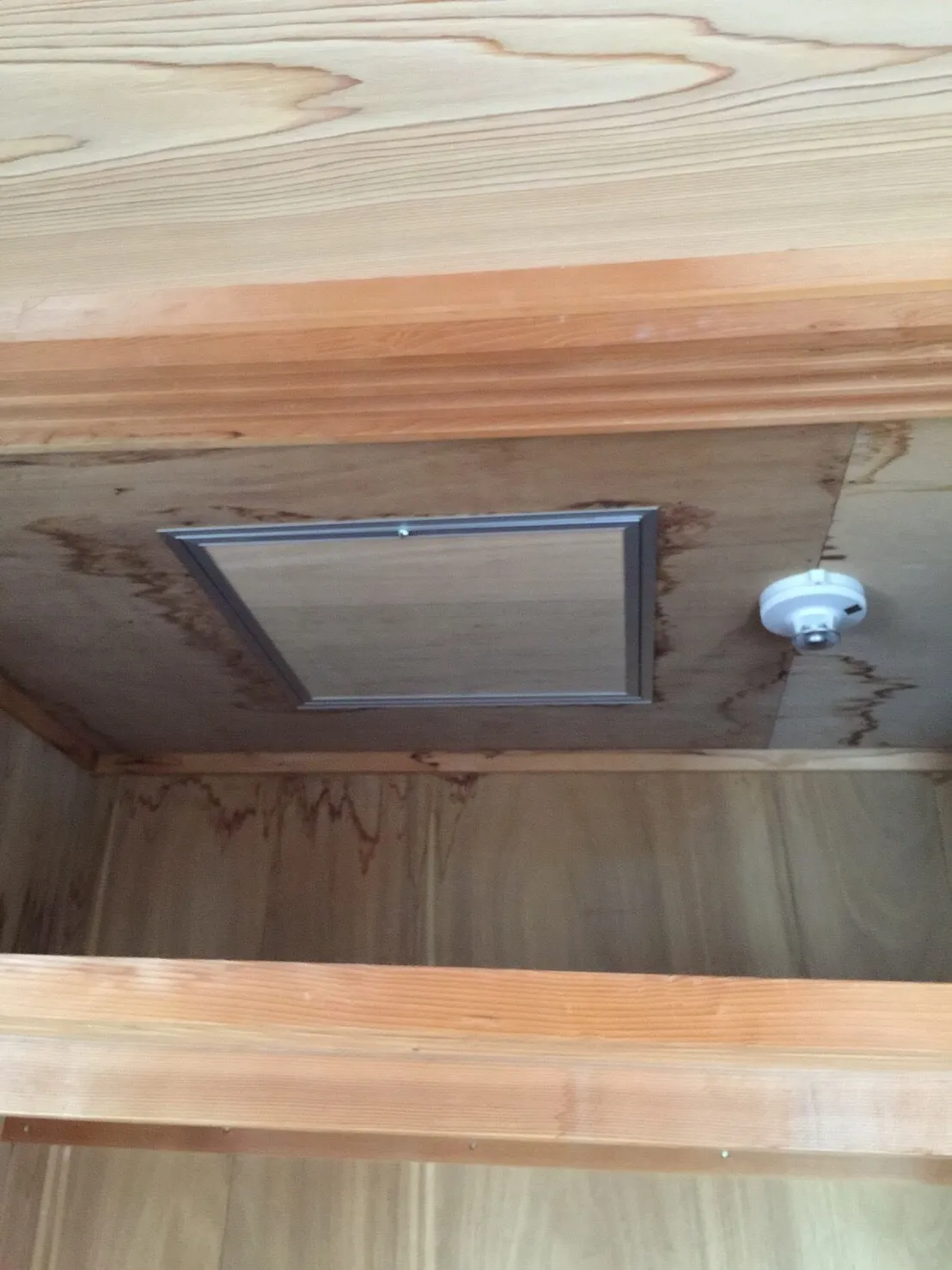
Watch for discoloration, warping, or bulging on ceilings, walls, and floors—these often indicate internal moisture retention. A musty smell or stale air indoors can signal hidden mold growth. Also be alert to cracked exterior sealants, dark stains near window frames, or marks under balconies—these are all warning signs of potential leaks.
Using a checklist during regular inspections and keeping photographic records makes it easier to track changes. For even more precise monitoring, simple IoT devices like humidity loggers or leak sensors can track hard-to-see moisture shifts in real time. By consistently inspecting and staying alert to early signs, you can catch leaks before they cause major damage and prevent mold infestations.
3. Initial Response and Drying Process After Water Leak Detection
When a water leak is discovered, responding quickly and accurately is critical to preventing further damage and mold growth. Just because the water has stopped doesn't mean the danger is over—any remaining moisture still poses a high risk of mold. This section provides a detailed explanation of the essential initial response steps and practical drying processes to be followed on construction sites.
3-1. Steps for Identifying the Leak Location and Taking Temporary Measures
The top priority when a leak is detected is to accurately locate the source and stop the water from entering completely. In addition to visible signs like ceiling drips, wet floors, or wall stains, clues such as sounds, odors, or unusual humidity levels can help identify the leak source.
Once the leak is pinpointed, take immediate temporary action using materials such as sealants, waterproof tape, or tarps. Notify the client and relevant parties to suspend use of the affected area. To prevent further damage to interior furnishings, promptly remove any wet items and, if needed, isolate the area. Simultaneously, document the extent of the damage with photos and humidity readings, as this evidence is essential for repairs or insurance claims.
3-2. Practical Methods for Rapid Drying Using Air Circulation and Dehumidification
A common oversight after a leak is assuming that "if it looks dry, it is dry." Highly absorbent materials like wood, gypsum board, and insulation can retain moisture deep inside, creating ideal conditions for mold to start growing within just 48 hours.
Effective drying requires forced air circulation using fans, dehumidifiers, and exhaust systems. For small leaks, household dehumidifiers may suffice, but for larger-scale issues or construction sites, industrial blowers and desiccant dehumidifiers are recommended.
Aim to complete drying within 48 hours. Use humidity meters or moisture sensors to confirm that relative humidity is below 50%, or that material moisture content has returned to safe levels. Skipping or rushing this drying stage can trap moisture behind finishing materials, leading to hidden mold growth and serious future problems.
4. Mold Assessment and Inspection Methods After a Water Leak
After addressing the water leak, the next crucial step is accurately diagnosing whether mold has developed. Even when drying seems complete, moisture may remain deep within materials, or mold could already be growing in unseen areas. Skipping proper assessment due to incorrect assumptions can lead directly to mold recurrence or customer complaints. That’s why objective, multi-faceted inspections are essential.
4-1. Visual and Olfactory Inspection with Fiberscope Support
The most fundamental method of mold assessment starts with visual and olfactory inspection. Focus on areas most likely affected by the leak—such as attics, wall surfaces, and inside closets—to look for signs like discoloration, stains, black spots, or powdery mold. At the same time, a musty smell or the presence of damp air indoors are important indicators.
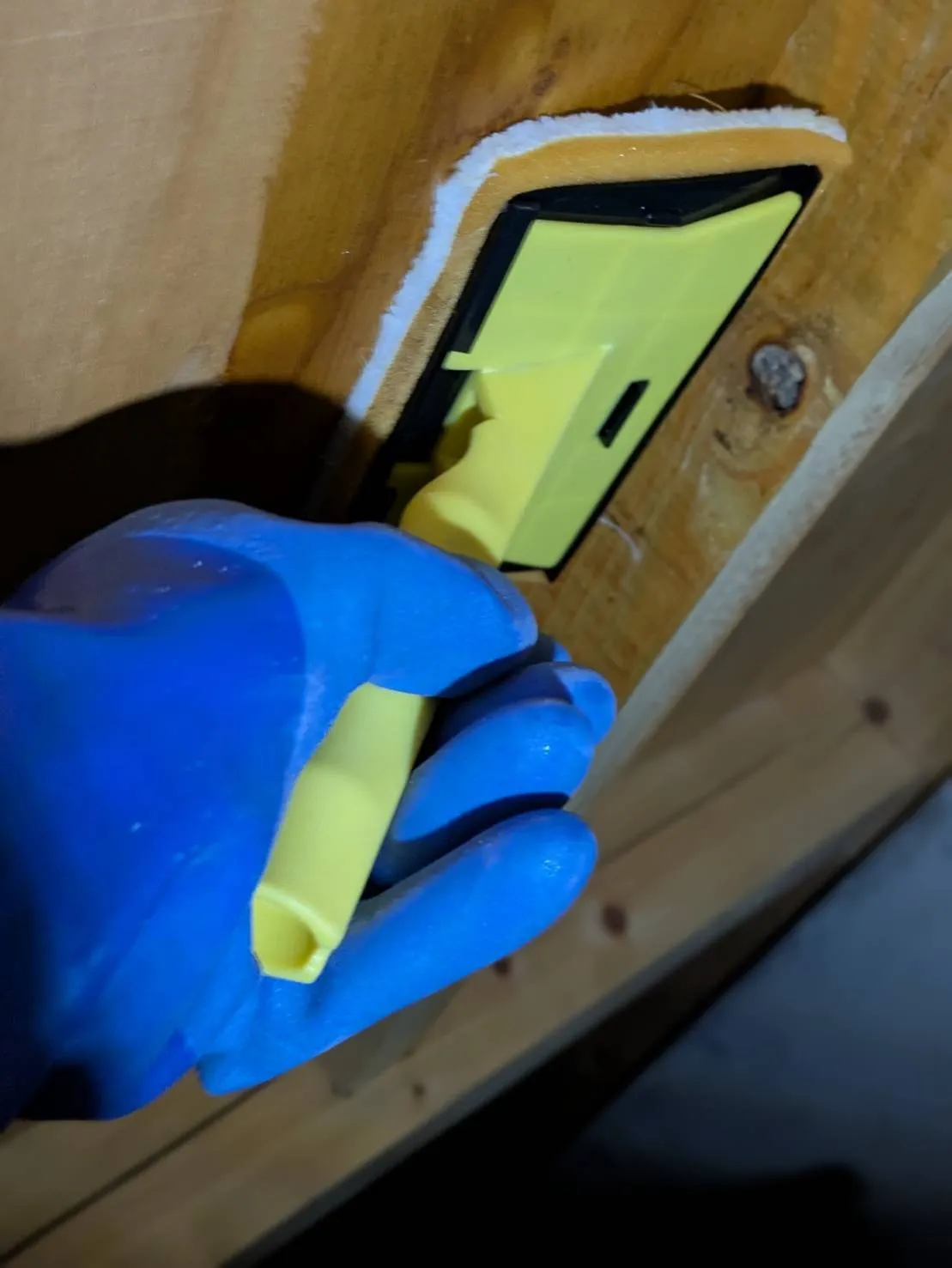
However, for areas that are difficult to inspect visually—like behind walls or under floors—a fiberscope (endoscope) is highly effective. By inserting the device through a small opening, you can visually examine the condition of structural elements and insulation, identifying hidden mold growth even when surfaces appear normal. Combining human senses with visual tools enables highly accurate and site-relevant assessments.
4-2. Supplementary Analysis via Culture Testing and Environmental Monitoring
When mold presence is suspected but not visible, laboratory testing through sample collection becomes essential. "Culture testing" involves swabbing surfaces or collecting air samples, then incubating them to determine the type and quantity of mold present. This helps in selecting the right fungicides and analyzing the risk of recurrence.
For a broader understanding of indoor environmental conditions, it’s also helpful to use data loggers for temperature and humidity, or CO₂ sensors, to monitor the air. Over several days, these tools help identify condensation-prone time frames and humidity trends, allowing prediction of areas with higher mold risks.
4-3. Importance of Recording and Reporting Diagnostic Findings as Evidence
Mold assessment shouldn’t end with a one-time judgment—it must be clearly documented as objective evidence. For builders and site managers, proper records serve as essential materials for future accountability and quality assurance.
Start by photographing inspection areas, both before and after treatment, using standard and close-up shots if possible to show the mold's extent and the results of remediation. This visual documentation highlights the spread and the effectiveness of the treatment.
In addition, record numerical data from culture tests or humidity measurements, including the test date, equipment model, inspector's name, and environmental conditions. Such detail greatly enhances the credibility of your report as objective evidence.
Ideally, the report should also include the identified mold species, suspected cause, recommended actions, and a prevention plan. This helps explain why the intervention was necessary and what ongoing management is recommended, giving property owners or managers a clear and reassuring understanding of the mold prevention measures taken.
Transforming diagnostic results into visible, documented trust is a highly effective strategy for both quality control and customer communication in construction projects.
5. Mold Removal and Prevention Using the MIST Method®
Mold caused by water leaks cannot be fully eliminated through surface cleaning alone—it must be removed down to the hyphae (mold roots) that penetrate deep into building materials. Moreover, after removal, it’s essential to prevent recurrence by ensuring the environment is no longer favorable for mold growth. In this section, we introduce the effectiveness of the MIST Method®, which offers a fundamental solution without damaging building materials.
5-1. How the MIST Method Removes Mold and Protects Materials
The MIST Method® uses a fine mist of a specialized mold-removal agent to break down and kill mold deep within materials. Traditional chlorine-based chemicals or abrasive methods often damage surfaces and only address surface-level contamination. In contrast, the MIST Method adjusts its chemical formulation on-site according to the type of material and the condition of the mold, allowing for complete decomposition of mold hyphae through chemical reactions.
The agent’s pH is finely tuned to match various materials—wood, concrete, gypsum board, and more—making it highly versatile. Its ability to remove mold without scrubbing or scraping helps preserve the integrity of the building materials. Moreover, MIST’s proprietary chemicals are designed to be safe for the environment and human health, allowing safe use in nurseries, hospitals, and elderly care facilities.
5-2. Mold Prevention Techniques and Long-Term Maintenance Strategies
To prevent mold from returning, it’s crucial to eliminate the conditions that allow it to grow. As a finishing step, the MIST Method applies a specialized mist containing antibacterial and antifungal agents. This mist penetrates both the surface and fine gaps of materials, providing long-lasting protection against mold regrowth.
This treatment is also effective against airborne mold spores. The fine particles envelop the spores, destroy their cell membranes, and suppress their activity, improving indoor air quality as a result. This dual action—removal and environmental control—ensures a high level of protection for the entire space.
Post-treatment, it's recommended to monitor humidity and ventilation conditions to watch for any signs of recurrence. Performing light antifungal maintenance every few months to a year can help maintain a mold-free, healthy indoor environment over the long term.
5-3. Real-World Applications and On-Site Use of the MIST Method
The MIST Method® has been widely adopted at various construction sites and is praised for its ability to thoroughly remove mold while preserving building materials. The following case studies illustrate its effectiveness and practical benefits:
In one example, mold had spread beneath the floor of a wooden house due to post-leak moisture. The MIST Method was used to deeply penetrate the wood with its mist, killing mold at the root and completing mold prevention treatment—all without damaging the wood’s surface. More than a year later, no recurrence has been reported. Since no scrubbing was involved, the treatment preserved the material’s texture and avoided the need for repairs or remodeling.
In another case, a reinforced concrete apartment experienced ceiling leaks that caused condensation and mold growth on concrete surfaces. Traditional bleaching methods were ineffective and even caused discoloration. However, by using the MIST Method, the mist reached deep into the pores of the concrete, effectively removing mold without damage. This success led to repeat requests from the building management company.
The MIST Method is also chosen for culturally significant buildings like historic temples and shrines, where its non-destructive approach is vital. Instead of brushing or spraying, the method envelops surfaces with a gas-like mist, protecting decorative finishes and delicate surfaces.
These cases demonstrate that the MIST Method is an optimal solution for today’s construction sites—one that removes mold thoroughly while protecting materials. Its dual capability for mold removal and prevention, along with its suitability for documented reporting, makes it an excellent choice for reliable and professional mold control specifications.
6. Key Takeaways for Preventing Recurrence: Lessons from Real Cases Using the MIST Method®
To prevent the recurrence of water leaks and mold problems, it's not enough to simply carry out the treatment—you must choose the most suitable method based on the specific site conditions and firmly establish it as part of the construction specification. In this section, we introduce two successful case studies using the MIST Method® and highlight the key points of effective prevention strategies.
6-1. Case Study: Thorough Mold Removal Beneath a Wooden Home
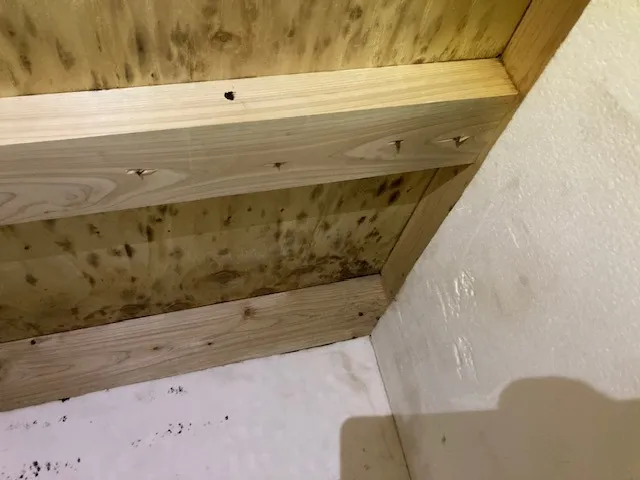
In a 15-year-old wooden house, a pinhole leak in the bathroom plumbing caused widespread moisture buildup under the floor, leading to significant mold growth. A site inspection revealed extensive black mold on the wooden joists and base structure. Due to the depth of contamination, simple wiping or chemical application posed a high risk of recurrence.
In this case, after completing drying through air circulation and dehumidification, the MIST Method® was applied. A fine mist of the mold-removal agent was sprayed evenly throughout the underfloor space, allowing it to penetrate deep into the wood—reaching areas not visible to the eye. Since no scrubbing was needed, the treatment preserved the wood’s surface and texture.
Afterward, an antifungal agent was applied, and regular humidity and moisture content checks were performed. A follow-up inspection six months later showed no signs of mold returning, and the homeowner noted that “the air feels cleaner.” This case demonstrates that the integrated approach of “removal + prevention + monitoring” was the key to success.
6-2. Case Study: Tackling Condensation Mold from Ceiling Leaks in an RC Apartment
In a reinforced concrete apartment building, water leaked from an upper floor and spread through the ceiling void, causing mold to form on the back of the ceiling boards and concrete surfaces. Even after replacing the ceiling wallpaper as a temporary fix, mold kept reappearing, raising health concerns among residents.
In response, part of the ceiling’s gypsum board was removed, and the MIST Method® was used to apply a fine mist of mold-removal agent into the ceiling cavity. The mist penetrated deeply into the moisture-prone concrete surface without causing any damage, effectively treating and preventing mold. Additionally, the airflow was rebalanced with intake/exhaust adjustments, and a local ventilation fan was installed to maintain a dry environment.
Post-treatment, airborne mold spore levels were measured to confirm improvement. The building management company praised the detailed reporting and the inclusion of long-term prevention measures, saying it gave them peace of mind. This case highlights how material-specific treatment and air quality optimization were the keys to preventing mold recurrence.
For Mold Removal and Prevention, Contact Kabi Busters Osaka and Kabi Reform in Nagoya and Tokyo
Mold caused by water leaks or condensation on construction sites is more than just a cosmetic issue—it poses serious risks to structural durability, indoor air quality, and residents’ health. In many cases, insufficient follow-up after a leak can lead to hidden mold growth behind walls or ceilings, resulting in customer complaints months later.
To prevent such scenarios, many professionals in the construction and property management industries rely on the expertise of Kabi Busters Osaka and Kabi Reform in Nagoya and Tokyo. These specialized teams are industry-leading professionals in mold prevention and removal, with a strong track record and extensive know-how.
Their greatest strength lies in the use of the proprietary MIST Method®, which involves spraying a custom-formulated antifungal mist that penetrates deep into materials such as wood and concrete. This method completely decomposes mold hyphae at the root level—without the need for scrubbing or scraping—preserving the texture and durability of building materials, an advantage unmatched by other approaches.
The MIST Method® goes beyond simple mold removal; it is designed to prevent recurrence. After treatment, an antibacterial and antifungal mist is applied to suppress airborne spores, improving not just the treated area but the overall indoor air quality. This system is safe and effective enough to be used in sensitive environments such as eldercare facilities, hospitals, and schools.
They also provide a comprehensive service—from on-site inspections and diagnostic imaging to detailed reports with photographic and numerical evidence. Their system integrates smoothly with existing construction workflows and specification documents, earning high trust from contractors, architects, and general contractors alike. These reports can also serve as clear documentation for clients and project owners, enhancing quality control and aftercare.
Whether you're looking to stop mold damage, confidently manage post-leak remediation, or establish a specification that prevents recurrence, Kabi Busters Osaka and Kabi Reform Nagoya & Tokyo are here to help. From diagnosis to treatment and long-term prevention, they deliver one-stop, customized solutions tailored to each site’s conditions.
Feel free to contact them—your trusted mold control professionals are ready to support your project.
---------------------------------------------------------------------
カビ取リフォーム
東京営業所
〒141-0022
東京都品川区東五反田2-5-2 YHE CASK GOTANDA6階
電話番号:090-8321-4408
名古屋本社
〒465-0028
愛知県名古屋市名東区猪高台1-1301 タイコウビル1F
電話番号 : 0120-588-766
サイト:https://taikou-kensou.co.jp/
大阪営業所
〒532-0003
大阪府大阪市淀川区宮原1-19-23
電話番号:080-6978-3068
カビバスターズ大阪
https://kabibusters-osaka.com/
【検査機関】
一般社団法人微生物対策協会
https://kabikensa.com/
----------------------------------------------------------------------