What is the MIST Method®? A Technology for Completely Eliminating Mold at Construction Sites"
2025/06/10
Thank you for reading our blog today.
For professionals involved in construction sites and architectural design, mold is an often-overlooked issue that can severely compromise building performance and erode client trust. Especially in high airtightness homes and new constructions, mold can grow unnoticed and later lead to serious problems.
This article provides comprehensive knowledge on mold—from its basic causes to prevention—covering design, construction, diagnosis, removal, and mitigation. It offers clear explanations of practical techniques, professional responsibilities, and even relevant certifications that are directly applicable in real-world projects.
You’ll gain actionable insights that directly contribute to improved building quality and complaint prevention. We also cover cutting-edge solutions such as the MIST Method® and AI-based mold prediction. As an architect or construction manager, this information will enhance your ability to propose reliable solutions and elevate the quality of your work to the next level.

1. Basic Mechanisms of Mold Growth and Key On-Site Precautions
On busy construction sites, tasks like precise moisture control and post-construction ventilation checks are often overlooked. However, mold can thrive even in subtle environmental conditions, becoming a common cause of post-completion issues and client complaints. To prevent such problems, it’s crucial to understand the scientific causes of mold growth and clarify how to address them effectively on-site.
1-1. The “Three Conditions for Mold” — Humidity, Temperature, and Nutrients
For mold to grow, three key conditions must be present: humidity, temperature, and a nutrient source. Mold begins to proliferate rapidly in environments with humidity over 60%, temperatures between 20–30°C (68–86°F), and the presence of organic materials such as wood or dust. On construction sites, insufficient weather protection during rain or shortened drying periods often create these ideal conditions, increasing mold risk. This is especially true in highly airtight and insulated homes, where moisture is less likely to escape, and hidden areas such as inside walls are prone to mold due to condensation. Understanding these three principles and maintaining strict humidity control and ventilation planning at every stage of construction is essential.
1-2. Commonly Overlooked Mold-Prone Areas on Construction Sites
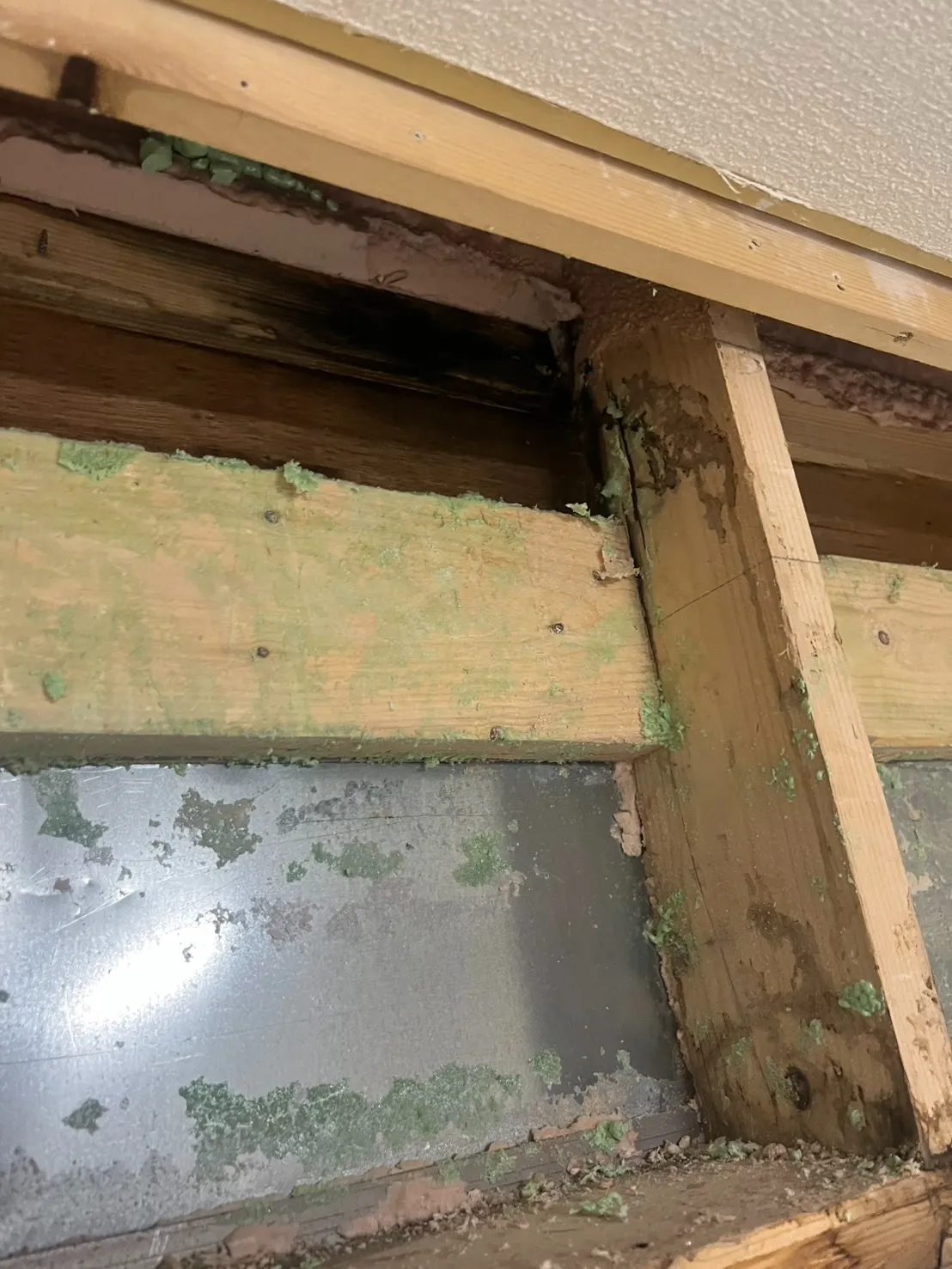
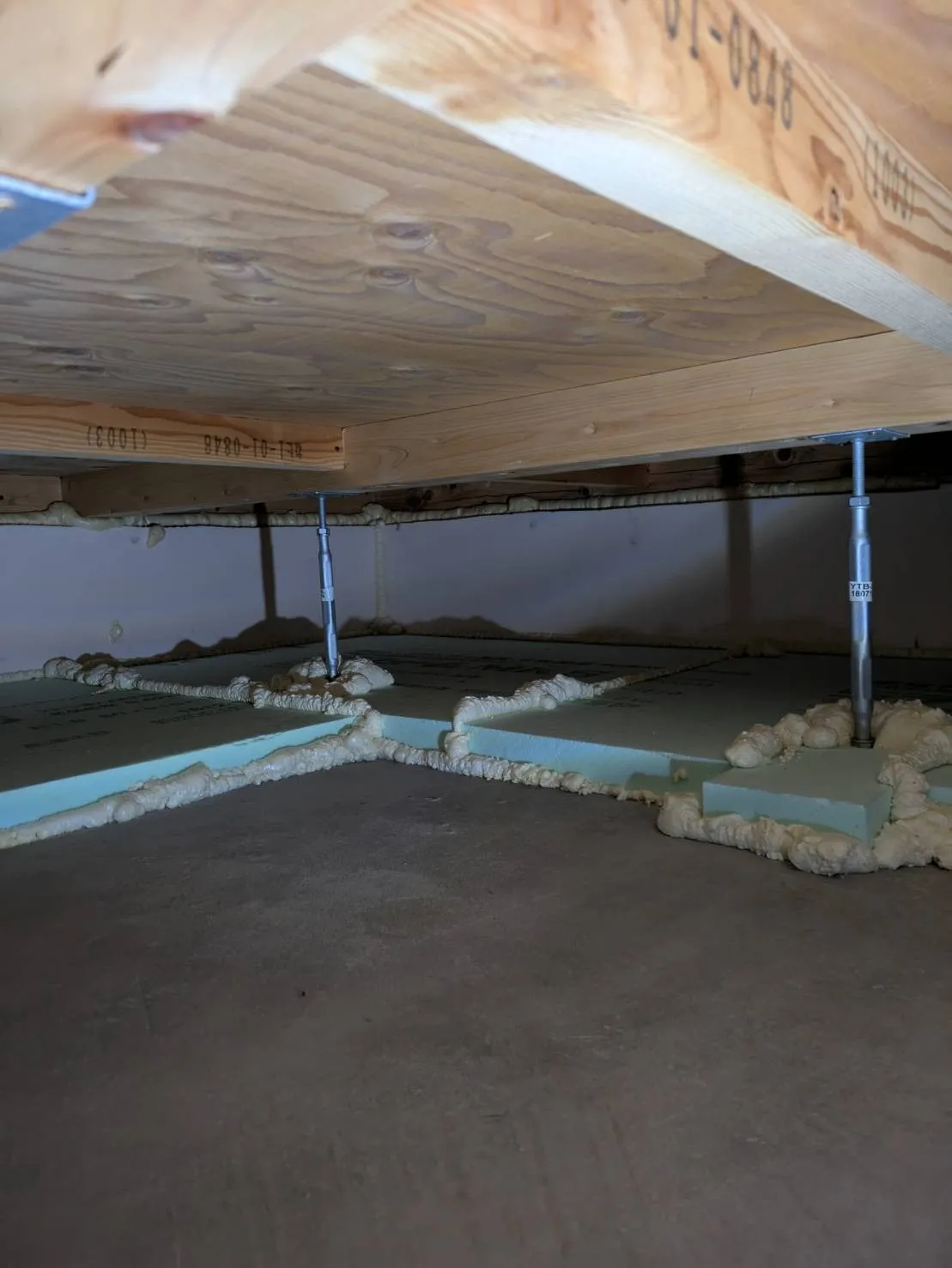
Mold risks on construction sites often lurk in unexpected, hard-to-notice places. Examples include insufficient crawl space ventilation, around insulation inside walls, aluminum sashes prone to condensation, and gaps near piping. Additionally, if concrete retains high moisture levels and finishing work proceeds prematurely, mold can form between the structure and finishing materials. Even temporary materials like plywood or blue tarps used during construction can trap moisture if not properly dried before being stored, becoming breeding grounds for mold. Identifying these “invisible risks” in advance and establishing thorough checklists before and after construction is vital.
1-3. Why High-Airtightness Homes Are More Prone to Mold
Homes with high airtightness—designed for energy efficiency—require precision in the installation of insulation and vapor barriers. However, this tight seal also increases the risk of trapped moisture. In winter, warm indoor air may penetrate walls and condense upon contact with cold outer surfaces, introducing moisture into insulation and structural components, thereby creating ideal conditions for mold growth. Inadequate ventilation systems or poor airflow design can lead to localized moisture accumulation, or "dead zones," where mold can thrive. Therefore, in high-performance buildings, humidity and airflow control are critical, and mold prevention must be deliberately integrated into the design phase to ensure long-term building health.
2. Mold Prevention Measures to Consider During the Design Phase
Mold is often discovered after construction is complete, but in many cases, the root cause lies in insufficient consideration during the design phase. In particular, the balance between ventilation planning and airtightness, as well as the design of moisture flow and airflow, plays a critical role in mold prevention. How effectively “air” and “moisture” are controlled from the early drawing stage is the key to success. This section highlights two essential points that designers should keep in mind.
2-1. Balancing Airtightness and Ventilation Design
As insulation performance improves in residential buildings, airtightness is being enhanced in design. However, this also increases the importance of ventilation planning. In highly airtight homes, the inflow of outside air is minimized, rendering natural ventilation nearly ineffective—making mechanical ventilation systems the sole method for air exchange. Therefore, it’s essential to secure proper airflow pathways during the design phase and reduce ventilation “dead zones.”
Strategies include optimizing the placement of air inlets and outlets in 24-hour ventilation systems to prevent air stagnation, and designating high-moisture areas such as bathrooms and kitchens as exhaust priority zones. Incorporating these elements into architectural plans creates a living environment where mold is far less likely to proliferate.
2-2. A Systematic Design Approach to Predict Mold Risks
Recent advances have made it possible to simulate and visualize mold risks in advance by quantifying factors such as temperature, humidity, and ventilation flow. These systems analyze each area of a building for heat, moisture, and ventilation efficiency, allowing designers to identify potential condensation points and map high-risk areas for mold growth.
Using this data during the design phase enables more informed decisions on insulation placement, interior material selection, and airflow design, resulting in both theoretical and practical mold prevention. Even small design firms or renovation contractors can implement simple temperature-humidity simulation tools or ventilation calculators to improve mold resistance in their projects.
2-3. How Interior and Finishing Material Selection Impacts Mold Resistance
The choice of building materials during the design phase directly affects durability, comfort, and mold resistance. For areas prone to moisture or condensation—such as kitchens, bathrooms, and exterior walls—selecting high-performance mold-resistant materials is essential.
Options include wallpaper infused with anti-mold agents, moisture-resistant substrates, and humidity-regulating wall panels, all of which help stabilize the indoor environment. When using wood, it is ideal to check moisture content in advance and select products treated with anti-mold and anti-decay agents. Rather than choosing based on appearance or cost alone, selecting materials with consideration for their inherent properties and post-installation behavior is a highly effective mold prevention strategy.
3. Mold Issues Caused by Construction Defects and Accountability
A significant portion of mold problems on construction sites actually stems from minor mistakes or insufficient oversight during the construction phase. When moisture accumulates in hidden areas and mold appears after completion, it can lead not only to a loss of client trust but also to costly repairs and potential liability claims. This section outlines common construction errors and the associated responsibilities.
3-1. Mold Growth Caused by Improper Rain Protection and Moisture Content Control
In wooden homes, failing to properly manage the moisture content of structural materials can lead to mold growth inside walls after the building is completed. For example, if foundational or structural timber is exposed to rain during construction and not fully dried before being enclosed by insulation or drywall, residual moisture becomes trapped—creating ideal conditions for hidden mold growth.
Delays in roofing work or insufficient waterproofing during rainy periods before interior construction begins also contribute to this risk. To prevent such issues, each construction phase must include proper moisture checks and consistent weather protection measures.
3-2. Mold in New Builds and the Legal Liability of Contractors
Mold in a newly built home can cause significant mental and financial stress for homeowners. Under laws such as the Housing Quality Assurance Act in Japan, builders may be held liable for construction defects. For instance, if mold affects structural components and compromises durability, it may be considered a “defect,” triggering a 10-year liability under warranty obligations.
In cases where mold forms in hidden areas and causes health problems or disrupts daily life, homeowners may file compensation claims. To avoid such legal consequences, contractors must be well-versed in moisture and mold prevention strategies, and maintain strict site management. Additionally, keeping documentation such as moisture readings and photographic evidence is vital for proving due diligence if a dispute arises.
3-3. The Importance of Aftercare and Building Long-Term Trust
Completely eliminating post-construction mold risk is virtually impossible. Regardless of how carefully a structure is designed or built, factors like user habits and local climate can still lead to mold. That’s why having a reliable aftercare system is essential for maintaining trust. This may include regular inspections, humidity checks, and mold remediation as needed, showing clients that the builder remains responsible even after handover.
If issues do occur, honest and responsive follow-up can strengthen the contractor’s reputation, increasing the likelihood of referrals and repeat business. A well-defined warranty or maintenance program not only reassures homeowners but also reflects confidence in the quality of the work. In today’s construction industry, incorporating aftercare into the overall project plan is no longer optional—it’s a professional necessity.
4. Mold Prevention by Structural Type (Wood, Steel Frame, and Concrete)
Depending on the building structure, the points where mold is likely to occur and the appropriate countermeasures differ. In wooden structures, the material itself can serve as a nutrient source for mold. In contrast, steel frame and concrete structures primarily face risks from condensation and trapped moisture. This section provides a detailed explanation of mold concerns and prevention strategies tailored to each structural type.
4-1. Moisture Control, Ventilation Design, and Anti-Decaying Treatment in Wooden Structures
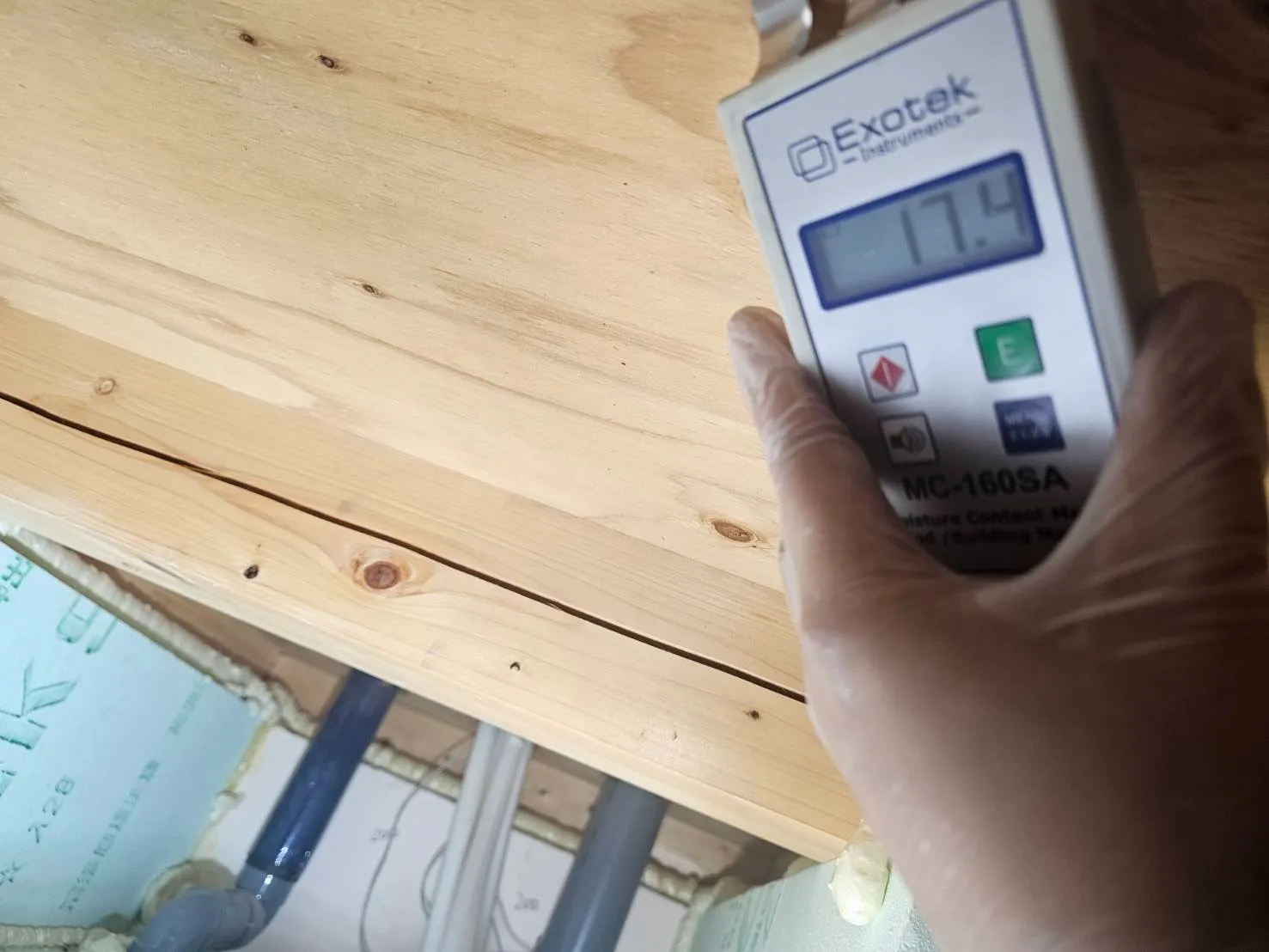
In wooden structures, the timber used for columns and beams itself acts as a nutrient source for mold, making mold prevention a core element of structural design. One critical aspect is moisture content control during construction. Using timber that hasn’t been adequately dried can trap moisture post-installation, leading to mold growth. Ideally, the moisture content of structural wood should be below 18%, verified using moisture meters on-site.
Ventilation design is also essential, particularly under floors and inside walls. It’s important to coordinate insulation work with proper airflow paths to prevent moisture from becoming trapped. Selecting timber treated with anti-mold and anti-decay chemicals, along with using vapor barriers, further enhances protection. Since wood is inherently vulnerable to mold, comprehensive moisture control from the earliest construction stages is key to ensuring long-term durability and reliability.
4-2. Condensation and Insulation Measures in Steel Frame Structures
While steel does not serve as a mold nutrient, condensation-related moisture accumulation is a major issue in steel frame structures. Steel components are highly conductive to outside temperatures, and thermal bridging can cause condensation on beams and columns. This moisture then affects surrounding materials like insulation or drywall, increasing the indirect risk of mold growth.
To prevent this, designers should insert insulation between steel members and finishing materials, avoiding direct thermal bridging. Additionally, steel structures tend to be highly airtight, so mechanical ventilation and localized insulation enhancements are essential to manage internal humidity. In areas prone to stagnant air—such as ceiling voids or wall cavities—installing ventilation gaps or access panels aids in maintenance and monitoring. Preventing “condensation-driven mold” in steel buildings requires integrated planning of both insulation and ventilation.
4-3. Managing Moisture and Drying Delays in Concrete Structures
In concrete structures, mold doesn’t grow on the concrete itself, but moisture trapped during construction or insufficient drying can lead to mold on interior finishes or adhesives. This is especially common in new builds, where concrete takes time to fully dry, and rushing finishing work can result in residual moisture being sealed in.
To prevent this, allow adequate drying time for floor slabs and foundations, and use dehumidifiers or ensure ventilation to promote moisture release. If insulated foundation systems are used, moisture can become trapped between insulation and concrete, so proper vapor barriers and airtightness control are crucial. Even with concrete, inadequate drying or sealing can create a mold-prone environment. Awareness of this risk and planned site management are vital for mold-free construction.
5. On-Site Mold Diagnosis and Inspection Methods
Mold issues often progress in hidden areas, making early detection essential to prevent serious problems. Understanding proper on-site inspection and diagnosis methods enables accurate response and responsible construction practices. This section introduces key mold assessment techniques that can be effectively implemented on construction sites.
5-1. Mold Diagnosis Based on Visual, Olfactory, and Environmental Assessment Using the MIST Method
The MIST Method emphasizes a holistic diagnostic approach that goes beyond scientific measurements, focusing on comprehensive evaluation of on-site conditions. This is because mold growth is closely tied to visual signs, odors, and environmental humidity.
First, visual inspection involves checking mold-prone areas such as attics, crawlspaces, closets, and wall corners. In early stages, stains, discoloration, or small black spots may appear. As mold progresses, hyphae or powdery mold may be visible on the surface.
Next is olfactory diagnosis. A musty, mold-like odor or a sensation of stale air upon entering a room can indicate hidden mold. Experienced professionals trained in the MIST Method are often highly sensitive to such signs, and olfactory assessment is part of their skill set.
Environmental factors are also evaluated using hygrometers or temperature-humidity loggers to monitor indoor humidity and temperature over time. This helps identify moisture stagnation during specific times or weather conditions, pinpointing condensation and poor ventilation problems.
The MIST Method aims to connect diagnosis directly to action, adapting flexibly to real-world site conditions through comprehensive assessments.
5-2. Key Measurement Points for Indoor Humidity and Condensation
Since humidity is closely linked to mold growth, monitoring ambient humidity and condensation levels on-site is crucial. Standard practice involves regularly checking the indoor environment during and after construction using temperature-humidity meters, ensuring humidity doesn’t consistently exceed 60%.
Infrared thermography can also be used to visualize temperature differences on walls and floors, helping to identify likely condensation zones. For areas that are hard to access visually—such as subfloors, ceiling voids, or inside walls—fiber scopes or borescopes can provide effective visual investigation.
By pinpointing mold and condensation early, professionals can respond quickly with appropriate measures. Improving diagnostic accuracy contributes to preventing mold recurrence, managing complaints, and increasing client confidence.

What is the MIST Method®? A Technology for Completely Eliminating Mold at Construction Sites
Household cleaners and DIY treatments often fail to provide a permanent solution to mold problems, with a high risk of recurrence. This is especially true for mold that penetrates building materials—wiping the surface only removes visible mold, while spores remain embedded deep within the structure. In such cases, a professional removal method is essential. This section introduces cutting-edge solutions that combine both safety and effectiveness, focusing on the MIST Method® as a leading approach, along with real-world application examples.
6-1. Technical Overview and Effectiveness of the MIST Method®
The MIST Method® is an innovative mold removal technology developed to eliminate mold without scrubbing or abrasion. Its most notable feature is the use of a mist-like agent that penetrates deeply into materials, effectively breaking down and neutralizing mold at the root. The formula's pH is adjusted according to the target material, making it safe and effective on wood, concrete, wallpaper, and other construction materials without causing damage.
This technique eliminates the need for brushing or scraping, making it ideal for historic buildings and delicate interior finishes. The MIST agents have passed various safety certifications, making them suitable for facilities used by children and the elderly. It is a highly reliable method not only for removing mold but also for preventing its recurrence.
6-2. Key Differences from Conventional Methods (No Scrubbing, Material Protection)
Traditional mold removal techniques often involve strong chlorine-based bleaches or physical scraping. However, these methods generally address only surface mold and fail to treat the underlying cause. They can also lead to discoloration or degradation of materials and may pose health hazards due to harsh chemicals.
In contrast, the MIST Method® is built on three core principles: removal at the root, protection of materials, and safety for humans. It has a proven track record of low recurrence rates after treatment. The method has been successfully used in varied environments, such as ceilings in apartment bathrooms, subfloors in wooden homes, and steel beams in warehouses. In each case, it has demonstrated effective prevention of mold regrowth. Additionally, by combining the treatment with an anti-mold coating, the method provides long-term protection and safety.
7. Anti-Mold and Antimicrobial Treatments and Their Long-Term Maintenance Mechanisms
After mold has been removed, the most critical factor is how to maintain an environment that prevents recurrence. Many mold control efforts stop at removal, but creating a truly safe and comfortable space requires long-term maintenance through anti-mold and antimicrobial treatments. This section explains the mechanisms behind such treatments, including those used in the MIST Method®, and strategies to ensure their sustained effectiveness.
7-1. Principle of Penetrative Anti-Mold Treatment Using Mist-Based Agents
As a final step in the MIST Method®, a specialized mist-type anti-mold agent is applied. This agent is composed of extremely fine particles that penetrate not only the surface but also the deeper layers of materials, effectively preventing mold regrowth. Mold spores often remain airborne, and in the vulnerable post-treatment phase, they can easily reattach to surfaces and begin growing again. By using mist dispersion, the treatment reaches the entire space, addressing both surface contamination and airborne spores—a significant advantage.
This treatment offers both rapid effectiveness and high safety, making it suitable even for everyday environments. It is widely used in sensitive facilities such as daycares, nursing homes, and hospitals. Far from being a simple surface coating, this method establishes a defensive barrier both within the material and throughout the ambient space.
7-2. Antimicrobial Treatment for the Entire Space and Indoor Air Quality Improvements
Effective mold prevention requires not only treatment of surfaces and interiors of materials but also creation of an antimicrobial environment throughout the entire space. Even after thorough removal and treatment, microscopic mold spores may continue to float in the air, with the potential to resettle on walls or floors and restart the growth cycle. Therefore, maintaining air quality and applying long-term control strategies is essential for space-level mold prevention.
In the final stage of the MIST Method®, a fine antimicrobial mist is released to act on airborne spores and bacteria. This ultra-fine mist spreads throughout the entire area, disrupting cell membranes of suspended microorganisms and suppressing their activity. The formula is designed to naturally decompose after dispersion, leaving no harmful residue and making it safe for use in occupied living environments.
For further air quality enhancement, it is recommended to use air purifiers equipped with HEPA filters and humidifiers/dehumidifiers to maintain stable indoor humidity. These tools help control airborne contaminants, playing a vital role in preventing mold recurrence that cannot be seen with the naked eye. A holistic approach to spatial hygiene is the key to creating a high-level mold-resistant environment.
8. Practical Examples of Mold Prevention in High Airtightness and High Insulation Homes
Modern energy-efficient homes achieve a comfortable indoor environment through enhanced airtightness and insulation, but this also introduces a vulnerability—moisture is more likely to become trapped. As a result, the risk of mold increases due to wall condensation and stagnant air. These homes require specialized mold prevention strategies tailored to their unique characteristics. This section outlines practical countermeasures, from the design stage through to everyday operation.
8-1. Ventilation System Design and Equipment Selection
In highly airtight homes, natural ventilation is nearly ineffective, making the performance and layout of mechanical ventilation systems crucial. For instance, adopting Type 1 mechanical ventilation (with powered supply and exhaust) allows for stable airflow while adjusting humidity and temperature of incoming air. Strategic placement of intake and exhaust vents helps prevent air stagnation within the space.
High-moisture areas like bathrooms, dressing rooms, and storage spaces should be designated as high-priority exhaust zones. Installing humidity sensor-equipped exhaust fans ensures moisture is expelled directly from its source. Ventilation design must go hand-in-hand with insulation planning to maintain a healthy indoor environment.
8-2. Home Monitoring and User Education
In airtight homes, resident behavior greatly affects the indoor environment, so it’s vital to educate occupants on proper humidity control and ventilation usage. For example, opening windows for fresh air might actually trigger condensation, or overusing humidifiers can lead to excessive indoor moisture.
Providing tools like hygrometers and simple ventilation flow maps at the time of move-in can raise awareness of moisture management. Additionally, introducing IoT-based sensors that allow real-time monitoring of temperature and humidity via smartphone promotes “visualization” of the living environment and improves mold prevention awareness. Mold prevention in airtight homes requires collaboration between the builder and the occupant, not just smart design and construction.
8-3. Importance of Regular Inspections and Maintenance
Even in well-designed high-performance homes, ongoing inspections and proper maintenance are essential to prevent mold recurrence. Over time, issues such as clogged ventilation filters or condensation-related damage around insulation can occur. If left unchecked, these conditions can lead to unnoticed mold development and spread.
Scheduled inspections should focus on areas prone to humidity—crawlspaces, inside walls, and attic spaces—using both visual checks and measurement devices to detect early signs of condensation or mold. Regular cleaning of vents and inspection of HVAC systems should also be carried out. When needed, simple anti-mold treatments can be applied to maintain a healthy living space over time.
Builders and property managers should provide inspection schedules and basic maintenance manuals to occupants, promoting a proactive mindset toward prevention. Mold control is not a one-time fix; it requires lifecycle-based management, where long-term attention determines success.
For mold issues on construction sites, contact “Kabi Busters Osaka” or “Kabi Reform Nagoya & Tokyo.”
In today’s architecture, where high airtightness and insulation are increasingly prioritized, mold growth has become a serious concern—not only accelerating the deterioration of structural and interior materials but also significantly impacting the health and comfort of occupants. Particularly when mold problems surface after handover, it can severely damage the reputation and credibility of the construction company. To avoid such risks and further enhance construction quality, it is essential to implement thorough mold prevention measures during construction and maintain a system that enables prompt response in case of an outbreak.
At “Kabi Busters Osaka” and “Kabi Reform Nagoya & Tokyo,” we have handled mold removal and prevention in a wide range of settings—from residential buildings and commercial facilities to hospitals and even historic structures. We use our proprietary MIST Method®, which eliminates mold from the root without damaging building materials. The mist-like specialized agent penetrates deep into the material, dissolving not only visible mold but also the invisible hyphae embedded within.
Following the removal, we apply anti-mold and antimicrobial treatments that create long-lasting mold-resistant environments. Our anti-mold agents are extremely safe for human health and can be used without concern in daycares, hospitals, and senior care facilities. In fact, many cases have reported no recurrence for over a year after treatment, and our method has earned high praise from architects and site managers alike.
Another strength of the Kabi Busters Group lies in our comprehensive service, from on-site diagnosis to post-treatment follow-up. We offer standard services such as humidity measurements, visual inspections, and detailed condition reports that can be used as documentation for clients and general contractors. Backed by a track record of reliability, we provide swift support in the rare event of post-treatment issues.
For clients in western Japan, “Kabi Busters Osaka” provides localized service, while “Kabi Reform Nagoya & Tokyo” caters to clients in the Chubu and Kanto regions. If you are facing mold or moisture concerns at your construction site, please do not hesitate to reach out. We offer a full-service solution from consultation and inspection to treatment and reporting—fully committed to being your trusted partner in preserving the value and integrity of your buildings.
---------------------------------------------------------------------
カビ取リフォーム
東京営業所
〒141-0022
東京都品川区東五反田2-5-2 YHE CASK GOTANDA6階
電話番号:090-8321-4408
名古屋本社
〒465-0028
愛知県名古屋市名東区猪高台1-1301 タイコウビル1F
電話番号 : 0120-588-766
サイト:https://taikou-kensou.co.jp/
大阪営業所
〒532-0003
大阪府大阪市淀川区宮原1-19-23
電話番号:080-6978-3068
カビバスターズ大阪
https://kabibusters-osaka.com/
【検査機関】
一般社団法人微生物対策協会
https://kabikensa.com/
----------------------------------------------------------------------