Solving Mold Problems in Medical Facilities: How to Maintain a Safe and Clean Environment
2025/06/09
Thank you for visiting our blog today.
The occurrence of mold in medical facilities poses a serious threat to patient health. This is especially true in hospitals where many patients have weakened immune systems, as mold can lead to severe health risks. For this reason, regular mold prevention measures are essential in medical settings.
In this article, we will explain in detail the causes of mold outbreaks in medical facilities, their health impacts, specific countermeasures, and solutions provided by professional services. By understanding both how to prevent and how to respond to mold issues, we aim to help maintain a clean and safe healthcare environment.
When facility managers and staff gain appropriate knowledge and strategies for dealing with mold, they can protect patient health and enhance the facility’s credibility. Furthermore, knowing how to effectively utilize professional mold remediation services enables efficient and lasting solutions.
1. Causes and Effects of Mold Outbreaks in Medical Facilities
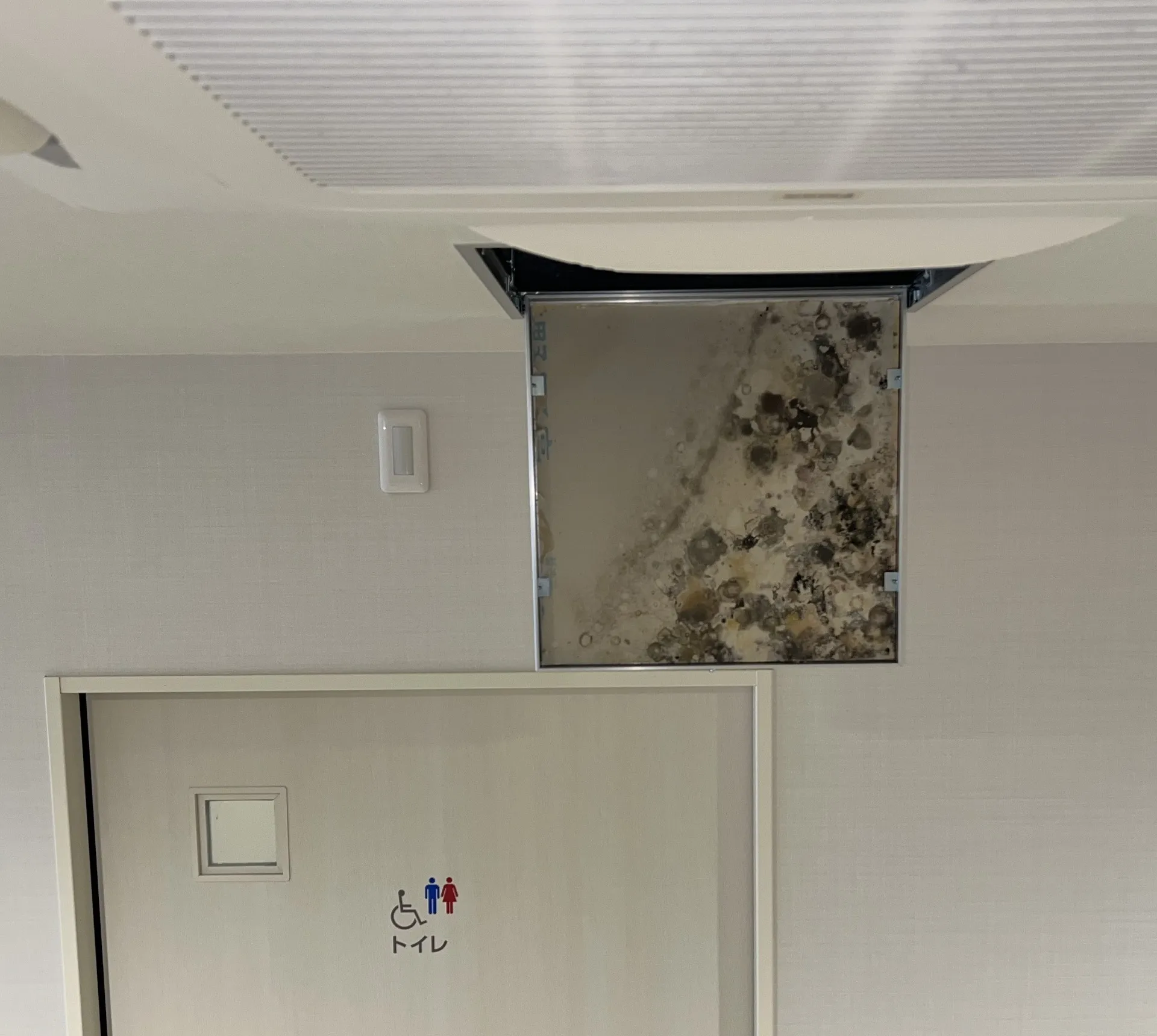
Mold outbreaks in medical facilities are often overlooked, but they can have a significant impact on patient health and the treatment environment. Therefore, daily monitoring and early intervention are essential. In this section, we will explain in detail the main causes of mold growth and the effects it can have.
1-1. Mold Growth Caused by High Humidity, Temperature, and Poor Ventilation
Even though hygiene management may appear thorough in medical facilities, areas such as patient rooms, storage rooms, and mechanical rooms often have high humidity and inadequate ventilation. These conditions allow microscopic mold spores in the air to attach to surfaces like walls, ceilings, and inside air conditioning units, where they grow using even minimal organic matter as a nutrient source. In addition, steam generated from medical equipment or disinfectants increases room humidity, making the environment ideal for mold growth unless regularly dehumidified and ventilated. The risk is particularly high during the rainy season and in winter when condensation is common, making equipment inspections and environmental maintenance crucial.
1-2. Health Risks Posed by Mold to Patients and Staff
Mold in medical facilities is not merely a cosmetic issue—it poses serious health risks. When mold spores are airborne and inhaled, they can cause respiratory and skin diseases, especially among patients with weakened immune systems, respiratory conditions, the elderly, and infants. Even minor mold presence can trigger infections in vulnerable individuals. Moreover, prolonged exposure to mold can lead to allergic reactions or chronic respiratory symptoms among hospital staff, making it vital to maintain a safe and healthy workplace environment.
1-3. Structural Issues from Building Deterioration and Poor Maintenance
The aging of a building is a significant factor in mold outbreaks. As a facility ages, its waterproofing—such as roof and exterior wall protection—deteriorates, allowing rainwater leaks and moisture infiltration. This creates ideal conditions for hidden mold growth behind walls or above ceilings. Additionally, old air conditioning systems and plumbing can trap moisture, contributing to an environment ripe for mold development. These issues often go unnoticed until the mold has spread extensively, so regular equipment inspections and professional evaluations are essential for early detection and remediation.
2. Health Impacts of Mold Exposure
In medical facilities, the presence of mold is more than just a hygiene issue. For patients with weakened immune systems and the elderly, the health damage caused by mold can be life-threatening. In this section, we will take a closer look at the specific health impacts of mold exposure.
2-1. Risk of Respiratory Diseases and Infections
Mold spores easily become airborne and, when inhaled, can negatively affect the lungs and respiratory tract. Common diseases caused by this include aspergillosis and allergic rhinitis. For immunocompromised patients, such as those undergoing cancer treatment or recovering from organ transplants, mold-related infections can be life-threatening. If mold proliferates within a hospital’s HVAC system, spores may be dispersed throughout patient rooms, exposing many individuals at once. To prevent such outbreaks, maintaining air quality and implementing rigorous disinfection protocols is essential.
2-2. Aggravation of Allergic Symptoms and Chronic Conditions
Mold is recognized as a potent allergen, and for patients already suffering from asthma, eczema, or other allergic conditions, exposure can significantly worsen symptoms. Mold residing on hospital building materials, curtains, or humidifiers can lead to repeated exposure, triggering persistent coughing, nasal inflammation, and skin rashes. Moreover, air quality deterioration caused by high humidity and mold can place a serious burden on individuals with chronic respiratory diseases such as COPD or bronchiectasis. Mold’s impact should not be underestimated—comprehensive hygiene management that includes airborne particles is critical.
2-3. Impact on Institutional Trust and Reputation
If mold-related health issues become public or are shared through patient or family testimonials, the trustworthiness of a medical facility can be severely damaged. Once labeled as "unsanitary," it may take substantial time and effort to restore the institution’s image. Furthermore, mold presence may be cited as a negative factor during inspections by health ministries or third-party evaluators, posing a potential threat to facility management and accreditation. Maintaining a clean environment is essential not only for health but also as a strategic element in sustaining a reputable medical institution.
2-4. Effects on Medical Staff and Consideration for Work Environment
Health impacts from mold are not limited to patients. Hospital staff who work long hours within the facility are also vulnerable to mold spores and odors, which may contribute to symptoms of "sick building syndrome," such as chronic allergies, headaches, and reduced concentration. These effects can lower staff performance and increase stress, ultimately affecting the quality of medical care.
In addition, cleaning personnel or nursing assistants who regularly handle mold-contaminated areas may experience skin irritation or respiratory discomfort. To mitigate these risks, it is essential to provide appropriate protective gear, regularly assess work environments, and monitor air quality. Protecting the health of healthcare workers is the foundation of providing optimal care to patients. Mold control, therefore, is directly tied to improving the workplace environment.

3. Mold Prevention and Control Methods in Medical Facilities
To prevent mold in medical facilities, a comprehensive approach is required—not only routine cleaning but also humidity control and regular equipment inspections. In this section, we introduce three key strategies that medical institutions should implement to effectively manage mold.
3-1. Regular Cleaning and Thorough Disinfection
Maintaining hygiene in hospitals begins with two fundamentals: regular cleaning and effective disinfection. Areas prone to moisture accumulation—such as restrooms, air conditioners, and window frames—require particular attention. Even if there is no visible dirt, mold may exist in the form of invisible spores and can begin growing with just a small amount of dust or moisture. In addition to routine cleaning, using mold-specific disinfectants for surface wiping can significantly reduce the risk of mold growth. High-use areas like patient bedsides, treatment rooms, and staff lounges especially require thorough and consistent cleaning protocols.
3-2. Optimal Management of Humidity and Temperature
Another key element in mold prevention is controlling indoor humidity and temperature. The ideal indoor humidity level is between 40% and 60%; exceeding this range dramatically increases the risk of mold growth. During seasons when humidifiers are used, special care is needed—water should be changed and the devices dried after each use, and the humidifiers themselves must be cleaned regularly. While a comfortable room temperature is typically around 20–25°C, HVAC systems should be adjusted appropriately for each season to prevent excessive cooling or heating that can lead to condensation. Installing air conditioning systems with built-in humidity sensors allows automatic control, reducing the burden on staff while maintaining optimal conditions.
3-3. Inspection and Maintenance of Mold-Prone Equipment
Even with ideal indoor conditions, mold can still develop if the building structure has inherent issues. Deteriorated plumbing, leaks, and condensation inside walls or above ceilings are often hidden sources of mold. Therefore, regular inspections and proper maintenance of building infrastructure and equipment are essential. HVAC ducts, humidifiers, and aging pipes are particularly prone to mold buildup and should be inspected and cleaned by professionals. Annual inspections are recommended, and in high-risk environments, a biannual schedule may be more appropriate. This proactive approach enables early detection and intervention before issues escalate.
4. The Importance of Professional Mold Remediation Services
Mold problems often involve situations that are difficult to resolve through self-managed cleaning and maintenance alone. In the specialized environment of medical facilities, advanced expertise and technical skills are required—far beyond what is needed in typical households. In this section, we will explain in detail the specific advantages of hiring professional mold remediation services and the scope of support they can provide.
4-1. Thorough Mold Inspection Based on Specialized Knowledge
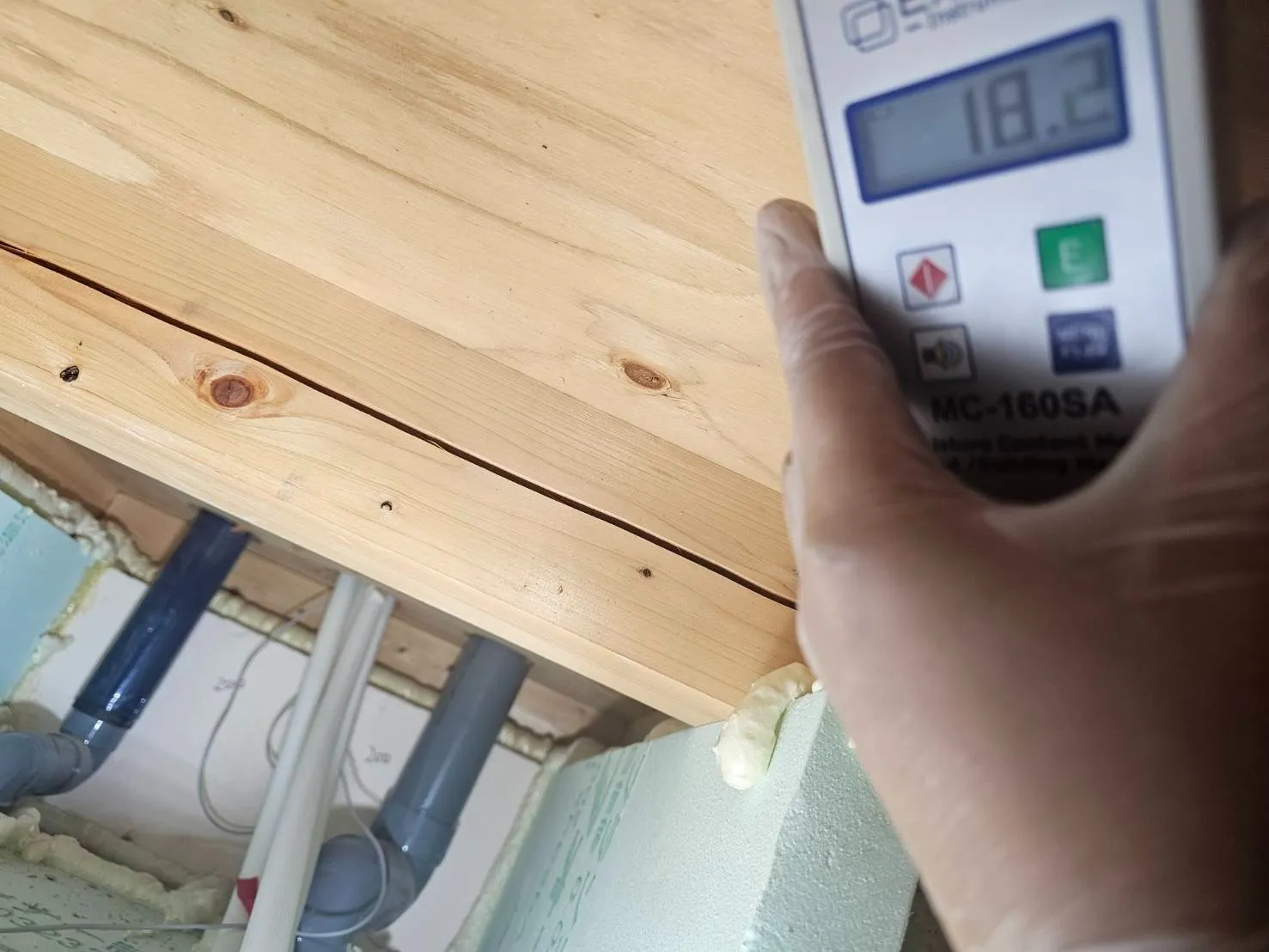
Mold problems extend beyond visible black stains; growth often occurs in hidden areas such as inside walls, under floors, and above ceilings. Professional remediation companies use specialized inspection equipment and measurement techniques to assess mold spore counts, humidity, and temperature throughout the facility, effectively “visualizing” the overall risk. This allows for the identification of priority areas and the development of a targeted, comprehensive removal plan. Additionally, professionals are trained to work with care in hospital settings, where medical equipment and sensitive materials are commonly present—an advantage unique to expert services.
4-2. Safe Removal Techniques That Protect Materials
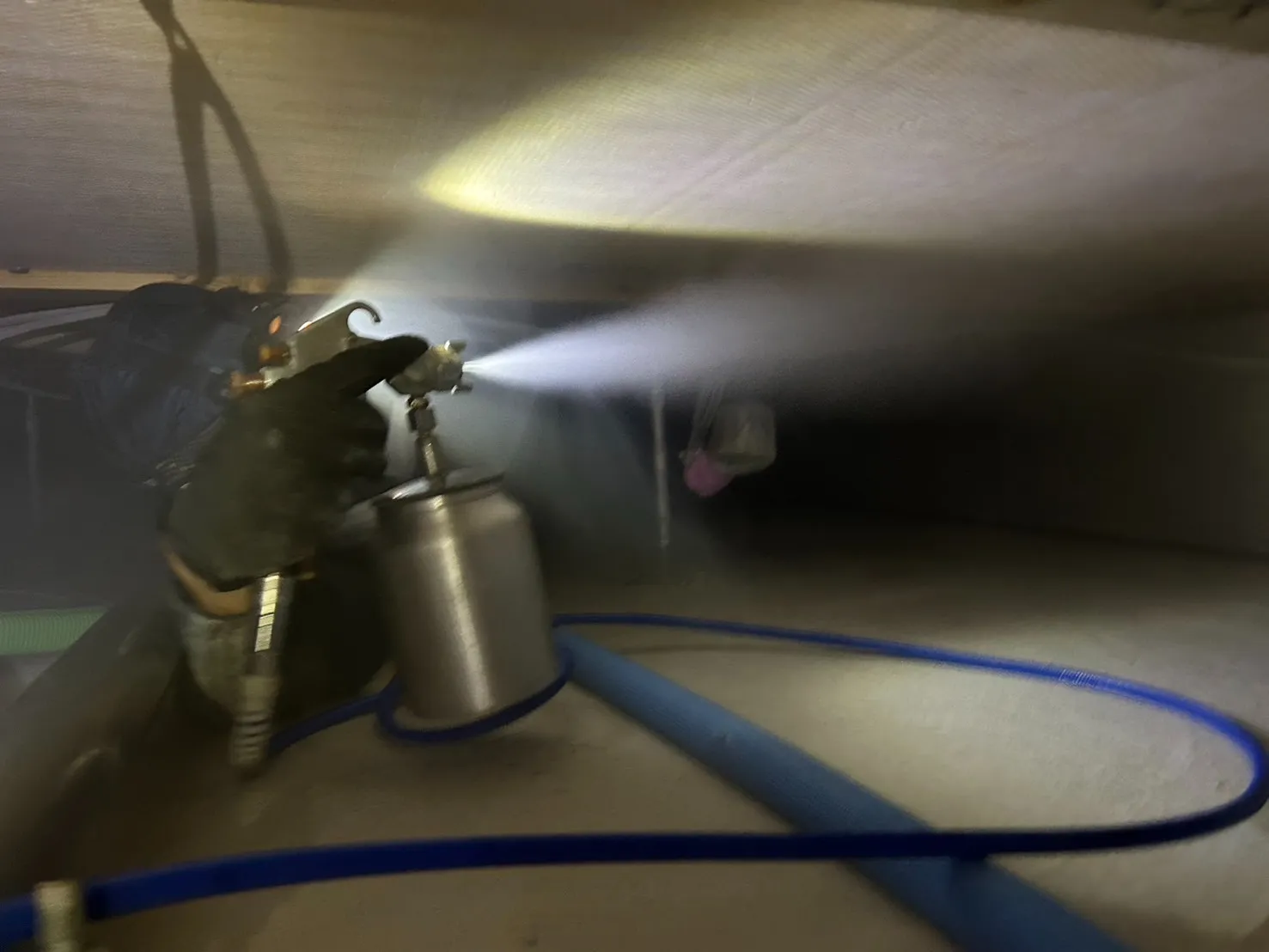
In medical facilities, mold removal must be carried out without damaging building materials or medical equipment. Professional contractors tailor the concentration and application of cleaning agents based on the type of material and level of contamination. Techniques such as the proprietary MIST Method® enable the removal of mold at its roots without the need for scrubbing or abrasion, significantly reducing the risk of material damage. These treatments use chemicals that are safe for human health and medical environments, allowing the space to be reused immediately after treatment. For hospitals serving elderly or immunocompromised patients, this level of safety is a critical consideration.
4-3. Preventive Treatments and Guidance to Avoid Recurrence
Even after mold is removed, recurrence is inevitable if the root cause is not addressed. Professional services include post-treatment preventive measures using mold-resistant coatings. These agents are sprayed in a fine mist that penetrates deep into materials, sanitizing and providing long-term protection—even against invisible spores. In addition, professionals offer advice on daily operation and environmental management to help facility staff maintain a clean environment. This kind of total support, focusing not only on remediation but also on prevention and long-term improvement, is what makes hiring experts truly worthwhile.
5. Introduction of the Latest Technologies and Equipment for Mold Control
In medical facilities, traditional cleaning and dehumidification methods are sometimes insufficient to fully address mold control challenges. As a result, the adoption of advanced technologies and specialized equipment has garnered increasing attention. In this section, we will explain practical and highly effective new approaches to mold prevention and remediation.
5-1. Removal of Mold Spores Using High-Performance Air Purifiers
In recent years, many medical facilities have adopted high-performance air purifiers equipped with HEPA filters. These devices effectively capture fine mold spores, airborne bacteria, and dust particles, significantly improving indoor air quality. Unlike standard filters, some models can eliminate particles as small as 0.3 microns, making them highly effective from an infection control perspective. Additionally, some units come with ultraviolet (UV) sterilization or plasma ion technology, which suppress mold activity and inhibit its reproduction in the air. These purifiers are especially beneficial in patient rooms or waiting areas with limited ventilation, substantially reducing the risk of mold exposure.
5-2. Utilization of Automated Humidity Control Systems
Humidity control is fundamental in mold prevention, but manual regulation has its limitations. This is where automated humidity control systems with built-in sensors become useful. These systems continuously monitor room humidity and temperature, automatically activating dehumidifiers or humidifiers when set thresholds are exceeded. When integrated with HVAC systems, they maintain optimal humidity levels without the need for constant human intervention, thus reducing staff workload and minimizing mold risks. Such precision control is especially effective in operating rooms and laboratories where high humidity environments are difficult to avoid.
5-3. Application of Mold-Specific Antibacterial Coatings
Another effective measure gaining attention is the use of antibacterial coatings on walls, ceilings, and equipment surfaces within hospitals. Recently developed coatings contain chemical agents that break down mold spores, offering long-lasting protection against mold growth. One key advantage is their ability to remain effective even in hard-to-clean crevices or porous materials. These coatings are odorless and non-irritating after application, making them suitable for sensitive medical environments. Choosing products that combine mold prevention and antibacterial effects ensures a high level of protection and significantly reduces the likelihood of recurrence.
6. Daily Practices for Mold Prevention
While mold removal and the implementation of advanced equipment are important, the most effective form of prevention lies in consistent daily habits and awareness. In medical facilities, it is essential that all staff members actively engage in behaviors that prevent mold growth, as this directly contributes to maintaining high overall hygiene standards.
6-1. Establishing Cleaning Manuals and Checklists
To maintain the quality of daily cleaning, it is essential to rely not on individual judgment but on standardized cleaning manuals. By identifying areas prone to mold, and clearly outlining the cleaning frequency, agents to be used, and specific procedures, anyone can achieve consistent results. Additionally, maintaining records using a checklist format prevents cleaning omissions or inconsistencies and clarifies responsibility. This structure helps create an environment where medical staff can focus on their duties with confidence.
6-2. Staff Training and Awareness Building
Given the busy schedules of medical personnel, it is not easy to maintain constant awareness of mold prevention. Therefore, regular training sessions and hygiene workshops are vital for educating staff about mold risks and appropriate responses. For new employees, careful instruction on facility-specific hygiene rules and cleaning procedures fosters high hygiene awareness from the outset. It's also important to establish a culture where minor abnormalities can be noticed and reported, promoting team-wide ownership of sanitation responsibilities.
6-3. Educating Patients and Visitors for Cooperative Support
Maintaining cleanliness in medical facilities is not the sole responsibility of the staff. The actions of patients and their families—such as personal item storage, room ventilation, and humidifier use—can significantly impact the facility environment. Raising awareness is key. Posters or leaflets reminding people not to leave damp items or mold-prone belongings can encourage cooperation, even unconsciously. For visitors, setting clear hygiene rules upon entry and exit also supports a cleaner overall environment.
7. Challenges and Future Outlook for Mold Control in Medical Facilities
Mold control is an essential aspect of ongoing hygiene management, but its implementation involves various challenges. In this section, we will examine the practical issues faced by medical institutions and explore future strategies to overcome them.
7-1. Barriers of Cost and Staff Shortages
In medical facilities, mold control must be managed alongside ongoing clinical duties, infection control, and facility operations—making it difficult to allocate sufficient budgets and manpower. A shortage of cleaning staff and rising costs of outsourcing services often result in mold prevention being deprioritized. In some cases, healthcare workers take on cleaning duties themselves, which can lead to inadequate measures due to a lack of specialized knowledge or skills. Long-term budget planning and staff training are essential to implement sustainable and effective mold control strategies.
7-2. Structural Limitations and Equipment Deterioration
Older medical facilities often face structural challenges that contribute to mold growth. Poor insulation materials or building designs that allow moisture infiltration create environments where humidity accumulates and mold thrives. In addition, aging air conditioning systems and deteriorating plumbing can promote hidden mold development. Addressing these issues requires not only temporary repairs but also medium- to long-term renovation strategies that consider the entire facility infrastructure.
7-3. Promising Use of IT and AI in Mold Management
Recently, the use of IoT and AI for environmental monitoring has attracted increasing attention. Systems have been developed that monitor indoor humidity, temperature, and airborne mold spore levels in real time—and automatically activate dehumidifiers or HVAC systems when abnormalities are detected. These technologies not only ensure a consistently optimal environment but also help alleviate staff shortages. In the future, the integration of such smart systems with human expertise is expected to become a new standard for mold management in medical facilities.
8. Case Studies and Technology Introduction: Mold Removal Reform Nagoya/Tokyo and Kabibusters Osaka's Response to Medical Facilities
In medical facilities where advanced hygiene standards are required, mold control often exceeds the capabilities of ordinary cleaning companies. In this section, we introduce real-life case examples of how our company, Kabibusters, has addressed mold issues in medical institutions, along with a detailed explanation of our proprietary “MIST Method®” technology.
8-1. Successful Mold Removal on Walls in a Historic Hospital
We were contacted by a hospital over 40 years old regarding persistent wall stains and a moldy odor. Upon investigation using infrared cameras to analyze wall temperature and humidity, we discovered extensive mold growth inside the walls. Using the MIST Method®, we decomposed the mold down to its roots and applied a specialized anti-mold treatment to prevent recurrence. The outcome was highly praised by patients and staff, who remarked that "the air feels different." One key advantage was that the process was completed without damaging the building materials—something other providers could not achieve.
8-2. Safety-Focused Mold Treatment in a Pediatric Ward
When working in a pediatric ward, special attention must be paid to safety. Since conventional disinfectants and mold removers may cause irritation or strong odors, Kabibusters used low-irritant, odorless specialized agents. Ventilation times were also adjusted in advance. With the MIST Method®, mold was thoroughly removed without the need for scrubbing, thereby preserving wallpaper and flooring materials. After treatment, we continued regular inspections to maintain a mold-free environment and offer ongoing preventive care.
8-3. Why the MIST Method® Is Chosen and How It’s Implemented
The MIST Method® is a proprietary technique that tailors the concentration of mold-removal agents based on the material type and contamination level. These agents are sprayed in a fine mist that penetrates deep into surfaces, enabling treatment of both the surface and mold roots. The chemicals used are safe for both humans and the environment, having passed industrial wastewater and safety tests. We offer free pre-assessments to create optimal treatment plans tailored to each facility. The process is quick and often allows the space to be reused the same day, which has earned high praise from many institutions.
9. Precautions and Checklist for Implementing Mold Control Measures
Mold control measures should not be carried out blindly; prior assessment and preparation significantly affect their effectiveness. Especially in medical facilities, where patient safety and well-being are paramount, it is crucial to clarify the key points to check before and after implementation.
9-1. Defining the Scope of Treatment and Risk Assessment
Before initiating mold control measures, it is essential to accurately identify the areas affected by mold and assess the associated risks. For example, even minimal mold presence in critical areas such as operating rooms or intensive care units—where sterile environments are required—can pose serious problems. In contrast, mold found in storage rooms or backyards may be less urgent despite being more widespread. The key to effective control lies in developing a tailored action plan based on mold type, extent of spread, and facility usage.
9-2. Ensuring Safety During Work and Consideration for Others
During mold remediation in medical facilities, utmost care must be taken to protect the health of patients and staff. This includes preventing chemical dispersal and managing ventilation properly. The treatment area should be clearly sectioned off and restricted to authorized personnel only to avoid accidental exposure to chemicals. In addition, selecting appropriate time slots and optimizing work procedures to minimize noise and odor is vital for reducing stress. Prioritizing safety in all aspects helps maintain the trust of patients and their families.
9-3. Post-Treatment Inspection and Strict Recurrence Prevention
Even after mold removal is completed, visual cleanliness alone is not sufficient. To ensure mold does not return, it is important to confirm whether anti-mold treatments have been applied and that airborne spore counts remain below acceptable levels. Continuous monitoring of humidity and ventilation across the facility is also necessary to prevent recurrence. Establishing a regular inspection schedule is essential for maintaining a mold-free environment over the long term.
10. Comprehensive Summary and Future Guidelines for Mold Control in Medical Facilities
Mold control is not a one-time effort, but a critical aspect of hygiene management that requires continuous improvement and reassessment. In this section, we will summarize the key points discussed so far and outline the ideal approach that medical facilities should adopt moving forward.
10-1. Key Measures That Should Be Implemented Immediately
Medical facilities can begin mold control by standardizing routine cleaning, monitoring humidity and temperature, and fostering staff awareness to recognize early signs of mold. Even minor stains or unusual odors should trigger prompt reporting and action. By visualizing past cleaning logs and air quality data, facilities can identify high-risk seasons and locations, enabling preventive-focused strategies. The first step is to return to the basics and make all hygiene efforts visible and trackable.
10-2. Shared Awareness and Systems Across the Entire Facility
Even the most advanced equipment and technologies are ineffective if the staff lacks awareness and commitment. It is crucial that mold prevention is not viewed as the responsibility of a few individuals, but as a collective challenge for the entire facility. Holding regular training sessions, visualizing hygiene outcomes, and implementing recognition programs can encourage staff engagement. Long-term effectiveness is achieved not only through top-down directives but also by incorporating bottom-up feedback from frontline staff.
10-3. Establishing a Forward-Looking Mold Prevention System
Moving forward, the quality of environmental hygiene will directly influence a hospital’s brand value and patient trust. Therefore, proactive investment in equipment and partnerships with specialized external providers are essential. The time has come for facilities to adopt advanced mold control systems using AI and IoT for smart monitoring and to integrate humidity control into architectural design from the planning stages. The quality of a medical environment lies in the balance of safety and comfort—now is the time to reassess and reinforce your facility's hygiene infrastructure.
---------------------------------------------------------------------
カビ取リフォーム
東京営業所
〒141-0022
東京都品川区東五反田2-5-2 YHE CASK GOTANDA6階
電話番号:090-8321-4408
名古屋本社
〒465-0028
愛知県名古屋市名東区猪高台1-1301 タイコウビル1F
電話番号 : 0120-588-766
サイト:https://taikou-kensou.co.jp/
大阪営業所
〒532-0003
大阪府大阪市淀川区宮原1-19-23
電話番号:080-6978-3068
カビバスターズ大阪
https://kabibusters-osaka.com/
【検査機関】
一般社団法人微生物対策協会
https://kabikensa.com/
----------------------------------------------------------------------