Mold Risks in Official Residences and How to Prevent Them Professionally
2025/06/08
Mold issues in official residences and diplomatic housing are often overlooked, yet they pose serious risks to both health and the structural integrity of buildings.
This article details the causes of mold, effective prevention strategies, maintenance practices, and how to choose reliable mold removal professionals.
By understanding the right methods and expert approaches, you can maintain a healthier, mold-free environment in valuable diplomatic properties.

1. The Serious Mold Issues in Official Residences and Diplomatic Housing
Mold can become a serious concern in official residences and diplomatic housing, not only because of its impact on the building itself but also due to the potential health risks it poses to high-level occupants and staff. These properties often face unique architectural and environmental conditions that can make them particularly vulnerable to mold growth if not properly managed.
1-1. Mold Risks Caused by High Humidity and Enclosed Architecture
Official residences and diplomatic homes are often built with a focus on security and aesthetic preservation, which can lead to limited ventilation. Combined with the use of high-quality but sometimes moisture-retaining materials like wood, plaster, or decorative finishes, this creates an environment conducive to mold proliferation. Furthermore, these buildings may contain underground areas, hidden utility spaces, or large formal rooms that remain closed for long periods—ideal conditions for moisture accumulation. Even minor plumbing leaks or condensation from HVAC systems can lead to significant mold issues if not detected early. Over time, persistent humidity levels above 60% can activate dormant mold spores, leading to rapid colonization on walls, ceilings, and even furniture.
1-2. Health Hazards and Structural Damage Caused by Mold
Mold is not just a visual nuisance—it can release microscopic spores and mycotoxins into the air, which can trigger respiratory problems, allergic reactions, and even more serious health complications for residents and staff, especially those with weakened immune systems. In the context of diplomatic residences, where international guests, dignitaries, or elderly family members may be present, such risks are unacceptable. Beyond health effects, mold can also compromise the structural integrity of buildings. Wooden frameworks may rot, insulation can degrade, and decorative elements may be permanently damaged. Repairing these materials in high-end or historically significant buildings often requires specialized restoration, which can be costly and time-consuming. Prevention and early detection are thus essential in maintaining both the functionality and prestige of diplomatic properties.
2. Causes and Mechanisms of Mold Growth
Mold is a common microorganism found everywhere in the environment. Given the right conditions, it can multiply rapidly and become visible to the naked eye. In official residences and diplomatic housing, the architectural structure, usage patterns, and climate conditions combine to create an environment more prone to mold than ordinary homes. Understanding the causes and mechanisms of mold growth is essential for effective prevention.
2-1. Relationship Between Humidity, Temperature, and Ventilation
Mold tends to thrive in environments where three conditions are met: high humidity, temperatures between 20–30°C (68–86°F), and poor ventilation. Diplomatic residences often limit natural ventilation due to security requirements, which leads to trapped moisture and stagnant air. Additionally, interior materials like wood, plaster, and textiles commonly used in these homes retain moisture, further encouraging mold growth. Seasonal factors also contribute—condensation can form on windows and walls during hot and humid summers or cold winters, providing an ideal breeding ground for mold spores. Prolonged high indoor humidity (above 60%) activates dormant spores, allowing mold to spread across surfaces and inside walls.
2-2. Common Mold Patterns in Diplomatic Housing
Mold growth in diplomatic housing varies greatly depending on the region. In tropical or humid climates like Southeast Asia and Latin America, mold can grow year-round. In colder regions, drastic temperature differences between indoor and outdoor air cause condensation, particularly around windows and within walls. Infrequently used rooms—such as guest rooms, basements, storage spaces, or libraries—often become hotspots for mold due to limited airflow and inconsistent temperature control.
Moreover, local construction methods and materials can differ significantly from those in Japan, making it difficult to apply the same countermeasures effectively. It’s important to tailor mold prevention and removal methods to suit each building’s environmental and architectural conditions.
3. Long-Term Risks of Ignoring Mold
Even seemingly minor mold issues can lead to serious consequences if left unaddressed. In official residences and diplomatic housing, which require high standards of maintenance and aesthetics, neglecting mold can result in substantial long-term problems affecting health, building integrity, and even institutional trust.
3-1. Material Deterioration and Escalating Repair Costs
Mold doesn't just stay on the surface—it penetrates porous materials like wood, drywall, and fabric-covered walls, spreading deep inside. Once mold has taken root, surface cleaning is rarely sufficient to eliminate it completely. Over time, the mold gradually deteriorates the affected materials, weakening structural integrity and causing discoloration or deformation.
Eventually, this leads to costly repairs such as wall and ceiling replacements or substructure restoration. In diplomatic residences, where premium materials and ornate finishes are often used, repairs require specialized techniques and sourcing, potentially costing millions of yen. Regular inspections and early interventions are essential to avoiding such expensive consequences.
3-2. Health and Safety Concerns for Residents
Mold releases spores and microscopic particles into the air, which can be inhaled and cause respiratory issues, allergic reactions, and skin irritation. Individuals with weaker immune systems—such as infants, the elderly, or those with chronic illnesses—are especially vulnerable. In diplomatic residences where international guests and dignitaries may visit, poor indoor air quality due to mold can undermine both safety and diplomatic credibility.
Beyond health effects, mold weakens building structures. It can compromise the stability of walls, floors, and ceilings, increasing the risk of collapse in the event of an earthquake or aging deterioration. Therefore, ignoring mold problems puts not only the comfort but also the safety of residents and guests at serious risk.
4. The Importance of Routine Mold Inspections in Official Residences
To prevent mold and preserve the structural integrity and health of buildings, routine inspections are essential. In official residences and diplomatic housing—where high standards are expected—precise timing and thorough inspection procedures are crucial. Incorporating expert-led mold inspections into a regular maintenance plan ensures long-term protection and peace of mind.
4-1. Recommended Annual Inspection Schedule
Effective mold prevention requires at least two inspections per year, ideally timed with seasonal transitions. Key periods include before the rainy season (May–June) and after typhoon season (around October). During inspections, focus on areas such as: wall and ceiling discoloration, underfloor dampness, odors inside closets, HVAC system leaks, and condensation on windows.
Outdoor inspections should include checks for roof cracks, clogged gutters, drainage issues, and basement humidity. All findings should be documented, allowing comparison with future inspections to monitor changes over time. Establishing a routine inspection schedule significantly reduces the risk of overlooked mold problems.
4-2. Using a Mold-Specific Checklist During Inspections
Using a professionally developed mold inspection checklist ensures that no critical area is missed. Items should include: indoor odors, condensation around windows and walls, air conditioner and fan cleanliness, underfloor humidity levels, airflow in storage areas, and rechecking past mold sites.
Even inexperienced staff can perform consistent inspections using such a checklist. Supplementing inspections with humidity meters and infrared cameras allows detection of invisible moisture or temperature differences. Regularly updating the checklist to reflect climate changes or building aging helps improve the overall effectiveness of mold prevention strategies.
5. Everyday Mold Prevention Measures
While it's difficult to completely eliminate mold from an environment, daily habits and practical steps can significantly reduce its risk. For large and multi-functional properties like diplomatic residences and official housing, consistent maintenance is the most reliable approach to long-term mold control.
5-1. Practical Steps for Ventilation, Dehumidification, and Cleaning
Humidity control is the foundation of mold prevention. Keep indoor relative humidity below 60%. Open windows on clear days to promote natural ventilation and reduce moisture buildup. On humid or rainy days, use dehumidifiers or air conditioning to maintain a dry environment. Pay close attention to high-risk areas like bathrooms, kitchens, basements, and storage rooms where moisture tends to accumulate.
Regular cleaning is also essential, as dust serves as a nutrient source for mold. Be sure to clean behind furniture and inside closets regularly. Use neutral detergents or alcohol sprays to help deactivate mold spores on surfaces. Additionally, clean air conditioner and fan filters often, as dust accumulation can lead to trapped moisture and eventual mold growth.
5-2. Effective Use of Anti-Mold Products in High-Risk Areas
Commercial anti-mold products are valuable tools for daily prevention. Use dehumidifying agents or anti-mold sprays in closets, shoe cabinets, and washrooms to inhibit mold growth. Consider using antimicrobial sheets or wall materials with deodorizing and mold-resistant properties for added protection.
Recently, non-electric moisture absorbers and humidity sensor-equipped dehumidifiers have become more widely available, enabling real-time environmental control. Smartphone-linked humidity monitoring apps are also helpful for managing indoor conditions remotely. Incorporating these products into your daily routine ensures more comprehensive and continuous mold prevention.
6. Initial Response to Mold Growth and Common Mistakes to Avoid
When mold is discovered, taking the right steps promptly can prevent the issue from worsening. Improper actions may unintentionally accelerate mold spread or pose health hazards. In high-value residences like diplomatic housing, proper initial response is crucial for minimizing damage and ensuring safety.
6-1. Limitations of DIY Mold Treatment
For minor mold occurrences, it may be possible to address them using household products such as alcohol sprays, ethanol-based disinfectants, or neutral detergents. These can help remove surface mold in small areas. However, in many cases, mold may have already spread beneath the surface, especially in porous materials like wood or drywall.
DIY cleaning is often only a temporary solution. Inadequate ventilation during cleaning can cause airborne spores to spread, contaminating other areas. Therefore, DIY should be viewed as first aid, not a complete solution. If the affected area is large or the mold keeps recurring, it’s best to contact a professional mold remediation service as soon as possible.
6-2. Risks of Using Inappropriate Over-the-Counter Chemicals
Many commercial mold removers contain strong bleaching or chemical agents. While they may temporarily remove visible mold stains, they can damage materials like wood, wallpaper, or painted surfaces. In addition, these chemicals often emit strong fumes, posing health risks when inhaled—especially for children, elderly individuals, or pets.
Another issue is the false sense of security that comes with “clean” appearances. Even if the mold looks gone, its roots may remain, leading to inevitable regrowth. Repeated surface cleaning without addressing the root cause only worsens structural damage and makes future remediation more difficult. To effectively and safely remove mold, professional assessment and treatment tailored to the material and environment are essential.
7. Safe and Reliable Mold Removal with the MIST Method®
When conventional methods fail to eliminate deeply embedded mold, the MIST Method® offers a highly effective, safe, and non-damaging solution. Especially in sensitive environments like diplomatic residences and official buildings, its specialized approach and proven track record make it a trusted choice.
7-1. How the MIST Method® Works and Its Unique Benefits
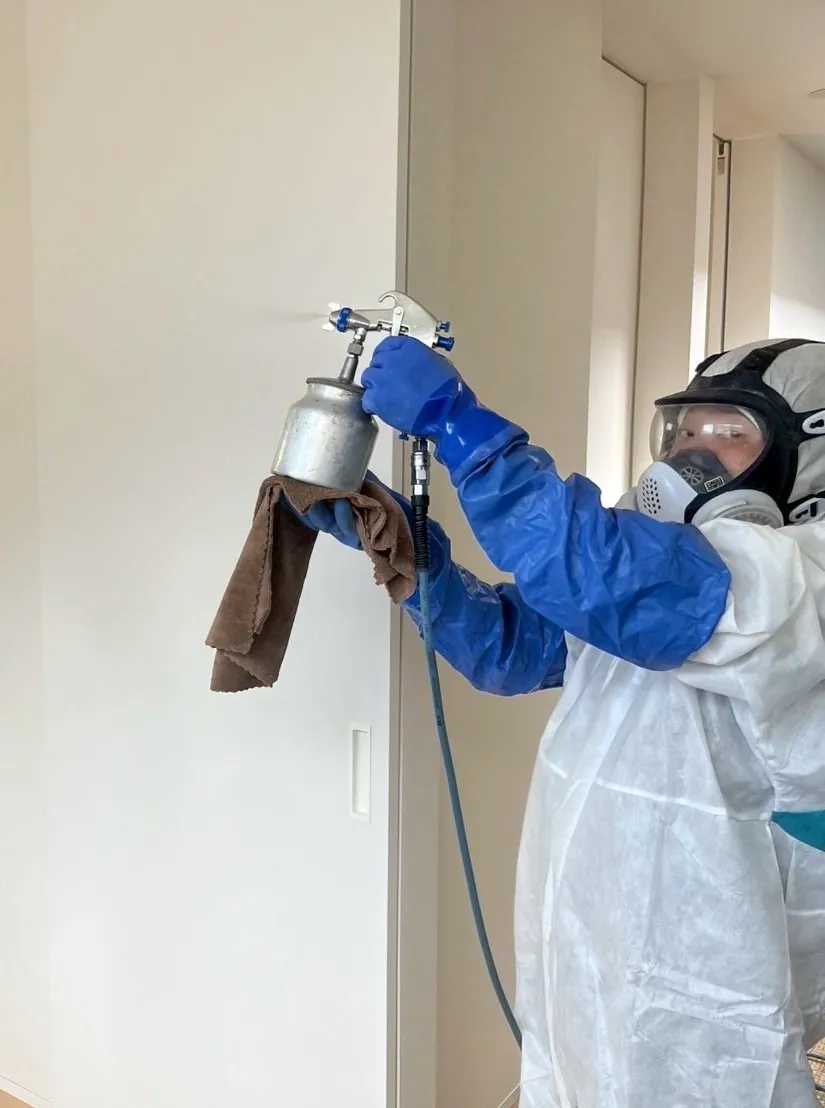
The MIST Method® is a proprietary mold removal technique developed to eradicate mold without damaging the underlying materials. Its core strength lies in its ability to eliminate mold through decomposition and disinfection without the need for scrubbing or scraping. Specially formulated agents are adjusted according to the pH and properties of the affected surface, making the method suitable for wood, paper, stone, and other delicate materials.
Unlike traditional methods that rely on abrasive cleaning or harsh chemicals—which may leave behind spores or damage surfaces—the MIST Method® delivers a fine mist of cleaning solution that penetrates deep into porous surfaces, breaking down mold at the cellular level. This deep-reaching capability significantly reduces the chance of recurrence, all while preserving the visual and structural integrity of the material. For historic properties or high-end interiors, this gentle yet thorough approach is a major advantage.
7-2. Proven Results in Historic and Delicate Structures
The MIST Method® has been used successfully in cultural properties, historic buildings, luxury inns, and residences where careful material handling is essential. It can safely treat aged wood, plaster walls, washi paper screens, and other sensitive features without altering their appearance or texture.
In addition, a follow-up anti-mold treatment ensures long-term prevention, and many cases report zero recurrence for several years after a single treatment. For buildings like diplomatic residences, where access and ongoing maintenance can be limited, the lasting protection and reliability of the MIST Method® make it especially valuable.
8. Necessity of Anti-Mold Treatments and the Durability of the MIST Method®
Simply removing mold is not enough—without proper follow-up, mold can easily return, especially in humid climates like Japan. The MIST Method® not only eliminates mold but also includes a durable anti-mold treatment to maintain a clean, safe environment for the long term.
8-1. Essential Steps to Prevent Mold Recurrence After Removal
Mold spores are constantly present in the air. Once favorable conditions return—such as high humidity—mold can reappear. Therefore, maintaining an environment where spores cannot settle and grow is essential. With the MIST Method®, an anti-mold coating is applied after removal, preventing mold spores from attaching and spreading on treated surfaces.
This treatment is tailored to each material and is completely safe for use on wood, wallpaper, stone, textiles, and other surfaces. The pH and chemical composition of the solution are adjusted for each application, ensuring that it does not alter the color or texture of delicate surfaces. Unlike traditional chemicals that may cause discoloration or surface damage, the MIST Method® is designed to preserve material integrity.
8-2. Longevity and Safety of MIST Anti-Mold Processing
One of the standout features of the MIST Method® is its balance of quick effectiveness and long-lasting protection. It begins working immediately and can remain effective for 6 to 12 months or more, depending on environmental conditions. It even neutralizes airborne spores, reducing the need for frequent reapplications.
Additionally, the anti-mold agents used are low in volatility and extremely safe, making them suitable for spaces occupied by infants, the elderly, or those with sensitivities. There are no lingering chemical odors or residues after treatment, so normal activities can resume immediately. In diplomatic residences or official buildings with high traffic and strict safety standards, the combination of safety and durability makes the MIST Method® especially well-suited.
9. How to Choose a Trustworthy Mold Removal Specialist
Mold remediation and prevention require technical expertise and specialized knowledge. The success of any treatment depends heavily on selecting the right service provider. For official residences and diplomatic housing—where quality and discretion are essential—choosing a qualified and experienced professional is critical.
9-1. Key Points: Licenses, Experience, and Guarantees
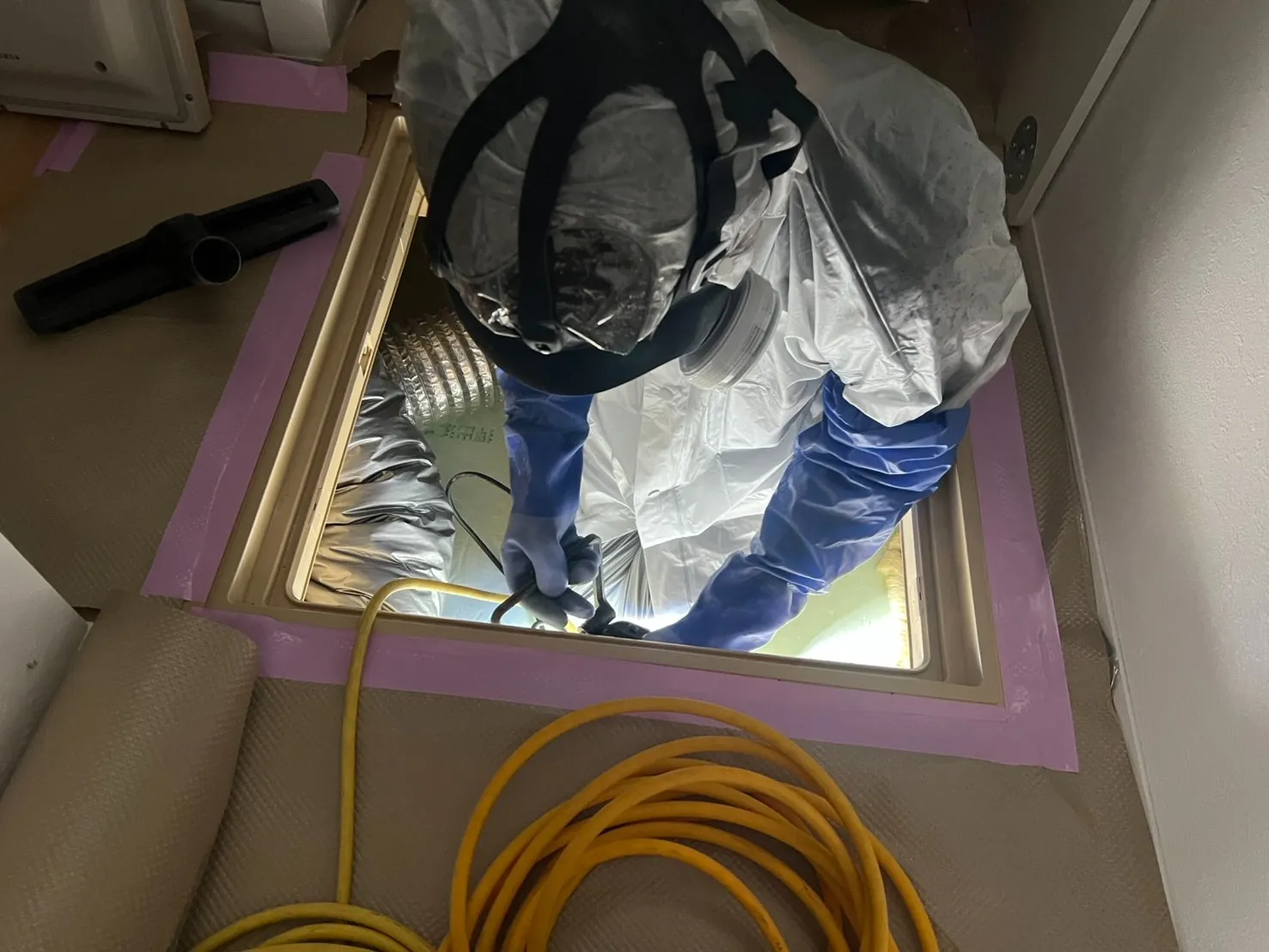
When evaluating mold removal specialists, check for industry-specific certifications and a proven track record in mold control. Companies that have developed their own techniques, like the MIST Method®, or have experience working in heritage buildings or luxury homes, typically demonstrate higher technical ability.
Also look for well-trained staff, clearly defined quality standards, and whether the company offers post-treatment guarantees. Mold problems often extend beyond the visible, so having follow-up support—such as re-treatment warranties or regular inspection plans—provides peace of mind. Transparent on-site evaluations, detailed explanations, and clearly itemized estimates are additional signs of a reliable contractor.
9-2. Tips for Finding Reliable Service Providers
To avoid poor service or overcharges, compare estimates from multiple providers. Don’t base your decision on price alone. Instead, consider how clearly they explain their treatment process, the materials and equipment they use, the estimated timeline, and the safety measures they implement.
Online reviews, word-of-mouth referrals, and local business directories can also offer insight into a provider’s reputation. Look not only for positive feedback, but also how they respond to complaints or issues—professionalism in follow-up support is key.
Finally, a direct conversation with the contractor can reveal a lot. Are they willing to answer questions thoroughly? Do they take time to understand the unique needs of a diplomatic residence? Effective communication and careful attention to your concerns are essential traits in a mold remediation partner for sensitive properties.
10. Future Outlook on Mold Control for Official Residences
Mold control has shifted from reactive treatment to proactive environmental management. In diplomatic residences and official housing—where both aesthetics and safety are essential—future strategies must involve advanced technology, smart building materials, and preventive systems tailored to each property’s needs.
10-1. Smart Technology for Real-Time Humidity Management
One of the most promising developments is the use of IoT (Internet of Things) technology to monitor indoor environments. By installing temperature and humidity sensors throughout the residence—including in walls or rarely used spaces—property managers can monitor conditions remotely in real time. These systems can alert users when humidity levels become conducive to mold growth, enabling immediate action.
Some systems even integrate with smart ventilation units or dehumidifiers that activate automatically. For diplomatic housing without full-time maintenance staff, remote access and automation greatly enhance mold prevention and environmental control.
10-2. Innovations in Building Materials and Mold Prevention
Advancements in construction materials are also key. Modern mold-resistant paints, wallpapers, and coatings infused with antimicrobial agents are now available, offering long-term protection. Other materials, such as diatomaceous earth panels or natural woods with moisture-regulating properties, help stabilize humidity levels and prevent mold formation.
Research in medical and food safety fields is being applied to mold prevention technologies, driving improvements in safety and performance. For official residences, integrating these new materials and technologies during renovations or maintenance planning offers an opportunity to minimize future mold risk while preserving the building’s beauty and functionality.
Mold Remediation and Prevention: Trust Kabibusters Osaka & Kabi Reform Nagoya/Tokyo
In high-profile properties like diplomatic residences and official homes, mold is not just an aesthetic issue—it threatens the health of occupants and the long-term integrity of the building. That's why it's essential to rely on professionals with proven technology, extensive experience, and a commitment to safety.
Kabibusters Osaka specializes in advanced mold removal using the original MIST Method®, a proprietary technique designed to eliminate mold without damaging delicate materials like wood or stone. This method safely penetrates the surface, decomposes mold at the root, and removes it completely—without scrubbing or abrasion. It uses highly effective, yet human- and eco-safe agents, making it ideal for environments where children, seniors, or sensitive individuals are present.
Kabi Reform Nagoya and Tokyo offer comprehensive mold solutions, from diagnosis and removal to long-term prevention. Their team evaluates the structure, materials, and environmental conditions to provide customized treatments. After mold removal, they apply anti-mold coatings and environmental management solutions to ensure that mold does not return. This high level of service is particularly well-suited to residences welcoming international guests or requiring discreet, high-standard maintenance.
If you’ve noticed mold, suspect hidden contamination, or simply want a professional inspection, don’t hesitate to contact Kabibusters Osaka or Kabi Reform Nagoya/Tokyo. With leading-edge technology, personalized service, and a deep understanding of complex residential needs, they are your trusted partners in protecting valuable living environments.
---------------------------------------------------------------------
カビ取リフォーム
東京営業所
〒141-0022
東京都品川区東五反田2-5-2 YHE CASK GOTANDA6階
電話番号:090-8321-4408
名古屋本社
〒465-0028
愛知県名古屋市名東区猪高台1-1301 タイコウビル1F
電話番号 : 0120-588-766
サイト:https://taikou-kensou.co.jp/
大阪営業所
〒532-0003
大阪府大阪市淀川区宮原1-19-23
電話番号:080-6978-3068
カビバスターズ大阪
https://kabibusters-osaka.com/
【検査機関】
一般社団法人微生物対策協会
https://kabikensa.com/
----------------------------------------------------------------------