“From Humidity to Health: A Mold Survival Guide for Foreign Diplomats in Japan”
2025/06/07
Foreign diplomats stationed in Japan often face unexpected mold problems due to the country's unique climate and housing conditions.
This article provides insight into how Japan’s housing and weather contribute to mold issues and outlines practical ways to manage and prevent them.
By reading this, you’ll gain the knowledge needed to avoid mold-related health problems and enjoy a clean, healthy stay during your assignment in Japan.

1. The Relationship Between Japanese Housing and Mold
Japanese homes are uniquely designed to suit the country’s climate, but some of those features can inadvertently encourage mold growth. For foreign diplomats newly stationed in Japan, the unfamiliar housing structure may lead to unexpected mold issues if not properly understood. This section explains the specific characteristics of Japanese homes that contribute to mold problems.
1-1. Structural Features of Japanese Homes That Promote Mold Growth
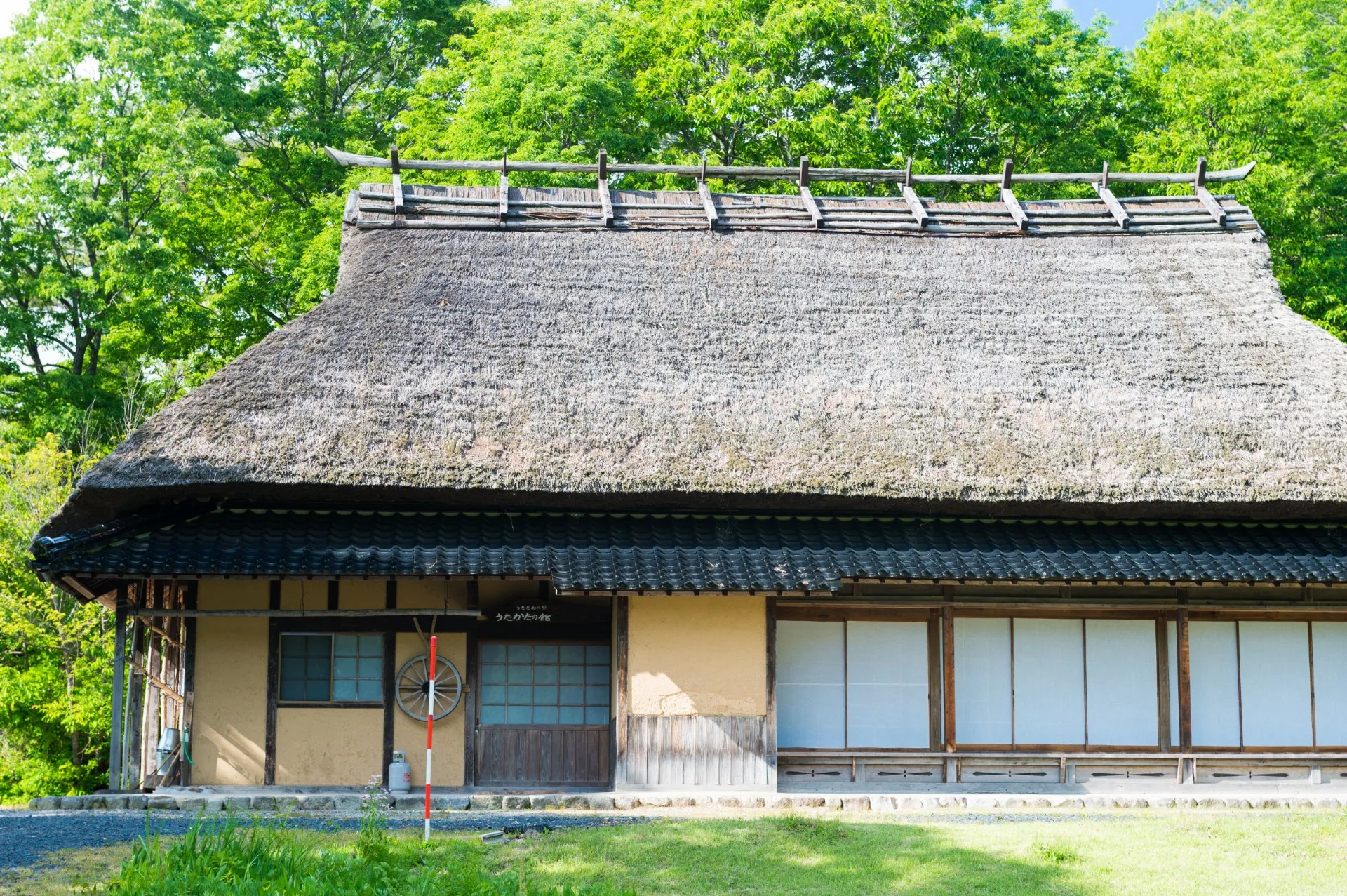
Japanese houses often feature wooden structures designed for ventilation in humid climates. However, older buildings may lack adequate insulation, leading to condensation caused by temperature differences between indoor and outdoor air. This moisture can build up in hidden places like inside walls or ceilings, becoming a breeding ground for mold. In modern, airtight homes, poor ventilation can also trap humidity, which accelerates mold growth. Japan's rainy season and humid summers create ideal conditions for mold to thrive, making many areas of the home potential risk zones.
1-2. Key Housing Features Foreigners Should Be Aware Of
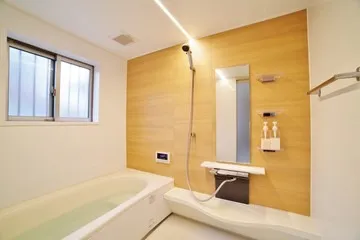
Foreign diplomats unfamiliar with Japanese housing may encounter challenges stemming from differences in design. For instance, bathrooms often lack sealed doors, allowing moisture to spread throughout the home. Entryways and storage spaces may also lack ventilation, causing humidity to accumulate. Additionally, the low insulation of windows can lead to frequent condensation in winter, which also fosters mold. Furniture placed directly against walls can block airflow and trap moisture, leading to mold growth behind or beneath it. Understanding these structural nuances is essential for maintaining a mold-free environment.
2. Japan’s Climate and Mold Risks
Japan’s climate is characterized by high humidity and significant seasonal variation, making it a perfect environment for mold growth. For foreign residents, particularly those unaccustomed to such conditions, it’s important to understand how weather patterns throughout the year influence the likelihood of mold. This section explores how Japan’s climate contributes to mold development and highlights seasonal risk periods.
2-1. The Impact of High Humidity and Heat
Many areas of Japan experience humidity levels that frequently exceed 80%, especially during the rainy season (June–July) and peak summer (July–August). When combined with temperatures above 25°C (77°F), this creates ideal conditions for mold to grow rapidly. Moisture in the air tends to condense on walls, windows, and furniture, particularly in poorly ventilated areas like bathrooms, closets, and behind furniture. This trapped humidity becomes a prime breeding ground for mold spores. Without adequate airflow or dehumidification, even newly built or well-maintained homes can develop mold issues.
2-2. Seasonal Mold Risk Trends
Mold risks vary with the seasons in Japan. During the rainy season, prolonged rainfall and consistently high humidity put every part of the home at risk. In summer, high temperatures amplify the effects of humidity, leading to rapid mold spread. In autumn, cooler temperatures bring increased condensation, especially in the mornings and evenings, which can promote hidden mold growth in walls and corners. Even in winter, when the air feels dry, heated indoor environments can create warm, moist surfaces due to the contrast with cold outdoor air. These conditions lead to window condensation and mold in window frames and behind curtains. Because mold threats persist year-round in different forms, ongoing vigilance is necessary.
3. Health Risks Associated with Mold
Mold problems extend beyond unpleasant odors or unsightly stains—they can seriously affect your health. For foreign diplomats and their families staying long-term in Japan, understanding the health risks associated with indoor mold is essential. This section details the impact of mold on human health and how it can degrade your quality of life.
3-1. Respiratory Issues and Allergic Reactions
Mold releases tiny spores into the air, which are easily inhaled without notice. These spores can trigger allergic reactions, especially in people with asthma or respiratory sensitivities. Common symptoms include coughing, sneezing, nasal congestion, and itchy eyes. In more severe cases, prolonged exposure can worsen chronic bronchitis or even lead to fungal infections in the lungs. Mold also emits volatile organic compounds (VOCs) that may cause headaches, dizziness, or fatigue, even in healthy individuals. Ensuring clean indoor air by eliminating mold sources is crucial for protecting respiratory health, particularly in children, elderly residents, and those with compromised immune systems.
3-2. Mold’s Effects on Living Environment
Aside from health risks, mold can severely impact your living conditions. Once it takes hold, mold can damage clothes, furniture, books, and wallpaper, leaving stains and persistent odors. If it spreads to structural areas such as tatami mats or behind walls, it can compromise the value of your home or rental property. This can lead to disputes with landlords or additional cleaning fees at the end of your lease. Regular inspections, thorough cleaning, and prompt treatment are key to maintaining a clean and comfortable living space.
4. Home Maintenance for Mold Prevention
The best way to handle mold is to prevent it before it starts. In Japan’s humid climate, regular home maintenance plays a critical role in keeping mold at bay. Especially for foreign residents unfamiliar with local conditions, adopting proactive habits can make a significant difference. This section outlines practical maintenance strategies for preventing mold in your living space.
4-1. Importance of Ventilation and Humidity Control
Good airflow and humidity control are the cornerstones of effective mold prevention. Modern Japanese homes are often airtight, which can trap moisture if ventilation is poor. Open windows regularly, even during winter, and use exhaust fans in the kitchen and bathroom to maintain proper air circulation. A hygrometer can help monitor indoor humidity—aim for levels between 40% and 60%. If necessary, use dehumidifiers in problem areas, especially during the rainy season and summer. Avoid overusing humidifiers in winter, as they may contribute to condensation if not properly balanced.
4-2. Regular Cleaning and Inspection Tips
Frequent cleaning and occasional deep inspections help keep mold from taking hold. Pay attention to hidden or poorly ventilated areas like behind furniture, inside closets, and around windows. Wipe down surfaces with a dry or slightly damp cloth and use mild cleaning agents for regular upkeep. Use dehumidifying products or charcoal packs in storage spaces. Move furniture slightly away from walls to allow air circulation, and inspect air conditioners and filters monthly. Even if mold isn't visible, musty odors or dampness can be early warning signs—trust your senses and act quickly.
5. What to Do When Mold Appears
Even with diligent prevention efforts, mold can still find its way into your home. When that happens, acting quickly and correctly is crucial to prevent it from spreading. This section explains how to deal with minor mold issues on your own and when to call in professionals for more serious situations.
5-1. DIY Mold Removal Tips
For small areas of mold, you can often handle cleanup yourself with proper care. Always wear gloves and a mask to avoid inhaling spores. Use a store-bought mold remover or a homemade solution of diluted alcohol or vinegar, depending on the surface. Ensure good ventilation during the cleaning process. On non-porous surfaces like tiles or plastic, you can scrub off mold with a cloth or soft brush, then disinfect with alcohol. However, avoid using bleach on porous materials like wood or wallpaper, as it may worsen the problem. Always dry the area completely afterward to prevent recurrence.
5-2. Benefits of Hiring a Professional Mold Removal Service
If the mold covers a large area, has returned after multiple cleanings, or is located in hidden places like inside walls or ceilings, it's time to contact a professional. Mold specialists use industrial-grade tools and specially formulated agents to eliminate mold deep within materials. They can also treat affected areas with long-lasting mold inhibitors to prevent future outbreaks. This is especially important in rental properties, where neglecting mold could lead to damage costs or disputes. For families with children, elderly members, or respiratory issues, hiring professionals ensures safety and peace of mind.
6. Living Comfortably in Japan
Preventing mold is not just about cleaning—it involves adopting daily habits and understanding your living environment. For diplomats and expatriates, adjusting to Japan’s unique climate and home structures is essential for a healthy, comfortable stay. This section covers lifestyle adjustments and community resources that can enhance your mold prevention efforts and overall well-being.
6-1. Adjusting Habits to Prevent Mold Growth
Small changes in your daily routine can significantly reduce mold risk. Dry laundry outdoors whenever possible instead of indoors, which increases room humidity. After bathing or cooking, ventilate bathrooms and kitchens thoroughly using exhaust fans or by opening windows. Arrange furniture slightly away from walls to allow air circulation, especially during humid months. Use moisture absorbers in closets and storage spaces, and check for condensation around windows, particularly in winter. Making seasonal adjustments, like inspecting for hidden mold during rainy or humid periods, is also key to maintaining a mold-free home.
6-2. Connecting with the Community for Information and Support
Local resources can provide valuable guidance on maintaining a healthy living environment. Municipal offices often offer disaster preparedness and home safety seminars, some of which include tips on mold prevention. International community centers or support groups may also share region-specific advice based on local climate and housing trends. Speaking with neighbors or your landlord can reveal practical knowledge about common mold-prone areas in your neighborhood. Building connections within the community not only improves your understanding of Japanese living conditions but also offers support when facing housing challenges.
7. What to Look for When Choosing a Mold-Resistant Home in Japan
When selecting housing in Japan, many foreign residents focus on location and layout, often overlooking important factors that influence mold risk. However, choosing a mold-resistant home is crucial for maintaining comfort and health, especially in Japan’s humid climate. This section highlights key features to consider when viewing rental properties or purchasing a home.
7-1. Check for Sunlight and Ventilation
Natural sunlight and good airflow are essential in preventing mold. During property tours, observe the placement and size of windows—rooms with windows on multiple walls (especially corner units) promote cross-ventilation. Sunlit rooms dry out more quickly after rain or cleaning, reducing moisture buildup. Avoid basements or north-facing units, which are prone to dampness. Open windows to check if air flows easily through the space. A home that feels stuffy or overly humid during a visit may indicate poor ventilation, even if it's visually appealing.
7-2. Inspect Materials and Mold-Resistant Features
Pay attention to the materials used in bathrooms, kitchens, and other moisture-prone areas. Mold-resistant wallpaper, tiles with anti-fungal coatings, and adequate exhaust fans are good signs. Check for visible mold stains or musty odors—especially under sinks, behind curtains, or in corners. Ask the landlord or agent if the unit has a history of water leaks or humidity-related issues. Make sure air conditioners and ventilation systems are clean and functioning. Choosing a home with these preventive features can save you time, stress, and costly mold remediation in the future.
8. Furniture and Interior Design Tips for Mold Prevention
Even if your home is well-ventilated, the way you arrange your furniture and choose materials can significantly impact mold development. In Japan’s humid environment, mold can easily grow behind furniture or inside poorly ventilated storage spaces. This section offers practical tips on how to design your interior to reduce the risk of mold.
8-1. Leave Space Between Furniture and Walls
Placing large furniture—like wardrobes, beds, or sofas—directly against walls blocks air circulation and traps humidity. This can lead to mold growing unnoticed on the backs of furniture or wall surfaces. To prevent this, leave a few centimeters of space between furniture and walls, especially in humid seasons like the rainy season or summer. In closets and built-in storage, avoid overstuffing and maintain airflow by organizing contents neatly. Choosing furniture with raised legs that allow air to flow underneath can also help reduce moisture accumulation on floors and behind units.
8-2. Choose Breathable Materials When Possible
Furniture materials play a crucial role in mold resistance. Synthetic leather or vinyl may trap moisture, especially in poorly ventilated rooms. Instead, opt for breathable materials such as natural wood, rattan, or fabric-covered items, which allow moisture to dissipate more easily. Be cautious with thick coatings or varnishes on wood, which can hinder breathability. Additionally, choose washable textiles for curtains, rugs, and cushion covers so you can clean them regularly. Incorporating breathable materials and proper care into your interior design enhances both comfort and hygiene in your living space.
9. Useful Tools and Appliances for Mold Prevention
In Japan, where humidity is a constant challenge, modern appliances and convenient mold-prevention products can make a big difference in maintaining a healthy home. Incorporating these tools into your daily routine can reduce the risk of mold and ease the burden of constant cleaning. This section introduces practical gadgets and how to use them effectively.
9-1. Using Dehumidifiers and Air Purifiers
Dehumidifiers are essential during Japan’s rainy season and humid summers, especially when indoor humidity climbs above 60%. These machines efficiently reduce moisture in the air, preventing mold from forming on walls, furniture, and fabrics. Choose a model appropriate for the size of your room, and use it regularly in high-risk areas such as bedrooms, closets, or basements. Air purifiers with HEPA filters are also useful—they capture airborne mold spores, dust, and allergens, improving overall air quality and reducing health risks for sensitive individuals.
9-2. Mold Control Products and Moisture Absorbers
Japan offers a wide range of affordable, easy-to-use mold prevention products. For closets and storage areas, use disposable moisture absorbers that trap humidity in sealed containers. In bathrooms, anti-mold gel or spray can be applied to tiles, grout, and corners. For larger spaces, try mold-prevention foggers or air-freshener-style anti-mold agents that gradually release protective ingredients. Moisture-proof sheets, anti-condensation window films, and sealable containers are also effective for maintaining low-humidity microenvironments. These products are widely available in drugstores, home centers, and online, making them easy to integrate into your daily life.
10. Mold Prevention for Homes with Children and the Elderly
Mold isn’t just a cosmetic issue—it can be a serious health concern, especially for vulnerable individuals such as young children and elderly family members. Their immune systems are often weaker, making them more susceptible to mold-related illnesses. This section focuses on safe, effective mold prevention methods tailored for families with at-risk individuals.
10-1. Safe Cleaning Practices for Health Protection
Many commercial mold removers contain strong chemicals that may irritate the skin or respiratory system. In homes with children or elderly residents, it’s advisable to use natural or low-odor products like alcohol-based sprays or vinegar solutions for cleaning. Always ventilate the area during and after use, and keep children away from the space until it has aired out. Wear gloves and a mask when cleaning mold, and use disposable cloths to avoid spreading spores. Regular light cleaning of potential mold-prone areas can reduce the need for harsh interventions, preserving both health and the home environment.
10-2. Mold Control as a Way to Prevent Illness
Mold can release spores and volatile compounds into the air, which may aggravate asthma, allergies, and other respiratory conditions. In homes with elderly family members or children who spend a lot of time indoors, maintaining clean air is critical. Use air purifiers in bedrooms and play areas, and ensure that humidity remains within safe levels. Pay special attention to areas such as the kitchen, bathroom, and under beds or sofas, where mold can develop unnoticed. Mold prevention, in this context, becomes a form of preventive healthcare—creating a safer, more comfortable living space for the entire family.
Mold Removal and Prevention by Kabibusters Osaka and Kabi Reform Nagoya & Tokyo
Mold in Japanese homes is not just an inconvenience—it can have a significant impact on your health and living conditions. For foreign residents seeking a reliable and professional solution, Kabibusters Osaka and Kabi Reform Nagoya & Tokyo offer expert mold removal services tailored to Japan’s unique climate and housing structure.
These companies use a proprietary method called MIST工法® (MIST Method), developed specifically to eliminate mold without damaging materials. Unlike traditional cleaning that involves scrubbing or scraping, the MIST Method uses custom-formulated agents adjusted to the mold growth and surface type, allowing for deep penetration and complete eradication of mold—even on delicate surfaces like wood or historical buildings. Despite its powerful mold-killing action, the treatment is safe for humans and environmentally friendly.
The service doesn’t stop at removal—preventive treatment is also included. A misted antifungal solution reaches deep into porous materials and surfaces, breaking down mold spores and forming a protective barrier. The result is long-lasting prevention that resists recontamination even in humid Japanese environments. These treatments are ideal for families with children or elderly members, as they prioritize health and safety without compromising on effectiveness.
Whether you’re facing visible mold damage or concerned about hidden risks, Kabibusters Osaka and Kabi Reform Nagoya & Tokyo offer trusted, professional support to ensure your home remains clean, healthy, and comfortable throughout your stay in Japan. Don’t wait for the problem to escalate—contact the experts and breathe easier knowing your home is in safe hands.
---------------------------------------------------------------------
カビ取リフォーム
東京営業所
〒141-0022
東京都品川区東五反田2-5-2 YHE CASK GOTANDA6階
電話番号:090-8321-4408
名古屋本社
〒465-0028
愛知県名古屋市名東区猪高台1-1301 タイコウビル1F
電話番号 : 0120-588-766
サイト:https://taikou-kensou.co.jp/
大阪営業所
〒532-0003
大阪府大阪市淀川区宮原1-19-23
電話番号:080-6978-3068
カビバスターズ大阪
https://kabibusters-osaka.com/
【検査機関】
一般社団法人微生物対策協会
https://kabikensa.com/
----------------------------------------------------------------------