The Latest Mold Prevention Technologies and Practical Methods Every Building Industry Professional Should Know
2025/06/06
Thank you for reading our blog today.
Tokyo's hot and humid climate significantly increases the risk of mold growth in buildings, potentially compromising both structural quality and the health of residents. Inadequate preventative measures during the design and construction phases can often lead to mold issues surfacing after the building is handed over.
This article explores the mechanisms behind mold development, tailored to Tokyo’s unique climate, and provides specific countermeasures that should be implemented during design and construction. We also introduce the MIST Method® offered by Kabibusters Tokyo, along with actual case studies of its application.
By reading this, architects and construction professionals will gain practical knowledge and access to the latest mold prevention technologies to proactively protect buildings and enhance client satisfaction. Additionally, this can help avoid legal liabilities and boost brand reputation.

1. The Relationship Between Tokyo's Climate and Mold Growth
Tokyo has distinct seasonal changes, with particularly high humidity levels from the rainy season through summer. These climatic conditions create an ideal environment for mold growth, posing a significant risk to homes and buildings. In urban areas especially, where buildings are densely packed, ventilation tends to be poor and moisture easily becomes trapped—making this a critical concern.
1-1. Mold Risks Posed by Tokyo's Unique Heat and Humidity
From the start of the rainy season in June through September, Tokyo experiences many days with average humidity exceeding 70%, and mid-summer temperatures often rise to around 35°C (95°F). These "hot and humid" conditions perfectly meet the three key requirements for mold growth—temperature, humidity, and nutrients—making it an ideal environment for mold proliferation. Additionally, everyday activities like cooking and bathing generate indoor moisture, allowing mold to spread without residents even noticing.
Particularly vulnerable are newly built, unoccupied properties or enclosed spaces with insufficient ventilation. Areas such as closets, crawl spaces, and behind walls often lack proper air circulation, creating stagnant zones. When combined with damp construction materials or rainwater intrusion during the build, the risk of mold appearing before or shortly after handover increases significantly. This can lead to liability issues for builders and complaints from occupants—situations that are becoming increasingly common.
1-2. Ventilation Challenges in Urban Buildings
In central Tokyo, buildings are densely packed due to limited land availability. This environment makes it difficult to design for natural ventilation, leading most buildings to rely on mechanical systems. However, if the ventilation routes are poorly planned or if fan performance and operation are inadequate, indoor moisture can accumulate, creating ideal conditions for mold.
Moreover, many buildings prioritize soundproofing and insulation, resulting in high airtightness. While this enhances energy efficiency, it also reduces moisture escape, increasing the risk of mold. Improper installation of insulation or condensation within wall cavities can lead to internal mold growth if left unaddressed.
Reinforced concrete (RC) buildings, though excellent for airtightness and noise control, tend to retain heat. This causes temperature differentials that make condensation more likely on external walls and around windows during air conditioning use. Such condensation can be the starting point of mold growth, spreading unseen behind wallpaper or in ceiling cavities—ultimately compromising the health and comfort of residents.
As such, buildings in Tokyo inherently face high mold risks due to both climate and structural design. Moisture control and thorough ventilation planning must be prioritized from the design and construction stages to mitigate these challenges effectively.
1-3. Moisture and Mold Risks in Basements and Semi-Basement Structures
To make efficient use of limited urban land, many buildings in Tokyo incorporate basements or semi-basement levels. These spaces typically suffer from poor air circulation and significant temperature differentials with the outside air, making them prone to condensation and trapped humidity. When moisture lingers in these enclosed areas, mold can quietly proliferate in hidden spots—eventually causing material degradation and deteriorating indoor air quality.
Basements are particularly vulnerable to "capillary action," where ground moisture slowly rises through concrete, as well as rainwater seepage. If insulation or waterproofing layers are poorly installed, internal wall condensation can occur due to temperature differences, creating a breeding ground for mold. Even when the surface appears clean and well-finished, mold may be spreading unseen beneath the walls or flooring.
Appropriate waterproofing and ventilation planning, along with the use of suitable finishing materials, can significantly reduce these risks during the design phase. Maintaining a comfortable and healthy basement environment requires a moisture-conscious design approach and precise waterproofing and ventilation practices during construction. In low-traffic spaces like shared storage rooms or commercial basements within apartment buildings, mold can go undetected for extended periods—making routine inspections and preventive measures essential.

2. The Importance of Mold Prevention During the Design Stage
Even the most visually flawless buildings are vulnerable to mold if preventative measures are not carefully considered during the design phase. Especially in a climate like Tokyo’s, where heat and humidity are intense for extended periods, mold prevention must be addressed from the outset. Decisions made during design—such as ventilation planning, material selection, insulation layout, and moisture control—can significantly impact the long-term durability and health of a structure. In this section, we explore the key points architects and construction professionals should prioritize to keep mold at bay from day one.
2-1. Key Points for Ventilation Planning and Humidity Control
One of the most fundamental elements of mold prevention is proper ventilation. Ensuring air circulation helps prevent moisture from stagnating, which disrupts the conditions mold needs to grow. In central Tokyo, where buildings are closely packed, natural ventilation is often impractical—making mechanical or planned ventilation systems essential.
It is especially important to install dedicated exhaust routes for moisture-prone areas such as bathrooms, washrooms, kitchens, and closets. Doing so allows humidity to escape immediately, significantly reducing the risk of moisture absorption into building materials. Additionally, integrating ventilation systems with temperature and humidity sensors can automatically manage interior conditions, helping maintain a comfortable and healthy living environment.
Moreover, incorporating ventilation layers or air vents within the wall assembly is an effective method to prevent condensation inside walls. Reflecting these ventilation and moisture-control mechanisms in the design phase is directly linked to successful mold prevention.
2-2. Selecting Mold-Resistant Materials and Smart Placement
Choosing appropriate construction materials is another critical component of mold prevention during the design stage. For components exposed to frequent moisture—such as walls, floors, and ceilings—it’s important to select materials with built-in mold-resistant properties.
For instance, using mold-resistant gypsum boards, paints infused with antimicrobial agents, or highly water-resistant adhesives can significantly reduce the risk of mold. Additionally, applying preservatives to wooden materials or partially incorporating natural materials with moisture-regulating properties can help maintain indoor humidity balance.
Thoughtful material placement is also necessary. Surfaces in contact with outdoor air or near water facilities should prioritize moisture- and mold-resistant materials. At the same time, designs should avoid enclosed structural areas that hinder air circulation. It's also vital to carefully plan details where insulation meets waterproofing layers to prevent condensation at junctions—often a hidden source of future mold issues.
Ultimately, mold prevention at the design phase is crucial for ensuring both the building’s performance and occupant comfort. A forward-thinking approach that considers not just aesthetics or costs but also long-term indoor environmental quality is key to creating trusted and lasting architecture.
2-3. Condensation Prevention Through Insulation Design and Waterproofing
Condensation is one of the primary causes of mold growth. In a climate like Tokyo’s, where temperature differences between seasons and between indoor and outdoor environments can be extreme, condensation is especially likely—whether from warm indoor air hitting cold walls in winter, or from chilled interior walls during summer air conditioning. If this moisture seeps into walls or flooring, it creates ideal conditions for mold to thrive.
Proper selection and installation of insulation is a fundamental step. Insulating external walls, roofs, and subfloors with sufficient thickness and quality helps maintain stable indoor temperatures. Installing air gaps between insulation and structural elements allows moisture to dissipate, preventing internal condensation. It’s also crucial to avoid thermal bridging—areas where poorly installed or missing insulation allows temperature transfer that leads to localized condensation.
As for waterproofing, areas exposed to frequent water—such as bathrooms, balconies, and wall openings—require layered, comprehensive waterproofing. Poorly sealed joints or gaps in waterproof sheets can lead to rainwater intrusion or trapped condensation, turning those areas into breeding grounds for mold. Therefore, waterproofing details must be clearly specified in design drawings and implemented with precision on-site.
In recent years, advanced materials such as breathable waterproof membranes and anti-condensation insulation have become more widely available. These materials allow moisture vapor to escape while blocking liquid water—helping prevent mold at its source while extending the building’s lifespan.
By treating insulation and waterproofing as a unified strategy from the design phase—and anticipating where condensation is most likely to occur—designers can choose the best specifications to proactively prevent mold and preserve occupant health and comfort.
3. Mold Risk Factors to Watch for During Construction
Even the most well-designed buildings can be compromised if moisture is not properly managed on-site during construction. In regions like Tokyo, where the rainy season and high humidity are common during peak construction periods, poor moisture control can lead to mold development even before a building is completed. Without strict quality control, issues like wet building materials, inadequate drying, or insufficient site ventilation can turn into serious post-construction problems. This section details the specific mold risk factors that require careful attention during the building process.
3-1. Proper Storage and Drying Management of Building Materials
Building materials delivered to a construction site are often stored temporarily outdoors, depending on the site’s layout. Without proper protective measures, these materials can absorb moisture from rain or humidity, increasing the risk of mold when incorporated into the structure. Materials like wood, gypsum board, and insulation are especially vulnerable due to their high moisture absorption rates.
Basic tarp coverings are often insufficient. Materials should be elevated off the ground using pallets to prevent ground moisture absorption and stored in well-ventilated, shaded areas. In addition, moisture levels should be measured before installation—if the moisture content exceeds acceptable limits, those materials should not be used until properly dried.
Failing to address this can result in moisture-laden materials being sealed inside walls, floors, or ceilings, where they can quietly foster mold growth over time. This not only compromises indoor air quality but may also degrade structural components and lead to future warranty claims or costly repairs. Strict on-site management of storage and drying is therefore essential for quality assurance and mold prevention.
3-2. Rain Protection and On-Site Humidity Control
In Tokyo, the rainy season from June to July and the typhoon-prone months of August and September present high risks for moisture intrusion during construction. When structural elements are left exposed during these wet periods, rainwater can soak into building materials. If the project proceeds without allowing time for thorough drying, it creates ideal conditions for mold growth—potentially undermining the building’s integrity even before completion.
To prevent this, strict “rain protection” measures are essential. These include quickly installing waterproof sheeting over roofs after framing, sealing temporary openings with covers or panels, and using protective wraps on wood framing and insulation materials. Active drying techniques, such as using industrial dehumidifiers or fans, are also highly effective—especially during prolonged periods of rain or high humidity.
Basements and enclosed areas without natural ventilation require special attention. Temporary ventilation fans should be installed not only during active work hours but also between shifts to promote airflow and reduce moisture buildup. It's not enough to rely on surface-level drying; moisture trapped inside materials or structures must be fully removed to prevent hidden mold problems from emerging later.
3-3. Managing and Inspecting Dark and Enclosed Spaces
Mold thrives in dark, enclosed environments—especially when moisture and poor air circulation are present. During construction, areas such as crawl spaces, wall cavities, ceilings, and inspection hatches are often overlooked because they’re not immediately visible. However, these hidden zones are among the most susceptible to mold growth if not properly managed.
In densely populated urban areas like Tokyo, structural designs frequently include such confined spaces due to spatial limitations. These areas often lack natural ventilation, and moisture from construction, condensation, or undetected leaks can linger and go unnoticed. If not addressed, mold can begin to grow silently behind walls or beneath floors, potentially leading to severe damage and air quality issues after occupancy.
To mitigate this, moisture-resistant construction methods must be complemented by thoughtful inspection strategies. Ensure that adequate ventilation is provided, especially in areas with limited air movement. Design inspection hatches in accessible locations and plan for routine checks—both during and after construction. Installing ventilation fans or passive air vents in vulnerable areas can also help dissipate moisture and prevent accumulation.
Early detection is crucial. Mold that goes unnoticed during construction may require invasive and costly remediation later. By treating dark, enclosed spaces as high-priority zones and integrating moisture control into both design and construction practices, contractors can maintain higher quality standards and reduce future liability.
4. Final Checklist Before Building Handover
No matter how carefully mold prevention has been considered during the design and construction stages, a thorough inspection before handing over the property is essential. This final check ensures that no residual moisture or mold risk remains and that the building is truly ready for occupancy. Especially in Tokyo’s humid climate, visual inspections alone are not enough—quantitative data and attention to hidden areas are required. A well-executed final inspection helps prevent post-handover complaints, protects the builder’s reputation, and ensures long-term occupant satisfaction.
4-1. Measuring Indoor Humidity and Verifying Ventilation System Performance
One of the most critical steps before handover is confirming that indoor humidity levels are within a safe and comfortable range. Because humidity cannot be detected visually, it's essential to use hygrometers to measure it. Areas prone to moisture buildup—such as bathrooms, washrooms, kitchens, closets, and storage spaces—should be checked individually to ensure that humidity does not exceed acceptable levels. Generally, maintaining indoor humidity between 40% and 60% is ideal for both comfort and mold prevention.
Additionally, it's important to confirm that the ventilation systems function as designed. This means checking not only whether the fans are operating, but also verifying that air paths are unobstructed, filters are properly installed, and airflow is sufficient. If the system includes humidity sensors or automation features, their responsiveness and calibration should also be tested. These measures help ensure that moisture will continue to be properly managed after the residents move in, reducing the likelihood of future mold issues.
4-2. Detecting Early Signs of Mold Growth
Visual inspection remains a vital tool for identifying mold risks. Mold often appears as black spots on surfaces—particularly in corners, behind furniture, and in areas with poor air circulation. In addition to visual cues, other signs such as peeling wallpaper, discoloration, or a musty smell should also be considered potential early warnings of mold. Identifying and addressing these issues before handover can prevent more serious damage and maintain client trust.
For a more thorough check, tools such as mold detection kits or professional air quality tests can be used to detect invisible mold spores in the air. Areas known to have had high humidity during construction—like basements or enclosed cavities—should be prioritized for testing. If any doubt remains, consulting a mold remediation specialist for pre-handover testing may be a wise choice.
Failing to perform a complete final check can lead to post-handover issues that are costly to fix and damaging to a builder’s reputation. Keeping detailed records of humidity levels and inspections, and providing end users with basic humidity control tips, enhances both the quality of the build and customer satisfaction.
5. Responding to Mold Outbreaks and the Role of Professional Remediation Services
Even with thorough preventive measures in place during design and construction, mold may still appear due to unforeseen climate conditions or occupant habits. When mold is detected, swift and appropriate action is essential to minimize damage and health risks. In such cases, relying on a professional remediation service ensures a safe, effective, and long-term solution. This section outlines the key steps for initial response and explains how experts like Kabibusters Tokyo utilize advanced techniques such as the MIST Method® to resolve mold problems at the source.
5-1. Initial Response Steps and Key Precautions
When mold is discovered, the first priority is to assess the scope and identify the root cause of the problem. In cases of minor surface mold, it may be due to temporary humidity or condensation, which can sometimes be resolved through improved ventilation or dehumidification. However, more severe cases—such as black mold or widespread contamination—require caution. Attempting to wipe it away without proper knowledge can disperse mold spores into the air and worsen the situation.
Begin by increasing ventilation in the affected area to limit mold growth and prevent spores from spreading. Simultaneously, investigate potential causes such as condensation, plumbing leaks, or ventilation system failure. Document the situation with photos and notes for internal records or client communication. Especially in post-handover properties, prompt and transparent reporting is essential to maintain trust and manage expectations.
Proper initial response not only prevents damage escalation but also reduces the likelihood of legal or reputational consequences. When in doubt, it is advisable to involve a mold remediation specialist early on.
5-2. Mold Removal Solutions Using the MIST Method® by Kabibusters Tokyo
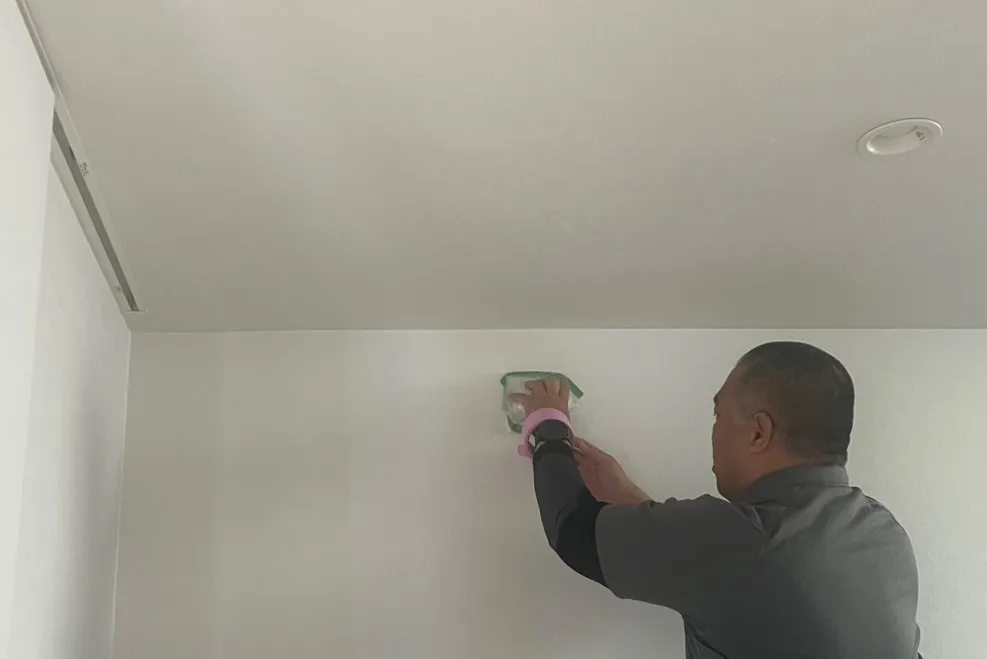
For effective and safe mold remediation, professional expertise is indispensable. Kabibusters Tokyo employs the proprietary “MIST Method®,” a non-invasive mold removal system that eliminates mold at the root without damaging building materials. This method uses a specialized misted solution that deeply penetrates surfaces and decomposes mold spores, all while preserving the integrity of delicate materials like wood, wallpaper, and insulation.
The proprietary MIST formula is certified for safety and can be safely used in facilities where children, elderly individuals, or sensitive occupants reside. After mold removal, an antimicrobial coating is applied to prevent recurrence. This coating delivers fast-acting, long-lasting protection with high safety—making it ideal for humid urban environments like Tokyo.
Kabibusters also provides pre- and post-treatment mold air quality testing, offering measurable proof of results. These data-driven reports help reassure clients and maintain accountability. Working with experienced professionals not only ensures effective mold treatment but also contributes to the overall quality assurance and long-term satisfaction of building occupants.
For Mold Removal and Prevention, Trust Kabibusters Osaka and Kabi-Tori Reform in Nagoya and Tokyo
Comprehensive One-Stop Service for Thorough Removal and Prevention—Even for Invisible Mold
To preserve building quality and ensure a comfortable living environment, it is crucial to take proactive measures against mold growth and to respond swiftly when mold does appear. This is especially important in high-humidity, densely populated urban areas like Tokyo and Nagoya, where specialized expertise and technology are essential.
At Kabibusters Osaka and Kabi-Tori Reform in Nagoya and Tokyo, we use our proprietary MIST Method®, a mold remediation technique developed in-house. This method decomposes and eliminates mold from the root without damaging any materials, making it safe to use even on delicate surfaces such as wood, stone, and insulation.
The specialized treatment solutions we use have passed industrial wastewater safety tests and are proven to be safe for use in environments with children, the elderly, and other vulnerable individuals. Furthermore, after mold removal, we apply a preventive antimicrobial treatment that offers immediate, long-lasting protection without compromising safety. Our system addresses everything from airborne mold spores to deep-set contamination inside building materials.
With bases in Tokyo, Nagoya, and Osaka, our network provides region-specific solutions tailored to local climate and construction characteristics. Whether you notice signs of mold or are planning a project and want expert input from the design stage, feel free to reach out. Our team will deliver professional, effective solutions you can trust.
---------------------------------------------------------------------
カビ取リフォーム
東京営業所
〒141-0022
東京都品川区東五反田2-5-2 YHE CASK GOTANDA6階
電話番号:090-8321-4408
名古屋本社
〒465-0028
愛知県名古屋市名東区猪高台1-1301 タイコウビル1F
電話番号 : 0120-588-766
サイト:https://taikou-kensou.co.jp/
大阪営業所
〒532-0003
大阪府大阪市淀川区宮原1-19-23
電話番号:080-6978-3068
カビバスターズ大阪
https://kabibusters-osaka.com/
【検査機関】
一般社団法人微生物対策協会
https://kabikensa.com/
----------------------------------------------------------------------