"Mold Issues and Solutions in Minami-Azabu Homes"
2025/06/04
In Minami-Azabu, the growing trend of airtight and well-insulated homes has made humidity control more difficult, leading to an increase in mold issues. High-rise buildings and older wooden structures are especially vulnerable due to condensation and trapped moisture.
This article clarifies the realities and causes of mold problems in Minami-Azabu, detailing their health effects and damage to buildings. It also provides a wide range of countermeasures—from daily prevention tips to professional treatment methods.
By understanding mold prevention tailored to Minami-Azabu's specific residential environment, readers can effectively maintain a healthy home. Additionally, the article offers insights on cost-effectiveness and when to involve professionals for long-lasting solutions.
1. Relationship Between Housing Environment in Minami-Azabu and Mold
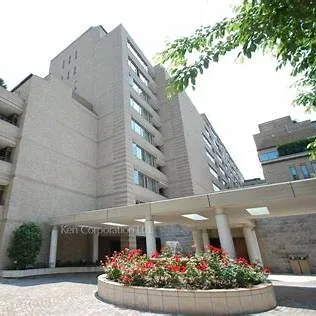
Minami-Azabu is renowned as an upscale residential district, home to numerous newly built high-rise condominiums and elegant detached houses. These properties typically feature high levels of insulation and airtightness, which at first glance create a comfortable living environment. However, this same airtightness can trap humidity, promoting mold growth that threatens both the health of residents and the aesthetic integrity of their homes. This section explores the unique characteristics of housing in Minami-Azabu and how they contribute to mold issues.
1-1. Increased Risk of Mold in Highly Airtight and Insulated Homes
Modern homes are increasingly designed to be airtight and well-insulated to improve energy efficiency and comfort. This trend is especially visible in Minami-Azabu, where the latest condos and houses minimize exposure to outside air. However, this design limits airflow, making it harder for indoor humidity to escape. Bathrooms and kitchens, in particular, are prone to high humidity levels, which can lead to hidden mold growth behind walls or ceilings. Additionally, condensation caused by temperature differences between indoor and outdoor air often occurs, creating ideal conditions for mold to thrive—often without residents even noticing.
1-2. Seasonal Humidity Trends and Mold Growth Patterns
As part of Tokyo, Minami-Azabu experiences a humid climate, especially from June to September, when average humidity levels frequently exceed 70%. During these months, the use of air conditioning while windows remain closed can further raise indoor humidity. Even small amounts of moisture can rapidly lead to mold growth under such conditions. Homes with basements or north-facing rooms that receive limited sunlight and ventilation are particularly susceptible. The combination of Minami-Azabu’s geographical and climatic factors with modern housing designs makes mold a deeply rooted problem in the area.
2. Characteristics of Homes Prone to Mold
The likelihood of mold developing in a home depends greatly on its construction, age, and building materials. In Minami-Azabu, where luxury high-rise condominiums coexist with older wooden houses, each type presents unique mold-related risks. This section explores the common vulnerabilities of different residential structures and why they are susceptible to mold.
2-1. Condensation Issues in High-Rise Apartments
In Minami-Azabu, luxury high-rise condominiums are a prominent feature. These buildings are designed to be highly airtight for efficient heating and cooling. However, limited airflow in such environments often leads to trapped moisture. In winter, warm indoor air meeting cold surfaces causes condensation, particularly on window panes, walls, and sometimes within the walls themselves. Because these areas are not always visible, mold can grow unnoticed behind wallpaper or around window frames. Kitchens and bathrooms, which are naturally humid, can also become problem areas, especially when the built-in ventilation systems fail to effectively remove moisture.
2-2. Moisture Problems in Older Wooden Houses
Minami-Azabu is also home to traditional wooden houses, some of which have historical value or are simply older structures. These homes often lack modern insulation and waterproofing, allowing rain and ground moisture to seep indoors. Poorly ventilated crawl spaces and locations with limited sunlight further exacerbate the damp conditions, creating an ideal environment for mold. As a result, mold can spread in places like under floors, inside closets, and within wall cavities—areas that may look clean but harbor serious internal mold issues.
3. Health Impacts of Mold
Mold in residential spaces does more than just create an unsightly environment—it poses serious health risks. In areas like Minami-Azabu, where many families with young children and elderly residents live, it's especially important to address these hazards.
3-1. Risks of Allergies and Respiratory Illnesses
Mold spores become airborne and are easily inhaled, which can trigger or worsen asthma, bronchitis, and allergic rhinitis. Individuals with weaker immune systems, such as children and the elderly, are particularly vulnerable. Prolonged exposure to mold can lead to chronic health conditions and diminished quality of life.
3-2. Structural Deterioration and Decrease in Property Value Due to Mold
Mold penetrates materials like wood, wallpaper, and insulation, weakening them over time. This internal decay can reduce the structural integrity of a building and significantly lower its market value. In luxury housing areas like Minami-Azabu, such damage can be especially costly when it comes time to sell or appraise a property.
4. Mold Prevention Case Studies in Minami-Azabu
Learning from local success stories can be a powerful way to understand and apply effective mold control strategies. In Minami-Azabu, many homes and facilities are actively taking steps against mold.
4-1. Use of MIST Method® in Luxury Homes
Some luxury residences in Minami-Azabu have adopted the MIST Method®, which gently removes mold without damaging the underlying materials. This technique involves spraying a specialized mist that penetrates deep into the structure and decomposes mold at its root, making it ideal for homes built with wood or natural finishes.
4-2. Condominium Common Area Prevention Measures
In high-rise buildings, management associations often address mold in shared spaces like basements, mechanical rooms, and trash areas. Regular cleaning, improved ventilation, and the application of anti-mold agents help maintain a clean and safe environment for residents.

5. Everyday Mold Prevention Strategies
Mold prevention doesn’t have to be left to professionals alone. With a few changes to daily habits, residents can dramatically reduce the risk of mold.
5-1. Importance of Humidity Control and Ventilation
Mold thrives in environments with humidity over 60%. Keeping indoor humidity below 50% using dehumidifiers or ventilation systems is essential. Strategic window opening and ensuring airflow throughout the house further help reduce moisture.
5-2. Regular Cleaning and Early Detection
Regularly checking and cleaning moisture-prone areas—like around water fixtures, behind furniture, and inside air conditioners—can prevent mold from gaining a foothold. At the first sign of mold, immediate cleaning with anti-mold agents is recommended to prevent spread.
6. Professional Mold Removal Solutions
In cases where mold is already widespread or hidden deep within walls, professional help becomes necessary.
6-1. Features of the MIST Method® by Kabi Busters
The MIST Method® uses a safe, mist-based solution to deeply penetrate affected materials and decompose mold. It’s a no-scrub process that avoids damaging surfaces, and is safe for homes with children or elderly residents, making it a preferred choice for high-end properties.
6-2. Advantages and Considerations When Hiring Professionals
While DIY methods have limits, professionals can accurately diagnose mold types and root causes. However, it's important to choose a reputable company—one that uses safe chemicals and has a proven track record.
7. Costs and Effectiveness of Mold Treatments
While mold removal can be an investment, the long-term benefits far outweigh the costs.
7-1. Comparing DIY vs. Professional Services
DIY mold sprays are inexpensive, but their effects are often temporary. Professional services, although more expensive (ranging from tens to hundreds of thousands of yen), offer long-lasting and reliable solutions, making them more cost-effective in the long run.
7-2. Importance of Long-Term Mold Control
Cutting corners on mold treatment can lead to bigger repair bills down the line. Investing in thorough, long-term solutions now can prevent serious structural issues and ensure a healthier living environment.
8. The Future of Mold Control in Minami-Azabu
Community-wide initiatives are becoming increasingly important in mold prevention efforts.
8-1. Need for Tailored Strategies Based on Regional Characteristics
Minami-Azabu’s high-density residential landscape makes airflow and sunlight difficult in some areas. This requires a customized mold control approach for each building to improve the overall neighborhood environment.
8-2. Raising Awareness and Community Collaboration
Residents must stay informed and share mold-related information. Collaborations with municipalities and condo management bodies—such as workshops and inspection campaigns—are proving effective.
9. Relationship Between Minami-Azabu’s Climate and Mold
The local climate significantly influences mold activity.
9-1. Seasonal Changes in Humidity and Temperature
Minami-Azabu, like the rest of Tokyo, experiences long periods of high humidity—especially during the rainy season and summer. Mold growth accelerates when temperatures exceed 20°C and humidity surpasses 60%, making seasonal vigilance crucial.
9-2. Effects of Terrain and Sunlight
Some parts of Minami-Azabu lie in valleys or are shaded by tall buildings, limiting sunlight and airflow. These factors increase moisture retention and make mold prevention through insulation and moisture barriers even more important.
10. The Need for Long-Term Mold Prevention and Community Involvement
Given Minami-Azabu’s unique urban landscape, sustainable and collaborative mold control is essential.
10-1. Enhancing Awareness and Information Sharing Among Residents
Mold is often invisible until it becomes a major issue. Sharing tips and alerts via local bulletin boards, online platforms, or neighborhood events can empower residents to take early action.
10-2. Strengthening Cooperation with Authorities and Management Bodies
Government subsidies, regular building inspections, and support from management associations play a crucial role in promoting mold safety. With proper coordination, Minami-Azabu could aim to become a “mold-free” neighborhood model for other urban areas.
Mold Removal and Prevention: Kabi Busters Osaka & Kabi Tori Reform Nagoya/Tokyo
In upscale residential areas like Minami-Azabu, mold problems often go unnoticed until they cause significant damage or health issues. Early and effective intervention is critical—and that’s where Kabi Busters Osaka and Kabi Tori Reform Nagoya/Tokyo come in.
Kabi Busters Osaka serves the Kansai region and is known for its extensive experience in tackling mold with its proprietary MIST Method®. This innovative approach eliminates mold at its root by using a specially developed mist that breaks down mold spores without scrubbing or damaging surfaces. It's a powerful yet safe treatment suitable for various materials including wood, textiles, and concrete. The process is safe for households with infants or elderly residents.
In the Kanto and Chubu regions, Kabi Tori Reform Nagoya/Tokyo provides the same MIST Method®-based services tailored to the specific climate and building styles of eastern Japan. In addition to mold removal, they offer long-lasting prevention treatments, significantly reducing the risk of recurrence and helping homeowners maintain a clean, healthy living environment.
Whether it’s a luxury home, historical property, or shared condominium facility, these specialists can propose optimal solutions. If you’re dealing with persistent mold issues or unsatisfactory results from previous services, don’t hesitate to reach out to Kabi Busters Osaka or Kabi Tori Reform Nagoya/Tokyo. They are fully equipped to support you in restoring and protecting your living space with care and expertise.
---------------------------------------------------------------------
カビ取リフォーム
東京営業所
〒141-0022
東京都品川区東五反田2-5-2 YHE CASK GOTANDA6階
電話番号:090-8321-4408
名古屋本社
〒465-0028
愛知県名古屋市名東区猪高台1-1301 タイコウビル1F
電話番号 : 0120-588-766
サイト:https://taikou-kensou.co.jp/
大阪営業所
〒532-0003
大阪府大阪市淀川区宮原1-19-23
電話番号:080-6978-3068
カビバスターズ大阪
https://kabibusters-osaka.com/
【検査機関】
一般社団法人微生物対策協会
https://kabikensa.com/
----------------------------------------------------------------------