“Why Mold Grows in Airtight Homes and How to Prevent It”
2025/06/03
Highly airtight houses offer energy efficiency and comfortable environments, but without proper ventilation and humidity control, mold can easily develop.
This article details the causes of mold in airtight homes, ways to prevent it, health and structural risks, and essential points for maintenance and construction.
We also introduce practical living tips and our proprietary MIST Method® from Mold Busters to ensure a mold-free, healthy environment for your family.

1. What is a Highly Airtight House?
A highly airtight house refers to a structure designed to minimize gaps and prevent the flow of outside air into the interior. While this improves insulation and heating/cooling efficiency, it can also increase the risk of moisture accumulation and mold growth if not properly ventilated. In this section, we will clearly explain the basic characteristics, benefits, and challenges of highly airtight homes.
1-1. Definition and Features of Highly Airtight Houses
A highly airtight house is one that significantly reduces air leakage through the outer walls, roof, floor, and openings. Airtightness is measured using a value called the "C-value" (specific air leakage area), with a rating of 1.0 or lower generally considered “highly airtight.” This construction reduces air exchange with the outside, leading to significantly improved heating and cooling efficiency and energy savings. When combined with insulation materials and double-glazed windows, these homes provide a consistently comfortable indoor environment throughout the year. However, the downside is that restricted airflow can cause humidity to become trapped, leading to mold issues.
1-2. Advantages and Disadvantages
The primary advantage of highly airtight houses is their superior energy efficiency. Lower heating and cooling needs reduce utility costs and lessen environmental impact. These homes also provide excellent sound insulation, blocking out external noise. However, without sufficient ventilation, humidity can build up indoors, increasing the risk of mold and dust mite proliferation. The highly insulated structure may also be prone to condensation, especially within walls or under floors, where mold can grow unnoticed. Therefore, it's essential to use a mechanical ventilation system and practice daily humidity control to maintain both comfort and safety. Understanding these structural traits and implementing the right countermeasures are key to making the most of an airtight home.
2. Causes of Mold in Highly Airtight Homes
While highly airtight houses excel in maintaining indoor temperatures and energy efficiency, they also have a tendency to trap moisture and limit airflow—conditions that are ideal for mold growth. In this section, we’ll explain the specific reasons mold tends to appear in highly airtight homes.
2-1. Moisture Retention Due to Inadequate Ventilation
Because highly airtight homes prevent natural ventilation, indoor air—including moisture from activities like cooking, bathing, and laundry—cannot easily escape. This results in increased humidity levels that create an ideal environment for mold. In conventional homes, natural air leakage through window gaps and other areas provides passive ventilation. However, in airtight homes, this exchange is blocked, making mechanical ventilation systems essential. Even when a 24-hour ventilation system is installed, it may not function effectively if filters are clogged or if users don't operate it properly. As a result, moisture accumulates and creates mold-prone conditions.
2-2. Wall Condensation and the Impact of Insulation
In highly airtight homes, the temperature difference between the inside and outside can become significant, especially due to well-installed insulation. This often leads to condensation inside walls or ceilings—known as "interstitial condensation." Because this occurs in hidden spaces, it's difficult to detect and mold may quietly spread over time. When insulation materials absorb moisture, their effectiveness drops and mold can grow even faster, accelerating deterioration. For example, in homes using spray foam insulation, even small gaps or inconsistencies in the application can allow moisture to seep in and cause mold. Inadequate balance between insulation and ventilation can lead to serious hidden mold problems that compromise both health and structural integrity.
3. Common Mold-Prone Areas and Their Causes
In highly airtight homes, restricted airflow creates specific spots where moisture tends to accumulate, making them prime locations for mold growth. Often, mold spreads in hidden areas and is only discovered after it has already caused significant damage. This section outlines the places most vulnerable to mold and explains why they are at risk.
3-1. Wet Areas (Bathroom, Kitchen, Washroom)
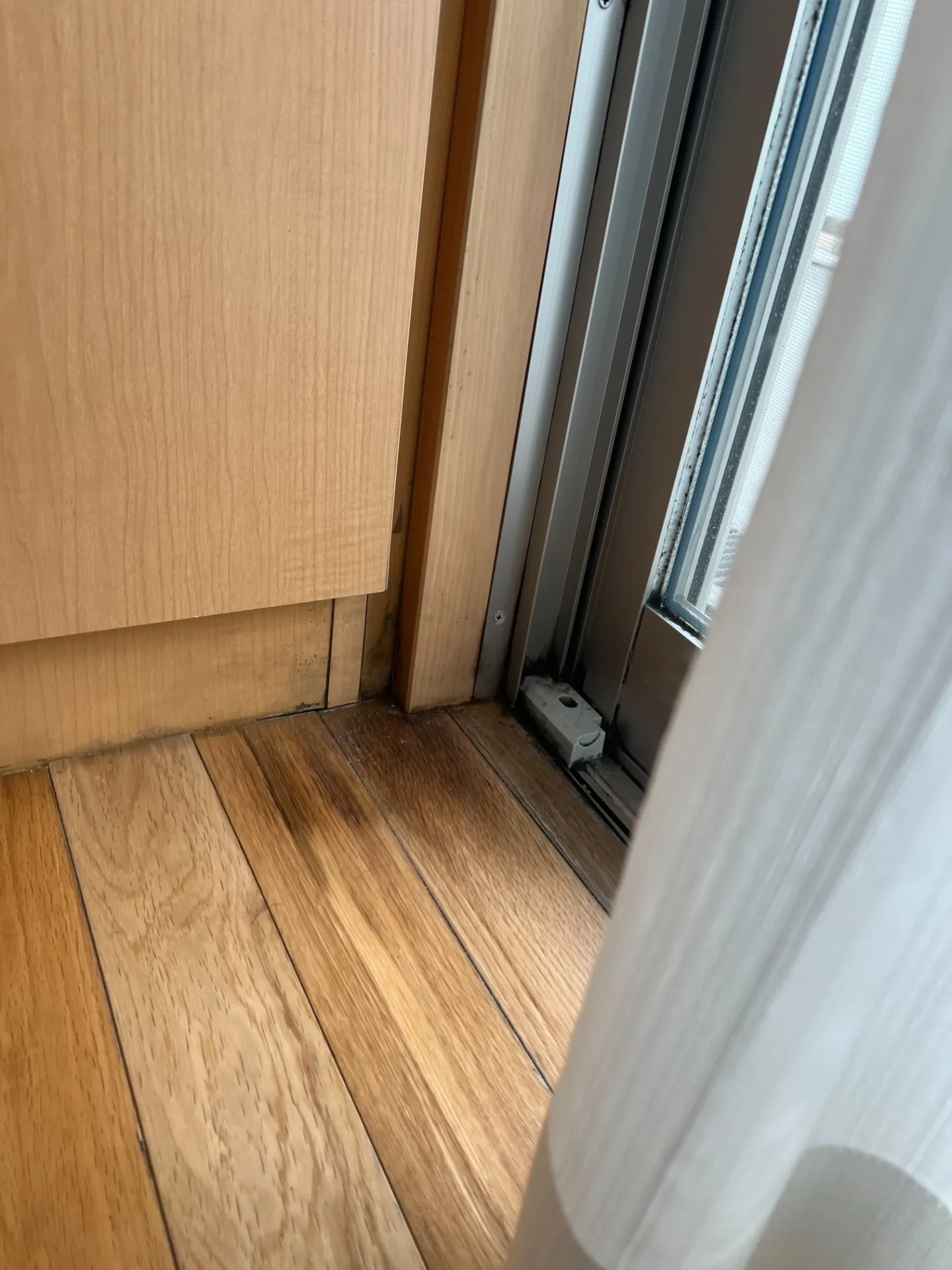
The most common areas where mold appears are wet zones like bathrooms, kitchens, and washrooms. Bathrooms generate a large amount of steam during showers, while cooking and dishwashing release moisture into the air in kitchens. Washrooms also experience frequent water splashes and serve as dressing rooms, making them prone to high humidity. In highly airtight homes, this moisture cannot escape easily, and even a functioning ventilation fan may not be enough to fully remove it. These spaces also tend to stay warm, creating the perfect conditions for mold growth: heat and humidity. Mold is especially likely to form in tile grout, caulking, and behind cabinets—areas that trap moisture and are hard to clean.
3-2. Hidden Areas like Under the Floor and Inside Walls
Mold doesn't just grow in visible areas—it also thrives in hidden spaces such as inside walls and under floors. These areas lack ventilation and are susceptible to condensation due to temperature differences between indoor air and exterior surfaces. For example, in winter, warm indoor air can condense inside wall cavities when it comes into contact with cold outer walls, causing interstitial condensation. This moisture seeps into insulation and wood, creating a prolonged damp environment ideal for mold. Floor spaces are also vulnerable, especially when ground moisture rises and becomes trapped due to airtight construction. If access panels or vents are blocked, the risk increases. Because these mold problems are hard to detect, regular inspections are essential for prevention.
4. Health Hazards and Structural Impact of Mold
Mold is more than just an unsightly problem—it can seriously affect both human health and the structure of your home. In highly airtight homes, mold often grows in hidden areas, releasing spores into the air that can go unnoticed while causing significant harm. This section explains the potential health risks and the damage mold can inflict on your home.
4-1. Risk of Allergies and Respiratory Issues
Mold releases microscopic particles called spores into the air, which can be inhaled and enter the body. These spores act as allergens and can trigger symptoms such as allergic rhinitis, asthma, and atopic dermatitis. Children, the elderly, and individuals with compromised immune systems are particularly vulnerable. In highly airtight homes, limited air exchange with the outside allows these spores to remain suspended in the air for extended periods. Since residents spend a lot of time in enclosed spaces like bedrooms and living rooms, prolonged exposure can gradually affect their health. Persistent coughing, sneezing, or throat irritation may be signs that mold is present and affecting your indoor air quality.
4-2. Material Deterioration and Shortened Lifespan of the Home
Mold doesn't just harm human health—it also degrades building materials such as wood, drywall, and insulation. When mold develops in concealed areas like inside walls or under the floor, it can lead to material rot and even attract termites, further worsening structural damage. Prolonged exposure to moisture weakens the integrity of the home, potentially requiring large-scale renovations or even reconstruction. In highly airtight homes, mold is often not visible from the outside, making detection difficult. Discoloration, stains, or musty odors may be the only signs. Regular inspections and a proactive approach to mold prevention are critical for maintaining the durability and safety of your home.
5. Basic Mold Prevention Strategies for Airtight Homes
To maintain a comfortable living environment in highly airtight homes, it's essential to prevent mold before it starts. Once mold appears, it can be difficult to remove completely and may impact both health and the building's integrity. This section outlines fundamental mold prevention techniques tailored to airtight homes.
5-1. Installing and Using Proper Ventilation Systems
Natural ventilation is limited in airtight homes, making mechanical ventilation systems a necessity. Installing a 24-hour ventilation system allows fresh air to circulate continuously, removing humidity and airborne contaminants. One effective option is the "Type 3 ventilation system," which combines natural air intake with mechanical exhaust. However, simply installing the system isn’t enough—filters must be cleaned regularly, and users should understand how to operate the system effectively. For example, after cooking or bathing, using localized exhaust fans in combination with the main system helps remove moisture promptly. It's also crucial to periodically check that the ventilation is functioning properly to ensure a healthy indoor environment.
5-2. Humidity Control and Condensation Prevention
Mold tends to grow when indoor humidity exceeds 60%. Therefore, maintaining humidity around 50% is ideal. Using dehumidifiers and air conditioners with a “dry” mode can help achieve this. Condensation is another concern, especially when there's a large temperature difference between indoor and outdoor air. Poor insulation or installation can result in moisture buildup, particularly around windows and inside walls. Avoid placing furniture directly against walls—leave a few centimeters of space to encourage airflow and prevent moisture from becoming trapped. Monitoring indoor humidity with a hygrometer and adjusting your habits accordingly is a proactive step toward keeping mold at bay.
6. Key Considerations During Construction
Preventing mold in highly airtight homes isn't just about post-construction maintenance—it starts during the building process. How insulation is selected and installed, as well as how airtightness and ventilation are balanced, plays a major role in whether mold issues will develop later. This section covers essential points to consider during construction to avoid future mold problems.
6-1. Choosing Insulation and Proper Installation Methods
Various types of insulation—such as fiberglass, spray foam, and cellulose—are used in modern homes, but regardless of the material, precise and gap-free installation is critical. Even the highest-performing insulation can allow condensation and mold growth if there are gaps or loose sections. Insulation that absorbs moisture also loses its effectiveness and becomes a breeding ground for mold. On-site mistakes, like over-compressing insulation or failing to secure it properly, often lead to these issues. In the case of spray foam insulation, it's important to verify the thickness and check for any unfilled areas using visual inspections or specialized tools. Attention to detail during installation helps prevent long-term moisture problems.
6-2. Balancing Airtightness with Ventilation
While increasing airtightness is important for energy efficiency, it must be balanced with adequate ventilation. For example, the “ventilated exterior wall system” allows interior moisture to escape through designed airflow layers in the wall. This design concept ensures indoor air is sealed off, while any moisture that enters wall cavities can exit to the outside. During construction, it’s vital to confirm that both the airtight membrane and ventilation paths are correctly implemented. Any tears in vapor barriers or incomplete sealing at junctions can allow moisture to enter and cause mold growth. Therefore, effective mold prevention in airtight homes requires not just sealing the air in—but also providing pathways for moisture to escape.
7. Importance of Regular Maintenance and Inspection
Highly airtight homes offer exceptional insulation and energy savings, but their structure also makes them more susceptible to moisture and mold issues. To maintain a safe and comfortable living environment, routine inspections and timely maintenance are essential. This section outlines key practices for detecting mold early and when to consult professionals.
7-1. Early Detection and Prompt Response
Because mold often develops in hidden areas, it’s crucial to stay alert for subtle signs such as musty odors, wall discoloration, or excess moisture near windows and in closets. High-risk areas like bathrooms, kitchens, and underfloor storage should be opened periodically to allow airflow and inspected visually. Early detection enables faster and more effective mold removal, minimizing impact on health and the building structure. In airtight homes, where mold is harder to spot, forming a habit of routine checks can prevent major issues.
7-2. Professional Inspections and Solutions
To accurately assess hidden mold, hiring professionals is highly effective. Experts use tools like humidity and temperature sensors, infrared cameras for detecting condensation, and air sampling to identify mold. Homes older than five years are at higher risk, making annual inspections ideal. If mold is found early, it can often be removed through simple cleaning or protective treatments, avoiding costly repairs. Professional services not only offer removal but also ongoing support and moisture control advice—ensuring long-term safety and peace of mind.
8. Mold Busters’ MIST Method® as a Solution
In airtight homes, surface cleaning alone isn’t enough to remove mold that has penetrated deep into materials or wall cavities. This is where Mold Busters Osaka and Mold Removal Reform Nagoya/Tokyo offer a reliable solution through the MIST Method®—a unique system that safely eliminates mold at its root without damaging materials.
8-1. Features and Effects of the MIST Method®
The MIST Method® customizes specialized mold-removal agents according to the surface and extent of mold growth. A fine mist is used to penetrate materials without any scraping or scrubbing, preserving delicate surfaces like wood or wallpaper. The treatment is safe for children and the elderly, with proven non-toxic results. After removal, a long-lasting anti-mold coating is applied to prevent recurrence. This powerful combination of safety, effectiveness, and prevention sets MIST apart from traditional methods.
8-2. Case Studies and Customer Feedback
Clients have reported high satisfaction with the MIST Method®, noting that persistent mold issues were finally resolved and materials remained intact. In one case, a moldy odor in a highly airtight home was eliminated after treatment, restoring comfort to the living space. The follow-up support, including periodic inspections and humidity management advice, ensures continued protection. These real-life results reinforce the reliability of Mold Busters Osaka and Mold Removal Reform in Nagoya and Tokyo.
9. Tips for Living Comfortably in Airtight Homes
While airtight homes provide excellent climate control and energy savings, managing moisture daily is essential to avoid mold. With the right habits, you can enhance comfort and prevent mold effectively.
9-1. Everyday Humidity Management Techniques
Use exhaust fans during cooking and bathing to quickly remove moisture. Dry laundry outdoors or with a bathroom drying system to reduce indoor humidity. If using a humidifier, maintain levels between 50-60% with a hygrometer. During humid seasons or winter, run a dehumidifier or air conditioner’s dry mode. Also, leave a gap between furniture and walls to promote airflow and reduce moisture buildup.
9-2. Revising Furniture Layout and Storage
Avoid placing large furniture directly against walls. Leave a few centimeters of space for ventilation to prevent condensation and mold. In closets, avoid over-packing, and use moisture absorbers or charcoal to control humidity. Ventilate storage spaces regularly, especially during seasonal changes, to maintain a mold-free environment. These small habits contribute greatly to long-term comfort and indoor health.
10. Summary and Future Measures
Highly airtight homes offer many benefits, but they are also prone to hidden moisture and mold problems. Proactive management is crucial to preserving both health and property value.
10-1. Summary of the Mold Issue in Airtight Homes
Airtight homes trap humidity, making them vulnerable to mold, especially in bathrooms, walls, and underfloor areas. Undetected mold can harm health and damage building materials. Proper insulation, airtightness balance, and ventilation are vital. Regular inspections and prompt responses help minimize risks and costs.
10-2. How to Maintain a Comfortable Living Environment
To keep your home safe and comfortable, focus on prevention, maintenance, and expert support. Use ventilation systems correctly, control humidity, and inspect problem areas routinely. For serious mold issues, turn to professionals like Mold Busters Osaka or Mold Removal Reform Nagoya/Tokyo, who offer effective, safe, and long-lasting solutions with the MIST Method®. With the right strategies and expert help, you can enjoy the full benefits of a modern airtight home—without the mold.
Mold Removal and Prevention by Mold Busters Osaka & Mold Removal Reform in Nagoya and Tokyo
Mold problems in airtight homes cannot be solved with surface cleaning alone. Hidden mold in walls and insulation requires expert treatment. That’s where Mold Busters Osaka and Mold Removal Reform in Nagoya and Tokyo come in.
Their unique MIST Method® uses a fine mist of specially formulated agents tailored to the material and mold type. Unlike traditional scraping or harsh chemicals, this method gently penetrates surfaces without causing damage, even on delicate materials. It also applies a protective anti-mold coating that prevents recurrence and keeps your home safe long-term.
With certified safety standards, the treatment is suitable for homes with children and elderly residents, as well as hospitals and care facilities. Backed by professional technicians, detailed inspections, and ongoing support, Mold Busters Osaka and the Nagoya/Tokyo teams deliver peace of mind along with proven results.
Don’t let hidden mold undermine your home’s comfort and value. Trust the experts to restore and protect your living space with cutting-edge technology and care.
---------------------------------------------------------------------
カビ取リフォーム
東京営業所
〒141-0022
東京都品川区東五反田2-5-2 YHE CASK GOTANDA6階
電話番号:090-8321-4408
名古屋本社
〒465-0028
愛知県名古屋市名東区猪高台1-1301 タイコウビル1F
電話番号 : 0120-588-766
サイト:https://taikou-kensou.co.jp/
大阪営業所
〒532-0003
大阪府大阪市淀川区宮原1-19-23
電話番号:080-6978-3068
カビバスターズ大阪
https://kabibusters-osaka.com/
【検査機関】
一般社団法人微生物対策協会
https://kabikensa.com/
----------------------------------------------------------------------